In this article, I will highlight the best agriculture loans available to farmers for sustainable farming projects, focusing on lending solutions that enable farmers to further integrate sustainable practices, modern technologies, and diversification into their income streams.
- Key Points & Top Agriculture Loans for Modern Sustainable Farming Projects
- 10 Top Agriculture Loans for Modern Sustainable Farming Projects
- 1. Crop Loan Schemes
- 2. Agriculture Term Loans
- 3. Solar Loans for Farmers
- 4. Agri-Business Loans
- 5. Kisan Credit Card (KCC)
- 6. Farm Mechanization Loans
- 7. Warehouse Receipt Financing
- 8. Organic Farming Loans
- 9. Dairy and Livestock Loans
- 10. Irrigation Development Loan
- Cocnlsuion
- FAQ
The loans promote crop farming as well as the use of renewable energy, farming equipment, irrigation systems, and organic farming which positions agri-businesses for the future and promotes the financial sustainability of farming communities around the world.
Key Points & Top Agriculture Loans for Modern Sustainable Farming Projects
Crop Loan Schemes Provide short-term credit for seeds, fertilizers, and inputs, ensuring farmers meet seasonal cultivation expenses.
Agriculture Term Loans Finance long-term investments like machinery, irrigation systems, and infrastructure supporting sustainable farming practices.
Solar Loans for Farmers Support installation of solar pumps and panels, reducing energy costs and promoting eco-friendly farming.
Agri-Business Loans Enable farmers to invest in food processing, storage, and distribution, strengthening agricultural value chains.
Kisan Credit Card (KCC) Offer flexible, revolving credit for crop production, allied activities, and household needs of farmers.
Farm Mechanization Loans Provide funds for purchasing tractors, harvesters, and modern equipment, improving efficiency and productivity.
Warehouse Receipt Financing Allow farmers to store produce securely and borrow against it, avoiding distress sales post-harvest.
Organic Farming Loans Encourage eco-friendly practices by financing organic inputs, certification, and sustainable cultivation methods.
Dairy and Livestock Loans Support investment in cattle, poultry, and dairy infrastructure, diversifying farm income sources.
Irrigation Development Loans Fund drip irrigation, sprinklers, and water conservation systems, ensuring sustainable resource management.
10 Top Agriculture Loans for Modern Sustainable Farming Projects
1. Crop Loan Schemes
Farmers receive short term loans called crop loans that help them buy seeds, fertilizers, pesticides, and other farm inputs.
The loans help farmers cultivate on time and farm operationally stable by covering seasonal expenses and reducing informal lender dependency.
The loans are designed with repayment timelines that are harvest cycle aligned, meaning, farmers only need to repay the loan after selling their harvest.
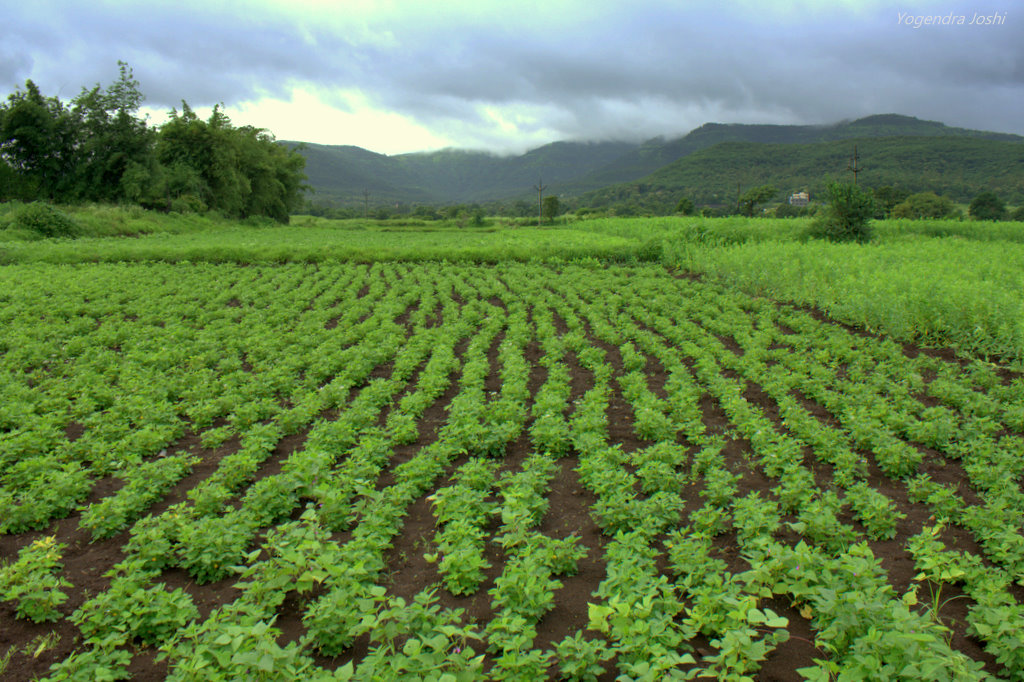
Crop loans are emerged to sustain stress less, financially and agriculturally, support liquidity during the planting seasons.
They support the adoption of modern inputs that enhance productivity, eco-friendly farming, and food security.
Features:
- Seasonal farming needs financial assistance with a defined duration.
- Loan repayment is made post-harvest.
- Financial rates are less expensive for farmers.
- Loans cover the purchase of inputs.
| Pros | Cons |
|---|---|
| Provides quick access to seasonal farming funds. | Limited to short-term needs, not long-term investments. |
| Repayment aligned with harvest cycles. | Risk of debt if crops fail. |
| Affordable interest rates for farmers. | May not cover unexpected expenses fully. |
| Supports purchase of essential inputs. | Dependence on weather conditions affects repayment ability. |
2. Agriculture Term Loans
An example of an agricultural term loan is the purchasing of construction of farm integrated to the irrigation systems.
Farmers make long-lasting additions to their farms, such as adding to their farm equipment (e.g. tractors and harvesters) and building irrigation storage, to improve their efficiencies.
Also, farm additions, are capital intensive, therefore, they must be paid over an extended period of time. The term loans helps make modern farm additions.
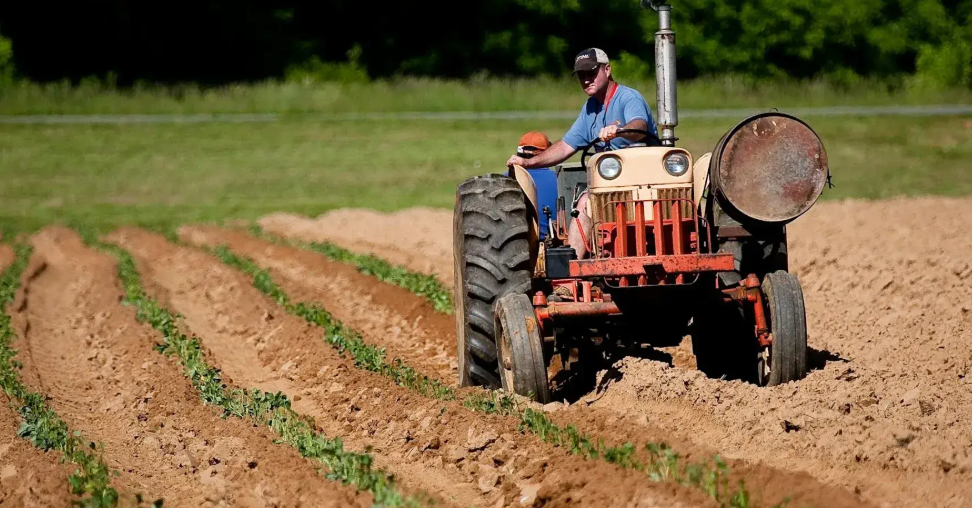
Modern farm structures often make labor cost cuts and increase production. Also, the term loans helps make sustainable additions, such as, systems that conserve the of water.
This aligns with the goals of sustainable and conservation farming. Ultimately, term loans improve the farms structure and farm financially.
Features:
- financing on a long-term basis for business add-ons like irrigation, etc.
- Flexible repayment plans.
- financing on a long-term basis for business add-ons like irrigation, etc.
- financing machinery and irrigation systems.
- promotes modernization and sustainability.
| Pros | Cons |
|---|---|
| Enables long-term investment in infrastructure. | Longer repayment periods increase financial burden. |
| Supports modernization of farming practices. | Requires collateral in many cases. |
| Flexible repayment schedules available. | Interest rates may be higher than crop loans. |
| Enhances productivity and sustainability. | Approval process can be lengthy. |
3. Solar Loans for Farmers
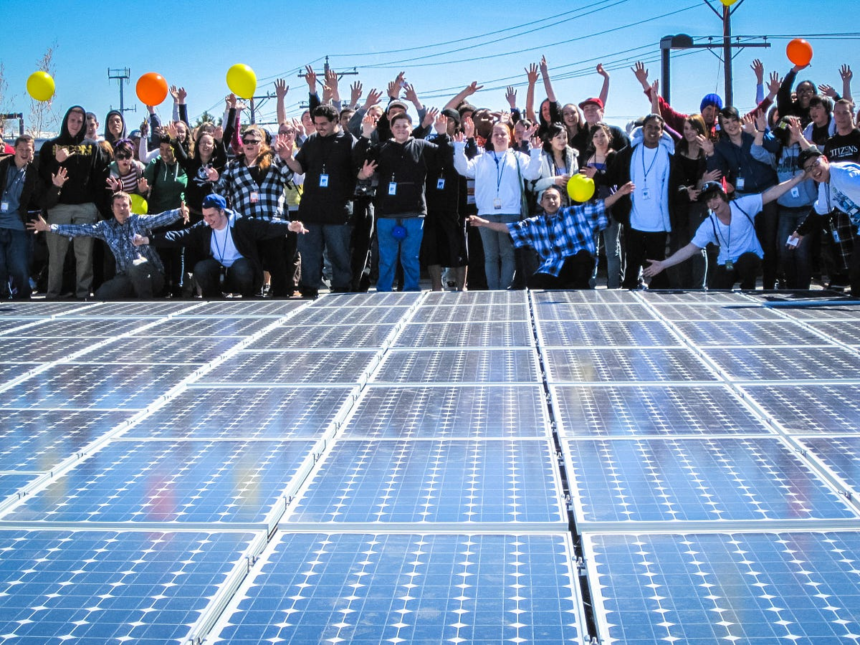
Farmers can use solar loans to get financing for the purchase of solar powered irrigation pumps and panels.
This type of loan allows farmers to avoid the use of expensive and carbon emitting diesel, or the use of unreliable electricity to drive down operational costs and carbon emissions.
Reliable water solar powered irrigation pumps and panels increase crop yields and make water use more efficient.
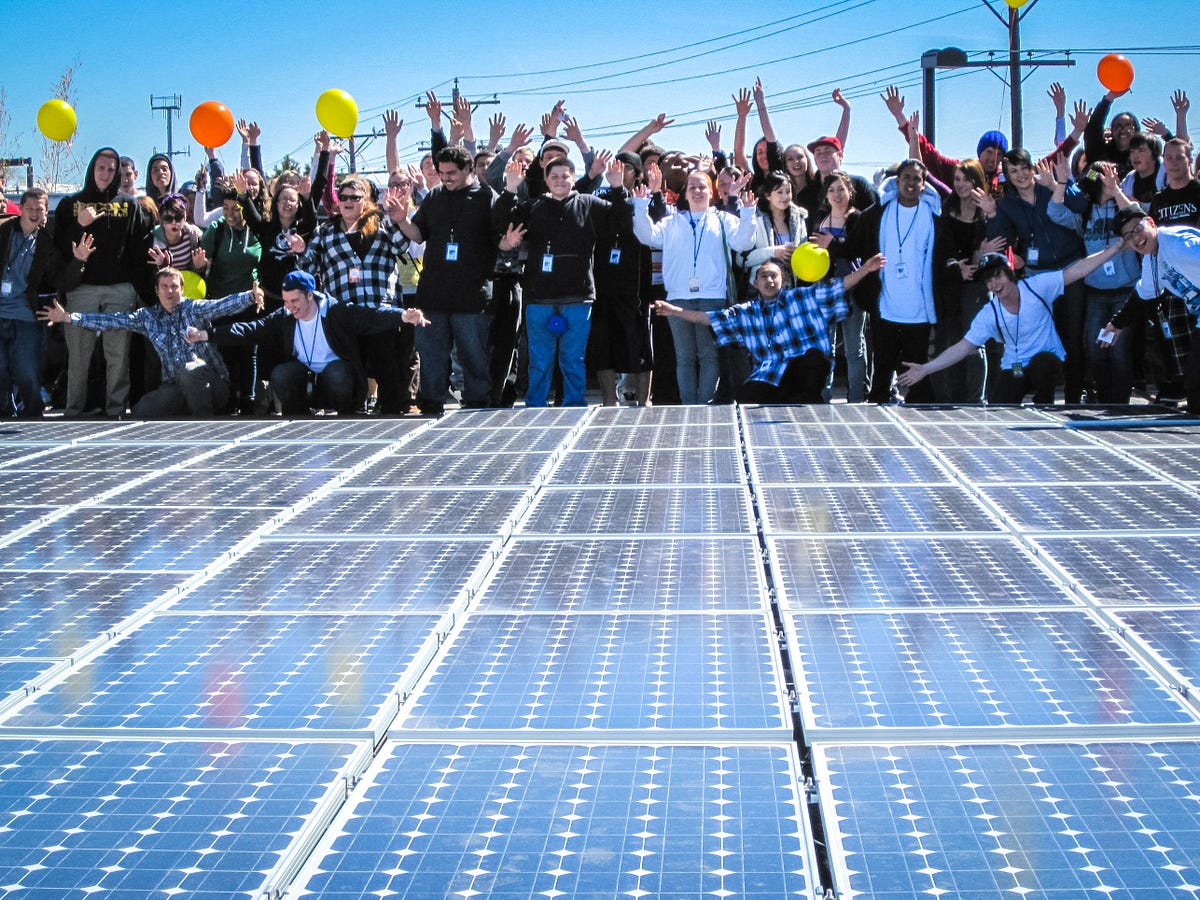
Additionally, the loans are subsidized by the government, making them accessible for small and medium farmers.
Solar loans help farmers adopt clean energy by giving them energy independence and/or self-sufficient farming operational.
Features:
- Loans for solar panels and pumps.
- Provides sustained reduction in electricity expenses.
- Supports sustainable farming.
- Promotes and innovative sustainable energy farming solutions.
| Pros | Cons |
|---|---|
| Reduces electricity costs significantly. | High initial investment required. |
| Promotes eco-friendly farming practices. | Maintenance costs for solar systems. |
| Ensures reliable, sustainable energy supply. | Limited availability in remote areas. |
| Long-term savings and independence. | Technology adoption challenges for small farmers. |
4. Agri-Business Loans
Agri-business loans assist farm and food processing entrepreneurs, and those in packaging, storage, and distribution.
With these loans, farmers strengthen the agricultural supply/value chain by processing raw produce into sellable goods.
With financing, farmers can make further investments in cold storage, milling, and processing which reduces post-harvest losses.

Agri-business loans promote diversification in farming and expansion into allied sectors, such as dairy, poultry, or horticulture.
Rural jobs in processing and logistics also become available. These loans provide better margins and sustain the new age agriculture by improving the various elements of profitability and convenience.
Features:
- Loans for storage and processing units.
- Strengthens agricultural supply/value chains.
- Fosters entrepreneurial spirit among farmers.
- Decreases post-harvest losses.
| Pros | Cons |
|---|---|
| Financing for processing and storage units. | Requires strong business planning. |
| Strengthens agricultural value chains. | Higher risk compared to crop loans. |
| Encourages farmer entrepreneurship. | Repayment depends on market demand. |
| Reduces post-harvest losses. | May need larger collateral. |
5. Kisan Credit Card (KCC)
Farmers can receive flexible and adjustable credit through the Kisan Credit Card scheme. Kisan Credit Cards enhance the accessibility of affordable credit.
This helps farmers lower their dependence on unorganized credit markets and informal lenders. Farmers can credit cash and depend on their sales for repayment.

The Kisan Credit Card scheme also helps with the liquidity of other urgent farming activities. The KCC scheme aids in the liquidity of other household and emergency insurances.
Kisan Credit Card prices are also very attractive due to the government’s subsidization and the scheme’s popularity. Financial inclusion in farming practices sustains the adoption of other modern practices in farming.
Features:
- Revolving line of credit for farmers.
- Covers household and farming.
- Interest rates are favorable.
- Repayment terms are flexible
- Farm Mechanization Loans
| Pros | Cons |
|---|---|
| Provides revolving credit facility. | Limited credit limit for small farmers. |
| Covers crop and household needs. | Misuse of funds possible. |
| Low interest rates offered. | Requires timely renewal. |
| Easy repayment flexibility. | Dependence on bank approval processes. |
6. Farm Mechanization Loans
The financing of farm mechanization loans can make it possible for farmers to make purchases of machines like tractors and harvesters as well as other tools to improve productivity and efficiency.
Farm mechanization loans help farmers to rely less on manual labor to farm larger amounts of land in shorter periods of time.
With the use of farm mechanization loans precision farming can be improved because seed and fertilizer inputs can be used to minimize overuse.
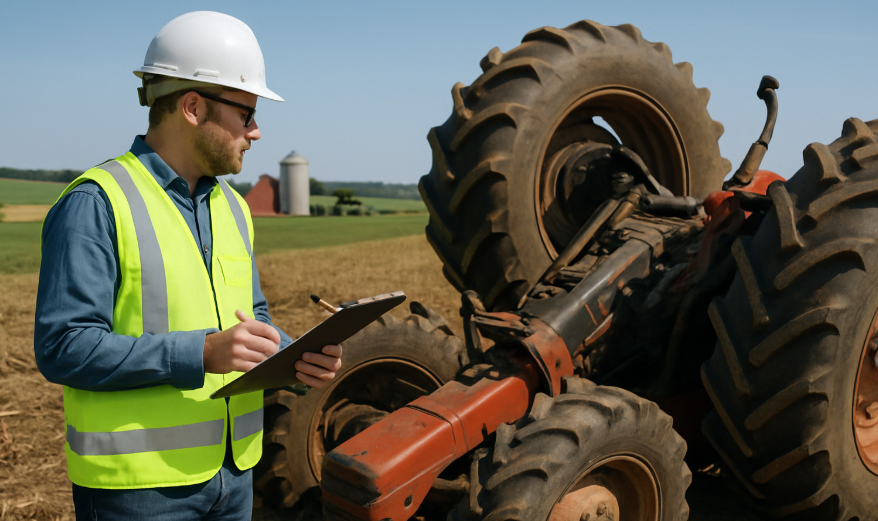
Because of the use of farm mechanization loans, farmers can increase yields and make farming more sustainable.
Flexible repayment plans also make farm mechanization loans more accessible for micro, small, and medium farmers.
All of the above makes farm mechanization loans very important to help make agriculture more modern and sustainable.
Features:
- Provision of finance for the purchase of tractors and other farming tools and equipment
- Improves operational efficiency and productivity
- Significant reduction in labor costs
- Mechanization of farming operations is encouraged
| Pros | Cons |
|---|---|
| Financing for tractors and equipment. | High cost of machinery increases debt. |
| Improves efficiency and productivity. | Maintenance expenses are significant. |
| Reduces labor costs. | Not suitable for small landholdings. |
| Encourages adoption of technology. | Risk of underutilization of equipment. |
7. Warehouse Receipt Financing
Farmers are able to securely store their produce without having to make distress sales because of warehouse receipt financing, which also allows them to borrow against it.
Farmers wait to make better market sales, and in the meantime, they receive credit by pledging warehouse receipts.
This practice decreases the losses post harvest, and also assists in financial stability by fetching better returns.

It also motivates the farmers to practice better storage techniques and keep the quality of their produce for a longer period.
It encourages sustainable farming by less waste, improving the efficiency of the supply chain, and reducing financing to become wasteful as farmers also retain their profits. All of this makes warehouse financing a critical aspect of modern agriculture.
Features:
- Provision of loans using stored crops as collateral
- Prevents the need to sell one’s crops for less than their worth after the harvest
- Sells crops at a higher price than their worth
- Improves control over finances
| Pros | Cons |
|---|---|
| Loans against stored produce. | Requires access to certified warehouses. |
| Prevents distress sales post-harvest. | Storage costs may reduce profits. |
| Ensures better price realization. | Market fluctuations still affect returns. |
| Strengthens financial stability. | Limited awareness among farmers. |
8. Organic Farming Loans
Eco-conscious financing of organic inputs, certification, and sustainable farming methods is made possible by organic farming loans.
These loans assist farmers in moving away from chemical-based farming and adopting natural and soil-friendly practices.
Financing encourages the establishment of composting units, the use of bio-fertilizers, and streamlining of certification processes, which in turn makes premium organic market access possible.
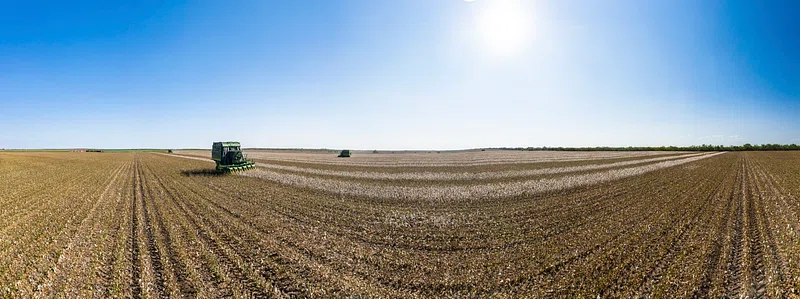
Organic farming loans enhance farming practices that increase biodiversity, promote healthy soils, and reduce harmful chemical pollution.
Farmers gain from the higher prices the market offers for organic foods making it more profitable for them.
Because of their support of green practices, these loans facilitate the development of healthy ecosystems and the sustainable farming of the future.
Features:
- Applies to the purchase of organic inputs
- Certification support
- Financing sustainable farming activities
- Grants farmers access premium markets
| Pros | Cons |
|---|---|
| Financing for organic inputs. | Certification process is expensive. |
| Supports eco-friendly cultivation. | Lower yields compared to conventional farming. |
| Promotes soil health and biodiversity. | Market demand varies regionally. |
| Access to premium markets. | Transition period can be financially challenging. |
9. Dairy and Livestock Loans
Dairy and livestock loans make it possible to invest in and construct livestock and poultry farming and dairy infrastructure, helping to diversify a farm’s income streams.
They help farmers buy livestock, build livestock shelters, and milking equipment. Livestock loans also foster allied activities, which help to lessen crop income dependency, and improve overall income and financial security.
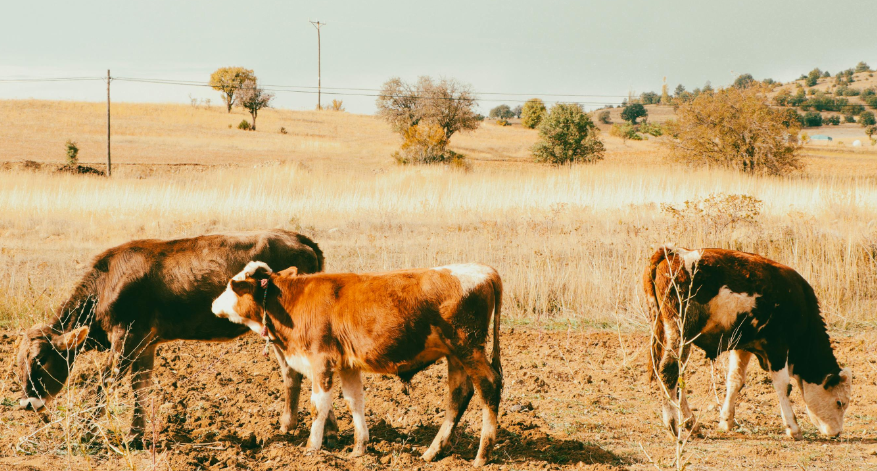
Livestock loans also positively impact rural jobs and food security by increasing, among other things, production of milk, meat, and eggs.
In addition to the government loan subsidies, the loans provide insurance coverage to the farmer, which reduces their risk. Dairy and livestock loans improve the diversification of farming activities.
Features:
- Financing livestock and poultry
- Financing construction of dairy facilities
- Fodder and vet care
- Additional sources of income for farms
| Pros | Cons |
|---|---|
| Financing for cattle and poultry. | Requires continuous care and management. |
| Supports dairy infrastructure development. | Disease outbreaks can cause losses. |
| Covers fodder and veterinary care. | Market prices for milk/meat fluctuate. |
| Diversifies farm income sources. | Initial investment is high. |
10. Irrigation Development Loan
Irrigation development loans cover the financing of systems such as drip irrigation, sprinklers, and water conservation technologies, keeping resource management automated and sustainable.
These loans assist farmers in the optimization of water use, reducing water waste, and enhancing the yield of crops.
With the modern irrigation systems and the involvement of farmers, the efficiency of cultivation in arid regions is enhanced.

Financing irrigation systems promotes eco-sustainable farming, which is also aligned with climate responsiveness.
The reduced costs, increased productivity, and preserved soil health of farmers positively impacts irrigation loans.
They also provide the indispensable resource of water, increasing balance in modern agricultural practices.
Features:
- Financing for drip irrigation systems
- Development of water conservation systems
- Sustainable management of resources
- Significant improvement of crop yields
| Pros | Cons |
|---|---|
| Financing for drip irrigation systems. | Installation costs are high. |
| Promotes water conservation practices. | Requires technical knowledge. |
| Ensures sustainable resource management. | Limited adoption in small farms. |
| Improves crop yields significantly. | Maintenance and repair costs add burden. |
Cocnlsuion
In Conclusion For agriculture loans, allowing farmers to adopt and manage sustainable practices, innovative technologies, and diversified income streams, is paramount.
From loans for crops to financing for the development of irrigation, each alternative fosters productivity and environmentally friendly practices.
With the support of these adaptable agrifinancial instruments, farmers are empowered with long-term growth, resilience, and profitability, making certain that agriculture is sustainable and future ready for years to come.
FAQ
Crop loan schemes provide short-term credit to farmers for seeds, fertilizers, and seasonal cultivation expenses.
Term loans finance long-term investments like machinery and infrastructure, while crop loans cover seasonal needs.
Solar loans help install solar pumps and panels, reducing energy costs and promoting eco-friendly farming.
Agri-business loans support food processing, storage, and distribution, strengthening agricultural value chains and farmer entrepreneurship.