
In this article, I will talk about the leading Ethereum Treasuries Trackers. These Trackers assist analysts and investors in tracking ETH holdings, institutional activity, and market movements.
- Key Poinst & Top Ethereum Treasuries Trackers
- 10 Top Ethereum Treasuries Trackers
- 1. CoinGecko Ethereum Treasuries
- 2. The Block Ethereum Treasuries
- 3. DroomDroom Ethereum Treasury Tracker
- 4. Arkham Intelligence
- 5. Nansen Portfolio Tracker
- 6. Messari Treasury Tracker
- 7. Glassnode Ethereum Holdings
- 8. CryptoTreasuries.org
- 9. Bitcointreasuries.net (ETH section)
- 10. TokenAnalyst (archived/merged with Coinbase)
- How To Choose Top Ethereum Treasuries Trackers
- Cocnlsuion
- FAQ
Trackers offer large wallet data, corporate treasury data, DeFi engagement data, real-time analytics, and historical data.
Key Poinst & Top Ethereum Treasuries Trackers
| Ethereum Treasury Tracker | Key Point |
|---|---|
| CoinGecko Ethereum Treasuries | Tracks ETH holdings of public companies & governments |
| The Block Ethereum Treasuries | Provides real-time corporate Ethereum holdings data |
| DroomDroom Ethereum Treasury Tracker | Analytics of companies & governments ETH reserves |
| Arkham Intelligence | Blockchain intelligence platform tracking institutional ETH wallets |
| Nansen Portfolio Tracker | On-chain analytics for Ethereum treasuries and DeFi protocols |
Messari Treasury Tracker | Research-driven insights into ETH allocations by institutions |
| Glassnode Ethereum Holdings | On-chain metrics showing ETH reserves of entities |
| CryptoTreasuries.org | Public database of corporate crypto holdings including ETH |
| Bitcointreasuries.net (ETH section) | Lists Ethereum holdings alongside Bitcoin treasuries |
| TokenAnalyst (archived/merged with Coinbase) | Historical ETH treasury tracking for institutions |
10 Top Ethereum Treasuries Trackers
1. CoinGecko Ethereum Treasuries
CoinGecko’s Ethereum Treasuries section aggregates ETH holdings from various organizations, projects, and whales, providing real-time analytics.
It combines data from multiple wallets and smart contracts, allowing users to monitor ETH’s large-scale movements.
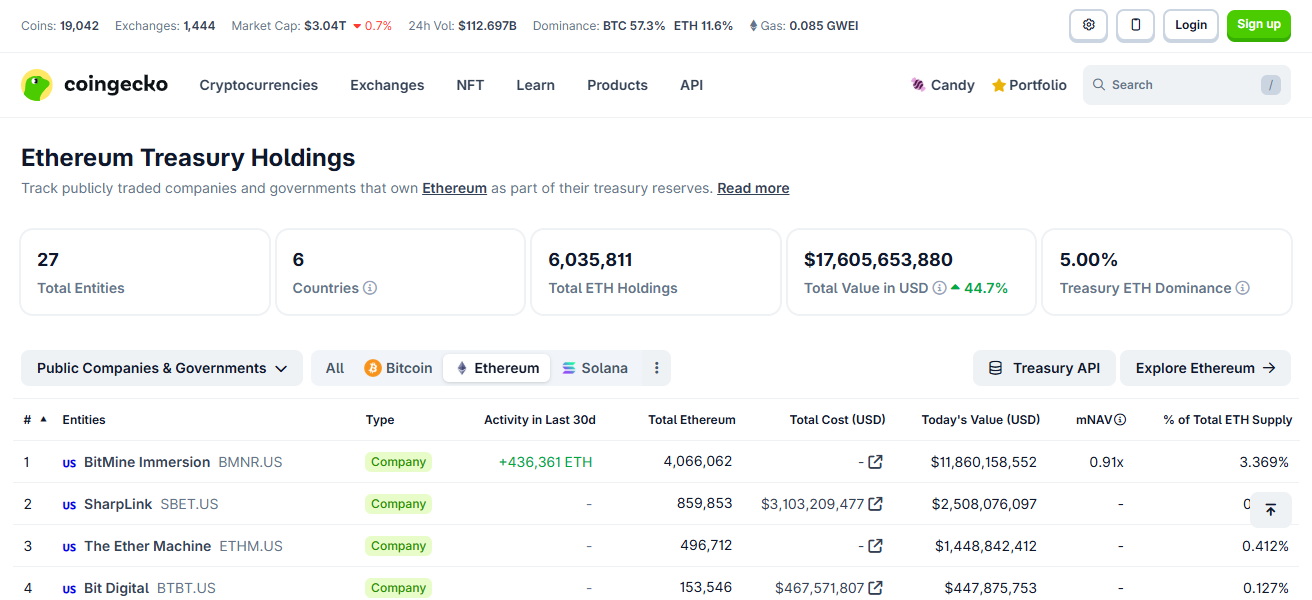
The section enables users to keep track of ETH’s institutional holdings, along with analytics from trends and distributions over time, assisting in market sentiment analysis.
The section, in addition to retail and institutional investors, has Ethereum balance shifts and portfolio metrics, helping them to understand Ethereum’s distribution.
CoinGecko Ethereum Treasuries
- Real time ETH measurement. Measures real time ETH balance as well as the wallets of organizations and public companies.
- Portfolio Evaluation. Shows the composition of wallets and treasuries.
- Historic Data. Insights on increase and decrease of ETH over time.
- Dashboard. Has a well arranged design with tables and charts for ease of access.
| Pros | Cons |
|---|---|
| Comprehensive data on ETH holdings across organizations and wallets. | Limited advanced analytics compared to specialized platforms. |
| Real-time updates and historical trends. | Less focus on smart contract or DeFi treasury movements. |
| User-friendly interface with clear visualizations. | May lack institutional-level depth in insights. |
| Free access to basic data for retail investors. | Detailed portfolio insights often require additional tools. |
2. The Block Ethereum Treasuries
The Block’s Ethereum Treasuries tracker examines ETH holdings of public firms, investment funds, and decentralized entities.
It provides a user-friendly treasury tracker interface and current information on treasury balance fluctuations, ETH purchases, and ETH treasury diversification.
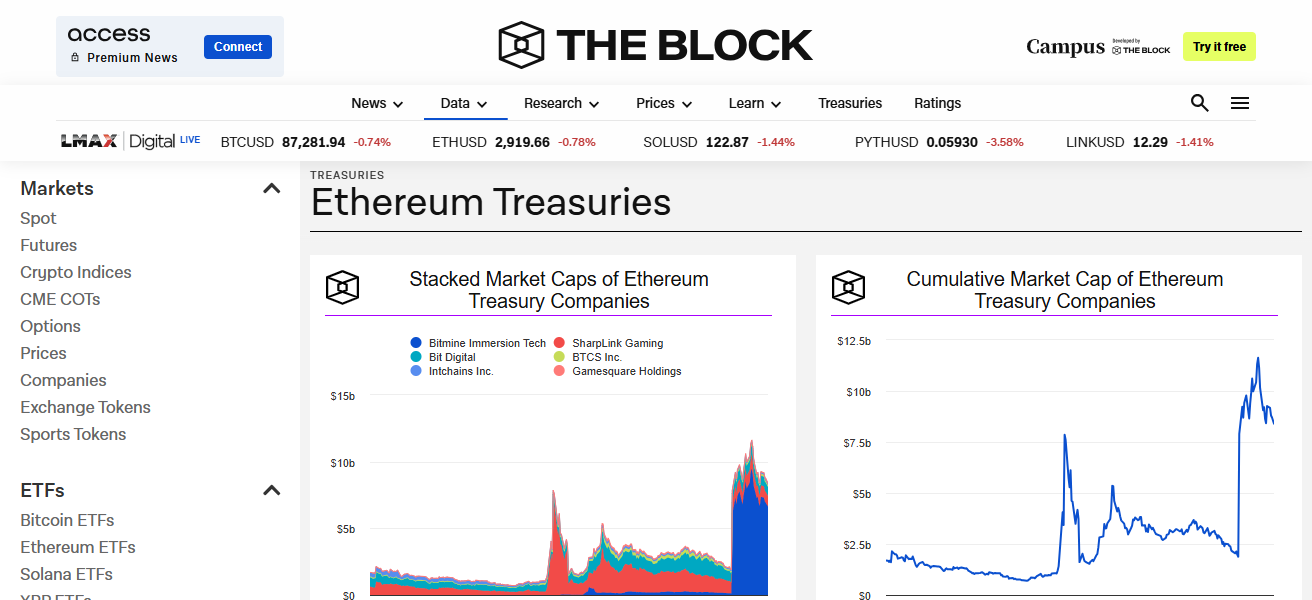
Users can analyze and construct trends, estimate Ethereum buy/sell activities of participants, and analyze Ethereum’s confidence and liquidity.
Users also appreciate the Ethereum Treasuries tracker for its credibility, visual representation of Ethereum treasury activities, and timely information updates.
The Block Ethereum Treasuries
- Institutional Monitoring. Measures the ETH balance of organizations, companies and funds.
- Analytics. History of growth in the treasury.
- Balance Change Alerts. Shows recent purchase, sales and transfers.
- Market Analysis. Analysis of the available.
| Pros | Cons |
|---|---|
| Accurate tracking of ETH holdings by public companies and funds. | Requires subscription for full access to detailed reports. |
| Intuitive dashboard with balance changes and historical trends. | Focuses more on institutional holdings, not smaller wallets. |
| Useful for market analysis and investor research. | Limited DeFi-specific insights. |
| Trusted by analysts for reliability and clarity. | Updates may lag slightly compared to live on-chain data. |
3. DroomDroom Ethereum Treasury Tracker
DroomDroom’s Ethereum Treasury Tracker monitors ETH wallets and Ethereum holdings by entities. It emphasizes transparency by showing active wallets, balances over time, and past purchases.
Its users can detect Ethereum-acquiring or disposing entities, and predict Ethereum market movements. The tracker reveals Ethereum treasury strategies, treasury allocations, and ETH portfolio diversification.
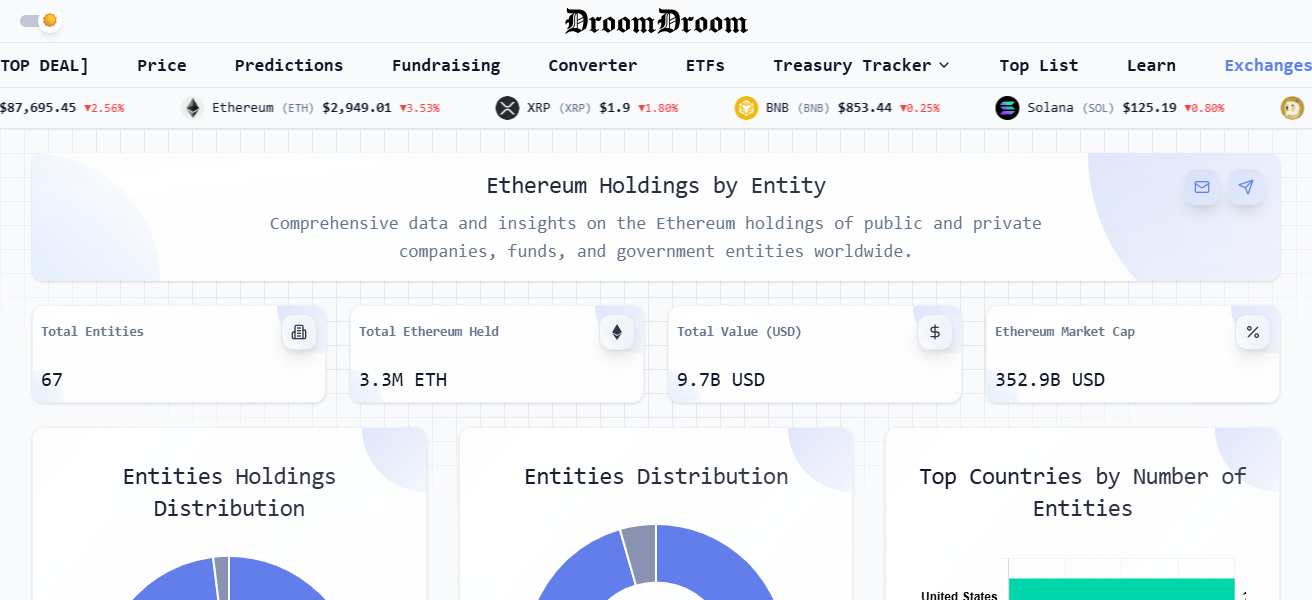
It assists investors and researchers in assessing the degree of Ethereum market institutional participation, thus offering Ethereum market insights and facilitating the formulation of strategies.
DroomDroom Ethereum Treasury Tracker
- Extra large wallet Monitoring. Monitoring of large wallets, and organizational wallets.
- Historical Sales. Shows previous sales to a particular wallet.
- Treasuries Transparency. Reveals which entities are buying and selling ETH.
- No Cost. Provides key information without having to pay.
| Pros | Cons |
|---|---|
| Tracks large wallets and organizational holdings. | Interface may feel less polished than other trackers. |
| Provides historical acquisition and balance trends. | Smaller-scale ETH holders are not highlighted. |
| Useful for monitoring treasury strategies. | Advanced analytics features are limited. |
| Free access to on-chain wallet transparency data. | Less popular, so fewer community resources. |
4. Arkham Intelligence
Arkham Intelligence can help track Ethereum treasuries and provides analytical reports on various aspects of blockchains.
They analyze data to provide wallet behavior, treasury movements, and organizational holdings in blockchain data.
Their platform is data and transparency oriented, outlining the behaviors in data collection, transfer, and distribution.
Customers can use Ethereum tools to help is the identification of whale(s), smart contracts, and other institutional actions.
Investors gain from chewing data and/or predicting behaviors based on data collection and/or market fluctuating in blockchains.
Arkham Intelligenc
- Breakdown of Blockchain Analysis. Budgets, active wallets, smart contracts, and treasury movements.
- Whale Analysis. Active movers of the market who hold large amounts of ETH.
- Transaction Pattern Analysis. Shows buying, selling and transferring patterns.
- Strategic decision support: Aids in the projection of likely repercussions on the marketplace.
| Pros | Cons |
|---|---|
| Advanced blockchain analytics and wallet behavior insights. | May require technical knowledge to fully utilize. |
| Identifies accumulation, transfers, and treasury strategies. | Subscription needed for full features. |
| Helps monitor whales and smart contract interactions. | Smaller organizations or retail wallets not tracked comprehensively. |
| Provides strategic advantage for market prediction. | Can be complex for beginners. |
5. Nansen Portfolio Tracker
Nansen’s Portfolio Tracker synthesizes Ethereum treasury tracking and sophisticated wallet and institutional holdings analytics.
It embeds on-chain analytics to spotlight prominent entities, transfers, and smart contracts. Users can analyze asset compositions, ETH distribution strategies, and past accumulation behaviors.

Nansen further analyzes DeFi and staking, providing a broader perspective on Ethereum. Data-backed dashboards are popular among investors and analysts to track institutional movements, forecast trends, and discover opportunities in Ethereum.
Nansen Portfolio Tracker
- On-chain portfolio tracking: Visualizes wallet compositions and treasury allocations.
- DeFi and staking insights: Tracks activities across various protocols and staking.
- Historical ETH trends: Assesses trends in accumulation, outflows and smart contract engagement.
- Visual dashboards: Offers charting and graphing for improved accessibility of information.
| Pros | Cons |
|---|---|
| Detailed on-chain analytics of ETH wallets and institutional holdings. | Paid subscription required for most advanced features. |
| Tracks portfolio composition, DeFi interactions, and staking behavior. | Can be overwhelming for casual users. |
| Historical accumulation and smart contract data available. | Learning curve for beginners. |
| Visual dashboards make ETH tracking easier for investors. | Focused primarily on Ethereum and DeFi ecosystems. |
6. Messari Treasury Tracker
Messari’s Treasury Tracker breaks down the Ethereum assets of various firms, funds, and institutions.
It uses both on-chain and public data to summarize wallet activity, ETH treasury distributions, and historical ETH balance changes.
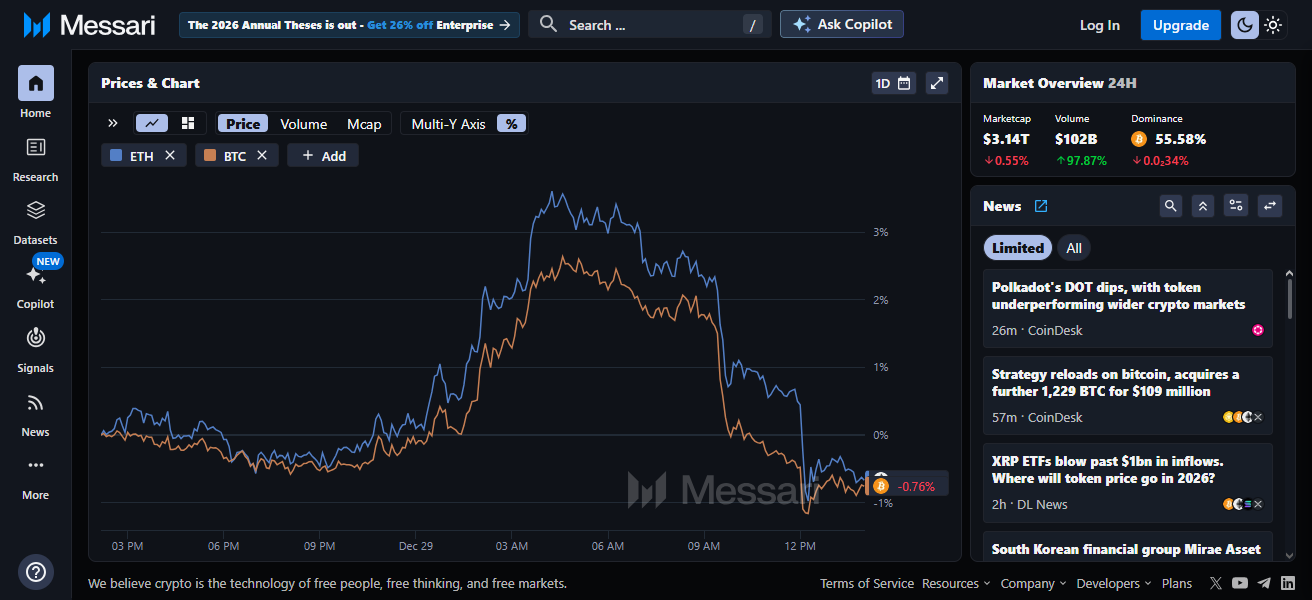
Users can track ETH accumulation, any wallet activity, and large ETH transfers to understand how Ethereum is being managed and the various degrees of institutions’ involvement in the Ethereum-focused market.
Messari’s Treasury Tracker is highly respected in the investor and analyst community and is helpful in identifying potential treasury market movers and understanding the Ethereum ecosystem over longer time horizons.
Messari Treasury Tracker
- Organizational ETH tracking: Oversees the ETH assets of firms, investment funds and other financial institutions.
- Balance changes: Tracks recent inflows, outflows and changes in treasury size.
- Historical trend analysis: Monitors changes in treasury size and accumulation over time.
- Intuitive charts and tables: Simplifies analysis for investors and analysts.
| Pros | Cons |
|---|---|
| Tracks ETH holdings of organizations, funds, and companies. | Some advanced features require a paid subscription. |
| Aggregates both on-chain and public data. | May not include very small wallets or private entities. |
| Provides historical trends and balance changes. | Less real-time granularity compared to other trackers. |
| Intuitive dashboards with charts for easy analysis. | Focuses on institutional investors more than retail wallets. |
7. Glassnode Ethereum Holdings
Glassnode tracks Ethereum Treasuries using on-chain analytics, focusing on long-term holders, companies, and big wallets.
Glassnode tracks ETH balance, inflow and outflow, and ETH accumulation history. Users can examine ETH hoarding, ETH whale activities, and treasury diversification.
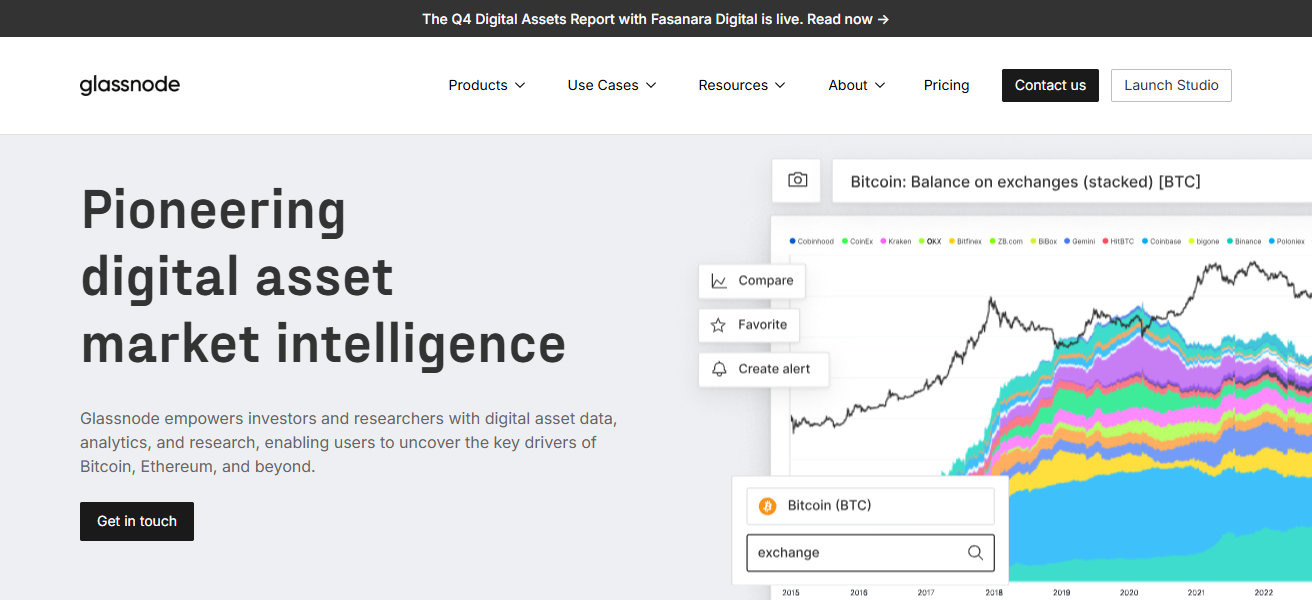
Glassnode provides ETH analytics and ETH market whale dashboards to assist users in visualizing and understanding ETH distribution, liquidity, and the market impact of ETH whale holders.
Glassnode analytics and insights are used by many traders, companies, and researchers to understand the macro Ethereum analytics, and to analyze the metrics that can impact the market and the price.
Glassnode Ethereum Holdings
- On-chain analytics: Monitors ETH supply dispersion across various whales, institutions and other long term holders.
- Market impact metrics: Monitors inflows and outflows and analyzes the potential impact on liquidity.
- Historical visualizations: Graphs trends in wallet growth and accumulation.
- Trusted for research: Used by analysts and for institutional investment purposes.
| Pros | Cons |
|---|---|
| Advanced on-chain analytics for ETH distribution and treasury tracking. | Paid subscription needed for detailed dashboards. |
| Tracks long-term holders, whales, and institutional wallets. | Can be complex for beginners. |
| Visualizes inflows, outflows, and market impact of large holders. | Limited insights on smaller wallets or DeFi projects. |
| Trusted by traders and researchers for market analysis. | Some features are more Bitcoin-focused, ETH data secondary. |
8. CryptoTreasuries.org
CryptoTreasuries.org analyzes large scale Ethereum wallet addresses including corporates, funds, and other entities.
Using the Ethereum public blockchain, they track ETH treasury behaviors and provide ETH treasury transparency.
Users can analyze ETH balance changes, treasury ETH distributions, and ETH balance history on the platform. Users are able to understand and analyze the Ethereum market and Ethereum treasury behaviors by tracking treasury changes.
They provide the Ethereum market and investors with insight to potential Ethereum price impacts due to large ETH holder treasury ETH buy/sell activities.
CryptoTreasuries.org primarily focuses on large scale institutional trade ETH movements, as well as the Ethereum market.
CryptoTreasuries.org
- Institutional ETH holdings: Concentrates on wallets of corporations and other large investors.
- Transparency of movements: Monitors the accumulation and distribution of ETH.
- Visual data and tables: Provides simple metrics and analytics about ETH treasuries.
- Historical data tracking: Tracks changes over time in treasury allocations.
| Pros | Cons |
|---|---|
| Tracks ETH holdings across corporations and major wallets. | Interface is basic and less interactive. |
| Provides transparency on accumulation and distribution trends. | Smaller-scale ETH holders often not included. |
| Data tables and visualizations for analysis. | Limited advanced analytics tools. |
| Helpful for understanding institutional Ethereum participation. | Updates may not be as frequent as live on-chain trackers. |
9. Bitcointreasuries.net (ETH section)
Although Bitcointreasuries.net is mainly focused on Bitcoin, it has an Ethereum section that tracks major ETH holders.
It monitors corporate, institutional, and large wallet addresses, displaying shifts in balances and treasury distributions.
Users can study past periods of accumulation and determine which actors are making large investments in Ethereum.
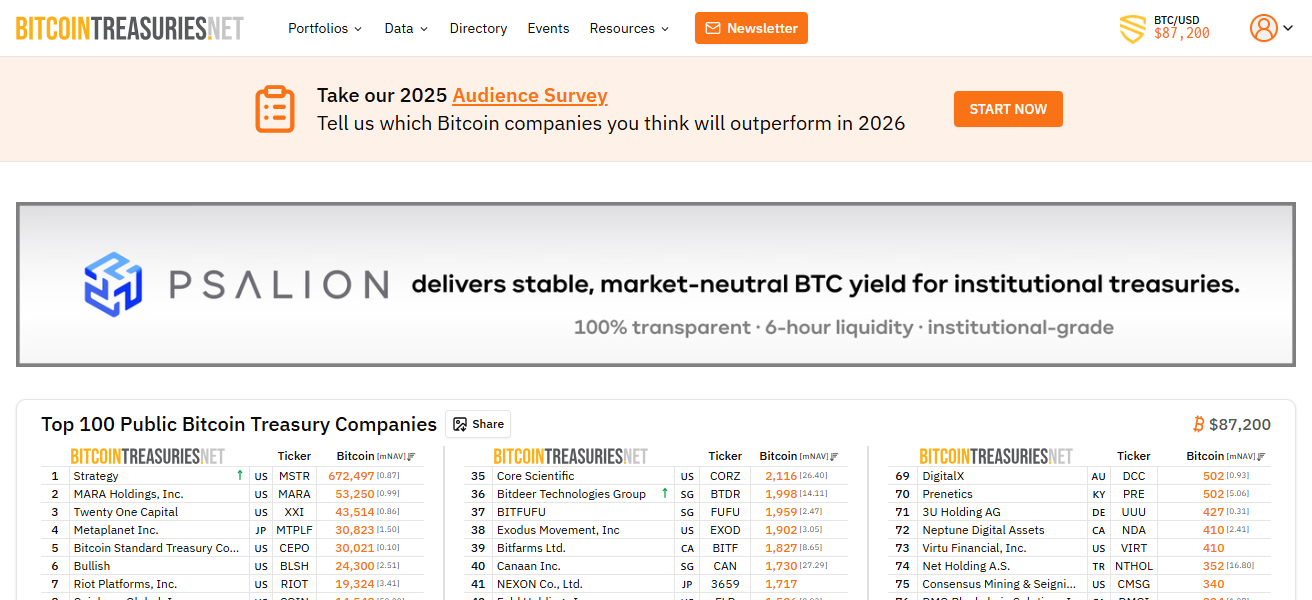
The site is straightforward and provides an abundance of information, making it ideal for tracking Ethereum’s institutional involvement.
For investors, the Ethereum tracker provides valuable insights into market sentiment, liquidity, and the expected effects of large transfers.
Bitcointreasuries.net (ETH section)
- Major ETH wallets tracking: spotlights organized and corporate ownership.
- Historical balance trends: demonstrates patterns in acquisition and liquidation.
- Simple interface: offers charts and tables that are easy to read.
- ETH section of the Bitcoin tracker: allows comparison of BTC and ETH institutional behaviors.
| Pros | Cons |
|---|---|
| Monitors major ETH holdings and organizational wallets. | Primarily Bitcoin-focused, ETH coverage is secondary. |
| Shows historical accumulation and treasury allocations. | Less detailed analytics for Ethereum compared to Bitcoin. |
| Transparent and easy-to-read data tables. | Updates may be slower than real-time blockchain data. |
| Useful for institutional ETH tracking. | Fewer charts and visualizations than other trackers. |
10. TokenAnalyst (archived/merged with Coinbase)
Even though TokenAnalyst has been archived and merged with Coinbase, it used to be an amazing tool for tracking Ethereum treasuries.
It tracked movements of big wallets, institutional wallets, and ETH flow. Users could analyze wallets, track balance changes, and determine plans of orgs.

Although it has been archived, its legacy has been left with ETH flow and on-chain analyst wallets, making it useful for tracking Ethereum treasuries.
TokenAnalyst is known for on-chain analytics and wallet transparency. This helped a lot of investors track large ETH movements and holdings.
TokenAnalyst (archived/merged with Coinbase)
- Historical ETH wallet data: records movements of institutions and large wallets.
- Transaction analysis: presents trends of inflows, outflows, and transfers.
- On-chain transparency: treasury and wallet strategies are laid bare.
- Legacy reference: Because it has been archived, a legacy reference is useful for historical research.
| Pros | Cons |
|---|---|
| Provided detailed ETH wallet movements and institutional holdings. | No longer actively maintained, only legacy data available. |
| Historical data can still inform market behavior analysis. | Merged into Coinbase, so access to full analytics is limited. |
| Focused on on-chain transparency and wallet tracking. | Less user-friendly for ongoing monitoring. |
| Valuable reference for ETH treasury research. | Not suitable for real-time tracking or daily analysis. |
How To Choose Top Ethereum Treasuries Trackers
- Data Accuracy: Select trackers with reliable on-chain wallet data and verified data.
- Real Time Updates: Select trackers that frequently update ETH movements and holdings.
- Analytics Tracking: Select trackers that show history, and patterns on accumulation tracking and treasury analysis.
- User Interface: A user friendly interface is one that is simple, with enough charts and tables to display the relevant data.
- Focus Area: Depending on your needs, choose institutional wallets, large whale, or DeFi wallet trackers.
- Depth of analysis required: Assess the value of the free and/or paid features.
Cocnlsuion
In conclusion, Ethereum guidance that accomplishes tracking ETH holdings, tracking institutions and monitoring market activity, Ethereum treasuries trackers are best suited.
They provide live and historical data, as well as analytics and data visualizations. They all range in attributes, and from within these parameters the user must define
What is best for him in order to understand and work with the Ethereum markets effectively. Among the platforms used in these types of analytics, we have CoinGecko, Nansen, Messari and Glassnode.
FAQ
It’s a tool that monitors ETH holdings of organizations, funds, and large wallets to provide insights into market trends.
To track accumulation, distribution, and institutional activity in Ethereum, helping with investment decisions.
Many offer free basic data, but advanced analytics often require a paid subscription.
The Block, Messari, and Glassnode are ideal for monitoring large organizations and funds.
Yes, platforms like Nansen and Arkham Intelligence provide insights into DeFi interactions and staking.