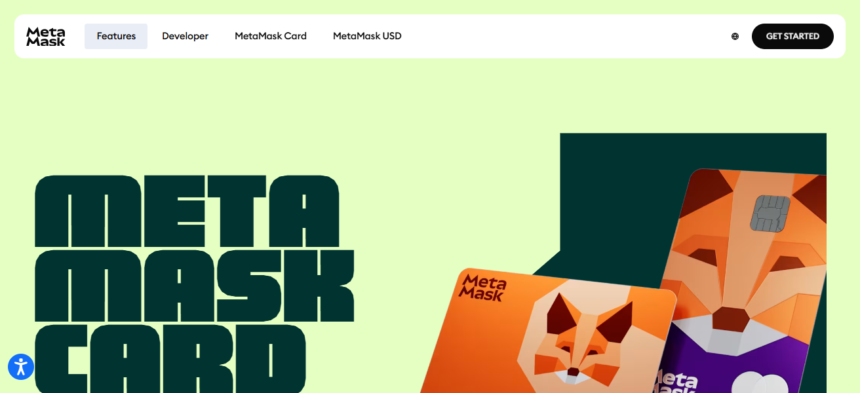
In this post , I am going to talk about the most popular MetaMask Card alternatives for crypto users who are searching for safe, flexible, and simple wallets.
Although MetaMask Card is widely used, other wallets have distinct characteristics like multi-chain capabilities, NFT management, and higher levels of privacy.
These alternatives suit both novices and experts, and improve the efficiency with which crypto is managed.
Key Points & MetaMask Card Alternatives
| Alternative | Key Point |
|---|---|
| Trust Wallet | Multi-chain support with built-in DEX |
| SafePal | Hardware + software wallet suite |
| Coin98 Wallet | Supports DeFi and NFTs across chains |
| XDEFI Wallet | Optimized for cross-chain swaps |
| Frame Wallet | Desktop-first wallet with dApp integration |
| BlockWallet | Privacy-focused browser extension |
| Atomic Wallet | Built-in atomic swaps and staking |
| MyEtherWallet (MEW) | Long-standing Ethereum wallet with custom features |
| Rainbow Wallet | User-friendly mobile wallet for Ethereum |
| Exodus Wallet | Multi-asset wallet with sleek UI |
10 MetaMask Card Alternatives
1. Trust Wallet
Trust Wallet offers a good alternative to the MetaMask Card. Thanks to the built-in multi-chain ecosystem, users get to keep their crypto wallet secure, and user-controlled.
Most wallets do not allow support for many crypto and DeFi tokens, but this wallet does. Users can stake, swap, and manage NFTs directly.
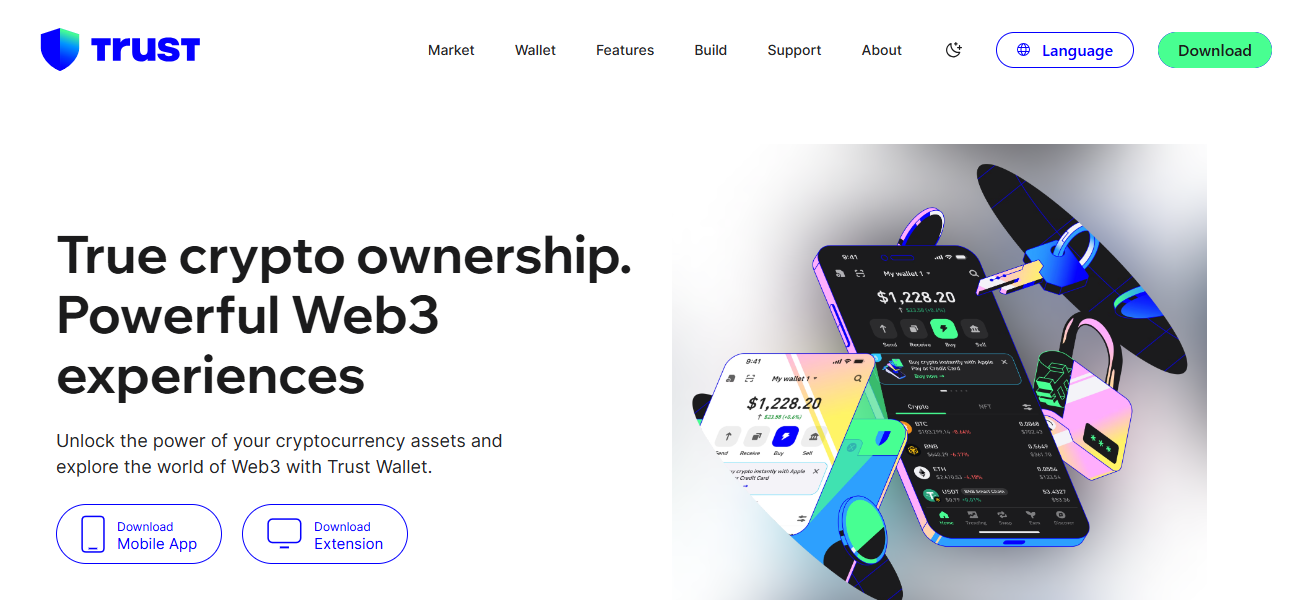
The wallet is also completely decentralized, meaning users’ private keys stay private, and the user is given full control.
Wallet users also get to enjoy a simple design, which is great for users who value both the security and flexibility offered by the MetaMask Card.
| Pros | Cons |
|---|---|
| Supports a wide range of cryptocurrencies and tokens. | Limited desktop support (mostly mobile-focused). |
| Built-in staking, swaps, and NFT management. | No native fiat on-ramp in some regions. |
| Private keys fully controlled by the user. | Some advanced DeFi tools may require external platforms. |
| Intuitive and beginner-friendly interface. | Occasional slow transaction updates during network congestion. |
2. SafePal
When compared to MetaMask, one of the stronger MetaMask Card alternatives is SafePal since it combines great security with user friendliness. SafePal is more accomodating since it has software and hardware wallet solutions.
This means users can save (or stake) their assets offline, but can also manage their assets through a comfortable mobile app.
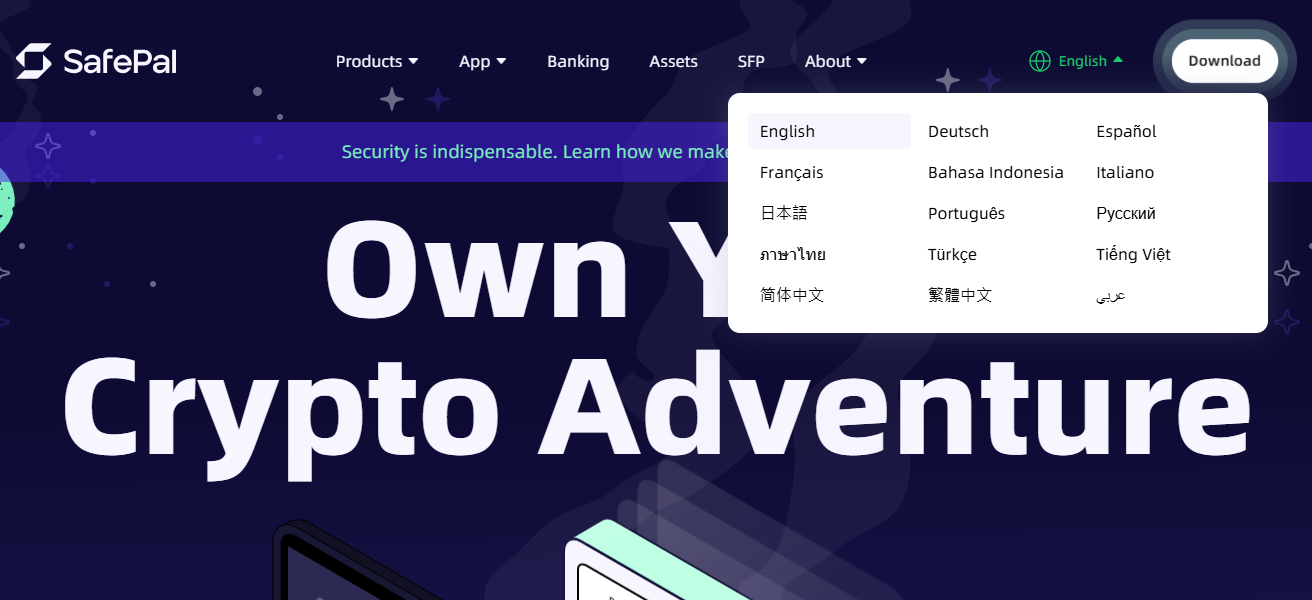
SafePal has a mobile app which supports a higher variety of blockchains and tokens, and also contains key features such as a decentralized exchange and NFT management. This combination of features makes SafePal one of the better alternatives to MetaMask.
| Pros | Cons |
|---|---|
| Offers both software and hardware wallet integration. | Hardware wallet adds extra cost. |
| Supports multiple blockchains and tokens. | Mobile app may have minor UI complexity for beginners. |
| Access to dApps and NFT platforms. | Limited advanced analytics compared to desktop wallets. |
| High security with offline storage options. | Occasional firmware updates required for hardware wallet. |
3. Coin98 Wallet
Coin98 Wallet is a flexible alternative to MetaMask and Card that prioritizes a streamlined multi-chain experience for cryptocurrency users.
It is not like MetaMask because it is compatible with a much larger selection of blockchains and DeFi protocols.
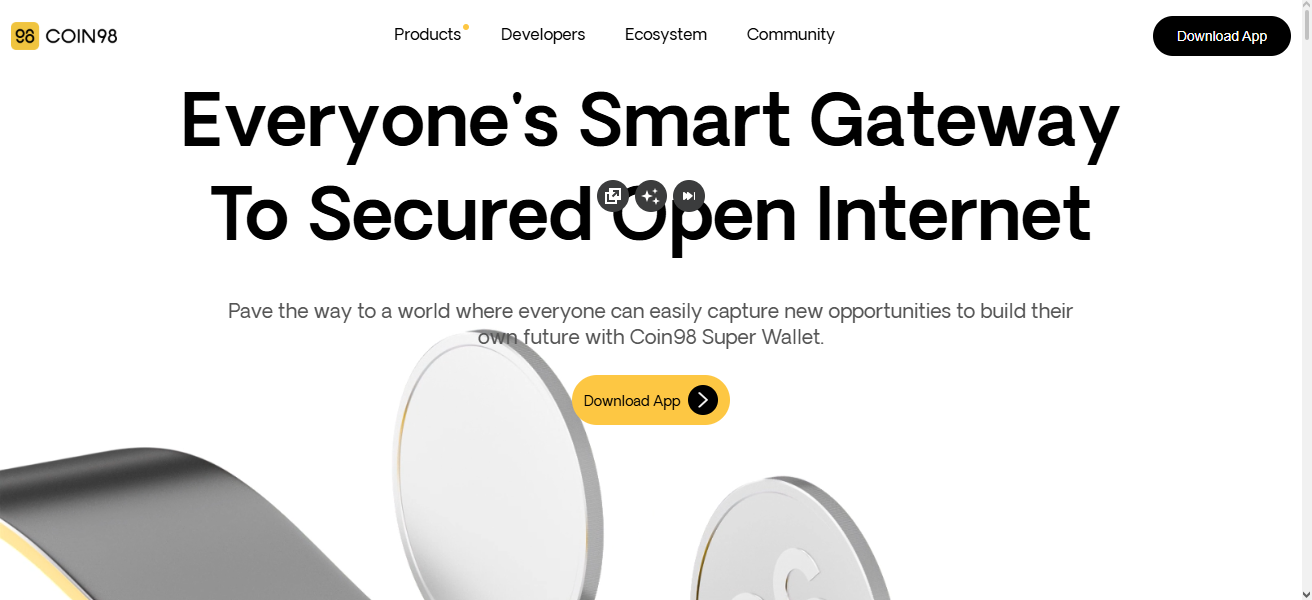
Users can swap, stake, and manage tokens across different blockchains all from one interface. It also has a combined ecosystem wallet, a DEX, and a cross-chain gateway for fast and easy transactions.
With this combination, Coin98 Wallet will be the best option for users who value multi-chain flexibility and efficiency for crypto management.
| Pros | Cons |
|---|---|
| Supports multi-chain DeFi and token swaps. | Mobile-focused; desktop version is limited. |
| Built-in cross-chain gateway and exchange. | Learning curve for beginners in multi-chain operations. |
| All-in-one ecosystem for crypto management. | Limited fiat integration in some regions. |
| Fast and efficient transaction handling. | Occasional network latency with smaller chains. |
4. XDEFI Wallet
XDEFI Wallet is a more advanced alternative to the MetaMask Card for serious crypto enthusiasts who value speed and cross-chain capabilities.
With XDEFI Wallet, you can manage multiple chains, whereas MetaMask is limited to single chain functionalities.
You can store, swap, and transfer tokens across multiple blockchains without using multiple wallets.
Plus, XDEFI Wallet has a Desktop and browser extension which provide a user-friendly and seamless cross-chain experience.
With its ability to integrate dApps and NFT marketplaces, XDEFI Wallet has the best cross-chain user experience compared to any other alternative to MetaMask Card.
| Pros | Cons |
|---|---|
| Cross-chain wallet supporting multiple blockchains. | Browser extension may consume resources. |
| Seamless dApp and NFT platform integration. | Limited mobile app features compared to desktop. |
| Fast and intuitive interface. | Not ideal for complete beginners. |
| Compatible with hardware wallets for added security. | Some advanced features require knowledge of DeFi. |
5. Frame Wallet
Frame Wallet is a new alternative to MetaMask Cards that prioritizes security and interoperability for desktop crypto users.
Unlike MetaMask, it works as a fully desktop wallet. It has extensive support for Ethereum and EVM compatible networks. Users can access dApps without needing any browser extensions.
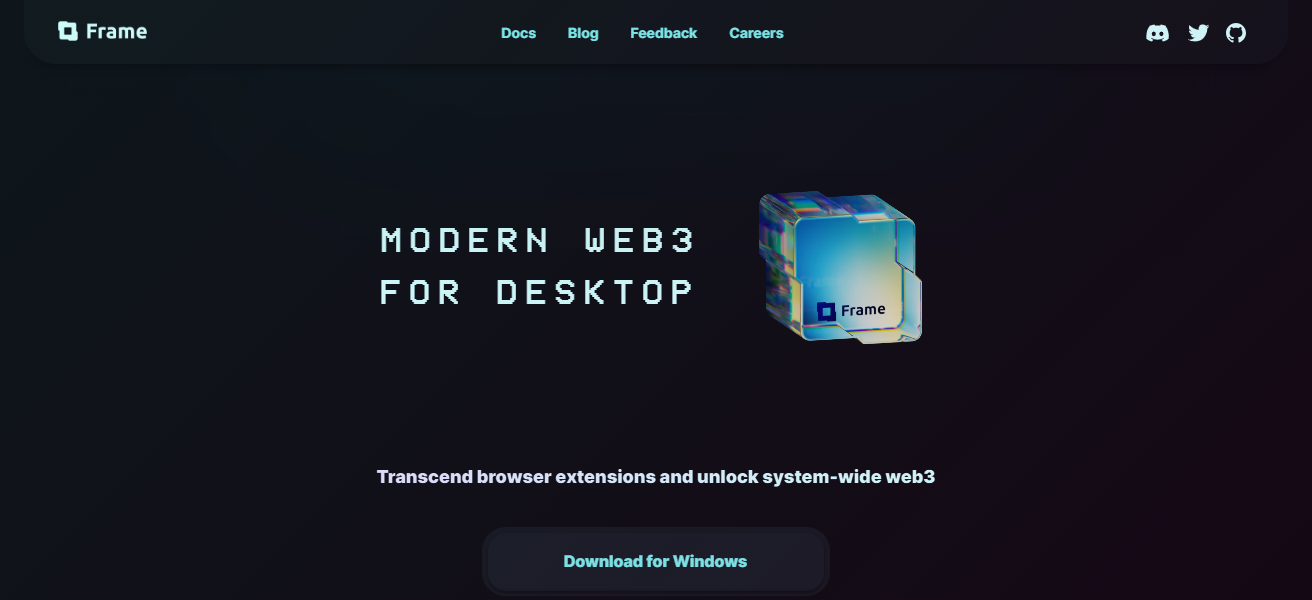
Frame Wallet’s primary strength is its dApps compatibility along with its hardware wallets. Its dApps performance is outstanding, and its design is lightweight, making it more reliable than competitors.
Users’ private keys stay secure, and transactions are smooth and fast. For serious crypto management, Frame Wallet is a great option.
| Pros | Cons |
|---|---|
| Native desktop wallet with high performance. | Limited to Ethereum and EVM-compatible networks. |
| Hardware wallet support for maximum security. | No mobile app version available. |
| Lightweight and fast interface. | Fewer tokens supported compared to multi-chain wallets. |
| Strong integration with dApps without browser extensions. | Mainly suited for experienced users. |
6. BlockWallet
BlockWallet is an alternative to MetaMask Card that emphasizes privacy and anonymity when managing crypto.
Unlike MetaMask, BlockWallet removes trackers and encrypts data when users interact with dApps, keeping the user’s transactions private.
Each user manages Ethereum, and EVM-compatible assets and multi-chain wallets. BlockWallet prioritizes identity protection and transactional privacy, making it an outstanding alternative to MetaMask Card.
| Pros | Cons |
|---|---|
| Privacy-focused, blocks trackers and encrypts data. | Limited token support beyond Ethereum and EVM chains. |
| Supports multi-chain wallets and DeFi interaction. | Mobile app may be less polished than competitors. |
| Keeps user identity private during transactions. | Fewer integrated exchange options. |
| Good security for private key management. | Beginners may find privacy features overwhelming. |
7. Atomic Wallet
Atomic Wallet is a flexible substitute for MetaMask Cards that offers simplicity and a wider scope for crypto management.
Unlike MetaMask, which only offers crypto management, Atomic Wallet provides over 500 coins and tokens crypto services, allowing users to stake, manage, and swap assets.
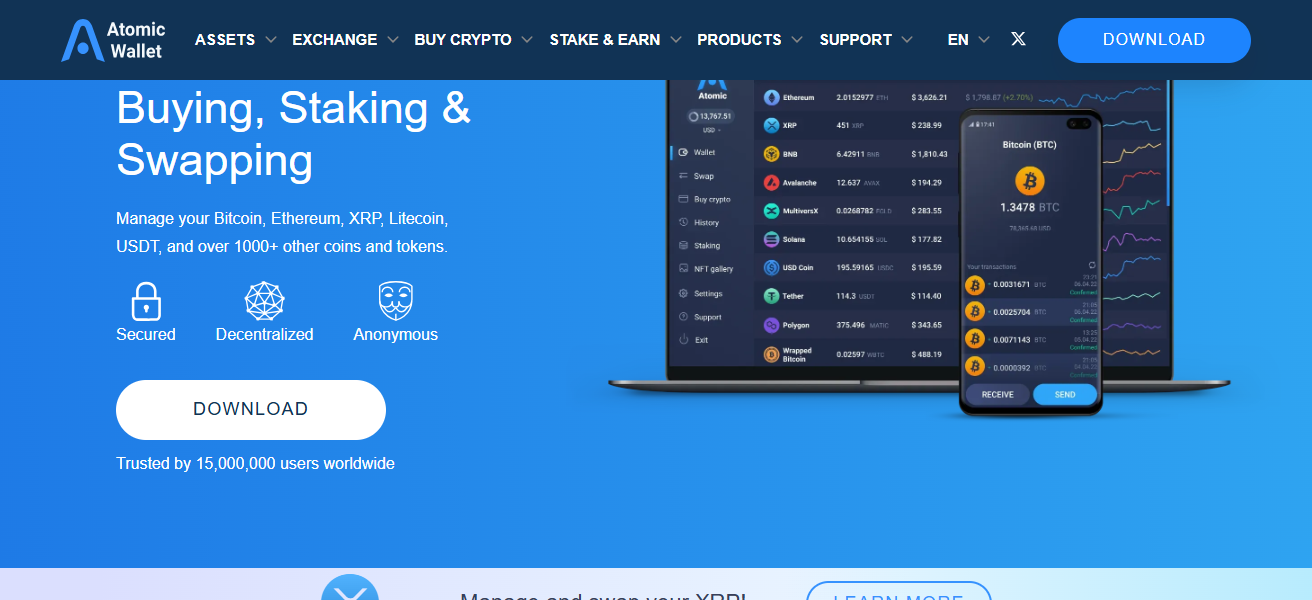
Moreover, it offers an exclusive feature that enables seamless and secure trade without a third party, which means users can trade with one another directly.
Overall, because of its broad crypto support and trading capabilities without centralization, flexible trading, and practical services, Atomic Wallet can be seen to have the potential to offer more flexible services than a MetaMask Card.
| Pros | Cons |
|---|---|
| Supports over 500 coins and tokens. | No native hardware wallet integration. |
| Built-in atomic swap feature for P2P trading. | Desktop interface can feel bulky for new users. |
| Decentralized and user-controlled private keys. | Some swaps have higher fees than DEXs. |
| Portfolio tracking and staking included. | Limited dApp integration. |
8. MyEtherWallet (MEW)
MyEtherWallet (MEW) is a secure alternative to MetaMask Card with a focus on user control and security wallet integrations on the web, mobile, and hardware without saving private keys to a central server
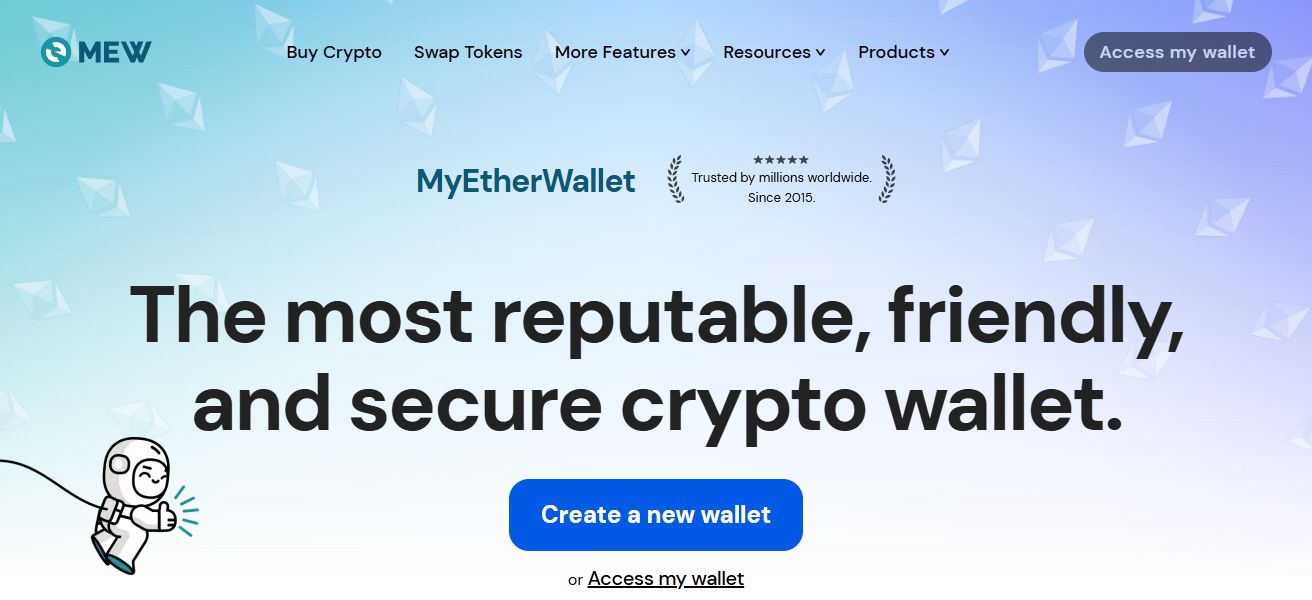
MEW users don’t have the security issues that MetaMask users have, and MEW users have the advantage of full control over their keys, easy access to dApps, and sophisticated Ethereum
features like swapping tokens and interacting with smart contracts, making MEW a secure and transparent wallet alternative.
| Pros | Cons |
|---|---|
| Full control over private keys. | Limited to Ethereum and EVM-compatible tokens. |
| Web, mobile, and hardware wallet integration. | Interface can be confusing for beginners. |
| Advanced Ethereum tools like smart contract interaction. | No native multi-chain swaps for non-Ethereum tokens. |
| Transparent and open-source platform. | Mobile app features are limited compared to desktop. |
9. Rainbow Wallet
Rainbow Wallet is a new alternative to MetaMask Card for Ethereum users who prefer simplicity and a more exciting design than MetaMask.
A wallet and mobile app all in one, Rainbow makes it easy to manage tokens, track NFTs, and engage with DeFi.
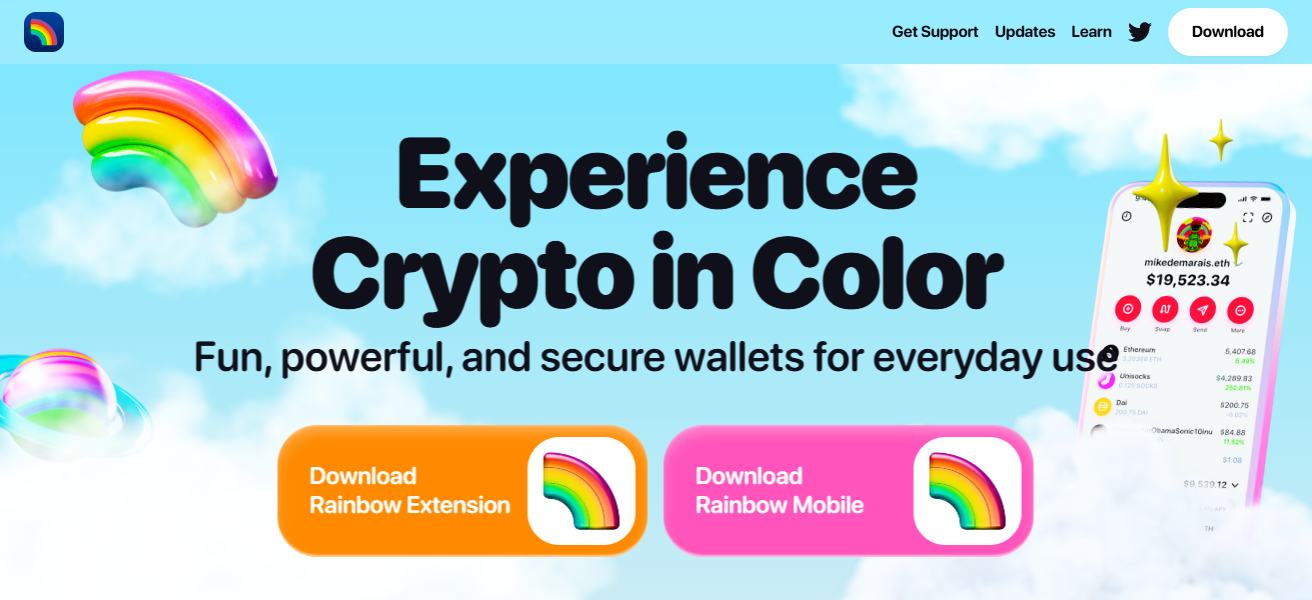
Rainbow Wallet’s focus is on the user with its unique design offering easy navigation with colorful dashboards, dApp access, and the ability to integrate Ethereum assets.
The wallet offers a solid alternative to the MetaMask card with proper user experience optimizations and a focus on security.
| Pros | Cons |
|---|---|
| User-friendly and visually appealing interface. | Supports only Ethereum and EVM-based assets. |
| Easy NFT tracking and DeFi interaction. | Limited advanced portfolio tools. |
| Mobile-focused, intuitive navigation. | No desktop or browser extension version. |
| Seamless dApp integration within the app. | Beginners may need guidance for staking or swapping. |
10. Exodus Wallet
Exodus Wallet offers another alternative to the MetaMask card. While MetaMask supports fewer assets, Exodus Wallet is an all-in-one solution that users may find more attractive.
Beyond the ease and aesthetics of a single built-in exchange and tracker, users may value the instant over 200 crypto portfolio exchange and desktop and mobile support.
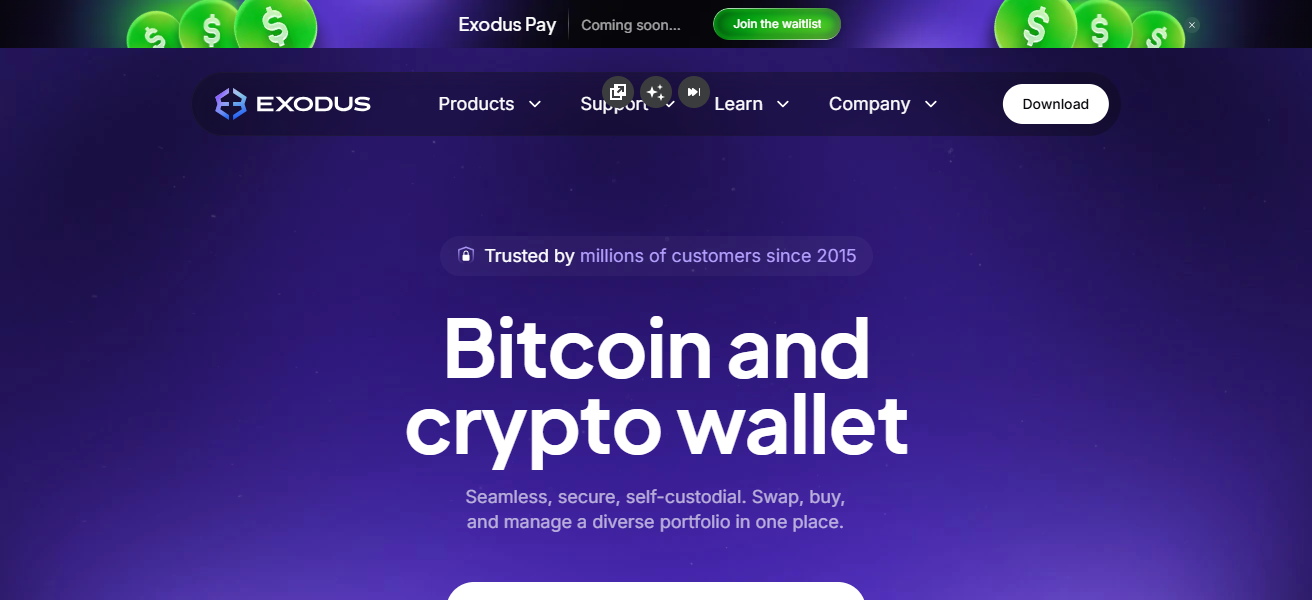
While other wallets may give users the option of integration, Exodus Wallet is the only option that gives users an integrated tracker and a built-in exchange, all in one wallet. Overall, the Exodus Wallet offers the best alternative to the MetaMask card.
| Pros | Cons |
|---|---|
| Supports 200+ cryptocurrencies and tokens. | Limited DeFi and advanced dApp features. |
| Built-in exchange and portfolio tracker. | Security relies on software only (no dedicated hardware). |
| Available on desktop and mobile platforms. | Some assets have higher swap fees. |
| Sleek, beginner-friendly interface. | Privacy features are less advanced than competitors like BlockWallet. |
Conclusion
In conclusion, several decent alternatives to MetaMask Card exist that accommodate different crypto preferences. Trust Wallet, SafePal, Coin98, and Exodus offer unique functionalities such as multi-chain support, NFT management, and advanced security.
These alternatives are versatile and dependable, empowering you to manage crypto seamlessly, depending on your preferences for usability, privacy, and advanced DeFi functionalities.
FAQ
They are crypto wallets that offer similar features to MetaMask Card, such as multi-chain asset management, dApp access, and secure transactions.
Alternatives may provide enhanced privacy, multi-chain support, mobile/desktop apps, hardware wallet integration, or simpler user interfaces.
Trust Wallet, SafePal, Coin98 Wallet, XDEFI Wallet, Frame Wallet, BlockWallet, Atomic Wallet, MyEtherWallet (MEW), Rainbow Wallet, and Exodus Wallet.
Yes, most allow private key control and support hardware wallets or encryption to keep funds safe.
Many alternatives like Coin98, XDEFI, and Trust Wallet support multiple blockchains, while others like Rainbow and Frame focus on Ethereum/EVM networks.