In this article, I will focus on the top alternatives to Monolith Card for users who wish to manage and spend their cryptocurrencies more efficiently.
As the crypto-friendly card market continues to grow, alternatives such as the Crypterium, Binance Card, and Crypto.com Visa provide specific
features like instant crypto-to-fiat conversion, card rewards, and global card acceptance. They are more convenient and versatile for daily crypto transactions.
Key Points & Top Monolith Card Alternatives
| Alternative | Key Point |
|---|---|
| Crypterium | Mobile-first crypto card with instant fiat conversion |
| Uquid Card | Supports 100+ cryptocurrencies with e-commerce integration |
| POKKET | Crypto savings and card services for DeFi users |
| Binance Card | Global reach with cashback rewards in BNB |
| Coinbase Card | Easy spending linked to Coinbase wallet balances |
| Crypto.com Visa | Tiered rewards, staking benefits, and global usability |
| Wirex Card | Multi-currency support with real-time exchange rates |
| Revolut | Hybrid banking app with crypto spending features |
| Quantoz | Blockchain-based financial services with tokenized payments |
| Ondefy | DeFi-focused tools with EVM compatibility |
10 Top Monolith Card Alternatives
1. Crypterium
Monolith Card has a strong competitor, Crypterium, which offers somewhat integrated crypto spending and banking services.
Unlike Monolith, banking services from the Crypterium Card lets you spend multiple crypto currencies instantly converted to fiat for everyday transactions.
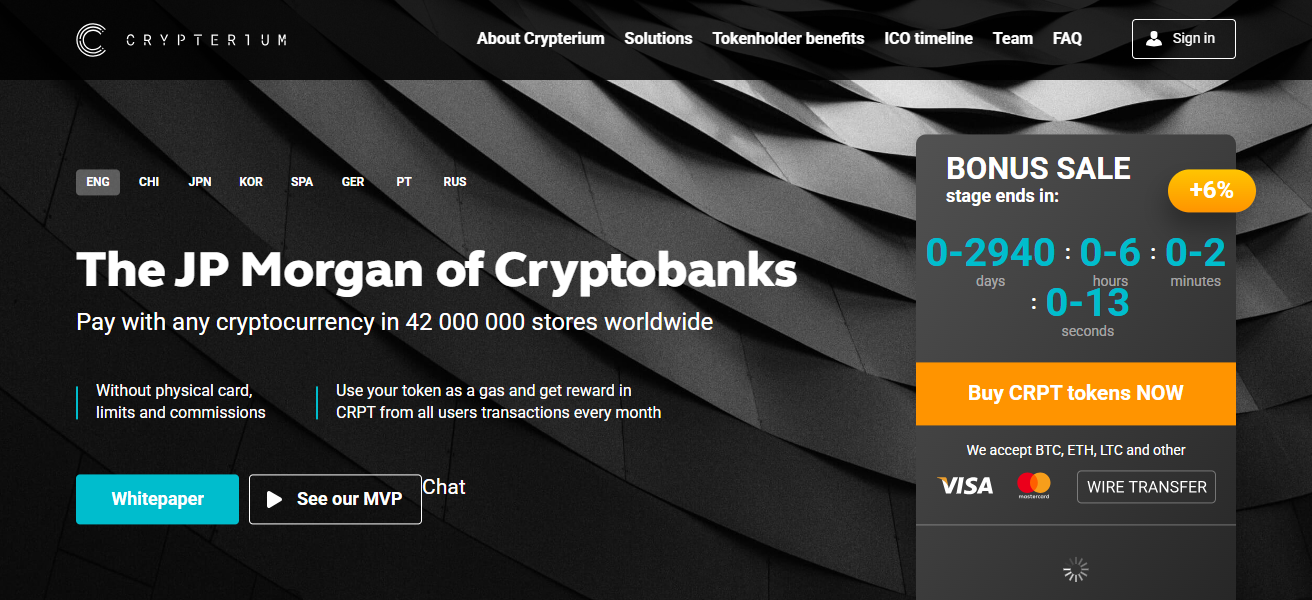
More importantly, banking services from the Crypterium Card lets you spend multiple crypto currencies instantly converted to fiat for everyday transactions.
This makes it even more functional than others. Additionally, the all-in-one integrated crypto management app and card offers real-time balance tracking, instant top-up, and low fees. This card is perfect for all crypto users.
| Pros | Cons |
|---|---|
| Instant crypto-to-fiat conversion for spending | Limited cryptocurrency support compared to larger platforms |
| Global card acceptance | Higher fees on certain transactions |
| Integrated app for managing crypto and fiat in one place | Some features not available in all countries |
| Low transaction fees compared to traditional banking | Customer support can be slow |
2. Uquid Card
For users looking for an alternative to Monolith, Uquid Card functions very similarly by providing users a robust crypto-to-fiat solution that can be used all over the globe.
Furthermore, Uquid users can instaance spend the accessed crypto and stablecoins virtually anywhere Visa or Mastercard are accepted.
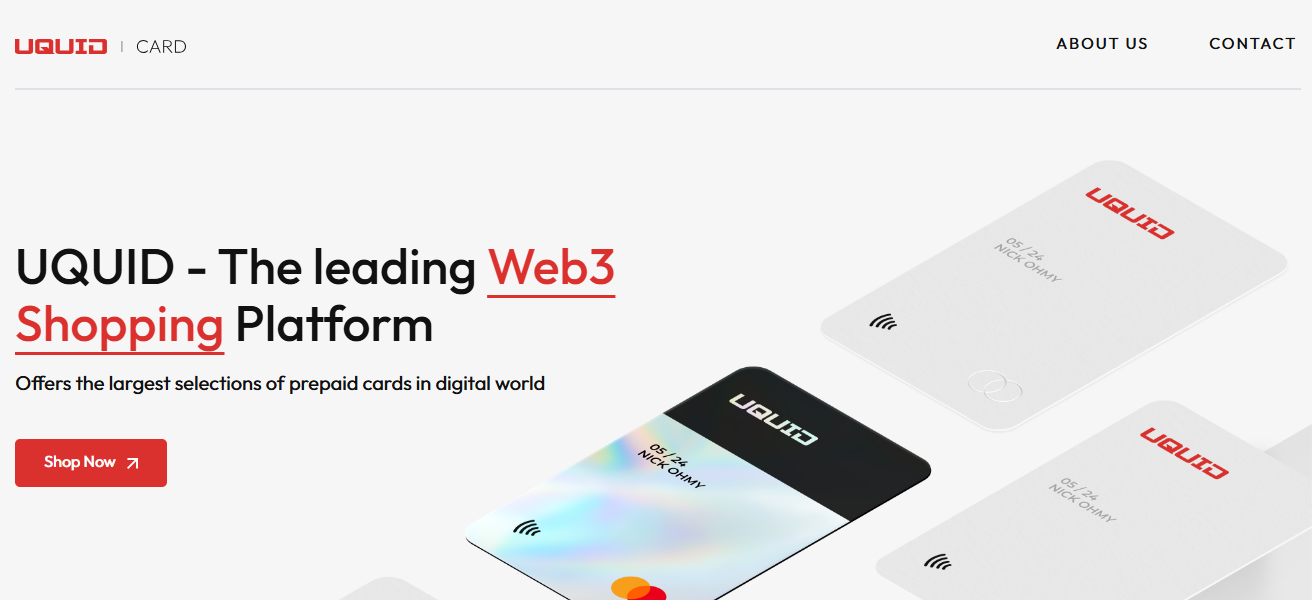
importantly are the crypto payments, gift card purchases, and e-commerce solutions that are combined in a singular platform.
This can be great for customers with a crypto and stablecoins who are looking for a platform that allows for integrated payments for everyday purchases.
| Pros | Cons |
|---|---|
| Supports a wide range of cryptocurrencies and stablecoins | Limited physical card availability in some regions |
| Instant crypto conversion for purchases | App interface can be confusing for beginners |
| Ability to buy gift cards and pay for e-commerce | Rewards and cashback are limited |
| All-in-one crypto spending platform | Fees on certain crypto conversions can be high |
3. POKKET
Monolith Card alternatives, Pokket has a unique feature. While Monolith focuses on crypto-backed lending, Pokket combines crypto-backed lending with everyday card spending.
Users can take out instant loans with crypto collateral and use a debit card for global purchases. Users can manage credit and crypto seamlessly, with collateralized loans by crypto assets.

Users don’t have to liquidate their crypto. Because of this, Pokket is perfect for customers who want to have liquid crypto and be able to use it freely in their everyday life.
| Pros | Cons |
|---|---|
| Allows crypto-backed lending with instant loans | Fewer supported cryptocurrencies than some competitors |
| Debit card for global spending | Limited reward programs |
| Combines credit and crypto management in one app | App features may be overwhelming for new users |
| Helps users access liquidity without selling crypto | Interest rates on loans can vary |
4. Binance Card
Binance Card is a valuable alternative to Monolith Card because it enables users to spend their crypto as they keep it on Binance.
Different from Monolith, it allows on-the-spot conversion to fiat of several cryptocurrencies at the payment terminal, and it is supported by one of the biggest crypto exchanges globally.
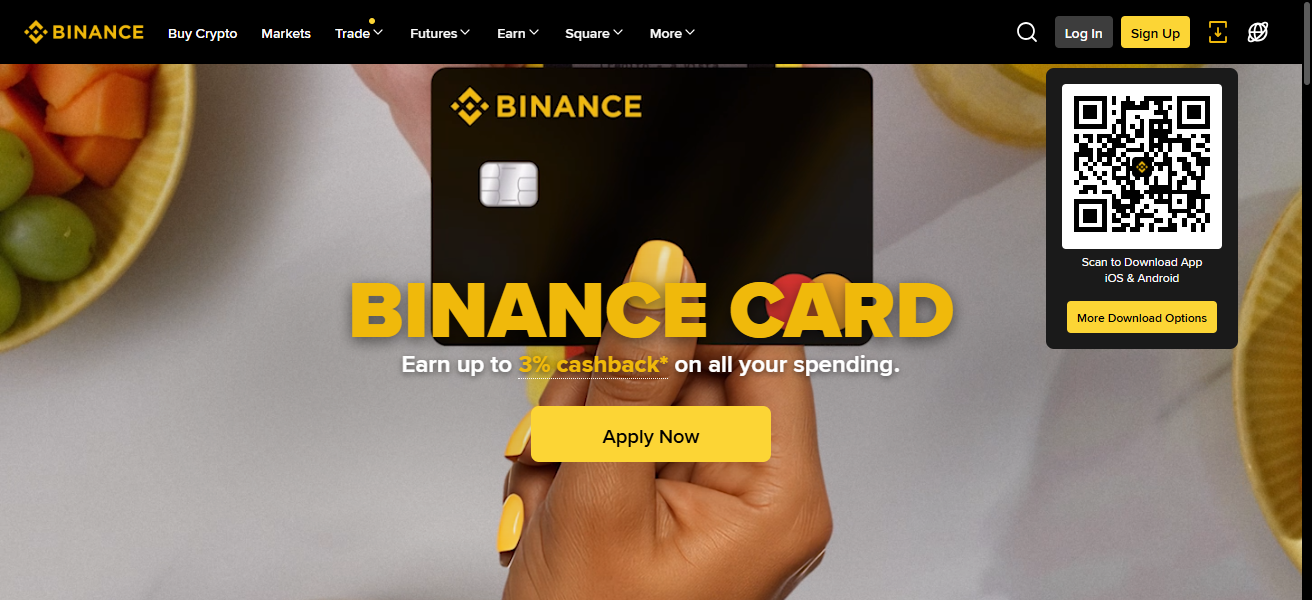
Its primary competitive advantage is the smooth integration into the Binance platform, which is a value proposition in and of itself
since it offers rewards and low-cost transactions, and users can manage their crypto within the app. This is particularly advantageous for customers who trade actively and spend globally.
| Pros | Cons |
|---|---|
| Direct connection with Binance account for easy spending | Only available to Binance users |
| Supports multiple cryptocurrencies with instant conversion | Rewards depend on CRO token holdings |
| Low fees and global acceptance | Some countries not supported |
| Integration with Binance ecosystem for seamless management | Limited physical card benefits |
5. Coinbase Card
Card is a good alternative for Coinbase since customers can spend their Coinbase dollars and convert to fiat instantly.
Unlike Monolith, Coinbase supports many different cryptocurrencies, and users can track their transactions in real time via the Coinbase app.
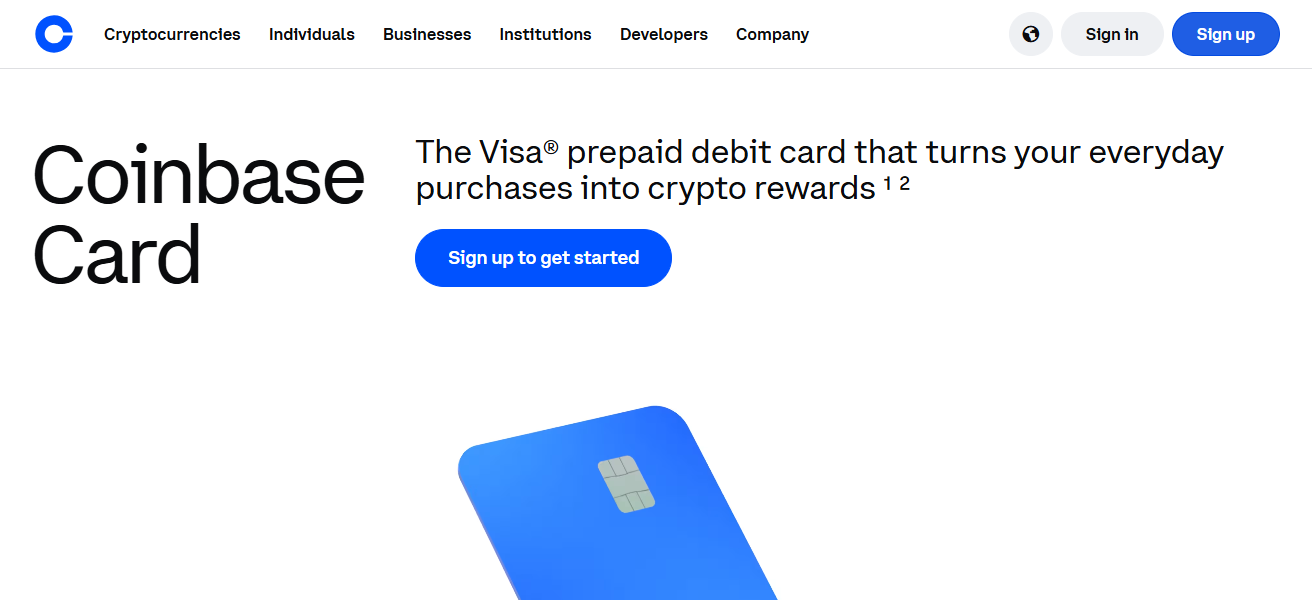
Apart from good security, Coinbase tracks crypto rewards, so customers can, in essence, spend and earn dollars at the same time. This is good for users who need a simple and reliable card with a lot of spending power.
| Pros | Cons |
|---|---|
| Direct spending from Coinbase account | Limited availability in certain countries |
| Supports multiple cryptocurrencies | Fees can be higher than competitors |
| Real-time transaction tracking via app | Limited rewards compared to other cards |
| Trusted and secure platform | Cashback in crypto may fluctuate in value |
6. Crypto.com Visa
Crypto.com Visa Card stands out as a top Monolith Card alternative for being more than just a spending card. With Monolith it’s cashback rewards, subscription rebates, airport lounge access, and more.
Besides spending cards, it also includes crypto-to-fiat spending options with cashback rewards and airport lounge access. With it users can seamlessly manage crypto and enjoy premium perks.
| Pros | Cons |
|---|---|
| Tiered rewards including cashback and subscription rebates | Requires CRO staking for higher-tier benefits |
| Global acceptance | App can be complex for beginners |
| Premium perks like airport lounge access | High staking requirements for top benefits |
| Seamless integration with Crypto.com app | Some fees on ATM withdrawals |
7. Wirex Card
Wirex Card is a very good alternative to Monolith Card because, like Monolith, Wirex Card users spend multiple fiat and crypto currencies and is supported with instant conversion at PoS.
Unlike Monolith, Wirex gives users crypto rewards for everyday purchases, including Bitcoin and other primary crypto.
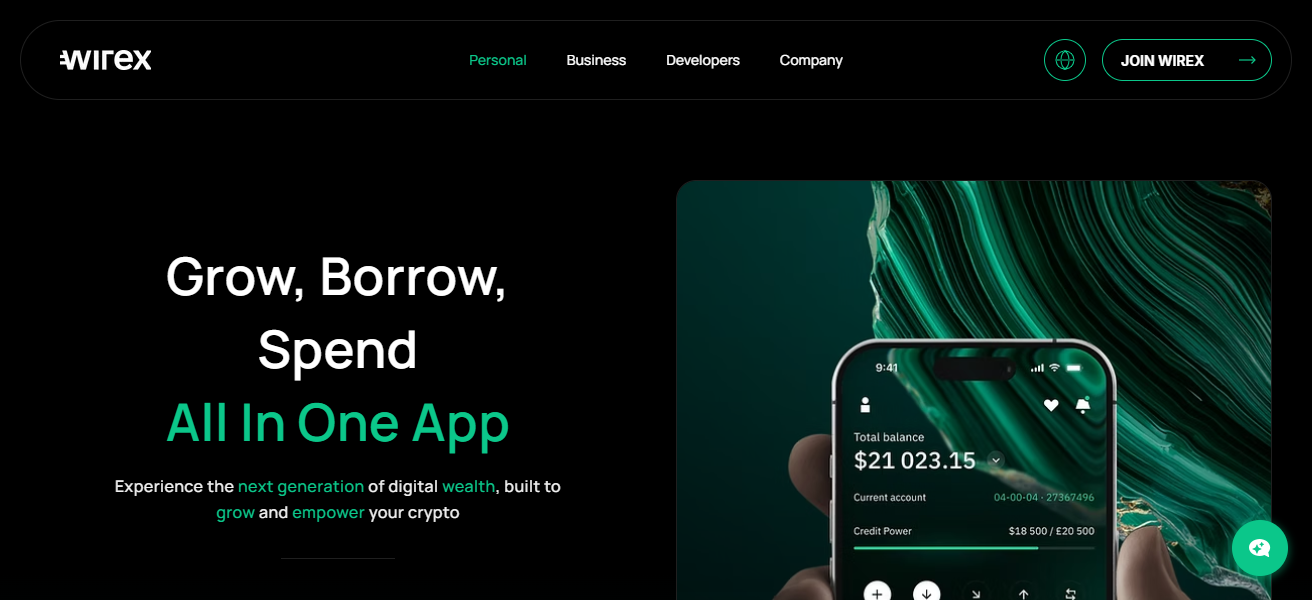
What makes Wirex Card stand out is its global coverage, good exchange rates and a seamless app to spend with which tracks rewards and spend in real time. This makes Wirex Card very useful for customers who want to spend crypto and earn rewards.
| Pros | Cons |
|---|---|
| Spend multiple cryptocurrencies and fiat instantly | Limited rewards in some regions |
| Crypto cashback rewards for purchases | App can be slightly slow at times |
| Real-time tracking of spending and rewards | Not all crypto assets supported |
| Competitive exchange rates | Customer support can be inconsistent |
8. Revolut
Revolut is an alternative to Monolith Card. Monolith Card users can spend, exchange, and manage both fiat and cryptocurrencies within the same app. Monolith does not allow this.
However, Revolut does offer multi-currency accounts, provides instant currency conversion, and includes budgeting tools alongside crypto support. Revolut is more flexible for everyday finance.
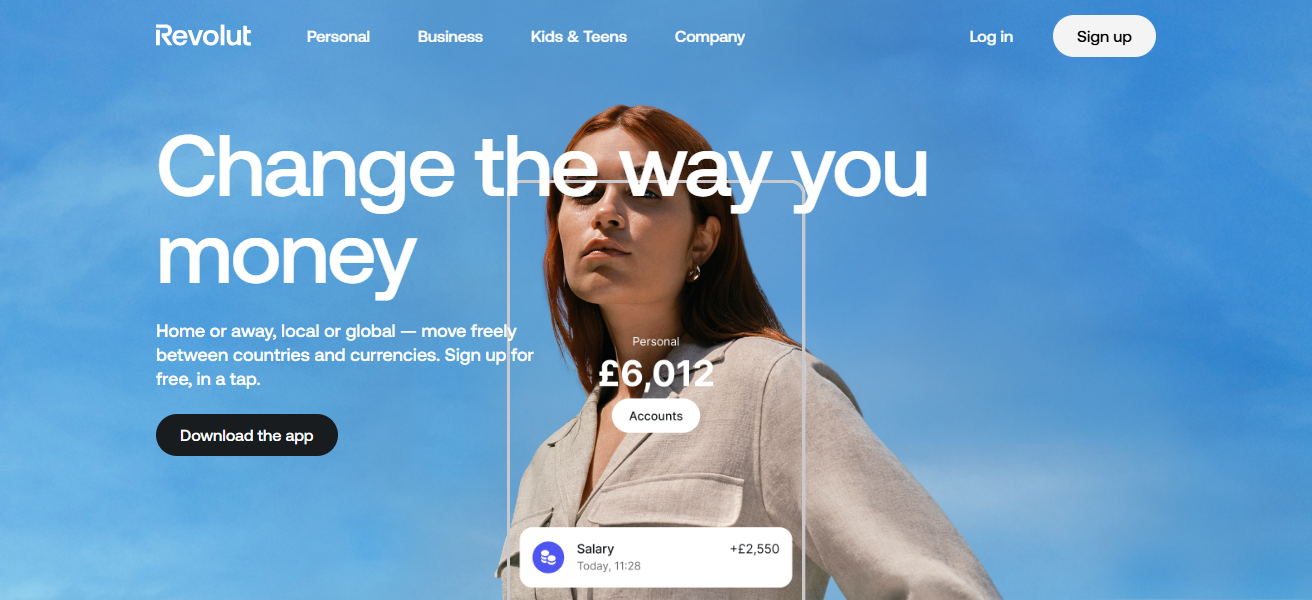
Combining banking features with crypto and global card payments is what Revolut does best. Users can manage both digital and traditional assets; all in one platform. Users can conveniently and flexibly manage money.
| Pros | Cons |
|---|---|
| Multi-currency accounts with crypto support | Cryptocurrency access is limited in some countries |
| Instant currency conversion | Fees for crypto transactions during weekends |
| Budgeting tools and app integration | Not a fully decentralized crypto solution |
| Global card acceptance | Premium features require paid plans |
9. Quantoz
Quantoz is a potential Monolith Card alternative, as it emphasizes the integration of blockchain technology with practical financial transactions.
Unlike Monolith, Quantoz offers businesses and customers a way to spend, accept, and manage multiple cryptocurrencies through their payment network.
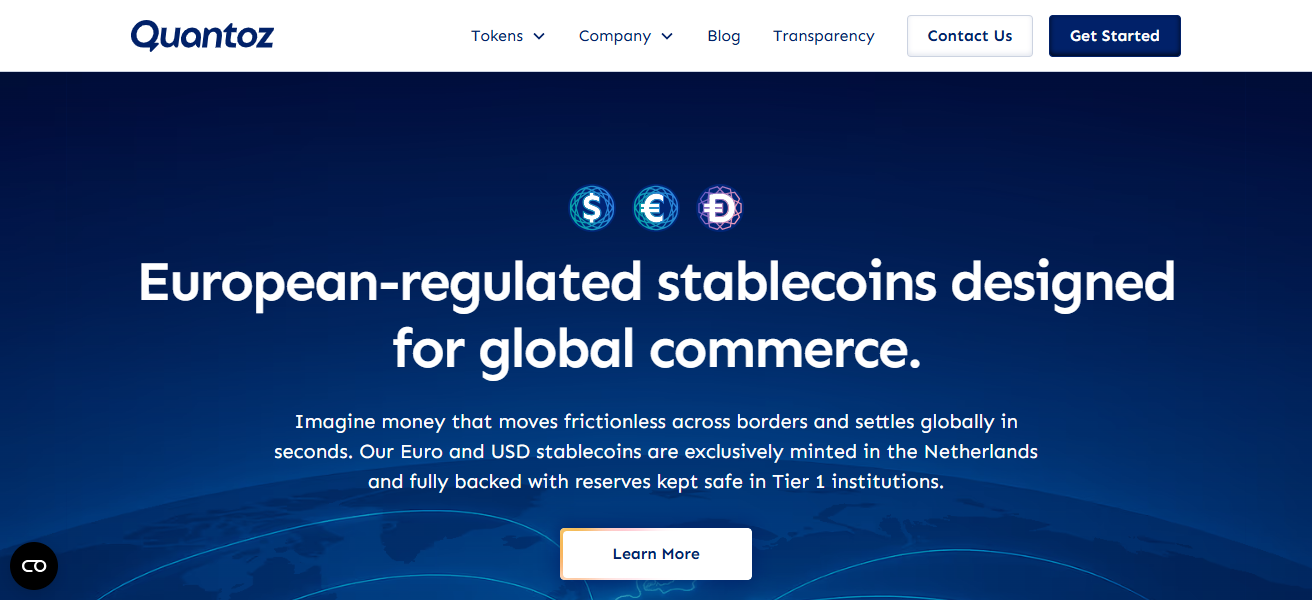
Quantoz’s competitive edge is its integration of payment cryptocurrencies, tokenized assets, and instantaneous transaction settlement.
Consequently, it makes Quantoz the most optimal solution for both customers and businesses to securely, efficiently, and scalably incorporate digital currencies into their daily transactions.
| Pros | Cons |
|---|---|
| Focused on bridging blockchain with daily transactions | Primarily targeted at businesses rather than individual users |
| Accept and spend multiple cryptocurrencies | Fewer consumer-oriented features |
| Instant transaction settlements | Limited global card support |
| Combines crypto payments and tokenized assets | Smaller user base than mainstream cards |
10. Ondefy
Ondefy is an exciting alternative to the Monolith Card, as it lets consumers manage, spend, and earn rewards in various cryptocurrencies.
Unlike Monolith, Ondefy incorporates DeFi functionalities, providing consumers with direct access to staking and yield earning opportunities from within their card accounts.
Ondefy’s distinct value proposition is the fusion of crypto spending, investing, and earning rewards, all from one card.
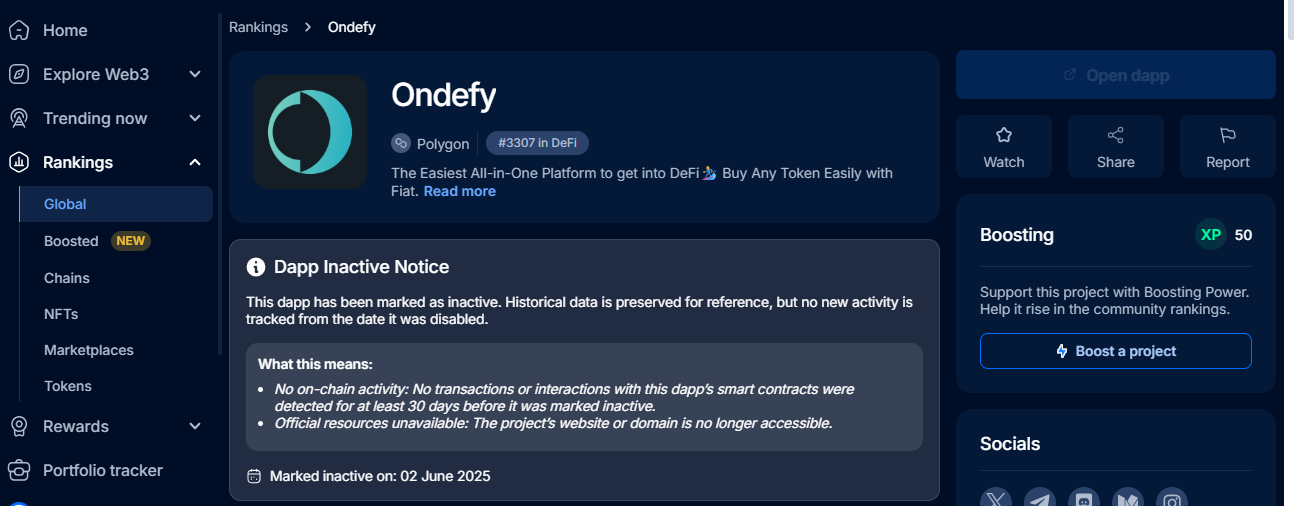
This gives users the dual benefits of liquidity and value appreciation, allowing them to spend their cryptocurrencies actively while growing their investments. Ondefy empowers consumers to conveniently manage their crypto on a day-to-day basis.
| Pros | Cons |
|---|---|
| Combines crypto spending with DeFi staking and yield | Limited card availability in some regions |
| Earn rewards while using crypto | Fewer supported cryptocurrencies than large exchanges |
| All-in-one platform for liquidity and growth | App features may be complex for beginners |
| Access to staking and investment opportunities | Fees on certain transactions may apply |
Conclusion
To conclude, Monolith Card alternatives present crypto users with more options to meet their needs regarding flexibility, rewards, and global spending capabilities.
Cards such as Binance, Crypto.com Visa, and Wirex each have their own unique attributes, including instant crypto-to-fiat conversion, cash-back, and DeFi integration.
Selecting the right alternatives largely depends on an individual’s unique needs, such as low costs, extensive crypto availability, and app management featuring all transaction functionalities.
FAQ
They are crypto-friendly cards that allow users to spend, manage, and convert cryptocurrencies into fiat for everyday transactions.
Alternatives may offer lower fees, more crypto support, better rewards, or additional features like DeFi integration.
Crypterium, Uquid Card, Pokket, Binance Card, Coinbase Card, Crypto.com Visa, Wirex, Revolut, Quantoz, and Ondefy.
Most alternatives offer worldwide acceptance, but availability may vary by country.