
Top Mortgage Solutions for Navigating the 2026 Housing Market From the much-needed stability of fixed mortgage rates to innovative digital platforms for seamless loan processing, these solutions cater to diverse financial requirements
- Key Points & Top Mortgage Solutions For Navigating The 2026 Housing Market
- Top Mortgage Solutions for Navigating the 2026 Housing Market
- 1. Fixed-Rate Mortgages
- 2. Adjustable-Rate Mortgages (ARMs)
- 3. Interest-Only Mortgages
- 4. Government-Backed FHA Loans
- 5. VA Loans for Veterans
- 6. USDA Rural Development Loans
- 7. Jumbo Mortgages
- 8. Balloon Mortgages
- 9. Reverse Mortgages
- 10. Hybrid ARMs
- 11. Shared Equity Mortgages
- 12. Bridge Loans
- 13. Refinancing Solutions
- 14. Green Mortgages
- 15. Community Lending Programs
- 16. Digital Mortgage Platforms
- Conclsuion
- FAQ
Allowing homebuyers to make smarter decisions and paving the way for better long-term investment strategies in today’s highly competitive real estate market.
Key Points & Top Mortgage Solutions For Navigating The 2026 Housing Market
Fixed-Rate Mortgages – Stable monthly payments protect homeowners from unpredictable interest rate fluctuations.
Adjustable-Rate Mortgages (ARMs) – Lower initial rates benefit short-term buyers but risk future payment increases.
Interest-Only Mortgages – Lower early payments help cash flow but delay principal repayment responsibilities significantly.
Government-Backed FHA Loans – Easier qualification supports first-time buyers with lower down payment requirements.
VA Loans for Veterans – Exclusive benefits include zero down payment and reduced closing costs for veterans.
USDA Rural Development Loans – Affordable financing supports buyers in designated rural areas with limited resources.
Jumbo Mortgages – Financing option for luxury homes exceeding conventional loan limits, requiring stronger borrower qualifications.
Balloon Mortgages – Lower initial payments followed by large lump-sum payoff, suitable for short-term ownership.
Reverse Mortgages – Seniors convert home equity into income, supporting retirement without monthly repayment obligations.
Hybrid ARMs – Combines fixed and adjustable features, offering stability initially and flexibility later.
Shared Equity Mortgages – Investors co-own property, reducing buyer costs while sharing future appreciation profits.
Bridge Loans – Short-term financing helps buyers transition between selling old homes and purchasing new.
Refinancing Solutions – Replace existing mortgage with better terms, lowering payments or accessing home equity.
Green Mortgages – Incentives for energy-efficient homes, rewarding sustainable construction with reduced interest rates.
Community Lending Programs – Local initiatives provide affordable mortgages tailored to underserved neighborhoods and families.
Digital Mortgage Platforms – Technology streamlines applications, approvals, and payments, enhancing borrower convenience and transparency.
Top Mortgage Solutions for Navigating the 2026 Housing Market
1. Fixed-Rate Mortgages
In 2026, the most popular home financing option remains fixed-rate mortgages, as they make up the majority of loans by volume due to their long-term stability.
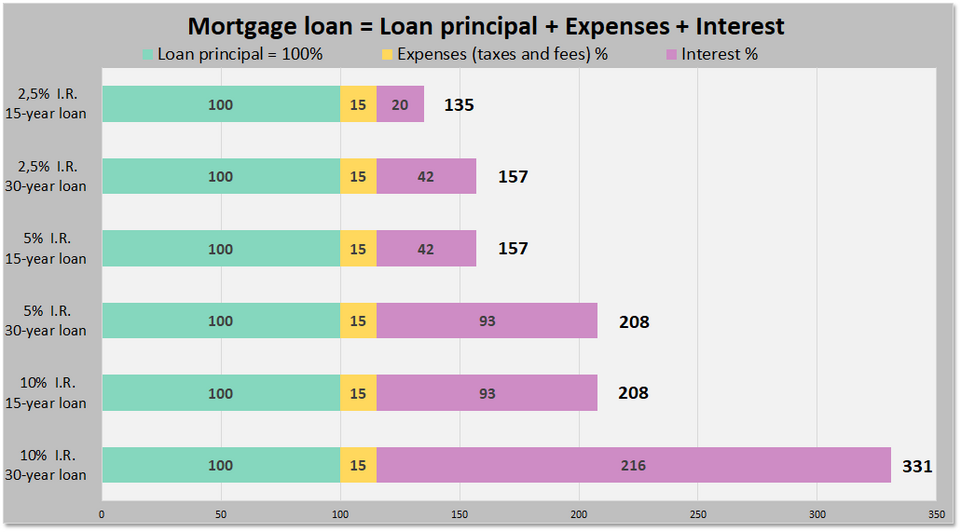
These loans lock in an interest rate — it has averaged around 6.0 percent–6.4 percent recently — for the term of the loan, usually 15 or 30 years. Paying the same every month no matter what is going on in the market helps you budget.
They’re perfect for buyers committed to long-term ownership. However, they may begin with slightly higher rates than adjustable loans, which means less flexibility if interest rates drop significantly following purchase.
| Pros | Cons |
|---|---|
| Predictable monthly payments for entire term | Higher initial interest rates than ARMs |
| Protection from rising interest rates | Less flexibility if rates fall |
| Ideal for long-term homeowners | Refinancing needed to benefit from lower rates |
| Simple and easy to understand | May cost more over time if rates drop |
2. Adjustable-Rate Mortgages (ARMs)
ARMs typically offer a lower interest rate at first—this can range from about 5.7%–6.2% in 2026—which may also make ARMs seem attractive if monthly payments are a consideration in expensive markets.
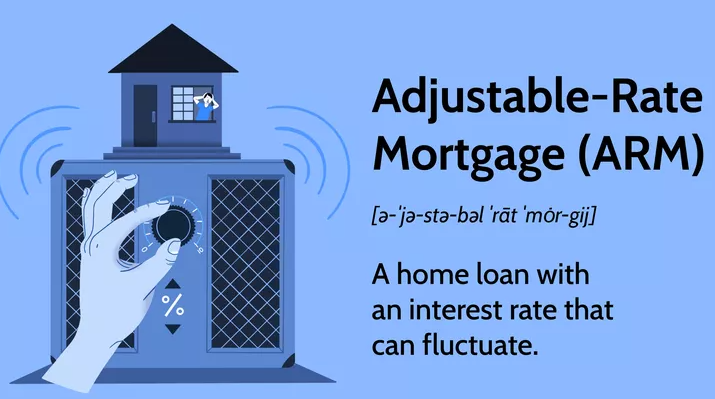
These loans start with a fixed period (e.g., ARM 5 /1 or 7/6), and after that, rates adjust periodically based on market indices.
ARMs are a great choice for buyers who want to sell or refinance in 5–7 years. But they come with risk because payments can soar after the introductory period, especially in rising-rate environments.
| Pros | Cons |
|---|---|
| Lower initial interest rates | Rates can increase after fixed period |
| Lower early monthly payments | Payment uncertainty over time |
| Good for short-term ownership | Complex terms and rate adjustments |
| Potential savings if rates fall | Risk of higher long-term costs |
3. Interest-Only Mortgages
With an interest-only mortgage, borrowers can pay only the interest on their loan for a 5–10 year period, making initial monthly payments much lower.
This structure is common for higher-income wage earners, and also for investors with cash-flow management requirements.
After the interest-only period, payment amounts go up significantly because you have to start repaying principal.
These loans are risky because equity accrues slowly and borrowers may experience payment shock.
They are frequently employed in premium or speculative markets where near-term affordability is more important than long-term equity growth.
| Pros | Cons |
|---|---|
| Very low initial payments | No equity built during interest-only period |
| Better cash flow flexibility | Payment shock after period ends |
| Useful for investors or high earners | Higher long-term costs |
| Easier short-term affordability | Risk if property value declines |
4. Government-Backed FHA Loans
FHA loans, for instance, are aimed at first-time and low-income buyers. They require down payments as low as 3.5 percent and can take lower credit scores.

This average interest rate for FHA loans would be around 6.25%–6.55% in 2025–2026. FHA really is accessible, with over 83% of borrowers being first-time buyers. These loans are guaranteed by the government, which lowers lender risk.
But borrowers have to pay for mortgage insurance premiums (MIP), which increases the overall cost of the loan. Demand for FHA continues to grow, as affordability challenges remain in many housing markets.
| Pros | Cons |
|---|---|
| Low down payment (as low as 3.5%) | Mandatory mortgage insurance premiums |
| Easier credit qualification | Higher overall loan cost due to MIP |
| Accessible for first-time buyers | Loan limits apply |
| Competitive interest rates | Property standards can be strict |
5. VA Loans for Veterans
VA loans offer great benefits to eligible veterans and service members, such as no down payment and no private mortgage insurance. Rates turn out to be competitive — about 6.1 percent-6.4 percent in one recent run of numbers.
These loans tend to have less rigid credit requirements and lower closing costs as well. VA loans are one of the most affordable types of mortgages.
But they are only available to qualified military borrowers and charge a funding fee unless exempt. They are popular still due to the affordability advantages in high-rate environments.
| Pros | Cons |
|---|---|
| No down payment required | Only for eligible veterans/service members |
| No private mortgage insurance (PMI) | Funding fee may apply |
| Competitive interest rates | Property must meet VA standards |
| Flexible credit requirements | Limited to primary residences |
6. USDA Rural Development Loans
USDA loans are designed for buyers in rural and suburban areas, offering 100% financing without a down payment.
These loans are a good fit for lower-income families looking to obtain affordable homeownership in the suburbs. Rates are usually comparable to FHA and VA loans, and the fees are relatively low.

Eligibility varies by geographic and income limits. As demand for urban housing drives home prices higher, buyers willing to move to qualifying regions are finding USDA loans more appealing than ever.
| Pros | Cons |
|---|---|
| 100% financing (no down payment) | Location restrictions (rural areas only) |
| Lower mortgage insurance costs | Income limits apply |
| Competitive interest rates | Property eligibility requirements |
| Affordable for moderate-income buyers | Limited lender availability |
7. Jumbo Mortgages
Jumbo mortgages are used for high-value properties above the mainstream conforming loan limit, which was $832753 in most areas in 2026.
These are loans that want a strong credit score (700+) and a bigger down payment (10–20%). Interest rates are somewere higher — 6.9%–7.2% or so — commensurate with the added risk to lenders.

Jumbo loans are common in expensive real estate markets, and critical for luxury home buyers, although qualification standards are much more stringent.
| Pros | Cons |
|---|---|
| Enables purchase of high-value homes | Higher interest rates |
| Flexible property options | Requires high credit score |
| Competitive for luxury buyers | Large down payment needed |
| No strict conforming loan limits | Stricter approval process |
8. Balloon Mortgages
Balloon mortgages offer low monthly payments for an initial term, but then require a sizable lump-sum payment by the end of the term (usually 5–7 years).
These loans work well for buyers who plan to sell or refinance before the balloon payment comes due. They may be more affordable in the short term, but they are risky if spending goes to refinance.

Today, they are less common, but still utilized in niche situations such as real estate investing and temporary housing financing.
| Pros | Cons |
|---|---|
| Low initial monthly payments | Large lump-sum payment at end |
| Useful for short-term ownership | High refinancing risk |
| Lower short-term interest rates | Financial pressure at maturity |
| Flexible financing option | Not suitable for long-term buyers |
9. Reverse Mortgages
Homeowners who are 62 or older can turn into income the equity that has built up in their homes without having to sell the place where they live through a reverse mortgage. Instead of paying, borrowers are given money, and the home is paid off when it is sold.
This solution is favored for cash flow among retirees. But fees are bad, and equity declines over time. Reverse mortgages are increasingly used in retirement planning, particularly now that housing wealth is a large part of personal net worth.
| Pros | Cons |
|---|---|
| Provides income from home equity | Reduces home equity over time |
| No monthly mortgage payments | High fees and interest costs |
| Ideal for retirees (62+) | Affects inheritance |
| Flexible payout options | Complex terms |
10. Hybrid ARMs
Hybrid ARMs are the best of both worlds for fixed-rate stability and adjustable-rate flexibility. Common formats such as 5/1 or 7/6 provide fixed rates for several years before switching
To adjustable rates. In 2026 — they have become popular as a way to achieve lower initial rates than fixed loans provide.

They are perfect for buyers with an income trajectory upward or a future refinance (source) Borrowers need to carefully plan for any potential rate increases when the fixed period ends.
| Pros | Cons |
|---|---|
| Fixed rate for initial period | Rate increases after fixed term |
| Lower starting rates than fixed loans | Payment uncertainty later |
| Good for medium-term ownership | Complex structure |
| Potential cost savings early on | Risk in rising-rate markets |
11. Shared Equity Mortgages
Shared equity mortgages pair buyers with investors or institutions that provide some of the down payment in exchange for a portion of future appreciation on the home.
This slashes upfront costs and monthly payments. In 2026, as prices grow more unaffordable worldwide, these models are expanding.

Although they widen access to homeownership, borrowers forfeit a portion of future appreciation, making them less than ideal ways to maximize long-term wealth.
| Pros | Cons |
|---|---|
| Lower upfront costs | Share future property appreciation |
| Reduced monthly payments | Limits long-term wealth gain |
| Easier homeownership access | Complex agreements |
| Helpful in expensive markets | Fewer providers available |
12. Bridge Loans
Bridge loans are short-term loans that potentially allow buyers to purchase a new home before their current one is sold. Such loans generally have higher interest rates and shorter terms (6–12 months).

They come in handy in competitive housing markets, when timing is crucial. But they can be risky if the original home isn’t sold in a timely manner.
Bridge loans are becoming more common in fast-moving urban markets where contingent offers hold less sway.
| Pros | Cons |
|---|---|
| Helps buy before selling current home | High interest rates |
| Short-term financing solution | Risk if current home doesn’t sell |
| Faster approval process | Short repayment period |
| Competitive advantage in bidding | Higher financial stress |
13. Refinancing Solutions
Refinancing enables homeowners to replace an existing mortgage with a new one — usually to obtain lower interest rates, decrease monthly payments or tap equity.
Refinance activity skyrocketed (greater than 100% YoY growth) in 2026 based on rate changes. (HousingWire) There are two types of refinances available, rate-and-term and cash-out refinancing.

Refinancing can be helpful, but it does come with closing costs, so assess its long-term savings potential carefully.
| Pros | Cons |
|---|---|
| Lower interest rates possible | Closing costs involved |
| Reduce monthly payments | Extends loan term in some cases |
| Access home equity (cash-out) | Requires good credit |
| Switch loan types (fixed/ARM) | May not always save money |
14. Green Mortgages
Green mortgages are incentivized for energy-efficient home purchases (or improvements) with better loan terms or higher borrowing amounts.
These loans helporganize sustainability objectives and save long term energy expenses. With climate, policies expanding outside the globe green financing in 2026 is making tremendous progress.

Purchases of solar panels, insulation or energy-efficient appliances will qualify buyers to lower rates and government incentives that could help make homes both more environmentally friendly and less expensive to run.
| Pros | Cons |
|---|---|
| Incentives for energy-efficient homes | Limited availability |
| Lower utility costs long-term | Higher upfront costs for upgrades |
| Potential lower interest rates | Eligibility requirements |
| Supports sustainability goals | Appraisal complexities |
15. Community Lending Programs
Community lending programs are intended to boost homeownership in underserved communities.
Those include grants, down-payment assistance and reduced-interest loans offered through local governments and nonprofits.

Many of the programs are aimed at first-time buyers and low-income families. As affordability pressures mount, these programs are growing in 2026 and filling the housing gap.
They tend to add education to financial assistance, which boosts long-term homeownership success rates.
| Pros | Cons |
|---|---|
| Down payment assistance available | Limited to specific groups/areas |
| Lower interest rates | Strict eligibility criteria |
| Promotes affordable housing | Limited funding availability |
| Supports first-time buyers | May require homebuyer education |
16. Digital Mortgage Platforms
loan process leveraging AI-driven approvals, accelerated underwriting and completely online applications. Real platforms bring approval times from weeks to days, adding velocity.
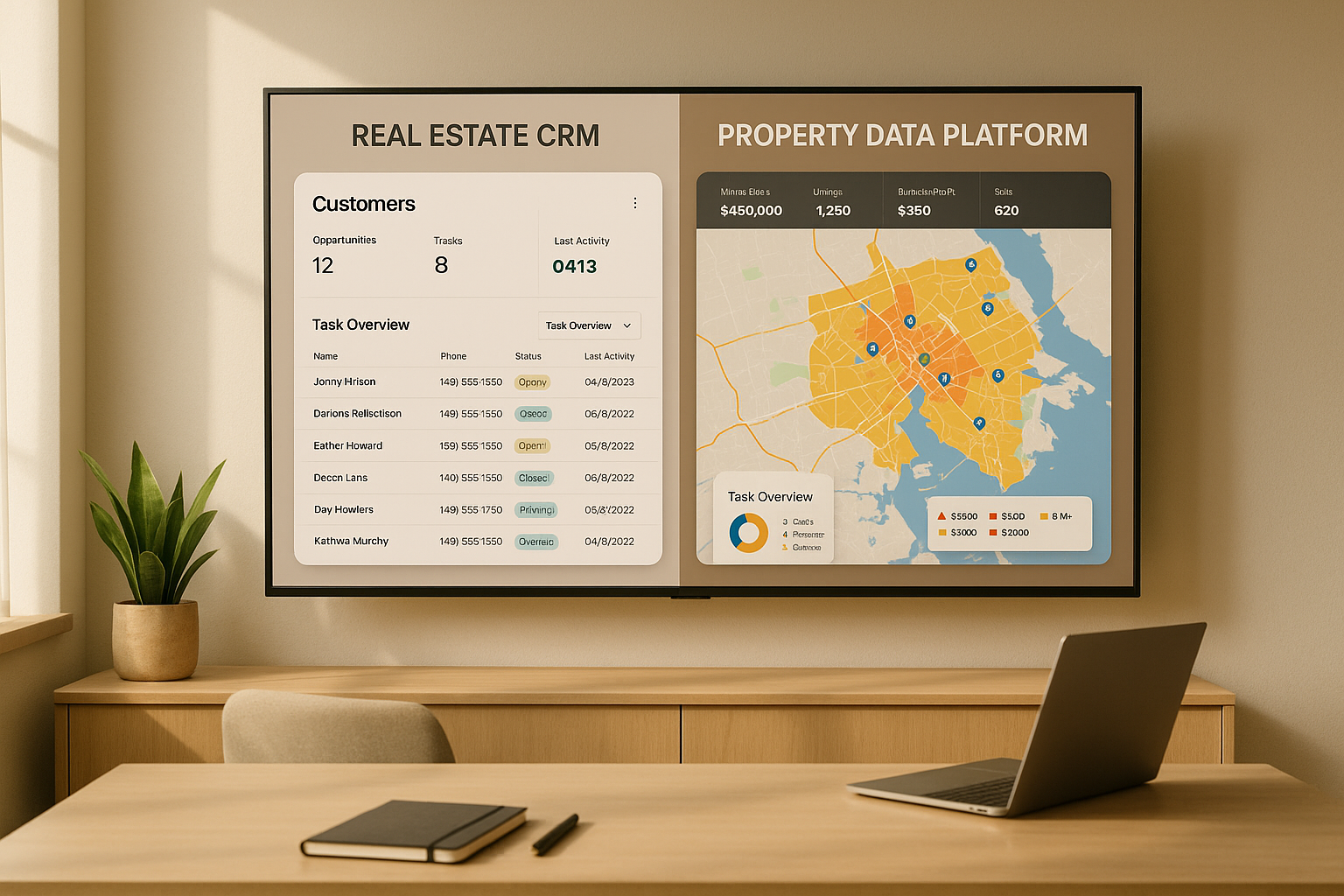
Automation also creates transparency and enhances the borrower experience. Fast-forward to 2026, and fintech-driven mortgage solutions are taking the market by storm — particularly among younger buyers.
All of these involve credit checks, document verification and comparison with suppliers integrated into an end-to-end digital experience.
| Pros | Cons |
|---|---|
| Faster loan approvals | Limited human interaction |
| Fully online process | Not ideal for complex cases |
| Transparent and convenient | Data privacy concerns |
| Easy comparison of lenders | Tech dependency |
Conclsuion
Conclusion: Choosing the Right Mortgage in 2026 housing marketệtS Alternative financing and credit solutions, ranging from standard fixed-rate loans to adjustable digital and green options offer specific advantages.
To provide valuable insights, here are several types of mortgages that buyers should be aware of in order to take their decisions wisely, be cost effective and secure long-term value in a developing and competitive real estate ecosystem.
FAQ
Rates remain moderately high but may fluctuate based on inflation and central bank policies, making flexible mortgage options more relevant.
ARMs are best for buyers planning to sell or refinance within a few years before rates adjust.
FHA loans typically require as little as 3.5% down, making them popular among first-time buyers.
VA loans can be better for eligible borrowers since they offer zero down payment and no private mortgage insurance.