In this article, I will review the alternatives to Zengo Card that provide safe, flexible, and pragmatic ways to spend and manage crypto.
As crypto users discover options beyond Zengo Card, these options offer a variety of features such as self-custody wallets, crypto debit cards, and decentralized services
That help users to select the best alternative depending on their security, usability, and spending needs in the real world.
Key Points & Top Zengo Card Alternatives
| Alternative | Key Point |
|---|---|
| MetaMask | Popular Ethereum wallet with strong DeFi integration |
| Binance Card | Crypto-to-fiat spending with cashback rewards |
| Coinbase Wallet | User-friendly wallet with exchange connectivity |
| Exodus | Multi-asset wallet with built-in exchange |
| Gate.io Card | Supports wide range of altcoins and trading perks |
| PlasBit | Offers both plastic and virtual crypto cards |
| OKX Wallet | All-in-one platform with multi-chain support |
| Jaxx Liberty | Cross-platform wallet with portfolio tracking |
| Coinomi | Long-standing wallet with strong privacy focus |
| Bisq | Decentralized exchange for peer-to-peer crypto trading |
10 Top Zengo Card Alternatives
1. MetaMask
MetaMask stands out as a Zengo Card alternative since it provides self-custody without reliance on a physical crypto card.
Unlike Zengo Card, MetaMask users are able to self-custody their private keys with a non-custodial wallet, which is best for those who want decentralized control.
MetaMask’s mobile app and browser extension are highly versatile as they support a wide range of tokens, NFTs, and Web3 dApps across varying layers and blockchains.
Additionally, MetaMask’s direct integrations with DeFi, staking, and DEX services allow users to manage, swap, and grow their crypto assets without the use of a middleman, providing a much greater range of services than Zengo Card users are accustomed to with their card-based solution.
MetaMask Faetures
- Self-Custody Wallet – MetaMask allows you to control your keys rather than entrusting them to a third party.
- Web3 & DeFi Access – You can connect to decentralized apps and services.
- Multichain Support – MetaMask can be used across multiple EVM-compatible networks including Ethereum and BNB Chain.
- Token Swaps Inside App – You can exchange tokens without the hassle of leaving the MetaMask app
| Pros | Cons |
|---|---|
| Full self-custody | No direct crypto spending card |
| Connects with DeFi & Web3 | Gas fees on Ethereum can be high |
| Supports many tokens & networks | Can be complex for beginners |
| Works in browser & mobile | Security depends on user practices |
2. Binance Card
The Binance Card is another alternative to Zengo Card that allows you to crypto spend almost anywhere as long as you have a crypto balance.
Unlike Zengo Card, which is primarily about keyless wallet safety and digital wallet access, the Binance Card integrates with the Binance ecosystem and allows you to spend up to 6 cryptocurrencies with instant crypto to fiat conversion at the point of sale.
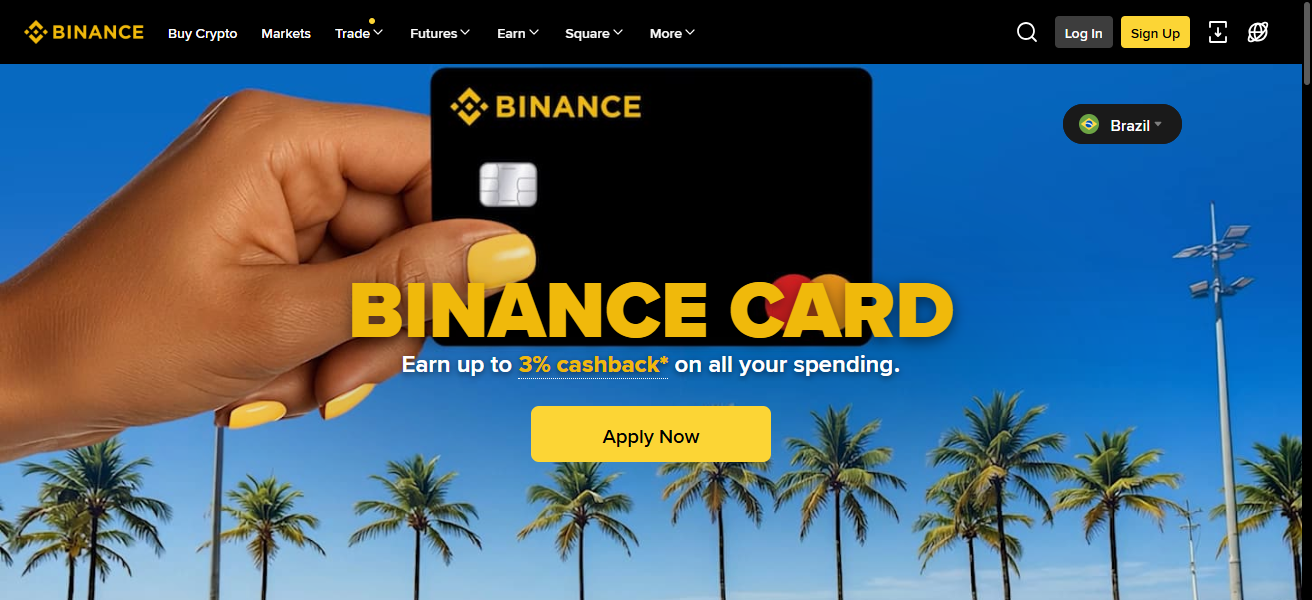
You get crypto rewards and access to a wider variety of services Binance offers, such as trading and investing.
You get almost all the benefits of a digital asset trading platform and investing tool paired with a digital asset spendable card.
Binance Card Faetures
- Crypto to Fiat Spending – Your crypto can be sent to the card and spending your crypto is as easy as swiping your card.
- Wide Merchant Acceptance – You can use the card anywhere Visa and Mastercard is accepted.
- Reward/Cashback – When you make a purchase, you can receive crypto as a reward.
- Tied to Binance Account – Your crypto wallet and your card are linked together for easy funding, spending, and managing your balance.
| Pros | Cons |
|---|---|
| Spend crypto like fiat | Must have Binance account |
| Global merchant acceptance | Centralized exchange risk |
| Earn rewards/cashback | Regional availability varies |
| Real-time crypto conversion | May have fees on transactions |
3. Coinbase Wallet
When it comes to Zengo Card alternatives, Coinbase Wallet is worth considering mainly for its focus on self-custody and self-custody simplicity.
Coinbase Wallet prioritizes customer trust and has millions of users. While Zengo Card users rely on a biometric security card, Coinbase Wallet users maintain full self-custody of their private keys. Users can manage multiple digital assets like cryptocurrencies, NFTs, and Web3 applications.
Connecting to Coinbase is a major plus. Users can seamlessly on-ramp and off-ramp fiat and crypto without an exchange account. Users can go for Coinbase Wallet when prioritizing self-custody, security, and trust.
Coinbase Wallet Faetures
- Non-Custodial Security – Your private keys are your control. You will be separate from the Coinbase exchange.
- Simple On/Off Ramps – Transacbtions are simple and are easy back and forth between crypto and fiat.
- NFT & dApp Integration – You can control and manage your digital collectibles while being connected to Web3.
- Mobile & Browser Support – The wallet is across multiple devices for your convenience.
| Pros | Cons |
|---|---|
| Strong self-custody | Dependence on Coinbase ecosystem |
| Easy on-ramp/off-ramp | Limited advanced DeFi rewards |
| Supports NFTs & dApps | No direct payment card features |
| User-friendly interface | Fees on some swaps |
4. Exodus
Exodus Wallet is a great alternative to Zengo Card since it merges user-friendly design with a self-custody option and extensive multi-asset support.
While Zengo Card is centered around a keyless security card and payment convenience, Exodus Wallet emphasizes user experience with a smooth design allowing simple management, swapping and tracking of hundreds of cryptocurrencies.
Exodus Wallet even integrates with external hardware wallets, along with additional custody options. Exodus Wallet is great for users who want more than just basic spending functionality out of their wallets.
The app’s built-in portfolio tracking and easy exchange features are perfect for users who want a powerful, all-in-one desktop, and mobile wallet.
Exodus Wallet Faetures
- User-Friendly Interface – The wallet has a clear design that makes asset management easy.
- Multi-Asset Portfolio – With Exodus you can hold and manage multiple crypto coins and tokens.
- Built-in Exchange — Users can Exchange digital currencies from within the app without the hassle of using a separate application.
- Transaction History and Analytics — Review past transactions and assess how well your investments are doing.
- Simplified Wallet Functionality — Focused on easy management of your crypto.
| Pros | Cons |
|---|---|
| Sleek, intuitive UI | Not fully open-source |
| Multi-asset support | Limited advanced trading tools |
| Portfolio tracking built in | No direct fiat spending card |
| Integrates with hardware wallets | Some features premium |
5. Gate.io Card
Gate.io Card is worth mentioning as an alternate option to Zengo Card because, unlike Zengo Card, which emphasizes security without a physical card
Gate.io Card joins the ranks of Zengo in providing a real-world crypto card that integrates with an exchange, enabling the holder to spend crypto as cash in real life.
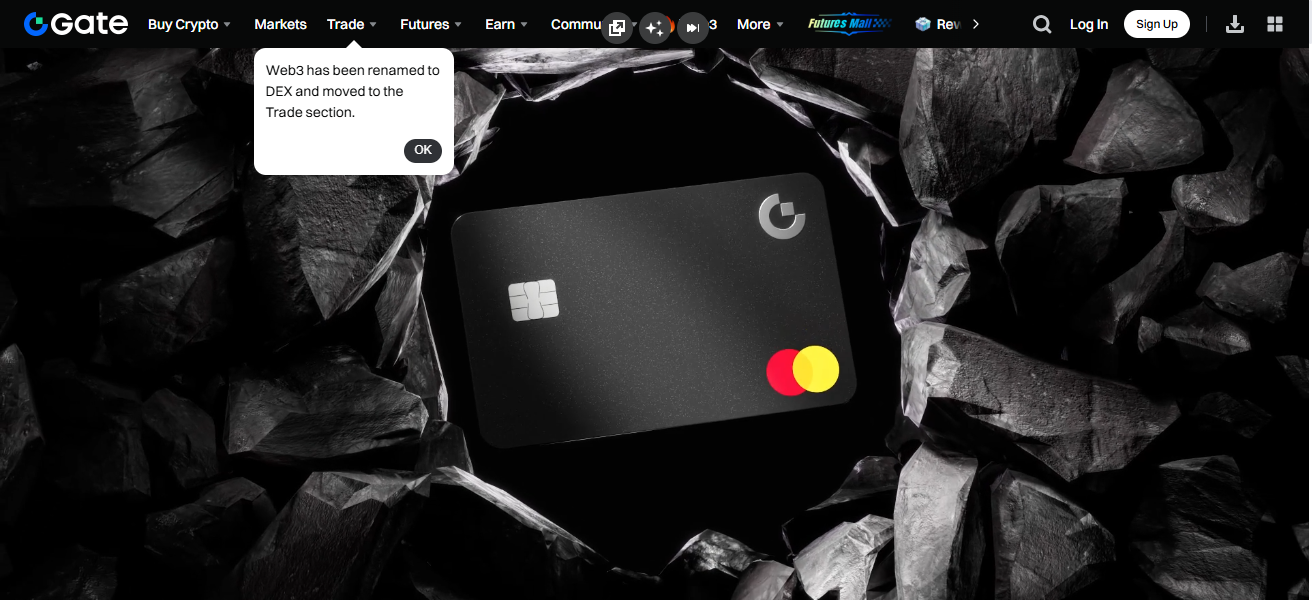
With the Gate.io Card, users can spend crypto at millions of merchants as Bitcoin, Ethereum, and USDT will be converted to USD at the point of sale just as users spend cash with Visa/Mastercard debit cards.
Gate.io Card offers rewards, balance management, and seamless integration with the Gate.io app. Therefore, the card caters to users looking for a balance between functionality and flexibility as a crypto card.
Gate.io Card Faetures
- Gate.io Linked — Spend money from your Gate.io account.
- Crypto Payments — Make purchases with crypto via Visa/Mastercard.
- Crypto to Fiat Conversion — Discount purchases with crypto.
- Cashback Offers — Card purchases that gives cashback.
| Pros | Cons |
|---|---|
| Spend crypto via Visa/Mastercard | Requires Gate.io account |
| Cashback rewards | Centralized risk |
| Converts crypto to fiat instantly | Regional restrictions apply |
| Easy funding via exchange | Fees on spending/conversion |
6. PlasBit
A workable Zengo Card alternative is PlasBit, which enables you level up your cryptocurrency (to become) a debit or prepaid card for daily transactions.
With PlasBit, users can load over 100 cryptocurrencies to virtual, plastic, or metal cards that can be used to make purchases and ATM withdrawals anywhere Visa and Mastercard are accepted, including contactless payments.
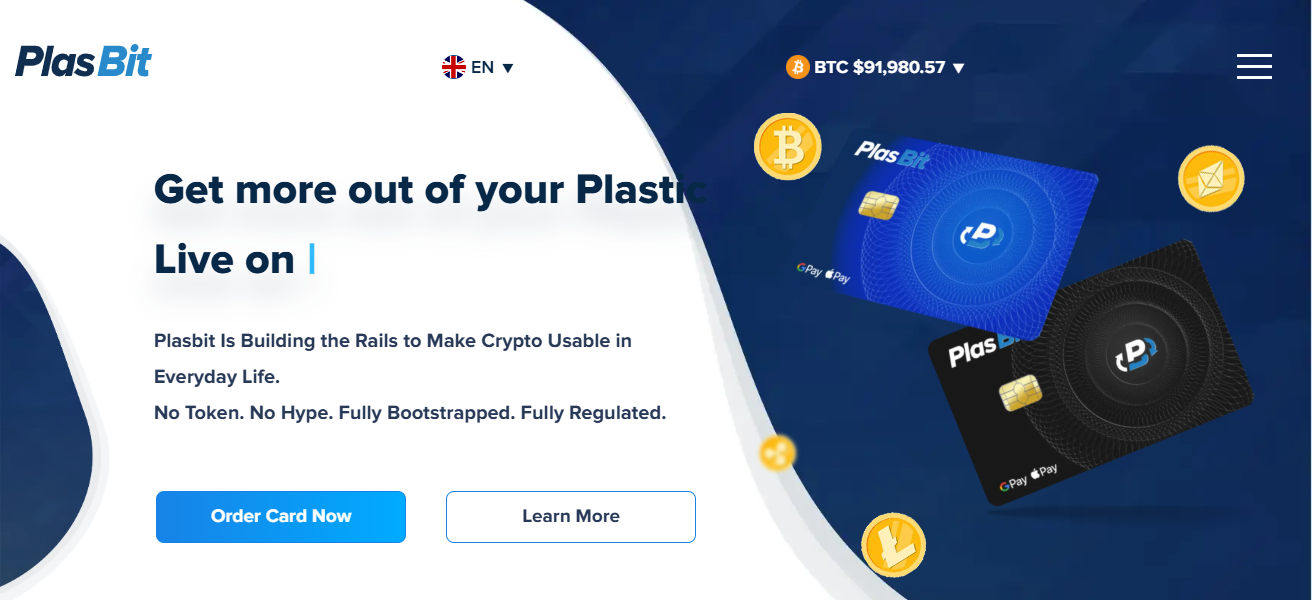
This makes it a cryptocurrency and fiat spending user where most of Zengo Card’s options are focused on real-use conversion and card customization over Zengo Card’s keyless account security. PlasBit is more (or less) to users that do not want to change their spending platform.
PlasBit Faetures
- Variety of Cards — Metal, plastic, virtual, and physical cards.
- Incredible Cryptocurrency Support — Spend over 100 different cryptocurrencies.
- International Use — Use at any store or ATM that accepts Visa/Mastercard.
- Fiat Conversion — Payments and cash withdrawals for seamless conversion.
| Pros | Cons |
|---|---|
| Supports 100+ cryptos | Fees on conversion/spending |
| Virtual/plastic/metal cards | Not available everywhere |
| Use at merchants & ATMs | Card issuance cost |
| Convenient fiat conversion | KYC required |
7. OKX Wallet
OKX Wallet is a great alternative to Zengo Card because of how well it integrates self-custody with access to decentralized finance and on-chain activity.
In contrast to Zengo Card’s focus on a keyless payment card, customers can keep their private keys with OKX Wallet and engage with multiple blockchains, NFTs, dApps, and cross-chain swaps.
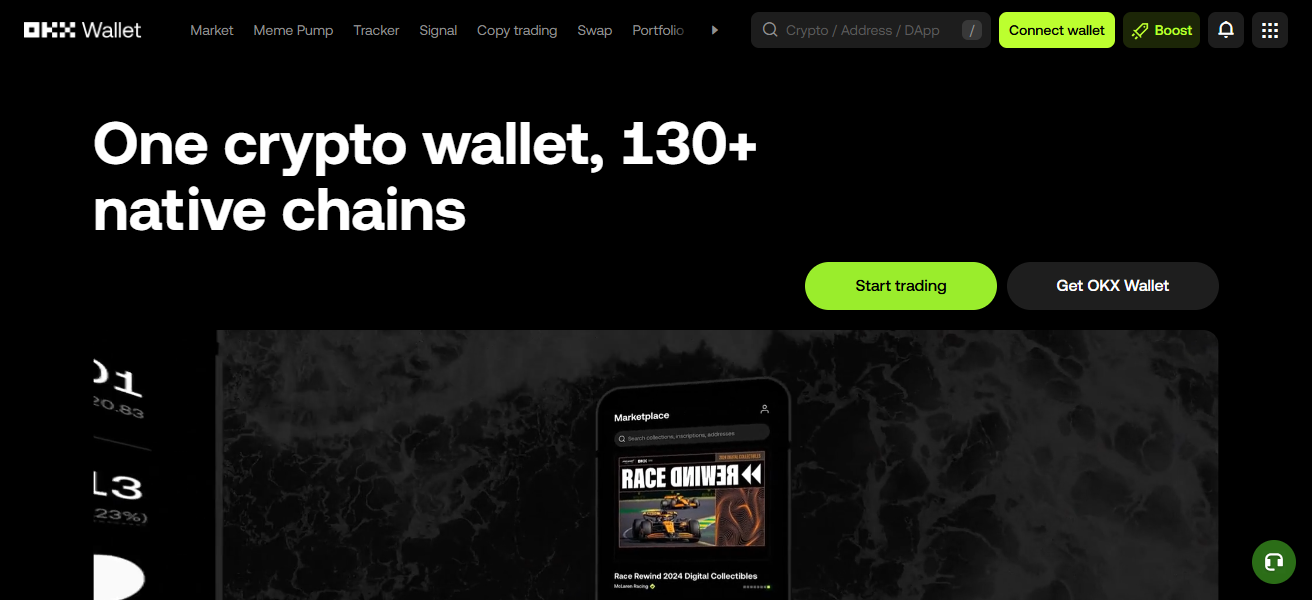
Furthermore, it’s solid integration with the OKX ecosystem means it is easy to move assets between trading and wallet environments.
This means that in addition to payment functionalities, OKX Wallet offers secure custody and extensive support for DeFi and multi-chain services.
OKX Wallet Faetures
- Non-Custodial Assurance — Safe access to your private keys.
- DeFi & Multi-Chain Support — Access and interact with different DeFi solutions.
- NFT & dApp Integration — Store, manage, and interact with digital assets and applications.
- Cross-Chain Asset Management — Transfers and swaps across multiple blockchains.
| Pros | Cons |
|---|---|
| Strong self-custody | Better with OKX ecosystem |
| Multi-chain & DeFi access | Can be complex for new users |
| NFT & dApp support | Some features require OKX app |
| Cross-chain swaps | Not a spending card itself |
8. Jaxx Liberty
Jaxx Liberty is an example of a Zengo Card alternative. Jaxx Liberty has some of the lightweight self-custodial wallets. wallet. The Jaxx Liberty app user interface is compatible with various digital assets.
The Jaxx Liberty app allows you to manage dozens of digital assets while controlling your own private keys. The Zengo Card promotes a more keyless card payment ecosystem.
With Jaxx Liberty, you can manage, send, and receive numerous cryptocurrencies and tokens in your own wallet.
Jaxx Liberty allows the user to Track balances, view transaction histories, and check market performances. With all these features, Jaxx Liberty is the perfect fit your wallet needs.
Jaxx Liberty Faetures
- Cross-Platform Compatibility — Available on both mobile and desktop.
- Multi-Currency Support — Hold and manage different digital currencies in one app.
- Transaction History & Analytics — Look at your activity and performance as a portfolio.
- Simple Wallet Experience — Tailored for basic management of crypto.
| Pros | Cons |
|---|---|
| Lightweight & easy | Development updates less frequent |
| Multi-currency support | Smaller community support |
| Cross-platform sync | No direct payment card |
| Simple portfolio view | Limited advanced features |
9. Coinomi
Coinomi is another alternative to Zengo Card worth mentioning due to its self custodial wallet that can be used with a variety of cryptocurrencies and blockchain networks.
Zengo Card focuses on keyless crypto payment cards while Coinomi focuses on privacy with an IP anonymization feature and no KYC, while also giving user full control of their private keys.
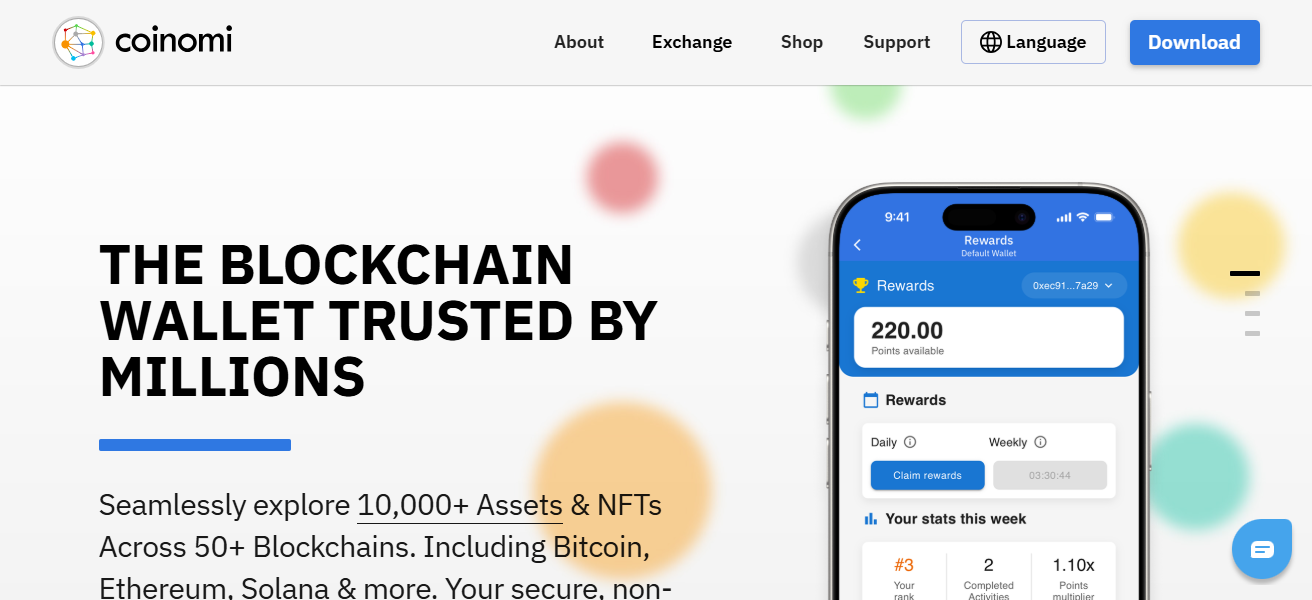
Users can swap tokens with their built in exchange and leave the app. Coinomi stands out with its optimal privacy, control, and versatility.
Coinomi Faetures
- Privacy First — No KYC, anonymized IP, and your keys remain local.
- Multi-Currency Support — Tens of thousands of coins and tokens supported.
- In-App Exchange — Built-in swap functionality.
- Cross-Platform Support — Available on desktop and mobile.
| Pros | Cons |
|---|---|
| Strong privacy focus | Not fully open-source |
| No KYC required | Limited advanced DeFi |
| Very broad asset support | Interface can feel dated |
| Built-in swaps | Not a spending card |
10. Bisq
Bisq is a unique alternative to the Zengo card as it’s a completely decentralized P2P exchange, which means customers have total control over their funds and trades.
They don’t need to deal with any central authority. The Zengo card aims to allow customers to make everyday purchases with crypto through a contactless card and does not require any security measures such as a PIN.
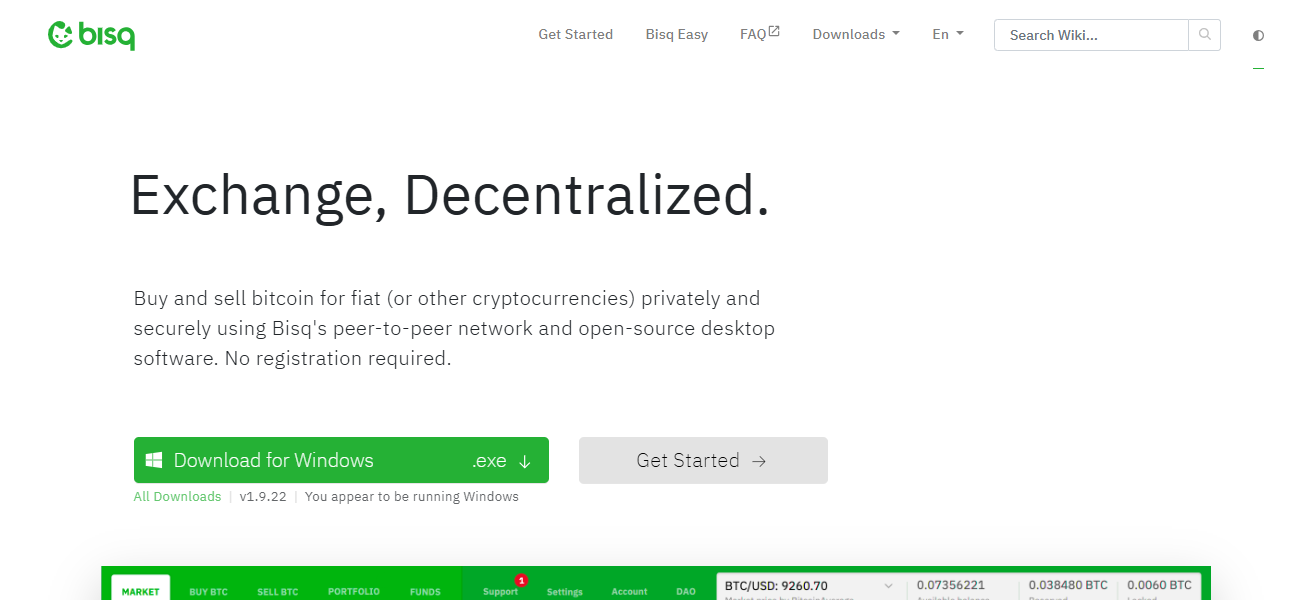
In contrast, Bisq allows customers to trade crypto with other customers across the globe while maintaining their privacy and self-custody.
Being open-sourced, and a non-custodial exchange, Bisq does not require an account, KYC, or depend on central authority, which means it is perfect for customers who value their freedom and want access to crypto markets without spending through a card.
Bisq Faetures
- Decentralized Exchange — Trading on a peer to peer basis, with no central server.
- Privacy Friendly — No account, and no KYC to trade.
- Forkable and Open Source — Community-sustainable and censorship resistant.
- Universal Fiat Pairing — Trade crypto for various fiat and crypto.
| Pros | Cons |
|---|---|
| Fully decentralized P2P | Trade speed depends on users |
| Privacy preserved | Liquidity varies |
| No central control | Not a payment card |
| Open-source & censorship-resistant | Less beginner-friendly |
How To Choose Zengo Card Alternatives
Security Level: Consider wallets with full self-custody features and private key control for superior protection.
Spending Needs: Pick cards that allow for seamless crypto-to-fiat conversions for daily purchases and withdrawals.
Ecosystem Access: Favor wallets with DeFi, NFT, and dApp capabilities, especially if you want to go beyond payments.
Supported Assets: Ensure that the platform accommodates the cryptocurrencies you possess or wish to use.
Ease of Use: If you’re new to crypto, look for straightforward apps to manage cards easily.
Privacy Features: Consider services that require little KYC and have robust data and privacy protection.
Rewards/Benefits: Look for cards that include perks, bonus offers, and cash back for spending.
Geographic Availability: Make sure the services are available in your country and can be used.
Fees and Rates: Consider each service’s conversion, maintenance, and transactional fees before deciding.
Customer Support: Reliable and steady support means help is available when needed.
Cocnsluion
Ultimately, considering alternatives to Zengo Card enables you to identify what suits your preferences regarding crypto needs, whether it be self-custody, real-world usage, DeFi, or privacy.
Each option has its advantages, and evaluating the features, costs, and ease of use will direct you to the best option.
When you find the right alternative, you will be able to manage, spend and grow your cryptocurrency with confidence.
FAQ
Other crypto wallets or cards that let you manage, spend, or trade crypto.
To find different security models, features, or better spending options.
No—some are wallets or exchanges without direct card spending.
Crypto debit cards like Binance Card, Gate.io Card, and PlasBit.