In this article, I will explore the Unexpected Expenses Examples and How to Prepare for Them. Occasionally, life surprises us with unexpected expenses like medical bills, car repairs, and home emergencies.
- Key Points & Unexpected Expenses Examples
- 20 Unexpected Expenses Examples and How To Prepare for Them
- 1. Car Repairs
- 2. Medical Emergencies
- 3. Dental Work
- 4. Home Repairs
- 5. Appliance Replacement
- 6. Pet Emergencies
- 7. Job Loss
- 8. Family Emergencies
- 9. Tax Bills
- 10. Legal Fees
- 11. Identity Theft
- 12. Car Accidents
- 13. Natural Disasters
- 14. Technology Failure
- 15. Subscription Renewals
- 16. Moving Expenses
- 17. Utility Spikes
- 18. Childcare Costs
- 19. Wedding or Gift Expenses
- 20. Health Insurance Gaps
- How To Prepare for Them?
- Conclsuion
- FAQ
Having a grasp of these expenses and ways to manage them will help you avoid precarious financial situations.
Having a plan makes it possible to deal with unanticipated expenses with confidence and without undue pressure.
Key Points & Unexpected Expenses Examples
| Unexpected Expense | Key Point / Explanation |
|---|---|
| Car Repairs | Sudden engine or transmission issues can cost thousands. |
| Medical Emergencies | Hospital visits, surgery, or medications not covered by insurance. |
| Dental Work | Root canals or crowns often exceed routine dental budgets. |
| Home Repairs | Plumbing leaks, roof damage, or electrical faults. |
| Appliance Replacement | Refrigerator, washing machine, or AC breakdowns. |
| Pet Emergencies | Vet visits, surgery, or medication for pets. |
| Job Loss | Sudden unemployment leading to income loss. |
| Family Emergencies | Traveling for funerals or helping a relative in need. |
| Tax Bills | Underpaid taxes or unexpected adjustments by the IRS. |
| Legal Fees | Lawyer costs for disputes, divorces, or other issues. |
| Identity Theft | Costs related to recovering stolen financial data. |
| Car Accidents | Insurance deductibles or uncovered damages. |
| Natural Disasters | Flood, fire, or storm damage not fully covered by insurance. |
| Technology Failure | Laptop or phone replacement for work or personal use. |
| Subscription Renewals | Forgotten auto-renewals for software or memberships. |
| Moving Expenses | Sudden relocation costs for job or personal reasons. |
| Utility Spikes | Seasonal increases in electricity, gas, or water bills. |
| Childcare Costs | Extra daycare, babysitting, or school activity fees. |
| Wedding or Gift Expenses | Unexpected invites or last-minute event contributions. |
| Health Insurance Gaps | Out-of-network charges or uncovered treatments. |
20 Unexpected Expenses Examples and How To Prepare for Them
1. Car Repairs
Unexpected automobile issues tend to happen when they are least expected, even to a car that has received the best attention.
Emergencies that require attention could include the breakdown of an engine, brake repairs, damage to the transmission, or the costly replacement of the brakes.

While some emergencies, like a battery failure or tire blowout, will not break the bank, the costs of car repairs could add up to several thousands, hence it is wise to maintain an emergency fund.
Lastly, extended warranties and regular checks will prevent the automobile from running into costly repairs.
2. Medical Emergencies
Accidents and sudden illnesses are unpredictable and may present medical emergencies. With medical insurance, patients may still face high out-of-pocket costs such as ambulance costs, medical tests, prescription meds, and insurance deductibles.
Moreover, unanticipated surgeries or hospital admissions can lead to costs that surpass those set by basic insurance tail coverage.

The unplanned expenses arising from such emergencies may lead to a debt spiral when there are gaps in preparation, and such events can be financially devastating.
The risks can be minimized by preventive health care, regular health checkups, and maintaining a budgeted emergency fund.
However, planning for unanticipated emergencies that can arise without a warning is always prudent.
3. Dental Work
The above applies to unanticipated dental work as well. Dental emergencies require a lot of resources, especially when root canals, crowns, and wisdom tooth extractions are involved and vary from hundreds to thousands.
Some insurances only cover costs related to routine cleaning and basic treatment, leaving patients to pay out-of-pocket for the large and expensive procedures.

Those suffering from dental emergencies may spend a lot of money to alleviate the pain. The best way to prepare is to invest in dental insurance or a health care savings plan.
Regular dental check-ups, practicing oral hygiene, and addressing early dental symptoms are the best ways to reduce the risk of expensive dental emergencies and promote the health of the teeth and gums.
4. Home Repairs
Being a homeowner, you might have to deal with unexpected costs due to things like plumbing, roof, or electrical issues.
These things come up suddenly and when not taken care of, will result in bigger problems like costly repairs due to water damage, mold, or damage to your home’s foundation.

These problems can cost you thousands to fix. Regularly keeping your home maintained and even inspections will help a homeowner find and address problems before they become bigger issues.
Setting aside an emergency fund for repairs will help maintain efficiency in repairs. Having a home maintenance plan can also take help cover major repairs and possibly saving money. This will also help a homeowner maintain their home’s value.
5. Appliance Replacement
Appliances like refrigerators and washers and dryers don’t last forever. If they break suddenly and you have to replace several at once, it can be very costly.
You can also plan for when you will have to replace an appliance, since their breakdowns are usually at inconvenient times. Warranties are a good way to plan for the unexpected.
Regularly maintaining an appliance in addition to a warranty will help you get the most out of the warranty and also help reduce the cost of replacement, when the time comes.

Setting aside a small amount of money for replacements and repairs will help you prepare for it financially.
Choosing more efficient appliances will cost more in the initial purchase, however, it will help save money in the long run.
6. Pet Emergencies
Pets bring joy, but at times, they can also bring unexpected, costly emergencies. Large veterinary bills can accompany a pet’s illness, injury, surgery, or any combination of the three.
Scrutinizing bills for diagnostic tests, overnight care, and medication reveals how expensive they can get.
Moreover, as outlined in the previous section, most standard insurance does not cover a pet’s health, hence, pet owners should brace for unexpected costs.

Pet insurance or keeping a dedicated savings fund can alleviate the pressure, and so does preventive care.
Fulfilling the financial side of the equation permits your pet to receive the required medical attention without rash financial decisions.
7. Job Loss
Job loss can happen at any time making it inevitable. Lost income makes it incredibly difficult to pay an outstanding rent, bills, and groceries.
Stressed financial situations, especially without savings can arise. Often, severance and unemployment benefits do not outlast new job searching, making it even more difficult to provide necessities for a family.

For this reason, an emergency fund of three to six months living expenses is the financial best practice.
Side income should be multiplied as job searching is often is scant. Advanced planning helps provide necessities for a family as new job searching is underway.
8. Family Emergencies
Family emergencies can happen for reasons like sudden illness or death, or even unplanned travel.
Holidays, last-minute flights, medical or funeral expenses, and other last-minute accommodations can be expensive, not to mention emotionally exhausting.

Family members may also need to make quick and severe financial decisions without having planned for it. To help avoid these situations, try to have spare credit and an emergency fund.
If your family lives far away, you may also want to consider travel insurance. Having financial resources helps mitigate the emotional stress these situations can bring, turning your thoughts to your family and providing the needed emotional help.
9. Tax Bills
There can also be unexpected tax bills and the stress they bring. This can happen due to under-withholding and freelance income, among other factors.
Tax season can catch people off-guard, and once tax bills appear, they can’t be easily ignored. Paying taxes late creates even bigger problems, such as accumulating penalties and intereses.

To avoid missed payments, people can review their tax withholdings. This is especially important after salary changes or new income sources.
Moreover, organized tax records help avoid costly mistakes, and setting aside a small percentage of income monthly can be also be helpful.
10. Legal Fees
There are various legal issues that one can encounter such as disputes, divorces, contracts, property issues and many more.
Legal problems can be very expensive — covering lawyer fees and other expenses associated with court settlements can reach many thousands of dollars.
And even the most uncomplicated legal issues can lead to financially burdensome consequences. Thus it is best to have legal insurance, and to have some legal emergency funds.

And it is wise to refrain from big contracts and other legal documents until a professional has reviewed it.
Legal rights and legal responsibilities outline the legal scope of any issues that come as a surprise. With that, the legal problems can be avoided and if legal problems do occur, one can take legal action straight away.
11. Identity Theft
Identity theft can be devastating as it can lead to losses and debt, and take a big hit to one’s credit score. Furthermore, it can take a long time to litigate.
Thieves can open lines of credit as well as make big purchases, and it is on the victim of the crime to pay those debts.
That is why it’s best to protect personal information and to frequently check credit reports. Identity theft protection services are a good answer

if there is no time to frequently check credit reports as it is a good balance to take and limit the risk.
If one is a victim of identity theft, the best course of action is to litigate: make a fraud report, freeze credit, and contact the companies that are compromised. Their expense and stress are very high and that is why it’s best to take action to limit those.
12. Car Accidents
You may be under the impression that you won’t incur any additional costs when you get into a car accident, but that may not be the case.
You may incur costs that are not covered by your insurance such as out-of-pocket medical expenses, temporary transportation costs, towing costs, and your deductible.
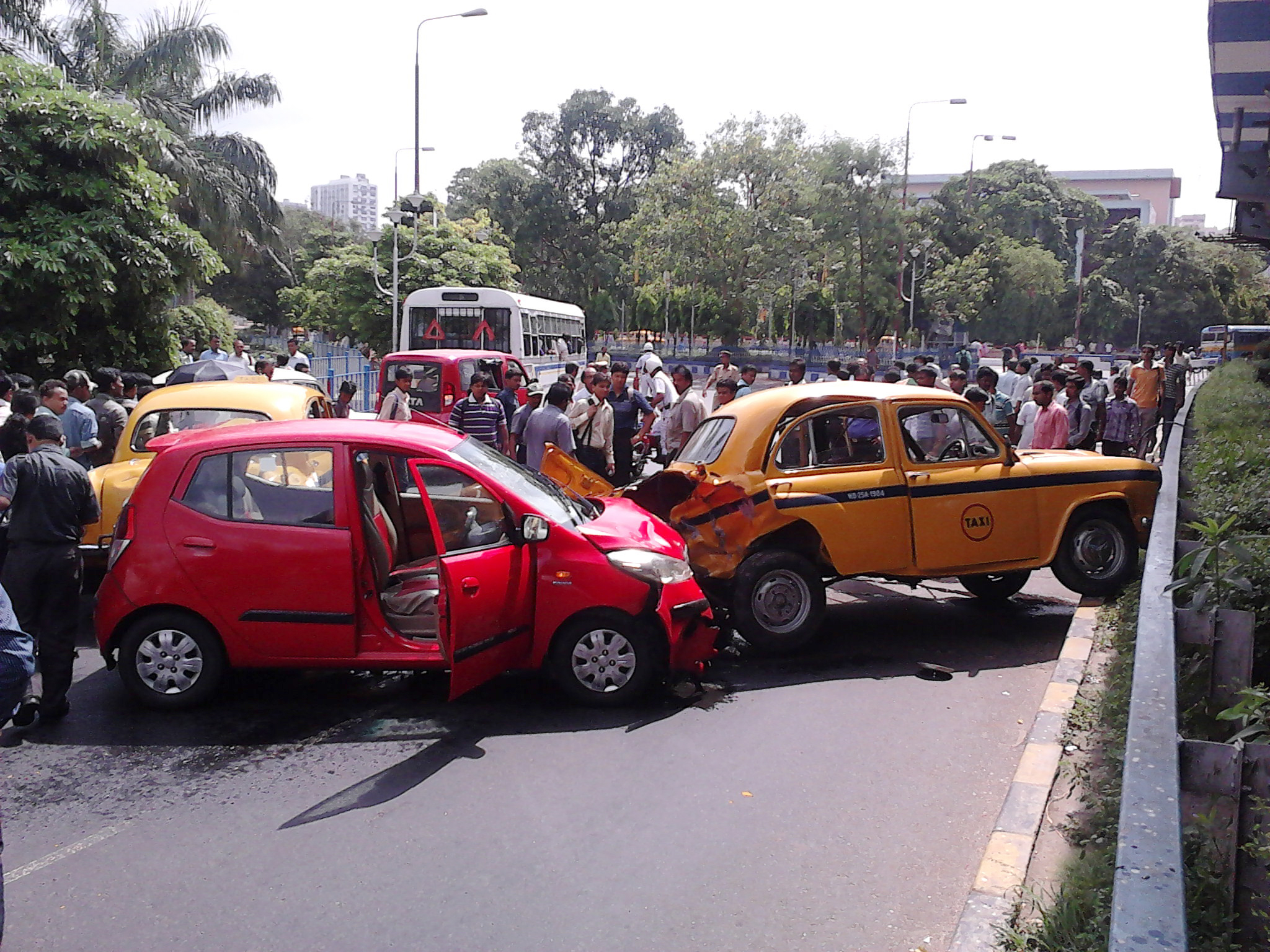
Accidents may happen even when you practice safe driving, which is why you should save for the deductible and have feasible emergency plans whenever possible.
13. Natural Disasters
You may be covered for the basic damages a storm, flood, or earthquake can cause, but you run the risk of uncovered damages or total loss as a result of the standard policy limits.
Fixing severe property damage can run into the thousands. Many may not know that earthquakes and floods are additional policies.
You may reduce the risk of total loss and damaging panic by having a disaster and emergency plan.

It is wise to have emergency funds to get you through the temporary living accommodation costs and uncovered expenses. The additional expenses you keep on hand are meant for any disaster you may have.
14. Technology Failure
Inevitably there are tech failures, whether it be a broken laptop, smartphone, or a hard drive crash. All that fragile tech can disrupt your professional and personal life.
Since those tech devices are essential to your work, trying to replace or repair them can be costly. Losing data can prove to be costly on productivity and even be costly monetarily.

Having device insurance, protective cases, and regular backups can save a lot of money in the long run. Preparing for necessary upgrades to your gear will always be a good idea.
Having aged devices in working condition are a good backup to help you and for maintaining productivity.
15. Subscription Renewals
Subscriptions, whether it be automatic renewals or digital subscriptions, streaming services, or software, can elicit silent budget bleed for your funds.
People tend to forget all about the free trials or annual subscriptions until, Bang, there is a charge. Those are small expenses, and can be forgotten, but, they can accumulate to big money.

Performing a pareto analysis on your subscriptions proves useful, in avoiding those pointless expenses.
Having. budgeting applications, and placing reminders to cancel and track subscriptions that are unused can prove valuable. Being aware of those subscriptions proves valuable for finances.
16. Moving Expenses
A job change, eviction, or family situation may require you to relocate quickly. Moving expenses can become quite costly.
Consider packing materials, transportation, a deposit for the new residence, and temporary housing.

These expenses become costly and very stressful to manage on last-minute arrangements. To alleviate the pressure, you can put mini budgets for each part of the relocation and scout for cheaper movers.
It may also lessen the stress remarkably to have some savings set aside for relocations. Most stress-free and cheaper relocations stem from early, thorough planning and a minimalist lifestyle.
17. Utility Spikes
Utility costs can increase dramatically and leave you puzzled at the end of the month. Season changes, faulty appliances, and changes in utility costs set by the provider can all cause spikes in costs.
Utility usage may also increase in summer and winter with the need for climate control in housing. Unnoticed leaks and inefficiencies in appliances also contribute to higher costs.

Season changes can be predicted and energy-efficient appliances can help manage control. Constant monitoring of utility usage ensures no surprises at the end of the month.
18. Childcare Costs
Work hours extending unexpectedly, school closures, or caregivers cancelling at the last minute can all leave you with unplanned childcare expenses.
Emergency babysitting, daycare, or after-school programs can charge exorbitant fees and can stretch your budget thin. This is particularly the case for working parents.

Creating a support network, scouting for affordable and flexible options, and thinking through last-minute childcare arrangements can really help.
Setting aside guaranteed funds for occasional spikes in childcare costs can help working parents keep high quality, dependable childcare in place.
19. Wedding or Gift Expenses
Travel and outfit costs you did not budget for can come up when you receive last minute wedding invitations, birthdays, or even holiday celebrations.
This can even include gifts. Social obligations leading to unplanned spending is a common occurrence.

Setting aside a little money for those “social funds” can really take out the burden. Thoughtful gifts do not have to be expensive and setting limits on spending helps to keep the strain off.
It is also perfectly acceptable to refuse to attend expensive events if it can throw your budget off.
20. Health Insurance Gaps
While no one wants to think about it, even health insurance gaps need to be accounted for. Health insurance policies might leave certain expenses uncovered.
It can take the form of expensive out-of-network care, uncovered services, high deductibles, or uncovered treatments.

Understanding your policy’s fine print can assist in preventing financial surprises. Gaps in coverage can also be filled with supplemental insurance or health savings accounts (HSAs).
Annual plan reviews help you stay up to date with any changes. Setting aside money for uncovered expenses will help you with the uncovered expenses. This will help you avoid any medical issues and maintain quality care.
How To Prepare for Them?
Keep Your Emergency Fund – Keep three to six months worth of essential expenses in a savings account for emergencies and unexpected situations.
Review Insurance Policies – Keep your health, car, and home insurance policies updated so you can protection for unexpected loss and damages.
Track and Budget Wisely – Understand your spending habits, cut any spending you do not need, and save a portion of your monthly income for emergencies or repairs in the future.
Schedule Regularly Maintenance – Make it a point to do routine health, car, and home check-ups to save you from expensive issues.
Increase Income Sources – Decrease reliance on a paycheck by creating additional income through side jobs or investments.
Use Credit Wisely – Keep an emergency credit option but maintain it by paying it off soon so it can’t accrue debt.
Create Sinking Funds – Save in small, regular amounts for predictable expenses like repairs, insurance, or taxes.
Stay Organized on Finances – Track your bills, renewals, and subscriptions to avoid late fees.
Avoid Lifestyle Inflation – Keep expenses stable as income increases; focus on savings and investments instead of impulsively spending on luxuries.
Conclsuion
In summary, any time, anytime, anywhere, an unexpected expense can occur with any financial plan, even the best ones.
Unpreparedness can be incredibly stressful involving debt of medical bills, car repairs, etc. An emergency fund and managed insurance and smart budgeting can really help. With safe financial habits, you can assure to be financially ready and secure for unexpected hurdles.
FAQ
Unexpected expenses are sudden, unplanned costs like medical bills, car repairs, or home maintenance.
They occur due to emergencies, accidents, or breakdowns that can’t be predicted in advance.
Build an emergency fund, maintain insurance, and budget for potential risks.
Save at least three to six months’ worth of essential living expenses.
Yes, medical emergencies and uncovered treatments are among the most frequent unexpected costs.