
This article will explore how AI is helping make crypto safer for beginners. As the cryptocurrency market expands, fraud, phishing, and scams pose increasing risks to new users.
- Key Points & 15 Ways AI Is Making Crypto Safer for Beginners
- 15 Ways AI Is Making Crypto Safer For Beginners
- 1. Fraud Detection
- 2. Phishing Protection
- 3. Secure Wallets
- 4. Transaction Monitoring
- 5. Identity Verification
- 6. Risk Assessment
- 7. Behavior Analysis
- 8. Automated Alerts
- 9. Market Scams Detection
- 10. Smart Contract Audits
- 11. Exchange Security
- 12. Data Privacy
- 13. Bot Attack Prevention
- 14. Learning Assistance
- 15. Continuous Updates
- How does AI help in fraud detection for crypto beginners?
- How We Choose Ways AI Is Making Crypto Safer for Beginners
- Conclusion
- FAQ
AI is helping to protect wallets, track transactions, conduct identity verification, and spot risks, which helps beginners safely and easily navigate the crypto world.
Key Points & 15 Ways AI Is Making Crypto Safer for Beginners
Fraud Detection – AI identifies suspicious transactions instantly, preventing scams before beginners lose funds.
Phishing Protection – Smart algorithms block fake websites and emails, shielding newcomers from deceptive crypto traps.
Secure Wallets – AI-powered wallets monitor unusual activity, ensuring beginners’ assets remain protected and uncompromised.
Transaction Monitoring – Continuous AI surveillance spots irregular transfers, alerting beginners before irreversible crypto losses occur.
Identity Verification – AI strengthens KYC processes, confirming user identities and reducing risks of impersonation fraud.
Risk Assessment – AI evaluates token credibility, guiding beginners away from unsafe or volatile crypto investments.
Behavior Analysis – AI studies trading patterns, warning beginners when actions resemble risky or fraudulent behavior.
Automated Alerts – Beginners receive instant AI notifications about threats, ensuring quick responses to potential dangers.
Market Scams Detection – AI uncovers pump-and-dump schemes, protecting beginners from manipulative crypto market tactics.
Smart Contract Audits – AI reviews contracts for vulnerabilities, preventing beginners from entering unsafe blockchain agreements.
Exchange Security – AI strengthens exchange platforms, detecting breaches early to safeguard beginners’ trading environments.
Data Privacy – AI encrypts sensitive information, ensuring beginners’ personal details remain secure from hackers.
Bot Attack Prevention – AI blocks malicious bots, keeping beginners’ trades fair and free from manipulation.
Learning Assistance – AI educates beginners with safe trading practices, reducing mistakes and improving confidence.
Continuous Updates – AI adapts to new threats, ensuring beginners always benefit from evolving crypto protections.
15 Ways AI Is Making Crypto Safer For Beginners
1. Fraud Detection
Real time analysis of blockchain and other transactional data reveals fraudulent behaviors. Effective and timely identification of suspicious transactional patterns including atypical transactional sequences, wash trading, and transfers linked
To mixer addresses are possible using machine learning to analyze prior blockchain transactions and fraudulent behaviors.

Industry trends have indicated substantial increases in the deployment of fraud detection-focused autonomous AI systems
Which will significantly improve average time to detect fraud in decentralized finance and centralized exchange systems.
| Feature | Description | Benefit for Beginners |
|---|---|---|
| Real-time Analysis | AI monitors millions of transactions on-chain and off-chain continuously | Detects suspicious activity instantly |
| Pattern Recognition | Uses historical fraud data to identify anomalies | Reduces risk of scams |
| Automated Blocking | Flags or halts high-risk transactions automatically | Prevents losses before they occur |
| Predictive Analytics | Predicts potential fraud hotspots based on trends | Helps beginners avoid risky addresses |
2. Phishing Protection
Phishing continues to be one of the largest threats to newcomers, as attackers impersonate wallets or exchanges to capture keys.
The latest AI technology incorporating NLP (Natural Language Processing) allows users to receive alerts about potential threats prior to any engagement as it analyzes URLs, emails, and chat messages.
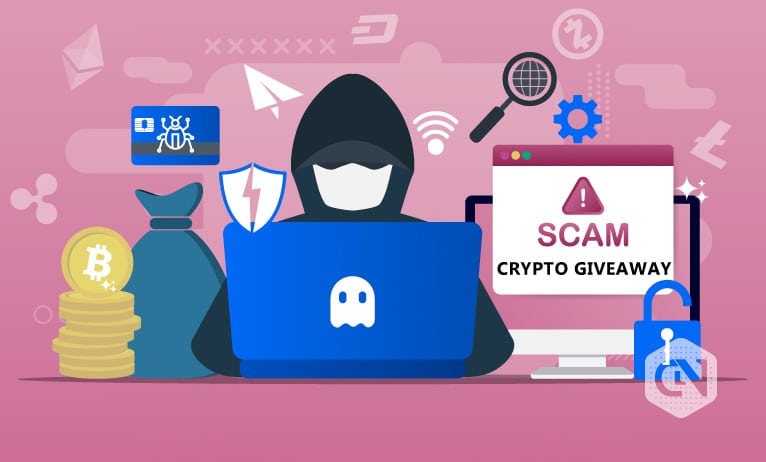
Browser extensions and wallet applications that utilize AI are able to identify and block previously reported phishing websites and create situational awareness in order to reduce successful attempts at credential harvesting.
| Feature | Description | Benefit for Beginners |
|---|---|---|
| URL & Email Scanning | NLP-based AI detects phishing links in messages and websites | Prevents credential theft |
| Suspicious Message Alerts | Warns users about possible phishing attempts | Reduces human error |
| Domain Reputation Check | Checks legitimacy of wallet/exchange URLs | Helps avoid fake platforms |
| Adaptive Learning | Learns from new phishing patterns | Updates protection automatically |
3. Secure Wallets
Advanced wallet security alternatives to passwords include AI-based multi-layer security. For example, behavioral biometrics monitor consistent attributes during authentication
like typing rhythm and interaction with the device, and the system builds an individual profile, so even if the user credentials are correct, the system identifies and prevents the breach.
Additionally, predictive threat monitoring powered by AI is used to avoid routable or malicious malware to drive exploits.
These protective features, and many others, limit the risk of compromise and are especially useful for novice users who lack knowledge of cybersecurity.
| Feature | Description | Benefit for Beginners |
|---|---|---|
| Behavioral Biometrics | Tracks user patterns like typing rhythm and device usage | Detects unauthorized access |
| Multi-layer Security | Combines passwords, biometrics, and AI monitoring | Adds strong security without complexity |
| Predictive Threat Monitoring | Detects malware or exploit attempts before they occur | Keeps funds safe |
| AI-driven Recovery Assistance | Helps safely recover wallets if compromised | Reduces panic for beginners |
4. Transaction Monitoring
AI can manage the speed and complexity of cryptocurrency transactions, whereas traditional rule-based systems cannot.
Machine learning models currently identify and evaluate risk and monitor irregularities in real-time on the most important blockchains, including Ethereum, Solana, and BNB Chain, by using over 50 different metrics for each transaction.

User protections against fraudulent activity are expedited by the automatic freezing and flagging of risky transactions, like sudden large withdrawals.
| Feature | Description | Benefit for Beginners |
|---|---|---|
| Real-time Transaction Scoring | Analyzes features like size, frequency, and recipient | Flags unusual activity |
| Anomaly Detection | Detects abnormal transaction patterns | Prevents unauthorized fund transfers |
| Multi-chain Coverage | Monitors transactions on Ethereum, Solana, BNB Chain, etc. | Ensures protection across multiple networks |
| Automated Alerts | Sends instant notifications on risky transactions | Quick action to prevent loss |
5. Identity Verification
User identity verification has evolved past simple document uploads. AI systems include biometric liveness detection, facial recognition, and behavioral fingerprints, preventing onboarding via synthetic or stolen identities.
This helps reduce the creation of fraudulent accounts for scam or automated bot attacks. For example, the onboarding process becomes safer and more compliant with KYC/AML regulations, and community engagement is less likely to be hindered by the presence of fraudulent participants.
| Feature | Description | Benefit for Beginners |
|---|---|---|
| Biometric Verification | Uses facial recognition, fingerprints, or liveness checks | Stops identity fraud |
| Behavioral Profiling | Creates user profiles based on interactions | Prevents fake account creation |
| AI-driven KYC | Automates document verification with high accuracy | Faster, secure onboarding |
| Anti-Synthetic Checks | Detects deepfake or synthetic identities | Reduces risk from fake users |
6. Risk Assessment
AI evaluates the risk associated with wallets, contracts, or trading pairs by analyzing historical patterns, liquidity irregularities, and established threat patterns.
Users are provided ‘trust scores’ that indicate the likelihood of an asset being fraudulent. This feature is beneficial to novice users of DeFi tokens

Where rug pulls and fraudulent contracts are prevalent. Risk scoring helps users make decisions by transforming intricate risk factors into understandable and quantifiable risk metrics.
| Feature | Description | Benefit for Beginners |
|---|---|---|
| Wallet & Token Scoring | AI assigns risk scores based on activity, liquidity, and fraud history | Helps identify risky assets |
| Predictive Risk Modeling | Forecasts potential threats using historical data | Makes informed investment choices |
| Real-time Updates | Continuously adjusts risk based on market changes | Keeps beginners aware of new threats |
| Simplified Metrics | Converts complex data into easy-to-understand scores | Reduces confusion for new users |
7. Behavior Analysis
Behavioral analytics model user behaviors with respect to things like time of day and manner of interactions. These models will learn user behaviors and use them to defend against takeovers and compromises.
If a user suddenly tries to initiate a funds transfer at a behaviorally determined anomalous time, or tries to do this from an unfamiliar device, this will be flagged by the AI as an at-risk activity.
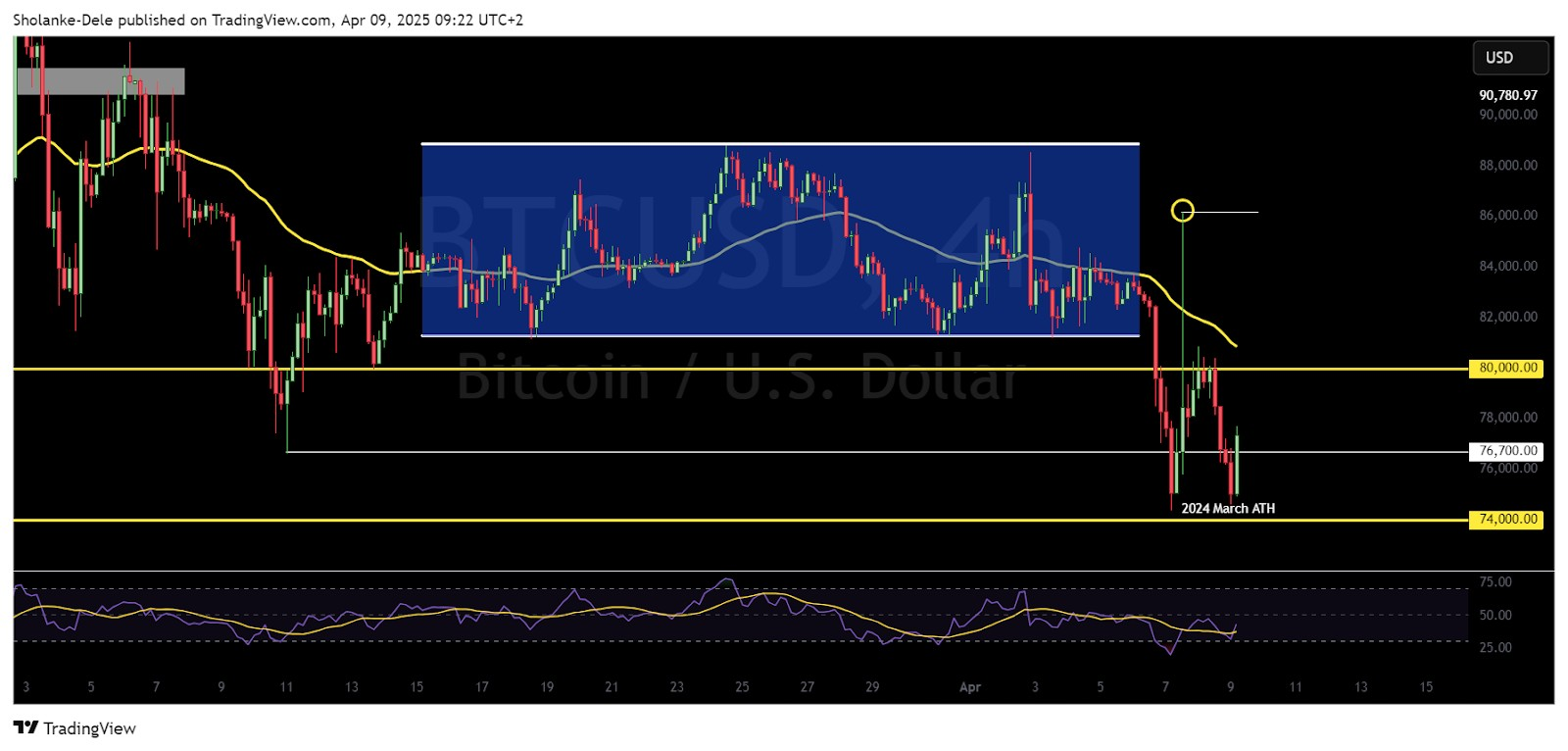
Overall, behavioral analytics model user behavior. Bots and credential stollen user attackers will find this very difficult to use this without being detected.
New users in crypto will find this behavioral profiling even more valuable as another protective barrier.
| Feature | Description | Benefit for Beginners |
|---|---|---|
| Activity Profiling | Learns normal user patterns for logins and transactions | Detects account takeover attempts |
| Device Fingerprinting | Tracks devices used for access | Blocks unauthorized access |
| Anomaly Detection | Flags abnormal behavior like unusual transfers | Prevents fraudulent transactions |
| Continuous Learning | Adapts to evolving user behavior | Improves long-term security |
8. Automated Alerts
When there is unusual activity, AI detects it and informs the customer and the security team. AI also detects different types of activity, such as transaction anomalies and unusual login attempts.
AI notifications help users prevent losing money as it helps the user respond before money is lost. AI helps create custom risk score alerts to help prevent beginner users from receiving

too many false positive alerts and being overwhelmed. Therefore, users only receive alerts that are of significance and require action.
| Feature | Description | Benefit for Beginners |
|---|---|---|
| Real-time Notifications | AI sends instant alerts for suspicious activity | Quick action prevents losses |
| Risk Prioritization | Alerts are ranked by severity | Avoids overwhelming users with false positives |
| Multi-channel Alerts | Notifications via email, app, SMS | Ensures user awareness |
| Actionable Guidance | Provides instructions on what to do next | Helps beginners respond correctly |
9. Market Scams Detection
In addition to phishing and scams, AI technology tracks social sentiment, increases in trading volume, and abnormal patterns in token distribution to identify pump and dump schemes and meme token frenzy.
Predictive models can identify tokens that are likely to be related to scams or manipulative trading by linking on-chain data with off-chain data.
These models are based on social media sentiment, trading volume, and other external indicators.
These insights are particularly useful for novice investors to sidestep the illiquid traps that lead to significant financial losses.
| Feature | Description | Benefit for Beginners |
|---|---|---|
| Activity Profiling | Learns normal user patterns for logins and transactions | Detects account takeover attempts |
| Device Fingerprinting | Tracks devices used for access | Blocks unauthorized access |
| Anomaly Detection | Flags abnormal behavior like unusual transfers | Prevents fraudulent transactions |
| Continuous Learning | Adapts to evolving user behavior | Improves long-term security |
10. Smart Contract Audits
Smart contracts facilitate the automation of DeFi and NFT platforms, but the presence of bugs or other exploitable code can lead to catastrophic losses.
AI-based tools are capable of identifying vulnerabilities such as re-entrancy, privilege escalation, or oracle call bugs faster than human auditors.

Furthermore, AI systems can mitigate new vulnerabilities by predicting old patterns of exploitation to provide projects and users with warnings in advance of locking assets in contracts that are prone to bugs.
| Feature | Description | Benefit for Beginners |
|---|---|---|
| Vulnerability Detection | Scans for flaws like re-entrancy or overflow | Prevents loss of funds |
| Automated Code Review | AI reviews large codebases quickly | Reduces reliance on human auditors |
| Exploit Pattern Learning | Learns from past hacks to predict risks | Improves proactive security |
| Continuous Monitoring | Watches deployed contracts for anomalies | Keeps users informed about risky contracts |
11. Exchange Security
To prevent bot abuse or credential stuffing attacks, several leading exchanges have applied AI technology to track order books, user logins, and API transactions.
Machine learning-based wash trading and insider trading detection has been adopted by the exchange’s security teams to counter activities that manipulate price discovery.

This fosters a sense of confidence in the exchange system, especially among novice investors, and minimizes the chance of undisciplined trading activities that can jeopardize their investments.
| Feature | Description | Benefit for Beginners |
|---|---|---|
| API & Order Monitoring | Detects automated bot abuse and unusual activity | Prevents market manipulation |
| Credential Stuffing Detection | Identifies repeated login attempts | Secures accounts from takeover |
| Wash Trading Analysis | Detects fake trades that distort prices | Maintains fair market conditions |
| Insider Threat Monitoring | Flags suspicious internal activity | Protects user investments |
12. Data Privacy
Safeguarding personal identity and transaction information is a priority. Due to the use of AI and adaptive encryption key management, privacy is protected by means of differential privacy, which minimizes the risk of exposed data even in the event of a breach.

Further, AI assists in determining privacy threats in decentralized apps and wallets, suggesting alternatives to avoid settings in order to help novice users avoid the inadvertent sharing of private data.
| Feature | Description | Benefit for Beginners |
|---|---|---|
| Adaptive Encryption | Protects personal and transaction data | Prevents data leaks |
| Differential Privacy | Limits exposure of sensitive data even if breached | Ensures anonymity |
| Risk Assessment for dApps | Scans decentralized apps for privacy risks | Helps choose safer applications |
| Compliance Automation | Ensures KYC/AML compliance without exposing data | Secure and legal onboarding |
13. Bot Attack Prevention
Bots are capable of disguising themselves as genuine users to collect API keys, disrupt networks, or impersonate genuine users to collect private keys.
With session pattern analytics and device fingerprinting, AI systems can identify and differentiate human traffic from bot traffic, eliminating automated risks.

AI safeguards a range of activities, including airdrop claims and the entry of orders on exchanges, ensuring newbies are neither bot outclassed nor bot victimized.
| Feature | Description | Benefit for Beginners |
|---|---|---|
| Human vs Bot Detection | AI identifies automated scripts based on behavior patterns | Stops exploitative bots |
| Session & Device Analysis | Tracks unusual session behavior | Prevents mass airdrop or faucet abuse |
| Anomaly Response Automation | Blocks malicious bot actions instantly | Protects funds and participation |
| Adaptive Learning | Learns new bot tactics to improve prevention | Maintains long-term security |
14. Learning Assistance
AI enables educational assistants, aiding novices in learning safe crypto practices. Chatbots educate users on safe wallet practices, associated risks, and potential dangers while avoiding jargon to mitigate misinformation.

Several platforms customize learning journeys according to user activity and comprehension gaps. This helps novices cultivate an awareness of safety alongside trading. This helps ensure safe crypto knowledge is accessible to all.
| Feature | Description | Benefit for Beginners |
|---|---|---|
| Personalized Tutorials | AI tailors crypto education based on user knowledge | Guides safe onboarding |
| Security Awareness Training | Explains scams, phishing, and wallet security | Reduces user error |
| Contextual Guidance | Provides tips while performing transactions | Prevents mistakes in real-time |
| Progress Tracking | Monitors learning and adjusts difficulty | Encourages consistent improvement |
15. Continuous Updates
Every day, new cyber threats emerge. Since AI constantly adapts by re-training its models on new data, the detection rules improve on their own without needing manual updates.
This is how new attack patterns, such as new phishing methods and classes of exploits, are identified before they are widely used.

Continuous learning ensures that novices develop cyber security competencies that are relevant against the most recent threats in the entire cryptocurrency ecosystem.
| Feature | Description | Benefit for Beginners |
|---|---|---|
| Automated Threat Model Updates | AI retrains models with new threat data | Keeps security current |
| Emerging Threat Detection | Identifies new types of scams or hacks | Protects beginners from novel attacks |
| Real-time System Adjustments | Automatically adapts detection thresholds | Minimizes false positives |
| Long-term Protection | Ensures defenses evolve alongside the crypto ecosystem | Builds trust and confidence |
How does AI help in fraud detection for crypto beginners?
- Real-time processing: AI does risk analysis of transaction for all transactions.
- Anomaly detection: Writes models based on past fraud data.
- Transaction risk prediction: AI predicts the risk of a transaction occurring.
- Proactive fraud detection: AI predicts where fraud is likely to take place.
- Automated threat detection: AI fraud detection is beat by human effort.
How We Choose Ways AI Is Making Crypto Safer for Beginners
Spot Common Hazards: Learn about fraud, phishing, scams, and weaknesses in wallet security.
Verify Trustworthiness: Use AI tools that have a history of reliability and the ability to monitor in real time.
Focus on Beginner Streamlined Options: Have the ability to easily configure the solution and receive notifications.
Seek Adaptive Improvement: The AI should improve to adjust to newly emerging threats on its own.
Analyze the Scope of Protection: The AI tools should cover the full scope of protection for transactions, identity fraud, and market protection.
Conclusion
In conclusion, AI technology is enhancing crypto security for novices by offering real-time fraud detection, protection against phishing scams, secure wallets, and risk assessments.
AI improves confidence by continuously monitoring transactions, risks, and behaviour, as well as updating threat models.
For those new to crypto, these smart technologies provide a way to navigate the realm of digital assets more quickly, securely, and reliably.
FAQ
Yes, AI scans URLs, emails, and messages to identify phishing attempts, warning users before they click.
AI adds behavioral biometrics and predictive threat monitoring, preventing unauthorized access even if passwords are stolen.
AI tracks all transactions, detects anomalies, and alerts users to unusual fund movements instantly.
AI uses facial recognition, liveness checks, and behavioral profiling to prevent fake or stolen accounts.