In this article, I will explain What Is a Rug Pull and How To Spot It Early. One of the worst scams in the cryptocurrency world is a rug pull. It is when a project’s developer collects funds from investors and leaves the project.
- Introduction
- What Is a Rug Pull?
- Why are rug pulls Common in DeFi?
- Types of Rug Pulls
- Why Rug Pulls Work
- Red Flags: How To Spot a Rug Pull Early
- Anonymous or Shady Teams
- No Smart Contract Audit
- Unlocked Liquidity
- Unrealistic Promises
- Price Spikes Without Reason
- Poor Token Distribution
- Famous Rug Pull Examples
- How To Protect Yourself from Rug Pulls
- Rug Pulls: Pros and Cons of Awareness
- Conclusion
- FAQ
Knowing about rug pulls is very important to protect yourself and participate in decentralized finance more safely.
Introduction
Cryptocurrency is a world full of promise and opportunity for instant riches, cutting edge technology, and innovative new communities.
Unfortunately this world is also full of scams, especially rug pulls. Have you ever wondered how experienced investors fall for this scam? It is because of the false sense of simplicity.
This article will break down rug pulls, the reasons for their existence, and most critically, the telltale signs of rug pulls so you can protect your wallet.
What Is a Rug Pull?
A rug pull is a type of scam that has been happening in the cryptocurrency and decentralized finance (DeFi) world recently.
It happens when the developers of a project (usually a new token or new platform) build some hype around the new project to entice investors, and then suddenly withdraw liquidity or funds, leaving investors with worthless tokens.
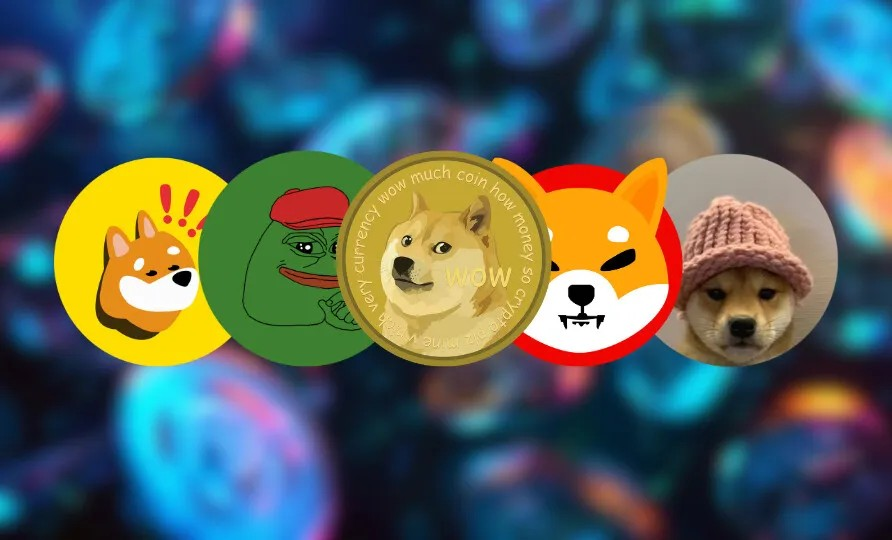
Due to the decentralized and largely unregulated nature of the crypto world, new token launches and decentralized exchanges (DEXs) are especially prone to these attacks.
Scammers can easily set up multiple new tokens and pull rug on investors with very little accountability in the crypto space.
From the investor side rug pulls showcase the importance of caution, research, and self-restraint in the crypto markets.
Why are rug pulls Common in DeFi?
No Regulations DeFi, or decentralized finance, lacks the financial regulations that are in place for traditional forms of finance. No one is watching the transactions and with no central authority, no one can be held legally accountable for launching a scam. With no regulation, rug pulls are almost encouraged.
Easy Creation of New Tokens One of the defining features of decentralized finance systems is the ability for just about anyone to create a new token and make it available on a decentralized exchange. This leads to opportunistic behavior by bad actors where they create a new token, get investors to buy it, and then drain the liquidity from that token.
Developer Anonymity Many decentralized finance offerings are the product of completely anonymous development teams. While a certain level of anonymity can lead to the protection of individual privacy, it can also lead to a complete lack of accountability, something that makes it very easy for a developer to carry out a rug pull and then completely disappear.
FOMO Crypto is a very hype driven space where a lot of the time investors just want to get in before the price goes up, leading them to skip important steps like doing research. Scammers use this urgency to their advantage by making a lot of promises around how fast your money will return.
Unchecked Code DeFi trusts forwarded contracts. These contracts are not typically audited. For this reason, it is easy for malicious developers to hide code that will allow them to create unlimited amounts of tokens or, rug pulls by preventing investors from selling their tokens.
Types of Rug Pulls
- Liquidity Drains: Builders pull out liquidity from exchanges so buyers can’t sell and get their money back.
- Pump-and-Dump Schemes: Founders promote their tokens, drive up the price, and then dump it.
- Malicious Smart Contracts: Developers hide scripts in the code that allow them to create more tokens or block investors from selling.
- NFT Rug Pulls: After doing a sellout, teams disappear without fulfilling their NFT roadmap.
Why Rug Pulls Work
Lack of Regulation: A decentralized financial system (DeFi system) without regulations creates opportunities for fraudsters to conduct scam projects and undertake rug pulls with no legal accountability.
FOMO (Fear of Missing Out): Investors who don’t want to miss the opportunity for profit often do no due diligence but rather invest in the scam projects.
Anonymity: If a developer pulls a rug on a project, the investors end up having no means to take legal action due to the developer’s anonymity.
Red Flags: How To Spot a Rug Pull Early
Anonymous or Shady Teams
When project teams don’t share their identities or credentials, and accountability goes out the window. Leadership that is transparent builds trust, but anonymity is the biggest red flag for a potential scam.
No Smart Contract Audit
A smart contract audit done by a respectable firm ensures a safe project. If there are no audits or audits done by an unknown firm, there are hidden exploits that are financially damaging.
Unlocked Liquidity
Liquidity for projects should always be locked within smart contracts for stability. If liquidity is not locked, it means the project developers can withdraw liquidity anytime, causing the value of tokens to crash.
Unrealistic Promises
Projects that have vague roadmaps and guarantee unbelievable returns or state that they are going to be the next Bitcoin have the intent to commit fraud. These are signs of a rug pull.
Price Spikes Without Reason
Cryptocurrencies that have sudden and unexplained surges in prices are being manipulated. This causes new investors to buy in, but once the developers of the project sell, the value of the cryptocurrency crashes.
Poor Token Distribution
If a small number of developers or groups have a majority of the tokens, they have the ability to control market stability. A large sell-off can destroy a projects credibility and devastate investors confidence.
Famous Rug Pull Examples
Squid Game Token (2021): Based on the Netflix series ‘Squid Game’, the token reached enormous amounts of hype and was valued very highly. The developers vanished, and investors were left with worthless tokens.
AnubisDAO (2021): The project was promoted as a revolutionary decentralized project and raised nearly $60 million. The developers left, and investors were left with no explanation and no money.
Numerous NFT Projects: Many NFT collections claimed to have plans for the metaverse and gaming ecosystems. After the NFTs were sold, the teams left, and the buyers were left with nothing but the worthless NFTs.
How To Protect Yourself from Rug Pulls
Do Your Own Research (DYOR): Take your time to research the project, even if the project seems to be trending as there may be underlying issues. Analyze the project’s developers, the tokenomics of the project, the roadmap of the project, the project’s community and misleading marketing.
Start Small: Use a small investment to diversify your holdings, especially in new developments, as rug pulls often are aimed at less experienced investors to maximize their profits.
Use Reputable Platforms. Avoid unverified decentralized DeFi platforms and protocols, as well as project on sketchy and unverified platforms. Trade on decentralized platforms with a good reputation.
Check for Smart Contract Audits. Using platforms and decentralized Euro were you are sure the project is audited. Choose the project by the audit of the project.
Monitor Liquidity Locks. Platforms such as Unicrypt and RugDoc are used to determine whether liquidity is locked and for what duration.
Rug Pulls: Pros and Cons of Awareness
| Point | Pros | Cons |
|---|---|---|
| Understanding Rug Pulls | Helps investors recognize scams and avoid financial losses. | Can create fear, discouraging participation in legitimate projects. |
| Spotting Anonymous Teams | Transparency builds trust; identifying shady teams prevents investment in risky ventures. | Some legitimate developers prefer anonymity, which may unfairly raise suspicion. |
| Smart Contract Audits | Audits ensure code safety, reducing chances of hidden malicious functions. | Audits can be expensive and not always accessible for smaller projects. |
| Liquidity Locks | Locked liquidity prevents developers from draining funds, offering investor protection. | Even locked liquidity can sometimes be bypassed with complex exploits. |
| Evaluating Promises | Helps investors avoid scams by rejecting unrealistic guarantees of high returns. | May cause skepticism toward ambitious but genuine projects. |
| Monitoring Price Spikes | Detects manipulation early, allowing investors to exit before collapse. | Volatile crypto markets can cause natural spikes, leading to false alarms. |
| Token Distribution Checks | Ensures fair distribution, reducing risk of sudden crashes from large sell-offs. | Some projects require concentrated holdings for governance, which may appear risky. |
| Learning from Past Rug Pulls | Case studies like Squid Game Token highlight warning signs for future protection. | Constant focus on scams may overshadow legitimate innovation in crypto. |
| Community Vigilance | Shared knowledge strengthens investor protection and discourages scammers. | Over-caution can slow adoption and reduce enthusiasm for new projects. |
Conclusion
Concluding remarks A rug pull is one of the most destructive scams in the crypto industry. It funds the scammer and destroys the victims’ trust.
By identifying the warning signs, like investor teams, no locked liquidity, and no roadmaps, people can protect themselves from scams.
Adefensive posture, research, and skepticism go a long way. Fraud awareness helps not just the individual, but the entire DeFi system become more resilient against abuse.
FAQ
Creators hype tokens, inflate prices artificially, then sell holdings, causing values to collapse instantly.
Yes. Malicious code can allow unlimited token minting or block investors from selling tokens.
Absolutely. Teams often promise ambitious NFT roadmaps but vanish after selling collections, leaving buyers stranded.
Anonymous teams, no audits, unlocked liquidity, unrealistic promises, sudden price spikes, and poor token distribution.