In this article, we will look at the meaning of slippage in crypto trading. Slippage is the difference between a trade’s expected price and the actual price at which the trade is executed.
This is common in highly volatile markets or markets with low liquidity, which is why it is especially important for traders to understand slippage so they can better manage risks and safeguard profits.
Introduction
Traders in the world of cryptocurrency trading have to make split second decisions to execute trades before the price moves. If they delay an order, they risk trading at an unfavorable price.
This phenomenon is called slippage, and it occurs when there is a difference between what the expected price of a trade is when the order is executed.
Although it may seem trivial, it is one of the largest hidden costs in crypto trading and looms over all traders, from new retail to experienced whales.
What Is Slippage?
Slippage happens when there is a difference between the price you expected your trade to go through and the price it actually went through at.
This usually happens in a fast market and there is a key price that the order can’t be executed at. An example would be when you place a buy order at $100, but due to a market change the order executes at $102. the difference here is $2 and that is slippage.
The slippage in this example is negative, even though slippage can also be positive. The liquidity of the market, order size, and execution speed all contribute to slippage and make it a cost that traders must control.
Why Crypto Slippage Differs from Traditional Markets
In contrast to classic stock markets where market makers and regulators have oversight for liquidity on a single stock, cryptocurrency markets have their liquidity fragmentation across multiple venues.
A single token can trade on multiple exchanges at the same time, each with their own order books and differing liquidity levels. This fragmentation directly affects market slippage depending on where and how you execute your trades.
Moreover, the cryptocurrency markets never close, allowing for continual trading. This leads to significant potential for off-peak trading liquidity fragmentation, specifically in the trading zones of Asia and Europe where institutions trade the market less.
Types of Slippage
Positive Slippage Positive slippage is when a trade is executed at a price better than what was anticipated. For instance, a buyer placing a bid at a price of $100, but the order is executed at a price of $98. This almost never happens, and it only happens when the price is at a sudden move.
Negative Slippage Negative slippage is when a trade is executed at a price worse than what was intended. This occurs when a buyer’s order at $100 is executed at $102. This is the most common type of slippage and is often due to high volatility, little liquidity, and high-order volumes.
Market Slippage Market slippage occurs when a market order is placed. Market orders are executed at the most optimal price, but when a high level of volatility is present, the order book shifts making it more likely to be executed at a less desirable price. This happens to traders who are trading high‑volatile assets.
Liquidity Slippage Liquidity slippage occurs when the order book and the liquidity pool are low. This is especially common at decentralized exchanges where the liquidity pools are shallow or low market capitalization altcoins.
Technical Slippage This occurs when transactions are delayed to be processed, for instance, due to a congestion in the blockchain or a high latency in the network.
Causes of Slippage In Crypto Markets
While high volatility and low liquidity are the primary contributors to slippage in crypto markets, there are plenty more reasons that traders should take into account:
High Trading Volume
Large and sudden market impacts and rapid shifts in market prices can occur in response to news and events. During these high-volume trading periods, small orders are likely to experience slippage because there aren’t enough counterparties to fill the orders at the intended price.
Order Book Depth
Insufficient liquidity in the order book can increase slippage for larger orders. When there are not enough orders at the target price (or worse prices) to cover the entire quantity of the order, order filling will occur at incrementally worse prices, which gaurs.
Time delay
Delays have the power to increase price volatility moving orders by more value than traders expect. These factors can improve traders’ estimates and management of slippage in crypto trading.
How To Minimize Slippage in Crypto Trading
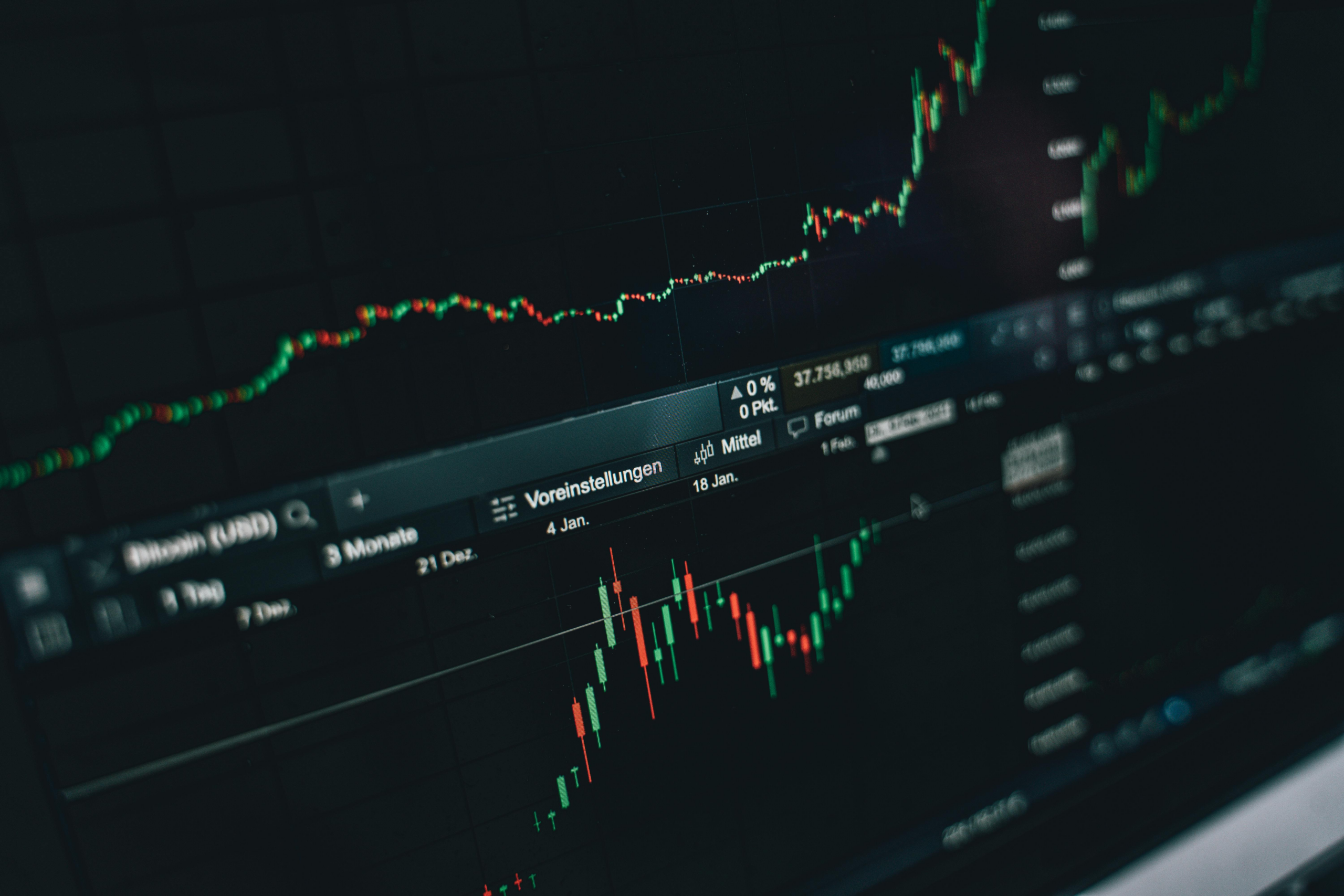
Limit Orders For limit orders, execution is only guaranteed at your chosen price, so you won’t get slippage at an order price you didn’t choose.
Market Orders Market orders execute now at the order price, but there is a chance of higher slippage due to volatility.
Choosing the Most Liquid Markets Using orders at more liquid markets, you will get less slippage, as the order books will be more full, allowing better, more precise order execution.
Trading Smaller Amounts To decrease slippage and increase execution quality as a whole, you should try to break a single large order into smaller orders.
Slippage Tolerance When you set a tolerance to slippage, you set what price you’re willing to accept offensively and defiantly. Too long of a tolerance will collapse an order.
Why Does Slippage Happen?
Slippage occurs when there is a difference in expected and actual prices when a trade is executed. Market volatility, for instance, can cause prices to move quickly leading to a higher than expected execution price, lack of liquidity can also cause increased slippage along with larger order sizes
Which can consume lower levels of the order book), and finally, delayed transactions (due to congestion on a decentralized exchange).
For this reason, most of the time slippage can occur at a loss. Traders can take measures, such as, limit orders, smaller orders, and liquidity aggregation to combat some of the risks associated with slippage.
The Future of Slippage
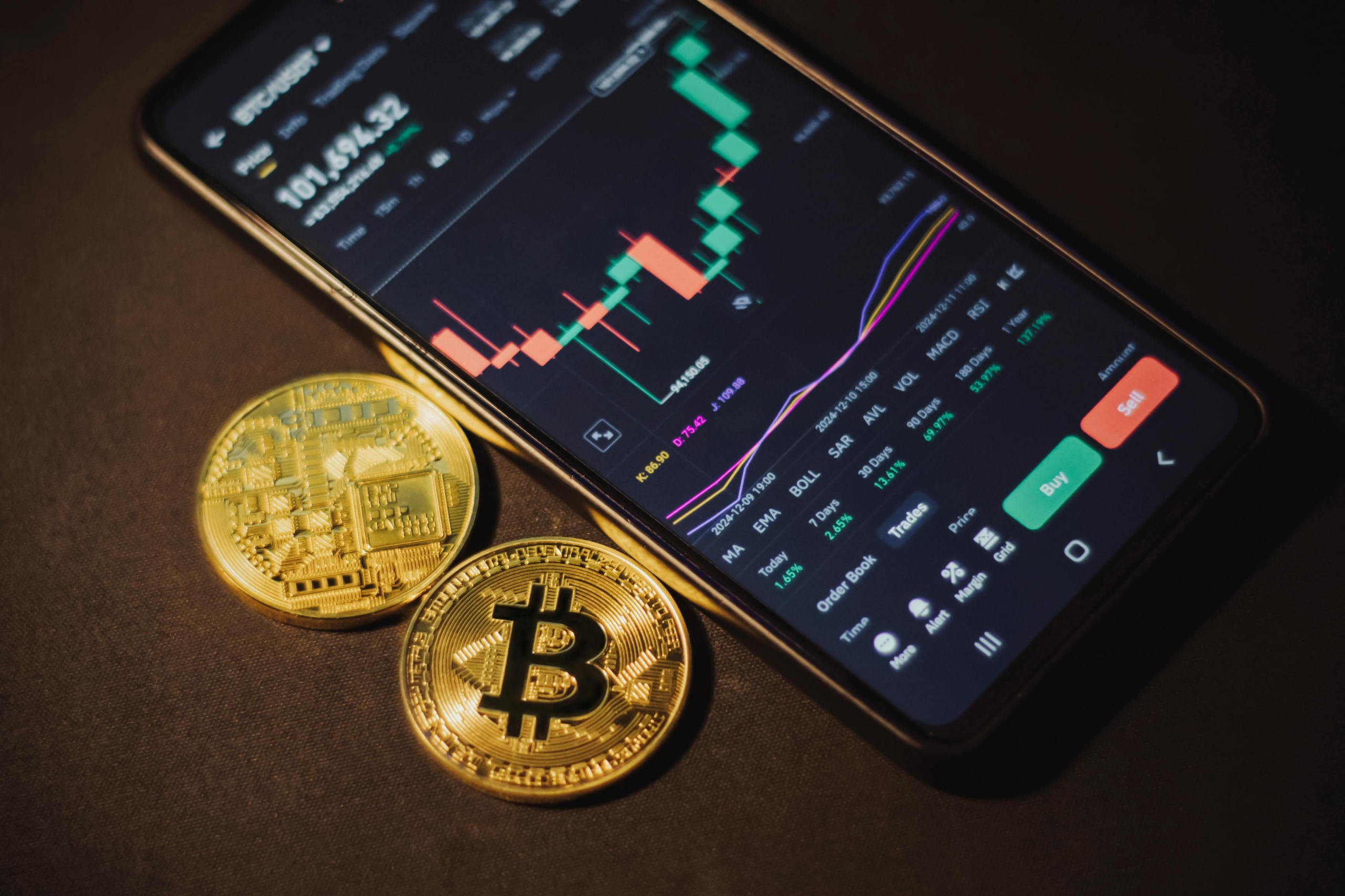
Smarter Algorithms
AI execution tools will assess market conditions as trades are placed and determine optimal timing and size of orders to minimize slippage.
Liquidity Aggregators
Liquidity aggregators help to combine liquidity across different exchanges. This gives traders a single source for deeper order books and reduces execution slippage.
Layer-2 Scaling
With each layer two solution, the time for blockchain confirmations speeds up, leading to less time delays. Slippage will decrease as processing time reduces.
Regulatory Oversight
New regulations could require exchanges to be transparent regarding costs associated with trading, allowing traders to better understand the slippage related costs.
Slippage in Crypto Trading: Pros and Cons
| Pros | Cons |
|---|---|
| Can sometimes result in positive slippage, giving traders a better price than expected. | More often leads to negative slippage, costing traders more than anticipated. |
| Reflects the true market dynamics, ensuring trades execute even in volatile conditions. | Hidden cost that can silently erode profits, especially for frequent traders. |
| Encourages traders to adopt risk‑management strategies like limit orders and liquidity checks. | Larger trades face higher slippage due to consuming multiple levels of liquidity. |
| Provides insight into market liquidity depth, helping traders choose better exchanges or tokens. | Low‑cap altcoins and thin liquidity pools are highly vulnerable to severe slippage. |
| Can be controlled with slippage tolerance settings on decentralized exchanges. | Too strict tolerance may cause failed transactions, while loose tolerance increases losses. |
| Highlights the importance of timing trades during high‑liquidity periods. | Volatility spikes during news events can triple slippage rates within minutes. |
Cocnlsuion
To conclude further Slippage cannot be avoided when trading cryptocurrency. It happens due to volatility, lack of liquidity, and delays in execution.
While there are instances when slippage can be positive, most of the time it leads to less visible costs that eat away at your profits. Use of limit orders, trading in small amounts, and selecting liquid markets are some of the ways traders can mitigate its effect.
Slippage is one of the most important concepts one must learn in order to have a durable and profitable trading strategy in the fast changing crypto markets.
FAQ
No, it can be positive or negative.
Volatility, low liquidity, and large orders cause it.
Low‑cap altcoins with shallow liquidity pools.
Yes, though rare, trades sometimes execute at better prices.
Use limit orders, smaller trades, and liquid markets.