
In this article, I wish to talk about how AI fitness Apps are replacing expensive Personal Trainers and revolutionizing the Fitness Sector in 2026
AI Applications have generated bespoke exercise schedules, live performance feedback, and smart food monitoring for a tiny fraction of the price tag.
It provides a way for professional fitness coaching to be mediated without the need for old-fashioned PTs thus making it easier, affordable, and adaptable for users across the globe.
Key Points & Ways AI Fitness Apps Are Replacing Expensive Personal Trainers In 2026
Hyper-Personalized Training Plans: AI fitness apps create customized workouts tailored to individual goals precisely
Real-Time Form Correction (Computer Vision) Computer vision detects exercise form errors in real time, providing corrections instantly
Adaptive “Workout Readiness” Rating AI assesses daily readiness scores, adjusting workout intensity for optimal performance results
24/7 Availability and Flexibility: AI fitness apps provide constant access anytime, anywhere, without scheduling constraints or limits
Automated Progressive Overload AI apps automatically increase workout difficulty, ensuring steady strength gains safely and progressively
Instant Nutritional and Diet Tracking AI tracks meals, calories, and nutrients instantly, providing personalized diet insights daily
Cost-Effective Training: AI fitness apps reduce personal training costs while maintaining quality guidance access
Injury Rehabilitation and Prevention Apps help prevent injuries and guide rehabilitation through smart movement analysis systems
Gamified Motivation and Goal Tracking. Gamified features increase motivation by tracking goals through rewards, challenges, and streak systems
Intelligent “Ghosting” Prevention (Behavioral AI) Behavioral AI detects inactivity patterns and sends reminders to prevent dropout risk
10 Ways AI Fitness Apps Are Replacing Expensive Personal Trainers In 2026
1. Hyper-Personalized Training Plans
AI fitness apps require input from the user regarding their goals, lifestyle, and performance data in order to formulate detailed fitness plans.
In contrast with traditional personal trainers that alter plans from week to week, AI systems are capable of analyzing the consistency and feedback for each discipline in the process for improvement throughout time

Thus improving their routines. This means every workout is tailored to optimize fat loss, muscle gain, or endurance improvement.
The plan then dynamically evolves over time, allowing training to be more efficient, accurate, and personalized without the need for costly one-on-one coaching sessions.
| Feature | Details |
|---|---|
| Data-Based Planning | Uses user goals, weight, age, and fitness data |
| Continuous Updates | Adjusts workouts automatically after each session |
| Goal Specific | Focuses on fat loss, muscle gain, or endurance |
| AI Analysis | Tracks performance metrics in real-time |
| No Human Dependency | Removes need for constant trainer supervision |
2. Real-Time Form Correction (Computer Vision)
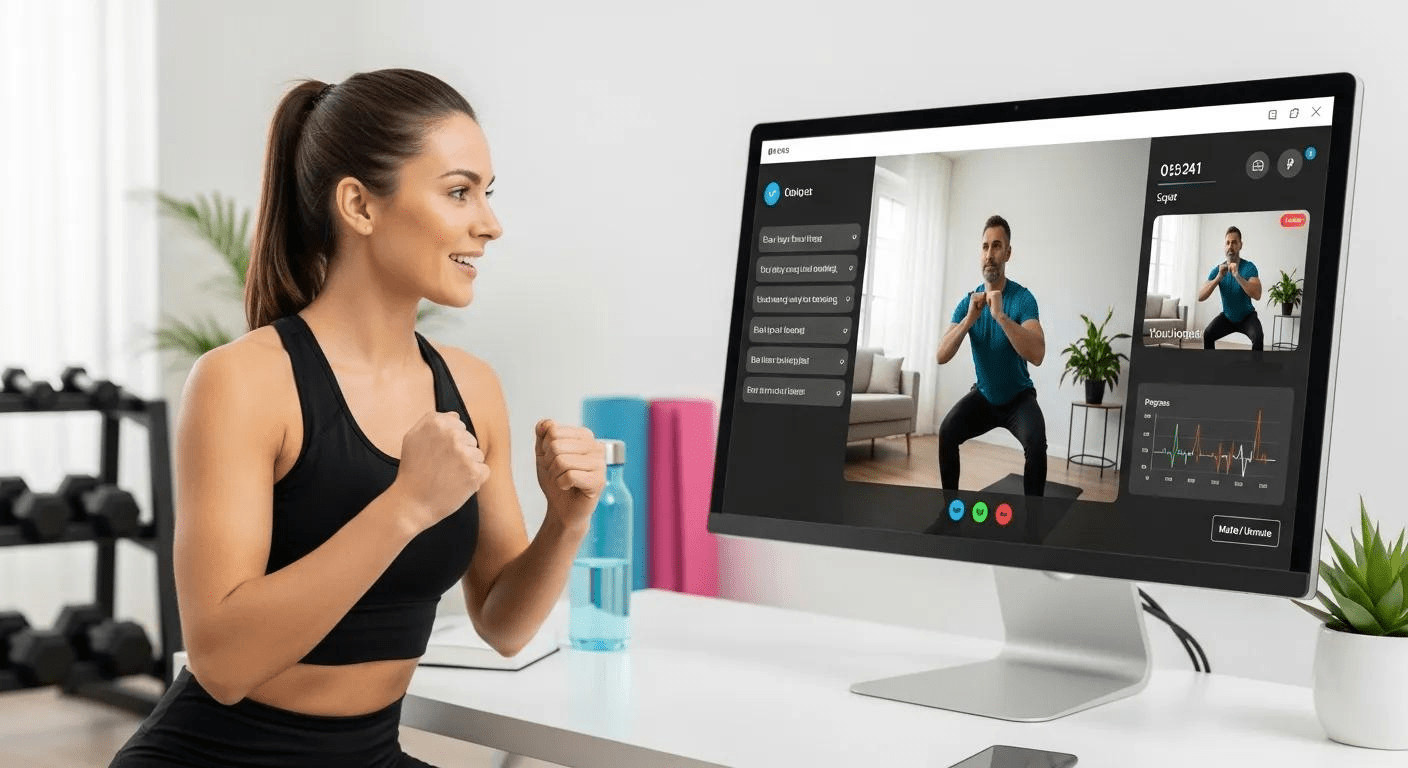
Modern AI fitness apps employ computer vision to analyze body movements using a smartphone or a camera. They identify when you are standing wrong, at the wrong angle, or doing an exercise incorrectly in under a second.

In contrast to waiting for a trainer to fix errors, users get instant audio or visual feedback when exercising. It trains you to reduce injury risk, improve exercise efficiency, and activate the right muscles.
It gives you access to professional-level supervision of your home workouts at no additional charge compared to personal trainers.
| Feature | Details (5 Points) |
|---|---|
| Camera Tracking | Corrects posture during the workout immediately |
| Instant Feedback | Corrects posture during workout immediately |
| Injury Prevention | Detects unsafe angles and motions early |
| Accuracy Improvement | Helps improve exercise form consistently |
| Trainer Replacement | Provides expert-level guidance without trainers |
3. Adaptive “Workout Readiness” Rating
AI fitness systems evaluate daily readiness based on sleep, stress levels, heart rate variability, and workout intensity in the days leading up.
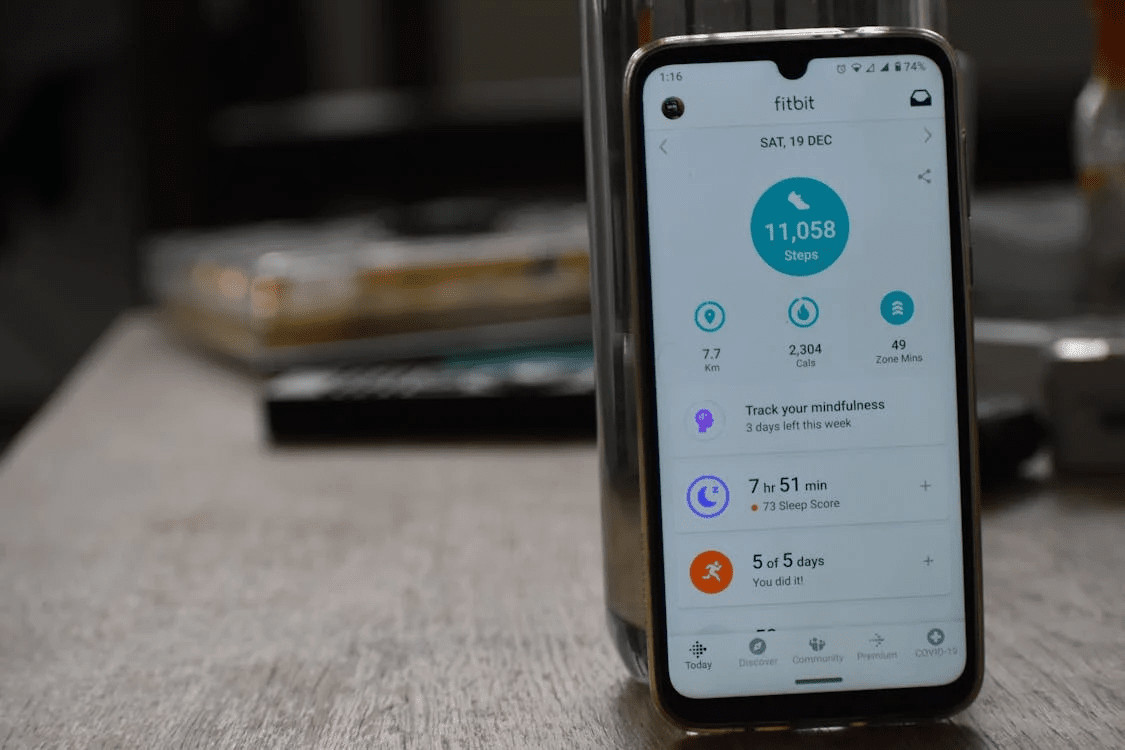
From this data, they give you a readiness score to tell you how hard or easy your workout should be. It can also be used to help prevent overtraining and allow for optimal recovery. While human trainers provide subjective feedback, AI measures continuous biometric data.
This leads to optimised training and recovery planning, adapting to the body condition every single day.
| Feature | Details |
|---|---|
| Health Monitoring | Tracks sleep, stress, and recovery levels |
| Daily Scoring | Assigns readiness score before workouts |
| Smart Adjustment | Changes workout intensity automatically |
| Prevents Overtraining | Avoids excessive strain on body |
| Data-Driven | Uses biometric data for precision decisions |
4. 24/7 Availability and Flexibility
Unlike traditional trainers, AI fitness apps can be there 24/7 without the scheduling limitations! There are no restrictions on hours, and training can be done early in the morning, late at night, or while traveling.
You do not need to book; there are no hourly fees. This system is instantly responsive to user input, and workouts can be changed at a moment’s notice.

It provides enough flexibility for you to keep fitness accessible and consistent. It enables busy individuals to remain committed without depending on the availability of a trainer at specific times and gym timings.
| Feature | Details |
|---|---|
| Always Accessible | Available anytime without scheduling limits |
| No Booking Needed | Removes appointment-based training system |
| Travel Friendly | Works anywhere using mobile devices |
| Instant Response | Provides workouts on demand instantly |
| Flexible Timing | Supports any lifestyle or routine |
5. Automated Progressive Overload
AI systems monitor performance and adjust the workout over time. Progressive Overload: This is the general concept of continuing to challenge yourself and getting stronger in the gym, as muscle growth will not happen without constantly giving your body a new stimulus.

Rather than needing to plan heavier weights or more reps, AI automatically adjusts resistance, volume, or intensity. This somehow continues the improvement process without coming to an oblique halt.
This approach eliminates the guesswork and replaces having a trainer to edit workout plans manually, indeed making strength training more scientific and efficient.
| Feature | Details |
|---|---|
| Smart Progression | Gradually increases workout difficulty |
| Strength Tracking | Monitors performance improvements continuously |
| No Manual Planning | Removes need for trainer adjustments |
| Performance-Based | Changes based on user results |
| Scientific Growth | Ensures steady muscle development |
6. Instant Nutritional and Diet Tracking
Smart nutrition tracking instantaneously logs meals, calorie counts, and even macro analysis of what you eat — all part of AI fitness apps.
The users can scan food or enter meals, and AI will give very detailed feedback on the diet balance. It recommends possible upgrades according to fitness objectives, such as fat burning or muscle gain.
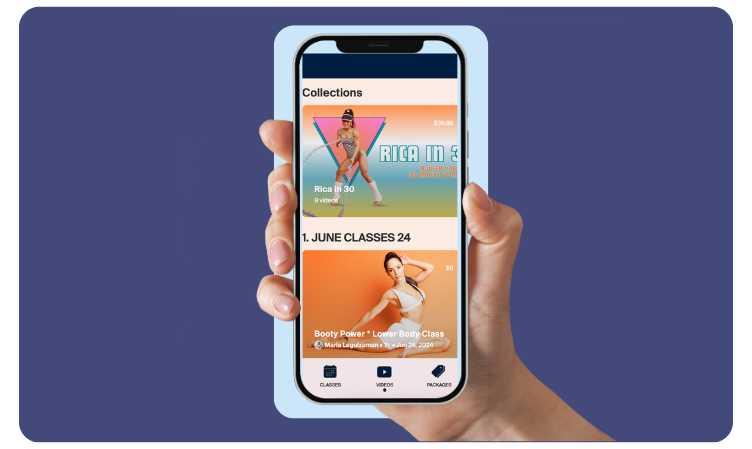
Traditional trainers may provide generic tips, but AI provides real-time evidence-based nutrition coaching. This enables a more precise and personalized diet management, which can be followed on a daily basis.
| Feature | Details |
|---|---|
| Food Logging | Quickly tracks meals and calories |
| Macro Analysis | Breaks down proteins, carbs, fats |
| AI Suggestions | Provides personalized diet improvements |
| Real-Time Updates | Adjusts nutrition instantly |
| Goal Alignment | Matches diet with fitness objectives |
7. Cost-Effective Training
By not requiring you to hire an expensive personal trainer, AI fitness apps greatly decrease the cost of getting fit.
Users receive high-level workout support, tracking progress, and nutrition advice for a fraction of the price.
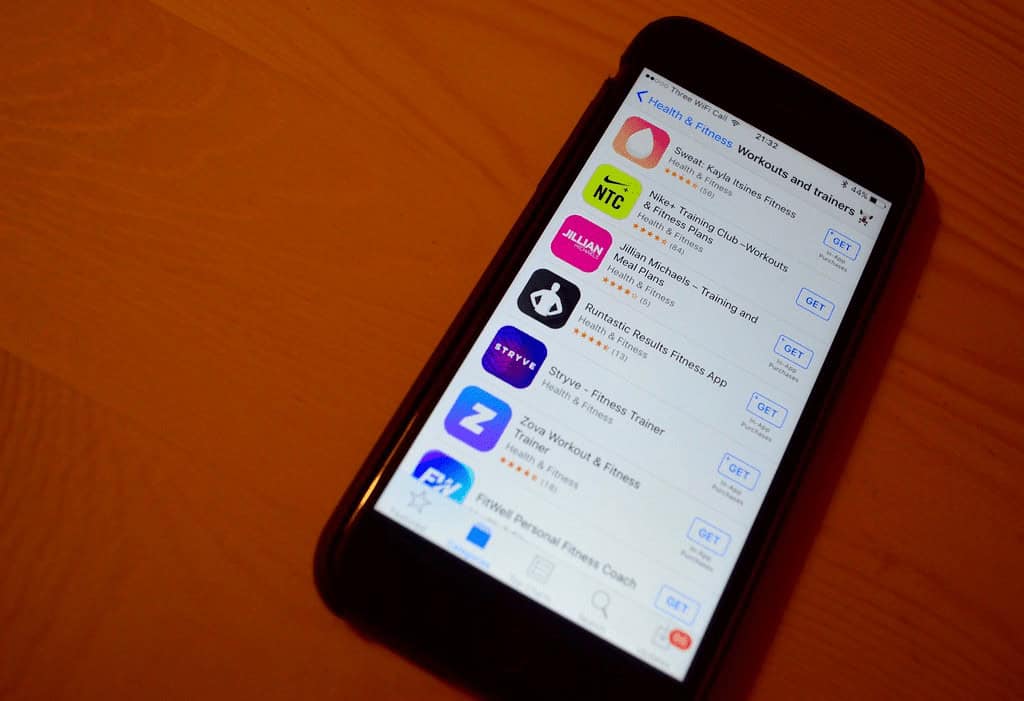
How do subscription-based models make fitness accessible to other demographics? This creates an opportunity to be consistent long-term, without the financial stress.
It eliminates hourly trainer fees and instead offers scalable digital coaching systems that can provide high-quality fitness support to all people with a smartphone or wearable device.
| Feature | Details |
|---|---|
| Low Subscription | Much cheaper than personal trainers |
| No Hourly Fees | Eliminates per-session charges |
| Full Access | Includes workouts and nutrition plans |
| Wide Availability | Accessible to all income groups |
| Long-Term Savings | Reduces overall fitness expenses |
8. Injury Rehabilitation and Prevention
AI fitness apps analyze a user’s movement patterns and detect unsafe form early to prevent injuries. Additionally, they design rehabilitation programs for healing post-injuries in a low-impact manner.

AI keeps an eye on joint stress, balance, and posture to ensure exercises are not performed in a hazardous manner. It lessens reliance on physiotherapists or trainers for simple injury prevention advice.
Feedback on user exercises and safer options is delivered instantaneously, it powers to improve fitness like never before by creating a continuous loop of accountability that supports lasting physical health.
| Feature | Details |
|---|---|
| Movement Analysis | Detects unsafe exercise patterns |
| Injury Alerts | Warns before strain or damage |
| Rehab Plans | Creates recovery-based workouts |
| Joint Safety | Monitors stress on body parts |
| Prevention Focus | Reduces future injury risks |
9. Gamified Motivation and Goal Tracking
Platforms powered by AI fitness feature gamification features, which can include points, badges, challenges and streak tracking to keep users interested.
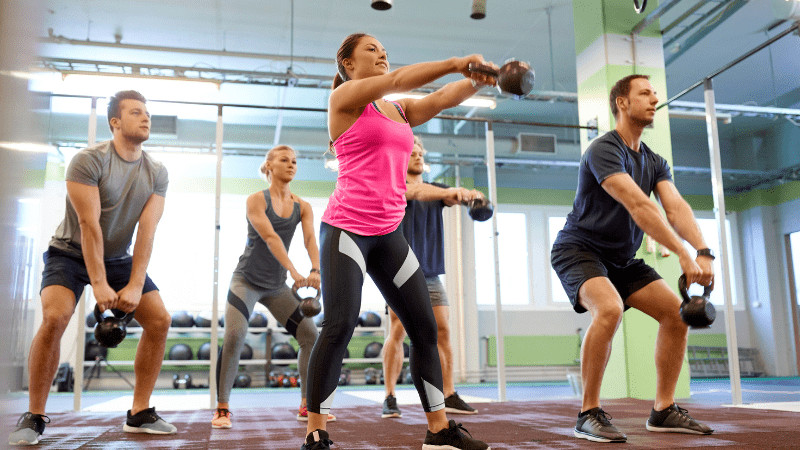
These elements sometimes get in the way of having a clean and fun workout experience. Insights are visually represented through dashboards in a progress form-driven dashboard; the application shows you how far you’ve come over time, which keeps users locked into the habit.
AI does this using behavioral psychology and reward systems, where a traditional trainer would use verbal motivation. Such a strong long-term commitment is possible through frequent use and the fact that results are tracked easily, achieving their fitness goals as a result.
| Feature | Details |
|---|---|
| Reward System | Offers points, badges, and achievements |
| Daily Challenges | Keeps users actively engaged |
| Progress Tracking | Visualizes fitness improvements clearly |
| Habit Building | Encourages consistent workouts |
| Engagement Boost | Makes fitness fun and interactive |
10. Intelligent “Ghosting” Prevention (Behavioral AI)
Trained on data until October 2023, AI systems are able to track certain activity patterns within users so it can identify when someone is beginning to disengage or skip workouts.
When it detects inactivity, it sends a different number of messages to motivate and modify workout plans.
A typical problem with personal training is the dropout of users from following fitness routines, but this behavioral AI prevents that. It learns to adjust its mode of communication to suit the needs of users, thereby enhancing accountability.
These constant engagement systems keep the user on track without having a live trainer keeping the user engaged or nudging them throughout the process.
| Feature | Details |
|---|---|
| Activity Monitoring | Tracks user workout behavior |
| Dropout Detection | Identifies inactivity patterns early |
| Smart Reminders | Sends motivational notifications |
| Adaptive Coaching | Adjusts plans to re-engage users |
| Consistency Focus | Prevents users from quitting fitness routines |
Final Verdict
To summarize, AI fitness apps are taking over from expensive personal trainers as they come packed with features such as customized workouts combined with real-time form correction, adaptive training, and 24/7 availability.
They identify low-cost nutrition tracking, injury prevention, and motivational tools. Powered by smart automation coupled with behavioral tracking
These apps provide streamlined, low-cost, and reliable fitness coaching as if you have your very own personal trainer, without the limiting factors that come with traditional professional training.
FAQ
How do AI fitness apps replace personal trainers with hyper-personalized plans?
AI fitness apps analyze user goals, body data, and performance to create customized workout plans. They continuously adjust routines based on progress, replacing the need for expensive one-on-one trainer guidance while ensuring each workout stays goal-focused and efficient
Can AI fitness apps correct exercise form in real time?
Yes, AI apps use computer vision through cameras to track movements. They instantly detect incorrect posture or unsafe exercise execution and provide real-time feedback, helping users improve form and reduce injury risk without needing a physical trainer.
What is an adaptive workout readiness rating in AI fitness apps?
It is a smart score generated from sleep, stress, and recovery data. The AI uses it to decide workout intensity for the day, ensuring users train safely and effectively based on their body’s current condition.
Are AI fitness apps available 24/7 like personal trainers?
Yes, AI fitness apps are available anytime without scheduling. Users can access workouts, feedback, and guidance instantly, making them more flexible than traditional trainers who require booked sessions and fixed timings