
In this article, I will discuss the Courtroom Technology Tools Changing The Legal Industry and how modern innovations are transforming legal operations worldwide.
From AI legal research platforms to virtual courtroom simulations, advanced technologies are improving efficiency, security, evidence management, and remote hearings significantly.
These smart legal tools help courts, lawyers, and law firms streamline processes while delivering faster, more accurate, and technology-driven legal services globally.
Key Poinst & Courtroom Technology Tools Changing The Legal Industry
| Courtroom Technology Tool | Word Explanation |
|---|---|
| Case Management Software | Organizes legal documents, schedules hearings, and improves overall courtroom workflow efficiency daily. |
| Digital Evidence Presentation Tools | Displays videos, images, and documents clearly during courtroom trials and legal proceedings effectively. |
| AI Legal Research Platforms | Analyzes case laws quickly, reducing lawyers’ research time and increasing productivity significantly today. |
| Video Conferencing Systems | Enables remote hearings, improving accessibility while reducing courtroom attendance requirements worldwide efficiently. |
| Speech-to-Text Transcription Tools | Creates accurate courtroom transcripts instantly during ongoing hearings and legal proceedings automatically today. |
| E-Discovery Software | Identifies important electronic documents, simplifying investigations and complex legal case preparation processes efficiently. |
| Jury Management Systems | Streamlines juror communication, scheduling, and selection for better courtroom administration and organization processes. |
| Cloud-Based Legal Platforms | Securely stores case files, enabling easy access from multiple locations anytime remotely worldwide. |
| Cybersecurity Protection Tools | Protects confidential legal information, preventing breaches and unauthorized courtroom system access attempts effectively. |
| Virtual Reality Courtroom Simulations | Helps lawyers practice arguments and improve courtroom presentation strategies before actual trials effectively. |
10 Courtroom Technology Tools Changing The Legal Industry
1. Case Management Software
The AI-powered automation, predictive scheduling, and cloud synchronisation in modern case management software are changing the game for legal operations.
You can then also see how client communication has improved over time — intelligent dashboards now used by law firms tracking deadlines, billing, evidence, etc., in conjunction with each other.
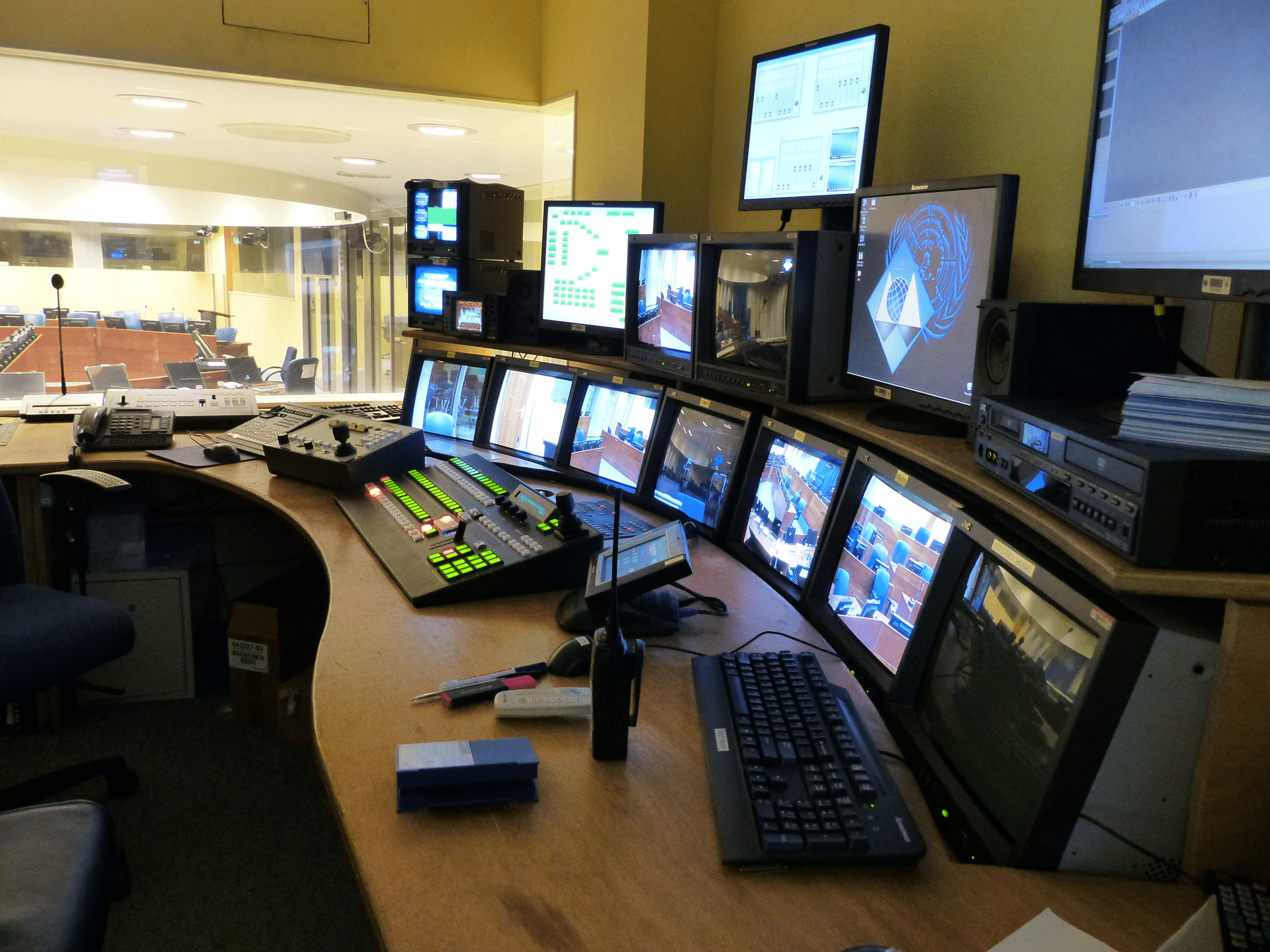
By 2026, advanced platforms will embed “ambient AI assistants” into workflows that decrease manual administrative tasks even more dramatically.
Some systems automatically assess the timing of litigation and suggest strategic actions. The applications streamline processes, drive accuracy and efficiency, and enable courts to cope with the growing volume of cases whilst enabling remote legal collaboration across geographies.
Case Management Software Features
- AI-powered automation reduces repetitive legal, administrative and documentation tasks efficiently.
- Predictive scheduling helps courts manage hearings, deadlines, and workload accurately.
- Cloud synchronisation enables remote access to case files from anywhere instantly.
- Smart dashboards track billing, evidence, communications, and litigation timelines simultaneously.
2. Digital Evidence Presentation Tools
Digital evidence presentation tools have now included support for ultra-high-definition courtroom displays, AI-powered evidence categorisation, and real-time annotation.
Lawyers are able to go online and pull together videos, surveillance footage, photographs, and other digital records to tell a more compelling story in the courtroom.
Newer tools introduce the ability to detect manipulated media and deepfake content, which we will need as physical evidence from AI becomes more common internationally.

Interactive touchscreens and synchronised multimedia presentations are now common tools used in the courtroom that help juries understand complex data.
These innovations can speed up trials, increase transparency, and deliver more immersive courtroom experiences to judges, lawyers, etc.
Digital Evidence Presentation Tools Features
- Ultra-HD courtroom displays improve evidence visibility during legal proceedings significantly.
- Real-time annotations help lawyers explain evidence clearly before judges and jurors.
- AI categorisation organises videos, images, and digital files automatically and efficiently.
- Deepfake detection tools identify manipulated media and suspicious digital evidence instantly.
3. AI Legal Research Platforms
Generative AI, semantic search, and predictive legal analytics are helping to redefine how firms use AI legal research platforms for optimal case preparation.
Attorneys receive instant precedent recommendations, legal summaries, and insights limited to jurisdiction without having to search through thousands of cases.
These advanced systems focus on legal intent instead of basic keywords, greatly enhancing research accuracy.

Artificial intelligence agents are doing all the repetitive research in 2026, leaving lawyers with just previous experience and strategy at courtroom when negotiating.
These platforms are especially powerful in areas like complex litigation, intellectual property disputes, and compliance investigations where millions of legal documents need to be processed quickly.
AI Legal Research Platforms Features
- Generative AI delivers instant case summaries and precedent recommendations accurately.
- Semantic search understands legal intent beyond simple keyword-based research methods.
- Predictive analytics forecasts possible legal outcomes using historical courtroom data intelligently.
- AI agents automate repetitive legal research and document analysis processes efficiently.
4. Video Conferencing Systems
Video conferencing systems revolutionised court access, making it possible to hold hearings virtually or witness testimonies from the comfort of their home, as well as hybrid courtroom environments.
Secure platforms that enable sharing evidence in real-time together with multilingual communication facilities are used by courts worldwide.
AI-powered transcripts, facial recognition attendance tracking and integration with scheduling apps are all features of modern legal conferencing systems.

Such Tools: minimize travel expenses, enhance hearing efficacy and enhance the accessibility of disabled or far away participants.
In many jurisdictions virtual courtrooms have become viewed as essential to the core judicial infrastructure rather than a stop-gap measure of pandemic-exhausted times.
Video Conferencing Systems Features
- Virtual hearings enable remote participation for lawyers, witnesses, and defendants globally.
- Real-time evidence sharing improves communication during online courtroom proceedings effectively.
- AI-generated transcripts create searchable meeting records instantly after hearings are complete.
- Facial recognition attendance tracking enhances courtroom security and participant verification systems
5. Speech-to-Text Transcription Tools
Speech-to-text transcription tools are now available and provide near real-time in the courtroom documentation utilizing sophisticated natural language processing technologies.
Modern systems eavesdrop on legalese, multi-party discussions, regional accents with astonishing accuracy.
AI-driven transcription platforms autonomously automate the creation of searchable records, timestamps, and case summaries in minutes.

Some more cutting-edge solutions even recognize the emotional tone and cadence of speech as part of testimony analysis.
In a nutshell, there are three major advantages: faster documentation for courts, clerical workload reduction and accessibility for hearing-impaired participants.
Such technologies are quickly supplanted the methods of traditional stenography across various legal systems, veterans worldwide.
Speech-to-Text Transcription Tools Features
- Real-time transcription converts courtroom speech into accurate digital text instantly and automatically.
- Natural language processing recognises legal terminology and multiple speakers effectively.
- Searchable timestamps improve access to courtroom records and testimony references quickly.
- Emotion analysis identifies speech tone patterns during witness testimonies and arguments.
6. E-Discovery Software
The scale of digital evidence necessary for present-day litigation makes e-discovery software a standard need.
More sophisticated platforms employ machine learning to rapidly pinpoint the emails, contracts, messages, and financial records that are relevant in huge collections of data.
Even today, AI powered systems automatically detect hidden patterns, suspicious communication behaviour and also compliance risks.

Within cross-boarder investigations, courts obtain e-discovery tools that assist in the multilingual analysis of documents as well as automated category classification.
Help save thousands of research hours for legal teams while providing better investigation accuracy These platforms are becoming critical in cases concerning corporate fraud, cybersecurity breaches and financial crime litigation.
E-Discovery Software Features
- Machine learning identifies relevant emails, contracts, and digital records rapidly and accurately.
- Automated categorisation simplifies reviewing massive litigation-related electronic evidence databases efficiently.
- Multilingual support improves cross-border investigations involving international legal documentation processes.
- Compliance risk detection identifies suspicious communication behaviour and hidden legal threats.
7. Jury Management Systems
Juror Management Systems optimise juror selection, communication with jurors, attendance management, as well as the digitalisation of jury questionnaires.
Modern courts utilise automated portals, giving jurors a way to receive summonses, submit forms and check trial schedules without having to physically go anywhere.
Request Scheduling Efficiency Assisted courts, however, in diversification and scheduling jurors, using AI analytics.
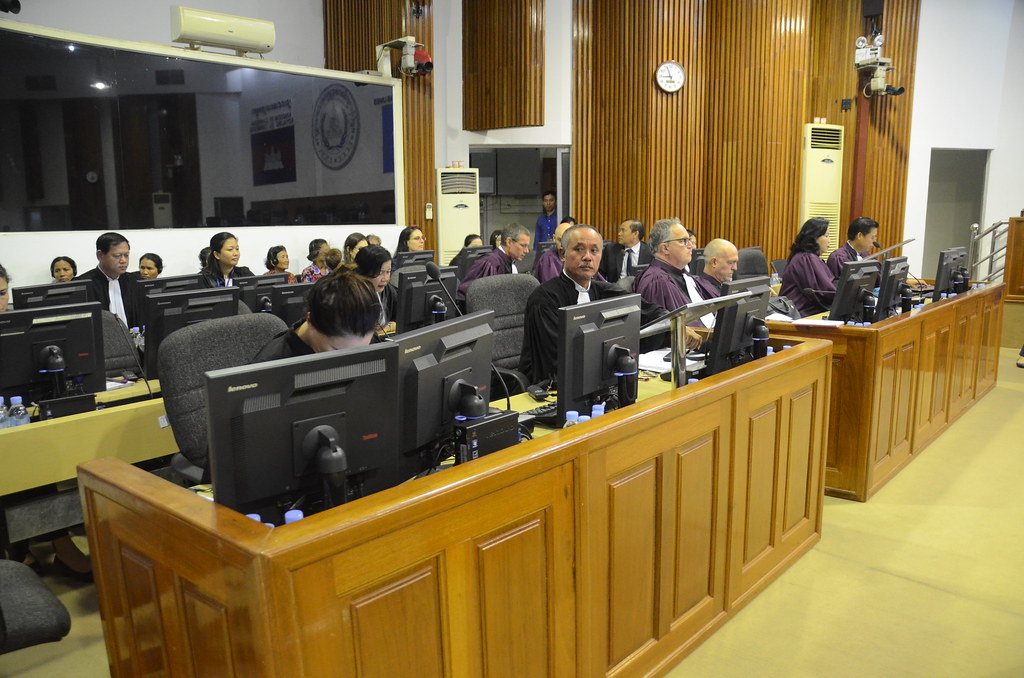
Now, some jurisdictions have begun experimenting with a digital orientation program that sends out mobile notifications to help students get settled into class in the hopes of cutting absenteeism by more than half.
They are designed to reduce administrative bottlenecks, streamline courtroom processes and simplify juror experiences.
Jury management technology is streamlining even faster on a global scale, as court modernization efforts become increasingly highlighted.
Jury Management Systems Features
- Automated juror portals simplify summons distribution and digital questionnaire submissions efficiently.
- Attendance tracking reduces courtroom delays and improves scheduling organisation significantly daily.
- AI analytics help improve juror diversity and selection fairness during trials.
- Mobile notifications reduce absenteeism by reminding jurors about important courtroom schedules.
8. Cloud-Based Legal Platforms
With cloud-based legal platforms, lawyers and courts can securely access case files, evidence, contracts and research tools from anywhere in the world.
It includes encrypted collaboration, automated backups and real-time document sync across a host of devices.
By 2026: Integrated AI assistants embedded in cloud systems that can automatically organize files, summarize the law and track compliance risk.

It also enhances disaster recovery and remote workforce capability. Cloud adoption by courts, law firms, and corporate legal departments around the world is still accelerating as cybersecurity standards strengthen.
Cloud-Based Legal Platforms Features
- Encrypted collaboration protects sensitive legal documents and confidential client communications securely.
- Real-time synchronisation updates files instantly across multiple devices and locations worldwide.
- AI assistants organise legal files and generate summaries automatically for lawyers.
- Automated backups improve disaster recovery and prevent critical data loss incidents.
9. Cybersecurity Protection Tools
Cybersecurity protection tools have become almost a necessity now, since legal organisations deal with some of the most sensitive data from clients or courtroom information daily.
For example, sophisticated datasets that encompass the state of the market and trends are deployed on a regular basis via an upkeep approach.
Governed (typically based in Moscow at this stage) to demarcate each country’s locations. Advanced systems utilise AI-powered threat detection, biometric authentication, and zero-trust security models that safeguard sensitive legal data.

Ransomware attacks, phishing and the possible corrupting of digital evidence continue to present a growing risk to courts.
Automation in Modern Cybersecurity Platforms continuously monitors suspicious activity and automatically encrypts communication channels and case databases.
The adoption of legal technology continues to accelerate, but the increase in cybersecurity budgets is inevitable for the following reasons: to preserve public trust, to fulfil regulatory obligations, and to keep judicial systems operational.
Cybersecurity Protection Tools Features
- AI-driven threat detection monitors suspicious courtroom and legal network activities continuously.
- Biometric authentication improves access security for confidential legal systems significantly today.
- Zero-trust security models protect sensitive courtroom databases from unauthorised access attempts.
- Encrypted communication channels prevent ransomware attacks and evidence tampering risks effectively
10. Virtual Reality Courtroom Simulations
Attorneys train in simulations of virtual reality courtrooms to prepare for actual trials when they go before a real judge.
Lawyers get to practice arguments, test juror responses, and rehearse presentation strategies in these lifelike virtual courtrooms.
Virtual reality has recently been employed in law schools and litigation firms that utilize the technology to immerse junior lawyers in witness examination and courtroom behaviour.

Some choose to simulate criminal scenes for enhanced evidence evaluation. VR is quickly becoming a strong educational and litigation-preparation tool
One that enables lawyers to be more confident in court and perform much more strategically as the technology used to make virtual reality experiences continues to improve.
Virtual Reality Courtroom Simulations Features
- Immersive simulations help lawyers practice courtroom arguments before actual trials begin.
- Virtual crime scene recreations improve evidence visualisation and case understanding significantly.
- Jury reaction analysis helps attorneys refine persuasive courtroom presentation strategies effectively.
- VR legal training enhances witness examination and courtroom behaviour preparation efficiently.
Conclusion
To sum up, Courtroom Technology Tools Changing The Legal Industry are revolutionising the working of potential justice systems in the state with speed, optical clarity and precision.
Two reasons: the way they cut delays and make decisions is vastly improved through AI-driven research, virtual reality simulations, and secure cloud platforms.
With digital transformation on the rise, courts and legal professionals need to move toward sophisticated technologies to remain productive, safe and prepared for the future in an ever-evolving, international legal environment.
FAQ
What are courtroom technology tools?
Courtroom technology tools are digital solutions improving legal operations, hearings, evidence management, and case preparation.
How does AI improve legal research platforms?
AI quickly analyses case laws, predicts outcomes, and provides instant legal research recommendations accurately.
Why are video conferencing systems important in courts?
They enable virtual hearings, remote testimonies, and better accessibility for legal participants worldwide.
What is digital evidence presentation technology?
It displays videos, documents, and multimedia evidence clearly during courtroom trials and legal proceedings.