In this article, I will discuss the best AI-powered fitness apps you should try to improve your workouts, health, and overall lifestyle.
These smart apps use advanced technology to create personalized plans, track progress, and deliver real-time insights.
Whether your goal is weight loss, muscle gain, or better wellness, these tools can help you stay consistent, motivated, and achieve faster results.
Key Points & AI-Powered Fitness Apps You Should Try
Fitbod Personalized strength training plans using AI to adjust workouts based on progress and recovery.
Freeletics AI coach designs bodyweight workouts tailored to fitness level, goals, and available training time.
Aaptiv Audio-guided workouts enhanced with AI recommendations, offering personalized fitness routines across multiple categories.
Vi Trainer AI running coach provides real-time feedback, motivation, and adaptive training plans during outdoor runs.
MyFitnessPal AI-driven nutrition tracking helps monitor calories, macros, and suggests healthier food choices daily.
Nike Training Club AI recommendations personalize workout plans, offering strength, cardio, yoga, and recovery sessions effectively.
Centr by Chris Hemsworth AI-powered fitness and nutrition guidance combining workouts, meal plans, and mindfulness practices seamlessly.
Jefit AI workout planner tracks progress, optimizes routines, and suggests exercises for strength-building goals.
8fit AI creates personalized fitness and meal plans, combining workouts with nutrition for holistic health.
Welltory AI analyzes heart rate variability, stress, and energy levels to optimize workouts and recovery.
10 AI-Powered Fitness Apps You Should Try
1. Fitbod
Fitbod stands out as a data-driven AI strength training app designed for gym users and serious lifters.
Its algorithm is trained on 400M+ workout data points and analyzes recovery, fatigue, and performance to generate optimized workouts daily.
It tracks muscle recovery and adjusts sets, reps, and weights automatically, reducing injury risk and improving gains.
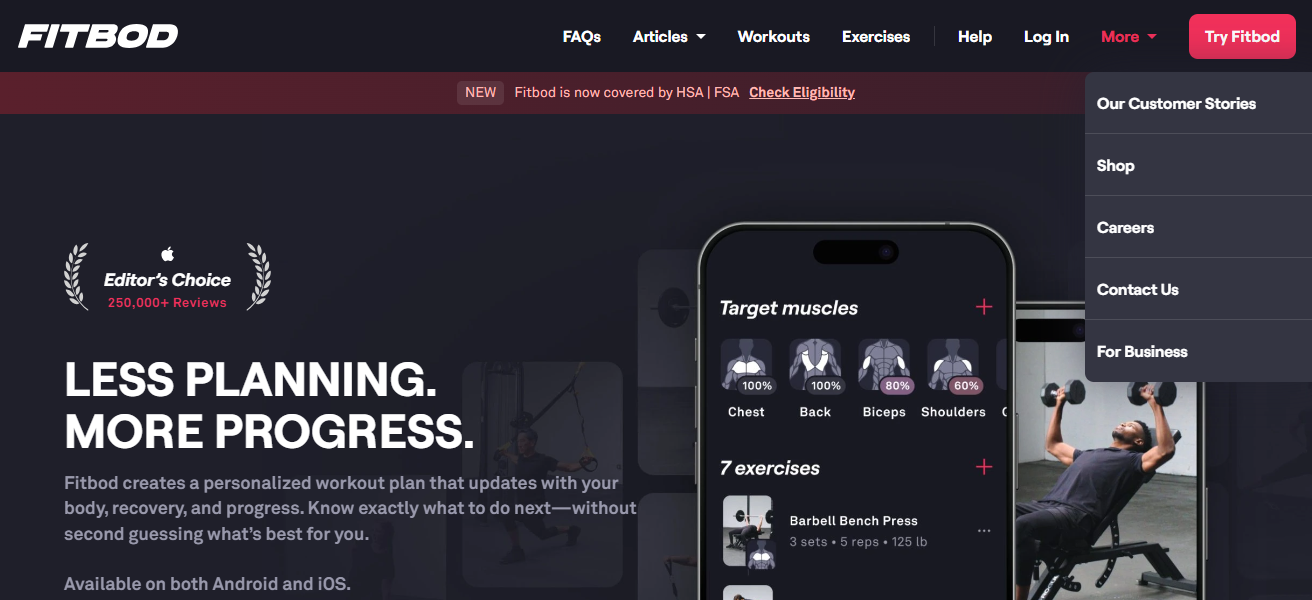
The app also provides a Strength Score based on billions of data inputs, helping users monitor progress scientifically.
In 2026, it remains one of the most advanced AI fitness tools for personalized hypertrophy and strength training.
Fitbod Features
- AI tailors strength workouts to your fitness level and available equipment.
- Tracks recovery to prevent overtraining and optimize muscle growth.
- Suggests progressive overload for consistent improvement.
- Integrates with Apple Health and other fitness trackers.
| Pros | Cons |
|---|---|
| Uses 400M+ workout data points to generate highly personalized strength plans | Primarily focused on strength training; limited cardio variety |
| Tracks muscle recovery and fatigue for safer progression | Requires subscription for full features |
| Automatically adjusts sets, reps, and weights in real time | Beginners may find data-heavy interface complex |
| Offers advanced metrics like Strength Score for performance tracking | Limited community/social features compared to competitors |
| Integrates with Apple Health for better tracking | Less suitable for home workouts without equipment |
2. Freeletics
Freeletics is a leading AI-powered bodyweight training app ideal for home workouts and travel-friendly fitness.
With a global community of 15+ million users, it offers over 350 exercises and adapts workouts based on your feedback, recovery, and energy levels.
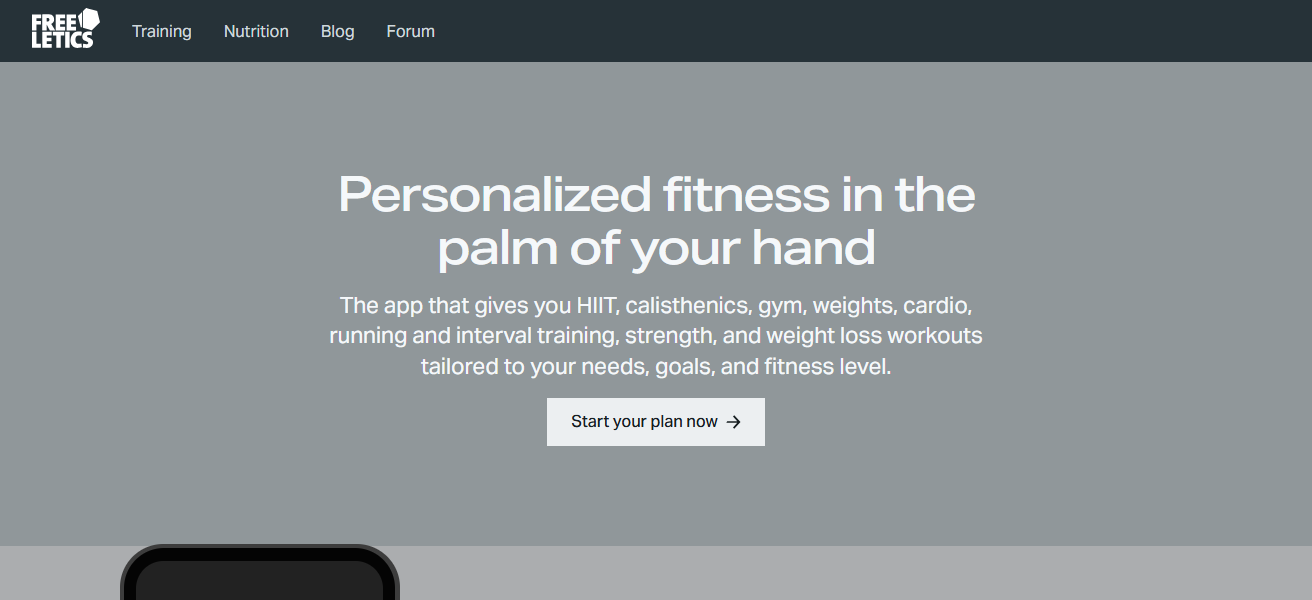
Its AI “Coach” dynamically adjusts intensity and duration, ensuring consistent progress without burnout.
The 2025–2026 updates integrate sleep and recovery inputs for smarter planning. It’s especially effective for HIIT and endurance training, making it a top choice for users who want flexible, equipment-free workouts.
Freeletics Features
- AI coach designs personalized bodyweight workouts.
- Adapts routines based on progress and feedback.
- Offers training plans for endurance, strength, and weight loss.
- Includes mindset coaching for motivation and discipline.
| Pros | Cons |
|---|---|
| AI Coach adapts workouts based on feedback and recovery | Subscription required for full AI coaching |
| Offers 350+ exercises with no equipment needed | Limited strength training with heavy weights |
| Strong global community of 15M+ users | Some workouts can feel repetitive over time |
| Excellent for HIIT, endurance, and fat loss | Not ideal for bodybuilding-focused users |
| Works well for home and travel workouts | Less integration with advanced wearables |
3. Aaptiv
Aaptiv combines AI personalization with audio-based coaching, making workouts immersive and easy to follow without constantly watching a screen.
The app analyzes your preferences, feedback, and performance after each session to refine future workouts. It also encourages habit-building by suggesting lifestyle improvements like hydration and mindfulness routines.
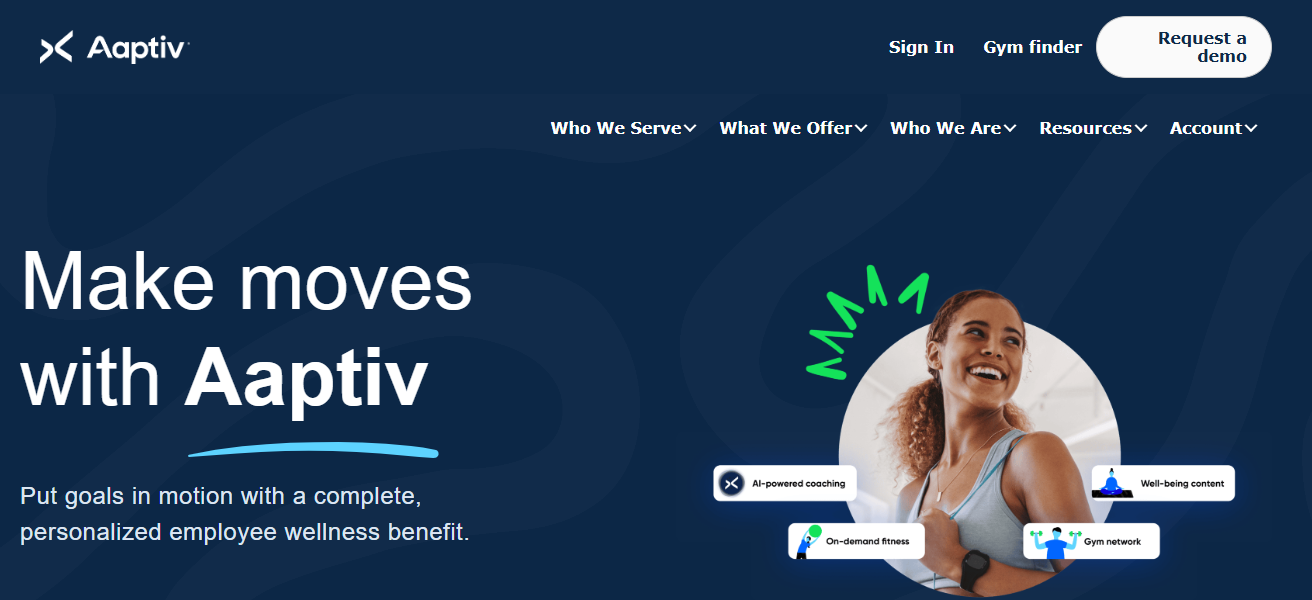
In recent versions, Aaptiv integrates adaptive workout recommendations based on mood, time availability, and fitness goals.
This makes it particularly useful for users seeking structured yet flexible routines guided by professional trainers and AI-driven adjustments.
Aaptiv
- Audio-guided workouts across multiple fitness categories.
- AI recommends routines based on goals and preferences.
- Provides structured programs for beginners to advanced athletes.
- Syncs with music playlists for motivation.
| Pros | Cons |
|---|---|
| Audio-based coaching allows screen-free workouts | Lack of visual guidance may confuse beginners |
| AI adapts workouts based on mood, time, and goals | Limited strength-training depth |
| Includes mindfulness and lifestyle improvement suggestions | Requires subscription for premium content |
| Wide range of classes including running, yoga, and strength | Less detailed performance analytics |
| Professional trainer-led sessions enhance motivation | Smaller community compared to major apps |
4. Vi Trainer
Vi Trainer is an AI-powered voice coaching app focused on running, cycling, and functional fitness.
It uses real-time data such as pace, heart rate, and performance trends to deliver personalized audio coaching during workouts.
The AI adapts continuously, offering motivation and adjustments mid-session, creating a hands-free training experience.
In 2026, Vi Trainer emphasizes wearable integration, allowing it to track endurance improvements and optimize training intensity.
This app is particularly valuable for outdoor athletes who want a smart coach that responds dynamically to their physical performance.
Vi Trainer Features
- AI running coach gives real-time feedback during runs.
- Adjusts training plans dynamically to performance.
- Provides motivational voice guidance for pacing.
- Tracks progress with GPS and heart rate data.
| Pros | Cons |
|---|---|
| Real-time AI voice coaching during workouts | Best features depend on wearable integration |
| Tracks pace, heart rate, and endurance dynamically | Limited workout variety beyond cardio focus |
| Hands-free experience ideal for outdoor training | Requires consistent data input for accuracy |
| Personalized motivation and mid-workout adjustments | Subscription needed for advanced features |
| Strong integration with running and cycling routines | Not ideal for gym-based strength training |
5. MyFitnessPal
MyFitnessPal has evolved into a powerful AI-driven nutrition and fitness ecosystem with 18M+ food database entries.
Its latest AI features include meal scanning using your camera, automatic calorie estimation, and predictive meal planning.
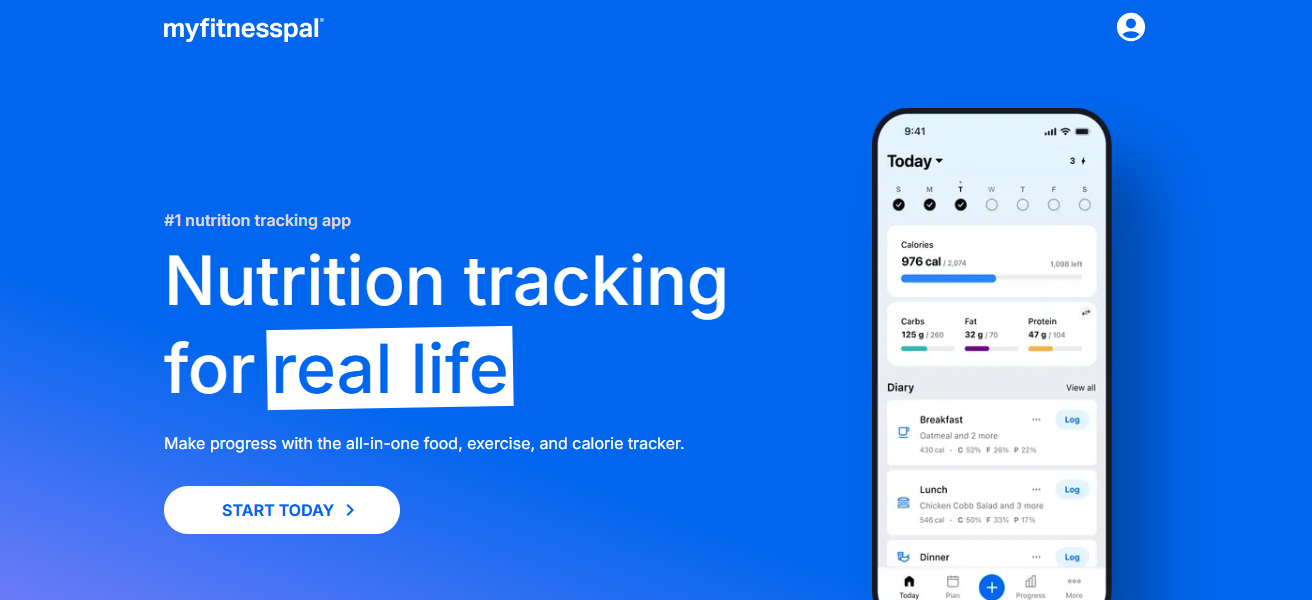
The app syncs with wearables to combine nutrition, activity, and health data into a single dashboard. In 2026, it remains the industry leader in diet tracking, with millions of active users globally.
Its AI suggestions help optimize macros and calorie intake, making it essential for weight loss, muscle gain, and overall health tracking.
MyFitnessPal Features
- AI-driven calorie and macro tracking.
- Suggests healthier food choices based on goals.
- Barcode scanner for easy meal logging.
- Syncs with fitness apps and wearables.
| Pros | Cons |
|---|---|
| Massive 18M+ food database for accurate tracking | Free version has ads and limited features |
| AI-powered meal scanning and calorie estimation | Premium required for advanced insights |
| Syncs with wearables for full health tracking | Food logging can become repetitive |
| Helps optimize macros for weight loss or muscle gain | Not a full workout-focused app |
| Strong global user base and continuous updates | Some database entries may be user-generated inaccuracies |
6. Nike Training Club
Nike Training Club offers a premium-level fitness experience for free, featuring hundreds of guided workouts designed by professional trainers and athletes.
While not purely AI-first, recent updates include adaptive recommendations based on your activity history and fitness goals.
The app integrates with Apple Health and Google Fit, allowing better tracking and personalization.
With structured programs for strength, mobility, and endurance, it’s widely used worldwide and highly rated for its accessibility.
It’s ideal for beginners and intermediate users seeking high-quality training without subscription barriers.
Nike Training Club Features
- AI recommends personalized workout plans.
- Offers strength, cardio, yoga, and recovery sessions.
- Includes expert-led video tutorials.
- Tracks progress and achievements with gamified features.
| Pros | Cons |
|---|---|
| High-quality workouts available free of cost | Limited deep AI personalization compared to competitors |
| Designed by professional trainers and athletes | Requires internet for most content |
| Covers strength, mobility, and endurance programs | Less detailed analytics tracking |
| Beginner-friendly structured programs | Not heavily focused on advanced lifters |
| Integrates with Apple Health and Google Fit | Limited nutrition tracking features |
7. Centr by Chris Hemsworth
Centr combines AI-driven personalization with celebrity-backed coaching from Chris Hemsworth’s fitness team.
It delivers customized workout plans, meal programs, and mindfulness sessions based on your goals and fitness level.
The app uses user feedback and progress tracking to adjust routines over time. In 2025–2026, Centr has expanded into holistic wellness, integrating mental health, recovery, and nutrition into one platform.
It’s especially popular among users looking for a lifestyle transformation rather than just workouts, blending AI insights with expert-led guidance.
Centr by Chris Hemsworth Features
- AI-powered fitness and nutrition guidance.
- Combines workouts, meal plans, and mindfulness practices.
- Offers celebrity trainer-led sessions.
- Provides holistic health approach with stress management tools.
| Pros | Cons |
|---|---|
| Combines fitness, nutrition, and mindfulness in one app | Subscription cost is relatively high |
| Personalized plans with AI-driven adjustments | Requires consistent engagement for best results |
| Celebrity trainer guidance adds motivation | Less flexibility compared to fully AI-driven apps |
| Includes meal plans and mental wellness support | Some content may feel generic over time |
| Holistic lifestyle transformation approach | Not ideal for users seeking only quick workouts |
8. Jefit
Jefit is a powerful AI-assisted workout planner and tracker, especially popular among weightlifters. It features a massive exercise database and uses user data to suggest progressive overload strategies.
While traditionally a tracking app, newer updates include smart recommendations based on workout history and goals. Jefit also offers detailed analytics such as volume tracking and strength progression charts.
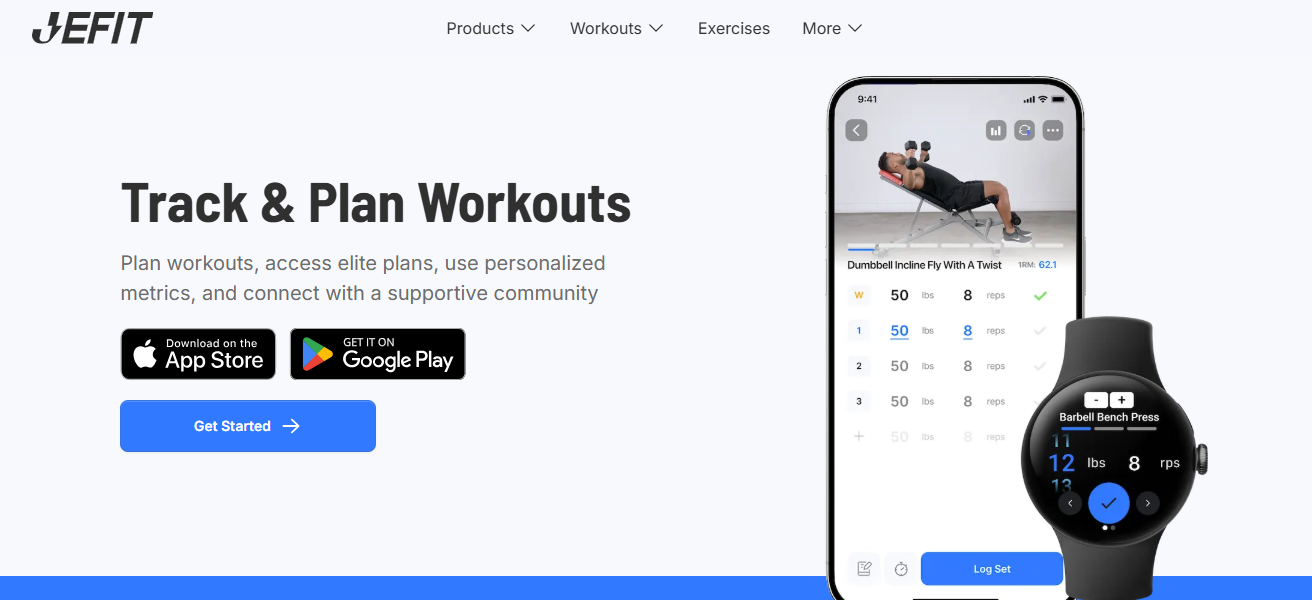
With millions of users globally, it’s a great choice for those who want a balance between manual control and AI-guided training insights for structured gym routines.
Jefit Features
- AI workout planner optimizes routines for strength goals.
- Tracks progress with detailed exercise logs.
- Suggests exercises based on muscle groups.
- Community features for motivation and sharing.
| Pros | Cons |
|---|---|
| Extensive exercise database for gym users | Interface may feel outdated to some users |
| Tracks sets, reps, and volume for progression | Limited AI compared to newer apps |
| Great for bodybuilding and strength routines | Free version includes ads |
| Provides detailed analytics and charts | Not beginner-friendly without guidance |
| Allows custom workout planning flexibility | Limited cardio and lifestyle features |
9. 8fit
8fit focuses on combining AI-powered workouts with personalized meal planning for a complete fitness solution.
The app generates customized HIIT workouts and nutrition plans based on your goals, whether it’s fat loss or muscle gain.
Its AI adapts weekly plans depending on your progress and adherence. In recent updates, 8fit emphasizes simplicity and habit-building, making it ideal for beginners.
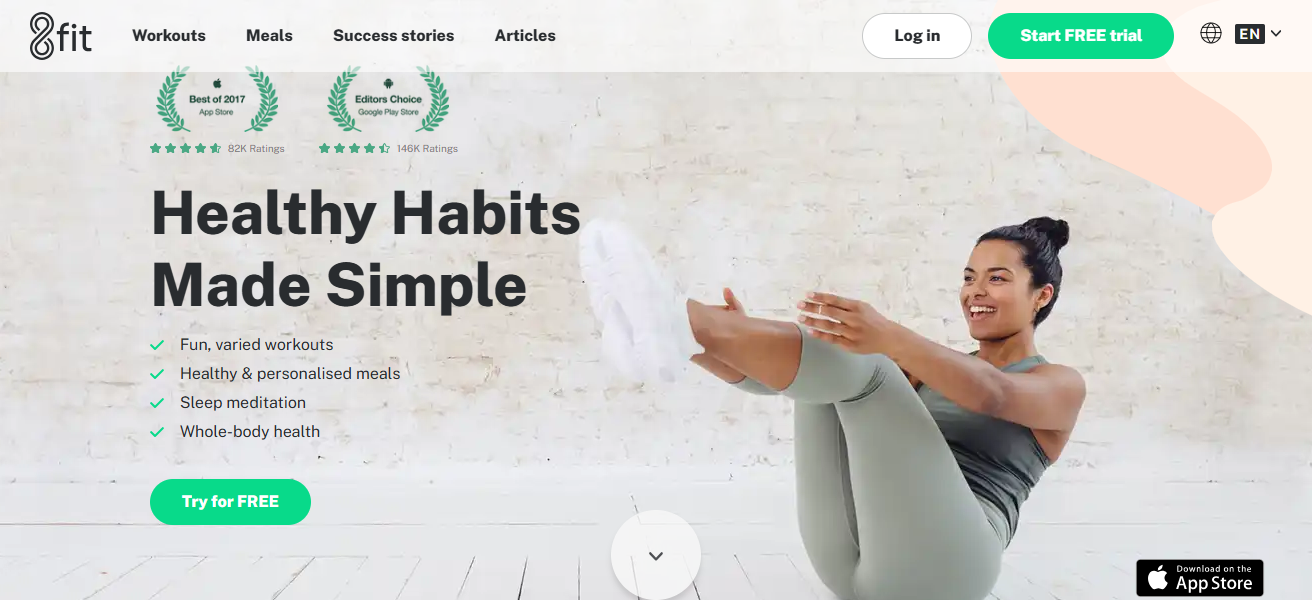
It provides short, efficient workouts that fit busy schedules, while its nutrition guidance ensures a balanced approach to long-term health and fitness improvement.
8fit Features
- AI creates personalized fitness and meal plans.
- Combines workouts with nutrition guidance.
- Offers quick, effective routines for busy schedules.
- Tracks progress toward holistic health goals.
| Pros | Cons |
|---|---|
| Combines workouts and meal planning in one app | Advanced features require subscription |
| AI creates personalized HIIT and diet plans | Limited customization for advanced athletes |
| Short workouts ideal for busy schedules | Smaller exercise library than competitors |
| Beginner-friendly interface and guidance | Less focus on heavy strength training |
| Focus on habit-building and long-term health | Progress tracking is less detailed |
10. Welltory
Welltory is an AI-powered health and fitness app focused on stress, recovery, and overall well-being rather than just workouts.
It analyzes heart rate variability (HRV), sleep, and activity data from wearables to provide insights into your physical and mental state.
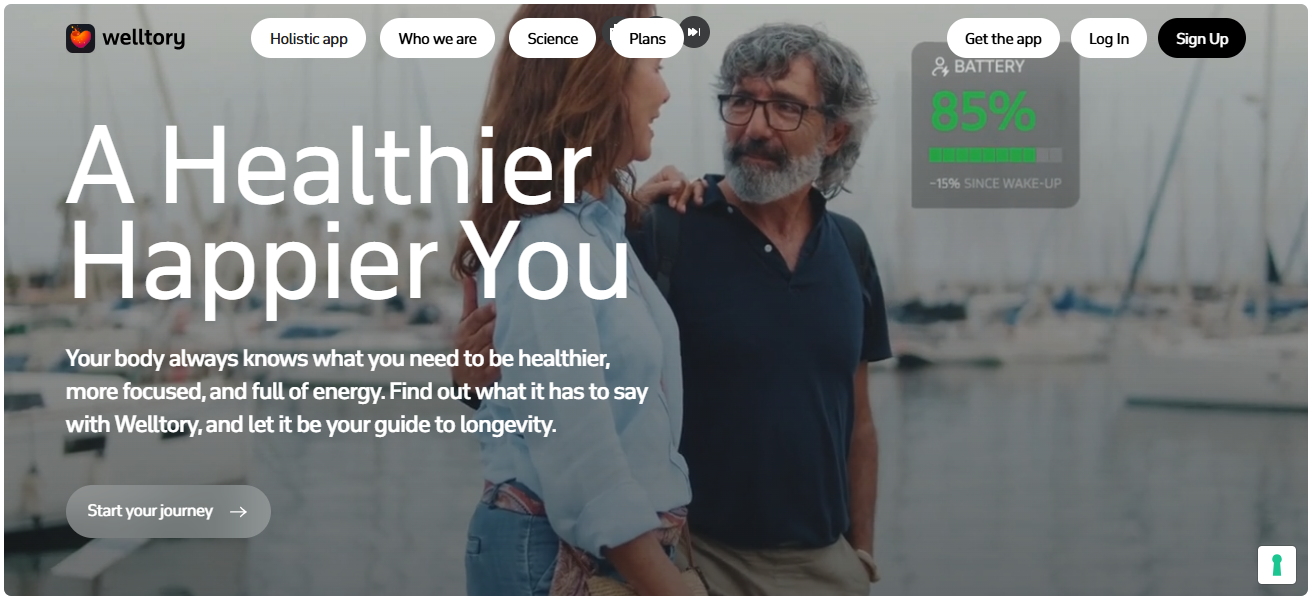
The app uses AI to recommend when to exercise, rest, or reduce stress, making it highly personalized.
In 2026, Welltory is gaining popularity for its science-based approach to health optimization, helping users balance fitness with recovery and prevent burnout through data-driven insights.
Welltory Features
- AI analyzes heart rate variability for stress and recovery.
- Provides insights into energy levels daily.
- Suggests optimal workout intensity based on data.
- Integrates with wearables for continuous monitoring.
| Pros | Cons |
|---|---|
| Uses HRV data for stress and recovery insights | Requires wearable devices for full functionality |
| AI suggests optimal times for workouts and rest | Not a traditional workout app |
| Strong focus on mental health and burnout prevention | Data interpretation may feel complex |
| Integrates with multiple health platforms | Premium needed for deeper analytics |
| Science-based approach to wellness optimization | Limited exercise guidance |
Conclsuion
In conclsuion AI-powered fitness apps are transforming how people approach health and workouts by offering personalized guidance, real-time tracking, and smarter insights.
Whether you prefer strength training, home workouts, or nutrition planning, these apps cater to every goal and lifestyle.
By choosing the right app, you can stay consistent, improve performance, and achieve long-term fitness results more efficiently and effectively.
FAQ
These apps collect data such as age, weight, activity level, and workout history. Platforms like Vi Trainer and Jefit use algorithms to adjust intensity, duration, and exercise types based on performance and recovery.
Yes, most AI fitness apps are beginner-friendly. Apps like Nike Training Club and 8fit offer guided programs and simple routines that gradually increase in difficulty.
Not always. Apps such as Freeletics focus on bodyweight exercises, while Fitbod is better suited for gym-based workouts with equipment.
AI apps can provide structured guidance and personalization, but they may not fully replace human trainers. Apps like Aaptiv combine AI with expert coaching to bridge this gap.