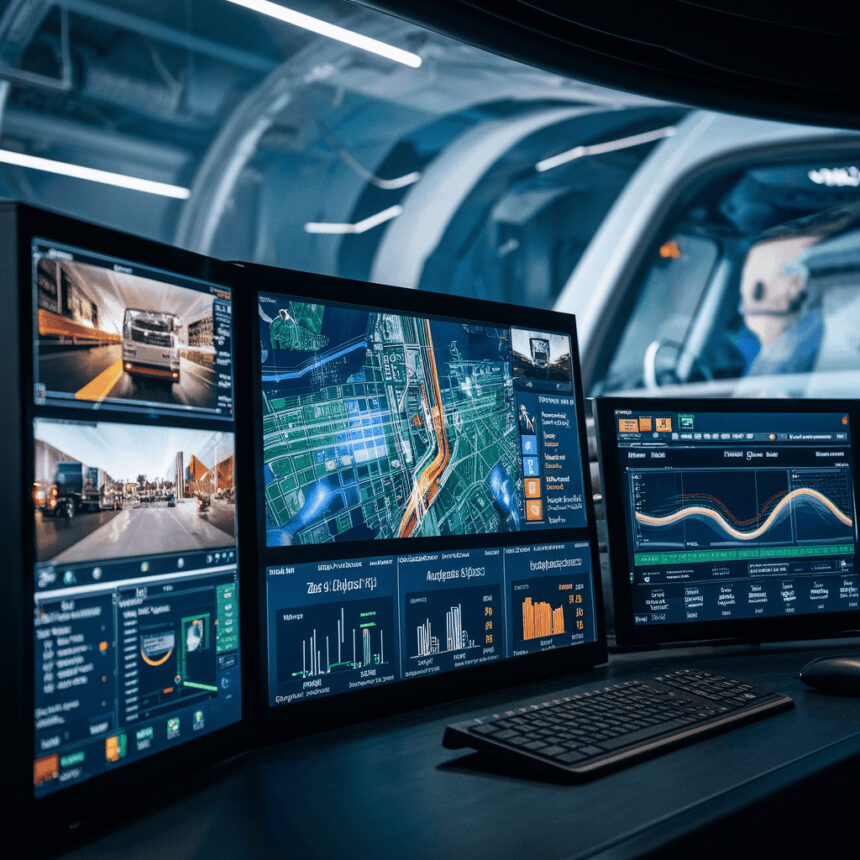
This article covers the top Fleet Telematics and AI Dashcam Systems for Logistics Providers. These systems are a game-changer for the transport and supply chain sectors. Integrating GPS Telematics with AI and video and data stream processing helps organizations meet safety, productivity, and regulatory challenges.
By the end of this article, you’ll be able to identify how some of the top systems available to logistics providers help to cut operational costs and balance requirements to improve fleet performance and driver behavior.
What are fleet telematics and AI dashcam systems?
Fleet telematics combined with AI dash cams provides an integrated, intelligent solution for logistics management. Fleet operators benefit from real-time locations and driver behavior analysis, in addition to the ability to assess dangerous driving behavior.
AI cameras and analytics improve the safety of road travel and drive down inefficiencies in fuel consumption and operations. Predictive analytics are helpful for compliance and intervention, and make operational logistics better, more trustworthy, and less expensive.
Key Points & Best Fleet Telematics and AI Dashcam Systems for Logistics Providers
| Fleet Telematics & AI Dashcam System | Explanation |
|---|---|
| Samsara | AI dashcams and telematics for real-time fleet monitoring safety optimization |
| Geotab | Cloud telematics platform providing vehicle data analytics and insights reporting |
| Verizon Connect | Fleet tracking software offering GPS monitoring and route optimization tools |
| Motive (KeepTruckin) | AI dashcam and compliance platform improving driver safety performance tracking |
| Lytx | Video telematics system detecting risky driving behaviors using AI analysis |
| Azuga | Fleet tracking solution with safety scoring and driver coaching tools |
| Trimble Fleet Management | End-to-end fleet management software optimizing logistics operations efficiency improvement platform |
| Teletrac Navman | Cloud-based fleet tracking and analytics platform for transport companies globally |
| Fleet Complete | Connected fleet and asset tracking solution with real-time visibility features |
| Microlise | Transport management system enabling fleet visibility and route planning optimization |
10 Best Fleet Telematics and AI Dashcam Systems for Logistics Providers
1. Samsara
Samsara is a leader in the industry by integrating AI dashcams with holistic fleet telematics. Logistics providers are able to gain complete visibility with real-time monitoring of vehicles, remote identification of risky driving behavior, and route optimization with analytical data.
AI video intelligence enables quicker identification of driving behavior such as harsh braking, distracted driving, and speeding.
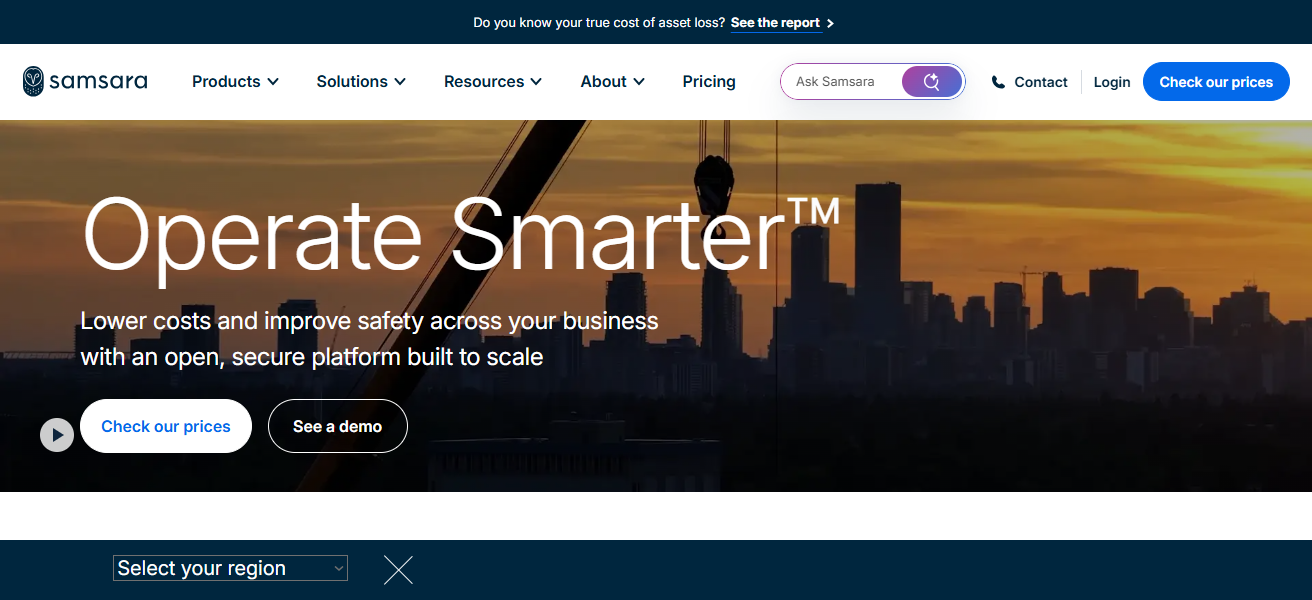
Some of their recent advancements target a higher level of automation, fuel optimization, and the addition of predictive maintenance. This helps large fleets with cost reduction, while maintaining the safety of roads across their multi-location logistics delivery.
Samsara – Pros & Cons
| Pros | Cons |
|---|---|
| Real-time AI dashcam alerts improve driver safety instantly | High pricing may not suit small fleets |
| Strong integration of telematics and video analytics | Requires stable internet for full functionality |
| Predictive maintenance reduces unexpected breakdowns | Setup can be complex for beginners |
| Excellent scalability for large logistics networks | Hardware installation required in all vehicles |
2. Geotab
Geotab offers a flexible cloud telematics framework that enables data-centric fleet telematics. Their GO device platform collects detailed telematics of driver behavior and route analytics. Logistics providers utilize Geotab for meeting compliance, monitoring fuel consumption, and emissions reduction.

The built-in analytics offers artificial intelligence to streamline telematics data to a level of operational visualization. Recent features offered are a fuller adoption of electric vehicles,
Enhancement of green and sustainable practices, and intelligence for predictive fleet operations, making Geotab a leading choice for logistics providers aiming to operate a fleet with modern, sustainable, and digital practices.
Geotab – Pros & Cons
| Pros | Cons |
|---|---|
| Deep vehicle diagnostics and advanced data insights | Dashboard may feel complex for new users |
| Highly scalable cloud-based architecture | Limited built-in dashcam functionality |
| Strong EV and sustainability reporting tools | Add-ons increase total cost |
| Reliable compliance and fuel tracking features | Interface less intuitive compared to competitors |
3. Verizon Connect
Verizon Connect combines advanced GPS and tools for intelligent route planning. Logistics operators can manage the following using tracking dashboards with Verizon Connect: reduce the time cargo and trucks are not moving, increase the accuracy of deliveries, and manage the accountability of drivers.
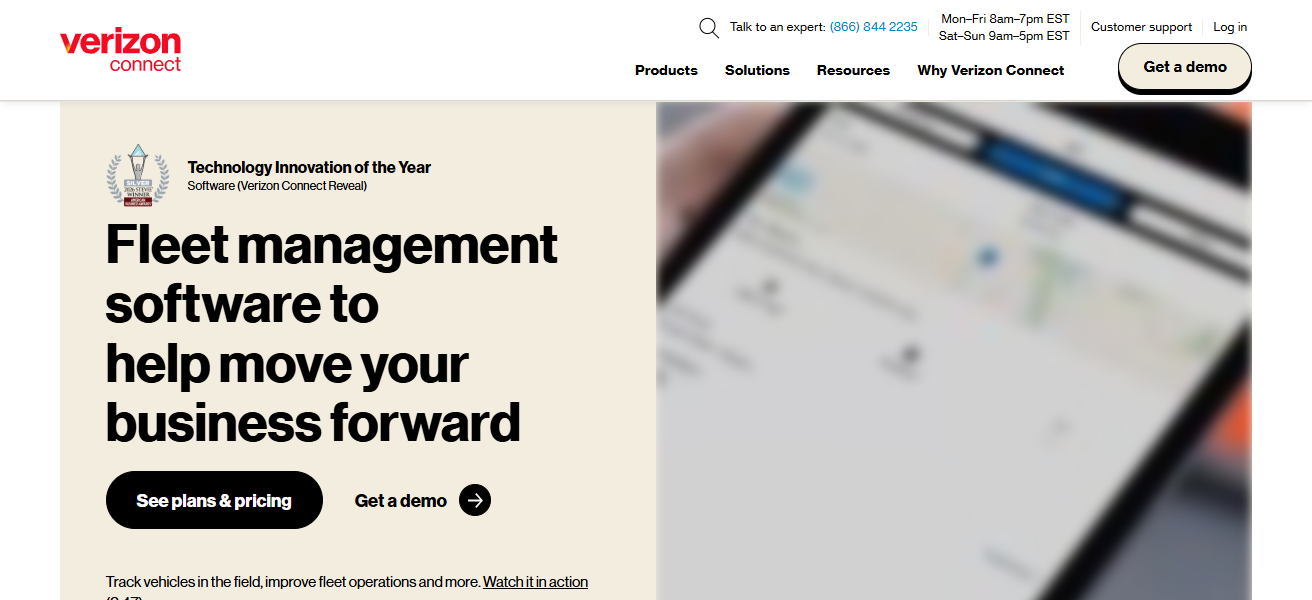
Verizon Connect will send alerts to logistics operators after analyzing the data if the driver is speeding, making unnecessary stops, or deviating from the planned route. Verizon Connect also has the ability to report on whether your company is meeting the regional or federal guidelines for the use of your fleet of trucks and other assets.
The more recent developments have been on mobile workforce integration and more advanced optimizations for scheduling. These improvements make coordinating your fleet easier in large-scale logistics networks.
Verizon Connect – Pros & Cons
| Pros | Cons |
|---|---|
| Powerful GPS tracking with live visibility | Customer support can be slow at times |
| Smart route optimization improves delivery efficiency | Advanced features locked behind premium plans |
| Strong mobile workforce management tools | Hardware costs add to overall expenses |
| Real-time alerts for unsafe driving behavior | Requires training for full utilization |
4. Motive (KeepTruckin)
Motive makes AI-based dash cameras and fleet management solutions that comply with the regulations for the trucking and logistics industries. It uses AI to observe and analyze risky driver behaviors such as driving while fatigued, distracted driving, and tailgating.
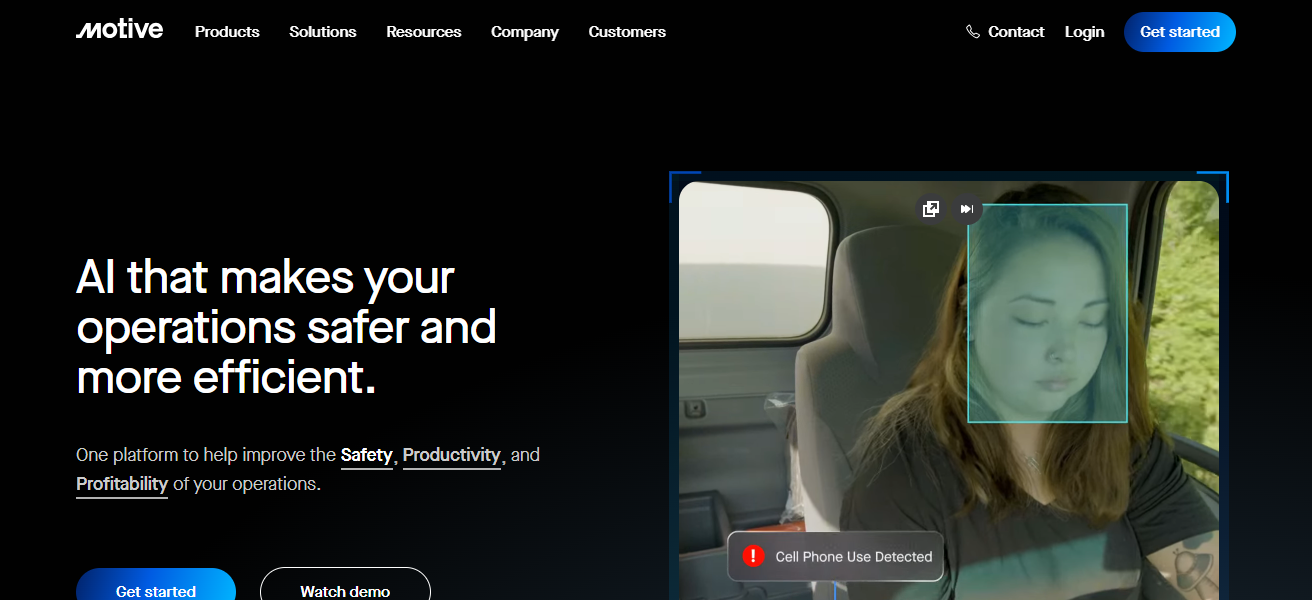
Dash cameras are extremely helpful for fleet managers to get video evidence for driving and coaching compliance and mitigate the risks of inappropriate behaviors to improve fleet safety, especially for regional and long-haul logistics operations.
It also supports ELD compliance and the management of fuel budgets. New features include advanced AI-based video tagging and predictive risk scoring.
Motive (KeepTruckin) – Pros & Cons
| Pros | Cons |
|---|---|
| AI dashcams detect fatigue and distraction | Video storage costs may increase over time |
| Strong ELD compliance automation features | Requires continuous connectivity for best performance |
| Real-time safety coaching improves driver behavior | Occasional false positive AI alerts |
| Easy-to-use driver and fleet manager apps | Hardware dependency for full system usage |
5. Lytx
Lytx is the leader in video-based telematics and uses AI and machine vision to analyze driver behavior. Its DriveCam system captures important and often hard-to-coach events. Logistics providers use it to decrease the number of accidents and increase the accountability of the fleet.
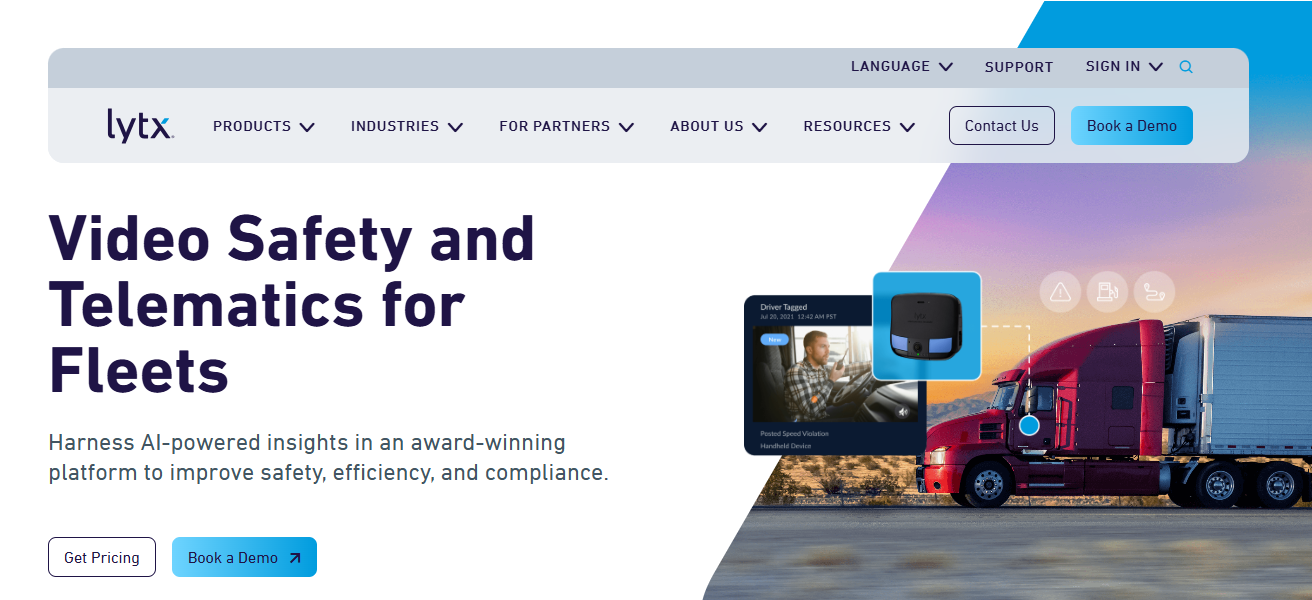
The platform also provides risk scoring and analysis of driver behavior for safety and fleet accountability. Its latest improvements have been advanced video analytics and AI detection, making Lytx the optimal solution for the logistics industry.
Lytx – Pros & Cons
| Pros | Cons |
|---|---|
| Advanced AI video analytics for risk detection | Expensive for small and mid-sized fleets |
| Strong safety coaching tools with video evidence | Limited flexibility in customization |
| Proven reduction in accident rates | The installation process can be time-consuming |
| High-quality predictive risk scoring system | Requires long-term contract commitments |
6. Azuga
Azuga offers affordable telematics centered on driver behavior. Azuga tracks vehicles in real time and presents behavior-based coaching to reinforce driver safety. Logistics companies rely on Azuga to streamline accident alerts and track vehicle service management.
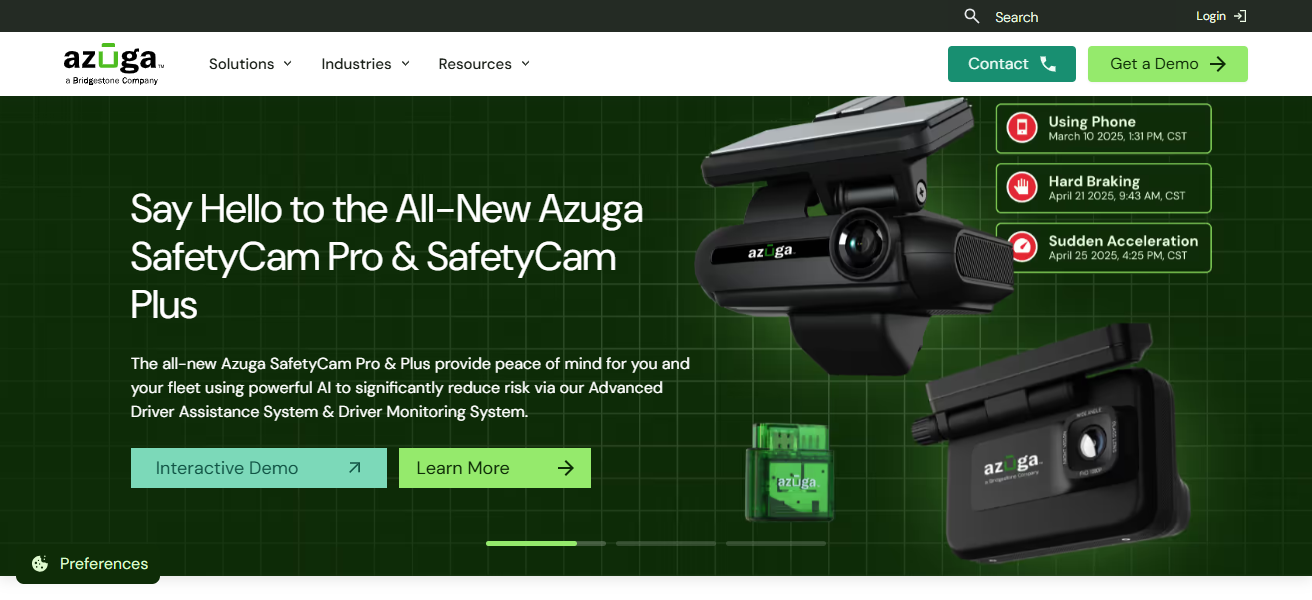
The platform provides insurance telematics and risk mitigation. Improvements consist of mobile adaptive dashboards and next-generation AI-driven driver scores. Azuga is an affordable option for mid-sized logistics companies.
Azuga – Pros & Cons
| Pros | Cons |
|---|---|
| Affordable solution for mid-sized fleets | Limited advanced AI features compared to premium tools |
| Gamified driver safety scoring system | Reporting tools less detailed than competitors |
| Insurance telematics helps reduce premiums | Hardware performance depends on vehicle type |
| Easy-to-use mobile dashboard interface | Not ideal for very large enterprises |
7. Trimble Fleet Management
Trimble offers an integrated logistics management system combining telematics, dispatch, and route control. Trimble helps large logistics companies gain visibility of their supply chain and remove workflow-based barriers.
Trimble’s AI-generated recommendations will optimize fuel management, track fleet assets, and manage compliance.
Trimble is a popular choice within the construction and heavy logistics management-based sectors. Recent improvements are focused on better cloud-based integrations and strong, accurate, predictive analytics.
Trimble Fleet Management – Pros & Cons
| Pros | Cons |
|---|---|
| End-to-end logistics and fleet integration | High implementation complexity |
| Strong route optimization and dispatch tools | Expensive enterprise-level pricing |
| Excellent scalability for heavy logistics | Interface can feel outdated in some modules |
| Advanced predictive analytics capabilities | Requires technical expertise for setup |
8. Teletrac Navman
Teletrac Navman combines real-time telematics, driver behavior analytics, and compliance within a single system. Teletrac Navman helps improve delivery logistics and better manage fleet assets.
Teletrac Navman’s AI Dashboards help identify gaps in fulfillment and drive down costs. The system integrates safety coaching via video telematics.

Improved AI-driven route planning and analytics for hybrid and electric vehicles make Teletrac Navman an excellent choice for sustainable logistics.
Teletrac Navman – Pros & Cons
| Pros | Cons |
|---|---|
| Real-time GPS and fleet intelligence | Limited AI dashcam depth compared to rivals |
| Strong compliance and reporting tools | UI can feel less modern |
| Supports EV and hybrid fleet tracking | Customization options are limited |
| Efficient route optimization system | Occasional system lag reported |
9. Fleet Complete
Fleet Complete provides tracking solutions in real-time across vehicles and assets as well as for the management of the mobile workforce. Logistics providers use Fleet Complete to gauge greater visibility, better manage dispatches, and monitor driver activity.
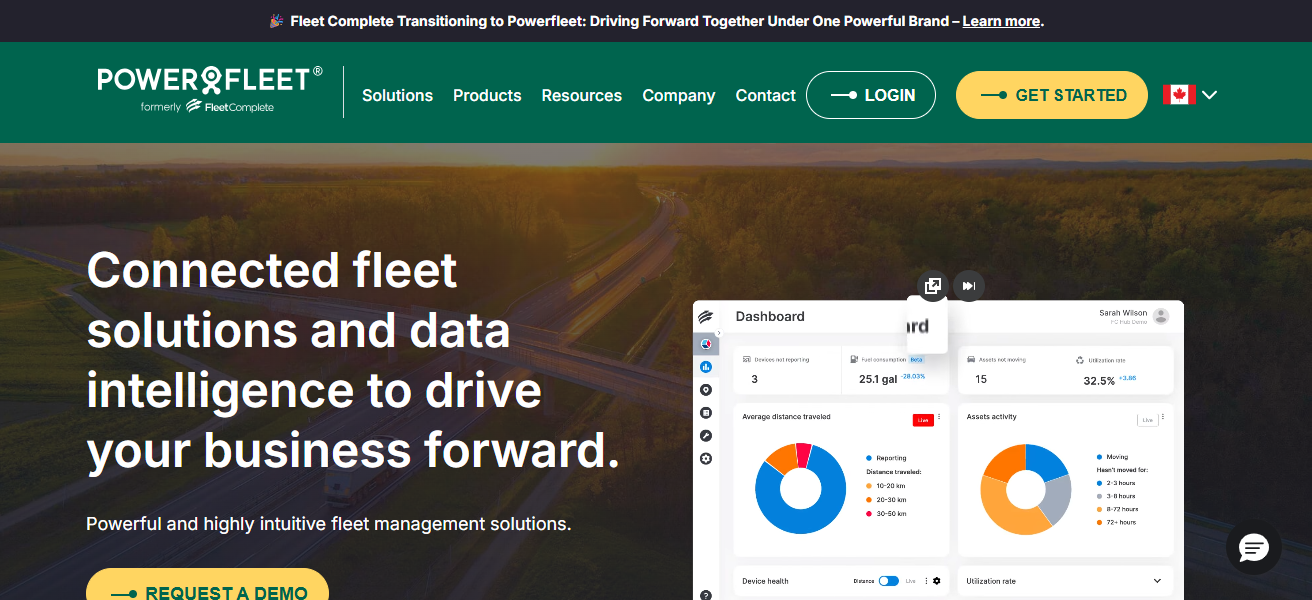
Fleet Complete’s platform integrates the Internet of Things (IoT) and artificial intelligence (AI) analytics to increase optimization of operations. Fleet Complete also offers solutions for cold chain management as well as field service management.
The newest developments in Fleet Complete’s platform are the addition of efficient predictive maintenance alerts and enhancements to the mobile application. These developments make Fleet Complete’s platform a valuable option for the management of dispersed and large integrated logistics operations.
Fleet Complete – Pros & Cons
| Pros | Cons |
|---|---|
| Strong IoT-based asset and vehicle tracking | Occasional syncing delays reported |
| Good cold-chain and asset monitoring features | Interface not highly intuitive |
| Supports workforce and fleet in one platform | Advanced analytics require add-ons |
| Flexible for multiple industry use cases | Setup can be time-consuming |
10. Microlise
Microlise provides a sophisticated transport management system that excels in route and driver management as well as real-time visibility of the fleet. Logistics service providers are able to optimize operations by minimizing delays and improving fuel savings through the system’s automated scheduling.

Microlise has developed tools for the automated monitoring of safety and compliance, and has extended the cloud capacity of its system.
These improvements and tools make Microlise suitable for logistics providers that require an advanced system to manage the entire supply chain within a single logistics operation.
Microlise – Pros & Cons
| Pros | Cons |
|---|---|
| Strong route planning and optimization tools | Limited global market presence |
| Excellent warehouse and fleet integration | Complex onboarding process |
| Real-time visibility across supply chain | Higher cost for the full enterprise suite |
| Strong compliance and safety reporting | UI less modern than competitors |
How We Selected the Best Fleet Telematics and AI Dashcam Systems for Logistics Providers
- The ability of the system to accurately and reliably offer real-time GPS tracking
- The various AI Dashcam safety features and what kind: fatigue detection, distraction detection, etc.
- Vehicle diagnostics, predictive maintenance, and route planning were also considered.
- Improvement in route planning and fuel optimization
- Compliance support, including ELD and other reporting and regulatory support
- Scalability across all sizes of logistics fleets
- User friendliness: dashboard, mobile design, and access
- Integration support for IoT and other 3rd party systems
- The support and system uptime, the cost, and value, including the cost of other deployments
Conclusion
In conclusion, the Best Fleet Telematics and AI Dashcam Systems for Logistics Providers are innovative and help modernize logistics.
Fleet telematics and AI dashcam systems increase safety and visibility while helping to cut fuel costs.
Systems that utilize AI, telematics, and predictive analytics help businesses maintain compliance and improve efficiency.
Selecting the proper systems aids logistics providers in remaining appropriately competitive and helps to lower operational risk.
FAQ
Which is the best all-in-one fleet telematics platform?
Platforms like Samsara and Motive are considered top all-in-one solutions due to integrated AI dashcams and real-time analytics.
How do AI dashcams improve driver safety?
AI dashcams detect risky behaviors such as distraction, fatigue, and speeding. They provide instant alerts and video evidence for coaching drivers and preventing accidents.
Can fleet telematics reduce fuel costs?
Yes, systems like Geotab optimize routes, reduce idle time, and monitor driving behavior, significantly lowering fuel consumption.
Are these systems suitable for small logistics companies?
Yes, solutions like Azuga and Motive offer scalable pricing plans, making them suitable for both small and mid-sized logistics operators.