In this article, I will analyze the best Crypto APIs for Web3 Authentication and Wallet Login. Using these APIs, developers can create secure, scalable, and user-friendly decentralized applications (dApps).
APIs can help simplify wallet connections, blockchain authentication, and digital identity management. I would present the features, the pros and cons, and important selection criteria for the Crypto API for your Web3 project.
What Are Crypto APIs?
Crypto APIs are tools that allow developers to integrate functions like wallet login, token transactions, and access to blockchain data, among others. Using Crypto APIs, developers can build complex and secure infrastructures without having to develop and implement the APIs themselves.
Crypto APIs are extremely helpful to developers and thus extremely popular in decentralized applications, DeFi platforms, NFT marketplaces, and all blockchain services. Crypto APIs help developers build secure and scalable applications.
There are myriad interfaces to APIs available to developers to help interface with the blockchain, cryptocurrency wallets, and other aspects of the Web3 ecosystem.
Choosing The Ideal Crypto API for Your Web3 Project
Specify Your Requirements Consider your objectives, the features you will need, and how you will manage user authentication. Look for APIs that offer wallet logins, transactions, or provide NFT, or blockchain data. Align Web3 API features with the requirements of your Web3 application.
Determine the Boundaries of the Blockchain Determine the API services that are aligned with your preferred blockchains. Ensure API services are aligned with Ethereum, Solana, Polygon, BNB Chain, etc. Support for multiple blockchains gives you greater flexibility for your application.
Assess Security and Compliance Look for APIs with the highest level of security, with encryption and protected authentication. Assess wallet security, data privacy, and compliance. With the right security, the risk of fraud and unauthorized access is reduced.
Examine Service Fees and Limits on Usage Compare the costs for subscriptions, the cost for API calls, and the cost of transactions. Consider the limits on offers that are free, and the costs associated with moving beyond those limits. Choose APIs that fit your budget and your needs.
Investigate the Quality of the Offerings Look for comprehensive and detailed documentation, SDKs, and support. The right tools reduce integration for developers. Technical resources and an active community can make a positive difference.
Key Points & Best Crypto APIs for Web3 Authentication and Wallet Login
| Crypto API | Explanation ( |
|---|---|
| Moralis API | Provides Web3 authentication, wallet login, blockchain data, and developer-friendly APIs. |
| Alchemy API | Enables secure wallet connections, blockchain interactions, and scalable Web3 authentication solutions. |
| Infura API | Offers Ethereum infrastructure, wallet access, and reliable decentralized application authentication. |
| WalletConnect API | Connects users’ crypto wallets securely with Web3 applications across platforms. |
| Thirdweb API | Simplifies wallet login, authentication, and Web3 application development processes. |
| Coinbase Wallet API | Provides secure wallet authentication and seamless crypto user access solutions. |
| Magic API | Enables passwordless wallet creation, authentication, and blockchain user management. |
| Web3Auth API | Offers social login, wallet authentication, and secure Web3 identity solutions. |
| Particle Network API | Provides wallet infrastructure, authentication tools, and blockchain user experiences. |
| QuickNode API | Delivers blockchain connectivity, wallet authentication, and scalable Web3 development. |
10 Best Crypto APIs for Web3 Authentication and Wallet Login
1. Moralis API
The Moralis API provides a dedicated platform for Web3 development. Developers are capable of creating secure systems for authentication and wallet login and building applications powered by the blockchain.
Moreover, the Moralis API provides advanced wallet authentication and token balance and NFT and user profile and multi-chain APIs. Moralis improves backend infrastructure, allowing developers to focus on building and scaling the application.
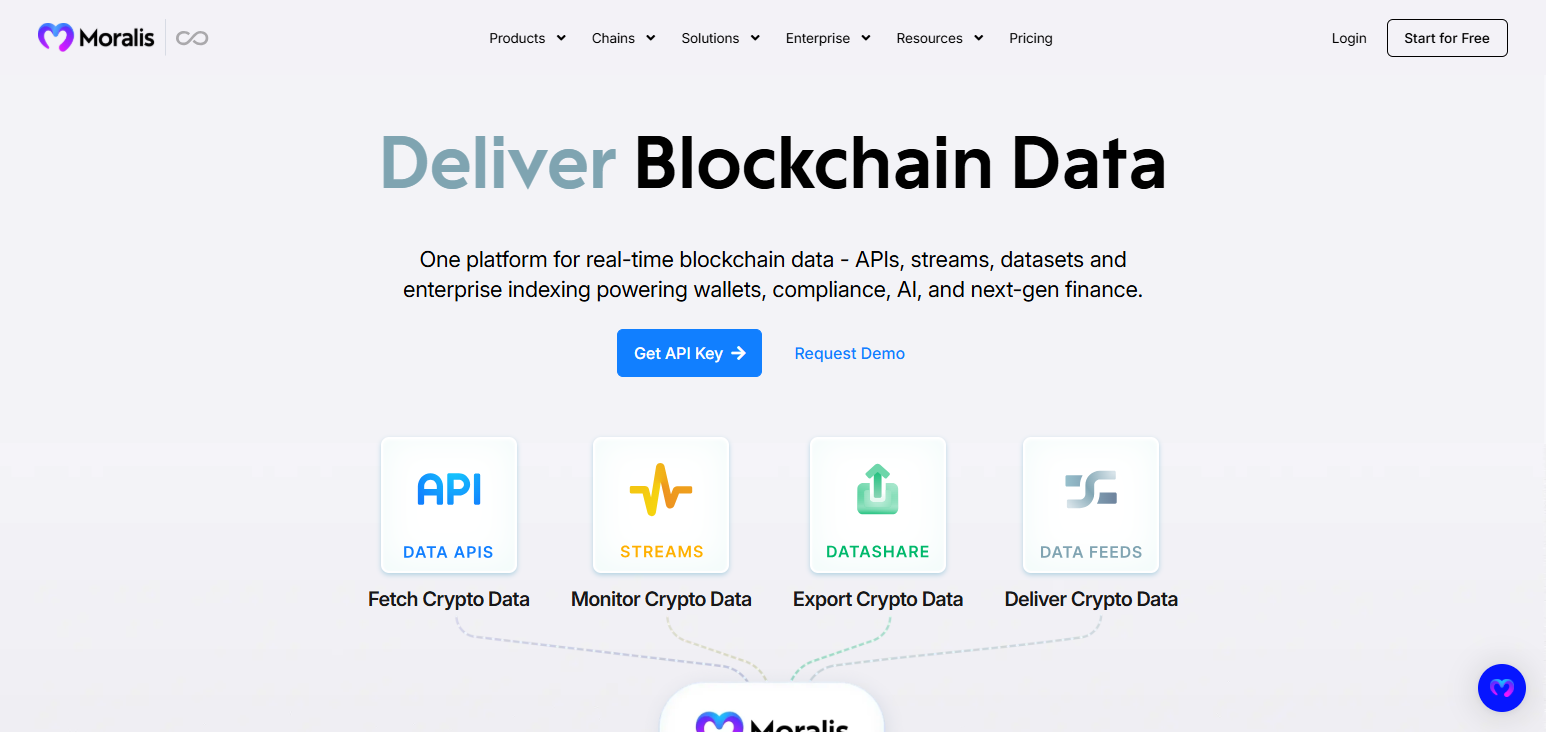
Moralis is commonly used for the development of modern decentralized applications, enabling fast and efficient user onboarding. Moreover, Moralis provides real-time data from the blockchain for added scalability.
Moralis API Features
- Multi-Chain Support: Works across multiple networks, including Ethereum, Polygon, BNB Chain, and other major blockchains.
- Web3 Authentication Options: Offers wallet logins and user verification and decentralized identity services.
- Immediate Blockchain Information: Supplies instant data regarding token balances, NFTs, transactions, and activities.
- Convenient APIs for Developers: Offers easy APIs and SDKs for fast Web3 development.
- Backend Supports Growth: Back end accommodates increased users and interactions with blockchains.
| Pros | Cons |
|---|---|
| Provides powerful multi-chain APIs for Web3 application development. | Advanced features may require higher pricing plans. |
| Offers ready-made wallet authentication and user management tools. | Beginners may need time to understand all features. |
| Delivers real-time blockchain, NFT, and token data access. | Heavy dependence on Moralis infrastructure for backend operations. |
| Simplifies complex blockchain integration processes for developers. | Limited customization compared with fully self-built solutions. |
| Supports scalable decentralized application development. | Some blockchain networks may have feature limitations. |
2. Alchemy API
The Alchemy API is one of the leading blockchain infrastructure for developers focusing on secure Web3 applications. Alchemy provides reliable APIs for wallet authentication, blockchain connection, smart contract, and dApp development.
Alchemy’s enhanced infrastructure and real-time data from the blockchain allows developers to create scalable systems for wallet logins. Alchemy is especially suitable for DeFi, NFT, and Web3 applications and reliable and fast blockchain authentication is a requirement.
Alchemy API Features
- High-Speed Infrastructure: Offers fast and reliable node access and communication solutions for less latency.
- Authentication Support: Allows secure wallet connections and user identity verification within Web3 platforms.
- Innovative Developer Tools: Offers APIs, monitoring, dashboards, and advanced debugging.
- Smart Contract Access: Developers can interact with and control smart contracts on a blockchain.
- Enterprise Scalability: Offers secure and optimized infrastructure to sustain high-volume applications.
| Pros | Cons |
|---|---|
| Provides highly reliable blockchain infrastructure with strong uptime. | Premium features can become expensive for large applications. |
| Offers advanced developer tools and monitoring capabilities. | Mainly focused on infrastructure rather than complete authentication systems. |
| Supports fast blockchain data access and smart contracts. | Requires blockchain development knowledge for advanced usage. |
| Handles large-scale Web3 application requirements efficiently. | Free plans have usage limitations. |
| Trusted by many enterprise-level Web3 projects. | Multi-chain support may vary depending on network features. |
3. Infura API
The Infura API provides tools that help developers add Ethereum and other block chains to their decentralized applications (dApps). Developers can use the Infura API to authenticate users, send and receive transactions, and communicate with the blockchain, all without the need to host their own nodes.
For Web3 projects, Infura offers secure APIs with a scalable network and maintains reliable performance. Infura is a top choice for applications that require quick integration of wallet logins and decentralized identity with blockchain for its continuous development of its tools for developers, and its support for various blockchains.
Infura API Features
- Easy Ethereum Connectivity: Simplifies access to Ethereum and other blockchains.
- Secure APIs: Enables reliable communication with a blockchain without setting up personal nodes.
- Wallets and dApps: Supports wallet transactions and actions via a decentralized application.
- Developer Tools and Management: Includes dashboards, analytics, and monitoring.
- Always Available Services: Ensures constant access to a blockchain with a scalable cloud infrastructure.
| Pros | Cons |
|---|---|
| Provides easy blockchain connectivity without running personal nodes. | Heavy reliance on third-party infrastructure. |
| Supports Ethereum and multiple blockchain networks. | Free usage limits may affect growing applications. |
| Offers secure and scalable API infrastructure. | Advanced customization options are limited. |
| Reduces blockchain maintenance costs for developers. | Network congestion can impact performance during high demand. |
| Provides reliable tools for decentralized applications. | Requires technical knowledge for complete integration. |
4. WalletConnect API
The WalletConnect API is the first Web3 connectivity protocol and allows secure communication between wallets and dApps. With WalletConnect, users maintain control of their private keys while using their preferred method of authentication.
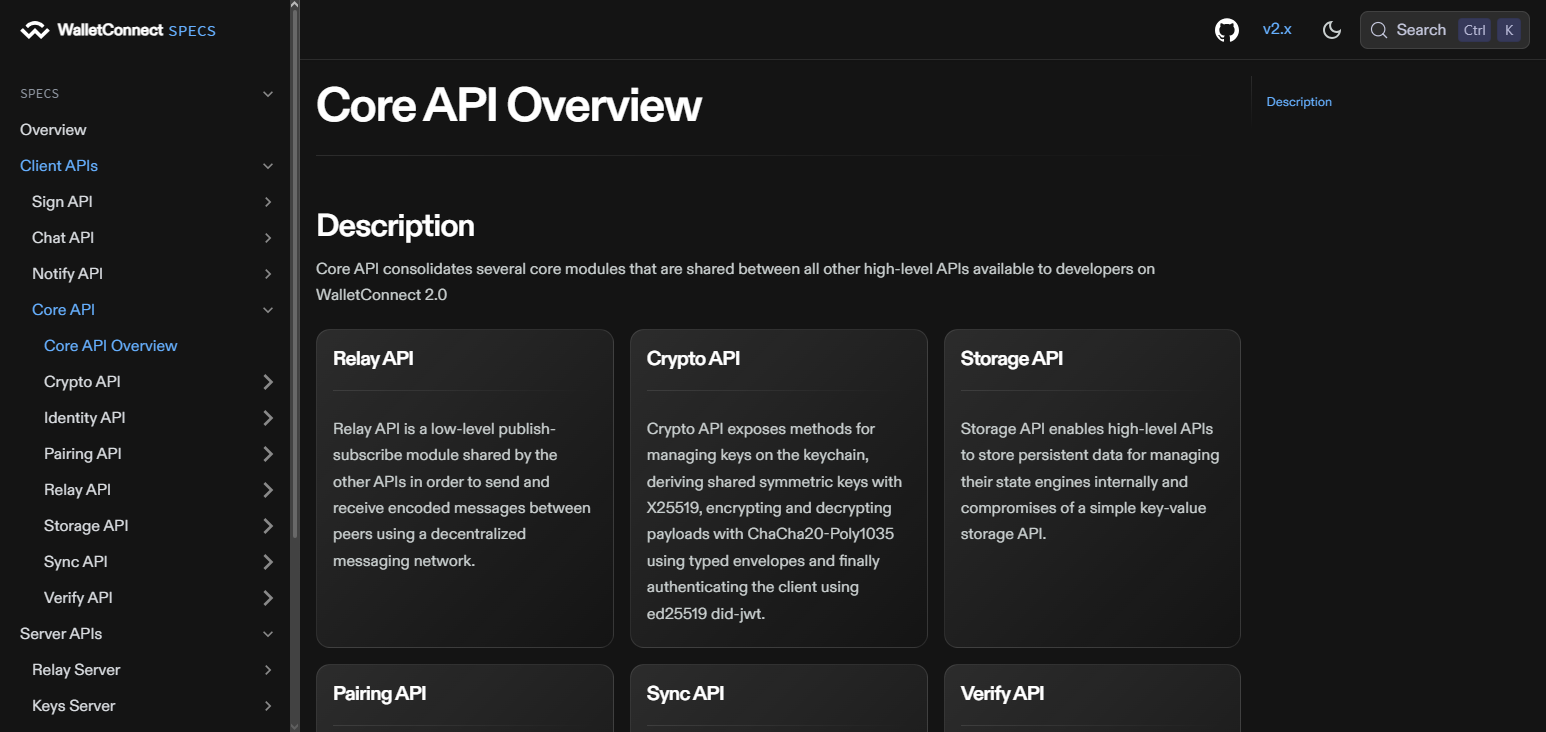
WalletConnect is the most accessible Web3 tool, with support for thousands of wallet applications across multiple blockchains.
WalletConnect aims to improve the speed of connections, the quality of mobile experiences, and makes integration easier for developers. These improvements help developers secure wallet authentication in dApps and in other Web3 services.
WalletConnect API Features
- Private Keys Never Exposed: Provides a means of connecting wallets without risky key exposure.
- Multi-Wallet Compatibility – Works with thousands of crypto wallets across various blockchains.
- Cross-Platform Compatibility – Compatible with mobile, web, and dapps.
- QR Code Authentication – Easiest way to connect wallets via QR logins.
- Improved User Privacy – Users control wallet permissions and how they interface with the blockchain.
| Pros | Cons |
|---|---|
| Supports thousands of crypto wallets across different platforms. | Requires users to already own compatible wallets. |
| Provides secure wallet connections without exposing private keys. | User experience depends on wallet provider performance. |
| Works effectively across mobile and desktop applications. | Authentication flow may feel complex for beginners. |
| Offers broad blockchain ecosystem compatibility. | Requires additional tools for complete user management. |
| Improves Web3 accessibility and wallet adoption. | Connection issues may occur with unsupported wallets. |
5. Thirdweb API
The Thirdweb API is an all in one solution for Web3 development. With Thirdweb, developers can simplify user authentication, smart contracts, and dApp creation. Thirdweb eliminates the need to construct complex blockchain infrastructure, and it is easily integrated for secure wallet login features.
Thirdweb covers multiple blockchains and provides SDKs, APIs, and tools for building Web3 games, NFT applications and marketplaces, and community dApps.
Thirdweb’s emphasis on flexibility, ease of use, and rapid development makes it an appealing option for established businesses and startups breaking into the blockchain space.
Thirdweb API Functions
- Easy Web3 Development – Quickly build dapps with the tools provided.
- Wallet Login – Easy wallet login for Web3 users.
- Smart Contracts – Offers features to deploy, manage, and engage with contracts.
- Multi-Chain – Designed for operation across numerous blockchains.
- SDK – Custom built tools for developers in gaming, NFTs, DAOs, and marketplaces.
| Pros | Cons |
|---|---|
| Provides complete Web3 development tools in one platform. | Some advanced features require paid subscriptions. |
| Simplifies wallet authentication and smart contract deployment. | Developers may face platform dependency risks. |
| Offers SDKs for faster application development. | Limited flexibility compared with custom blockchain solutions. |
| Supports NFTs, gaming, DAOs, and marketplaces. | New developers may need learning time. |
| Enables quick Web3 project launches. | Large enterprises may require additional customization. |
6. Coinbase Wallet API
Coinbase Wallet API offers authentication for Web 3 applications with speed and security. Users may connect crypto wallets and authenticated identities to facilitated blockchain interactions. Developers may build experiences letting users log in and interact with DApps and digital assets.
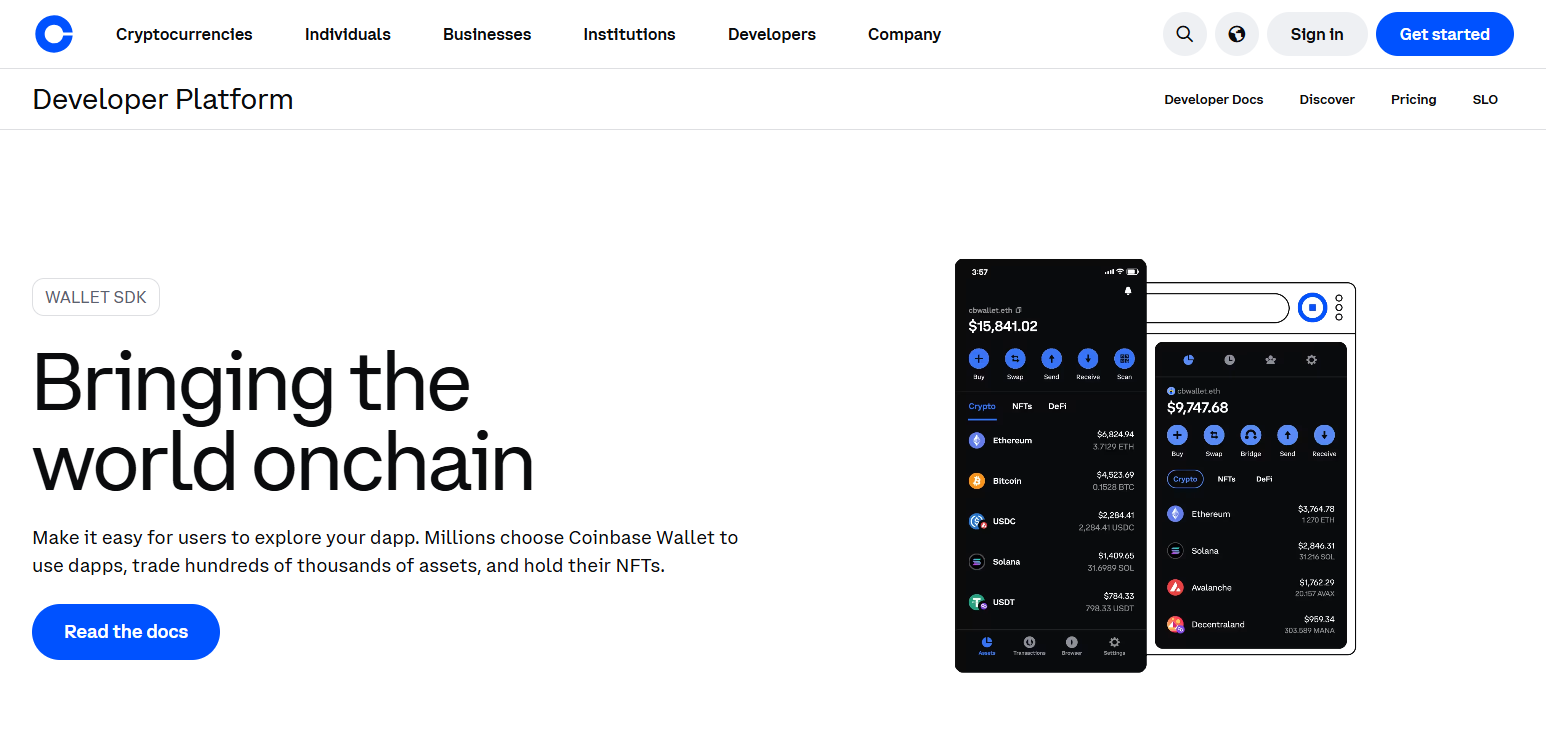
Coinbase Wallet API uses security standards to build an authenticated crypto solution that draws users to a business’s Web 3 applications. The API attracts users by providing a simple and secure crypto authentication solution and has broad user support and integration across multiple blockchains.
Coinbase Wallet API Functions
- Safe Login – Wallet connection with verified secure logins.
- Extensive User Base – Connects apps to millions of crypto wallets.
- Involved Transactions – Conduct transactions and engage with dapps.
- User Asset Protection – Provides high level security for users’ crypto.
- Web3 Focused Compatibility – Multiple blockchains for wider Web3 coverage.
| Pros | Cons |
|---|---|
| Provides secure and trusted wallet authentication services. | Mostly focused around Coinbase ecosystem users. |
| Offers simple integration with decentralized applications. | Limited customization compared with open-source solutions. |
| Benefits from a large crypto user base. | Some advanced blockchain features may require extra tools. |
| Supports multiple blockchain networks and digital assets. | Platform changes may affect application integrations. |
| Provides strong security and brand reliability. | Less suitable for highly customized wallet systems. |
7. Magic API
Magic API aims to simplify crypto authentication in the Web 3.0 space by streamlining the login experience. Users are able to create crypto wallets by way of an email, a social login, and even passwordless methods.
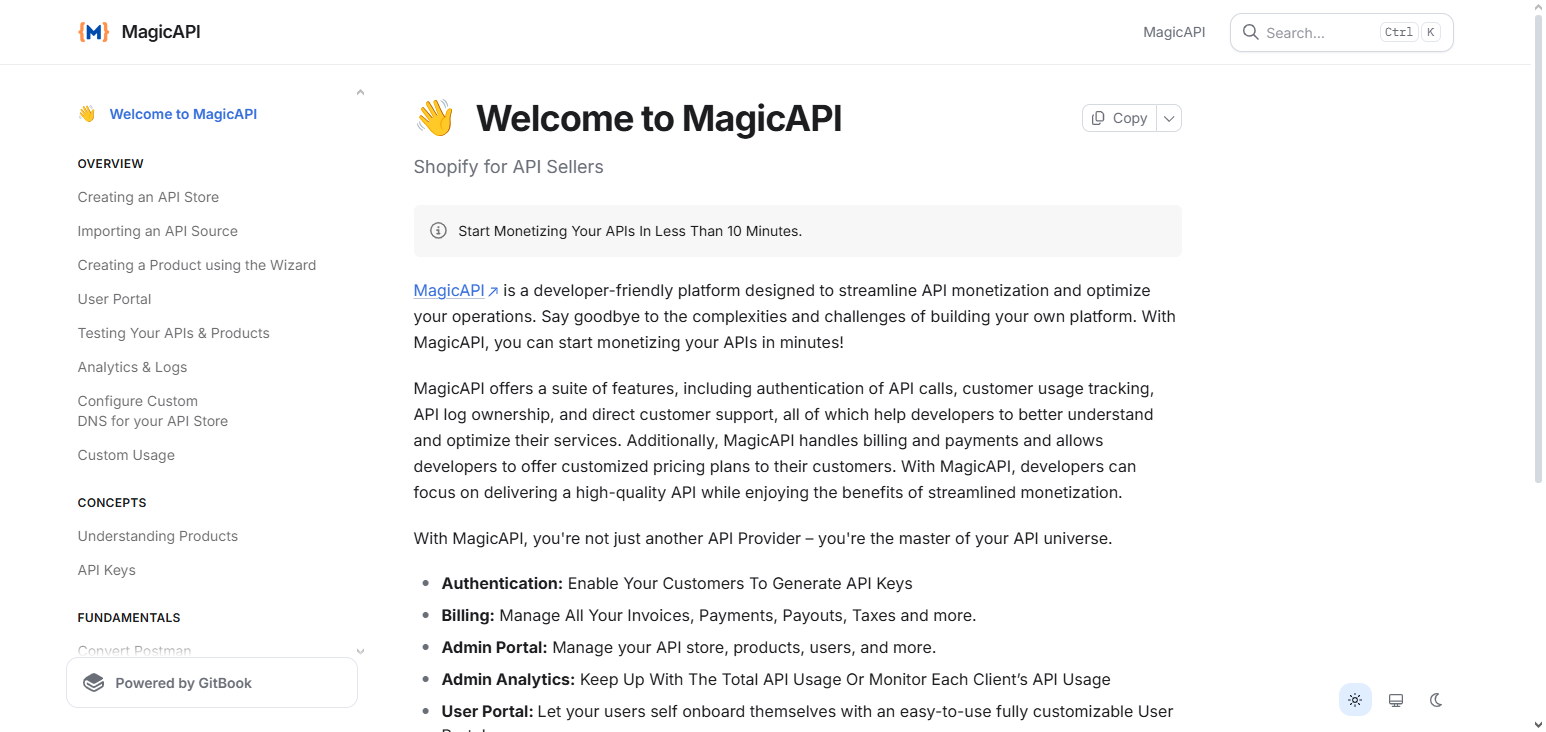
Magic offers an improvement to the user onboarding of Web 3.0 applications by eliminating technical hurdles while preserving the security of blockchain technology. Magic API integrates well to enhance decentralized applications, gaming, and Web 3.0 enterprise solutions.
Magic API Functions
- Passwordless Web3 – Access to Web3 without a password.
- Wallet Creation – Secure wallet creation for users on the platform.
- Social Login – Email and social logins are supported.
- Easy to Use – Lowers the barriers for entry into blockchain.
- Identity Management – Secure user profiling and authentication on the blockchain.
| Pros | Cons |
|---|---|
| Provides passwordless and simple Web3 authentication. | Requires dependence on Magic’s authentication infrastructure. |
| Removes complex wallet setup barriers for beginners. | Advanced developers may need more customization options. |
| Supports email and social login experiences. | Pricing may increase with user growth. |
| Improves mainstream Web3 user adoption. | Limited control over wallet management processes. |
| Offers easy integration for applications and enterprises. | Some users prefer traditional wallet ownership methods. |
8. Web3Auth API
Web3Auth API creates a nexus of traditional methods of user authentication and wallet creation in blockchain technologies. Web3Auth permits users to utilize a variety of methods, including social logins, crypto wallets, and others, to authenticate themselves and create a wallet on the blockchain.
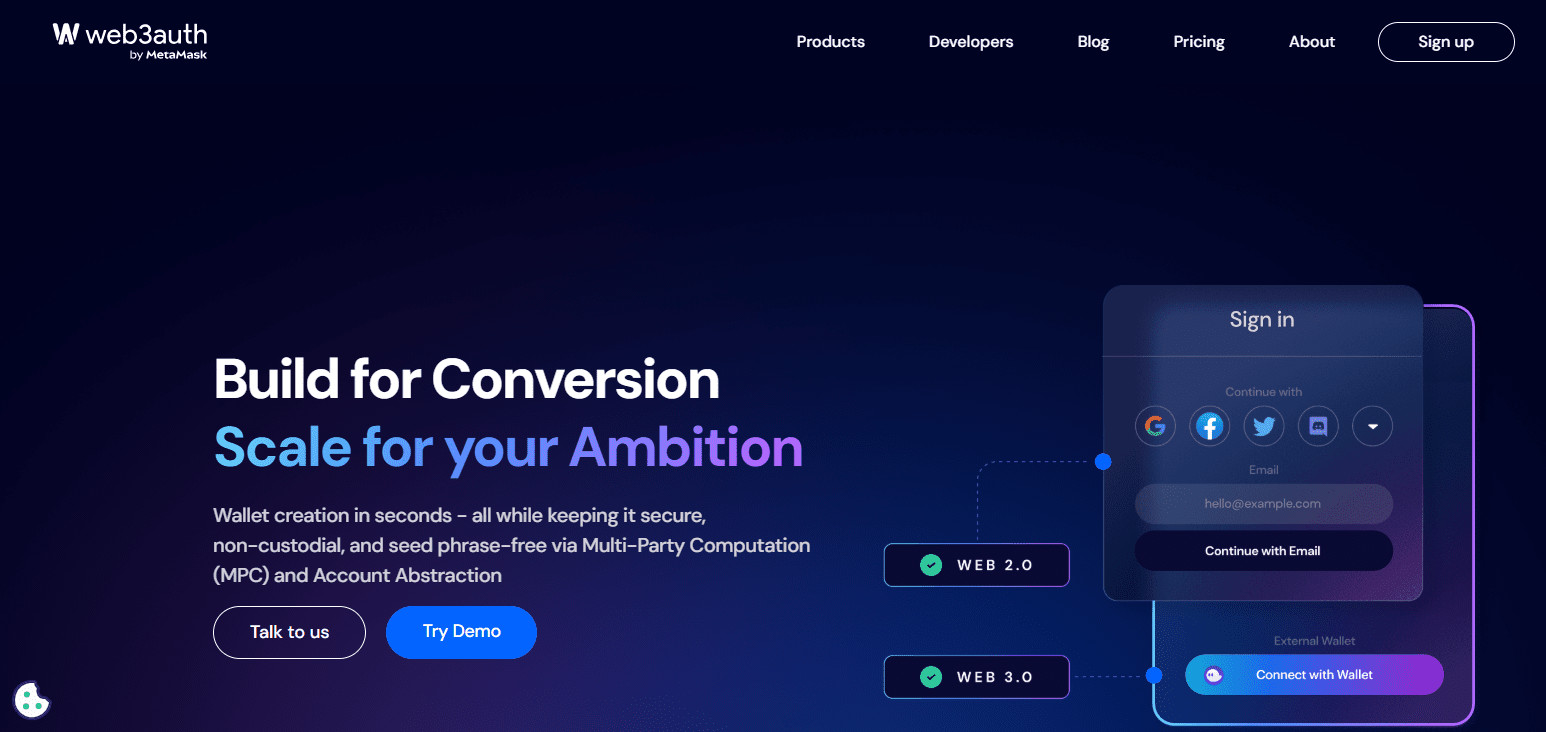
Thanks to Web3Auth, developers can easily onboard users to their secure blockchain solution. Web3Auth is highly popular with developers due to its flexibility and support for numerous authentication methods and blockchains.
Because of this, many Web 3.0 games, finance applications, NFT platforms, and other enterprises are using Web3Auth to propel the mainstream adoption of crypto.
Web3Auth API Features
- Social Login Integration: Users can access wallets via social login.
- Non-Custodial Wallet Support: Wallets can be managed securely without loss of ownership.
- Multi-Chain Support: Applications can be developed across many blockchain protocols.
- Easier User Onboarding: Users can bypass learning about seed phrases.
- Enterprise Authentication Solutions: Large Web3 apps can have security features that scale.
| Pros | Cons |
|---|---|
| Combines Web2 login methods with Web3 wallets. | Advanced configurations require technical expertise. |
| Supports social login and multiple authentication options. | Enterprise features may require premium plans. |
| Improves user onboarding for blockchain applications. | Integration complexity can increase for custom workflows. |
| Provides non-custodial wallet solutions. | Depends on external authentication providers. |
| Supports multiple blockchain networks and applications. | Beginners may find developer tools overwhelming. |
9. Particle Network API
Particle Network API specializes in wallet infrastructure with an emphasis on simplifying the Web3 user experience through integrated wallets and authentication. Developers can build apps on the API that allow users to access blockchain services with the login methods they already know.
This API provides tools for managing multi-chain wallets, account abstraction, and direct communication with blockchains. Particle Network strives to simplify Web3 for end users by abstracting complexity.
This makes it an ideal choice for decentralized applications, game development, and projects that want to offer users the ability to log in with crypto wallets seamlessly.
Particle Network API Features
- Ease of Integration for Developers: APIs and tools accelerate Web3 app development.
- Embedded Wallet Infrastructure: Integrated wallets can be built within Web3 apps.
- Account Abstraction Support: Simplifies interaction with blockchain.
- Multi-Chain Wallet Management: Users can be managed across different blockchains.
- Social Authentication Options: Web2-style authentication allows simplified login.
| Pros | Cons |
|---|---|
| Provides embedded wallets and simplified Web3 experiences. | Relatively newer compared with established providers. |
| Supports account abstraction and multi-chain functionality. | Ecosystem adoption is still growing. |
| Enables familiar login methods for blockchain users. | Advanced features may require technical understanding. |
| Reduces complexity of wallet management. | Documentation may need improvement for beginners. |
| Helps applications attract mainstream Web3 users. | Limited community resources compared with older platforms. |
10. QuickNode API
QuickNode API offers an advanced blockchain infrastructure that helps developers build scalable, secure Web3 applications authenticated by wallets. This API provides a reliable connection to blockchains, developer API documentation, node services, and a data layer on many different blockchains.
QuickNode makes it easy for applications to process and submit transactions securely and efficiently. Its modern infrastructure is commonly used by DeFi projects, NFT marketplaces, blockchain-based games, and companies that need fast and reliable access to blockchains integrated with Web3 authentication services.
QuickNode API Features
- Speedy Blockchain Access: Fast access to many blockchain networks.
- Trusted Node Infrastructure: Managed blockchain nodes with great performance and uptime.
- Blockchain Wallets Support: Interactions and authentication to wallets are enabled.
- API Tools for Developers: A range of blockchains APIs with analytics and monitoring.
- Web3 at Scale: Applications in DeFi, NFTs, Gaming and enterprise Blockchains are supported.
| Pros | Cons |
|---|---|
| Provides fast and reliable blockchain infrastructure. | Pricing can increase with high API usage. |
| Supports multiple blockchain networks and applications. | Mainly focuses on infrastructure rather than complete authentication. |
| Offers scalable node services for enterprises. | Requires developer expertise for advanced integration. |
| Provides strong performance for DeFi and NFT projects. | Free plans have limited resources. |
| Includes useful developer tools and blockchain APIs. | Custom solutions may require additional development work. |
Conclusion
In conclusion, the best available crypto APIs for Web3 authentication and wallet login provide developers with the elements to build blockchain applications that are secure and easy for users to interact with.
These APIs do the heavy lifting for wallet connections, identity verification, and decentralized access, reducing the amount of work developers have to do in the process.
Selecting the best Crypto API ultimately depends on your particular needs for security, support for specific blockchains, cost, and scalability.
With the sophisticated Web3 authentication solutions, businesses are equipped to provide users with a highly integrated system while increasing the use of blockchain technology.
FAQ
Why are Crypto APIs important for Web3 authentication?
They simplify wallet login, verify user identities securely, and improve the onboarding experience for decentralized applications.
Which Crypto API is best for Web3 wallet login?
Popular options include Moralis API, WalletConnect API, Web3Auth API, Magic API, and Alchemy API based on project needs.
Are Crypto APIs secure for wallet authentication?
Yes, reliable Crypto APIs use encryption, digital signatures, and secure authentication methods to protect user information.
Can Crypto APIs support multiple blockchains?
Yes, many Crypto APIs support multiple networks such as Ethereum, Polygon, Solana, and BNB Chain.