This article identifies the Best Decentralized Identity (DID) Crypto Projects for Privacy and Verification, which create affordances for users to have secure control over digital identities.
Built on blockchain and combined with zero knowledge and decentralization, these projects implement systems for secure personal information and verifiable trust.
We will analyze the features, advantages, and significance in establishing secure, privacy-centered Web3 identity.
Key Ponts & Best Decentralized Identity (DID) Crypto Projects for Privacy and Verification
| Decentralized Identity (DID) Crypto Projects | Explanation |
|---|---|
| Civic (CVC) | Provides blockchain identity verification with privacy-focused user-controlled digital credentials. |
| Polygon ID | Enables zero-knowledge identity verification without revealing sensitive personal information. |
| SelfKey (KEY) | Offers decentralized identity wallets for secure verification and document management. |
| Ontology (ONT) | Creates trusted digital identities with decentralized data ownership and verification. |
| BrightID | Uses social verification networks to establish unique human identities securely. |
| Dock (DOCK) | Provides verifiable credentials and decentralized identity solutions for organizations. |
| Worldcoin (WLD) | Uses biometric verification to create privacy-preserving digital human identities globally. |
| KILT Protocol (KILT) | Enables reusable digital credentials with decentralized identity authentication frameworks. |
| Serto | Builds decentralized identity solutions using open standards for trusted interactions. |
| Veramo | Provides modular identity infrastructure for decentralized applications and verification systems. |
10 Best Decentralized Identity (DID) Crypto Projects for Privacy and Verification
1. Civic (CVC)
Civic creates a way for users to control how much of their information they provide to complete a verification step. Users have the ability to build a digitally secure identity that allows them to share the minimal required information to digital services.
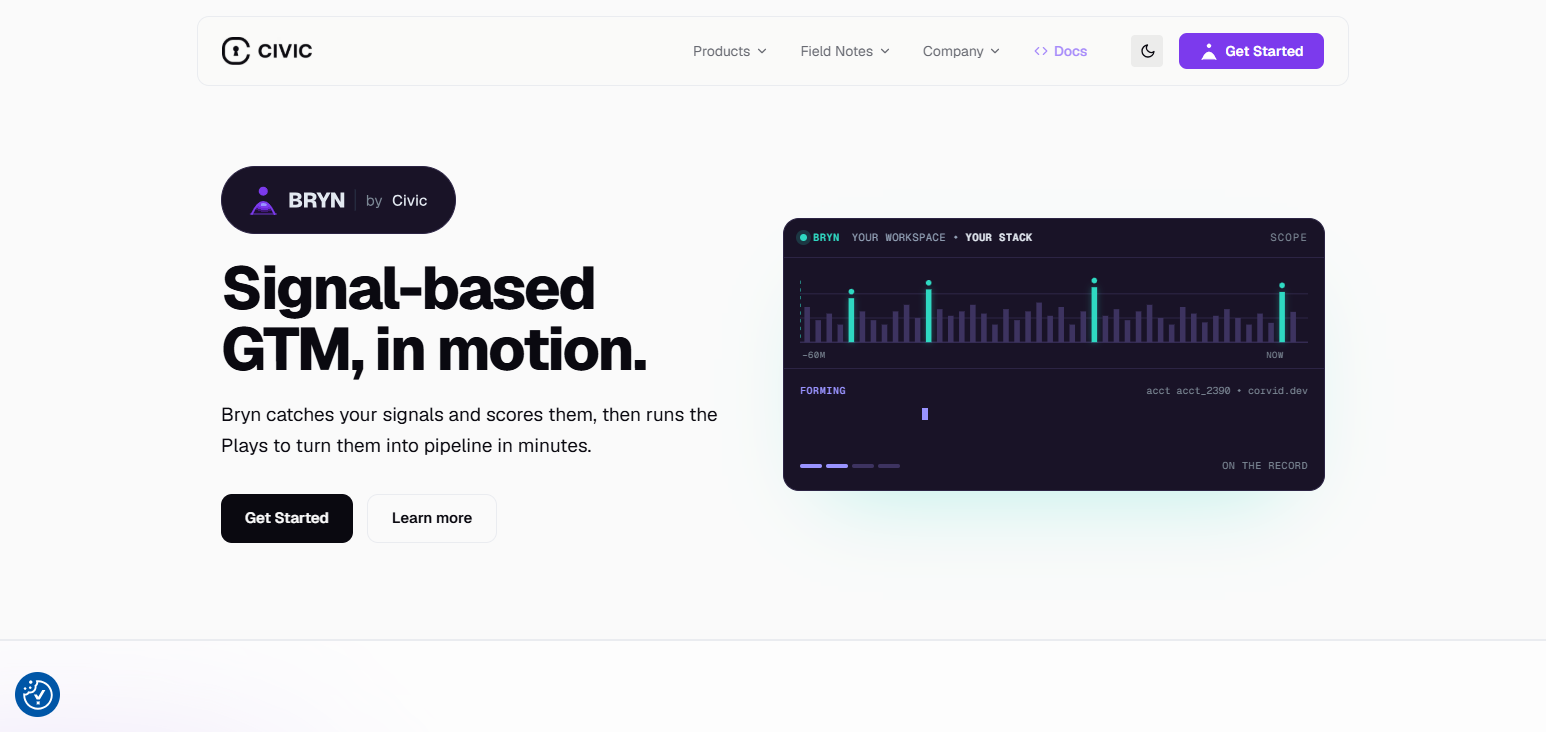
Besides the Civic platform, other companies would have to request a logical verification step to complete a particular process. Using blockchain technology, Civic promises to improve privacy and reduce identity fraud for interested businesses and simplify the verification process for them.
Civic has positioned itself as the leading project for decentralized identity through the secure wallets of Civic users’ identity and portfolio.
Civic (CVC) Features
| Features | Explanation |
|---|---|
| Secure Identity Wallets | Allows users storing verified identities with complete personal data control. |
| Blockchain Verification | Provides decentralized identity verification using secure blockchain-based authentication systems. |
| Privacy Protection | Minimizes data exposure by sharing only necessary identity information. |
| Fraud Prevention | Helps businesses reduce identity theft through trusted verification processes. |
| User Ownership | Gives individuals full control over their digital identity credentials. |
| KYC Solutions | Simplifies customer verification for financial and online service providers. |
| Decentralized Credentials | Enables secure management of reusable digital identity documents. |
| Business Integration | Supports organizations requiring efficient identity verification infrastructure. |
2. Polygon ID
With verification technology that allows for privacy through zero-knowledge proof, Polygon ID is another decentralized identity solution. Designed to the same specifications of the best decentralized identity projects
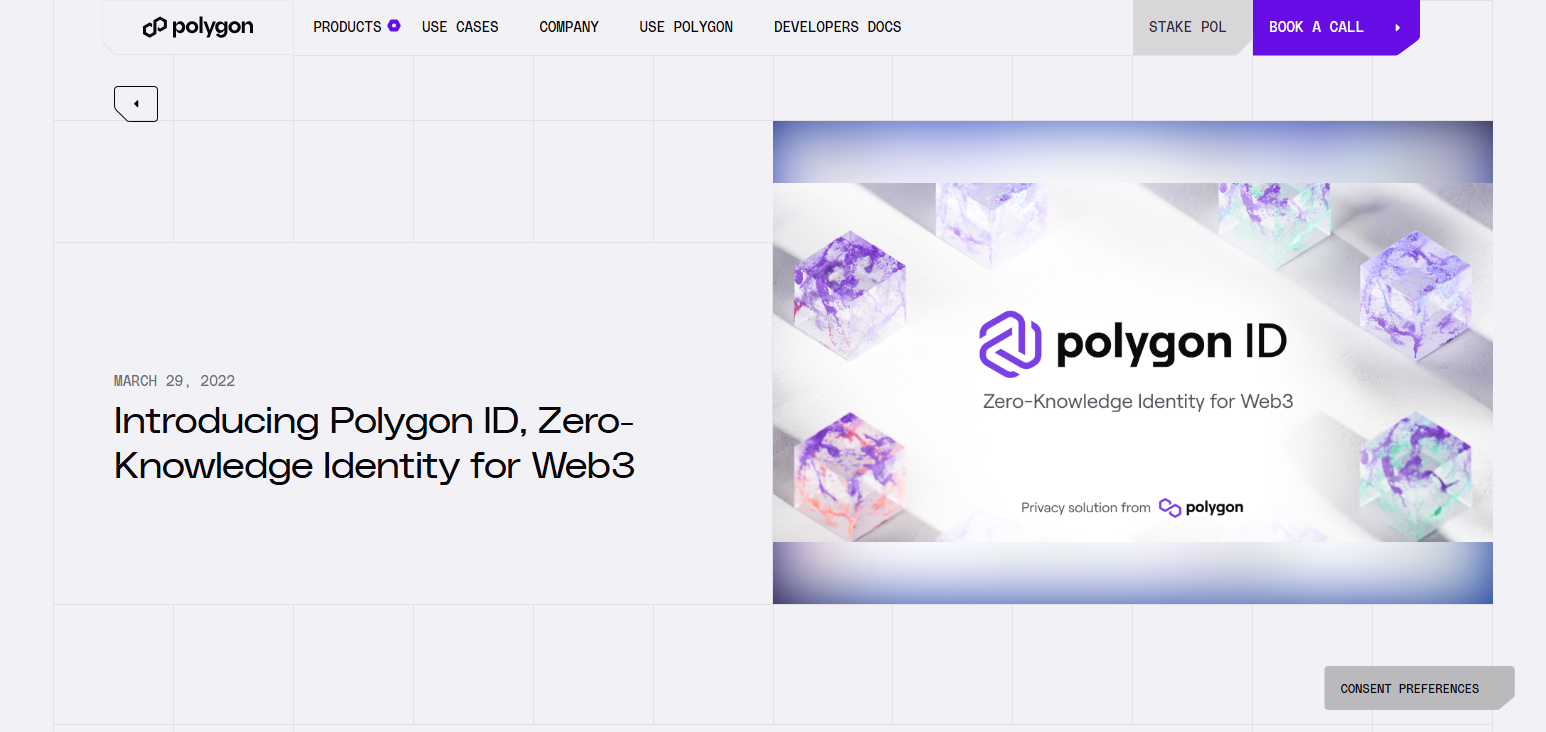
Polygon ID allows the age, membership, and eligibility of individuals to be determined without the unnecessary detail of that person’s identity. Designed with scale in mind, Polygon ID provides an identity solution that is intended for use in the decentralized economy and is compatible in the digital spaces of Web3.
Polygon ID Features
| Features | Explanation |
|---|---|
| Zero-Knowledge Proofs | Enables private verification without revealing sensitive personal information. |
| Privacy-Focused Identity | Protects user data through advanced cryptographic verification methods. |
| Blockchain Scalability | Provides efficient identity solutions using Polygon network infrastructure. |
| Web3 Compatibility | Supports decentralized applications requiring secure user authentication systems. |
| Selective Disclosure | Allows sharing specific information instead of complete identity details. |
| Developer Tools | Offers frameworks for building decentralized identity applications easily. |
| Secure Authentication | Improves verification processes with blockchain-based security mechanisms. |
| Enterprise Adoption | Supports organizations needing scalable identity verification solutions. |
3. SelfKey (KEY)
SelfKey is a decentralized identity system that offers identity wallets to help users safely store and manage personal documents and verification data.
With SelfKey, users can (and are encouraged to) store and manage their identity data without the need for SelfKey to store it for them. SelfKey offers KYC verification, financial onboarding, and digital identity management.

As one of the Best Decentralized Identity (DID) Crypto Projects for Privacy and Verification, SelfKey offers a simple yet effective blockchain-based identity solution that allows users to maintain their privacy while using verified online services.
SelfKey (KEY) Features
| Features | Explanation |
|---|---|
| Digital Identity Wallet | Stores and manages personal identity documents securely. |
| User-Controlled Data | Allows individuals managing information without centralized authorities. |
| KYC Automation | Streamlines identity verification processes for financial services. |
| Document Management | Provides secure storage for important verification documents. |
| Privacy Protection | Reduces unnecessary exposure of personal identity information. |
| Blockchain Security | Uses decentralized technology for trusted identity management. |
| Financial Services | Supports secure onboarding for banking and investment platforms. |
| Credential Sharing | Enables controlled sharing of verified identity information. |
4. Ontology (ONT)
Ontology is a blockchain network that is dedicated to creating a decentralized identity system, data management, and trust-based digital interactions. Within its identity framework, Ontology allows both people and organizations to create verified digital identities, while personal data remains in the sole possession of the identity holder.
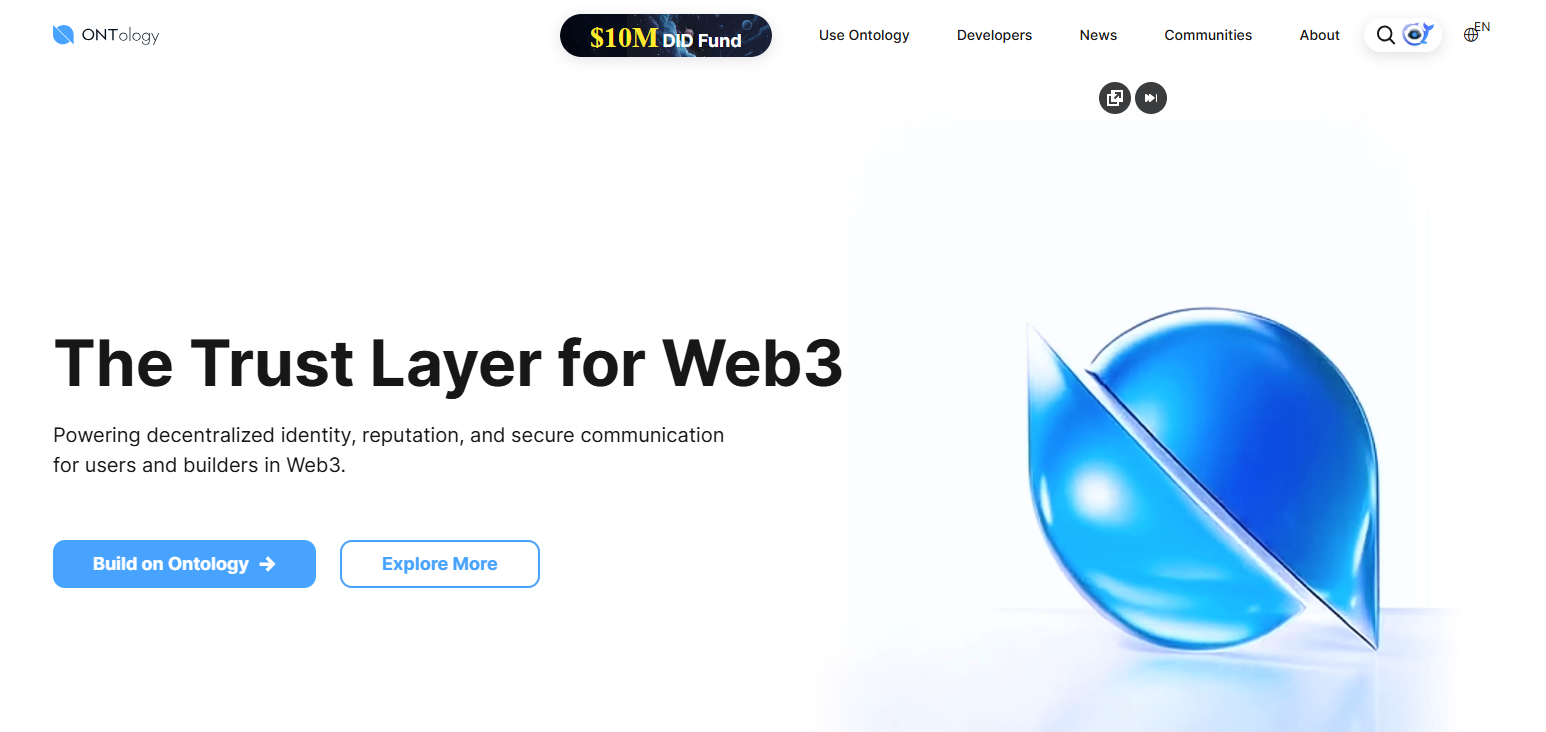
By combining the security of blockchain with decentralized data, Ontology establishes a higher level of privacy and authentication across all sectors. As one of the Best Decentralized Identity (DID) Crypto Projects for Privacy and Verification, Ontology provides institutions verified identity access to their services in a secure manner in all of Web3.
Ontology (ONT) Features
| Features | Explanation |
|---|---|
| Decentralized Identity | Creates trusted digital identities with blockchain-based verification systems. |
| Data Ownership | Gives users control over their personal information securely. |
| Cross-Industry Solutions | Supports identity applications across multiple business sectors. |
| Privacy Enhancement | Protects user information through decentralized data management. |
| Trust Framework | Builds reliable digital interactions between users and organizations. |
| Blockchain Infrastructure | Provides secure identity solutions using distributed technology. |
| Enterprise Support | Helps businesses implement decentralized identity verification systems. |
| Digital Authentication | Enables secure access through verified identity credentials. |
5. BrightID
BrightID is a decentralized identity verification system that strives to prove unique human identity without conventional forms of identification. It employs social verification systems, wherein users rely on their trusted connections to confirm the uniqueness of an account.
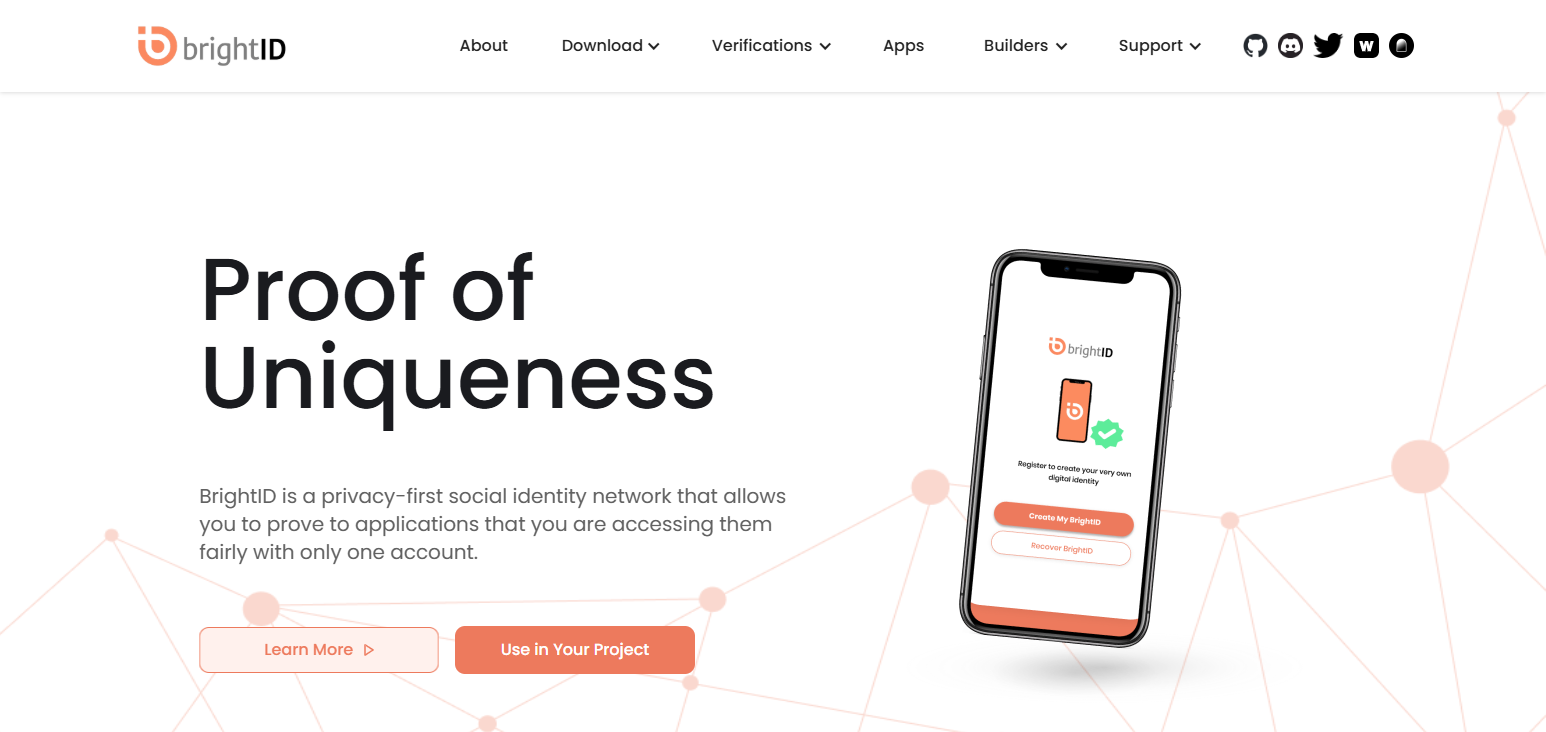
This system will help eliminate fake accounts and bots in decentralized applications and provides a privacy-friendly method for applications that require some form of human verification will help maintain user anonymity. BrightID is one of the Best Decentralized Identity (DID) Crypto Projects for Privacy and Verification.
BrightID Features
| Features | Explanation |
|---|---|
| Human Verification | Confirms unique users without traditional identity documents. |
| Social Verification | Uses trusted networks to validate individual identities. |
| Bot Prevention | Reduces fake accounts through decentralized identity checks. |
| Privacy Protection | Maintains anonymity while proving human uniqueness. |
| Decentralized Network | Operates through community-based identity verification systems. |
| Sybil Resistance | Prevents multiple fake identities across applications. |
| Web3 Integration | Supports decentralized platforms requiring human authentication. |
| Open Identity | Provides accessible identity verification for global users. |
6. Dock (DOCK)
Dock’s decentralized identity infrastructure utilizes blockchain technology to create and manage verifiable credentials. It enables users to manage their identity and credential data while maintaining the ability to share verified information.
Dock provides trust and decreases fraud for businesses while creating efficient workflows for credential verification. Dock is recognized as one of the Best Decentralized Identity (DID) Crypto Projects for Privacy and Verification, and utilizes decentralized identity solutions in the fields of education, employment, and professional certification.
Dock (DOCK) Features
| Features | Explanation |
|---|---|
| Verifiable Credentials | Enables secure creation and sharing of digital certificates. |
| Identity Management | Helps users control personal records and credentials. |
| Blockchain Verification | Provides trusted credential validation through blockchain technology. |
| Fraud Reduction | Prevents fake certificates with decentralized verification systems. |
| Enterprise Solutions | Supports organizations managing professional identity information. |
| Data Privacy | Protects sensitive information through user-controlled access. |
| Credential Portability | Allows reusable credentials across different platforms securely. |
| Web3 Infrastructure | Provides decentralized identity tools for blockchain applications. |
7. Worldcoin (WLD)
Worldcoin is a decentralized identity framework that incorporates biometric technology to establish a system of unique digital identities. Its World ID system allows users to confirm their status as natural persons and conceal their identity through privacy-centered techniques.

This framework aims to mitigate the issues of online identity verification and the proliferation of AI-generated accounts. Worldcoin is recognized as one of the Best Decentralized Identity (DID) Crypto Projects for Privacy and Verification as it focuses on the establishment of a worldwide identity system to facilitate safe engagement in the digital realm.
Worldcoin (WLD) Features
| Features | Explanation |
|---|---|
| Biometric Verification | Uses biometric technology for unique human identity confirmation. |
| World ID | Provides digital identity proving real human existence. |
| Privacy Protection | Uses privacy methods while verifying user authenticity. |
| AI Defense | Helps prevent AI-generated fake identity accounts. |
| Global Identity | Creates worldwide decentralized identity verification networks. |
| Human Authentication | Enables secure proof-of-person verification systems. |
| Digital Inclusion | Provides identity access for underserved populations globally. |
| Blockchain Integration | Uses blockchain technology for secure identity management. |
8. KILT Protocol (KILT)
KILT Protocol is a blockchain identity framework that allows the issuance of digital credentials that can be reused and verified. It allows individuals to obtain credentials from issuers that can be used on various platforms without the need of presenting sensitive information.

KILT is a privacy-centric framework that provides identity data and control of the verification process to the individual. KILT is recognized as one of the Best Decentralized Identity (DID) Crypto Projects for Privacy and Verification as it provides a flexible identity infrastructure for Web3 and decentralized solutions.
KILT Protocol (KILT) Features
| Features | Explanation |
|---|---|
| Reusable Credentials | Allows users using verified credentials across multiple platforms. |
| Data Ownership | Gives individuals control over identity information sharing. |
| Privacy Protection | Prevents unnecessary disclosure of sensitive personal details. |
| Decentralized Authentication | Enables secure identity verification without central authorities. |
| Trusted Issuers | Allows verified organizations issuing reliable credentials. |
| Web3 Identity | Supports blockchain applications requiring decentralized authentication. |
| Credential Management | Provides tools for managing digital identity records. |
| Interoperability | Connects identity systems across different platforms efficiently. |
9. Serto
Serto leverages open identity standards to build trusted digital relationships for organizations. With Serto, organizations can now provide their users, businesses, and applications with the capability to safely share verified credentials without relying on a central identity provider.

Serto is privacy-focused, and like other identity solutions, it is versatile and manages identity on the user’s terms. Serto is one of the Best Decentralized Identity (DID) Crypto Projects for Privacy and Verification and promotes decentralized identity for both enterprise and Web3 ecosystems.
Serto Features
| Features | Explanation |
|---|---|
| Open Standards | Uses decentralized identity standards for trusted interactions. |
| Credential Exchange | Enables secure sharing of verified digital credentials. |
| Enterprise Identity | Supports organizations building decentralized identity systems. |
| Privacy Control | Allows users managing personal information securely. |
| Interoperability | Connects different identity networks and applications. |
| Secure Communication | Enables trusted interactions between digital identities. |
| Developer Support | Provides tools for decentralized identity application development. |
| Identity Automation | Simplifies verification workflows using blockchain technology. |
10. Veramo
Veramo is an open-source decentralized identity framework that offers modular components to build identity-based applications. Decentralized identifiers (DIDs) and verifiable credentials are built into the framework alongside secure communications of digital identities.
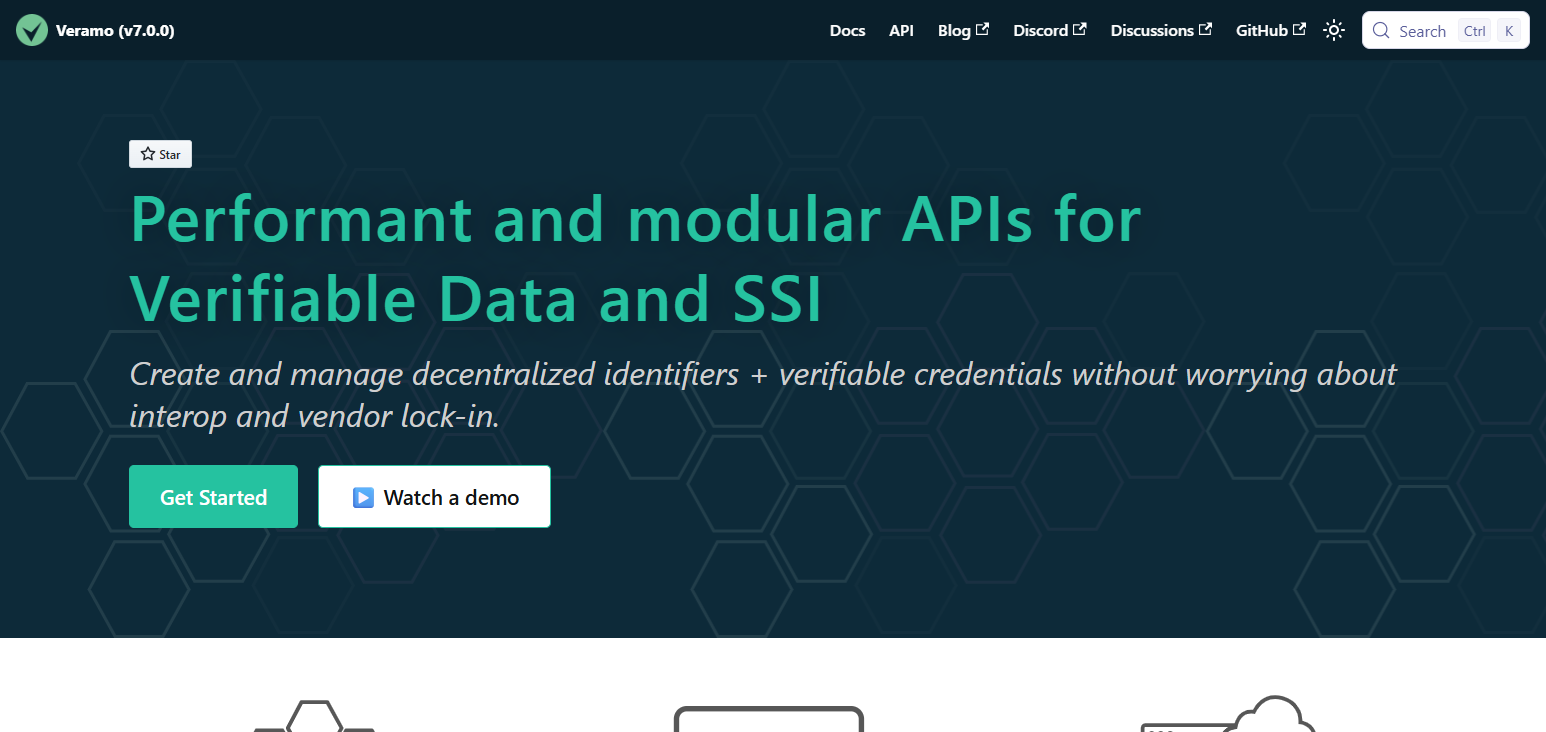
Privacy-centric identity solutions can be built using the customizable infrastructure of Veramo. Veramo is one of the Best Decentralized Identity (DID) Crypto Projects for Privacy and Verification and supports versatile identity management for decentralized applications and the blockchain.
Veramo Features
| Features | Explanation |
|---|---|
| Modular Framework | Provides flexible tools for decentralized identity development. |
| DID Support | Enables creation and management of decentralized identifiers. |
| Credential Management | Supports secure issuance and verification of credentials. |
| Open Source | Allows developers customizing identity infrastructure freely. |
| Blockchain Compatibility | Works with various decentralized technology environments. |
| Secure Communication | Enables trusted interactions between digital identities. |
| Developer Tools | Helps building privacy-focused identity applications efficiently. |
| Application Flexibility | Supports multiple decentralized identity use cases globally. |
Conclusion
In Conclusion The Best Decentralized Identity (DID) Crypto Projects for Privacy and Verification. Digital management of verified identities are evolving with these innovations based on a secure and transparent protocol with user control.
Civic, Polygon ID, SelfKey, and Ontology are examples of the framework that reinforces the safeguarding of personal information and offers trust for verification. With the ongoing developments of Web3, DID technology are instrumental in creating a more secure and privacy-centric digital identity framework.
FAQ
Why are DID Crypto Projects important for privacy?
DID projects protect user privacy by allowing selective data sharing and reducing exposure of sensitive personal information.
How do Decentralized Identity systems work?
DID systems create blockchain-based identities where users control credentials and share verified information securely with trusted platforms.
Which are the Best Decentralized Identity (DID) Crypto Projects?
Popular DID projects include Civic, Polygon ID, SelfKey, Ontology, BrightID, Dock, Worldcoin, KILT Protocol, Serto, and Veramo.
How does Polygon ID improve identity verification?
Polygon ID uses zero-knowledge proofs to verify information without revealing unnecessary personal details, improving privacy and security.