Selecting the appropriate cloud platform is critical to efficiently building, training, and deploying machine learning applications.
In this article, I will discuss the best cloud hosting to host machine learning applications and compare their performance, pricing models, GPU/TPU support, ML frameworks, tools, and best use cases to help businesses and developers choose the right hosting solution.
Our Approach to Selecting the Best Cloud Hosting for ML Applications
- Performance: Check processing speed, scalability and efficiency of model training.
- Pricing: Compare flexibility of payment, pricing and options available.
- GPU/TPU Support: Check if accelerators are available and compute capabilities.
- ML Frameworks & Tools: Look at support for PyTorch, TensorFlow, and MLflow.
- Scalability: Consider the ability of infrastructure to scale to support more machine learning workloads.-
- Deployment: Think about model deployment, inference and automation capabilities.
- Security: Look at data protection, control of access, and compliance features.
- Best Use Cases: Find the best use cases for various machine learning projects.
Key Points & Best Cloud Hosting for Machine Learning Applications
| Cloud Platform | Key Point 1 | Key Point 2 | Key Point 3 |
|---|---|---|---|
| 1. Amazon Web Services (AWS) | Amazon SageMaker supports machine learning development and model deployment capabilities. | Amazon Bedrock provides access to foundation models and generative AI. | Trainium and Inferentia chips supporting cost-effective AI training and inference. |
| 2. Microsoft Azure | Azure AI Foundry provides tools for enterprise artificial intelligence development. | OpenAI model integration enables advanced generative AI applications for enterprises. | Azure Arc enables hybrid cloud management across diverse enterprise environments. |
| 3. Google Cloud (GCP) | Custom TPUs deliver powerful AI computing and large-scale model training. | Vertex AI supporting complete machine learning development and deployment workflows. | BigQuery ML enables analytics-driven machine learning directly within BigQuery itself. |
| 4. NVIDIA DGX Cloud | Full-stack AI supercomputing infrastructure powered by advanced NVIDIA GPU technology. | Optimized software environment for artificial intelligence development and deployment workflows. | Large-scale model training and fine-tuning for demanding enterprise AI workloads. |
| 5. CoreWeave | GPU-focused cloud infrastructure designed specifically for demanding artificial intelligence workloads. | High-density GPU resources supporting demanding large-scale AI model training workloads. | Distributed computing clusters for rendering and large-scale AI processing tasks. |
| 6. Databricks | Unified data and AI platform supporting collaborative machine learning development. | Lakehouse architecture combining data engineering, data science, and analytics capabilities. | Apache Spark and MLflow supporting scalable machine learning and MLOps. |
| 7. Snowflake | Cortex AI provides built-in artificial intelligence capabilities directly within Snowflake. | Snowpark ML supporting machine learning development and scalable model execution. | Governed enterprise data enabling secure AI model training and deployment. |
| 8. Oracle Cloud Infrastructure (OCI) | Bare-metal GPU clusters delivering high-performance AI computing infrastructure for enterprises. | RDMA networking enabling faster communication across large GPU computing clusters. | Enterprise database integration supporting compute-intensive artificial intelligence workloads and applications. |
| 9. IBM Cloud | IBM watsonx providing enterprise-focused artificial intelligence capabilities and development tools. | Governance and compliance features supporting regulated industry requirements and audits. | Red Hat OpenShift enabling hybrid cloud AI deployment and management. |
| 10. Alibaba Cloud | Scalable computing infrastructure supporting demanding artificial intelligence workloads and applications. | AI model services enabling enterprise artificial intelligence application development projects. | Strong regional cloud presence across Asia and Middle Eastern markets. |
10 Best Cloud Hosting for Machine Learning Applications
1. Amazon Web Services (AWS)
Amazon Web Services (AWS) provides a full cloud environment that supports machine learning with Amazon SageMaker AI, Amazon Bedrock and purpose-built compute infrastructure. Performance: With SageMaker, you can build models, run distributed training, automate workflows, and deploy at scale for the most demanding ML applications.
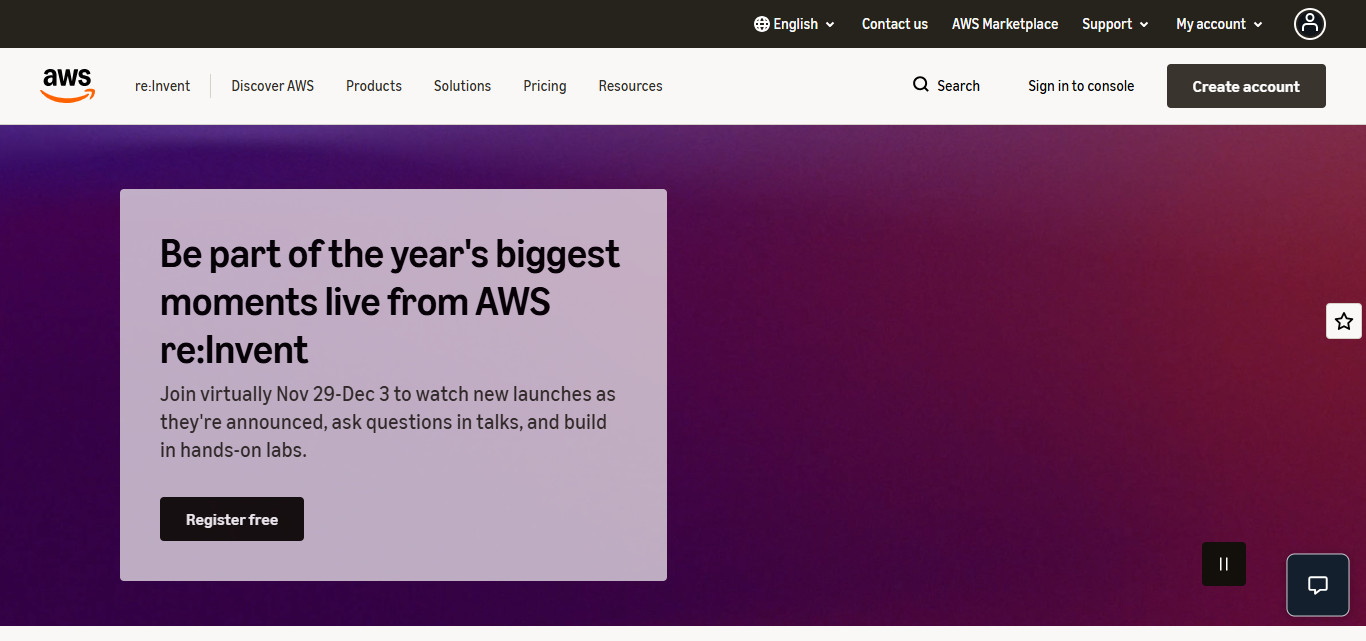
Pricing Model AWS has a pay-as-you-go pricing model. The pricing depends on the compute instances, storage, data transfer and services that are used.
GPU/TPU Support: AWS Trainium accelerators for training and Inferentia chips for inference are available, with NVIDIA GPU instances also an option. ML Frameworks & Tools: Developers are able to use PyTorch, Tensorflow, Hugging Face, Jupyter notebooks and SageMaker tools to experimentate, train and deploy models.
Amazon Web Services (AWS) Best Use Case
- Training and serving large scale machine learning algorithms.
- Developing generative AI applications on Amazon Bedrock.
- Enterprise ML workflows that require scalable computing infrastructure.-
- Real-time prediction systems and automated model inference.
2. Microsoft Azure
Microsoft Azure offers machine learning hosting for enterprises with Azure Machine Learning and Azure AI Foundry. Performance: Scalable compute infrastructure for model training, automated machine learning, real-time inference, and distributed workloads.
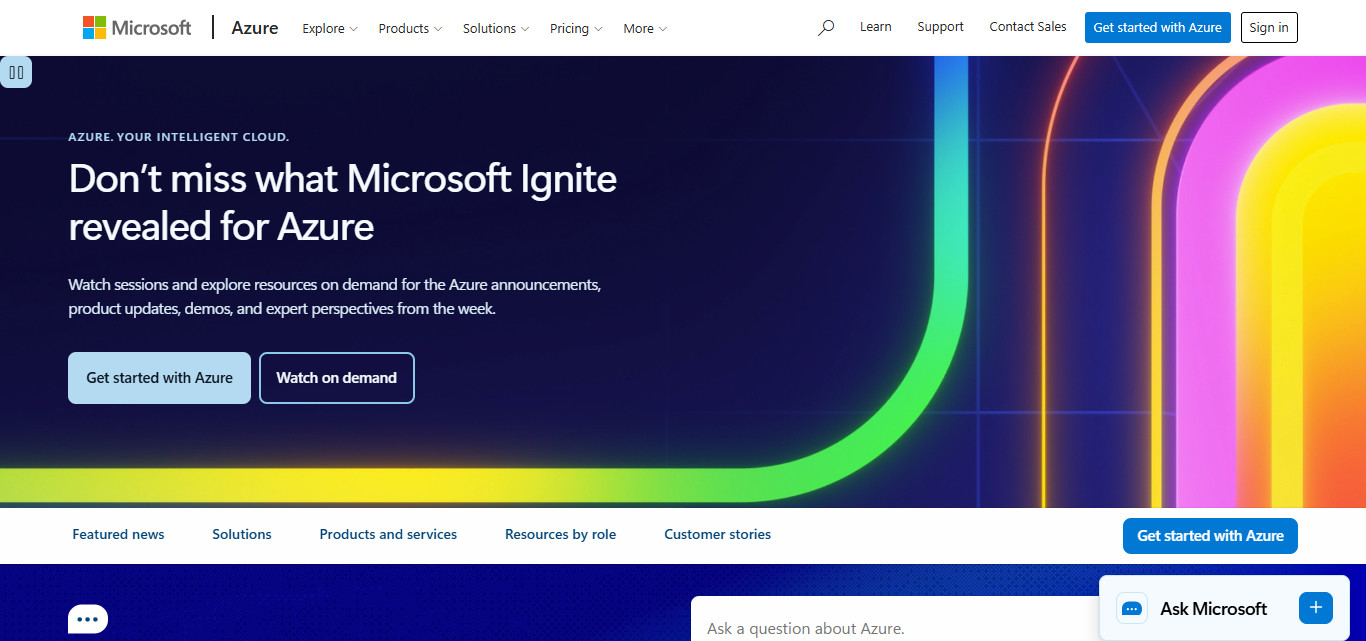
Pricing Model: Azure charges based on consumption for computing, storage, networking and related services, with options to reserve capacity for eligible resources. There is no separate service charge for Azure Machine Learning, but charges do apply for various underlying resources.
GPU/TPU Support: GPU-enabled virtual machines (NVIDIA-powered ND and NC series) for heavy-duty training and inference workloads. ML Frameworks & Tools Azure supports enterprise model development and deployment with PyTorch, TensorFlow, Scikit-learn, MLflow, Hugging Face, and auto ml tools.
Microsoft Azure Best Use Case
- Enterprise Machine Learning Application Development and Deployment.
- Generative AI solutions based on OpenAI models
- Hybrid cloud ML environments with a need for centralized management.
- Business apps leveraging AI with Microsoft enterprise services.
3. Google Cloud (GCP)
Google Cloud’s machine learning infrastructure includes Vertex AI, BigQuery ML, and its custom Tensor Processing Units. Performance Vertex AI offers capabilities for end-to-end ML workflows including data preparation, model training, experimentation, evaluation and deployment.
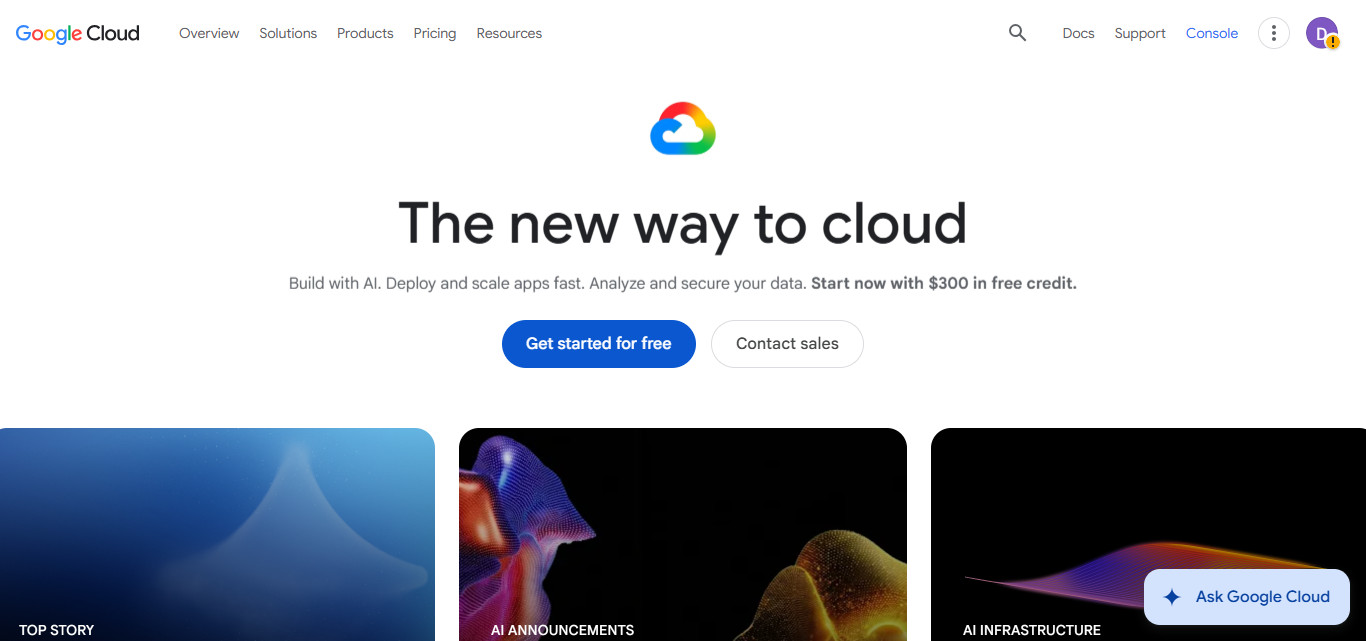
Pricing Model Google Cloud has a pay-as-you-go billing model, and TPU resources are available with on-demand, Spot and committed use pricing options. GPU/TPU Support: Users can utilize NVIDIA GPUs and Google Cloud TPUs, including custom accelerators designed for demanding machine learning workloads.
ML Frameworks & Tools: It has an ecosystem that supports TensorFlow, PyTorch, JAX, scikit-learn, Vertex AI Workbench and BigQuery ML. These capabilities make Google Cloud well-suited for analytics-driven applications, deep learning and scalable model development.
GCP (Google Cloud) Best Use Case
- Deep learning projects that require high TPU acceleration.
- Vertex AI for large scale machine learning model development.
- BigQuery ML and enterprise data sets for predictive analytics.
- Generative AI applications that require scalable compute resources.
4. NVIDIA DGX Cloud
NVIDIA DGX Cloud is a managed AI supercomputing infrastructure for organizations building and training large ML models. Performance: Optimized computing clusters support large-scale model training, fine-tuning, distributed workloads, and advanced generative AI development.
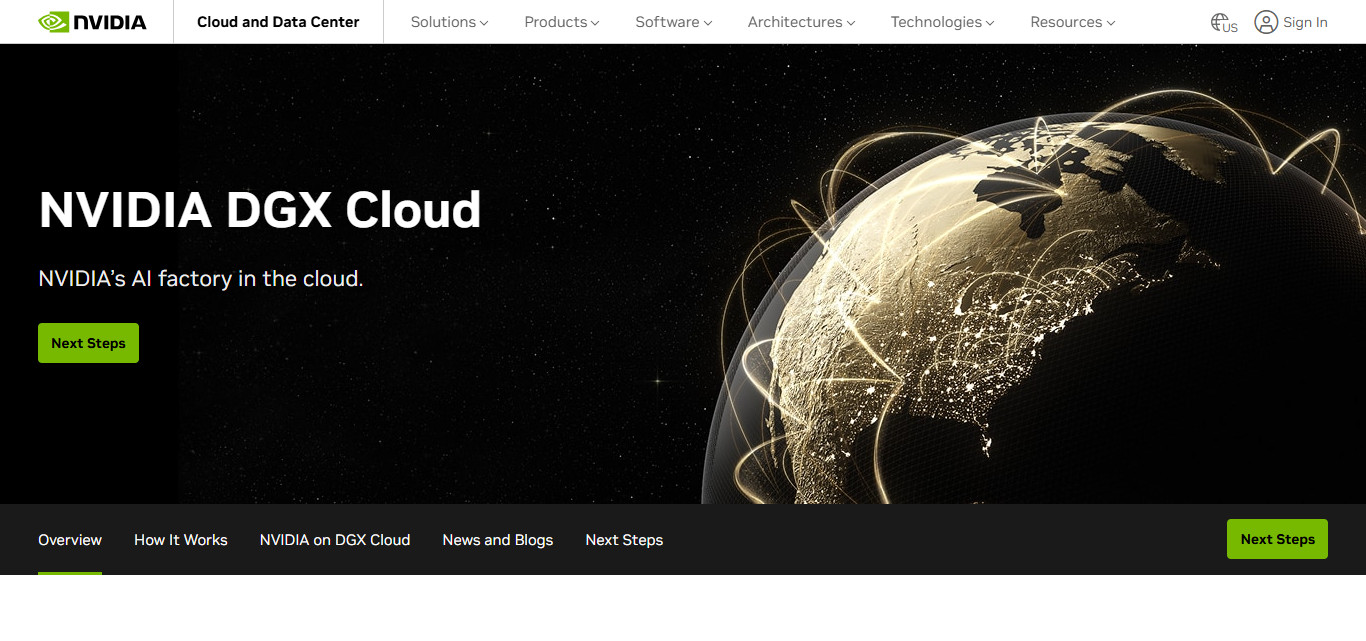
Pricing Model: Pricing is generally based on enterprise agreements, private offers or buying via a cloud marketplace, not a single public subscription price. GPU / TPU Support : The platform is built on top of NVIDIA accelerated computing infrastructure comprising of high performance GPU clusters based on the selected cloud deployment.
ML Frameworks & Tools: The software ecosystem includes support for PyTorch and TensorFlow, as well as CUDA, NeMo, TensorRT and the entire NVIDIA AI Enterprise. Organizations can deploy through supported cloud partners, including AWS, Azure, Google Cloud and OCI.
DGX Cloud Best Use Case
- Training Foundation Models and Large Language Models
- Refining advanced generative AI and deep learning models.
- Research projects requiring high performance GPU supercomputing
- Massive development of AI using distributed GPU computing.
5. CoreWeave
CoreWeave is a GPU-accelerated cloud infrastructure provider specializing in machine learning training, inference, rendering, and high performance computing. Performance: Its infrastructure offers high-speed networking, GPU clusters, and scalable computing resources for demanding AI workloads.
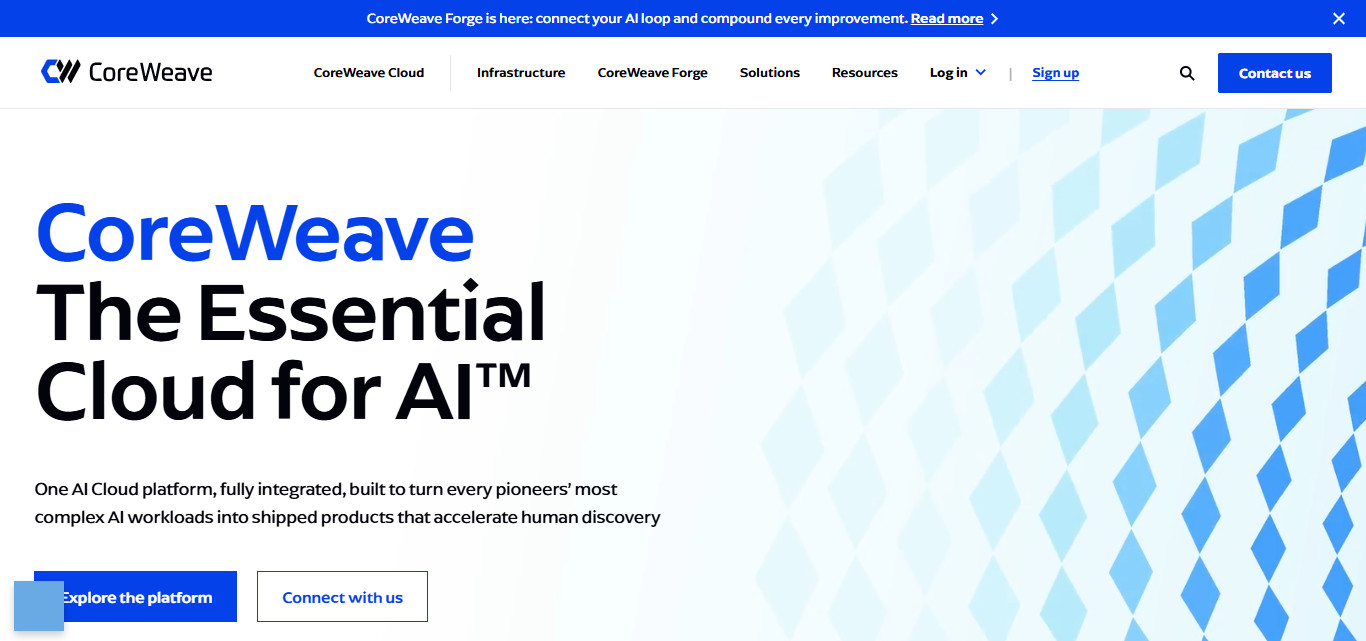
Pricing Model CoreWeave offers on-demand and Spot GPU pricing, enabling organizations to choose resources according to workload needs and availability. GPU/TPU Support Its offerings include the following, depending on region and availability, based on the NVIDIA GPU: H100, H200, A100, and newer Blackwell-based systems.
ML Frameworks & Tools: You can train and deploy models using PyTorch, TensorFlow, Kubernetes and container-based workflows. Its infrastructure is perfectly suited for teams that need dedicated GPU capacity and distributed AI computing.
CoreWeave Best Use Case
- Training machine learning algorithms that require lots of GPUs.
- Large language model development and tuning.
- AI inference workloads that require dedicated GPU resources.
- Distributed computing for generative AI and rendering workloads
6. Databricks
Databricks is the Data and AI company. We unify data engineering, data science and analytics on an open platform. Performance: Its infrastructure built on Apache Spark enables distributed data processing, collaborative model development, large-scale training, and production ML workflows.
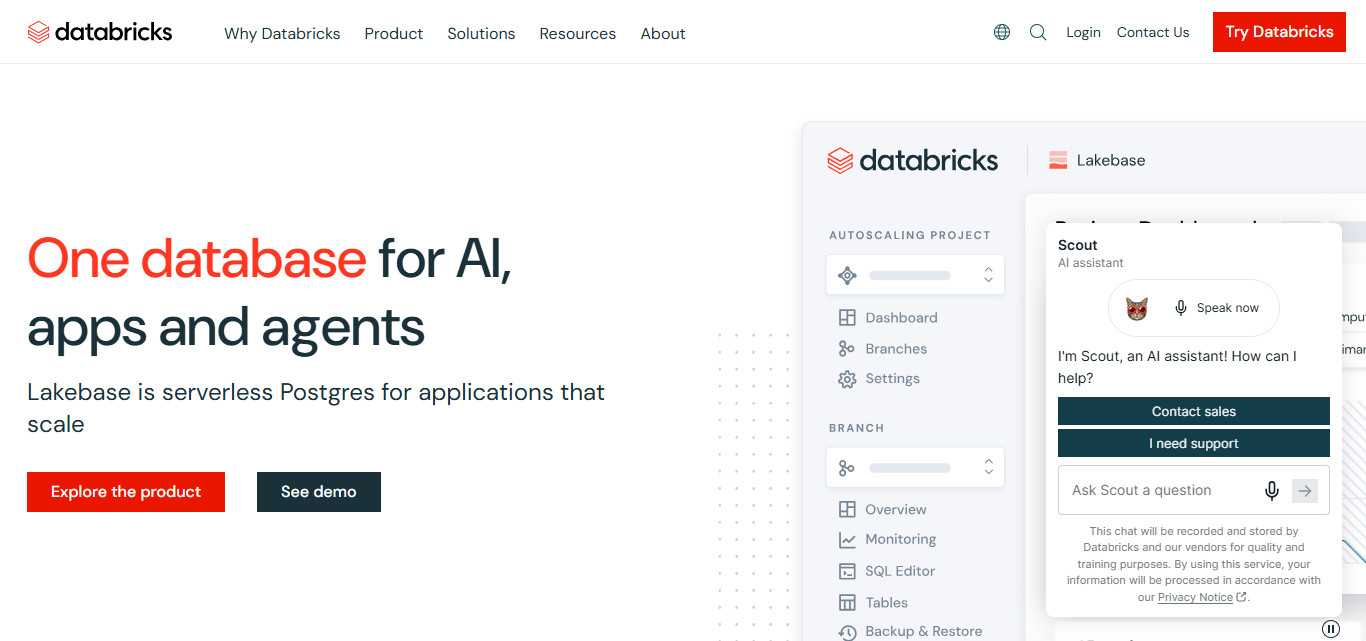
Pricing Model: Databricks typically provides consumption-based pricing via Databricks Units (DBUs), and underlying cloud infrastructure costs will vary based on deployment. GPU/TPU Support: Supports GPU-enabled compute resources on compatible cloud infrastructure including NVDIA GPU instances for deep learning workloads.
ML Frameworks & Tools : It has MLflow, Apache Spark MLlib, PyTorch, TensorFlow, Hugging Face, Feature Store and automated machine learning capabilities in its ecosystem. If you want to get enterprise data management and machine learning development and MLOps working together, Databricks is a good place to do it.
Databricks Best Use Case
- Machine learning projects using large enterprise datasets.
- Work together with data science teams on model development.
- MLflow to build production-ready ML pipelines.
- MLOps with Data Engineering and ML integration
7. Snowflake
Snowflake is a cloud-based data platform that has machine learning capabilities with Snowflake Cortex AI and Snowpark ML. Performance: The architecture allows organizations to process governed enterprise data, build predictive models, and combine AI workloads with current analytics environments.
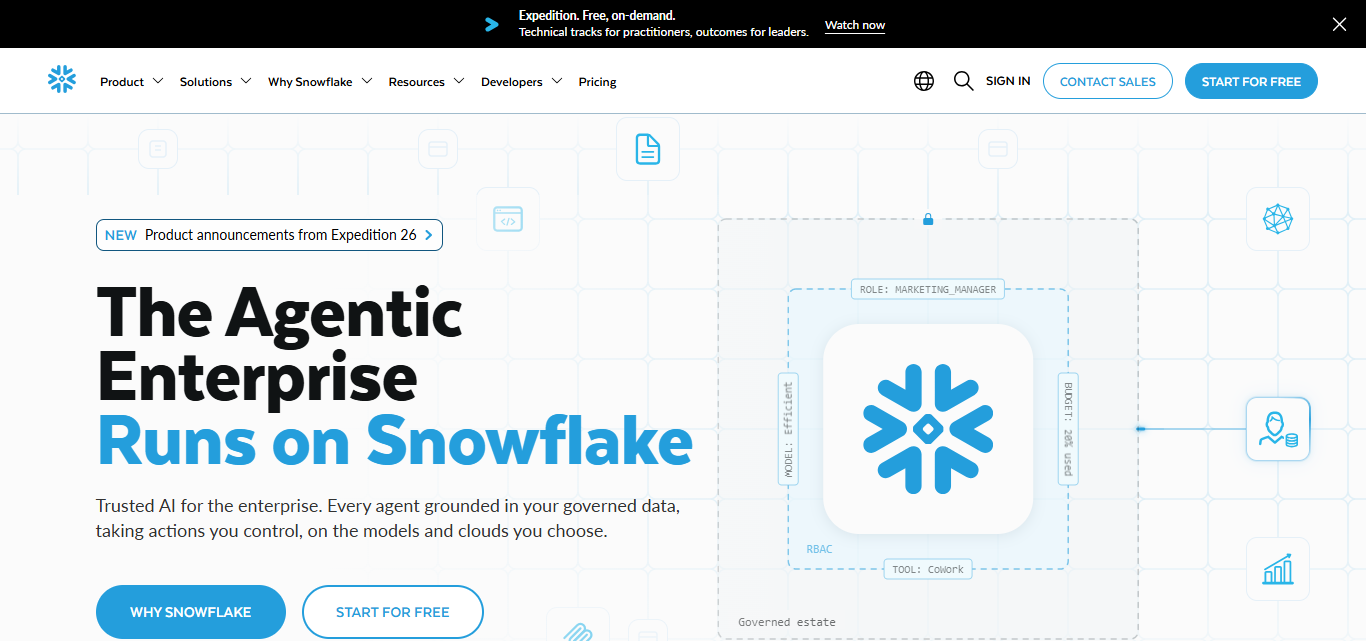
Pricing Model Snowflake’s pricing is consumption-based and includes separate charges for compute credits, storage, and applicable serverless services. GPU/TPU Support Snowflake provides managed AI and GPU capabilities via supported services, but doesn’t offer the same level of direct control over GPU infrastructure as specialized GPU cloud providers.
ML Frameworks & Tools: Snowpark ML, Python, scikit-learn, XGBoost, and Snowflake Cortex enable model development, machine learning workflows, and AI applications. It works for teams who value governed data and integrated analytics.
Snowflake Best Use Case
- Machine learning with governed corporate data
- Business intelligence and predictive analytics applications.
- Applications with Snowflake Cortex powered by AI.
- Develop data-driven models without massive data movement.
8. Oracle Cloud Infrastructure (OCI)
Oracle Cloud Infrastructure (OCI) offers high-performance computing resources to support machine learning, deep learning and large-scale AI. Performance: It supports distributed training and compute-intensive workloads with its bare-metal GPU clusters, high-bandwidth networking and RDMA technology.
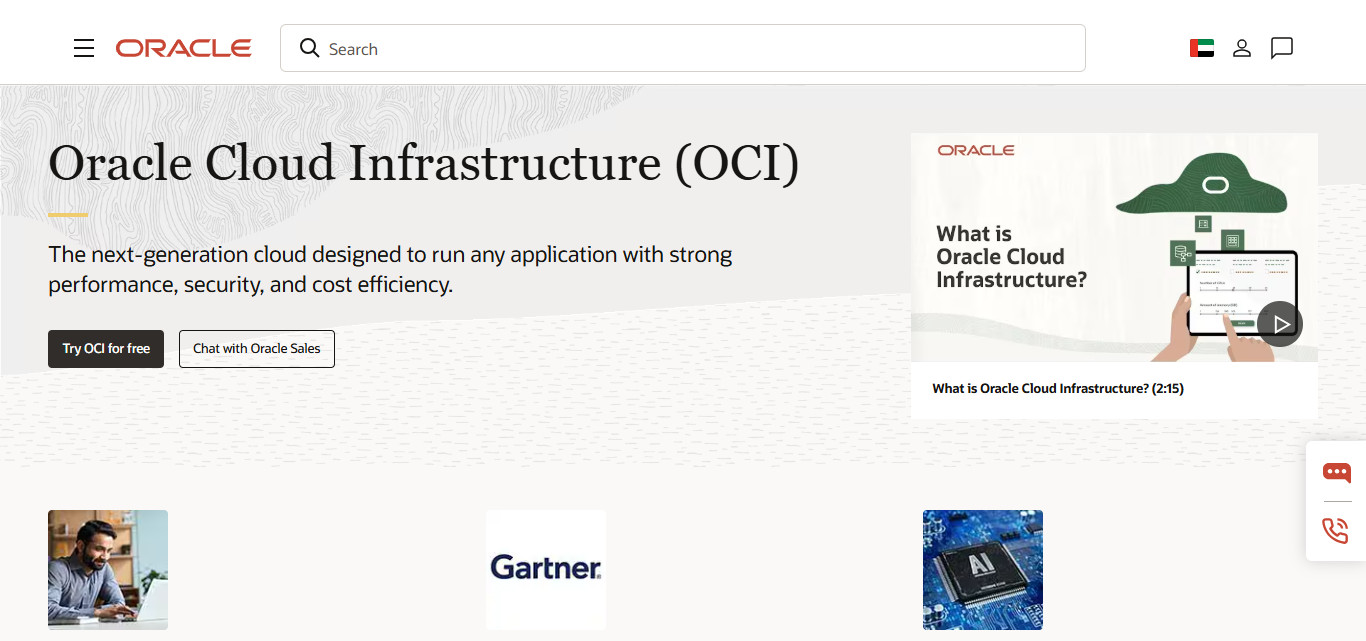
Pricing Model OCI uses a pay-as-you-go pricing model, with flexible consumption-based options and committed-use discounts for eligible services. GPU/TPU Support: Its infrastructure is comprised of NVIDIA GPUs such as A100, H100, H200 and more recent Blackwell-based configurations, as well as some AMD accelerators.
ML Frameworks & Tools: Developers are able to use PyTorch, TensorFlow, NVIDIA CUDA, Kubernetes and Oracle Cloud AI services for model development and deployment. Robust computing, database integration, and scalable AI infrastructure are well-suited for enterprises that need them.
Oracle Cloud Infrastructure (OCI) Best Use Case
- Training of deep learning and AI models at scale.
- Enterprise machine learning applications that are GPU-intensive.
- Distributed training requires high-speed networking infrastructure.
- AI workloads integrated with Oracle’s enterprise databases.
9. IBM Cloud
IBM Cloud helps enterprises build machine learning with hybrid cloud infrastructure and Red Hat OpenShift integration with IBM watsonx. Performance: The platform handles model development, fine-tuning, inference, and enterprise AI workloads across flexible cloud settings.
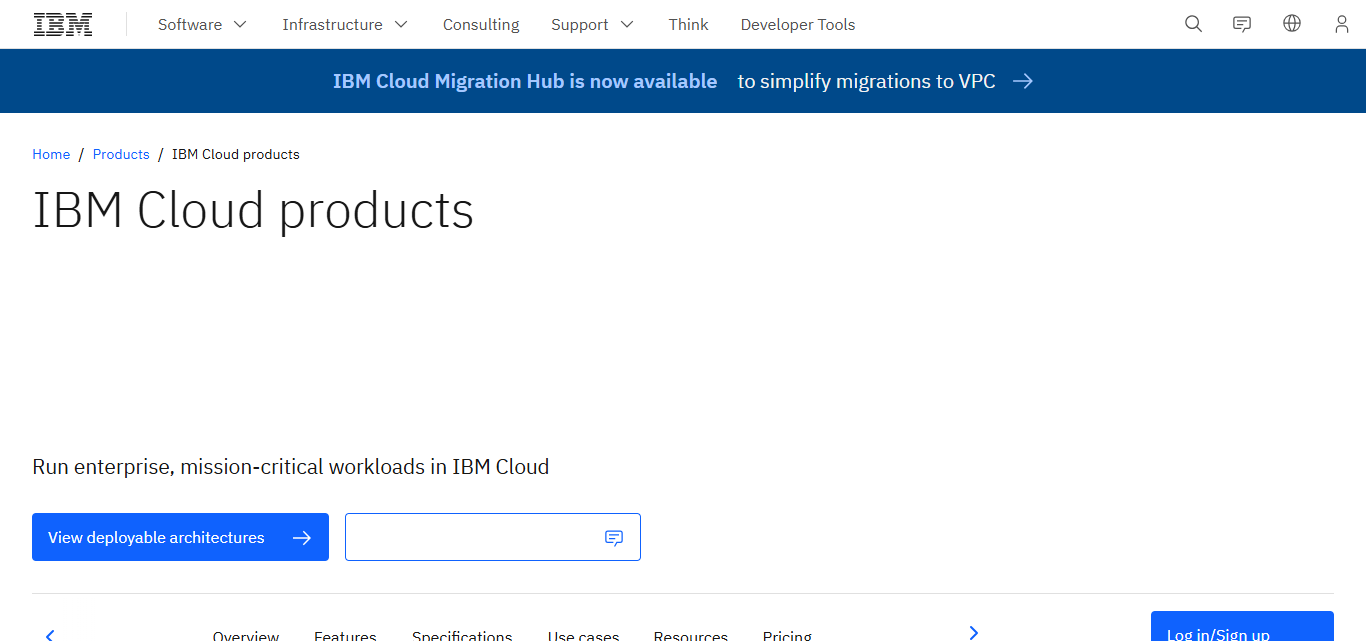
Pricing Model: IBM offers pay-as-you-go, free-tier and enterprise production plans. Charges vary based on computing and model usage. GPU/TPU Support: GPU accelerated computing is available through supported infrastructure and deployment configurations based on your region and service selection.
ML Frameworks & Tools: The ecosystem includes watsonx.ai, PyTorch, TensorFlow, scikit-learn, Jupyter notebooks, and OpenShift-based deployment tools. If your organization needs enterprise governance, compliance, hybrid deployment and controlled machine learning operations, IBM Cloud is particularly relevant.
IBM Cloud Best Use Case
- Machine learning in regulated industries.
- Building enterprise AI with IBM watsonx.
- Centralized governance needs for hybrid cloud deployments.
- Predictive analytics and business automation apps.
10. Alibaba Cloud
Alibaba Cloud’s machine learning infrastructure includes Platform for AI (PAI), scalable computing resources and integrated AI model services. Performance PAI provides the full lifecycle of machine learning, including data preparation, model building, distributed training and deployment.
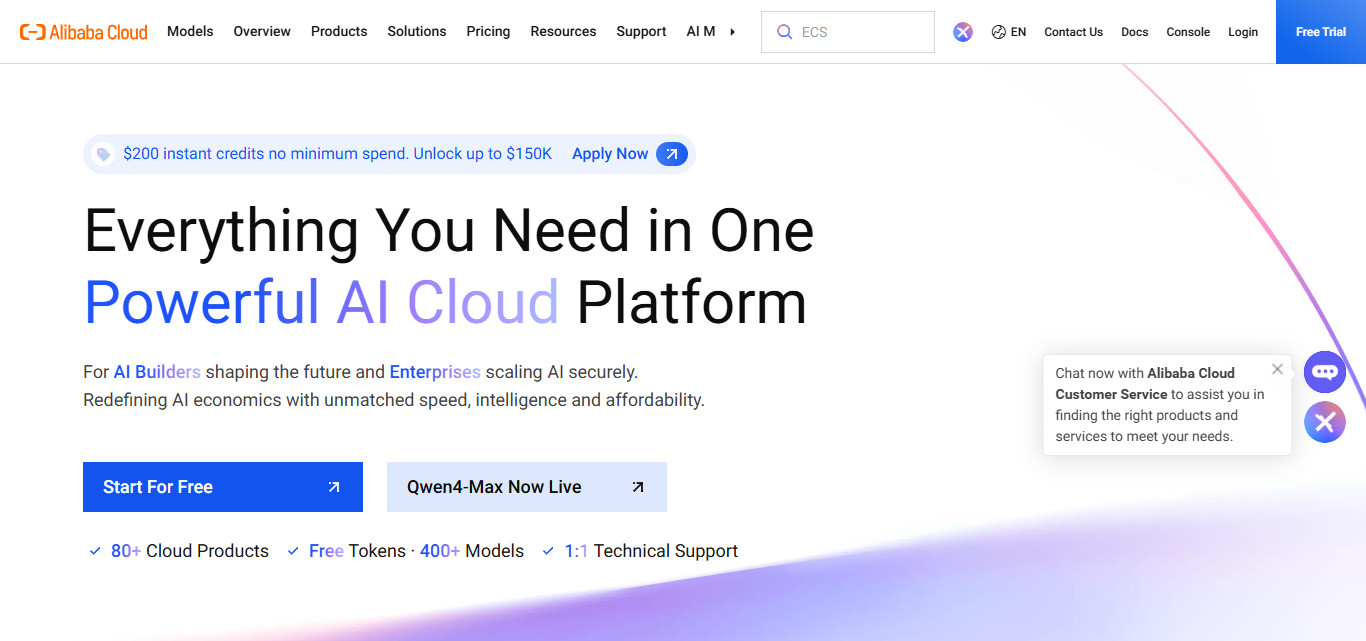
Pricing Model Alibaba Cloud generally provides pay-as-you-go billing, with subscription and resource-based pricing options based on the services selected. GPU/TPU Support: There are NVIDIA GPU instances, high-speed RDMA networking and special compute resources for heavy AI workloads.
ML Frameworks & Tools: PAI supports PyTorch, TensorFlow, DeepSpeed, Megatron and Alink. Tools include Data Science Workshop and Elastic Algorithm Service. The regional infrastructure is relevant for companies that want to target markets in Asia and Middle East.
Alibaba Cloud Best Use Case
- Machine learning applications in Asian markets.
- Training AI models on Alibaba Cloud PAI.
- Enterprise data processing and predictive analytics with big data.
- Applications of generative AI that require a scalable GPU infrastructure.
Conclusion
To summarize, the top cloud hosting to host machine learning applications depends on performance, pricing, GPU support, and development needs. Full ML ecosystems are provided by AWS, Azure, and Google Cloud, whereas CoreWeave and NVIDIA DGX Cloud are focused on GPU computing.
Data-driven workflows are made easier by Databricks and Snowflake. Compare features, scalability and costs of each platform to pick the right solution for your machine learning projects.
FAQ
Which cloud hosting is best for machine learning?
AWS, Google Cloud, and Azure offer comprehensive machine learning infrastructure.
Which cloud platform provides the best GPU support?
NVIDIA DGX Cloud and CoreWeave offer powerful GPU infrastructure.
Is AWS good for machine learning applications?
Yes, AWS supports scalable training, deployment, and generative AI.
Which cloud hosting is best for deep learning?
Google Cloud, AWS, and NVIDIA DGX Cloud support deep learning.