

In this article, I will discuss the AI breakthroughs in personalized medicine, transforming how healthcare is delivered in 2026.
- Key Points & AI Breakthroughs In Personalized Medicine
- 18 AI Breakthroughs In Personalized Medicine
- 1. Genomic Data Analysis
- 2. Predictive Disease Modeling
- 3. Precision Oncology
- 4. Drug Discovery Acceleration
- 5. Digital Twins of Patients
- 6. Radiology Image Interpretation
- 7. Personalized Treatment Plans
- 8. Wearable Health Monitoring
- 9. Voice and Speech Biomarkers
- 10. Chronic Disease Management
- 11. Clinical Trial Optimization
- 12. Mental Health Support
- 13. Microbiome Analysis
- 14. Rare Disease Diagnosis
- 15. Robotic Surgery Assistance
- 16. Pharmacogenomics
- 17. Remote Patient Monitoring
- 18. Holistic Lifestyle Integration
- Conclsuion
- FAQ
From genomic analysis and predictive disease modeling to AI-driven treatments and real-time monitoring, these innovations enable highly customized care.
AI is helping doctors make faster, smarter decisions, improving patient outcomes while shifting healthcare toward a more precise, preventive, and data-driven approach.
Key Points & AI Breakthroughs In Personalized Medicine
Genomic Data Analysis AI deciphers complex genetic codes, identifying mutations and tailoring treatments for individual patient profiles.
Predictive Disease Modeling Algorithms forecast disease risks early, enabling preventive care and lifestyle interventions before symptoms appear.
Precision Oncology AI matches cancer patients with targeted therapies based on tumor genetics, improving survival and treatment outcomes.
Drug Discovery Acceleration Machine learning rapidly screens compounds, predicting effectiveness and toxicity, drastically reducing drug development timelines.
Digital Twins of Patients AI creates virtual patient models to simulate treatment responses, optimizing personalized care strategies safely.
Radiology Image Interpretation Deep learning detects subtle anomalies in scans more accurately than humans, aiding early diagnosis and treatment.
Personalized Treatment Plans AI integrates genetic, clinical, and lifestyle data to recommend individualized therapies for maximum effectiveness.
Wearable Health Monitoring Smart devices powered by AI continuously track vitals, predicting health issues before emergencies occur.
Voice and Speech Biomarkers AI analyzes speech patterns to detect neurological or psychiatric conditions, enabling earlier personalized interventions.
Chronic Disease Management AI systems monitor diabetes, hypertension, and heart disease, adjusting treatments dynamically for each patient.
Clinical Trial Optimization AI identifies suitable participants faster, ensuring trials are efficient, inclusive, and more representative.
Mental Health Support AI tools personalize therapy recommendations using patient history, improving outcomes in depression and anxiety care.
Microbiome Analysis AI studies gut bacteria interactions, tailoring diets and treatments to improve digestive and metabolic health.
Rare Disease Diagnosis AI recognizes unusual symptom patterns, accelerating diagnosis and treatment for rare, often overlooked conditions.
Robotic Surgery Assistance AI-guided robots enhance precision in surgeries, adapting techniques to patient-specific anatomy and needs.
Pharmacogenomics AI predicts drug responses based on genetic makeup, minimizing side effects and maximizing therapeutic benefits.
Remote Patient Monitoring AI platforms track patients at home, alerting doctors to changes requiring immediate personalized intervention.
Holistic Lifestyle Integration AI combines nutrition, exercise, and sleep data to design personalized wellness programs for long-term health.
18 AI Breakthroughs In Personalized Medicine
1. Genomic Data Analysis
AI is revolutionizing genomic data analysis by processing massive DNA datasets faster than traditional methods.
With next-generation sequencing generating millions of data points per patient, AI identifies genetic mutations linked to diseases with high precision.
In 2026, AI-driven genomics enables personalized treatment by mapping individual genetic profiles to targeted therapies.
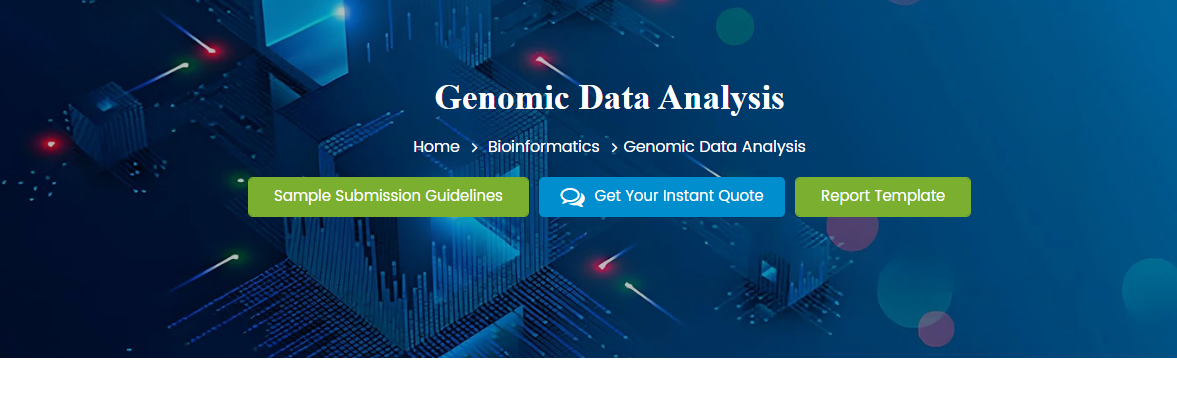
This approach improves diagnostic accuracy and reduces trial-and-error treatments. The rapid growth of genomic data is a key driver, as AI can uncover hidden patterns that enhance disease prediction and therapy customization.
| Feature | Explanation |
|---|---|
| High-Speed Data Processing | AI analyzes massive genomic datasets faster than traditional laboratory methods |
| Mutation Detection | Identifies genetic variations linked to diseases with high precision |
| Personalized Therapy Mapping | Matches genetic profiles with targeted treatments effectively |
| Pattern Discovery | Uncovers hidden biological insights for better disease prediction |
2. Predictive Disease Modeling
Predictive disease modeling uses AI to forecast illnesses before symptoms appear. By analyzing genetic, lifestyle, and clinical data, AI models identify individuals at high risk of conditions like diabetes or cancer.
In 2026, healthcare systems increasingly rely on predictive analytics to shift from reactive treatment to preventive care.
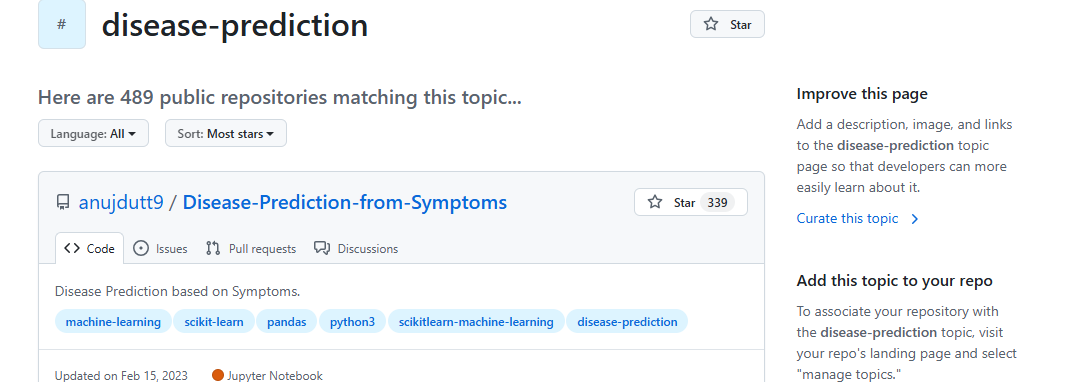
These models improve early intervention strategies, reducing healthcare costs and improving outcomes.
AI-powered systems continuously learn from new data, making predictions more accurate and personalized over time, transforming how diseases are managed globally.
| Feature | Explanation |
|---|---|
| Early Risk Identification | Detects potential diseases before symptoms appear |
| Data Integration | Combines genetic, lifestyle, and clinical data for predictions |
| Preventive Healthcare | Enables early interventions and reduces treatment costs |
| Continuous Learning | Models improve accuracy as new patient data becomes available |
3. Precision Oncology
AI is driving major breakthroughs in precision oncology by tailoring cancer treatments to individual patients.
Advanced algorithms analyze tumor genetics, imaging data, and biomarkers to recommend targeted therapies.
Studies show AI models can match or exceed expert radiologists and improve cancer detection accuracy significantly.
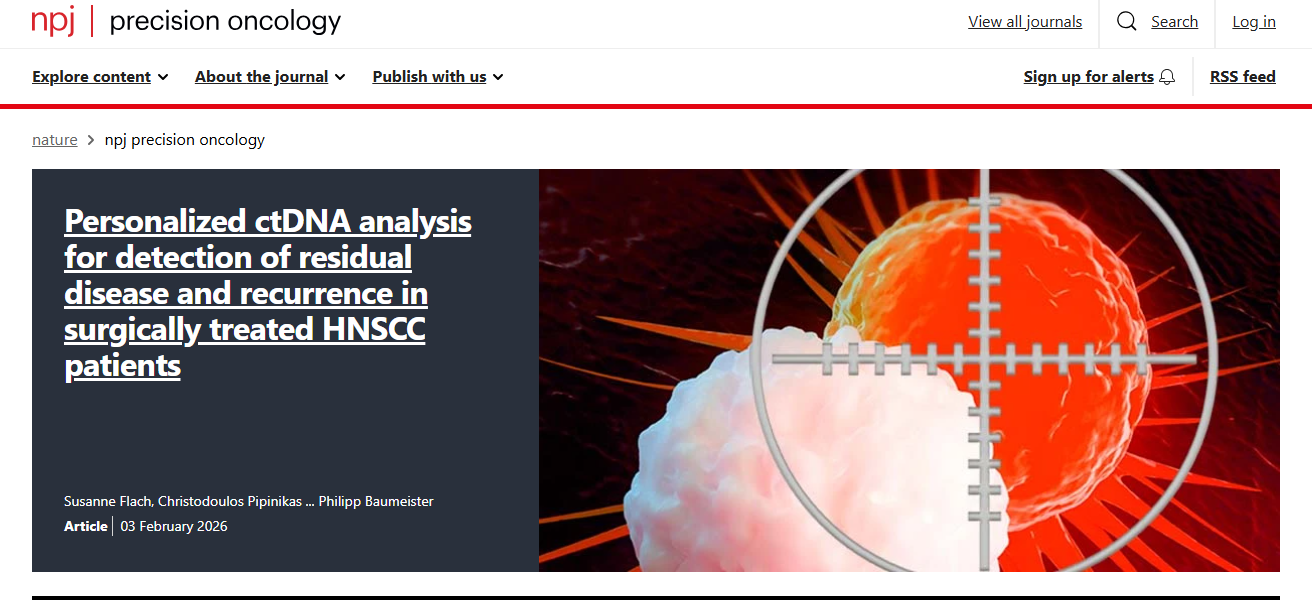
In 2026, AI predicts patient responses to immunotherapy with up to 70–80% accuracy, enabling personalized cancer care.
This reduces side effects and improves survival rates by ensuring patients receive the most effective treatments based on their unique biology.
| Feature | Explanation |
|---|---|
| Targeted Cancer Therapy | Matches treatments based on tumor genetic profiles |
| Biomarker Analysis | Uses biological markers to guide treatment decisions |
| Improved Survival Rates | Enhances outcomes through precise therapy selection |
| Reduced Side Effects | Minimizes unnecessary treatments and harmful reactions |
4. Drug Discovery Acceleration
AI is drastically accelerating drug discovery by analyzing biological data and predicting drug interactions.
Traditional drug development can take over a decade, but AI reduces timelines by identifying promising compounds faster.
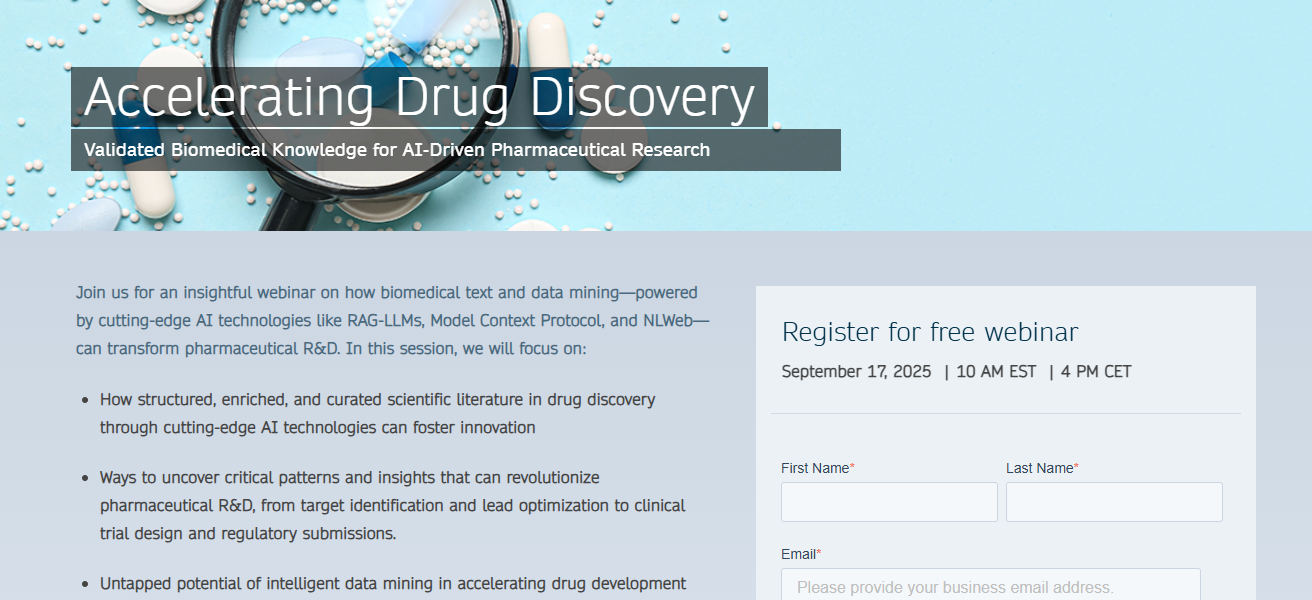
In 2026, pharmaceutical companies use AI to simulate molecular behavior and design new drugs efficiently. This reduces research costs and improves success rates in clinical trials.
AI-driven drug discovery is becoming a core component of biotech innovation, enabling faster development of treatments for complex and rare diseases.
| Feature | Explanation |
|---|---|
| Faster Drug Development | AI shortens research timelines significantly |
| Molecular Simulation | Predicts drug behavior before laboratory testing |
| Cost Reduction | Lowers expenses in research and clinical trials |
| Higher Success Rates | Identifies effective compounds with better accuracy |
5. Digital Twins of Patients
Digital twins are virtual models of patients created using real-time health data, genetics, and medical history.
AI uses these models to simulate disease progression and predict treatment outcomes. In 2026, digital twins are helping doctors test therapies virtually before applying them to patients, reducing risks.

These models enable highly personalized care by forecasting how individuals will respond to specific treatments.
This breakthrough is transforming clinical decision-making and enabling precision healthcare tailored to each patient’s unique biological profile.
| Feature | Explanation |
|---|---|
| Virtual Patient Models | Creates digital replicas using real health data |
| Treatment Simulation | Tests therapies before real-world application |
| Outcome Prediction | Forecasts disease progression accurately |
| Personalized Care | Tailors treatments to individual biological profiles |
6. Radiology Image Interpretation
AI is enhancing radiology by analyzing medical images such as X-rays, MRIs, and CT scans with high accuracy. In 2026, AI systems assist radiologists by detecting abnormalities faster and reducing diagnostic errors.
Studies show AI can match or surpass human experts in identifying diseases like cancer. This technology improves early detection and speeds up diagnosis, leading to better treatment outcomes.
AI-powered imaging tools also reduce workload for healthcare professionals, making medical imaging more efficient and scalable.
| Feature | Explanation |
|---|---|
| Automated Image Analysis | AI scans X-rays, MRIs, and CT scans quickly |
| Early Disease Detection | Identifies abnormalities at earlier stages |
| Reduced Diagnostic Errors | Improves accuracy compared to manual analysis |
| Workflow Efficiency | Assists radiologists and reduces workload |
7. Personalized Treatment Plans
AI enables highly personalized treatment plans by combining genetic, clinical, and lifestyle data. Instead of a one-size-fits-all approach, AI recommends therapies tailored to individual patients.

In 2026, these systems continuously adapt based on patient responses, improving effectiveness over time. Personalized medicine reduces adverse effects and enhances treatment success rates.
AI-driven platforms are now widely used to guide doctors in selecting the best medications, dosages, and therapies for each patient.
| Feature | Explanation |
|---|---|
| Customized Therapies | Designs treatment based on individual patient data |
| Adaptive Care | Adjusts treatments based on patient response |
| Reduced Trial-and-Error | Minimizes ineffective treatments |
| Improved Outcomes | Enhances recovery and treatment success rates |
8. Wearable Health Monitoring
Wearable devices integrated with AI are transforming healthcare by providing real-time health monitoring. Devices track vital signs such as heart rate, sleep patterns, and activity levels.
In 2026, AI analyzes this continuous data to detect early signs of disease and alert users or doctors. This enables proactive healthcare and reduces hospital visits.
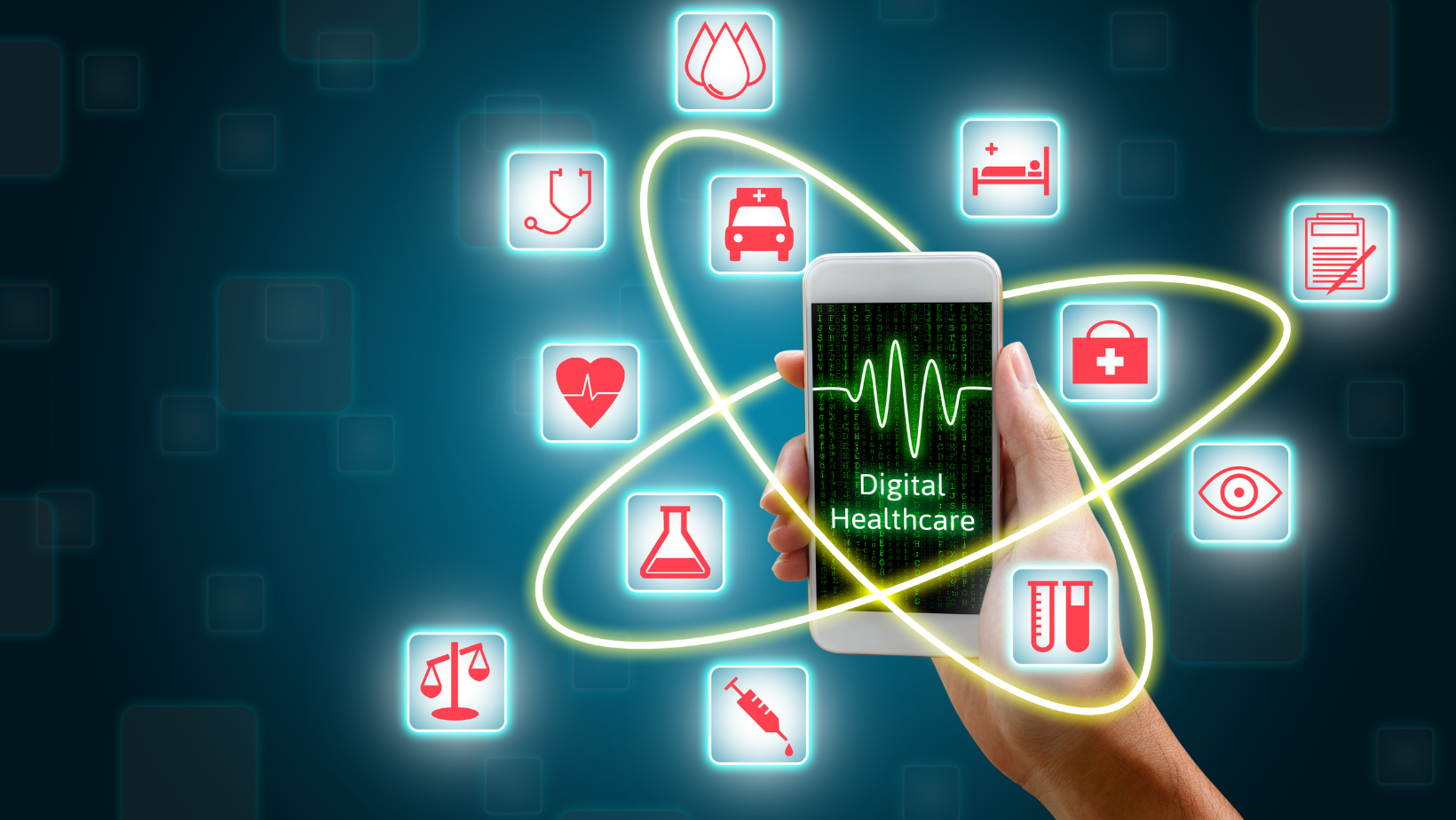
Wearables are increasingly used in managing chronic conditions, improving patient engagement and overall health outcomes through continuous monitoring and personalized insights.
| Feature | Explanation |
|---|---|
| Real-Time Tracking | Monitors vital signs continuously |
| Early Alerts | Detects abnormalities and notifies users instantly |
| Patient Engagement | Encourages proactive health management |
| Chronic Care Support | Helps manage long-term health conditions effectively |
9. Voice and Speech Biomarkers
AI is using voice and speech patterns to detect health conditions such as neurological disorders and mental illnesses.
Changes in tone, pitch, and speech patterns can indicate early signs of diseases like Parkinson’s or depression.

In 2026, voice biomarkers are being integrated into digital health platforms for continuous monitoring. This non-invasive method allows early diagnosis and intervention, improving patient outcomes.
AI-powered voice analysis is becoming a powerful tool in personalized healthcare and remote diagnostics.
| Feature | Explanation |
|---|---|
| Non-Invasive Diagnosis | Uses voice patterns to detect health issues |
| Neurological Detection | Identifies disorders like Parkinson’s early |
| Mental Health Insights | Monitors emotional and psychological conditions |
| Continuous Monitoring | Tracks health through everyday speech interactions |
10. Chronic Disease Management
AI is improving chronic disease management by providing personalized care plans and continuous monitoring.
Patients with conditions like diabetes or heart disease benefit from AI-driven insights that track health metrics and predict complications.

In 2026, AI systems help doctors adjust treatments in real time based on patient data. This reduces hospitalizations and improves quality of life.
Personalized medicine powered by AI enables more effective long-term disease management strategies tailored to individual needs.
| Feature | Explanation |
|---|---|
| Continuous Monitoring | Tracks patient health metrics regularly |
| Predictive Alerts | Warns about potential complications early |
| Personalized Care Plans | Adapts treatments for individual needs |
| Reduced Hospital Visits | Minimizes emergency admissions and costs |
11. Clinical Trial Optimization
AI is transforming clinical trials by improving patient selection, monitoring, and data analysis. In 2026, AI systems match patients to suitable trials faster, increasing participation and success rates. This reduces trial costs and accelerates drug approvals.
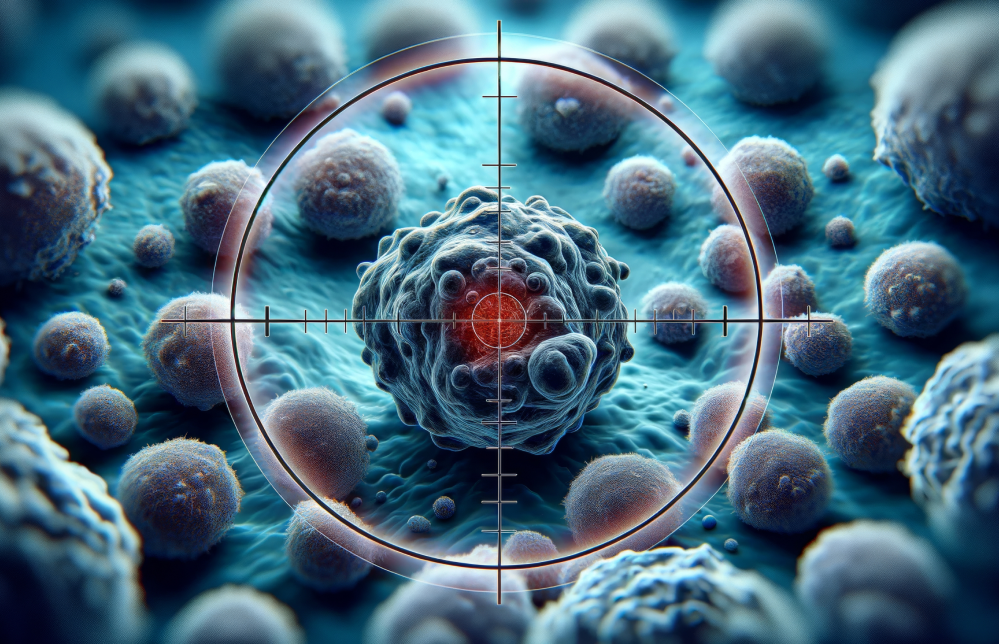
AI also analyzes trial data in real time, identifying patterns and improving outcomes. These advancements make clinical research more efficient and inclusive, speeding up the development of new therapies.
| Feature | Explanation |
|---|---|
| Smart Patient Matching | Selects suitable participants efficiently |
| Faster Trials | Speeds up testing and approval processes |
| Real-Time Data Analysis | Improves accuracy during clinical studies |
| Cost Efficiency | Reduces overall trial expenses significantly |
12. Mental Health Support
AI is enhancing mental health care through personalized therapy and early detection tools. Chatbots and AI assistants provide support, monitor behavior, and detect signs of anxiety or depression.

In 2026, AI systems analyze speech, behavior, and biometric data to offer tailored interventions. This improves accessibility to mental health services and reduces stigma.
AI-driven platforms are becoming essential tools for providing continuous, personalized mental health care globally.
| Feature | Explanation |
|---|---|
| AI Therapy Assistants | Provides personalized mental health support |
| Behavior Monitoring | Tracks emotional and psychological patterns |
| Early Detection | Identifies signs of anxiety and depression |
| Increased Accessibility | Offers support anytime through digital platforms |
13. Microbiome Analysis
AI is advancing microbiome research by analyzing the complex ecosystem of bacteria in the human body. In 2026, AI identifies how gut microbiota affects health, immunity, and disease.
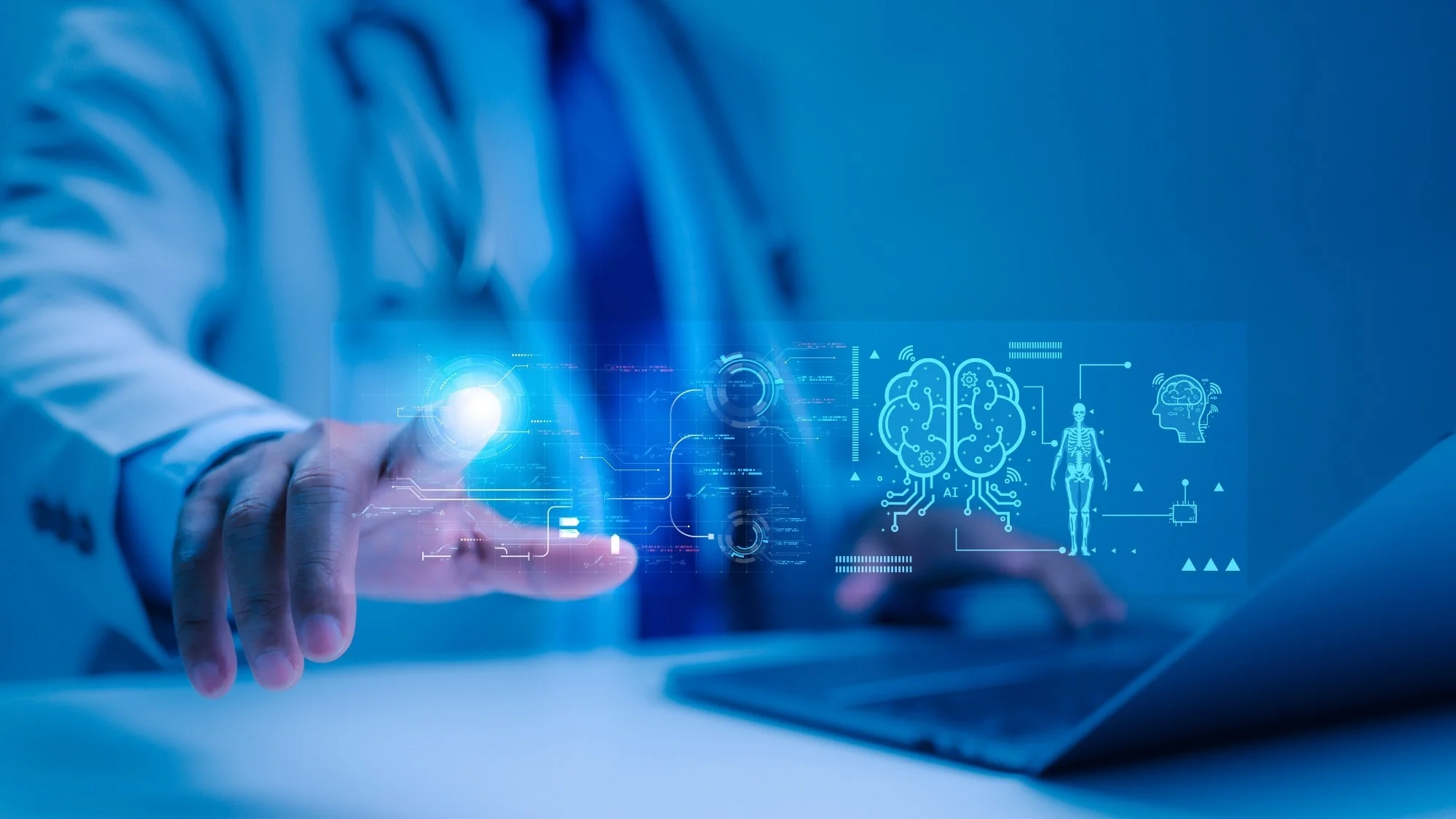
This enables personalized nutrition and treatment plans based on individual microbiome profiles. AI-driven insights help prevent diseases and improve overall health.
Microbiome analysis is becoming a key component of personalized medicine, offering new ways to optimize health through targeted interventions.
| Feature | Explanation |
|---|---|
| Gut Health Insights | Analyzes microbiota impact on overall health |
| Personalized Nutrition | Recommends diets based on microbiome data |
| Disease Prevention | Identifies risks linked to microbial imbalance |
| Targeted Treatments | Enables customized therapeutic approaches |
14. Rare Disease Diagnosis
AI is improving the diagnosis of rare diseases by analyzing genetic and clinical data quickly. Many rare diseases are difficult to diagnose due to limited data, but AI can identify patterns that humans might miss.

In 2026, AI tools are reducing diagnostic delays and helping doctors identify conditions earlier. This leads to better treatment outcomes and improved patient care. AI is becoming a critical tool in addressing challenges associated with rare disease detection.
| Feature | Explanation |
|---|---|
| Faster Identification | Detects rare conditions quickly using AI models |
| Pattern Recognition | Finds hidden correlations in limited datasets |
| Reduced Diagnostic Delays | Speeds up diagnosis compared to traditional methods |
| Improved Patient Care | Enables timely and accurate treatment plans |
15. Robotic Surgery Assistance
AI-powered robotic systems are enhancing surgical precision and outcomes. In 2026, robots assist surgeons by providing real-time data, improving accuracy, and reducing human error.
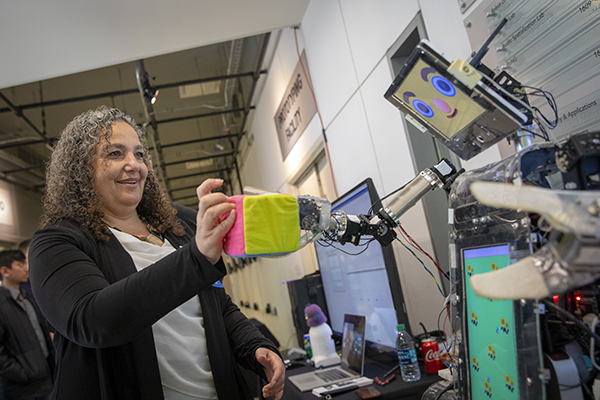
These systems enable minimally invasive procedures, leading to faster recovery times and fewer complications. AI also helps in surgical planning by analyzing patient data.
Robotic surgery is becoming a key component of personalized medicine, improving patient safety and treatment effectiveness.
| Feature | Explanation |
|---|---|
| High Precision Surgery | Enhances accuracy in complex procedures |
| Minimally Invasive | Reduces recovery time and complications |
| Real-Time Guidance | Provides data insights during operations |
| Improved Safety | Lowers risks associated with human error |
16. Pharmacogenomics
Pharmacogenomics uses AI to determine how genes affect a patient’s response to drugs. In 2026, AI analyzes genetic data to recommend the most effective medications and dosages.
This reduces adverse drug reactions and improves treatment outcomes. Personalized drug therapy is becoming more common
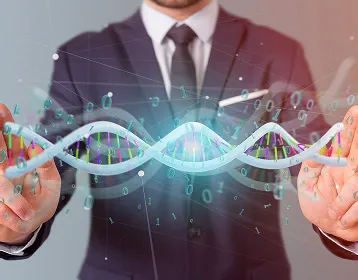
As AI enables precise matching of medications to individual genetic profiles. This approach enhances safety and effectiveness in medical treatments.
| Feature | Explanation |
|---|---|
| Gene-Based Drug Selection | Matches medications with genetic profiles |
| Optimized Dosage | Determines correct drug dosage for individuals |
| Reduced Side Effects | Minimizes adverse drug reactions |
| Improved Effectiveness | Enhances treatment success rates |
17. Remote Patient Monitoring
Remote patient monitoring uses AI to track patients’ health outside clinical settings. Devices and apps collect real-time data, allowing doctors to monitor conditions continuously.
In 2026, this approach reduces hospital visits and enables early intervention. AI analyzes data to detect abnormalities and alert healthcare providers.
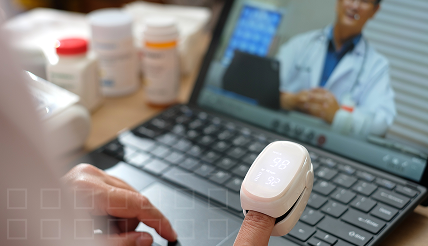
Remote monitoring improves patient convenience and ensures timely care, especially for chronic conditions and elderly patients.
| Feature | Explanation |
|---|---|
| Continuous Health Tracking | Monitors patients outside hospitals |
| Early Intervention | Detects issues before they become critical |
| Convenience | Reduces need for frequent hospital visits |
| Data-Driven Care | Supports informed medical decisions |
18. Holistic Lifestyle Integration
AI integrates genetic, environmental, and lifestyle data to provide holistic health recommendations.
In 2026, personalized medicine goes beyond treatment to focus on prevention and wellness. AI suggests diet, exercise, and lifestyle changes tailored to individual needs.

This approach improves overall health and reduces disease risk. Holistic integration is transforming healthcare into a proactive system focused on long-term well-being rather than reactive treatment.
| Feature | Explanation |
|---|---|
| Personalized Wellness Plans | Suggests diet and lifestyle improvements |
| Preventive Healthcare | Focuses on long-term health maintenance |
| Multi-Data Integration | Combines genetic, environmental, and lifestyle data |
| Improved Quality of Life | Promotes overall well-being and disease prevention |
Conclsuion
In conclusion, AI breakthroughs in personalized medicine are transforming healthcare into a more precise, efficient, and patient-centric system.
By leveraging data from genetics, lifestyle, and real-time monitoring, AI enables faster diagnoses and tailored treatments.
As technology advances, it will continue improving outcomes, reducing costs, and shifting healthcare toward preventive, data-driven care for individuals worldwide.
FAQ
It involves studying DNA to detect genetic risks and guide targeted therapies.
AI predicts diseases by analyzing medical history, lifestyle, and genetic information.
Digital twins are virtual models of patients used to simulate treatments and outcomes.
AI speeds up drug development by predicting effective compounds and reducing testing time.