
This article focuses on AI-powered spend management platforms that curb SaaS waste. I will examine how companies utilize AI for expenses tracking and the identification of unneeded subscriptions and how they manage software budgets and exercise enhanced control on business finances.
These tech-savvy platforms assist finance teams in recognizing the underutilized business tools, automate spending choices, and lower SaaS expenses, all the while helping to build a modern, effective, and transparent business expense management framework.
What are AI-Powered Spend Management Platforms?
AI capabilities in spend management tools use tech to automate processes. This may include expense reporting, approval workflow automation, subscription management, etc. These tools help estimate the budget, identify unnecessary expenses, and even discover unused SaaS tools.
Spend management tools help organizations address wasted resources and make better spending decisions by providing them with automation and real-time recommendations.
Why Do Companies Need AI-Powered Solutions for Spend Management?
- Eliminate SaaS Waste: Detects and cancels unused subscriptions.
- Enhanced Cost Transparency: Analyzes spending and budget data in real time.
- Automated Processes: AI automates approvals, reporting, and finance workflows.
- Overspending Controls: Monitors atypical spending and issues controls for spending.
- Better Software Spend: AI promotes spend on high-value tools and cancels redundant software.
- Improved AI-Driven Recommendations: Spending suggestions are data-backed.
- Financial Productivity Improvement: Less manual effort with better resource allocation.
Key Points & AI-Powered Spend Management Platforms Eliminating SaaS Waste
| AI-Powered Spend Management Platform | Explanation |
|---|---|
| Ramp | AI detects unnecessary expenses, controls budgets, and reduces SaaS subscription waste automatically. |
| Brex | AI analyzes spending patterns, optimizes software costs, and improves financial visibility. |
| Coupa | AI identifies savings opportunities, manages suppliers, and eliminates redundant SaaS purchases. |
| SAP Concur | AI automates expense tracking, detects anomalies, and improves corporate spending control. |
| Airbase | AI streamlines approvals, monitors subscriptions, and prevents unnecessary software spending. |
| Expensify | AI simplifies expense reporting, identifies waste, and enhances spending efficiency. |
| Zoho Expense | AI tracks expenses, automates workflows, and reduces inefficient SaaS subscriptions. |
| Ramp Intelligence | AI provides insights, predicts costs, and helps eliminate unused applications. |
| Medius | AI reviews invoices, detects overspending, and improves procurement decisions. |
| Spendesk | AI manages payments, monitors subscriptions, and reduces unnecessary software expenses. |
10 AI-Powered Spend Management Platforms Eliminating SaaS Waste
1. Ramp
Ramp Deploys AI-Informed Spend Analysis for identification of wasted SaaS subscriptions, tracking of employee spend, and management of Software budget. The system analyzes expenses, and corrects purchasing redundancies.
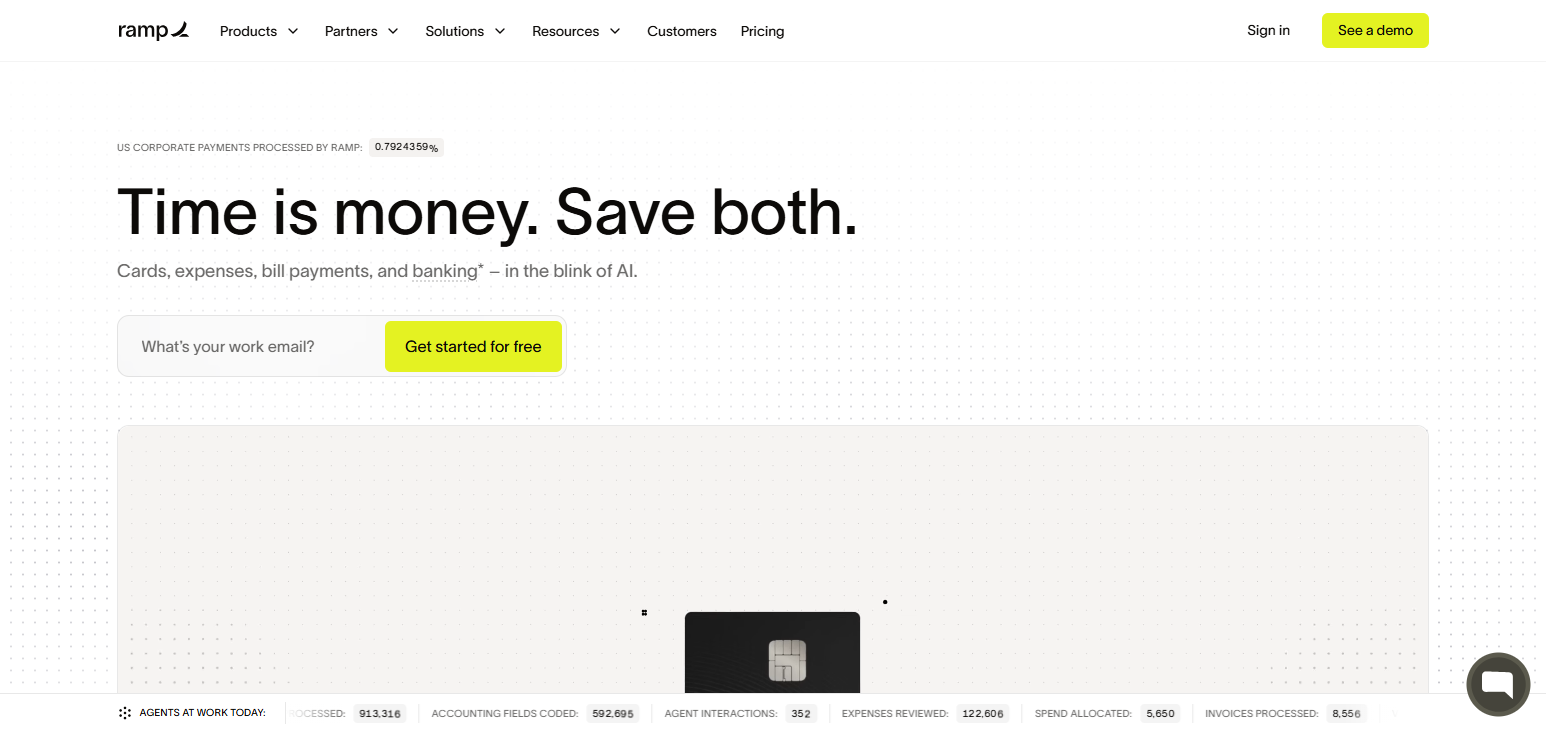
The system then prescribes potential savings. Ramp’s system of spends management gives financial teams the ability push policy control and stop the automated renewal of Software.
The AI systems of Ramp empowers companies to reclaim control of their finances, and improve operational efficiency.
| Pros | Cons |
|---|---|
| AI-powered insights identify unused SaaS subscriptions and spending inefficiencies. | Advanced features may require higher pricing plans for growing companies. |
| Provides real-time expense tracking and automated budget controls. | Best suited for businesses with structured finance operations. |
| Helps prevent unnecessary renewals through subscription monitoring. | Smaller teams may find some features overwhelming initially. |
| Improves financial visibility across departments and employees. | Limited customization compared with enterprise procurement platforms. |
| Automates approval workflows and policy enforcement effectively. | International support capabilities may vary by region. |
2. Brex
Using Applied AI, Brex is better able to understand business spends and manages SaaS spends more effectively. Brex offers customers a clear way to track the purchases of business Software, and identifies Software that is not actively being used.
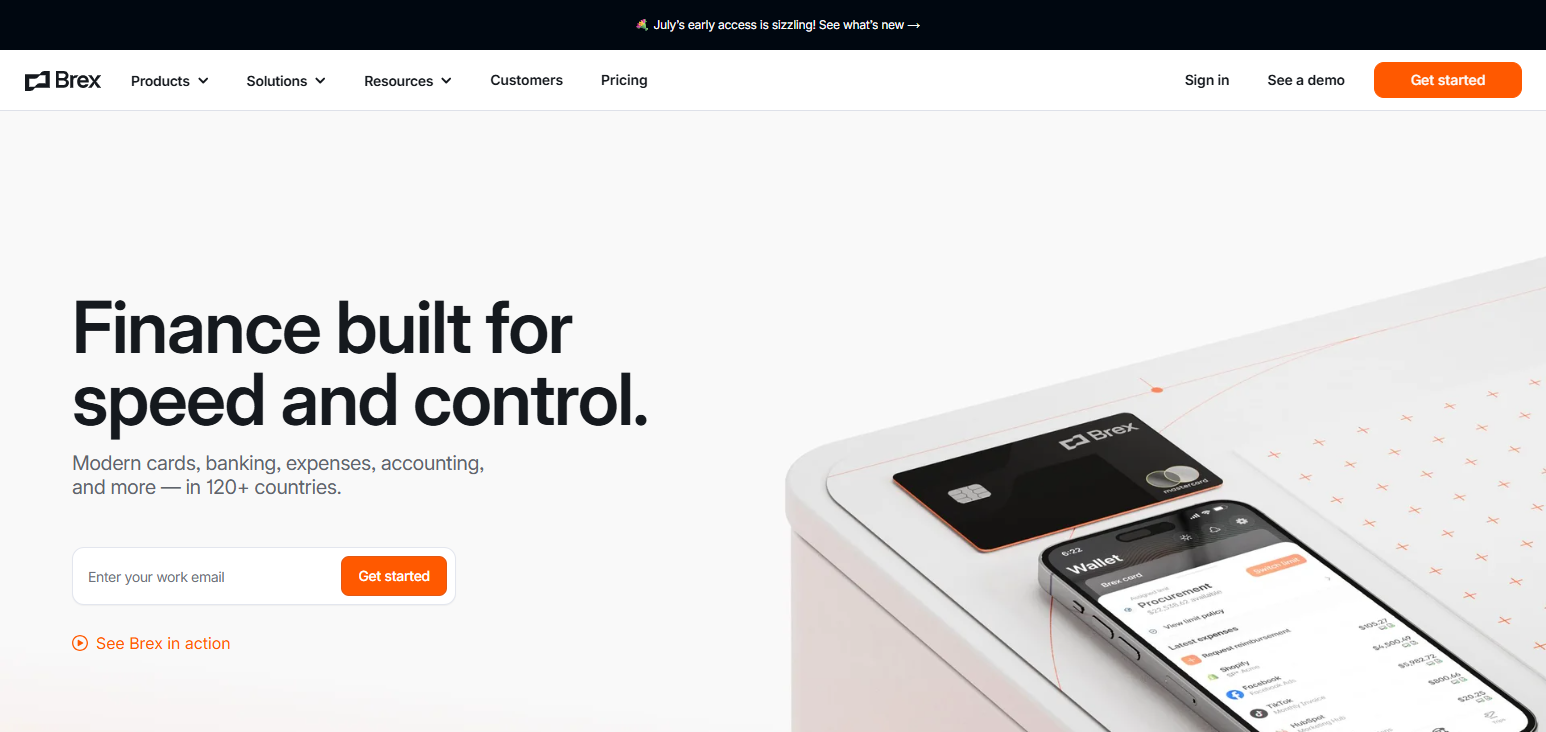
Brex’s combination of business expense card, automated expense reporting, and smart reporting enables companies cancel wasted SaaS subscriptions while being more budget conscious.
| Pros | Cons |
|---|---|
| AI analytics provide detailed insights into business spending patterns. | Mainly focused on companies needing corporate card solutions. |
| Helps identify duplicate software purchases and reduce SaaS costs. | May not fit businesses with simple expense requirements. |
| Offers automated approvals and predictive spending recommendations. | Some advanced tools require premium subscriptions. |
| Provides strong integration with financial systems. | Learning curve exists for new finance users. |
| Improves control over employee software-related expenses. | Availability depends on business location and eligibility. |
3. Coupa
Using AI, Coupa is better able to adjust procurement spend, and identify savings on SaaS spends. AI Enhanced Spend Management of Coupa is able to analyze suppliers, purchasing and spending patterns, and contracts to identify wasted Software purchase.
Coupa also enables businesses to better negotiate with suppliers, and automate the procurement process making it harder to spend in an un-authorized way on Technology.
The spending transparency allowed by Coupa enables businesses to spend in a more controlled way, and lowers the wasted SaaS spending.
| Pros | Cons |
|---|---|
| AI identifies procurement savings and unnecessary SaaS expenses. | Implementation can be complex for smaller businesses. |
| Strong supplier management improves vendor negotiations. | Higher cost compared with lightweight spend tools. |
| Provides enterprise-level spend visibility and analytics. | Requires proper configuration for maximum benefits. |
| Supports large-scale procurement automation workflows. | May require dedicated administrators for management. |
| Helps prevent unauthorized technology purchases. | Less suitable for startups with limited procurement needs. |
4. SAP Concur
To aid visibility in SaaS spending and simplify the management of expenses, SAP Concur leverages automation and artificial intelligence. It reviews transaction histories, identifies anomalies, and assists companies in applying corporate spending guidelines.
Its features minimize the necessity for a manual review and detect possible loss due to the purchase of unnecessary subscriptions and software services.
SAP Concur allows companies to speed up the reporting process and support compliance and the organization in making informed decisions.
With insight in the management of technology costs and operational effectiveness, organizations appreciate and welcome the services offered.
| Pros | Cons |
|---|---|
| AI automates expense reporting and detects unusual transactions. | Pricing can be expensive for small organizations. |
| Provides strong compliance and policy management features. | Setup process may require technical assistance. |
| Integrates well with enterprise financial systems. | Interface can feel complex for beginners. |
| Improves visibility into employee spending activities. | Customization options may require additional support. |
| Reduces manual expense review processes. | Best value is achieved by larger enterprises. |
5. Airbase
To eliminate SaaS wastage, Airbase integrates automation and artificial intelligence with expense management tools. The software offers greater visibility into spending both at a subscription and a departmental level, in addition to recurring payments.
Airbase enables finance teams to identify and eliminate wasted SaaS subscriptions as well as to streamline the approval process so that renewals are not done unnecessarily.

With intelligent design, Airbase promotes proactive expense management. Greater visibility into spending enables sophisticated SaaS management and improves financial control.
| Pros | Cons |
|---|---|
| AI automation helps monitor recurring SaaS payments. | Primarily designed for mid-sized and growing companies. |
| Provides strong approval workflows and spending controls. | May lack some advanced enterprise procurement features. |
| Helps finance teams detect unused software subscriptions. | Requires employee adoption for maximum effectiveness. |
| Improves transparency across company spending categories. | Pricing details may require sales consultation. |
| Reduces financial risks through automated controls. | Limited suitability for very small teams. |
6. Expensify
To manage expenses and identify poor spending practices, Expensify deploys automation and artificial intelligence. Its smart scanning technology captures receipt images and classifies expenses to reduce the manual nature of accounting.
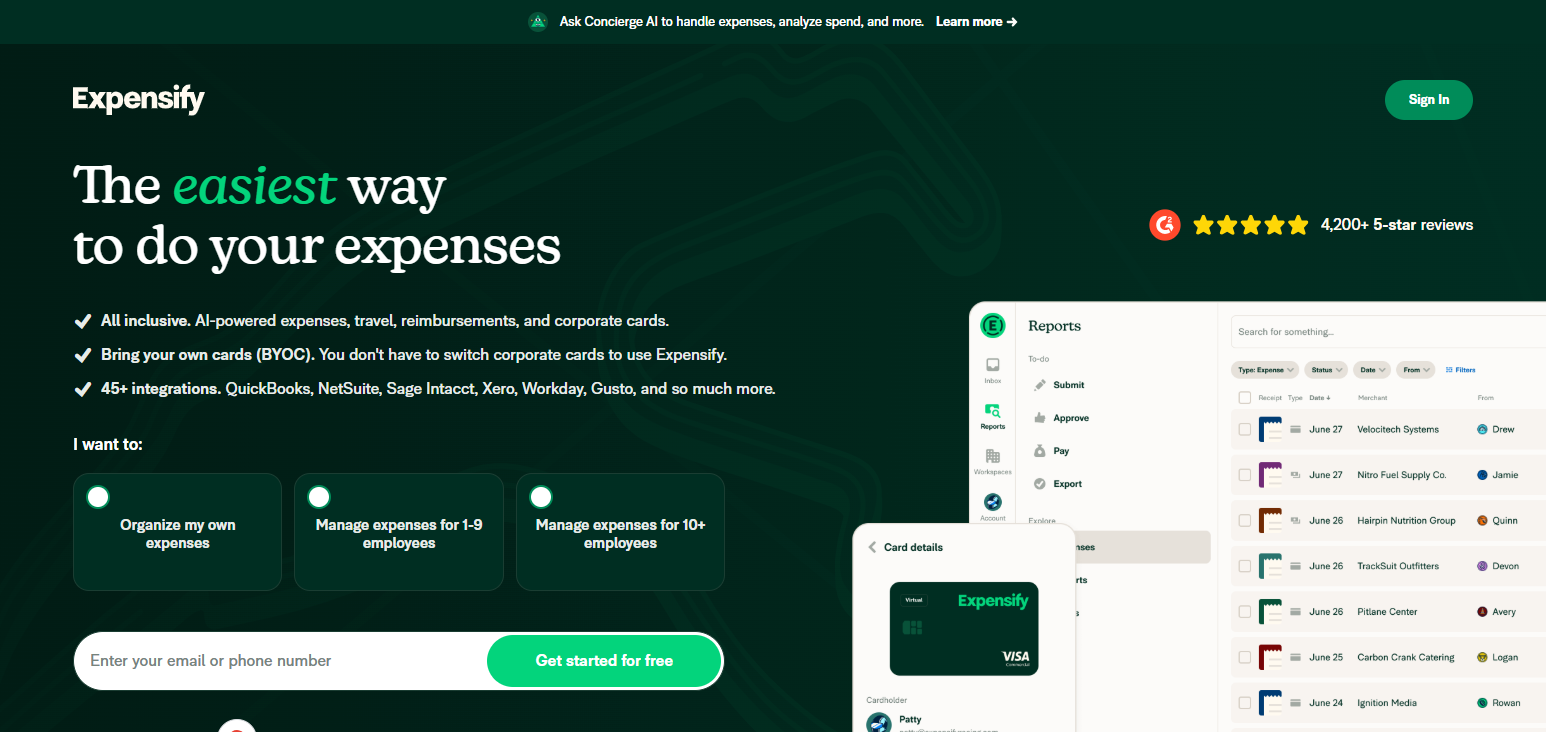
Companies can review the expense data and identify wasted SaaS subscriptions to manage and eliminate unnecessary expense. Expensify aids organizations in achieving greater compliance and improved expensing, in addition to the savings of administrative time.
AI-driven automation and reporting affords firms insight into the consequences of their spending and aids in eliminating financial wastage.
| Pros | Cons |
|---|---|
| AI receipt scanning reduces manual expense processing. | Advanced spend management features are limited. |
| Easy-to-use interface improves employee adoption. | Less focused on complex SaaS procurement management. |
| Automates expense categorization and reporting. | Analytics may not match enterprise-level platforms. |
| Helps reduce administrative workload for finance teams. | Custom workflows can be limited. |
| Affordable option for smaller organizations. | May require additional tools for full SaaS optimization. |
7. Zoho Expense
Zoho Expense uses AI to streamline expense tracking, approval management, and the optimization of SaaS costs. The service identifies repeat software payments and eliminates unnecessary subscriptions, all while automating financial processes.
With the help of advanced analytics, Zoho Expense offers valuable data about employee spending and the status of available budgets.

The service helps companies gain control of their operational costs and significantly reduces the amount of manual work. Finance teams are empowered by the service’s automated reporting to find better ways to save money and optimize their software investments.
| Pros | Cons |
|---|---|
| AI automation simplifies expense tracking and approvals. | Advanced enterprise features may be limited. |
| Cost-effective solution for small and medium businesses. | SaaS management capabilities are not highly specialized. |
| Provides useful spending analytics and reports. | Large companies may require more customization. |
| Integrates with other Zoho business applications. | Interface may require adjustment for new users. |
| Helps reduce manual financial processes. | Limited procurement-focused AI capabilities. |
8. Ramp Intelligence
Ramp Intelligence provides profound AI insights that help forecast spending patterns and address surplus SaaS applications. The service analyzes financial data and buying habits to suggest areas to improve costs.
Ramp Intelligence is designed to help financial teams understand the costs associated with each application and helps identify applications that don’t serve their purpose.
The service offers a more proactive approach to budget management through automated suggestions and enhanced controls and transparency. Facilitating the optimization of company spend, Ramp Intelligence helps combat the waste of software.
| Pros | Cons |
|---|---|
| AI predicts spending trends and identifies cost-saving opportunities. | Availability depends on Ramp ecosystem adoption. |
| Provides automated recommendations for SaaS optimization. | Requires quality financial data for accurate insights. |
| Helps detect unused applications and unnecessary expenses. | Advanced analytics may require higher-tier access. |
| Supports proactive budget planning with AI insights. | Not a complete procurement management solution. |
| Improves decision-making through real-time spending visibility. | Best suited for organizations with digital spending data. |
9. Medius
Medius improves procurement by the identification of overspending through the analysis of automated invoices. The service looks through financial transactions to identify patterns and offers insights to control expenses related to SaaS.
Medius provides automation for accounts payable and offers increased control of supplier and recurring payment visibility.
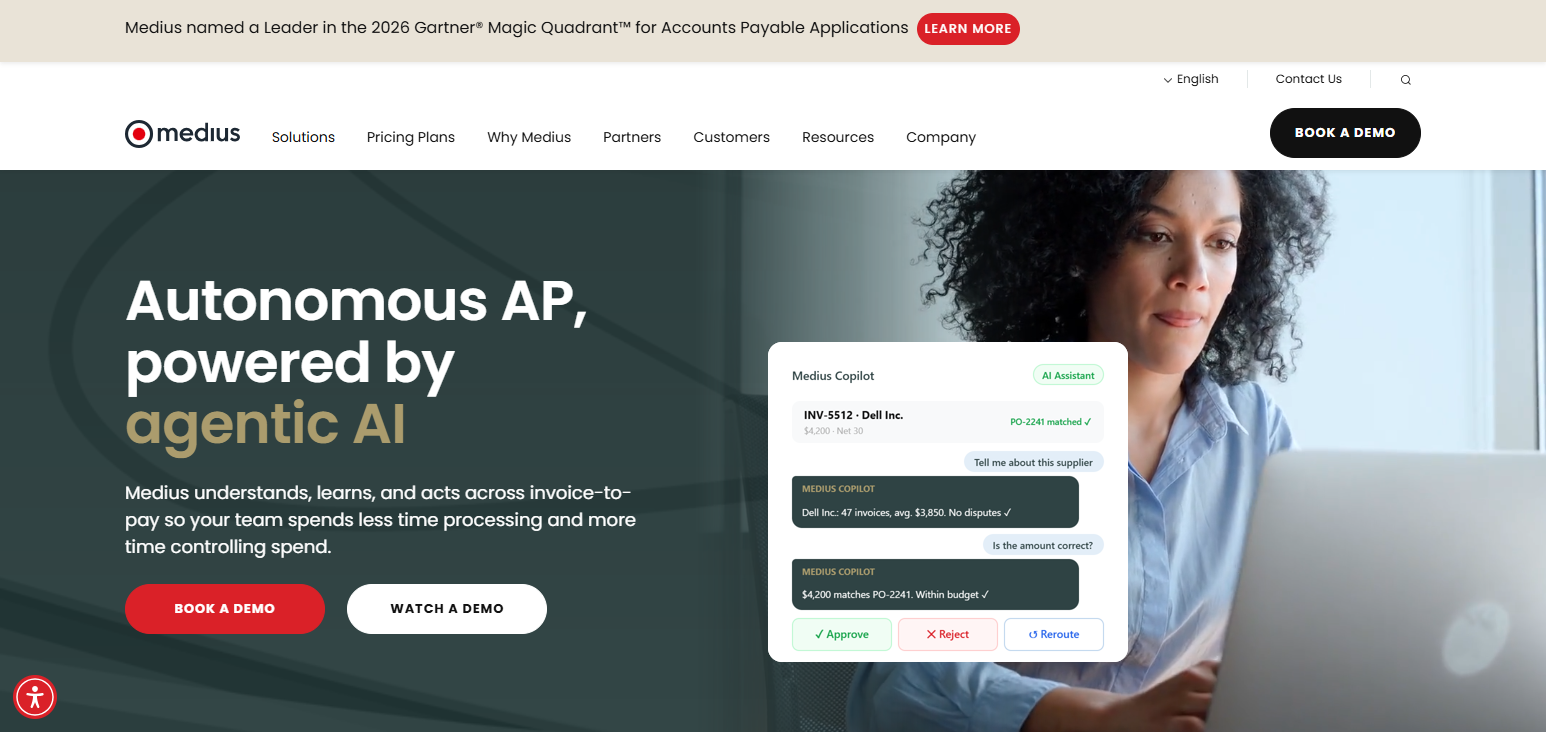
Medius empowers finance teams through the identification of unnecessary costs and improved negotiation of contracts. AI automation increases accuracy and efficiency of the management of SaaS expenses.
| Pros | Cons |
|---|---|
| AI invoice analysis detects overspending and payment errors. | Primarily focused on accounts payable automation. |
| Improves procurement visibility and supplier management. | SaaS tracking features may be less extensive. |
| Automates invoice processing and approval workflows. | Implementation may require business process changes. |
| Helps finance teams improve spending accuracy. | More suitable for larger organizations. |
| Reduces manual accounting workload significantly. | Smaller companies may find features unnecessary. |
10. Spendesk
Spendesk employs AI to optimize expense control and manage employee payments and expenditure on software. Spendesk enables corporations to see the entirety of subscription payments, employee payments, and even payments made on a schedule.
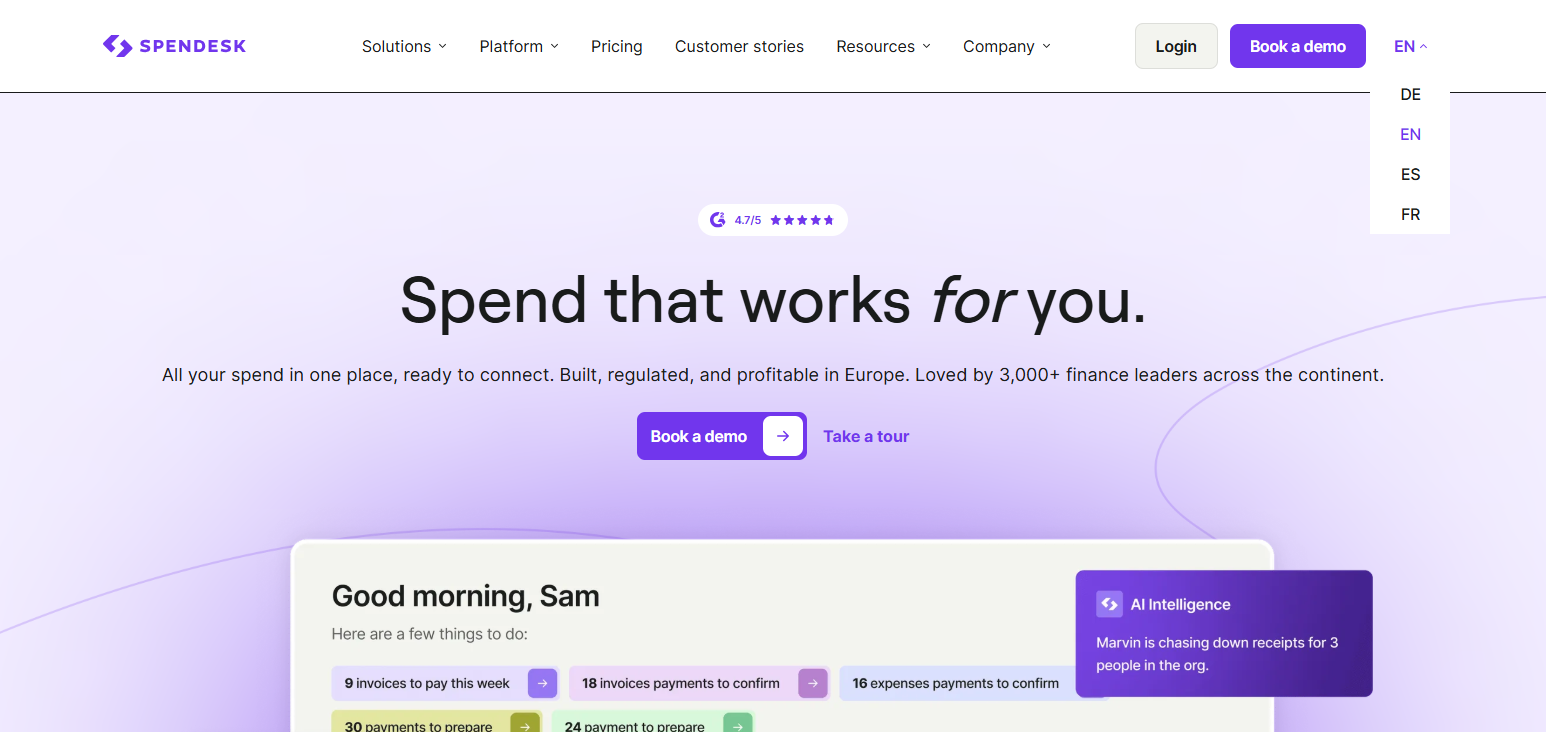
Finance teams can utilize Spendesk to streamline the approval process and control the budget to circumvent unauthorized purchases. Using Spendesk’s insights, companies can easily identify tools to be used more efficiently. Spendesk helps companies manage tools and payments to be more efficient, all in real-time.
| Pros | Cons |
|---|---|
| AI-powered controls improve subscription and expense monitoring. | Limited advanced procurement features compared with enterprise tools. |
| Automates payment approvals and employee spending management. | May not support highly complex financial structures. |
| Helps identify unnecessary SaaS expenses quickly. | Best suited for modern digital businesses. |
| Provides real-time visibility into company spending. | Some integrations may require additional setup. |
| Improves financial accountability across teams. | Advanced reporting options may vary by plan. |
Conclsuion
In conclusion, AI-Powered Spend Management Platforms Eliminating SaaS Waste have innovatively integrated the management of expenses, subscriptions, and software licenses into one platform for business convenience.
Companies are able to better their understanding of company finances via the platform’s ability to analyze spending patterns using AI, automate subscription management and make costing recommendations.
More digital tools in the workplace means that this technology will enable companies to better budget, operate, and save money in an ongoing manner.
FAQ
Can AI detect unused SaaS subscriptions automatically?
Yes, AI analyzes usage patterns, payment records, and subscription data to identify inactive or low-value software tools.
How do AI platforms help eliminate SaaS waste?
They identify unused software licenses, duplicate applications, unnecessary renewals, and provide recommendations to reduce SaaS costs.
What features should businesses look for in AI spend management software?
Important features include AI analytics, subscription tracking, automated approvals, expense forecasting, reporting, and integration capabilities.
How does AI improve SaaS budget management?
AI provides real-time insights, predicts future spending, detects unnecessary costs, and helps optimize technology budgets.