In this post , I will analyze Banks Using XRP Infrastructure and the Effects on Cross-Border Payments.
- Key Points & Banks Using XRP Infrastructure
- 19 Banks Using XRP Infrastructure
- 1. SBI Holdings (Japan)
- 2. Santander (Spain)
- 3. PNC Bank (USA)
- 4. Standard Chartered (UK)
- 5. MUFG Bank (Japan)
- 6. Bank of America (USA)
- 7. Canadian Imperial Bank of Commerce (Canada)
- 8. National Bank of Fujairah (UAE)
- 9. Itaú Unibanco (Brazil)
- 10. Banco Rendimento (Brazil)
- 11. Krungsri Bank (Thailand)
- 12. Siam Commercial Bank (Thailand)
- 13. Westpac (Australia)
- 14. UnionBank of the Philippines
- 15. RAKBANK
- 16. BBVA (Spain)
- 17. Mizuho Financial Group (Japan)
- 18. InstaReM
- 19. BeeTech
- Cocnlsuion
- FAQ
The leading banks across the globe are starting to incorporate XRP as a bridge currency for efficient and cost-effective international transactions.
These organizations are on all continents, including Asia, Europe, and the Americas, and are improving liquidity, decreasing the cost, and improving the user experience through RippleNet.
Key Points & Banks Using XRP Infrastructure
| Bank / Institution | Key Point / Usage of XRP Infrastructure |
|---|---|
| SBI Holdings (Japan) | Partnered with Ripple for cross-border payments using XRP for faster settlement. |
| Santander (Spain) | Uses RippleNet and XRP for international payment solutions and liquidity management. |
| PNC Bank (USA) | Exploring RippleNet for cross-border transactions and faster remittances. |
| Standard Chartered (UK) | Implements Ripple’s blockchain for international payments and liquidity efficiency. |
| MUFG Bank (Japan) | Uses XRP for real-time cross-border settlement and reducing transaction costs. |
| Bank of America (USA) | Conducts research and testing on Ripple and XRP for faster payments. |
| Canadian Imperial Bank of Commerce (Canada) | Evaluates RippleNet for cross-border transactions and improving liquidity. |
| National Bank of Fujairah (UAE) | Uses RippleNet for international trade payments and cross-border efficiency. |
| Itaú Unibanco (Brazil) | Testing XRP and RippleNet for faster cross-border remittances. |
| Banco Rendimento (Brazil) | Collaborates with Ripple for remittance services using XRP. |
| Krungsri Bank (Thailand) | Implements RippleNet and XRP for remittance and international payments. |
| Siam Commercial Bank (Thailand) | Uses XRP for cross-border payment solutions to reduce settlement time. |
| Westpac (Australia) | Evaluates Ripple and XRP for faster and cheaper cross-border payments. |
| UnionBank of the Philippines | Utilizes RippleNet for real-time cross-border remittances. |
| RAKBANK (UAE) | Partners with Ripple to enhance cross-border payment capabilities. |
| BBVA (Spain) | Uses RippleNet for international payments, improving speed and cost-efficiency. |
| Mizuho Financial Group (Japan) | Engages in XRP-based cross-border payment testing. |
| InstaReM | Leverages RippleNet for cross-border money transfers and remittances. |
| BeeTech | Uses Ripple’s XRP infrastructure for fast international payments. |
19 Banks Using XRP Infrastructure
1. SBI Holdings (Japan)
SBI Holdings is one of the earliest corporate backers of Ripple and its XRP-based infrastructure. The Japanese financial behemoth uses RippleNet for faster and cheaper cross-border transactions.
As a result of the recent incorporation of XRP as a bridge currency, SBI is able to settle cross-border transactions, thus enormously improving liquidity, in a matter of seconds rather than days.
SBI has also partnered with Ripple to develop payment solutions for retail and institutional customers, thus improving the lateral payment mechanisms of the corporation.
This makes SBI a frontrunner in the incorporation of blockchain technology in traditional banking.
| Feature | Description |
|---|---|
| Use of XRP | Uses XRP as a bridge currency for cross-border settlements. |
| Speed | Enables near-instant international transactions. |
| Cost Efficiency | Reduces transaction fees compared to traditional banking. |
| Target Users | Retail and institutional clients. |
| Technology Integration | Collaborates with Ripple to leverage RippleNet for payments. |
| Liquidity Management | Improves liquidity efficiency by faster settlements. |
2. Santander (Spain)
Santander has incorporated Ripple’s XRP Infrastructure into its cross-border payment network. With RippleNet, the bank can instantly process transactions at a cheaper cost.
Santander’s One Pay FX service uses XRP for real-time payment settlements. Customers can track real-time transactions.
The bank focuses on the customer experience and the delays in cross-border payments. Santander’s partnership with Ripple is an example of digital modernization in the financial industry.
Customers can access their money located in various accounts more readily and operations are more efficient in Europe and Latin America.
| Feature | Description |
|---|---|
| Use of XRP | Integrates XRP for real-time cross-border payments. |
| Speed | Transaction settlements in seconds rather than days. |
| Cost Efficiency | Lower fees for international transfers. |
| Services | One Pay FX service for tracking and transparency. |
| Technology Integration | Uses RippleNet for digital transformation. |
| Customer Experience | Reduces delays and enhances global payment efficiency. |
3. PNC Bank (USA)
PNC Bank is implementing Ripple’s blockchain technology and XRP for cross-border payments. With the use of RippleNet, Electronic Payments aims to increase the efficiency and reliability of international payments to resolve some of the issues.
XRP is a bridge currency that eliminate the need to have multiple accounts for pre-funding in different countries.
As PNC continues to test these capabilities, the goal is to provide clients conducting business internationally with faster transfer times, lower cost, and increased transparency.
This implementation is a part of PNC`s strategy to integrate new technologies to meet the demands of the evolving digital banking industry.
| Feature | Description |
|---|---|
| Use of XRP | Explores XRP as a bridge currency for global transfers. |
| Speed | Faster settlement times for cross-border payments. |
| Cost Efficiency | Lowers operational costs by reducing pre-funded accounts. |
| Transparency | Improves tracking of international transactions. |
| Adoption Stage | Pilot testing and gradual implementation. |
| Technology Integration | Leverages RippleNet for fintech innovation. |
4. Standard Chartered (UK)
Standard Chartered is positively leveraging the capabilities of RippleNet to augment its international payment functionality.
The Bank services the Asia, Middle East and Africa regions and uses the digital currency XRP as a bridging mechanism to enhance the speed and cost efficiency of cross border transactions.
Standard Chartered uses blockchain technology to target a reduction in transaction costs and adjust liquidity headroom.
Standard Chartered improves visibility and tracking for international payments requested by clients.
This is in a bid to transform digitally and streamline the payments to clients in real time, both corporate and retail
While adhering to regulatory obligations. This is why RippleNet is important to Standard Chartered banking.
| Feature | Description |
|---|---|
| Use of XRP | Utilizes XRP as a bridge currency across multiple regions. |
| Speed | Near-instant cross-border settlement. |
| Cost Efficiency | Reduces international transaction costs. |
| Liquidity Management | Enhances efficiency in financial operations. |
| Technology Integration | RippleNet adoption for corporate and retail clients. |
| Transparency | Provides improved tracking of payments globally. |
5. MUFG Bank (Japan)
Mitsubishi UFJ Financial Group (MUFG), work is being done to benefit from Ripple’s XRP infrastructure by streamlining cross-border payments.
MUFG uses XRP to facilitate currency bridge transactions that allow for real-time settlement of various currencies and decreases the dependence on correspondent banking.
The bank is in the process of piloting to streamline and manage regulatory requirements to improve the efficiency of the liquidity.
With the bank incorporating blockchain technology, international payments will be more efficient, cheaper, and transparent.
The international payment services are further being extended to retail banking customers, and will improve overseas remittance services.
MUFG’s use of RippleNet shows Japan’s growing reputation in banking and payment technology changes and reflects the bank’s desire to improve and update the services of traditional banking with new blockchain technology.
| Feature | Description |
|---|---|
| Use of XRP | Bridge currency for fast cross-border settlements. |
| Speed | Near-instant transactions between different currencies. |
| Cost Efficiency | Reduces reliance on correspondent banking. |
| Adoption Stage | Pilot projects ensuring regulatory compliance. |
| Target Users | Corporate and retail clients. |
| Technology Integration | Uses RippleNet to modernize traditional banking. |
6. Bank of America (USA)
Bank of America conducted research pertaining to Ripple and XRP-based technologies and determined their possible uses within the scope of cross-border transactions.
To test and research international transactions and their economic impacts within the scope of international transactions and their economic impacts.
Of the potentially viable payment corridors, XRP is used as a bridged currency. Bank of America’s relationship with Ripple confirms the bank’s growing interest and participation with potentially blockchain- led innovations within the currency.
In an effort to remain competitive, Bank of America, as a result of these innovations, is able to provide their clientele with a unique, advanced, transparent cross-border payment system that is economically viable.
| Feature | Details |
|---|---|
| AI & Digital Capabilities | Recognized with four innovation awards in 2025 for advanced AI and digital banking solutions |
| Technology Investment | Committed $13 billion in 2025, with $4 billion dedicated to core innovation projects |
| High-Tech, High-Touch Approach | Focus on combining digital efficiency with personalized client service |
| AI in Operations | AI deployed across front-office and back-office functions to improve efficiency and reduce costs |
| Client-Centric Innovation | Programs designed to enhance customer experience and deepen relationships through digital adoption |
7. Canadian Imperial Bank of Commerce (Canada)
CIBC has assessed the RippleNet and XRP network for efficiency improvements in the cross-border payments space seemingly making XRP a bridge currency to reduce costs and optimize the management of liquidities.
XRP enables the bank to reduce its reliance on several currency-prefunded accounts. Although still in pilot and exploratory phases, the bank focuses on providing international payments to its customers in a quicker and more transparent way.
This initiative goes hand in hand with the ongoing digitization of services, modernization of payment systems, and efforts to remain competitive in a global market where the banking services are time and cost transparent.
| Feature | Description |
|---|---|
| Use of XRP | Evaluates XRP as a bridge currency for international transfers. |
| Speed | Enables near-instant settlement of cross-border transactions. |
| Cost Efficiency | Reduces fees by minimizing pre-funded accounts. |
| Transparency | Enhances tracking of international transfers. |
| Adoption Stage | Exploratory/pilot phase implementation. |
| Technology Integration | Integrates RippleNet for digital payment innovation. |
8. National Bank of Fujairah (UAE)
To improve systems of cross-border payments, National Bank of Fujairah has partnered with Ripple.
With the help of Ripple, XRP, and the bank’s fintech resources, customers can benefit with quicker settled payments for international trades and remittances.
Funds are transferred more quickly and at a cheaper rate, and bank clients are provided with more estimable payments.
Also, for the bank’s competitors, their dairy advancements in the use of blockchain technology will help them attain and keep their domestic market share in the sphere of digital banking.
Thus, RippleNet helps the National Bank of Fujairah improve the level of operational efficiency and client experience.
| Feature | Description |
|---|---|
| Use of XRP | Uses XRP to facilitate international trade and remittance payments. |
| Speed | Provides faster settlement across countries. |
| Cost Efficiency | Reduces costs associated with cross-border transactions. |
| Transparency | Real-time tracking for clients’ payments. |
| Technology Integration | RippleNet adoption for blockchain-based payments. |
| Competitive Advantage | Strengthens UAE market position and digital transformation. |
9. Itaú Unibanco (Brazil)
Itaú Unibanco can access RippleNet and XRP to process cross-border payments, including remittances for some Latin American countries.
To increase the speed of transactions and limit the use of pre-funded accounts, XRP is used as a bridge currency.
Consequently, for the corporate and retail customers of the bank, it will reduce the expense, lengthen the speed, and improve the fluidity of international payments.

The bank will be more agile in improving services and operational systems as it has integrated blockchain technology, more so in the banking industry.
It will provide a definite, secure, and more advanced alternative for international financial transactions. These remarks focus on the digital evolution of the bank.
| Feature | Description |
|---|---|
| Use of XRP | Leverages XRP as a bridge currency for Latin American remittances. |
| Speed | Accelerates settlement of international transactions. |
| Cost Efficiency | Cuts cross-border transaction costs. |
| Liquidity Management | Reduces reliance on pre-funded accounts. |
| Customer Focus | Provides faster services to corporate and retail clients. |
| Technology Integration | Uses RippleNet for blockchain-based payment innovation. |
10. Banco Rendimento (Brazil)
Banco Rendimento began working with Ripple to facilitate cross-border remittances using XRP infrastructure.
By using XRP as a bridge currency, the bank is able to provide quicker, cheaper international transfers.
This also improves fluidity with regards to the management of funds by eliminating the necessity to keep multiple, pre-funded accounts.
Enhanced customer tracking of payments and the ability to complete transactions in seconds, rather than days, also improves customer experience.
Rendimento’s also strategizes the use of blockchain on Brazil’s Fintech services to provide other Brazillian banks with blockchain international remittance services.
| Feature | Description |
|---|---|
| Use of XRP | XRP is used for cross-border remittance services. |
| Speed | Ensures faster international transaction settlements. |
| Cost Efficiency | Reduces transaction costs through blockchain infrastructure. |
| Transparency | Clients can track payments in real-time. |
| Liquidity Management | Minimizes the need for multiple pre-funded accounts. |
| Technology Integration | RippleNet enables competitive financial service offerings. |
11. Krungsri Bank (Thailand)
Krungsri Bank is also able to improve international payments and remittance services using RippleNet and XRP.
It also allows the bank to cross border transact more efficiently and cost effectively. Moreover, with the blockchain
Krungsri is able to manage funds more effectively by improving processing times, and reducing fees. This offers a better and faster more transparent transfer service for customers
for exemple, faster transfers for export trading expatriates. Engaging with Ripple is in line with blockchain technologie
Krungsri with the modern financial initiatives of Thailand, and positions Krungsri as a frontrunner in the use of digital tech to improve cross border payments.
| Feature | Description |
|---|---|
| Use of XRP | Uses XRP as a bridge currency for cross-border transactions. |
| Speed | Enables faster international payment settlements. |
| Cost Efficiency | Lowers fees compared to traditional remittance methods. |
| Transparency | Improves visibility of cross-border payments. |
| Liquidity Management | Enhances efficiency in international transfers. |
| Technology Integration | RippleNet adoption supports Thailand’s financial modernization. |
12. Siam Commercial Bank (Thailand)
XRP has allowed Siam Commercial Bank to advance their cross-border payment solutions after integrating RippleNet.
While using XRP as a bridge currency, the bank can now achieve near real- time settlements, lower transaction costs, and better overall liquidity management.
Also, this technology provides better transparency and tracking for clients sending/receiving their payment.
These improvements correspond with modernizing the service to clients under SCB’s goal of being a digital bank.
With this adoption, the bank can support individuals and businesses facilitate international transaction, and position SCB as a leader in fintech for financial innovation.
| Feature | Description |
|---|---|
| Use of XRP | Integrates XRP to achieve faster cross-border settlements. |
| Speed | Near-instant international transfers. |
| Cost Efficiency | Reduces costs for cross-border payments. |
| Transparency | Enhanced payment tracking for clients. |
| Technology Integration | Leverages RippleNet for blockchain-based banking solutions. |
| Strategic Advantage | Supports SCB’s digital transformation and fintech leadership. |
13. Westpac (Australia)
Westpac has begun discussions with Ripple and XRP to facilitate improvement of cross-border payments and remittance service offerings.
Using XRP as a bridge currency helps to decrease international transfer payments and settlement costs. This approach enhances liquidity management and also helps the bank to move away from current correspondent banking.

Working with RippleNet, Westpac has undertaken the initiative to improve the bank’s digital modernization.
This will help with transparency at lower costs. Developing this quickly is a positive for Australia as there is a greater digital banking transformation underway.
| Feature | Description |
|---|---|
| Use of XRP | Explores XRP as a bridge currency for cross-border payments. |
| Speed | Reduces settlement times for international transfers. |
| Cost Efficiency | Minimizes costs compared to correspondent banking. |
| Liquidity Management | Improves cross-border liquidity efficiency. |
| Adoption Stage | Pilot testing and gradual implementation. |
| Technology Integration | RippleNet adoption for digital innovation in payments. |
14. UnionBank of the Philippines
UnionBank has enabled real-time cross-border transactions using RippleNet. By using XRP as a bridge currency, the bank lowers transaction costs, speeds up settlement times, and improves liquidity.
This allows the UnionBank to provide customers with better and more efficient services regarding international payments.
The bank has placed emphasis on digital innovations to strengthen its competitive edge in the market of Philippines, using blockchain technologies.
Through RippleNet, UnionBank has modernized its operations, improved transfer and transaction speeds, and built a global payments platform that serves overseas workers and corporate clients.
| Feature | Description |
|---|---|
| Use of XRP | Uses XRP as a bridge currency for real-time cross-border remittances. |
| Speed | Accelerates settlement of international payments. |
| Cost Efficiency | Reduces remittance costs for customers. |
| Transparency | Provides clients with real-time transaction tracking. |
| Technology Integration | RippleNet enables modern, blockchain-based operations. |
| Customer Focus | Supports overseas workers and corporate clients with fast payments. |
15. RAKBANK
RAKBANK uses Ripple to enhance cross-border payment capabilities with the use of XRP infrastructure. By using XRP as a bridge currency, the bank can save time and costs on cross-border transactions.
The integration of RippleNet improves liquidity and allows the customers to access cross-border payments that are more efficient, faster, and transparent.
This implementation is in line with RAKBANK’s digital transformation strategy and further establishes the institution as a market leader in the UAE.
RAKBANK is also aiming to enhance the customers’ experiences by using blockchain technologies to improve the speed, reliability, and security of remittance and trade settlement in international payments.
| Feature | Description |
|---|---|
| Use of XRP | Leverages XRP for efficient international payments. |
| Speed | Faster settlement of cross-border transactions. |
| Cost Efficiency | Reduces transaction costs for customers. |
| Transparency | Improves tracking and visibility of payments. |
| Technology Integration | RippleNet adoption supports UAE digital banking initiatives. |
| Strategic Advantage | Strengthens position as a forward-looking financial institution. |
16. BBVA (Spain)
BBVA utilizes RippleNet and XRP to perform global transactions with higher velocity and a lower cost. XRP serves as a bridge currency which allows to settle cross-border transactions nearly instantaneously, and eliminates the need for the bank to use other banking corridors.
This integration enhances the management of liquidity, eliminates transaction costs, allows the bank to offer transparency to clients, and allows real-time tracking of the transactions.
This is the strategy BBVA is employing to modernize and digitize the experience il Bank and its customers, in the respects to the technology that has been adopted.
The integration of RippleNet allows BBVA to provide its clients with a solution for the challenges in traditional cross-border payments, especially for corporates and money transfer payments.
This adoption of technology helps set BBVA apart as one of the most advanced banks in the global financial technology sector.
| Feature | Description |
|---|---|
| Use of XRP | Uses XRP as a bridge currency for cross-border payments. |
| Speed | Near-instant settlement for international transfers. |
| Cost Efficiency | Reduces fees and dependence on traditional banking corridors. |
| Transparency | Provides real-time tracking for clients. |
| Technology Integration | RippleNet integration modernizes BBVA’s payment system. |
| Customer Focus | Enhances experience for corporate clients and remittances. |
17. Mizuho Financial Group (Japan)
Mizuho Financial Group has been conducting cross-border payments using XRP based solutions. The Financial Group has been exploring the use of RippleNet for international transactions
To settle them in a matter of seconds instead of days; using XRP as a bridge currency to lower the costs associated with managing liquidity.
Mizuho has been making innovative efforts to transform the antiquated practices of the traditional bankers, in order to provide transparency and a seamless experience for customers.
By using Blockchain technology Mizuho has the opportunity to position itself as a financial technology innovator in Japan.
| Feature | Description |
|---|---|
| Use of XRP | Tests XRP-based cross-border payment solutions. |
| Speed | Reduces transaction times from days to seconds. |
| Cost Efficiency | Improves liquidity and lowers operational costs. |
| Transparency | Enhances tracking for international payments. |
| Technology Integration | RippleNet enables modernized banking practices. |
| Strategic Advantage | Positions Mizuho as a leader in financial innovation in Japan. |
18. InstaReM
InstaRem uses RippleNet and XRP for cost-effective and rapid money transfers and payments. XRP serves as a bridge currency which InstaRem uses to settle money transfers and payments in seconds across borders and does not require pre-funded accounts.
This helps provide remittances and money transfers at a reasonable and simpler cost than competitors in Southeast Asia and other global corridors.
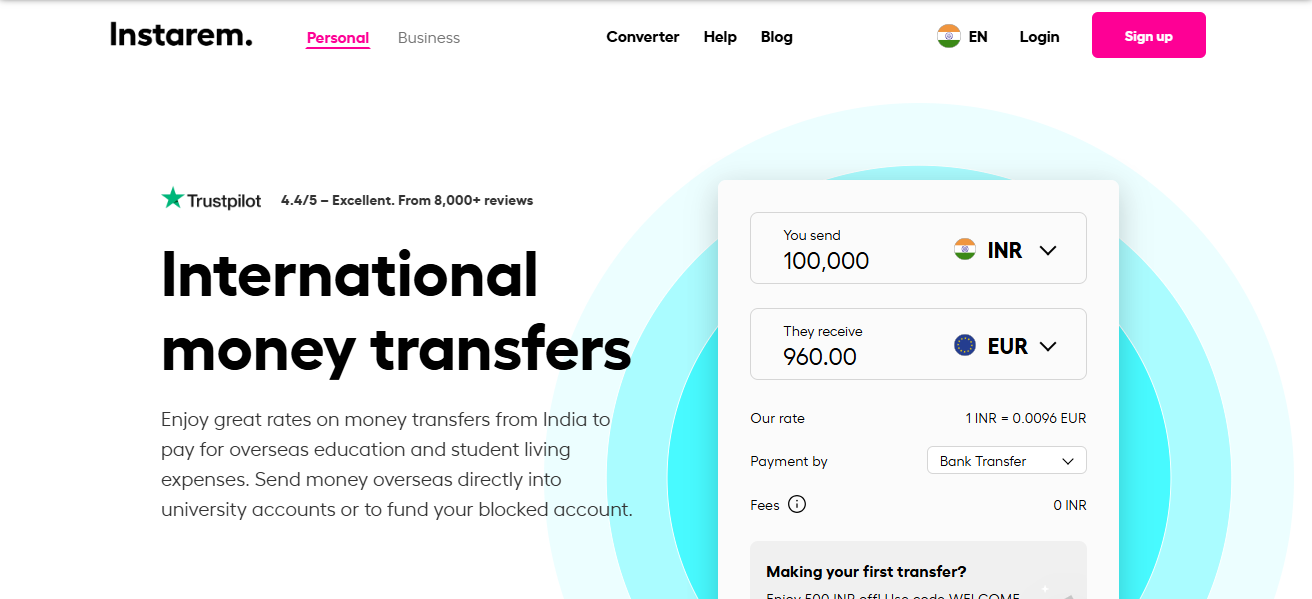
InstaRem integrates and uses blockchain technology for better efficiency and operational effectiveness.
It is one of the fastest, cheapest and most reliable companies in the remittance industry and is a viable alternative to traditional banking for cross-border payments.
| Feature | Description |
|---|---|
| Use of XRP | Utilizes XRP for low-cost, fast cross-border money transfers. |
| Speed | Near-instant settlement across global corridors. |
| Cost Efficiency | Reduces remittance fees for clients. |
| Transparency | Clients can track payments in real-time. |
| Liquidity Management | Improves operational efficiency. |
| Technology Integration | RippleNet enables competitive digital remittance solutions. |
19. BeeTech
BeeTech uses RippleNet and XRP to enhance and facilitate the efficiency, safety, and rapidity of global payments.
BeeTech uses XRP as a bridge currency to settle and complete payments in seconds instead of days at a lower cost.
RippleNet allows BeeTech to better manage and maintain liquidity throughout the course of payments and transfers while also providing transparency.
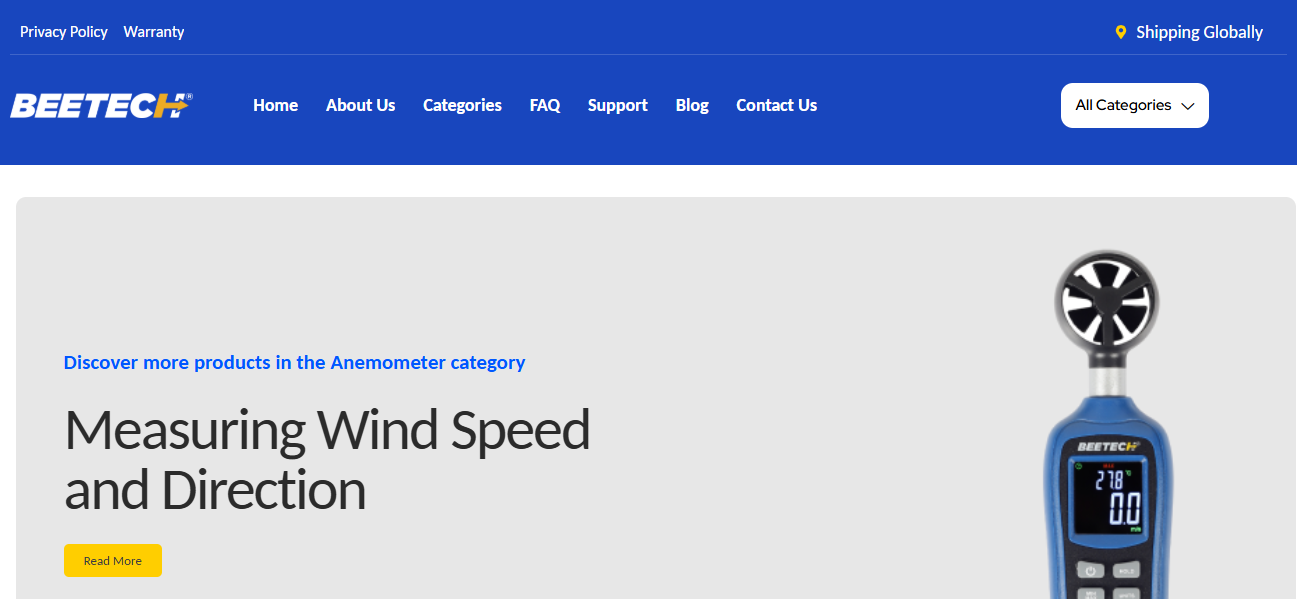
The aim is to provide people and companies real-time reliable transit payments to enhance global activity and remittance efficiency.
The adoption of blockchain technology has provided BeeTech a competitive edge leading the digital payments to a more efficient and modern banking alternative.
| Feature | Description |
|---|---|
| Use of XRP | Employs XRP as a bridge currency for international payments. |
| Speed | Reduces settlement times from days to seconds. |
| Cost Efficiency | Lowers transaction costs for clients. |
| Transparency | Improves visibility in cross-border payments. |
| Liquidity Management | Supports efficient management of funds. |
| Technology Integration | RippleNet integration strengthens global payment services. |
Cocnlsuion
In cocnlsuion Banks and financial institutions across the globe have started to integrate the XRP framework to improve the efficiency of cross-border payments.
Employing XRP as a bridge currency allows institutions to have quick settlement times, reduce transaction costs, as well as improve liquidity and transparency.
From individual cross-border transfer payments to corporate payments, RippleNet facilitates the international movement of payments efficiently, securely, and at scale
Allowing these banking institutions to attain and maintain a positioned leadership status regarding the digital revolution and blockchain financial innovations.
FAQ
XRP acts as a bridge currency to enable faster and cheaper cross-border payments.
Examples include SBI Holdings, Santander, PNC Bank, Standard Chartered, MUFG, Bank of America, CIBC, and more.
It allows near-instant settlements, reducing cross-border transfers from days to seconds.
Yes, it minimizes fees by lowering the need for pre-funded accounts and intermediaries.
No, banks in Asia, Europe, the Americas, the UAE, Australia, and the Philippines use it.