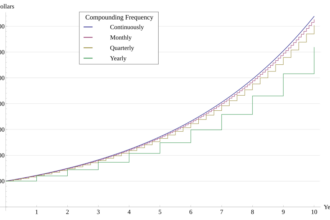
In This post is concerned with the Best AI-Integrated ERP Systems for Financial Forecasting. I will discuss how these systems assist organizations in accuracy improvement, prediction automation, and financial planning streamlining.
- Key Points & Best AI-Integrated ERP Systems for Financial Forecasting
- 10 Best AI-Integrated ERP Systems for Financial Forecasting
- 1. SAP S/4HANA
- 2. Oracle NetSuite
- 3. Microsoft Dynamics 365 Finance
- 4. Infor CloudSuite
- 5. Epicor ERP
- 6. Workday Financial Management
- 7. Xledger
- 8. IFS Cloud
- 9. Acumatica
- 10. DualEntry
- Conclsuion
- FAQ
The developments in Finance and AI give these ERP systems the ability to provide real-time data and prediction tools that support financial and operational decision-making, and help organizations controlling their cash flows, budgets, and future growth more efficiently.
Key Points & Best AI-Integrated ERP Systems for Financial Forecasting
| ERP System | Key Point for Financial Forecasting |
|---|---|
| SAP S/4HANA | Advanced predictive analytics and machine learning for real-time financial forecasting. |
| Oracle NetSuite | AI-driven financial planning and scenario modeling for SMEs and enterprises. |
| Microsoft Dynamics 365 Finance | Embedded AI for cash flow forecasting, budget optimization, and anomaly detection. |
| Infor CloudSuite | Strong AI integration for large enterprises with predictive insights across finance and operations. |
| Epicor ERP | Tailored for manufacturing industries with AI-powered demand and financial forecasting. |
| Workday Financial Management | AI-enabled forecasting with adaptive planning and workforce-finance integration. |
| Xledger | Cloud-native ERP with AI-driven financial automation and forecasting for mid-sized firms. |
| IFS Cloud | AI-enhanced forecasting for asset-heavy industries, integrating financial and operational data. |
| Acumatica | AI-powered analytics for SMEs, enabling predictive cash flow and revenue forecasting. |
| DualEntry | Specialized in AI-driven financial insights and forecasting accuracy for CFOs. |
10 Best AI-Integrated ERP Systems for Financial Forecasting
1. SAP S/4HANA
SAP’s S/4HANA has strong connectivity with, and deep integration of, predictive and responsive analytical and intelligent automation, real-time data, and finance Function’s automation via AI with \SAP Business AI.
Its AI helps improve the automation of the reporting cycle, anomaly detection, and cash flow forecasts and improving suggestion accuracy, and has automated the reporting cycle.
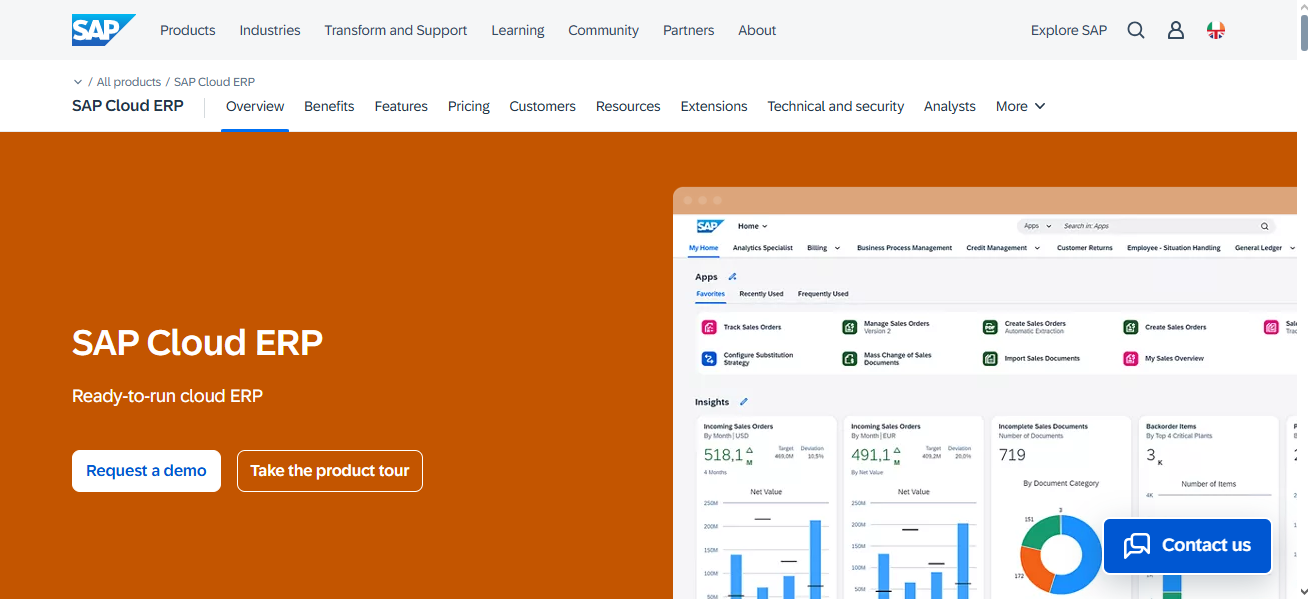
The automation of AI allows finance functions to make data-driven decisions with speed, and increases the capabilities of reporting summarization to natural language, supporting the workflow of finance functions
So the finance functions of finance teams make data. Welch describes, “S/4HANA improves working-capital management and reduces risk, leading to more resilient financial forecasting and planning.
| Feature | Description |
|---|---|
| Real-time analytics | Uses in-memory computing for instant financial insights. |
| Predictive forecasting | AI-driven models for revenue and expense predictions. |
| Integration | Seamlessly connects finance with supply chain and operations. |
| Machine learning | Detects anomalies in financial transactions. |
2. Oracle NetSuite
NetSuite uses generative AI, which include NetSuite Next platform, chatbots, and analytics for explanatory and predictive reporting.
Workflow automation deployed AI for anomaly detection in massive datasets, such as invoices and journal entries, and offered remediation suggestions.
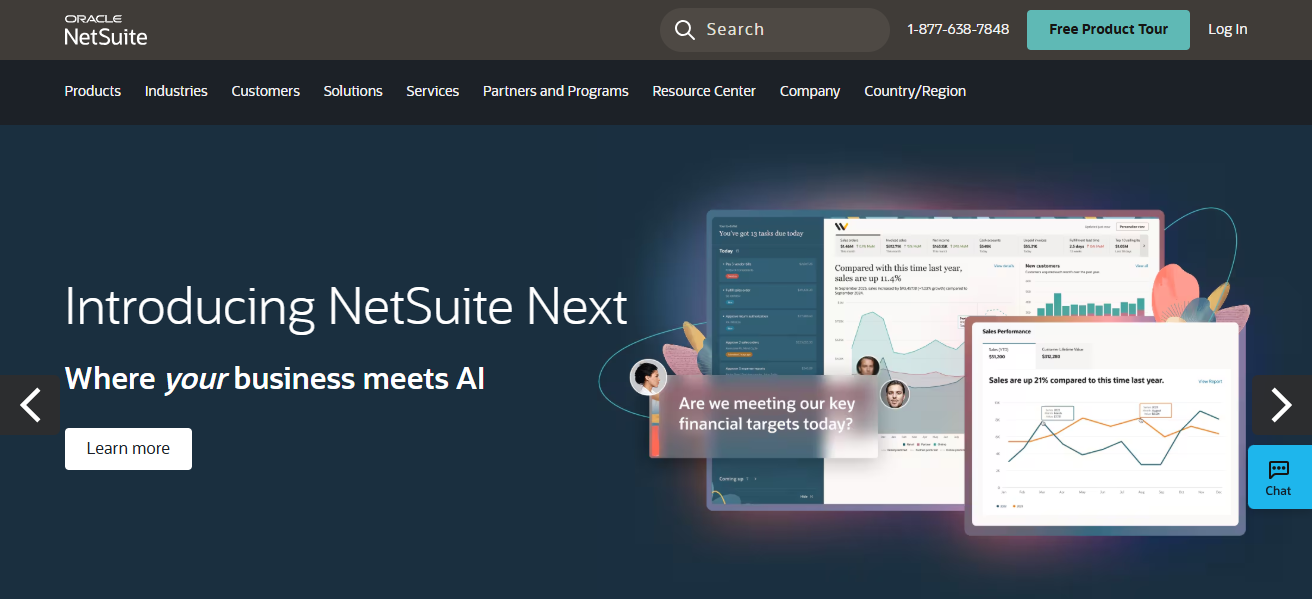
NetSuite’s predictive models based on real-time and historical datasets. Forecasting cash flows, revenue, and budget plans allow finance teams to transition from tedious manual-planned spreadsheets to continuous, reliable planned spreadsheets.
| Feature | Description |
|---|---|
| Scenario modeling | AI-powered simulations for multiple financial outcomes. |
| Cloud-native | Accessible anywhere with strong scalability. |
| Automated reporting | AI-driven dashboards for CFOs and finance teams. |
| Forecast accuracy | Improves predictions with historical + real-time data. |
3. Microsoft Dynamics 365 Finance
FInance insights features cash-flow forecasting, payment prediction, and anomaly detection powered by AI. Machine learning models forecast cash inflow from receivables, predict payment delays, and future liquidity flows.
With Microsoft 365 Copilot, finance teams can interact and ask questions in plain language, such as “what’s driving our forecast variance?” to obtain grounded ERP analysis.
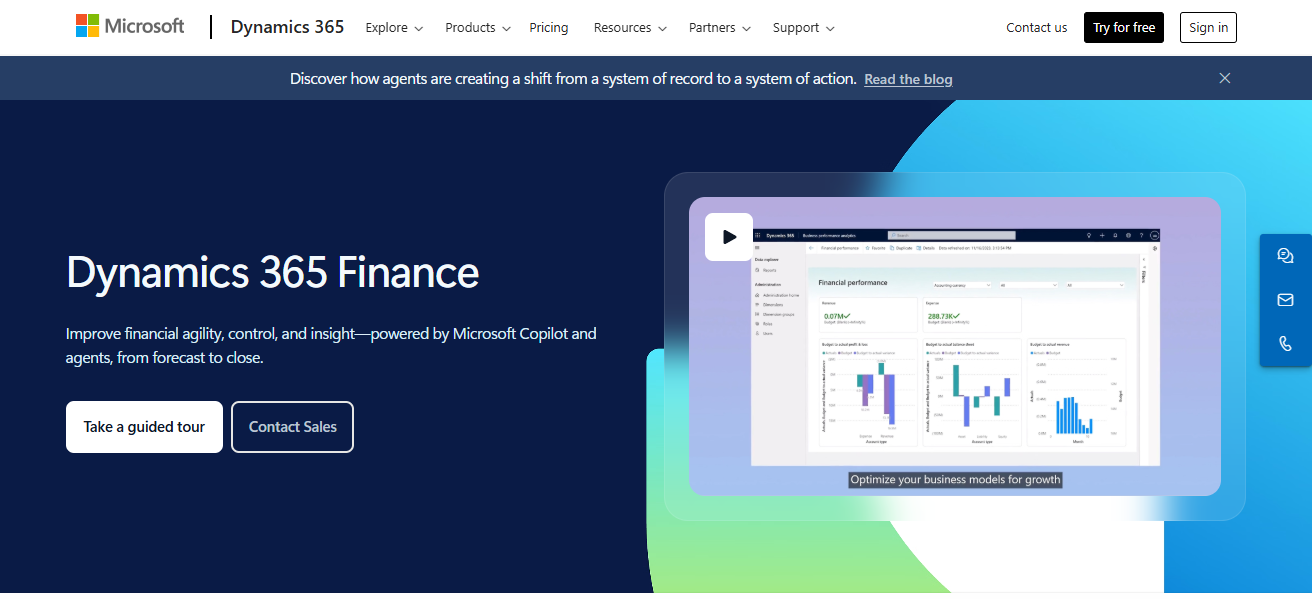
Dynamics 365 Cross-Planning and Analytics orchestrates integrated operational and financial scenario plans, in which insights are powered by AI.
| Feature | Description |
|---|---|
| Cash flow forecasting | AI predicts liquidity needs and cash positions. |
| Budget optimization | Machine learning adjusts budgets dynamically. |
| Fraud detection | AI flags unusual financial activity. |
| Integration | Works with Microsoft ecosystem (Power BI, Azure AI). |
4. Infor CloudSuite
Infor CloudSuite embeds predictive analytics and decision intelligence in its ERP suite powered by Coleman AI.
Coleman assists finance departments with understanding financial transactions, recognizing patterns and predicting future cash flow requirements, risk management, and working capital efficiency.
Coleman has industry-specific AI models, such as manufacturing and health, with specialized automation focused on cost, revenue, and demand cycle forecasting.
This combination of automation and forecasting decreases manual work, but increases analysis of future financial trends.
| Feature | Description |
|---|---|
| Industry focus | Tailored for manufacturing, healthcare, and distribution. |
| Predictive insights | AI forecasts demand and financial outcomes. |
| Cloud flexibility | Multi-tenant cloud ERP with scalability. |
| Data-driven decisions | Embedded analytics for CFOs. |
5. Epicor ERP
Epicor ERP as well has finance with the incorporation of AI with other machine learning components. Epicor ERP with AI facilitates financial forecasting through its intelligent forecasting modules.
These modules predict trends in revenue and cash flow through the analysis of historical sales and other operational data.
AI within Epicor assists in variances of financial scenarios within manufacturing and inventory management from cash flow and demand forecasting.
Epicor AI identifies transactional data and highlights anomalies in transactions. Epicor AI enhances finance with strategic forecasting capabilities.
| Feature | Description |
|---|---|
| Demand forecasting | AI predicts sales and revenue trends. |
| Manufacturing focus | Strong for industrial and production companies. |
| Financial planning | Automated budgeting and forecasting tools. |
| Customization | Flexible modules for industry-specific needs. |
6. Workday Financial Management
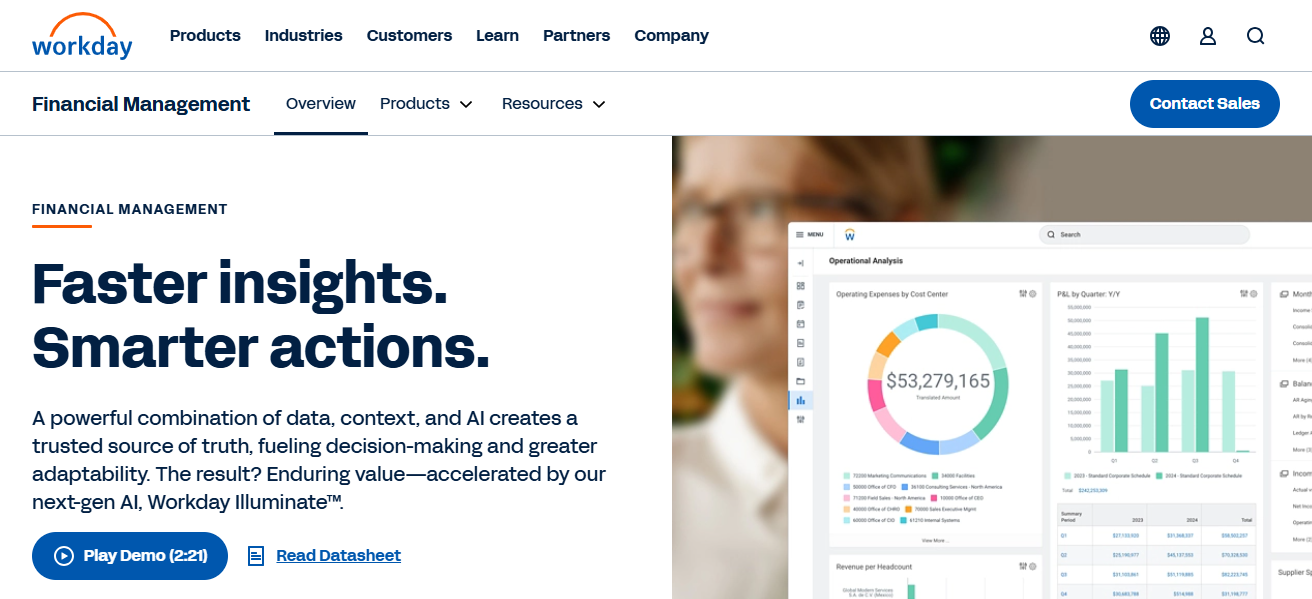
Workday utilizes machine learning and artificial intelligence in the forecasting and budgeting processes in their cloud-based financial management system.
Forecasting cash-flow, expense variances, and possible corrective measures are all available in the system.
The predictive analytics in the system assist in the automation of financial management and the compliance through detection of risks automation.
Behavioral analytics and the automation of risk detection assist in the audits of large transaction sets (arXiv).
The Automation of transactional audits in the manual processes leads to the finance function becoming more predictive and adaptable to the needs of the business.
| Feature | Description |
|---|---|
| Adaptive planning | AI adjusts forecasts based on workforce and finance data. |
| Real-time reporting | Instant insights into expenses and revenues. |
| Cloud-native | Built for scalability and accessibility. |
| Workforce-finance integration | Links HR and finance for holistic forecasting. |
7. Xledger
Xledger integrates AI to streamline key processes in finance forecasting. Designed specifically for finance-intensive organizations, Xledger is a cloud native ERP.
The AI module constructed state-of-the art cash-flow and P&L forecasts. identifying predictive parameters from historic transactions, external market data, and multi- finance graphs.
Automation in Xledger allows the system to detect and flag anomalies of journal entries resulting in the downstream manual reconciliation of journal entries.
The anomaly detection allows for greater predictive insights resulting in a more flexible and controlled process in the management of corporate liquidity.
| Feature | Description |
|---|---|
| Automation | AI automates repetitive finance tasks. |
| Forecasting | Predicts cash flow and revenue trends. |
| Cloud-native | Designed for mid-sized businesses. |
| Scalability | Grows with business needs. |
8. IFS Cloud
IFS Cloud is an enterprise Cloud ERP coupled with AI & ML for better predictive cash flow forecasting in project- and service-based businesses.
The system analyzes historical project cash flows, resource consumption, and expense patterns to model future cash flows, profitability, and resource consumption.
AI tools aid finance in running scenario analyses by changing project cash flow, timeline, cost, and AR assumptions. This enables better forecasting for operational decisions, such as staffing and procurement.
| Feature | Description |
|---|---|
| Asset-heavy industries | Best for aviation, energy, and construction. |
| AI forecasting | Predicts financial outcomes tied to assets. |
| Integrated analytics | Combines operational and financial data. |
| Cloud ERP | Flexible deployment options. |
9. Acumatica
Acumatica is an enterprise Cloud ERP with intelligent analytics and ML-driven forecasting for cash flows and profitability.
It analyzes historical revenue/expense/payment patterns and cash flow anomalies and informs finance. This empowers them to intervene to address an expense spike or delayed cash flow.
It automates data ingestion, allowing finance to focus on strategy. It also enables scenario-based planning in a more efficient way to address the impacts of new business strategies as of cost reduction, pricing and other structural changes.
| Feature | Description |
|---|---|
| SME focus | Designed for small and mid-sized enterprises. |
| Predictive cash flow | AI forecasts liquidity and revenue. |
| Cloud-native | Accessible ERP with strong mobility features. |
| AI analytics | Provides actionable financial insights. |
10. DualEntry
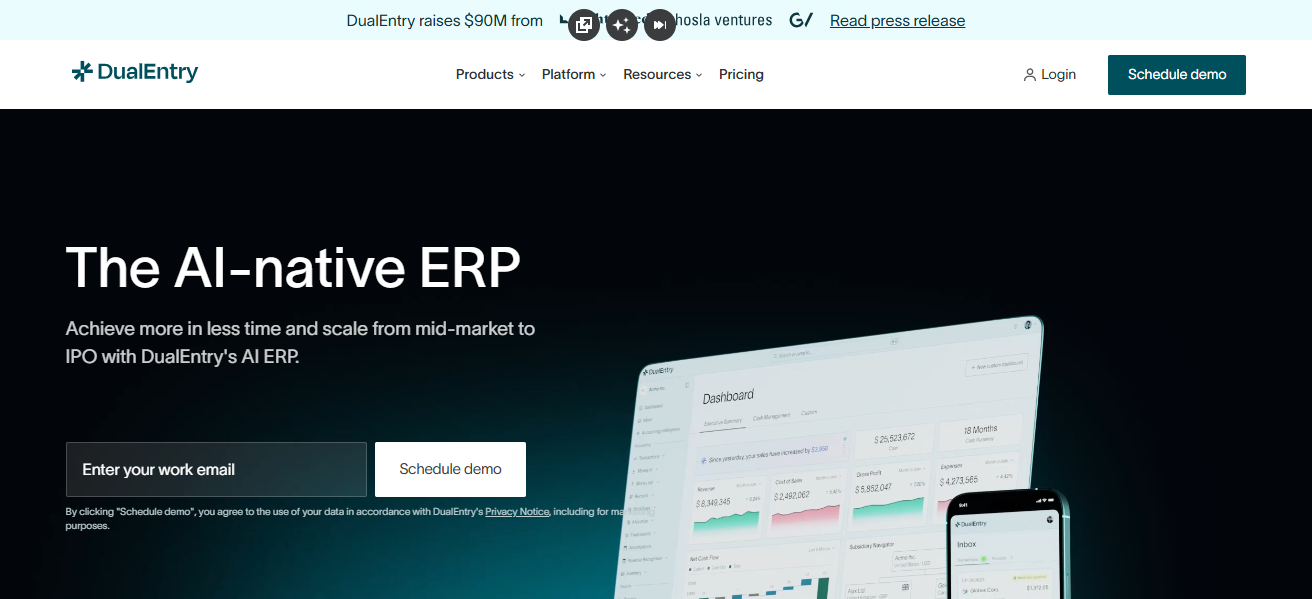
DualEntry prioritizes the automation of core financial workflows and is one of the new class of ERP companies that was built from the ground up as a fully AI-native entity.
By employing generative AI agents to complete complex transactional data and financial history migrations in hours and then applying predictive cash flow and financial health forecasting DualEntry is changing the attenuated cash flow forecasting and financial health prediction paradigm.
Because the system is built first and foremost around AI, its financial forecasting is the most advanced in the industry.
It learns, in real time, from historical behavior, risk, and scenario planning. DualEntry is a favorite among mid-market firms looking for a lightweight, intelligent ERP with predictive finance.
| Feature | Description |
|---|---|
| CFO-centric | Built specifically for financial leaders. |
| AI-driven insights | Enhances accuracy of forecasts. |
| Automation | Reduces manual financial reporting. |
| Forecast precision | Uses advanced algorithms for reliable predictions. |
Conclsuion
Ultimately, the best AI-integrated ERP systems for financial forecasting give businesses the ability to gain real-time information, automated evaluations, and precise predictions.
With the help of machine learning, cash-flow forecasting, budgeting, and risk assessment are all enhanced in systems such as SAP S/4HANA, NetSuite, Dynamics 365, Infor, etc.
These ERP systems improve long-term stability and allow organizations to be more agile and data-driven in their financial decision-making by combining automation and smart analytics.
FAQ
An AI-integrated ERP system uses machine learning and predictive analytics to automate forecasting, detect anomalies, and improve financial decision-making.
AI analyzes large datasets, identifies trends, and predicts financial outcomes with higher accuracy than manual methods.
SAP S/4HANA, Oracle NetSuite, and Microsoft Dynamics 365 are leaders due to advanced predictive and automation tools.
Yes. AI detects anomalies, flags risks, and minimizes human error in financial transactions.
Yes. Systems like Acumatica, Xledger, and DualEntry offer affordable, scalable AI forecasting features.