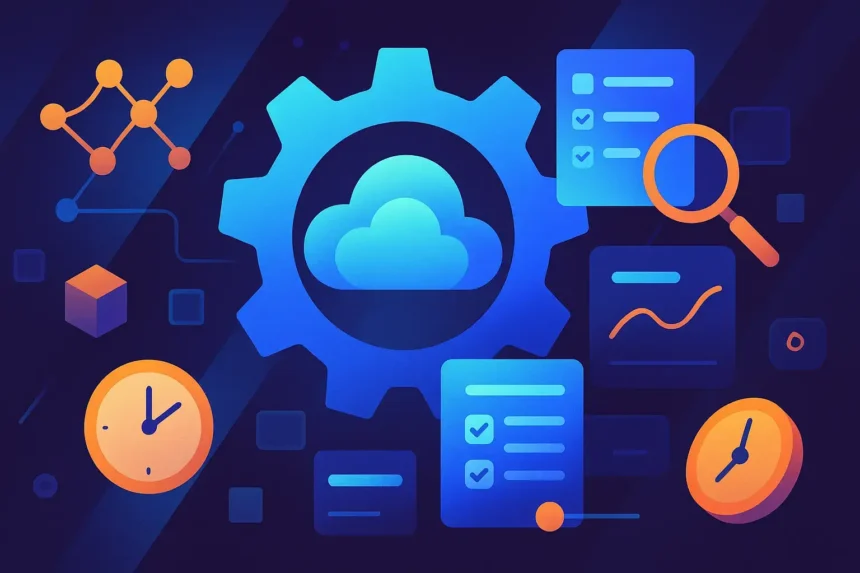
This article will be discussing the Best AI Platforms for Vendor Due Diligence. The right tools will make it easier to assess a supplier’s financial risk, compliance risk, and operational risk.
- Key Points & Best AI Platforms For Vendor Due Diligence
- 10 Best AI Platforms For Vendor Due Diligence
- 1. Prewave
- 2. Certa
- 3. Aravo
- 4. RiskRecon (by Mastercard)
- 5. Exiger Diligence
- 6. Coupa Risk Assess
- 7. NAVEX Global
- 8. D&B Risk Analytics (Dun & Bradstreet)
- 9. IntegrityNext
- 10. LexisNexis Risk Solutions
- How To Choose Best AI Platforms for Vendor Due Diligence
- Conclusion
- FAQ
Tools with AI capabilities come with real-time tracking, prediction, and automated reporting to monitor and analyze risks.
Due to these factors, the right platform will help organizations make better. More manual work will be eliminated from the process, and it will provide a more dependable and safe supply chain.
Key Points & Best AI Platforms For Vendor Due Diligence
| Platform | Key Point / Closing Note |
|---|---|
| Prewave | AI-powered risk monitoring across global supply chains; strong ESG compliance focus. |
| Certa | Workflow automation for vendor onboarding; integrates compliance and risk checks seamlessly. |
| Aravo | Enterprise-grade third-party risk management; scalable for large organizations. |
| RiskRecon (by Mastercard) | Cybersecurity risk intelligence; continuous monitoring of vendor IT security posture. |
| Exiger Diligence | AI-driven financial and compliance checks; widely used in regulated industries. |
| Coupa Risk Assess | Procurement-integrated due diligence; combines spend management with supplier risk insights. |
| NAVEX Global | Compliance and ethics monitoring; strong in regulatory reporting and governance. |
| D&B Risk Analytics (Dun & Bradstreet) | Financial stability scoring; trusted for credit and vendor viability checks. |
| IntegrityNext | Automated ESG compliance; focuses on sustainability and ethical sourcing. |
| LexisNexis Risk Solutions | Global compliance intelligence; robust for anti-money laundering and sanctions screening. |
10 Best AI Platforms For Vendor Due Diligence
1. Prewave
Prewave employs AI to track and assess global supply chains, spotting operational threats beforehand.
It pulls information from a variety of sources, including news, social media, and corporate publications, offering forecasts on vendor reliability, compliance, and disruptions to operational processes.
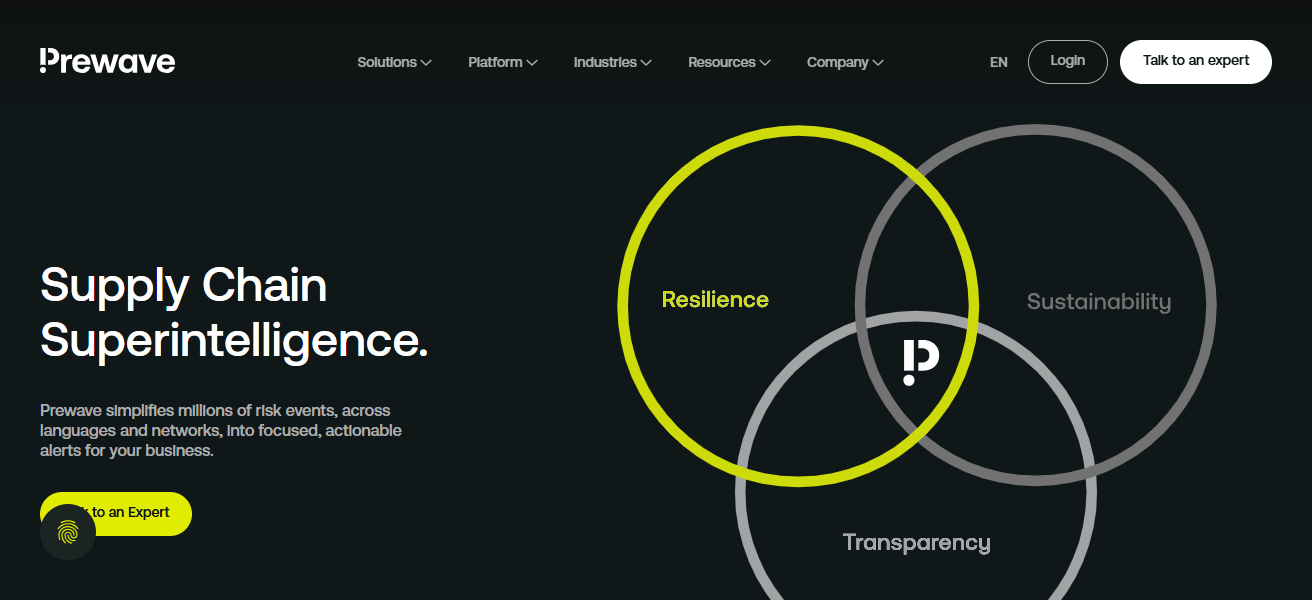
Companies can utilize AI alerts to assess and mitigate potential financial, operational, and ethical risks from supply chain disruptions, and Prewave helps with that.
Continuous multi-source monitoring and assessment makes Prewave an invaluable vendor due diligence tool.
Prewave – Features
- Tracks global supply chain patterns and risks and monitors changes and disruptions.
- Predictive AI analytics on vendor risk, compliance, and disruption.
- News coverage, social listening and company reporting scanning.
- Supplier risk management with automation and proactive alerts.
| Pros | Cons |
|---|---|
| Real-time monitoring of global supply chains using AI. | Limited customization for niche industries. |
| Predictive insights into vendor stability and operational risks. | May generate false positives from social media sources. |
| Continuous scanning of multiple sources reduces manual effort. | Can require training to interpret complex risk alerts. |
| Early warning alerts help prevent supply chain disruptions. | Pricing may be high for small or mid-sized businesses. |
2. Certa
Certa employs smart automation to streamline and secure the processes of vendor management and due diligence. Its AI scans and evaluates the vendor’s documents, contracts, and compliance records to attest to the vendor’s credentials and risk levels.
The platform assists organizations in analyzing the vendor’s financial stability, regulatory compliance, and reputation while minimizing manual work.
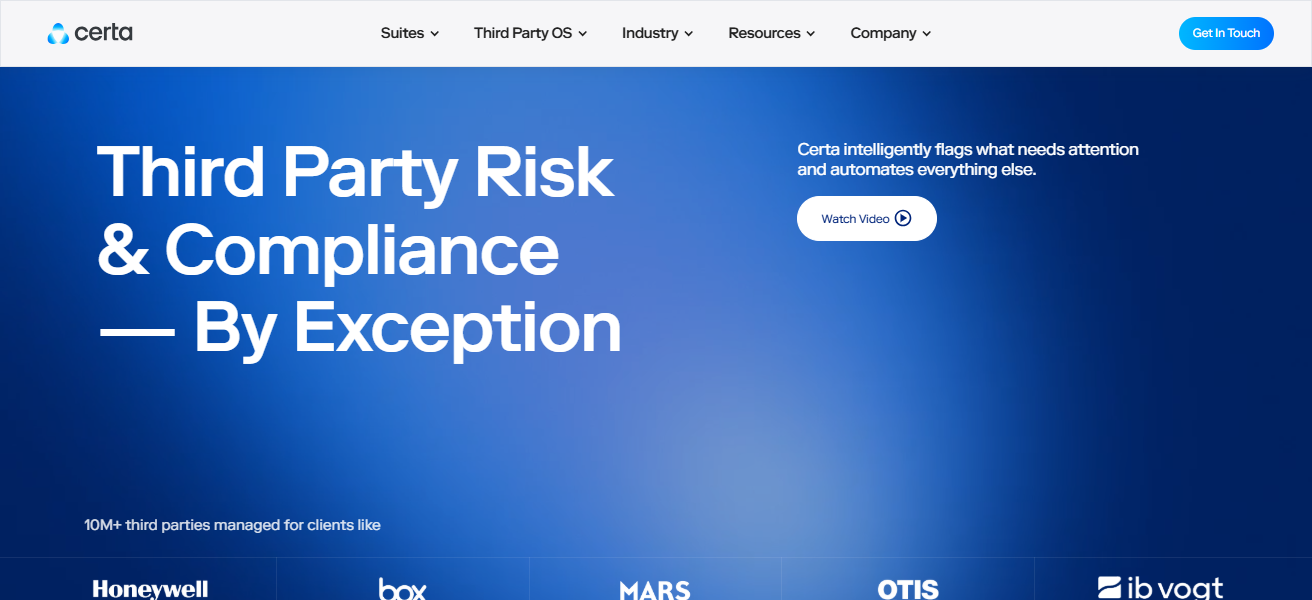
Certa also keeps audit-ready records for every interaction with a vendor, enhancing accountability and transparency.
By consolidating vendor data and automating risk assessments, Certa improves compliance and assists organizations in making data-driven decisions when onboarding and monitoring suppliers.
Certa – Features
- Verifying vendors with intelligent automation and compliance.
- AI analytics contract and document and regulatory record analysis.
- Transparency and accountability with a central audit-ready record.
- Vendor risk assessment automation through onboarding and beyond.
| Pros | Cons |
|---|---|
| Automates vendor verification and compliance checks. | May not integrate with all ERP or procurement systems. |
| Maintains audit-ready trails for transparency. | AI analysis depends on the quality of uploaded documents. |
| Reduces manual effort and speeds up vendor onboarding. | Limited global risk intelligence compared to larger databases. |
| Centralized platform improves decision-making efficiency. | Some advanced analytics features may require higher-tier plans. |
3. Aravo
Aravo has streamlined vendor due diligence for automated third-party risk management with AI. Through the assessment of financial, operational, and reputational risk, the Aravo platform monitors suppliers for compliance, ethics, and sustainability.
Aravo’s AI for automated risk scoring and ongoing monitoring flagpe high-risk vendors for further evaluation.
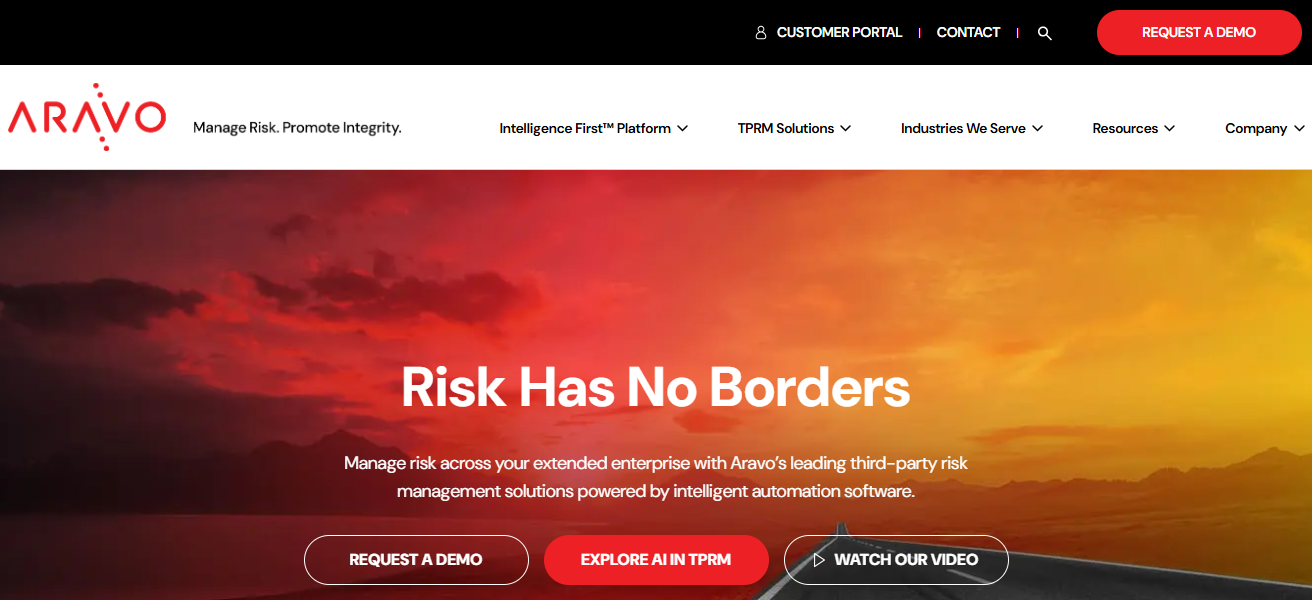
The platform’s ability to integrate external data sources provides users with up-to-date information on geopolitical, financial, and industry-specific risks.
Aravo’s combination of workflow automation and AI analytics minimizes the manual efforts associated with compliance so that organizations can control vendor risk and strategize their procurement.
Aravo – Features
- Understanding financial, operational, and reputational risk through AI.
- Monitoring Vendor Compliance, and Ethics & Sustainabilty.
- Compliance Automation: Industry & Geo-Political Threats.
- Reduced compliance manual efforts by effort through work automation.
| Pros | Cons |
|---|---|
| AI-powered continuous monitoring of vendor risk. | Implementation can be complex for large enterprises. |
| Assesses financial, operational, reputational, and ESG risks. | Some features may be expensive for small businesses. |
| Integrates external data for real-time risk insights. | UI may be overwhelming for new users. |
| Workflow automation reduces manual compliance tasks. | Customization may require technical support. |
4. RiskRecon (by Mastercard)
RiskRecon uses AI technology to assess operational and cybersecurity risks related to vendors. It analyzes and scores vendors on vulnerability exposure and compliance gaps by examining and assessing the supplier’s systems, networks, and digital footprints.
AI-driven insights help organizations to focus on proactive vendor remediation and avoid security issues.
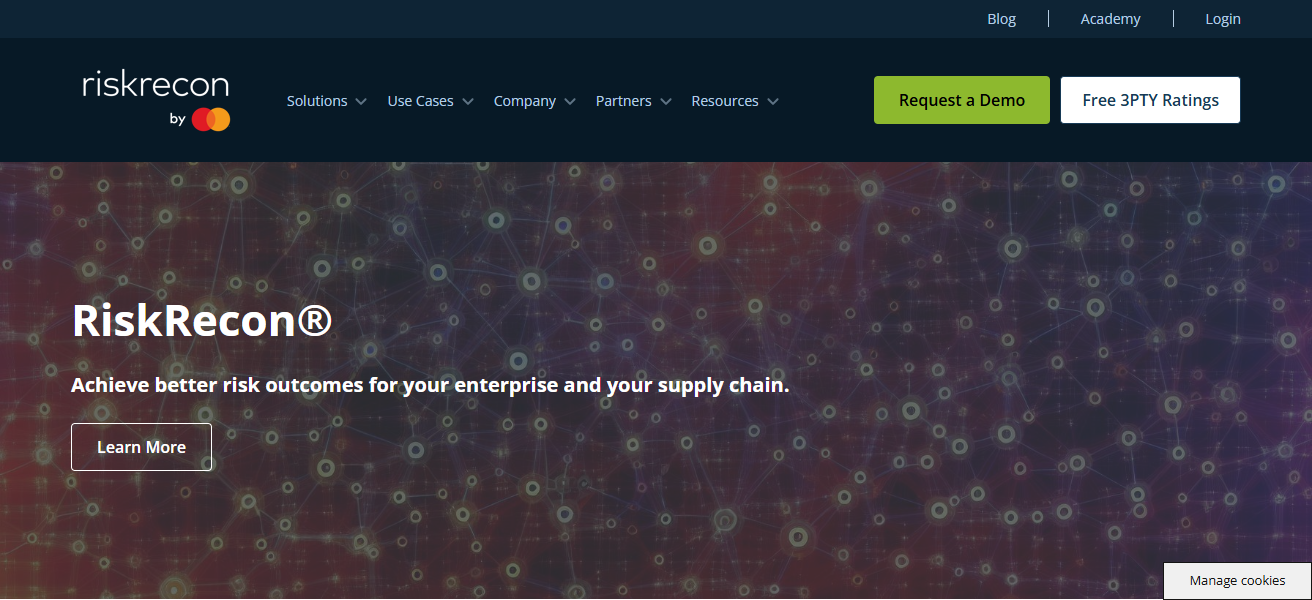
RiskRecon’s automated assessments provide actionable intelligence, minimize human effort, and enhance the clarity of risk.
Its integration with enterprise risk frameworks helps to ensure that vendors are assessed from multiple risk lenses, delivering value to IT security and to the overall vendor due diligence programs.
RiskRecon (by Mastercard) – Features
- Operational and Cyber AI Risk Assessment.
- Digital Footprint Readiness & Supplier Systems Scanning.
- Scoring of Automation Risk with Actionable Remediation Recommendations.
- Vendor Assessment by Enterprise Risk Integration.
| Pros | Cons |
|---|---|
| Focuses on cybersecurity and operational risks. | Primarily designed for digital/IT vendors. |
| Continuous scanning and automated risk scoring. | May not fully cover non-digital supply chain risks. |
| Helps prioritize remediation with actionable insights. | Integration with legacy systems may be challenging. |
| Reduces manual effort and improves vendor visibility. | Premium pricing for small organizations. |
5. Exiger Diligence
Exiger Diligence provides AI-driven due diligence solutions in the areas of compliance, anti-bribery, and financial risk.
It leverages machine learning to examine various kinds of data, both structured and unstructured, from numerous and diverse sources, such as legal documents, news reporting, and sanctions lists to detect risks.
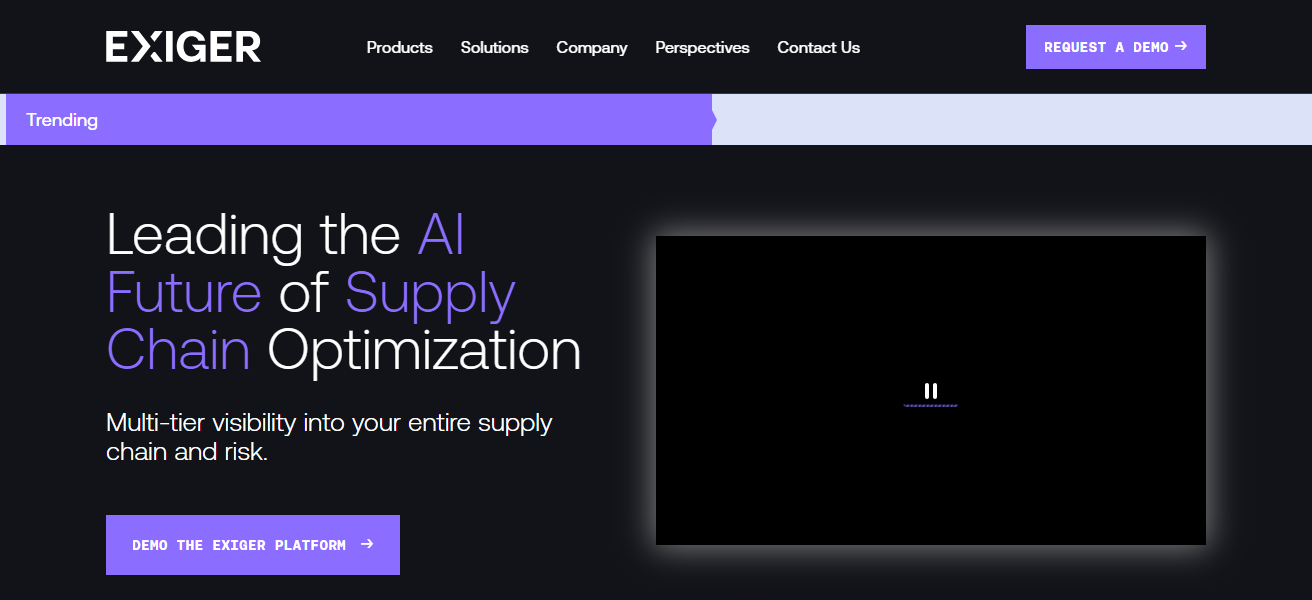
The platform automates the process of document analysis and manages vendors on an ongoing basis to track changes in their risk profile.
Organizations are aided by Exiger’s AI in spotting issues, evaluating and mitigating reputational risk, ensuring adherence to applicable laws and reducing risk, and in streamlining, improving precision, and reducing the resources needed in vendor onboarding and continuous monitoring.
Exiger Diligence – Features
- Automated analysis of structured and unstructured data using machine learning.
- Automated document auditing and vendor monitoring.
- Risk detection in compliance, anti-bribery, and finance.
- Streamlined labor-intensive due diligence, allowing quick onboarding.
| Pros | Cons |
|---|---|
| AI-driven analysis of legal filings, news, and sanctions lists. | Can be complex to deploy for smaller teams. |
| Automates document reviews and continuous monitoring. | May require human review for high-risk vendors. |
| Identifies hidden compliance and reputational risks. | Data coverage may vary regionally. |
| Speeds up vendor onboarding and due diligence. | Advanced features can be costly. |
6. Coupa Risk Assess
Coupa Risk Assess looks at a variety of factors, such as financial, operational, and compliance data, to give the most holistic and accurate picture possible.
AI-driven predictive analytics examine vendor-related disruptions, fraudulent behavior, financial instability, and disruptions to your supply chain.
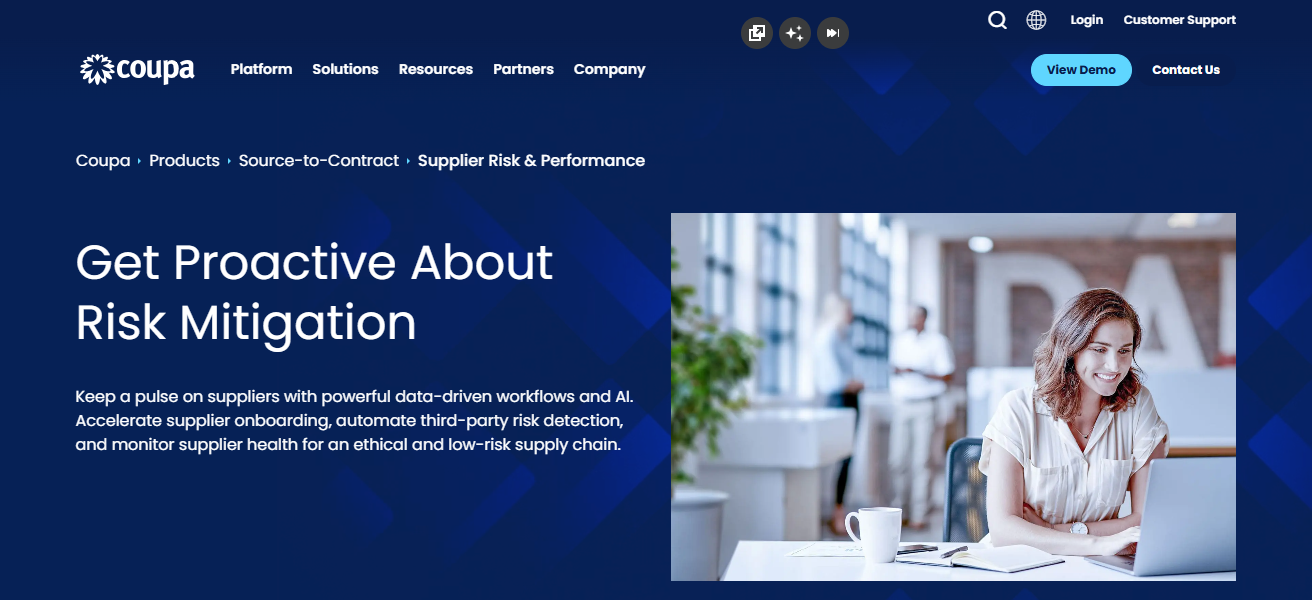
Risk Assessment uses AI to Managing Time Supplier Risk Assess, integrating procurement workflows to increase actionable insights and decision-making. Coupa analyzes risk to keep your supplier base consistently compliant and resilient.
Coupa Risk Assess – Features
- Financial, operational, and compliance risk predictive analytics.
- AI dashboards with automatic high-risk supplier prioritization.
- Risk insights embedded in procurement workflows for actionable analytics.
- Supplier risk assessment for a sustainable and resilient supply chain.
| Pros | Cons |
|---|---|
| Predictive analytics detect financial and operational risks. | Focused mainly on suppliers within procurement networks. |
| Integrates risk insights into procurement workflows. | Limited customization outside standard risk models. |
| Continuous monitoring and automated dashboards. | Smaller vendors may not be fully covered in the database. |
| Helps maintain resilient and compliant supplier base. | Advanced analytics may require training. |
7. NAVEX Global
NAVEX Global utilizes artificial intelligence along with regulatory intelligence in order to manage vendor risk and compliance more efficiently.
Its platform automates vendor due-diligence processes such as managing and screening sanctions, adverse media, and other industry blacklists.
Enhanced Artificial intelligence identifies and analyzes patterns across multiple data points to make better risk decisions as to whether to continue or cease doing business with a vendor.
Organizations are notified to review and, if necessary, change their vendor relationships as a consequence of recurring monitoring.
NAVEX Global’s integrated approach helps companies mitigate financial, ethical, and reputational risks associated with third-party suppliers.
NAVEX Global – Features
- Automated vendor screening for sanctions, adverse media, and blacklists.
- Risk scoring with AI for better engaged decision making.
- Ongoing assessment of vendor risk.
- Audit ready compliance documentation centralization.
| Pros | Cons |
|---|---|
| Screens vendors against sanctions, blacklists, and media reports. | May be less focused on financial or operational risk. |
| AI-enhanced risk scoring across multiple data points. | Reporting customization may be limited. |
| Continuous monitoring and audit-ready documentation. | Some integrations with ERP systems may be complex. |
| Supports regulatory compliance and reputation management. | Smaller vendors may not be tracked extensively. |
8. D&B Risk Analytics (Dun & Bradstreet)
Assessing the financial stability, operational reliability, and reputation risk of suppliers falls within the purview of D&B Risk Analytics and applies AI.
It uses credit score analysis, payment history studies, and market trend observations to predict possible supplier failures.
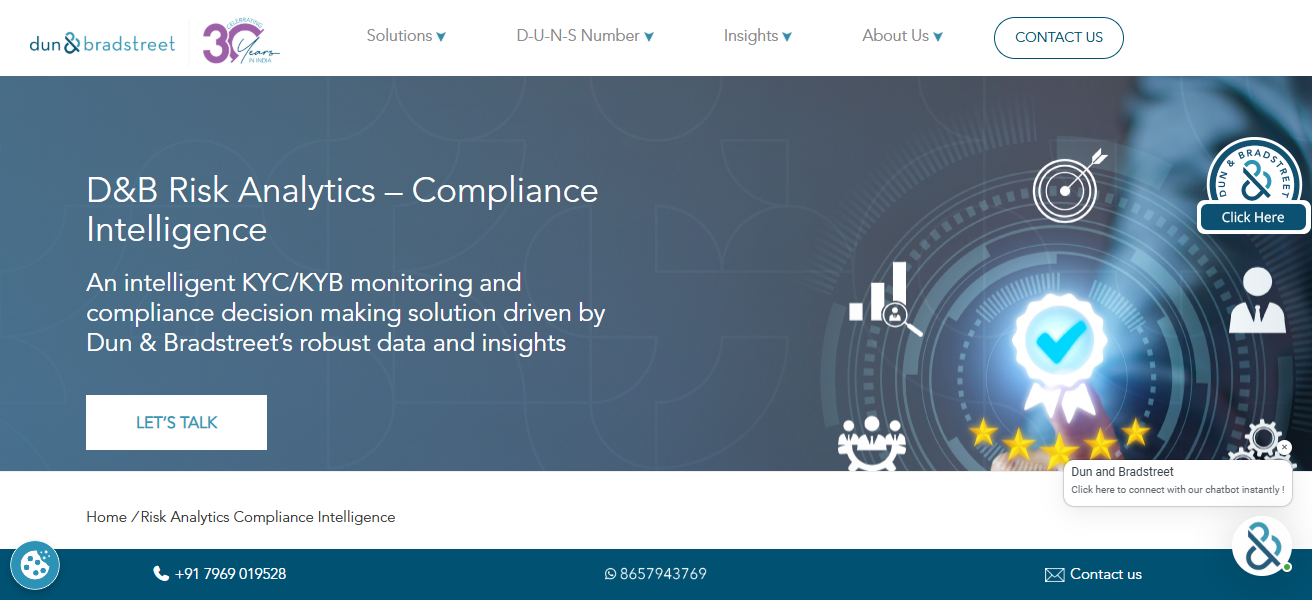
AI models spot the gaps and potential threats in the supply chain, allowing businesses to act ahead of time.
D&B’s platform helps businesses comply with regulations by tracking the suppliers’ compliance with relevant industry and legal requirements.
Because of its analytical and data coverage abilities, D&B is one of the most trusted tool to assist with complete and thorough vendor due diligence and risk mitigation.
D&B Risk Analytics (Dun & Bradstreet) – Features
- Vendor financial health and stability analysis with AI.
- Predictive insights for potential supplier failure detection.
- Monitoring for compliance with relevant industry regulations.
- Extensive global vendor due diligence coverage.
| Pros | Cons |
|---|---|
| Strong AI-driven analysis of financial health and stability. | Primarily focuses on credit and financial risks. |
| Predictive insights for proactive risk mitigation. | May not cover ethical or ESG risks extensively. |
| Monitors compliance with industry standards. | Data coverage may be limited for smaller or private vendors. |
| Trusted data source with global reach. | Some analytics require advanced subscription plans. |
9. IntegrityNext
IntegrityNext emphasizes sustainable and ethical vendor due diligence, leveraging automated risk assessments. The system gathers supplier information in regard to ESG, labor, and compliance to regulations.
AI cross-analyzes the data to pinpoint risks in operation, ethics, and legal compliance. Continuous evaluation means shifts in vendor actions or compliance are tracked and flagged.
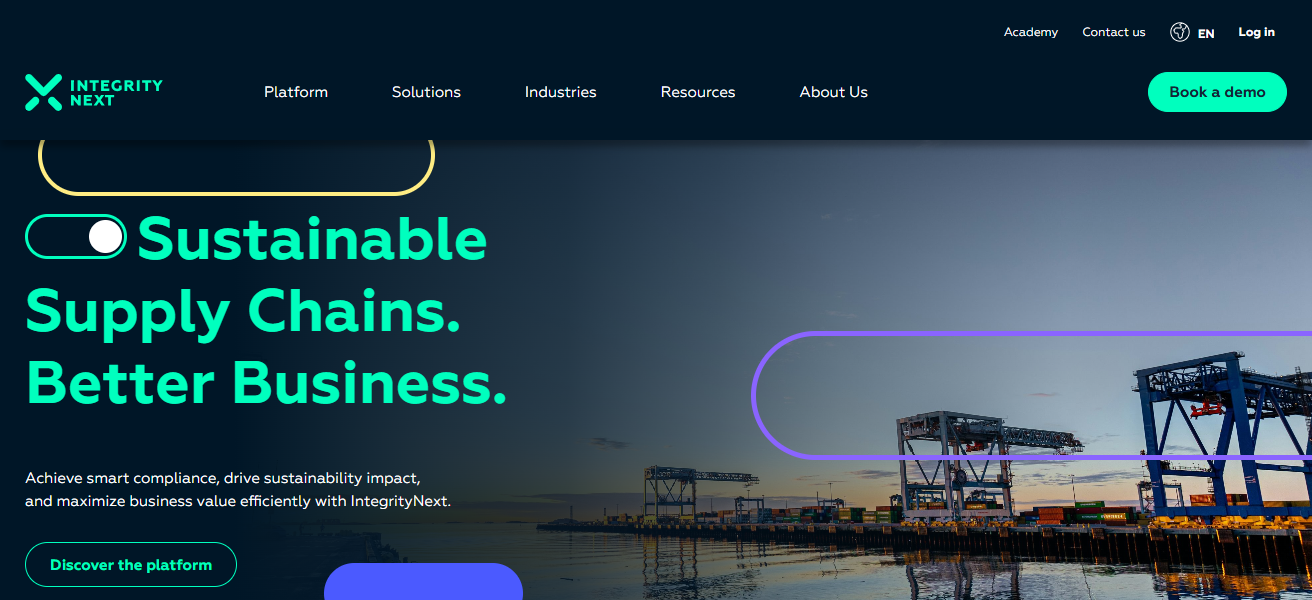
The system streamlines vendor assessments, reducing the burden of manual oversight, and also helps organizations maintain responsible accountability in managing supply chain risks.
IntegrityNext – Features
- AI-driven assessment of vendor ESG compliance, labor laws, and standards.
- Ongoing monitoring for changes in vendor compliance or behavior.
- Consolidated supplier information for easier management.
- Emphasis on ethically responsible and sustainable suppliers.
| Pros | Cons |
|---|---|
| Focused on ESG, labor, and regulatory compliance. | Limited coverage of financial or cybersecurity risks. |
| Continuous monitoring detects compliance changes promptly. | AI insights may require manual validation. |
| Centralizes vendor information for efficient management. | May need integration with existing ERP systems. |
| Automates ethical and sustainability assessments. | Some smaller vendors may lack data coverage. |
10. LexisNexis Risk Solutions
LexisNexis Risk Solutions uses Artificial Intelligence, Big Data, and Analytics to provide comprehensive vendor due diligence. The platform reviews suppliers for compliance with regulations, adverse media, and financial risk.
The risk scoring models report which vendors are high risk and need further investigation. Vendors are dynamically updated to provide a more comprehensive and accurate risk profile.
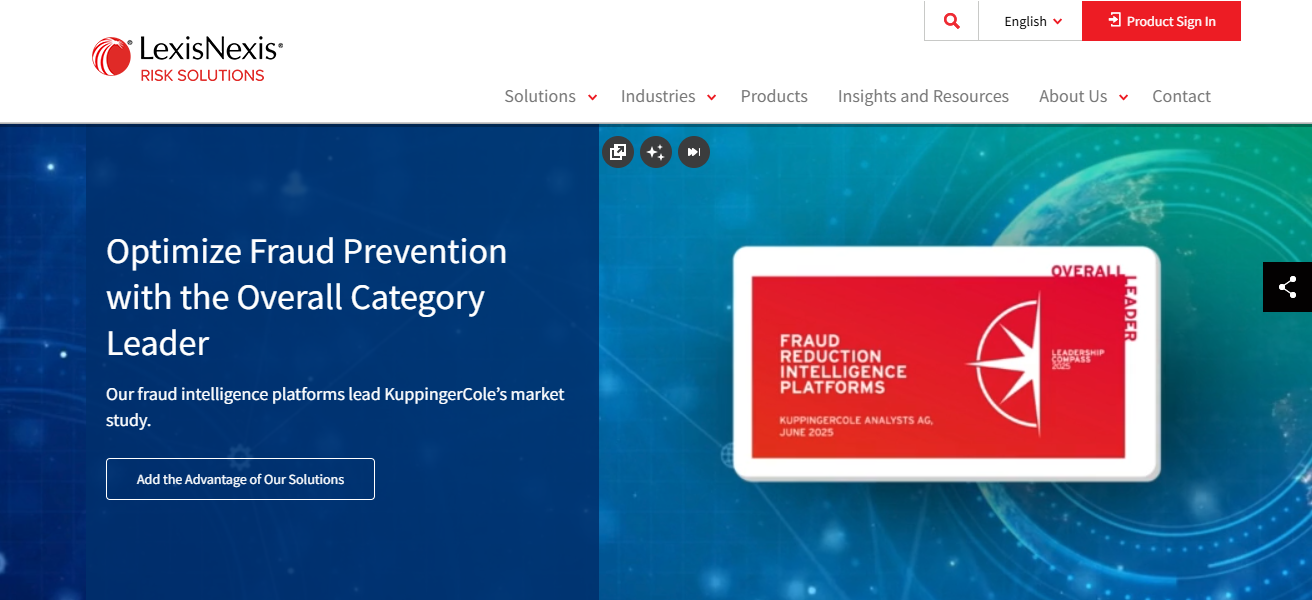
This is designed to facilitate active decision making. The solution integrates with enterprise workflows for better efficiency and compliance.
This is designed for organizations looking to reduce financial, operational, and reputational, and vendor risk, operational, and reputational risk from third-party suppliers.
LexisNexis Risk Solutions – Features
- Screening for potential regulatory, media, and financial exposure.
- AI risk scoring for identifying potential high-risk vendors.
- Ongoing vendor profile updates and monitoring.
- Seamless integration with enterprise systems for streamlined workflows.
| Pros | Cons |
|---|---|
| Screens vendors against regulatory lists and adverse media. | Implementation can be complex for large datasets. |
| AI-driven risk scoring highlights high-risk vendors. | Subscription can be expensive for small companies. |
| Continuous monitoring for proactive risk management. | May require training to use advanced analytics effectively. |
| Integrates with enterprise workflows for efficiency. | ESG and sustainability risk coverage may be limited. |
How To Choose Best AI Platforms for Vendor Due Diligence
Assess Data Coverage. Ensure the platform is capable of evaluating all 4 dimensions of vendor data: financial, operational, compliance, and reputational.
Evaluate AI Accuracy: Focus on predictive, real-time risk detection with the fewest possible erroneous positives.
Integration Capability: Assess the degree of integration with your ERP and existing procurement and compliance systems.
Continuous Monitoring: Look for systems that provide 24/7 vendor risk monitoring and automated alerts.
Regulatory Compliance: Look for systems that comply with international, sanction, and industry-specific regulations.
User Friendly Interface: Choose systems that have intuitive dashboards and allow for custom reporting and risk scoring.
Scalability: The platform should be able to expand to store and manage more vendor records.
Cost vs Value: Balance the subscription price against the level of analytics, features, and automation.
Audit and Reporting: Ensure there is transparency and compliance for the system to provide reportable audit trails.
Support and Updates: Choose systems that provide training and regular updates to the AI model.
Conclusion
To sum up, the Best AI Platforms for Vendor Due Diligence assist companies in simplifying risk evaluation, tracking supplier adherence, and assuring the continuity and stability of the supply chain.
With the help of AI-empowered insights and predictive analytics coupled with constant monitoring, companies are able to smarten their choices, lessen manual work, and reduce risk in financial, operational and reputational aspects.
The most important factor in smart and speed vendor management is selecting the right platform.
FAQ
Vendor due diligence is the process of assessing suppliers’ financial, operational, and compliance risks.
AI automates risk detection, predicts disruptions, and provides real-time insights, reducing manual effort.
Top platforms include Prewave, Certa, Aravo, RiskRecon, Exiger Diligence, Coupa Risk Assess, NAVEX Global, D&B Risk Analytics, IntegrityNext, and LexisNexis Risk Solutions.
They analyze financial data, compliance records, reputational metrics, ESG performance, and cybersecurity risks.