
This article will explain the Best Asia-Focused Diversification Strategies that enable investors to mitigate risk while reaping the rewards of the fast-growing Asian markets.
- Key Points & Best Asia-Focused Diversification Strategies
- 10 Best Asia-Focused Diversification Strategies
- 1. Invest in China’s innovation sectors
- 2. Tap into India’s digital demographic boom
- 3. Allocate to Japan’s corporate reforms
- 4. Diversify into ASEAN consumer markets
- 5. Invest in Taiwan & Korea’s semiconductor dominance
- 6. Balance with frontier Asia economies
- 7. Use regional currency diversification
- 8. Blend public equities with private markets
- 9. Incorporate sustainable & ESG investments
- 10. Balance Asia with global diversification
- How To Choose Best Asia-Focused Diversification Strategies
- Conclsuion
- FAQ
Innovation and expanding consumer economies help Asia to unique opportunities. Knowing the right diversification strategy can be the key to building stronger portfolios, achieving better returns over the long-term, and reducing market risk in different markets in the Asia region.
Key Points & Best Asia-Focused Diversification Strategies
| Strategy | Key Point |
|---|---|
| Invest in China’s innovation sectors | Leverage leadership in AI, biotech, and green tech |
| Tap into India’s digital demographic boom | Benefit from rapid growth in fintech, e-commerce, and IT services |
| Allocate to Japan’s corporate reforms | Gain from shareholder-friendly policies and reshoring trends |
| Diversify into ASEAN consumer markets | Capture rising middle-class demand in Vietnam, Indonesia, and Philippines |
| Invest in Taiwan & Korea’s semiconductor dominance | Secure exposure to global AI hardware and chip supply chains |
| Balance with frontier Asia economies | Add uncorrelated growth from Bangladesh, Sri Lanka, and Cambodia |
| Use regional currency diversification | Hedge risks with exposure to yen, yuan, rupee, and won |
| Blend public equities with private markets | Access venture capital and private equity opportunities in Asia |
| Incorporate sustainable & ESG investments | Align with Asia’s green transition and renewable energy projects |
| Balance Asia with global diversification | Reduce volatility by mixing Asia exposure with U.S. and Europe |
10 Best Asia-Focused Diversification Strategies
1. Invest in China’s innovation sectors
China’s technology and innovation sectors are rapidly evolving and include artificial intelligence, biotechnology, electrics, clean energy, and electric vehicles.
Investments in these sectors would expose investors to industries that are likely to be the driving force behind the next phase of China’s economic development.
While there are some risks, it is possible to minimize the downside by selecting companies and sector-focused ETFs (exchange-traded funds) more carefully.

For long-term diversification, the country’s innovation centers are offering investors pioneering technologies, large domestic markets and the ability to capture growth that is beyond the traditional manufacturing and export-driven industries.
Investing in these centers will give investors the chance to fully capture the rapidly evolving sectors of the domestic economy.
Features
- Target new industries and technologies such as artificial intelligence, biotech, electric vehicles, and renewables.
- China is the world’s largest and most powerful consumer and industrial marketplace.
- Available via publicly-traded stocks, diversified ETFs, and venture syndicates.
- Ground floor access to leading technologies and market-shaping innovations.
| Pros | Cons |
|---|---|
| Exposure to high-growth sectors like AI, biotech, EVs, and clean energy. | Regulatory risks and government interventions can impact returns. |
| Access to China’s massive domestic market and rising tech demand. | High market volatility due to policy changes or geopolitical tensions. |
| Potential for long-term capital appreciation. | Difficult for retail investors to pick the right companies without sector expertise. |
2. Tap into India’s digital demographic boom
The growing young population, rising internet penetration, digital adoption, and development of digital technologies in India are creating unprecedented opportunities in fintech, e-commerce, edtech, and healthtech. These opportunities are connected to digital India.

Investing in customer-focused digital ventures provides sustained growth in consumption and tech-driven efficiencies. Appropriate investment diversification could include public equities, venture capital-backed startups, and funds focused on targeted sectors.
This further optimizes India’s structural growth in the long-term while also mitigating unbalanced risks due to regulatory adjustments, inflation, and potential changes in the market.
Features
- Capitalize on the fast growth of the digital young population and the rapidly growing middle class.
- Buying opportunities are emerging in fintech, e-commerce, online education, and digital healthcare.
- Very favorable climate for early stage venture capital as well as additive growth private equity.
- Available in diversified syndicates and publicly-traded markets.
| Pros | Cons |
|---|---|
| Growing young population driving demand in fintech, e-commerce, and digital services. | Market volatility due to inflation, political changes, or regulatory shifts. |
| Long-term structural growth from increasing internet penetration and smartphone adoption. | Infrastructure challenges and uneven development across regions. |
| Opportunities in both public equities and startups. | Currency fluctuations can affect foreign investor returns. |
3. Allocate to Japan’s corporate reforms
Reforms on governance, shareholder value, and efficiency in operations are underway in Japan’s corporate sector.
Japan’s corporate equity is highly favorable for long-term investments due to expected growth from increased dividends, share buybacks, and compliance with ESG investing.

Investing in this equity will provide an opportunity to engage with firms that are enhancing their productivity and competing on a global scale.
The balance of Japan’s market, along with the expertise in technology in fields such as robotics, vehicles, and precision manufacturing, complements these reforms and offers diversification along with an expected favorable return in light of global unpredictability.
Features
- Benefits of a change to more shareholder oriented corporate governance.
- Access to globally leading industries such as robotics and advanced automotive.
- Ultra-low market risk with high transparency and good market regulation.
- Expect a constant share of higher future dividends and operational efficiencies.
| Pros | Cons |
|---|---|
| Improved governance, dividend payouts, and shareholder returns. | Slower economic growth compared to emerging Asian markets. |
| Exposure to advanced technology, robotics, and precision manufacturing. | Aging population may limit domestic consumption growth. |
| Relatively stable and transparent market environment. | Returns may be modest if reforms take time to materialize. |
4. Diversify into ASEAN consumer markets
ASEAN countries such as Indonesia, Vietnam, Thailand, and the Philippines, have rising middle-class incomes and urbanization, which is driving the demand for consumer goods, e-commerce, and financial services.
Investments in these countries provide access to the fast-growing consumer driven economies and the benefits to be gained from the rising domestic consumption.

One can invest in ASEAN regional ETFs, mutual funds, or large multinational consumer companies to achieve diversified exposure.
This strategy lessens the reliance on the large economies of China of India, while also capturing the growth of the smaller, but rapidly growing, economies of Southeast Asia.
Features
- Financial services and consumer e-commerce in the diverse markets of Indonesia, Vietnam, Thailand and the Philippines.
- Stepwise, increase diversification across other countries in region outside of China and India
| Pros | Cons |
|---|---|
| Rising middle-class incomes and urbanization driving consumption growth. | Smaller markets may be volatile and less liquid. |
| Exposure to multiple countries reduces reliance on China or India. | Political instability or regulatory changes can impact returns. |
| Opportunities in e-commerce, financial services, and consumer goods. | Corporate transparency may be lower in some frontier markets. |
5. Invest in Taiwan & Korea’s semiconductor dominance
Taiwan and South Korea manufacture cutting-edge semiconductors for multiple industries, including smartphones, computers, artificial intelligence, and cars, and dominate the global supply chain.
Investing in the top semiconductor companies or buying into ETFs concentrating on these industries provides exposure to innovation technology with a solid global demand.

These top performing economies enjoy steep entry barriers, solid IP protection, and favorable geoeconomic positioning.
Diversifying into such a unique sector balances traditional equity exposure with participation in a high growth, globally essential industry.
Features
- Have exposure to the dominant industry of the growing and profitable Taiwan Korea.
- The world currently needs chips for AI, smartphones, vehicles and computing.
- The industry is notorious for its barriers to entry and protected intellectual property.
- The industry is going to grow for many years to come due to widespread technology and increased adoption along with global inequity.
| Pros | Cons |
|---|---|
| Exposure to high-demand, technologically critical industries. | Geopolitical risks, especially around Taiwan and trade tensions. |
| Strong intellectual property protection and high barriers to entry. | Highly cyclical sector dependent on global tech demand. |
| Potential for high returns due to global chip shortages and innovation. | Concentrated exposure could increase portfolio risk if over-allocated. |
6. Balance with frontier Asia economies
Bangladesh, Sri Lanka, and Vietnam represent Frontier Asia markets with greater opportunities for growth but also working with greater risks.
These markets are less integrated with larger, more established Asia economies which means there are additional benefits for portfolio diversification.

Investments can be made via Frontier Market funds, Regional ETFs, or direct equities within the infrastructure, consumer, or finance sectors.
Although the volatility within these markets is more extreme, investors can focus on specific allocations that help them realize the growth opportunities and demographic trends while still applying a balanced approach to the Asia strategy as a whole.
Features
- The economies of the countries within this region have a high growth potential.
- The region has economies such as Bangladesh, Sri Lanka and Vietnam.
- As a region, it has very low correlation with the other major economies in Asia and the world which greatly improves diversification.
- The region has economies that are used within Infrastructure, coupled with consumer goods and financial services.
- It is going to need adequate risk management.
- The region has significant political, economic, and liquidity problems.
| Pros | Cons |
|---|---|
| High growth potential with rising consumer markets. | Higher volatility and political or economic instability. |
| Low correlation with developed and larger Asian markets. | Limited liquidity and access for foreign investors. |
| Potential for outsized returns in infrastructure and emerging sectors. | Regulatory frameworks may be weaker, increasing investment risk. |
7. Use regional currency diversification
Asia’s marketplaces deal with different currencies – yen, rupee, won, yuan, and baht – and more. Fluctuations in currencies can alter returns for foreign investors.
Moving among currencies increases risk, and dynamic diversifying or minute hedging lessens risk and obtains returns from rising economies.
There are options for direct local investments, multi-currency bond funds, or ETFs with currency hedging that are effective for maintaining the required exposure.

This tactic balances stable performance and positive returns from the fluctuating currencies in conjunction with the diversity of economies in Asia.
This allows the investors to manage performance volatility and keep their exposure to the currencies in balance.
Features
- Improve the fear of currency risk.
- Capture profits by spending and investing in the currencies where the value is increasing in comparison to the US dollar.
- This can be done via Australian dollars, hedged ETFs, or a set of local bonds that are multi-used.
| Pros | Cons |
|---|---|
| Mitigates risk from currency fluctuations impacting returns. | Hedging costs can reduce overall portfolio gains. |
| Allows investors to benefit from strengthening local currencies. | Currency markets can be volatile and unpredictable. |
| Enhances risk-adjusted returns across multi-country portfolios. | Mismanagement may lead to unintended exposure or losses. |
8. Blend public equities with private markets
The diversification benefits improves by investing in both public equity and private market, which includes venture capital, private equity and growth stage.
Private markets are able to capture and early stage innovations and hold onto to higher returns in Asia’s fast growing sectors, while allows liquidity and transparency.

These mixed markets are able to offer investments in technology, healthcare and fintech, which are still maturing in the public market.
Selecting investments, carrying out due diligence, and risk management are crucial to balance the returns and the illiquidity and other operational risks arising from private investments.
Features
- Have some stock in the public market coupled with some in the private market.
- Private markets tend to have higher growth potential and are more lucrative.
- Comes from trying to invest in fewer resilient and growing sectors in the economy.
- Access to the average excess return from investments in private markets and the liquidity of the invested public equities.
| Pros | Cons |
|---|---|
| Access to high-growth, early-stage companies not available publicly. | Private investments are illiquid and may require long lock-in periods. |
| Diversifies risk and increases potential returns. | Higher due diligence and management effort required. |
| Potential for long-term alpha through venture capital or private equity. | Valuation transparency may be limited, increasing uncertainty. |
9. Incorporate sustainable & ESG investments
The ever-increasing adoption of sustainable practices in Asia has made ESG (Environmental, Social, Governance) investing a practicable diversification tool.
Companies that focus on clean energy, responsible manufacturing, or social issues have a long-term potential to outperform.
Investing in ESG-managed ETFs, mutual funds, or directly in equities enables investors to fuse their financial objectives with sustainability goals.

This approach mitigates reputational and regulatory risks while positioning investors to benefit from the rising sustainable development worldwide.
Therefore, the strategy improves the resilience of portfolios across different economies and sectors in Asia.
Features
- Companies with the right ESG practises to invest in.
- Achieve growth and be in harmony with trends in sustainability long-term.
- Lower risks in terms of reputation, operations, and regulations.
- ESG funds, green bonds, and investments in corporates are within ESG constraints.
| Pros | Cons |
|---|---|
| Aligns with global sustainability trends and regulatory shifts. | ESG metrics may vary and be difficult to standardize. |
| Reduces reputational and regulatory risks in the long term. | Potentially lower short-term returns compared to traditional investments. |
| Attractive for long-term investors seeking socially responsible exposure. | Limited availability of high-quality ESG investment options in some Asian markets. |
10. Balance Asia with global diversification
While Asia offers high-growth opportunities, balancing it with global markets mitigates regional risks like geopolitical tensions, regulatory changes, or sector-specific shocks.
Combining Asian investments with U.S., European, or emerging market assets ensures exposure across different economic cycles.
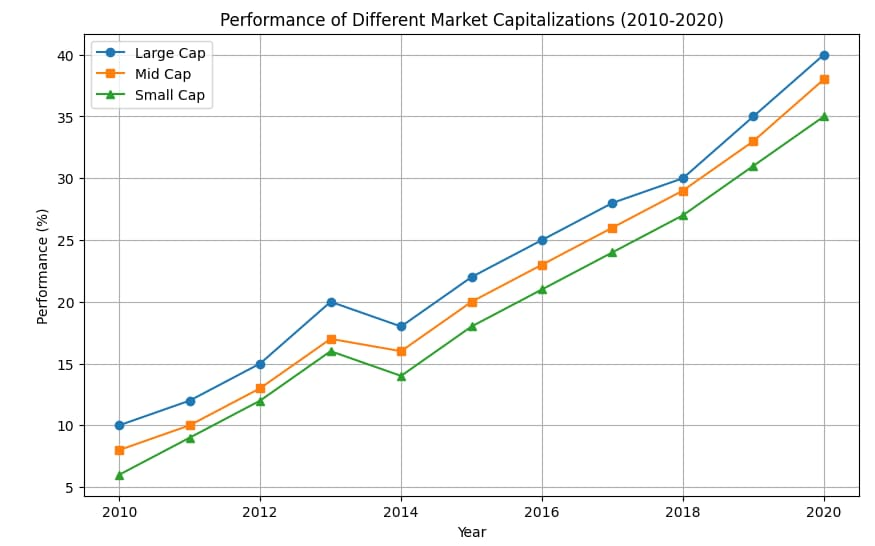
Global diversification enhances risk-adjusted returns and protects against concentrated exposure.
Investors can achieve this through international ETFs, global mutual funds, or multi-region portfolios, ensuring their Asia-focused strategy remains robust within a well-rounded, globally diversified investment approach.
Features
- Investing across Asia and a region.
- Access to multiple economic phases and market configurations.
- Improved portfolio stability while availing high potential and fast growing Asian markets.
- Global ETFs, mutual funds, or multi-region portfolios.
| Pros | Cons |
|---|---|
| Reduces regional risk from geopolitical tensions or market shocks. | Diversification can dilute high returns from high-growth Asian sectors. |
| Exposure to multiple economic cycles and markets. | Requires more complex portfolio management and monitoring. |
| Enhances portfolio stability while maintaining Asia growth exposure. | Currency and tax considerations may complicate global allocations. |
How To Choose Best Asia-Focused Diversification Strategies
Determine your investment objectives: Choose an Asian market based on whether you wish to attain long-term development, growth in income, or decline in risks.
Determine your comfort with risks: Try to balance the risks on high-growth emerging and borderline markets with more stable advanced Asian economies, such as Japan.
Region-wide diversification: Quell potential investment gaps by including several other markets in your investments, such as China, India, the ASEAN Block, in addition to East Asia.
Focus on growth patterns in the economy: Prioritize economies with high growth potential, in areas such as digital technologies, innovation, overall economies based on consumption, and where there is significant demographic growth.
Consider diversified sector exposure: A favorable balance will be attained when the sectors of technology, consumption, manufacturing, and ESG are combined, and several have a dominant position.
Mitigate risks in exchange rates: Use tools of hedged currencies or strengthening local currencies to reduce the volatility of exchange rates.
Compose different types of assets: Public equities and private markets for more liquidity and high potential returns.
Conclsuion
In conclusion, strategies focused on Asia provide investors with the opportunity to partake in a range of innovations with an ever-growing consumer market.
The Asia allocation strategies provide a range of potential opportunities, while also taking risk factors into consideration, and strengthening the Asia allocation allows an investor to a gain worldwide diverse and balanced global portfolio.
FAQ
They involve spreading investments across multiple Asian countries, sectors, and asset classes to reduce risk and capture regional growth.
Asia includes both developed and emerging markets, offering varied growth opportunities and lower concentration risk.
China, India, Japan, South Korea, Taiwan, and ASEAN nations provide balanced exposure to growth and stability.
Yes, strong demographics, innovation, and rising consumption make Asia attractive for long-term growth.
By diversifying across countries, sectors, currencies, and asset types rather than relying on one market.