In this article, I will be talking about the Best Countries Offering Banking-as-a-Service Licensing for Startups.
Banking-as-a-Service (BaaS) allows fintech startups to offer banking services such as accounts, payments, and cards by using a licensed bank’s infrastructure.
Selecting the right country is essential as it influences the speed at which you will receive a license, regulatory requirements, access to the market, and potential growth for a developing fintech company.
Key Points & Best Countries Offering Banking-as-a-Service Licenses To Startups
| Country | Key Point |
|---|---|
| United States | Large fintech market, strong VC ecosystem, MSB licensing via FinCEN |
| United Kingdom | Progressive FCA regulations, open banking leadership, fintech-friendly sandbox |
| Lithuania | EU passporting, fast licensing, low capital requirements |
| Singapore | MAS regulatory clarity, strong digital banking framework, Asia hub |
| Switzerland | Crypto-friendly, stable regulations, fintech innovation hub |
| Estonia | E-residency program, streamlined fintech licensing, digital-first government |
| United Arab Emirates | Dubai DIFC & ADGM free zones, fast-track fintech licenses |
| Hong Kong | Gateway to China, HKMA fintech sandbox, strong banking infrastructure |
| Canada | Stable financial system, PSP/MSB licensing, growing fintech sector |
| India | Gift City fintech hub, RBI regulatory sandbox, massive digital payments market |
10 Best Countries Offering Banking-as-a-Service Licenses To Startups
1. United States
At the heart of the world’s largest ecosystem for fintech innovation, the US has unparalleled market size and strong regulatory frameworks.
US-based start-ups can operate under Money Services Business (MSB) licenses that FinCEN, US Treasury issues, in addition to obtaining pa state-level approvals.

While US regulation is very complex and varies from state to state, the market access and availability of investors is unmatched in the world.
Recent open banking policies and partnerships with established banks enable rapid scaling for new market entrants.
With major fintech innovation hubs like Silicon Valley and New York, the US is a top BaaS startup location.
| Feature | Details |
|---|---|
| Market Size | Largest fintech ecosystem globally |
| Licensing | MSB license via FinCEN + state approvals |
| Innovation | Strong open banking initiatives |
| Funding | Access to top VC firms and investors |
| Talent | Silicon Valley & New York fintech |
2. United Kingdom
A fintech regulation pioneer, the UK was first in open banking and is a leader in offering new fintech entrants the regulatory sandbox that enables safe product testing.
With London at the financial center of the world, the UK has the talent, and investors to support leading fintechs in the new open banking ecosystem.
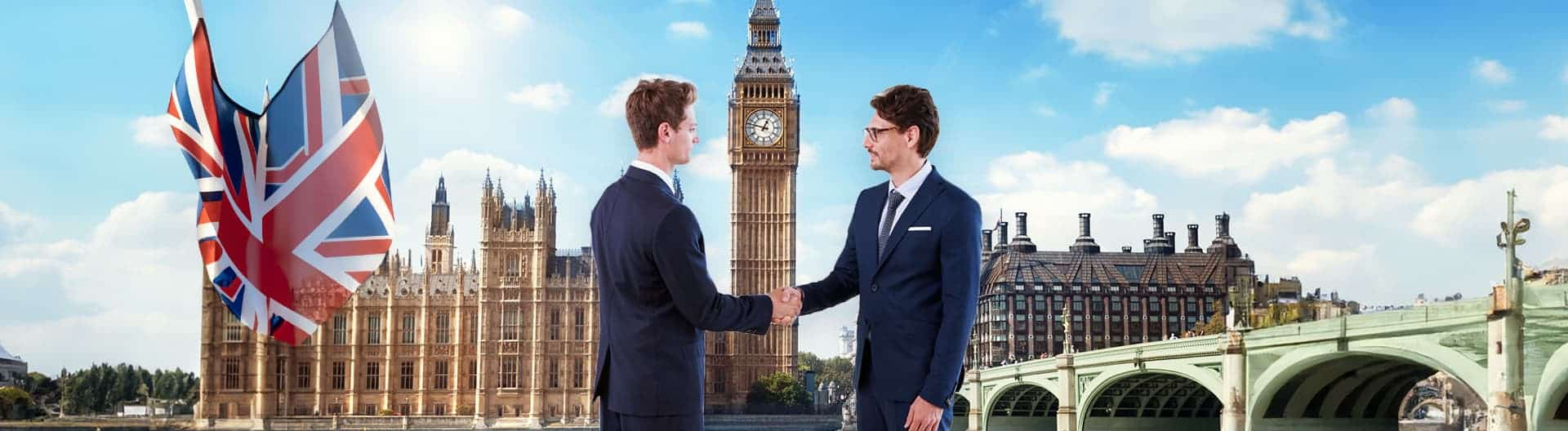
The balance between regulation and support for new businesses makes the UK an interesting place for startups needing market confidence and the ability to grow.
Initial embossing rights added to the UK’s advantages, but even with Brexit, the UK maintains an advantage over the EU.
| Feature | Details |
|---|---|
| Regulator | FCA with progressive frameworks |
| Open Banking | First mover in Europe |
| Sandbox | FCA regulatory sandbox for testing |
| Financial Hub | London as global fintech capital |
| Credibility | Strong international reputation |
3. Lithuania
Continuous improvements to regulations on fast track license implementations and lower entry capital for new businesses in the financial technology sector have made Lithuania a very appealing market in Europe.
With clear guidelines on becoming either an electronic money institution (EMI) or a payment services provider, startups can obtain EU passports for easier expansion within the EU.

The supportive government policies on talent and training in technology encouraged the capital, Vilnius, to claim the title of Fintech hub of the country.
The country’s digital-first approach and streamlined regulations make it easier for startups to grow Lithuania’s reputation as a gateway to the European market.
| Feature | Details |
|---|---|
| Licensing Speed | Fast-track approvals |
| Capital Requirements | Lower than most EU states |
| EU Passporting | Operate across EU markets |
| Government Support | Pro-fintech policies |
| Hub | Vilnius as fintech center |
4. Singapore
The city-state of Singapore in Southeast Asia is the leading country in Financial Technology having been awarded the title a number of consecutive times.
The country opened and initiated new digital banking licenses in an effort to promote new ideas and services, although the country remains economically very conservative.
Singapore is located strategically with easy access to the fast growing economies of the region and offers strong government support for financial technologies through grants, partnerships and encouraging innovation.

For new companies looking to establish a reputation, the country’s strong legal framework and advanced infrastructure are a major selling point.
With a thriving ecosystem and regional influence, Singapore is one of the most desirable locations for BaaS startups in Asia.
| Feature | Details |
|---|---|
| Regulator | MAS with clear digital banking rules |
| Regional Gateway | Access to Southeast Asia |
| Government Grants | Strong startup support |
| Infrastructure | Advanced legal & financial systems |
| Credibility | Asia’s fintech capital |
5. Switzerland
Switzerland’s reputation and stability, coupled with his strong tradition in banking and acceptance of innovation in fintech, is an incredible perk.
The FINMA provides various flexible options for licensing in the fintech space, including the easing of requirements for smaller firms.
Zug’s “Crypto Valley” is the most prominent hub for blockchain-enabled financial products while the rest of the country is known for being very crypto-friendly.
In addition to their strong reputation for privacy, which many startups providing BaaS solutions would desire, they also have a trusted reputation.

It becomes even more appealing with access to many European markets. The addition of a highly skilled labor market adds to the attractiveness.
Switzerland certainly has a mix of tradition and added flexibility, making it an incredible option for many fintech startups in the growing market.
| Feature | Details |
|---|---|
| Regulator | FINMA with clear fintech pathways |
| Crypto-Friendly | Zug’s “Crypto Valley” hub |
| Stability | Strong banking tradition |
| Privacy | Trusted for secure solutions |
| Talent | Skilled workforce in finance & tech |
6. Estonia
Estonia is quite the dream country for digital nomads and entrepreneurs. They have an e-residency program that many take advantage of, along with the streamlined licensing for many of the fintech firms and payment institutions and EMIs they cater to.
The Gov has a great reputation of being very innovative, hence making it one of the easiest places to launch a fintech startup. E-government services are widespread, and it makes digital infrastructure very advanced.

Estonia became an EU member in 2019, making it possible for its startups to passport their services throughout the EU.
With a low regulatory environment, fast licensing, and a tech-savvy population, Estonia has quickly become a go-to location for startups wanting to quickly and efficiently gain entry into the EU’s fintech market.
| Feature | Details |
|---|---|
| Digital Nation | E-residency program for entrepreneurs |
| Licensing | Streamlined EMI & payment institution approvals |
| Government Support | Innovation-driven policies |
| EU Access | Passporting rights across Europe |
| Efficiency | Low bureaucracy, fast setup |
7. United Arab Emirates
Dubai and Abu Dhabi have rapidly become a fintech hub in the Middle East. Free zones such as the Dubai International Financial Centre (DIFC) and the Abu Dhabi Global Market (ADGM) offer fintech-specific licenses that can be obtained in as little as 24 hours.
The UAE government is very supportive of innovation and hosts a number of accelerators and fintech events.

Strategically, the country is located in the center of the globe, making it a critical location for startups looking to cross borders to deliver services.
The country has a solid, developed banking system and is well placed for BaaS startups. With few licencing restrictions, the UAE can be seen as a star in the fintech ecosystem.
| Feature | Details |
|---|---|
| Free Zones | DIFC & ADGM fintech licenses |
| Approval Speed | Fast-track processes |
| Government Support | Accelerators & fintech events |
| Location | Gateway between Asia, Africa, Europe |
| Infrastructure | Strong banking & digital adoption |
8. Hong Kong
Hong Kong is a gateway to China and all of Asia. The Hong Kong Monetary Authority (HKMA) has a fintech sandbox for startups and has introduced virtual banking licenses that encourage the provision of banking services entirely online.
Part of the incentive for this push is the large market that is available in mainland China, which borders Hong Kong.

The fintech industry has greatly benefited from the strong legal frameworks, reputation, and advanced infrastructure of international finance in Hong Kong.
Political issues aside, Hong Kong is recognized for its financial services innovations. Startups in Hong Kong are able to access all of Asia and the world.
| Feature | Details |
|---|---|
| Regulator | HKMA fintech sandbox |
| Licensing | Virtual banking licenses |
| Gateway | Access to China’s huge market |
| Legal System | Internationally trusted |
| Connectivity | Global financial hub |
9. Canada
Canada has a ballooning fintech ecosystem, alongside a stable financial system. Startups are able to function under Money Services Business (MSB) licenses regulated by FINTRAC.
There is a growing legislative openness in the area of Digital Payments, as well as in Open Banking Initiatives, which is promoting fintech innovation in the country.

Montreal, Toronto, and Vancouver are emerging as fintech hubs due to the strong educational infrastructure, and the availability of skilled people. In addition, the country’s closeness to the U. S.
market is an added advantage for business expansion. The combination of all these factors is making Canada a desirable new country for BaaS startups hoping to expand in the U.S. due to the existing credibility and innovation in flexible regulation.
| Feature | Details |
|---|---|
| Regulator | FINTRAC MSB licensing |
| Stability | Strong financial system |
| Open Banking | Emerging initiatives |
| Talent | Toronto, Vancouver, Montreal hubs |
| Expansion | Easy access to U.S. market |
10. India
Good government initiatives and widespread digital adoption has made India one of the fastest growing fintech markets in the world. The Reserve Bank of India (RBI) has implemented the use of “regulatory sandboxes,” which promotes the governed innovation.
Gift City in Gujarat has become a promising destination for many fintech startups. India’s Unified Payments Interface (UPI) is a game-changer for the digital payments sector and opens the market for BaaS providers.

India’s massive population, supportive regulations, and smartphone adoption make the count.
Startups gain the benfit of the diverse entrepreneurial and investment ecosystems. International funding has poured into the country, espeially as the country is on the way to becoming a fintech superpower.
| Feature | Details |
|---|---|
| Regulator | RBI with fintech sandbox |
| Innovation | UPI revolution in payments |
| Fintech Hub | Gift City in Gujarat |
| Market Size | Huge population & smartphone penetration |
| Growth Potential | Rapidly expanding digital ecosystem |
Conclusion
To wrap up, the countries with the best conditions for Banking-as-a-Service licensing and regulation are the U.S., the United Kingdom, Lithuania
Estonia, Singapore, and Hong Kong, Switzerland, the United Arab Emirates, Canada, and India for their credibility and scale, rapid access to the EU,
The ability to expand into the Asia-Pacific region, stability, strategic reach to MENA, simplicity, and high growth from partnership with banks, respectively.
FAQ
BaaS allows fintech startups to offer banking services like accounts, payments, and cards by leveraging licensed banks’ infrastructure through APIs.
The United States and Canada are ideal due to mature financial systems, regulatory clarity, and strong fintech ecosystems.
Lithuania and Estonia are top choices, offering fast licensing and access to the European Economic Area (EEA).
The UK provides credible EMI and payment licenses, regulatory stability, and access to European and global markets.
Singapore and Hong Kong are preferred due to strong regulatory frameworks, financial stability, and regional market access.