This article covers the best crypto exchanges and their advanced risk management features that protect traders in a volatile market.
- Key Points & Best Crypto Exchanges with Advanced Risk Management
- 10 Best Crypto Exchanges with Advanced Risk Management
- 1. Kraken
- 2. Binance
- 3. Bitfinex
- 4. Gemini
- 5. Coinbase
- 6. Bybit
- 7. OKX
- 8. Delta Exchange
- 9. KuCoin
- 10. MEXC
- MEXC Features
- How We Choose Best Crypto Exchanges With Advanced Risk Management
- Conclusion
- FAQ
The platforms offer excellent security and operational transparency, and professional risk management features including insurance funds, margin calls, and automated liquidation; making these exchanges ideal for novice and veteran crypto traders alike.
Key Points & Best Crypto Exchanges with Advanced Risk Management
| Crypto Exchange | Key Point (Unique / Standout Feature) |
|---|---|
| Kraken | Long-standing reputation with strong security, proof-of-reserves, and regulatory compliance. |
| Binance | Largest global volume with deep liquidity, SAFU insurance fund, and broad crypto support. |
| Bitfinex | Professional-oriented with deep liquidity and advanced margin & derivatives trading. |
| Gemini | U.S. regulated exchange focused on compliance, audits, and institutional security. |
| Coinbase | Highly trusted, publicly listed platform with robust custody and compliance standards. |
| Bybit | Derivatives focus with high leverage, insurance funds, and auto-deleveraging risk controls. |
| OKX | Broad asset support with live proof-of-reserves and diversified spot & derivatives ecosystem. |
| Delta Exchange | Specialist in crypto futures & options with insurance funds and strategy tools. |
| KuCoin | Massive token variety with multiple trading products and security layers. |
| MEXC | Wide range of tokens including newer projects, competitive fees, and margin controls. |
10 Best Crypto Exchanges with Advanced Risk Management
1. Kraken
As one of the first exchanges in the world when it first opened in 2011, Kraken was lauded for the strength of its proof-of-reserves, cold storage, and risk management protocols
Not to mention compliance with all regulatory frameworks. Kraken is one of the first in the world to offer buying and selling with 200+ cryptos and futures.
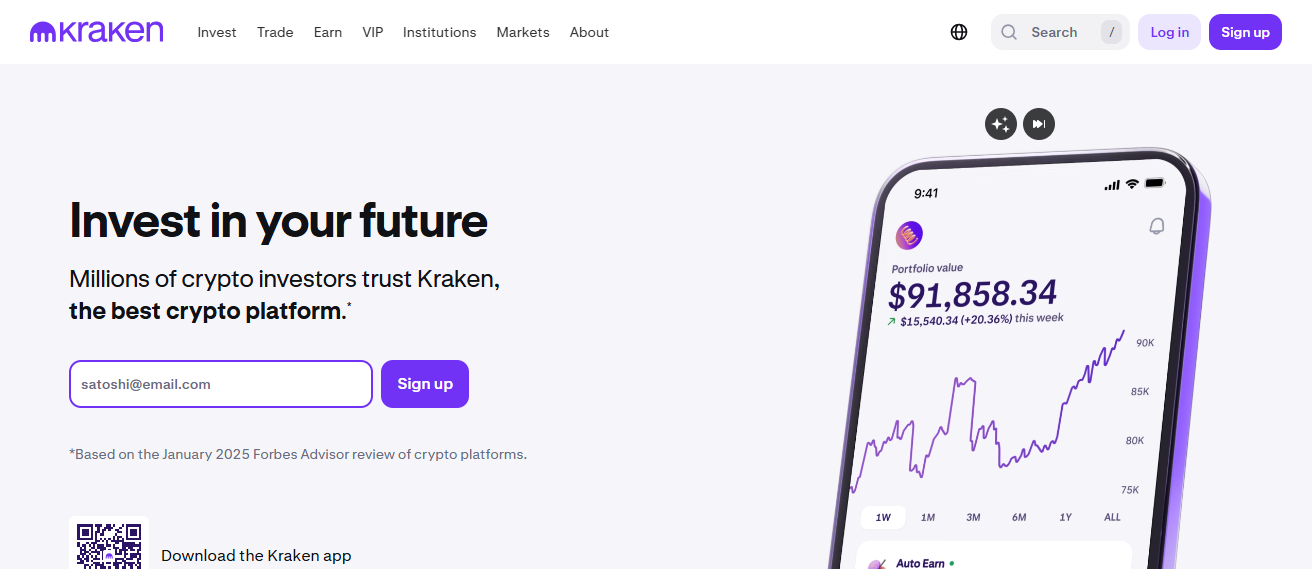
The first in the world to offer safety and compliance in the buying and selling of digital currencies and assets.
Kraken is the go-to for the most sophisticated, advanced traders and institutions looking for comprehensive risk management, capital protection, and transparent audits.
Kraken has tiered margin, sophisticated risk controls including margin, position supervision, and monitored derivatives.
Kraken Features
Security and custody: Kraken takes an extra mile to safeguard users’ funds with their cold storage facility and multi-factor authentication.
Proof of Assets: Reporting on transparency from Kraken of what assets they hold helps in building trust.
Compliance: Because of their licenses from different countries, Kraken is perfect for risk-averse traders and institutions.
Advanced Order Types: Kraken allows spot, margin, and futures, and users can have their risk allocated as with loss buffers and portfolio checks.
| Pros | Cons |
|---|---|
| Strong security & compliance with proof-of-reserves and cold storage | User interface can feel complex for beginners |
| Good for institutional traders with margin & futures | Slower verification process in some jurisdictions |
| Transparent regulatory posture | Limited token selection compared to large global exchanges |
2. Binance
Founded in working in July 2017, Binance is the biggest crypto exchange in the world in term of trading volume, providing 400+ crypto currencies, providing extensive markets in spot, margin, futures and options.
Its risk management structure encompass a SAFU insurance fund, real-time risk assessment systems, position limits, and advanced algorithms of liquidation to mitigate the risk of the market.
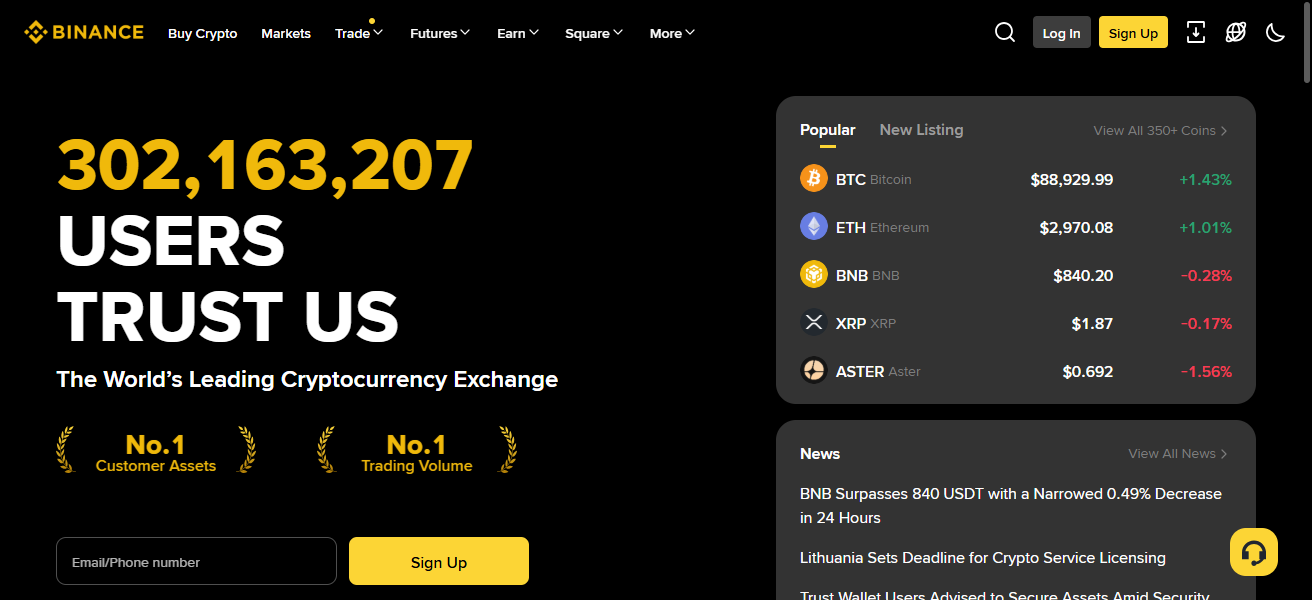
Binance’s deep liquidity and more complex order types accommodate and favor the automation of trading strategies and the professionalning of trading.
Regardless of the challenges Binance faces with regulation in some places, it still is the primary source to traders for risk management and exposure to diverse digital assets.
Binance Features
SAFU: Binance has an insurance fund to cover users’ losses.
Deep Liquidity: With high volumes of trades for an asset, it reduces the chances of slippage.
Risk engines: Automated systems that set and monitor margin and liquidation via real-time to eliminate systematic risk.
Wide asset support: With 943 listed assets, the diverse portfolios and hedges have hundreds of different cryptocurrencies.
| Pros | Cons |
|---|---|
| Deep liquidity & extensive trading options | Regulatory challenges in some regions |
| SAFU insurance fund and advanced risk tools | Can be overwhelming for new traders |
| Huge crypto support | Some advanced features may incur complex fees |
3. Bitfinex
Bitfinex was established in 2012 and is recognized for providing advanced trading tools and having deep liquidity.
It is able to support many crypto currency pairs and provides services to counter trading, peer to peer financing, derivatives, and trading on the over the counter market.
Bitfinex is aware of security issues and has been improving their risk management strategies by implementing order book risk checks, collateral margin systems, and API behavior monitoring to then reduce exposure of the traders.
The features are in that of an institution and design Bitfinex as the go to portal for developed traders to then manage their liquidity and risk portfolio.
Bitfinex Features
Advanced Professionals: Customisable layouts with complex charts for advanced crowd trading.
P2P: Marginally amplified risk of the funding.
Risk API: Automated trading systems can be heavily scaled without fear of controlling the market.
Market Liquidity: Allows users to transact further without affecting price-point with big orders.
| Pros | Cons |
|---|---|
| Excellent liquidity for large orders | Past security incidents (improved but noted) |
| Advanced margin & derivatives trading | Less beginner-friendly |
| Professional API and charting tools | Limited fiat on-ramps in some regions |
4. Gemini
Founded in 2014, Gemini has become one of the only fully regulated U.S. exchanges that prioritizes compliance and security.
Gemini supports a vast number of cryptocurrencies, more than 70, and employs sophisticated risk management strategies, which includes SOC 2 Type II audits, institutional cold storage, and a robust digital asset insurance policy.
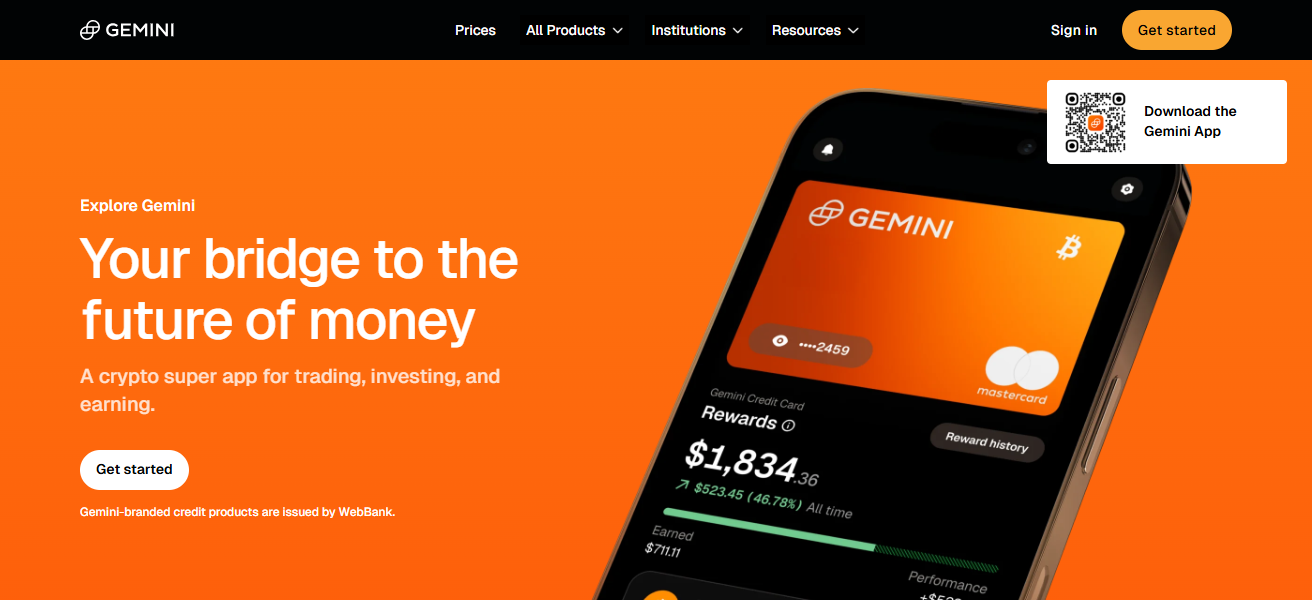
Governance and regulatory compliance on the platform mitigate systemic risk and the risk of loss due to fraud in user accounts.
ActiveTrader, one of the tools on the platform, is intended for users who appreciate the ability to manage and measure their trades.
It is ideal for users who value trading in a regulated market, and who appreciate risk management along with robust control of trade execution.
Gemini Features
Regulatory Oversight: U.S. compliance frameworks strengthen safeguards for more risk-averse users.
SOC 2 Security Audits: Integrity operational assurance by periodic external assessments.
Custody Services: Institutional custody is held securely and insured.
Structured Trading: ActiveTrader with sophisticated types of risk orders.
| Pros | Cons |
|---|---|
| Highly regulated U.S. exchange with strong compliance | Higher fees compared to some global exchanges |
| Excellent security & audits | More limited token list |
| Good for institutions & risk-averse traders | Fewer advanced trading features than some rivals |
5. Coinbase
Coinbase opened its doors to the public in June 2012 and since then, it has garnered a lot of trust as it continues to be one of the most popular in the world fully supporting in excess of 200 cryptocurrencies.
With the right security constructs and compliance practices, the company is a publicly listed regulated virtual asset services provider.
As a result, the company implements a multi-layered risk management approach that features cold wallets for the bulk of its virtual assets and a comprehensive KYC/AML process.
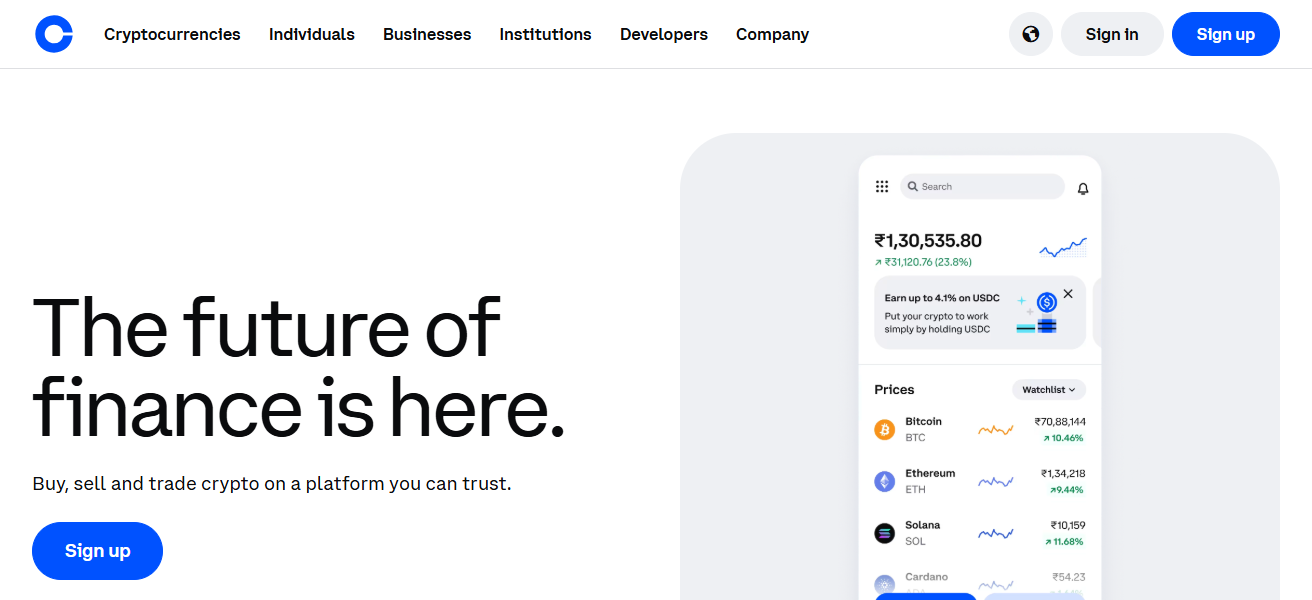
In addition, Coinbase regularly reviews its asset offerings and implements a number of its own proprietary systems to mitigate exposure to fraud and cascading volatility.
For safety and transparency, Coinbase Advanced is tailored to provide the most sophisticated liquidity management and order type features to professional market participants.
Coinbase Features
Public Company Transparency: As a listed exchange, it must follow reporting requirements.
Cold Storage Majority: Most assets remain offline and therefore unexposed to hacks.
Robust Compliance: Strong KYC/AML practices globally to manage regulatory and financial risk.
Advanced Order Features: Provides stop and limit as well as conditional orders for risk control.
| Pros | Cons |
|---|---|
| Publicly listed, strong regulatory compliance | Higher fees, especially on basic interface |
| Excellent custody & multi-layer security | Limited advanced order types for pros |
| Good fiat support | Slower listing of new tokens |
6. Bybit
Opened to the public in 2018, Bybit is reputed to provide exceptional derivatives market trading, thanks to the numerous crypto futures and perpetual contracts the platform offers.
Bybit currently offers 150+ cryptocurrencies in both spot and derivatives trading, with leveraged trading of 100x on select criptos.
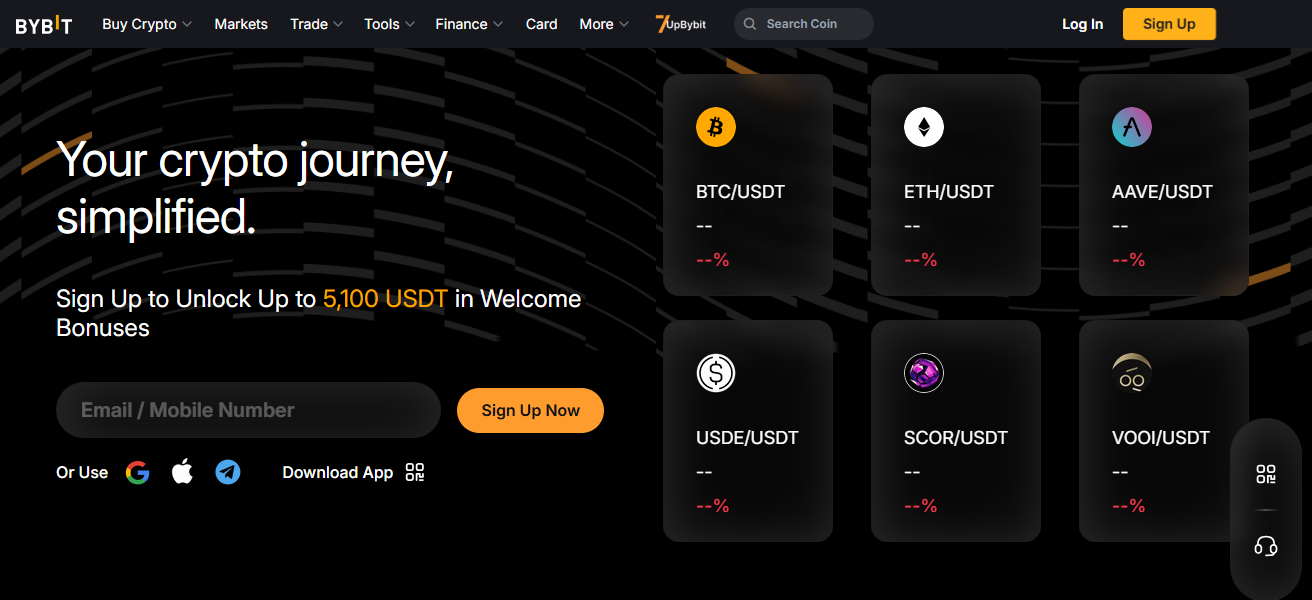
Risk management is enhanced by Bybit’s track cryptocurrency insurance funds, ADL, dynamic margin, and monitoring engines adjusted to market motion in real-time.
To increase trust, Bybit publishes proof-of-reserves consistently. Active traders in need of risk management in the fast-paced market of crypto derivatives will find Bybit’s infrastructure an exceptional fit.
Bybit Features
Derivatives Focus: Strong perpetual and futures markets, including high leverage and risk limits.
Insurance Pools: Absorb losses created by sudden changes in market.
Auto-Deleveraging (ADL): Decreases systemic risk by position reallocations during volatile market.
Dynamic Margin: Protects traders by adjusting exposure requirements based on market activities.
| Pros | Cons |
|---|---|
| Strong derivatives offering with risk controls | Derivatives focus may not suit all traders |
| Insurance funds & auto-deleveraging mechanisms | Regulatory restrictions in some countries |
| Fast matching engine | Customer support can lag during peak volatility |
7. OKX
Since 2017, OKX has supported more than 350 digital assets while providing such services as spot and substantial ecosystem derivatives, staking and DeFi tools.
Risk management on OKX has live proof of reserves, enterprise-grade live security, multi tier cold storage, and AI fraud detection.
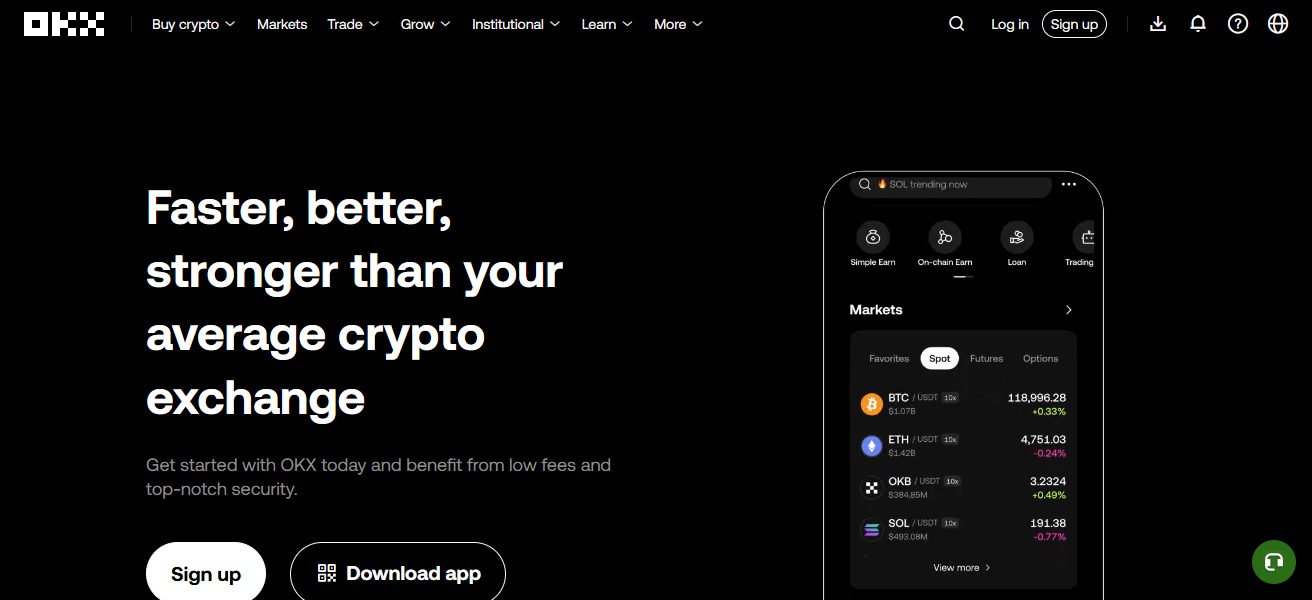
OKX derivatives correlate with the industry by providing significant volume each month, and funded more deeply with options, perpetuals and futures advanced liquidity and risk controls.
For risk management which sets the platform apart from others, OKX is ideal for professional and institutional clients looking for such services.
OKX Features
Proof-of-Reserves & AI Monitoring: Proactive analysis to improve transparency and detect outliers.
Multi-Tier Security: Additional layers of cold-wallets and withdrawal safeguards.
Diverse Markets: Spot, futures, options, DeFi with integrated risk management tools.
Custom Risk Settings: Personal risk limits with adjustable leverage and controls.Delta Exchange
Derivatives Specialist: Provides futures, options, and MOVE contracts used for hedging and speculating.
| Pros | Cons |
|---|---|
| Broad range of assets & products | Regulatory status unclear in some regions |
| Proof-of-reserves & multi-tier risk systems | Advanced interface may overwhelm beginners |
| Strong liquidity for spot & futures | Occasional downtime during volatility |
8. Delta Exchange
Delta Exchange launched in 2018 and specializes in crypto derivatives, which include futures, options, and MOVE contracts, as well as high-leverage products on more than 50 major coins, including BTC, ETH, and other altcoins.
Risk management measures include multi-signature cold wallets, two-factor authentication, manual reviews of withdrawal requests, and an insurance fund that covers traders in the event of extreme market shifts.
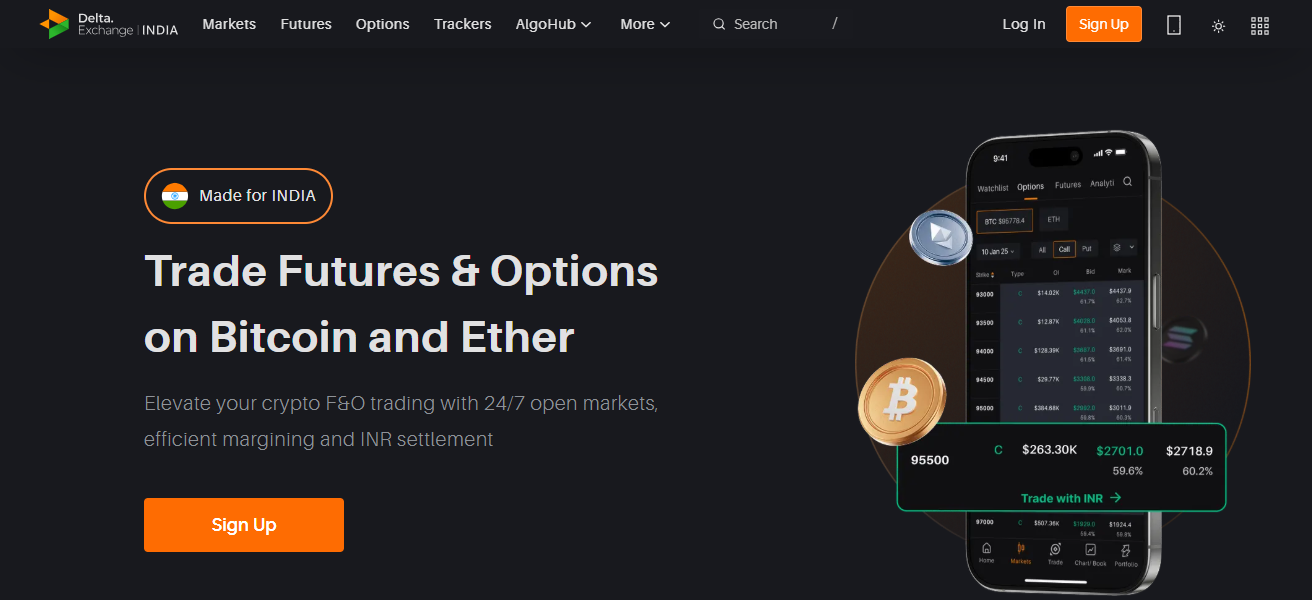
Delta also has advanced order types, strategy builders, and backtesting. While it is more specialized than spot exchanges, its derivatives focus gives traders powerful tools to manage exposure and hedge volatility.
Delta Exchange Features
Derivatives Specialist: Provide futures contracts, options, and MOVE contracts for hedging and speculation.
Insurance Funds: Protects from extreme losses on leveraged positions.
Risk Limits: Guarantees that traders have flexible margin requirements depending on the volatility.
Strategy Tools: Exposure is managed through easy backtesting and advanced order types.
| Pros | Cons |
|---|---|
| Specialist in derivatives: futures, options & MOVE contracts | Smaller asset list compared to full exchanges |
| Strong risk tools for professional hedging | Less known brand globally |
| Insurance funds & advanced order types | Lower liquidity on some alt derivatives |
9. KuCoin
KuCoin opened its doors in 2017. They are a global exchange. They have one of the widest selections of cryptocurrencies. They have over 700 coins available for trading.
They are an appealing exchange for altcoin traders. They use a complex risk management framework.
They include proof-of-reserves auditing, multi-layer encryption, 2FA, cold wallet storage, and other blockchain analytics partnerships that monitor for suspicious activities.
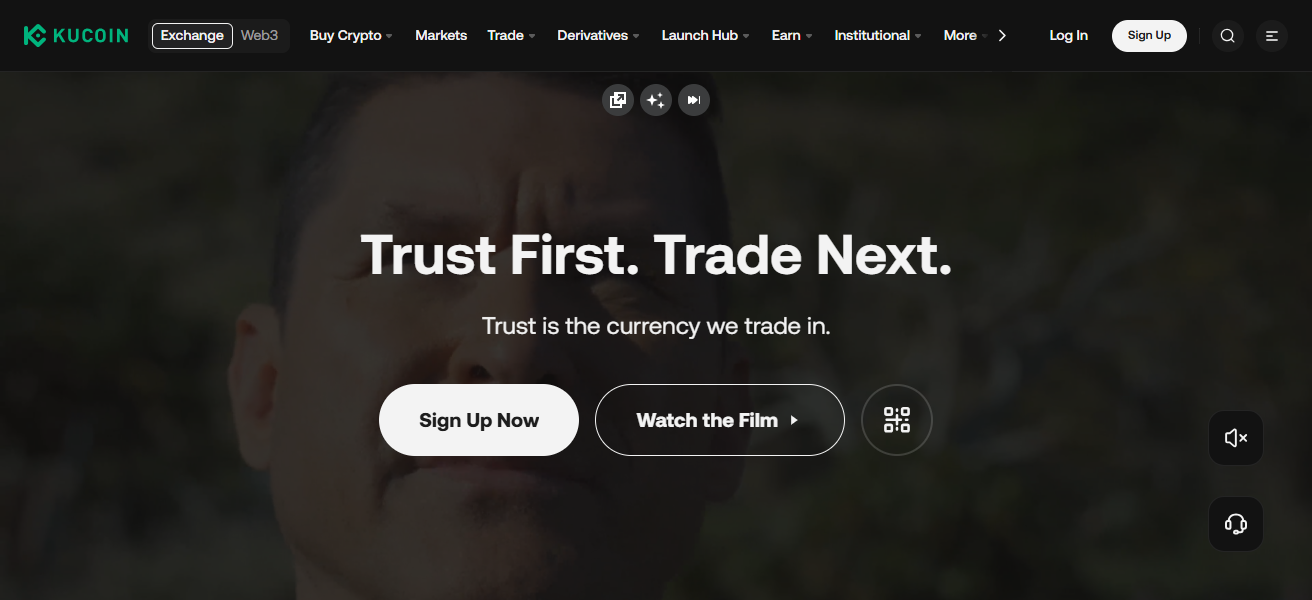
KuCoin offers margin, futures, and staking products with customizable leverage and liquidation controls.
KuCoin services are limited in some areas due to regulatory risk. Regardless of the issue, KuCoin has the best asset security and a great trading risk management.
KuCoin Features
Extensive Token Range: Over 700 assets are available for diversified strategies.
Risk Safeguards: Confidence is increased thanks to proof-of-reserves and anomaly detection systems.
Trading Bots: Automated strategies that include risk controls.
Multiple Products: Spot, futures, margin, staking, and loans for risk spreading.
| Pros | Cons |
|---|---|
| Huge token selection & innovative projects | Not as regulated as U.S./EU exchanges |
| Offers margin, futures, staking, bots | Security concerns historically (now improved) |
| Competitive fees | Customer support response issues reported |
10. MEXC
MEXC began operations in 2018 and, even back then, maintained a global support system with more than 1000 digital tokens. It presented spot and futures as well as ETF instruments.
The company invests in Tier Marginal control systems. It adopts a system of automated liquidation and offers surveillance of the market to reduce its systemic risks in case of a spike in extreme online volatility.
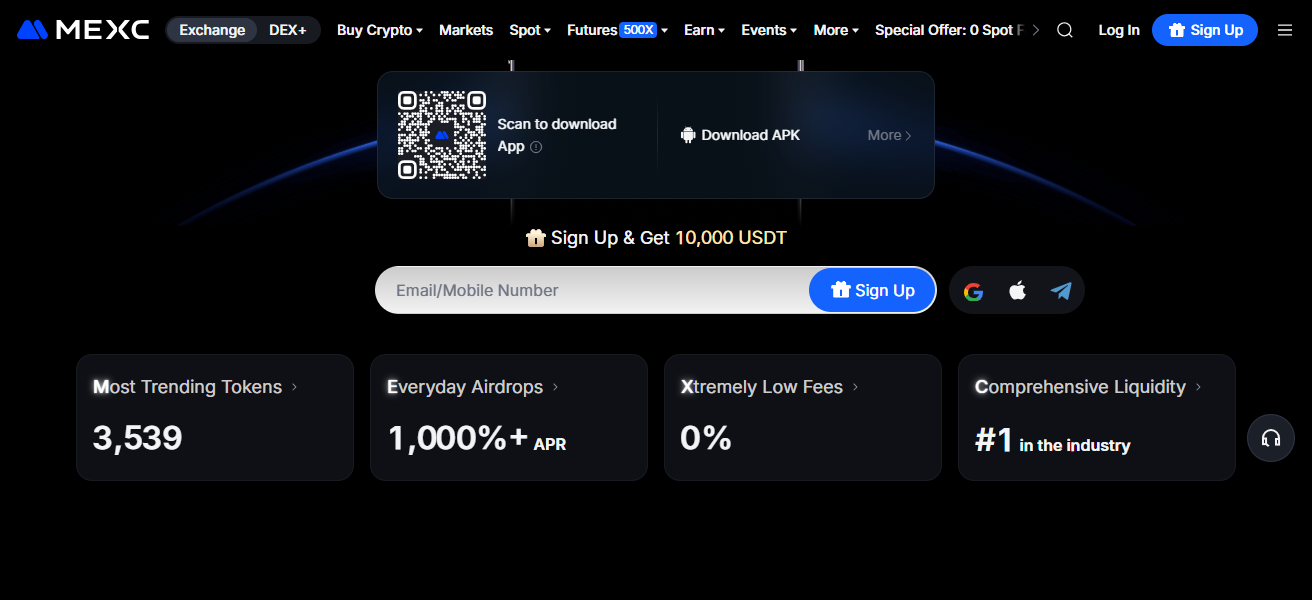
The system offers solid monitoring of Security The company focuses on low user fees, but as with any other system, they have to take into account its control over the market and the company’s history.
Along with advanced digital securities, the system offers a competitive price and wide support of digital assets, making it a versatile option for traders.
MEXC Features
Broad Asset Access: Hundreds of tokens available for trading, including emerging projects.
Margin & Futures Risk Rules: Accounts are protected from losing margin through tiered margin and auto liquidation.
Competitive Fees: Supports frequent trading and tactical adjustments.
Anti-Fraud Systems: Helps to reduce operational risk and detect unusual patterns.
| Pros | Cons |
|---|---|
| Very wide crypto support including many new tokens | Regulatory footprint is limited |
| Low fees & frequent promos | Riskier tokens may attract inexperienced traders |
| Margin & futures with basic risk controls | Less institutional focus |
How We Choose Best Crypto Exchanges With Advanced Risk Management
Security Protocols We look for exchanges that practice cold storage, implement 2FA, whitelisting for withdrawals, and strong encryption. Exchanges with a solid history of defending themselves against hacks are rated as a more secure option.
Risk Management Features Exchanges provide risk management tools, like stop-loss orders, margin control rules, auto-liquidation, insurance funds, and position size limits. The presence of these tools assists traders against downside risk during sudden volatility.
Transparency & Proof of Reserves We give higher priority to exchanges that provide proof of reserves, perform audits, and issue financial statements. Transparency mitigates counterparty risk and solidifies trust in the default risk of the system.
Compliance & Regulations There is a higher preference for exchanges that are licensed and regulated with strong KYC/AML as compliance eases the legal and operational risk for end-users and institutions.
Risk Controls for Margin and Derivatives We look at limits, flexible margin, and auto-deleveraging systems that avoid cascading liquidations for futures and margin trades.
Depth and Resiliency of the Market During turbulent market conditions, there is a low chance of slippage and price manipulation with deep order books and high liquidity.
Conclusion
In Conclusion Picked crypto exchanges with effective risk management can help with protecting funds in very volatile environments.
Kraken, Binance, Coinbase, and OKX have good security, transparency, and insurance along with other risk management controls.
Picked exchanges allow traders to find and diversify their crypto trading and effective risk management.
FAQ
It includes tools like stop-loss orders, margin limits, insurance funds, and auto-liquidation systems.
Kraken, Coinbase, and Gemini are considered safer due to strong compliance and security.
No, mainly derivatives platforms like Binance, Bybit, and OKX offer insurance funds.
It helps users verify that exchanges hold sufficient assets to cover customer funds.
Yes, regulation reduces legal, operational, and counterparty risks.