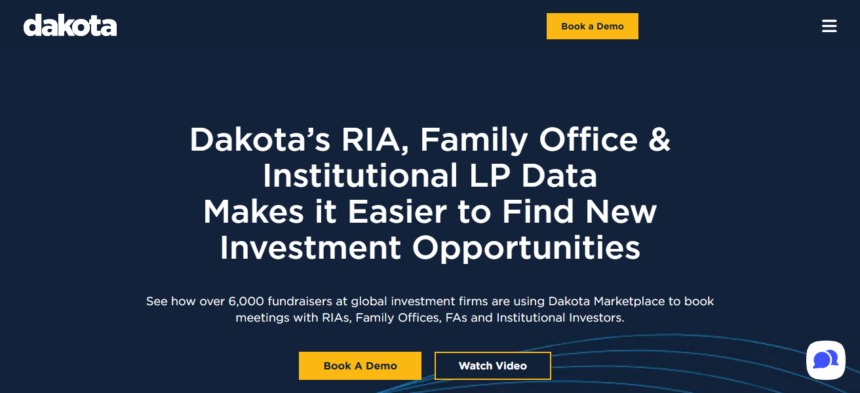
In this post , I will explore the best Dakota Alternatives for food and beverage manufacturers looking for efficient ERP solutions. Managing recipes, production, inventory, and compliance is critical when selecting a system.
Operational efficiency, waste reduction, and the achievement of regulatory compliance are critical for business growth and are features of many alternatives. They help to improve dashboards and provide real-time batch traceability, along with other unique features.
Key Points & Best Dakota Alternatives
| Alternative | Key Point |
|---|---|
| Wherefour | Cloud-based ERP for food manufacturers |
| Icicle ERP | Strong food safety and compliance tools |
| Minotaur ERP | Robust inventory and production management |
| Aptean Food & Beverage ERP | Industry-specific ERP with scalability |
| ReciPal | Recipe management and nutrition labeling |
| JustFood | Microsoft Dynamics-based food ERP |
| BatchMaster ERP | Process manufacturing focus with compliance |
| SYSPRO | Flexible ERP with strong manufacturing modules |
| Apicbase | Restaurant and catering inventory management |
| ERPNext | Open-source ERP with customization options |
10 Best Dakota Alternatives
1. Wherefour
Wherefour is one of the best alternatives to Dakota because of the combination of operational visibility and production control.
Food and beverage manufacturers are then able to manage everything from one place including: inventory, scheduling, and quality.
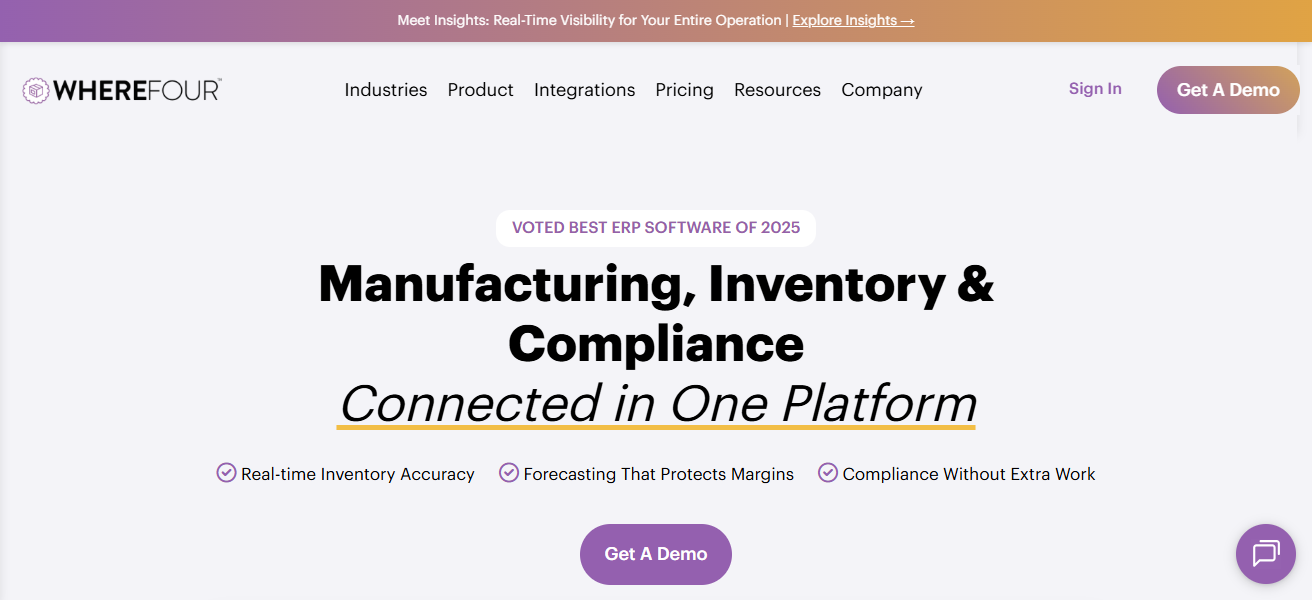
The best part of Wherefour is the real time insights that are helpful and applicable throughout the production process.
This enables teams to adapt to changes in supply and mitigate waste. Wherefour’s emphasis on efficient collaboration and unambiguous data allows businesses to improve decision-making, cutting time, and is great for those companies needing clarity and improved efficiency beyond the traditional ERP.
Wherefour Features
- Operational Dashboard – Updated info about production, inventory, and quality supports teams in monitoring performances.
- Inventory Insights – Smart reordering and waste reduction are driven by inventory of location and stock of raw materials.
- Production Scheduling – Assists in the planning and batch adjustments of raw materials based on demand and resource availability.
- Collaboration Tools – Streamlined communication and updates are centralized to keep alignment in cross-functional teams.
| Pros | Cons |
|---|---|
| Real‑time visibility into production and inventory | Limited deep financial modules compared to full ERP |
| Intuitive dashboards and easy adoption | May require integrations for advanced planning |
| Helps reduce waste and improve throughput | Not as widely known, smaller ecosystem |
2. Icicle ERP
Icicle ERP is one of the best alternatives to Dakota due to its remarkable control of recipes and formulas, especially for food and drink manufacturers.
The unique strength of Icicle ERP is the centralization of ingredient costing, versioning, and compliance tracking data in a cloud system, which makes inter-department collaboration a breeze.
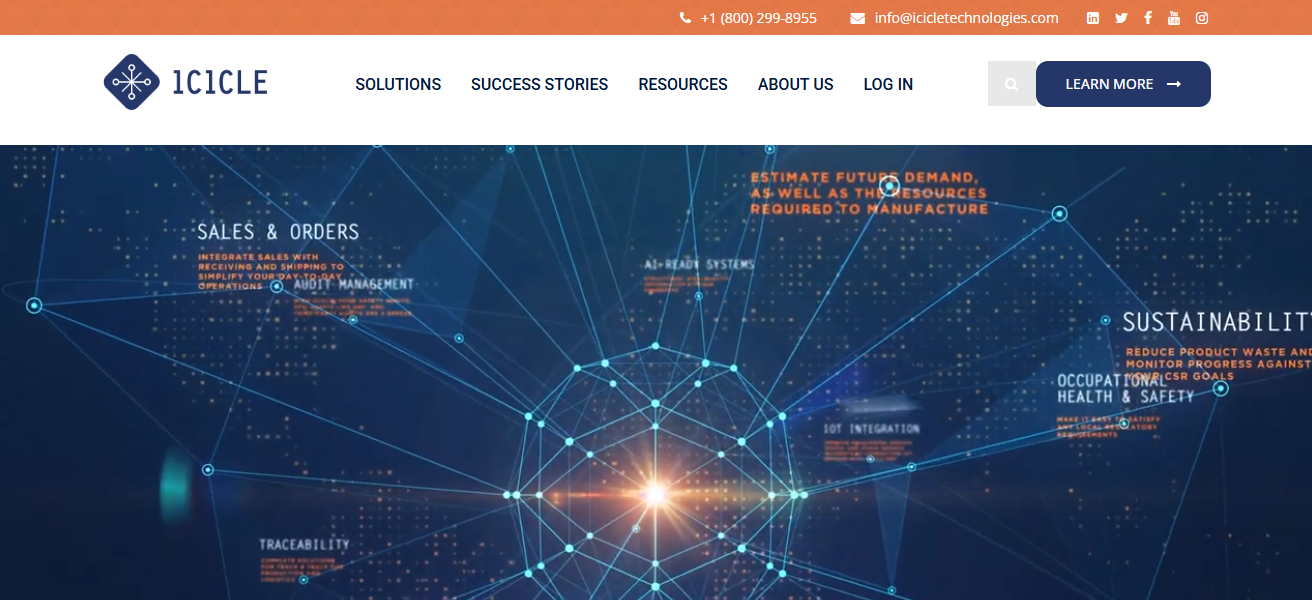
The emphasis on complex formulation and real-time visibility helps in error reduction, cost optimization, and enhancement of the product. For manufacturers that need fine-tuned scalable operational control, Icicle is the best option.
Icicle ERP Features
- Recipe Management – Single, definitive, and up-to-date repository for all ingredient formulas and revision histories.
- Costing – Handles automatic updates for ingredient costs to aid in forecasting and pricing.
- Cloud based – Collaborate securely with your team across multiple sites.
- Compliance Tracking – Regulatory and allergen information related to each recipe are captured.
| Pros | Cons |
|---|---|
| Excellent recipe/formula management | Not a full‑featured ERP |
| Cloud‑based collaboration | Limited non‑food industry features |
| Strong cost tracking and versioning | May require customisation for unique workflows |
| Improves product consistency | Smaller marketplace for extensions |
3. Minotaur ERP
Minotaur ERP is a viable alternative to Dakota, providing food manufacturers with uncompromising batch-level traceability and compliance monitoring.
Minotaur’s singular advantage is that it tracks every ingredient and all the process steps from receipt to finished products. This facilitates rapid auditing and transparent recalls.
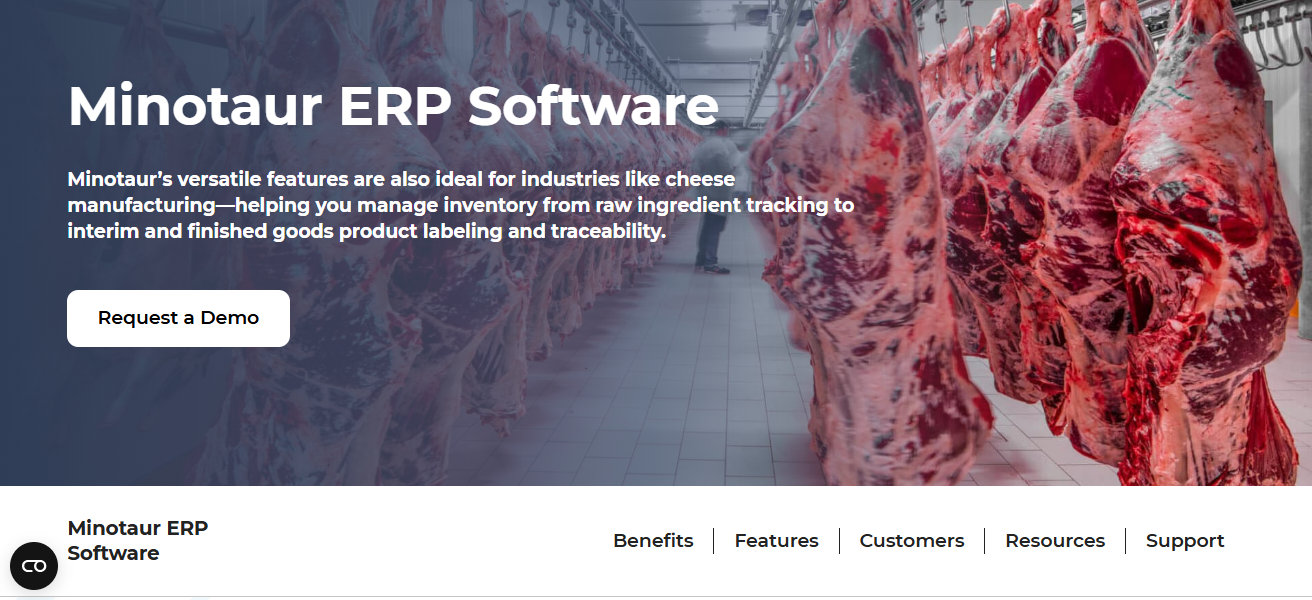
Such comprehensive traceability empowers businesses to safely meet regulatory requirements. With the combination of operational intelligence and robust traceability,
Minotaur enables food manufacturers to simplify risk management and quality control complexity in their production.
Minotaur ERP Features
- Batch Traceability – Readiness for recalls by tracking all ingredients from reception to finished products.
- Lot Genealogy – Accurate audits and compliance by having visibility for full lineage.
- Quality and Compliance Workflows – Integrated check-points across the production process to reinforce each standard.
- Regulatory Reporting – Systems to streamline the compiliation of trace and quality reports.
| Pros | Cons |
|---|---|
| Deep batch traceability | Can be complex for small operations |
| Strong compliance and recall support | Initial setup effort is high |
| Detailed lot tracking | Requires training for full value |
| Good audit readiness | Less focus on sales/CRM |
4. Aptean Food & Beverage ERP
Aptean Food & Beverage ERP is a good alternative to Dakota because it offers comprehensive industry-specific management for food manufacturers.
What makes Aptean unique is its unified system that combines formula control, quality assurance, lot tracking, and compliance.
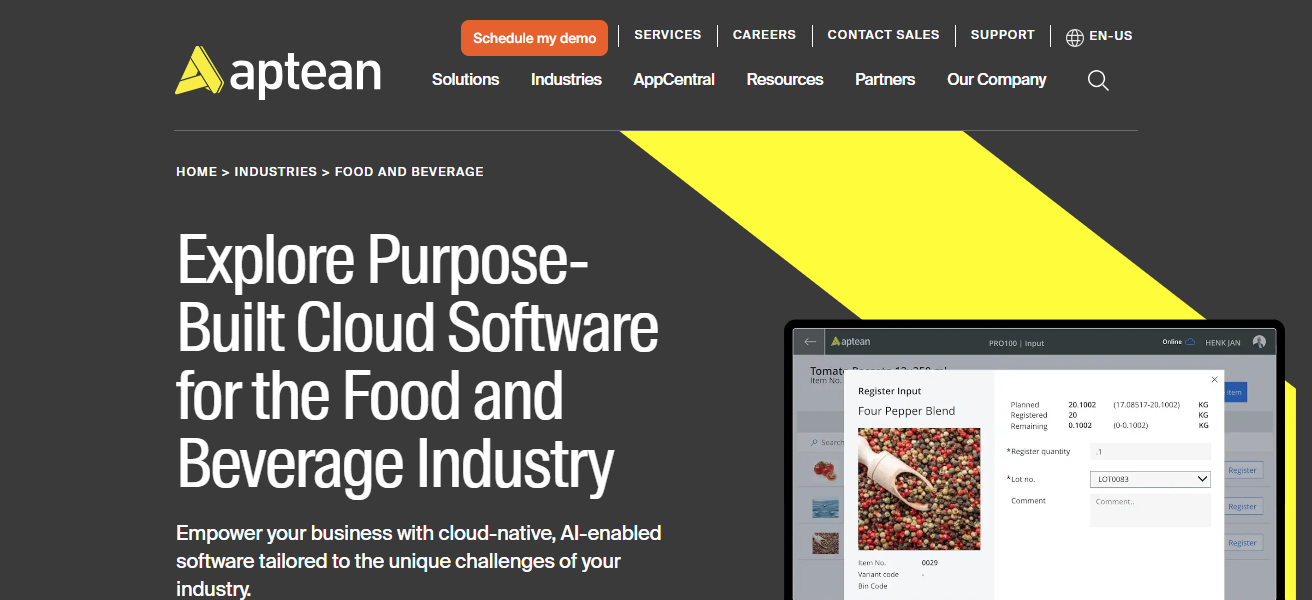
Such a system allows food manufacturers to streamline audits, regulatory reporting, and most importantly, sustaining product quality.
Aptean provides the visibility in the supply chain and production to help food manufacturers make more informed and operationally efficient decisions.
Aptean Food & Beverage ERP Features
- Industry‑Specialized Modules – Specific built‑in workflows for food manufacturing.
- Formula & Lot Control – Consolidated control over recipes, revisions, and lot tracking.
- Quality Assurance Tools – Supports audit readiness with inspection documentation and compliance records.
- Supply Chain Integration – Uninterrupted link for purchasing, production, and distribution.
| Pros | Cons |
|---|---|
| Tailored for food industry | Higher licensing cost |
| Built‑in quality & lot tracking | Implementation needs planning |
| Strong compliance tools | Requires training |
| End‑to‑end operational coverage | Not as lightweight for small teams |
5. ReciPal
ReciPal stands out among Dakota alternatives as it emphasizes ease of use in recipe scaling, nutritional labeling, and compliance documentation in regards to food producers.
Its main positive uniqueness is the ease of document generation for complex formulations, which greatly reduces the time and effort needed and minimizes the risk of manual mistakes.
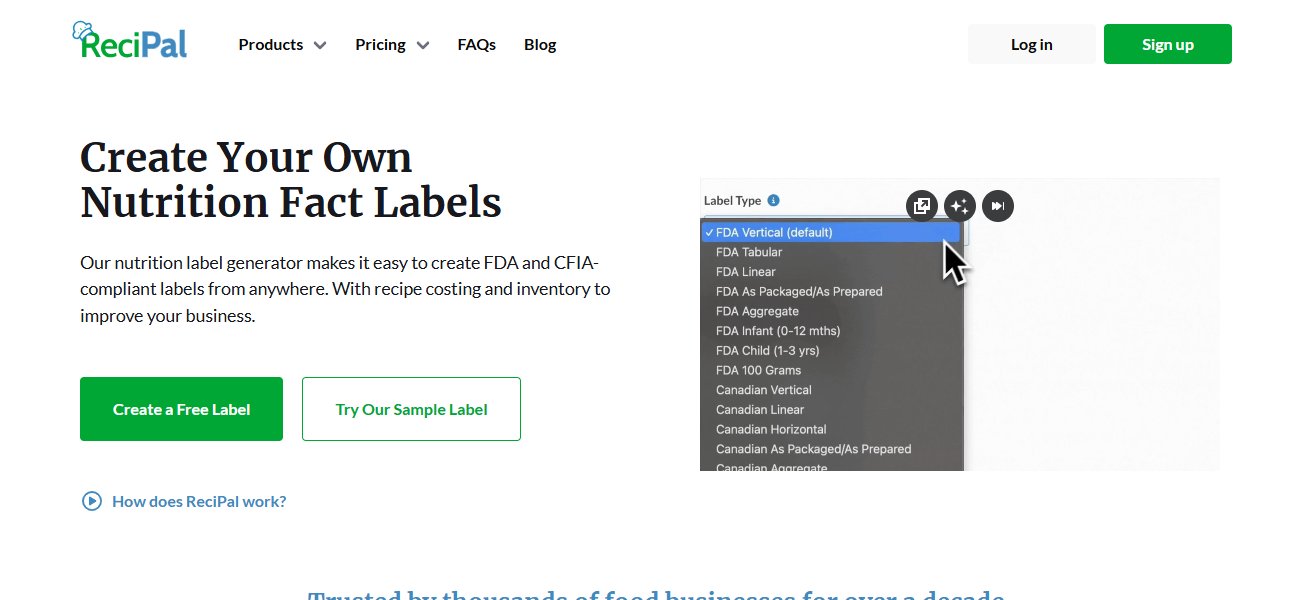
ReciPal is not a complete ERP, but its unique attributes of recipe analytics and regulatory document generation allow small and mid-sized food businesses to stay compliant and clear, making it highly suited for product labeling and cost transparency.
ReciPal Features
- Nutrition Label Generation – Automatically generates compliant nutrition labels.
- Allergen Reporting – Identifies formulation allergens for regulatory compliance.
- Recipe Scaling – Easily modifies ingredient amounts as batch sizes vary.
- Cost Breakdown – Provides pricing information with ingredient and product cost breakdown.
| Pros | Cons |
|---|---|
| Easy nutrition & allergen labeling | Not a full ERP |
| Fast recipe scaling | Limited production planning |
| Saves compliance time | Requires separate ERP for operations |
| Clear cost visibility | Focused mainly on labeling tasks |
6. JustFood
JustFood is a top alternative for Dakota because, like Dakota, it is an ERP focused on food production, however, it also has impressive quality control paired with regulatory assistance at every stage of the production process.
It’s greatest distinctiveness is the way it tracks compliance and integrates quality assessments into the workflows for each stage, guaranteeing consistency from formulation to finished goods.
This assists manufacturers in focusing on and minimizing mistakes, maximizing product safety, and improving readiness for audits.
With customized functionality for the food industry and complete visibility, JustFood enables teams to work better and with more confidence.
JustFood Features
- Food‑Industry Design – Specialized ERP functions for production planning and formula management.
- Quality Verification – Built-in quality checkpoints at every stage of the process.
- Regulatory Compliance – Tools for audit trail and documentation maintenance.
- Batch Control – Assists food production batch scheduling and tracking.
| Pros | Cons |
|---|---|
| Built specifically for food manufacturers | Premium pricing for smaller teams |
| Embedded quality controls | Implementation takes time |
| Strong regulatory support | Training required |
| Good formula and batch workflows | Limited outside food industry |
7. BatchMaster ERP
BatchMaster ERP is a worthy competitor to Dakota, particularly for food and process manufacturers, as it is highly specialized in batch-oriented production and formula optimization.
Its key differentiator is integration with other operational areas, particularly finance and supply chain, coupled with detailed formulation, batch costing, and traceability.
This comprehensive focus and integration empower companies to gain control over every production run, thus minimizing waste and enhancing consistency.
Additionally, BatchMaster centralizes data related to batches and simplifies reporting to regulatory agencies, allowing manufacturers to improve operational efficiency and compliance in intricate manufacturing situations.
BatchMaster ERP Features
- Batch & Formula Management – Keeps track of recipes, formulas, and revisions in detail.
- Cost Optimization – Enhances profit margins by calculating costs per batch.
- Traceability & Compliance – Supports audits and recalls.
- Integrated Accounting – Direct connection of manufacturing and financial data.
| Pros | Cons |
|---|---|
| Strong batch & formula optimization | Higher learning curve |
| Integrated financials and production | Setup and configuration effort |
| Great traceability | Advanced modules cost more |
| Helps reduce waste and cost | May feel heavyweight for tiny operations |
8. SYSPRO
SYSPRO represents a viable alternative to Dakota because of the flexible and scalable ERP capabilities that address the specific requirements of food and beverage manufacturers that evolve as the manufacturers grow. S
YSPRO’s primary unique strength is modular customization, enabling manufacturers to select and customize the specific features they require, while still retaining powerful control over inventory, production, and traceability.
SYSPRO’s flexibility allows manufacturers to eliminate unnecessary complexity and adjust the modular systems to meet evolving requirements. SYSPRO’s core capabilities and flexibility drive efficient operations that are ready for the future.
SYSPRO Features
- Modular Architecture – Select and set up the ERP modules you want.
- Manufacturing & Inventory Control – Capable of MRP, stock management, and planning.
- Scalability – Accommodates growing business complexity and expansion.
- Custom Workflows – Changes with your unique business requirements.
| Pros | Cons |
|---|---|
| Flexible, modular ERP | Customization needs expertise |
| Scales well with growth | Setup complexity |
| Solid manufacturing and inventory | Food‑specific processes need config |
| Broad industry support | Cost varies with modules |
9. Apicbase
Apicbase is also a recommended Dakota alternative as it consolidates recipe, inventory, and menu cost management into one single solution for food businesses.
Its core unique value is integrating purchasing, stock usage, and sales on recipe data, providing teams with a clear understanding of food costs and waste.
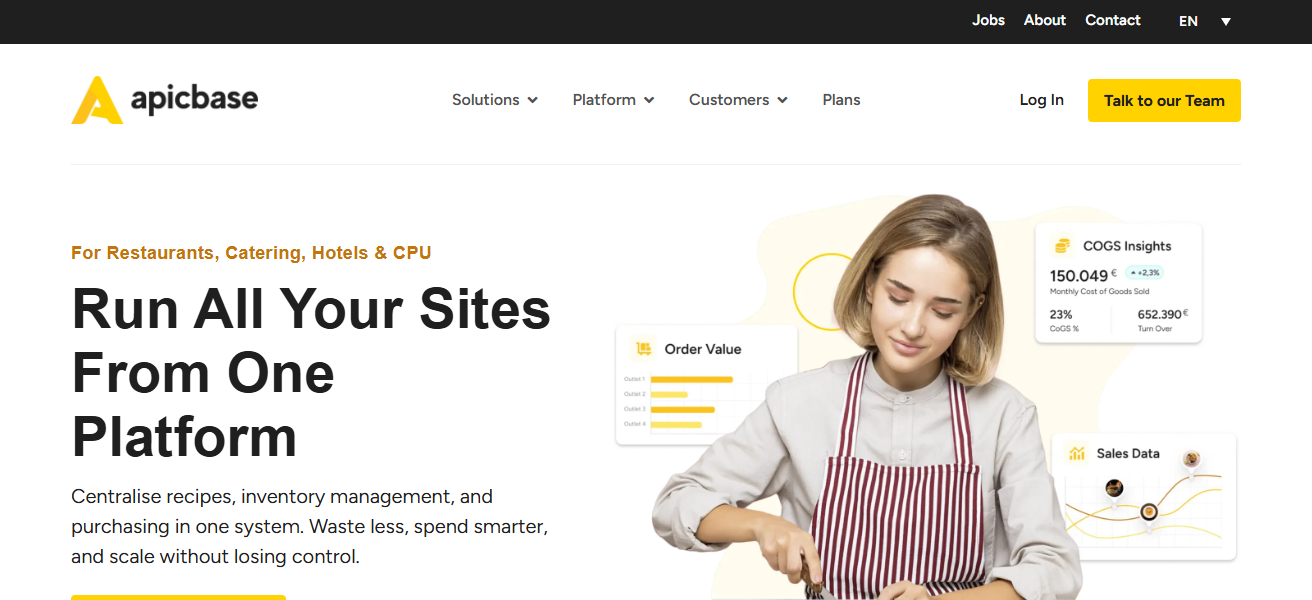
This transparency assists operators in menu optimization, expense control, and profit maximization.
For transparency in operations, especially for restaurants and multi‑location food businesses, Apicbase offers sophisticated, seamless decision support.
Apicbase Features
- Recipe Centralization: Helps to systematize and consolidate all recipes.
- Inventory & Usage Sync: Automated tracking of stock utilization and recipes consumed.
- Cost & Waste Analytics: Analytics generated of food expense, waste, and profitability.
- Menu Performance Metrics: Evaluates the profitability and popularity of menu items across locations
| Pros | Cons |
|---|---|
| Connects recipes with inventory/sales | Not a full accounting ERP |
| Excellent food cost insights | Less focus on batch manufacturing |
| Reduces waste through analytics | Best for restaurant/FOH |
| Improves menu profitability | Requires ERP integration |
10. ERPNext
ERPNext is also considered a good Dakota alternative since it offers open source and fully customizable ERP functionality that adapresses the needs of food and beverage manufacturers without expensive licensing.
Its main differentiating factor is its capability to customize workflows, and reports and modules to suit a business process, hence enabling a company to take full control of its production planning, inventory control, and quality control tracking.
With a strong community and adaptable platform, ERPNext provides the ability to innovate and scale efficiently, making it a great choice for those who need customizable and affordable ERP solutions.
ERPNext Features
- Open-Source Flexibility– Adaptany module that you want to any end of the business spectrum.
- Comprehensive ERP Suite – All inventory, production, quality, accounting, and CRM covered.
- Role Based Access– Permission delegation is done based on secure operational roles.
- Extensible Workflows– Tailored to customize the approvers and processes via drag-and-drop.
| Pros | Cons |
|---|---|
| Fully open‑source and customisable | Customisation needs developers |
| No expensive licensing fees | Support depends on partner/community |
| Broad ERP functionality | Food‑specific features need setup |
| Flexible workflows | Implementation planning required |
How We Choose Best Dakota Alternatives
- Traceability and Compliance Evidence regulatory support along with batch tracking and lot genealogy.
- Feature Coverage Assess the ERP with respect to recipe/formula management, inventory, execution of production schedules, and management of reports.
- Ease of Use Assess the dashboards for user friendliness and the collaboration features for ease of use.
- Integration and Support Ensure that the ERP integrates with the current technologies and that support is available.
Cocnlsuion
To conclude, finding the optimal Dakota alternative is based on business scale, production intricacy, and compliance requirements.
Wherefour, Icicle ERP, and Minotaur ERP provide extra functionalities like recipe management, batch traceability, and real-time insights.
With the right alternative, food and beverage manufacturers operate seamlessly, minimize expenses, secure quality, and scale operationally for future growth.
FAQ
Dakota alternatives are ERP solutions that offer similar food and beverage production, inventory, and compliance management features.
To find systems that may offer better pricing, usability, or specialized features for your business.
Primarily food, beverage, nutraceutical, and other batch-manufacturing industries.
Many, like Icicle ERP and Wherefour, are cloud-based for real-time access.