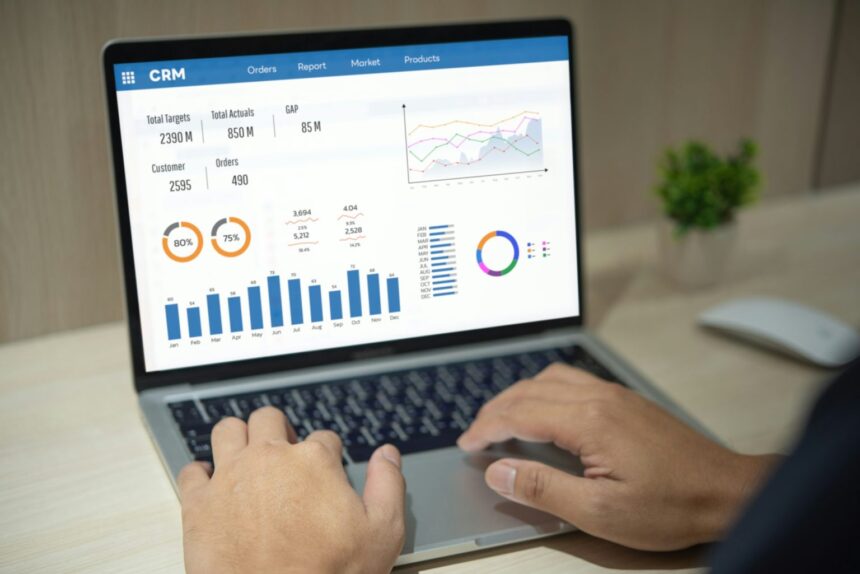
In this article, I’m going to assess the best Data Monetization Platforms that assist companies in realizing the worth of their information. These platforms allow firms to securely distribute, sell, and analyze datasets while remaining compliant to privacy regulations.
From privacy-first solutions to cloud-based marketplaces, we will analyze the tools that optimize business efficiency through revenue maximization, improvement of insights, and the facilitation of more intelligent business decisions.
Key Points & Best Data Monetization Platforms
| Platform | Key Point |
|---|---|
| Dawex | Global data marketplace enabling secure cross-border transactions |
| Narrative | Data streaming infrastructure for real-time monetization |
| Snowflake Data Marketplace | Cloud-native sharing with advanced analytics integration |
| AWS Data Exchange | Seamless access to third-party datasets via AWS ecosystem |
| Lotame | Audience segmentation and enrichment for advertisers |
| Datawallet | User-consented personal data monetization platform |
| Infosum | Privacy-first collaboration using decentralized data clean rooms |
| Acxiom | Enterprise-grade identity resolution and consumer insights |
| Zeotap | AI-powered customer intelligence for telecom and retail |
| BigML | Machine learning-driven predictive monetization models |
10 Best Data Monetization Platforms
1. Dawex
Dawex helps organizations trade data in a compliant and governed manner. It is the first data exchange which allows the user to buy and sell data in a compliant way with structured and unstructured datasets.
In the global marketplace, Dawex has deep governance, pricing control, and cross industry interoperability.
Enterprises use Dawex to generate data marketplaces, sell their datasets, and collaborate in partnerships, all while maintaining full control over data access, usage rights and commercial terms.
Dawex – Key Features
Data Marketplace Infrastructure: Buying, selling and sharing structured and unstructured data.
Governance and Compliance: Data privacy, rights of use, and regulatory compliance.
Flexile Pricing and Licensing: Data exchange priced by usage, subscription, and customized plans.
Secure Exchange Mechanisms: Data transfers are encrypted and tracked with access control.
| Pros | Cons |
|---|---|
| Supports secure, compliant data exchange and marketplace creation. | Pricing and onboarding can be complex for smaller organizations. |
| Strong governance and access controls. | Marketplace reach and audience smaller than major cloud ecosystems. |
| Interoperable across industries and formats. | Limited analytics tools built-in. |
| Enables flexible pricing and licensing models. | Requires internal data readiness to maximize value. |
2. Narrative
Narrative’s specialty is self-service data marketing that aims to ease the monetization of data by sofisticated enterprises.
These enterprises can bundle, set prices, and sell data products as services via APIs and cloud warehouses.
Narrative quikly and efficiently meshes with Snowflake and other applications to facilitate data delivery and alleviate operational headache.

Simple, usage-based pricing structures enable data sellers to earn passive and recurrent revenue, while analytics, marketing, and product developers can conveniently acquire and utilize high quality data.
Narrative – Key Features
Self Service Marketplace: Data product can be created and published with little IT.
API First Data Delivery: Buyers and analytics platforms can access data in real time via APIs.
Usage Based Pricing Models: Dynamic pricing can be used to control revenue flow.
Cloud Integration: Integrated with Snowflake, BigQuery and other cloud data warehouses.
| Pros | Cons |
|---|---|
| Easy self-service data packaging and distribution. | Smaller ecosystem compared to cloud marketplaces like AWS/Snowflake. |
| API-first design with modern integration support. | May need technical expertise for advanced setups. |
| Usage-based pricing attracts recurring revenue. | Data quality control depends on seller diligence. |
| Integrates cleanly with cloud warehousing tools. | Not ideal if proprietary analytics tooling is required. |
3. Snowflake Data Marketplace
Snowflake cloud ecosystem, companies can buy and sell data via the Snowflake Data Marketplace. There is ultra secure, high performance data sharing.
There is no movement or shifting of data. Providers generate, sell and manage live, active datasets. Consumers analyze data, in real time, buy and sell SQL data.
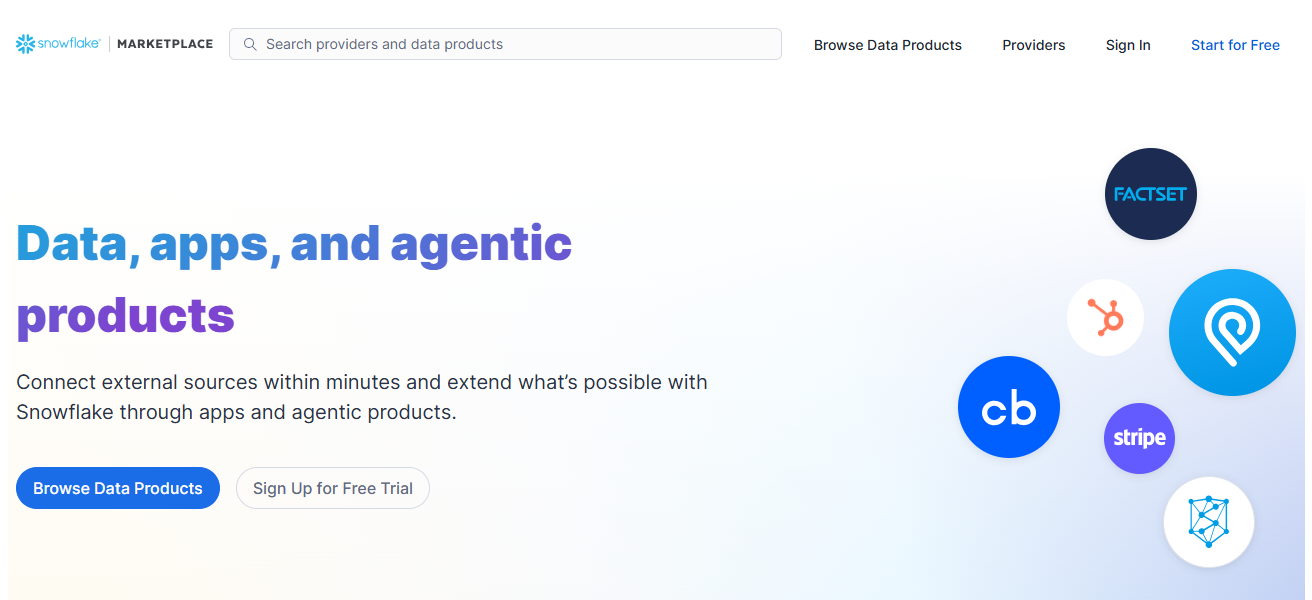
This includes the finance, healthcare, and marketing industries. The marketplace is for advanced analytics. It is data collaboration and real time monetization. This is the data marketplace.
Snowflake Data Marketplace – Key Features
Zero Data Movement Sharing: Access to data in real time without the need to copy the dataset.
Live Data Streams: Datasets are updated regularly to provide new analytics and insights.
Broad Provider Ecosystem: Available datasets across finance, marketing and other industries.
Native SQL Querying: Access with SQL directly in the Snowflake environment.
| Pros | Cons |
|---|---|
| Native sharing without data movement improves performance. | Marketplace only accessible within Snowflake ecosystem. |
| Real-time, live data availability. | Cost of Snowflake consumption can be high. |
| Broad data provider community and verticals. | Not ideal for on-prem or non-Snowflake users. |
| Simplifies data collaboration and monetization. | Limited support for complex licensing terms. |
4. AWS Data Exchange
AWS Data Exchange is a cloud service in which both buyers and sellers can gain value from a dataset in the AWS ecosystem.
AWS Data Exchange can be utilized in both subscription and pay-as-you-go formats. Sellers that have flexible pricing models are able to sell data more easily.
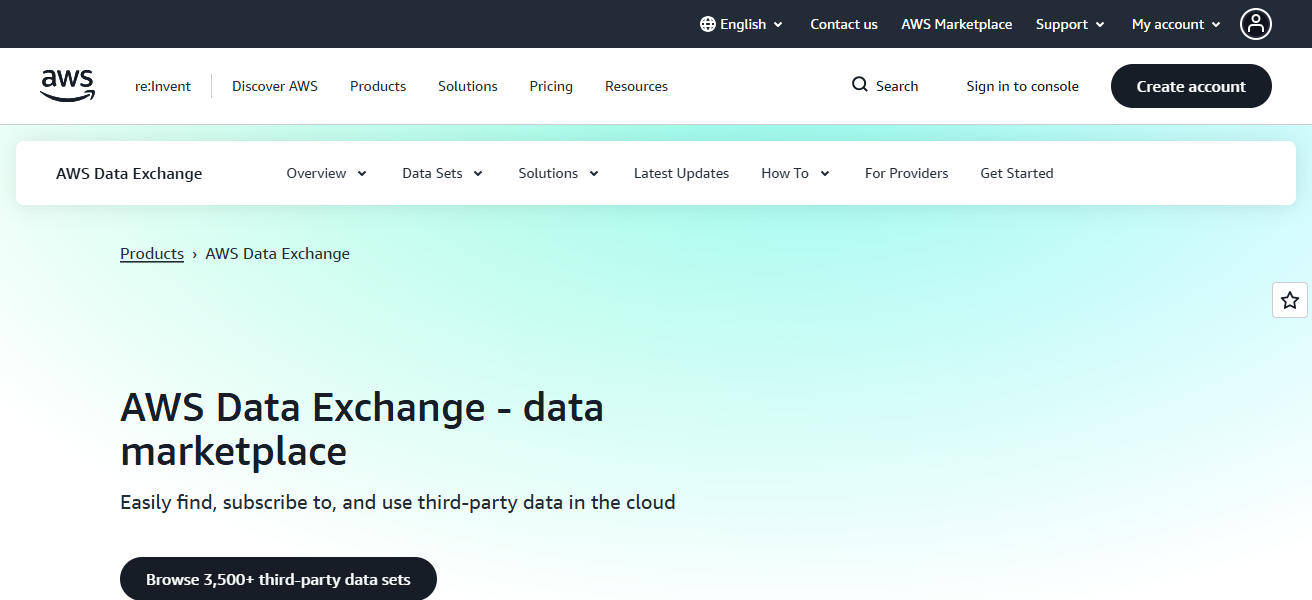
AWS Data Exchange has connectors to AWS analytics products such as Amazon Redshift, Amazon Athena, and SageMaker which facilitate rapid data analysis.
For companies looking to monetize data efficiently and securely with enterprise-level performance, AWS Data Exchange is a great option.
AWS Data Exchange – Key Features
Integrated AWS Ecosystem. Compatible with services such as Redshift, Athena, and SageMaker, among others.
Flexible Commercial Models. Data products can be paid for based on subscription or usage.
Global Reach & Scalability. An enterprise-grade reliable cloud-scale marketplace.
Versioning & Updates. Manage versions of datasets and deliver them efficiently.
| Pros | Cons |
|---|---|
| Integrates with AWS analytics, ML, and storage services. | AWS cost structure can be confusing. |
| Global reach and enterprise scale. | Requires AWS account and familiarity with AWS services. |
| Flexible pricing models (subscriptions & usage-based). | Marketplace competitiveness means discovery can be low. |
| Enterprise-grade security and compliance. | Data updates and version control need careful handling. |
5. Lotame
Lotame provides data monetization along with identity resolution tools that are integral to digital marketing.
Businesses are able to gather first and third-party audience data and enriched that data to monetize it across different channels.
Lotame’s identity graph provides a solution to audience targeting while still maintaining audience privacy. Audience Insights allow companies to boost ROI monetization.
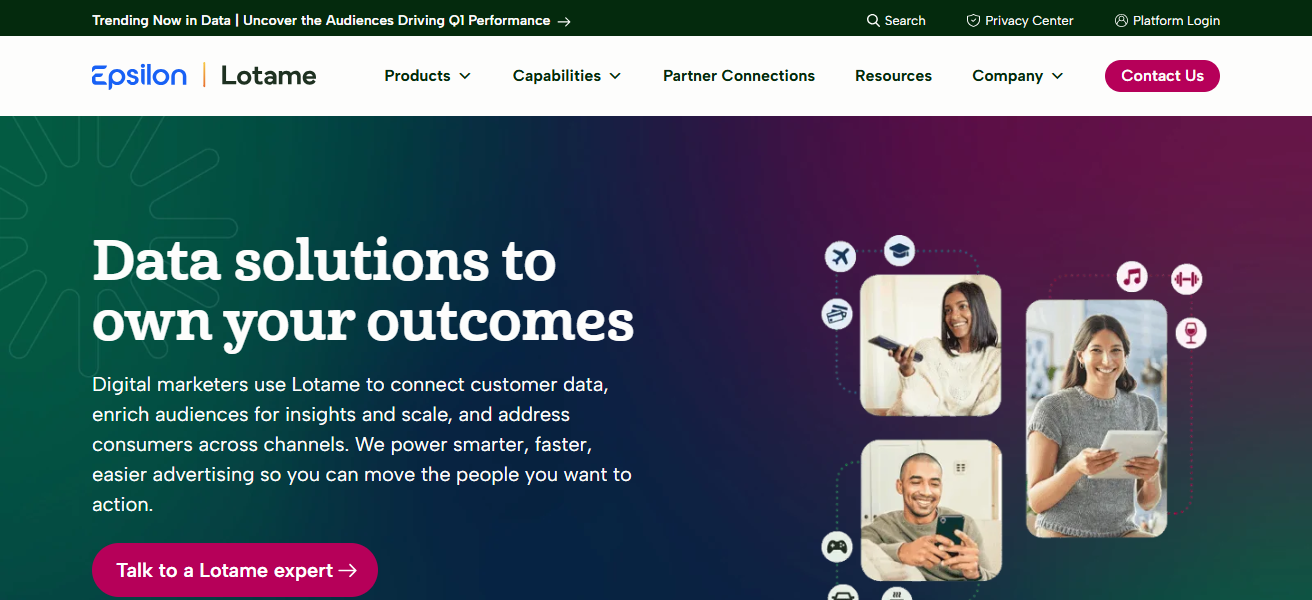
Lotame customers include brands, publishers, and advertisers that seek to optimize campaign performance and activate data through programmatic advertising and customer engagement platforms.
Lotame – Key Features
Audience Data Syndication. Premium audience datasets for marketing activation.
Identity Graph Technology. Consolidates user identifiers across multiple devices and channels.
Cross-Channel Data Activation. Compatible with DSPs, DMPs, and other advertising technology.
Privacy & Consent Tools. Built-in compliance features for GDPR and CCPA.
| Pros | Cons |
|---|---|
| Strong audience data and identity graph capabilities. | Mainly focused on advertising, less general monetization. |
| Helps brands monetize audience segments. | Dependency on third-party cookies may affect long-term value. |
| Real-time data activation across channels. | Learning curve for non-marketing users. |
| Privacy controls and compliance tools. | May require additional integrations for full stack use. |
6. Datawallet
Datawallet emphasizes ethical data monetization by empowering individuals and businesses to control and profit from their data. Users can safely exchange their data with companies in return for various rewards.
Datawallet prioritizes transparency and privacy as it facilitates ethically- and consensually- shared data.
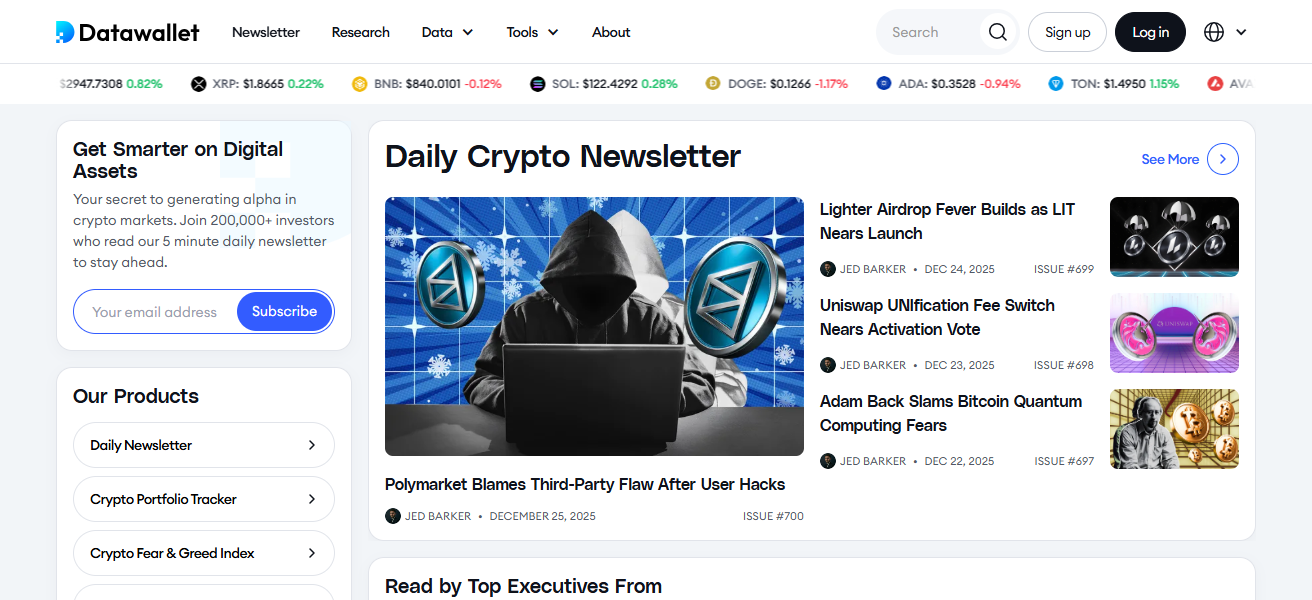
The platform offers businesses access to valuable ethical consumer data, assisting brands with trust-building while obtaining data for actionable marketing, research, and personalization strategies.
Datawallet – Key Features
User-Controlled Data Sharing. Users choose which data they share as well as how to monetize it.
Consent-Driven Model. Data can only be monetized under fair trading conditions.
Reward & Incentive System. Data sharers are compensated or receive benefits.
Brand Access to First-Party Data. Marketers gain access to clean, opted-in, and usable consumer data.
| Pros | Cons |
|---|---|
| Privacy-first and transparent individual data monetization. | Smaller marketplace with limited enterprise datasets. |
| Empowers users to control/share their own data. | Requires user acquisition for marketplace success. |
| Supports ethical and consent-driven models. | Monetization revenue can be modest initially. |
| Valuable for brands seeking consent-based consumer data. | Less suitable for large enterprise-scale datasets. |
7. Infosum
Infosum’s proprietary technology enables your company to share information securely and privately, without leaving your organization vulnerable to unnecessary data exposure.
Data can be analyzed and consolidated without risking exposure or breaching complex data privacy legislation.
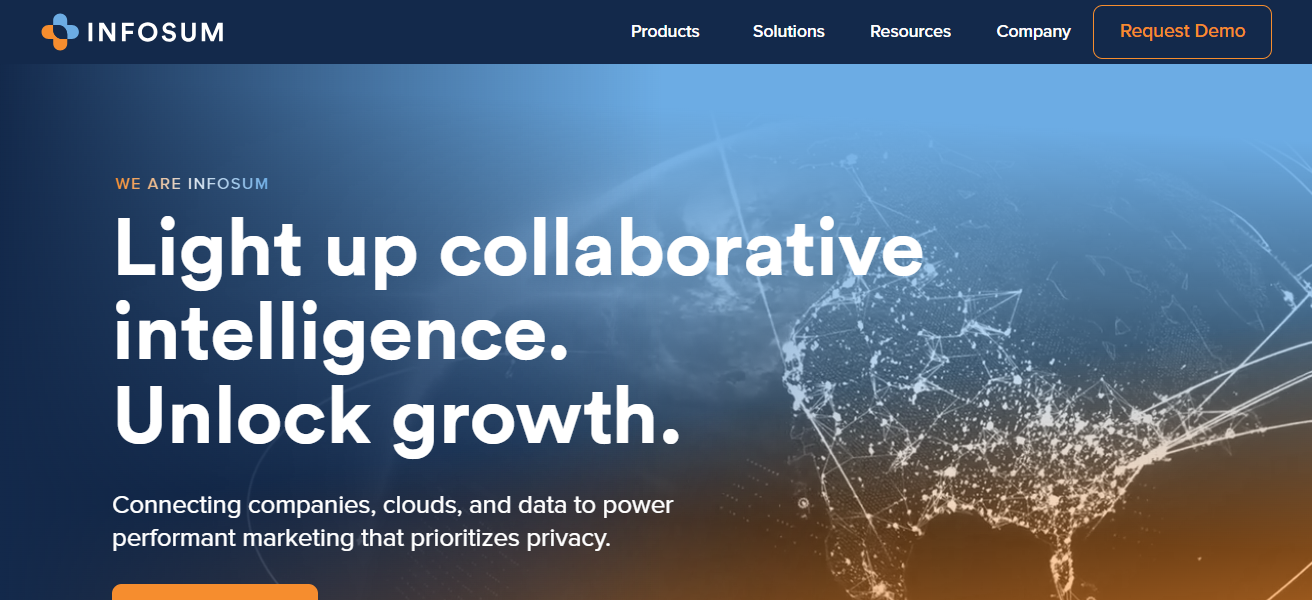
Infosum enables business to monetize their first-party data, develop audience insights, and collaborate with partners while maintaining data ownership and minimizing risks.
Infosum – Key Features
Non-Movement Data Collaboration. Datasets can be matched without moving raw data.
Privacy-First Architecture. Built to comply with very stringent data protection regulations.
Secure Multiparty Analytics. Collaboration across brands and/or other partners is enabled.
Full Data Ownership. Organizations retain control and governance of their data.
| Pros | Cons |
|---|---|
| Data sharing without raw data movement ensures privacy. | Implementation can be technical and resource intensive. |
| Compliant with strict global privacy standards. | Costs may be higher for long-term usage. |
| Enables secure collaboration and monetization. | Not a traditional marketplace—more a technology layer. |
| Maintains full data ownership and control. | Analytics may require external tools. |
8. Acxiom
Acxiom supports enterprises in legally processing customers’ data. It offers data enrichment, identity resolution, and analytics to refine marketing and strengthen client engagement strategies.
Ethical data processing in all market areas is ensured by Acxiom’s compliance supervision. Organizations use Acxiom to activate consumer data
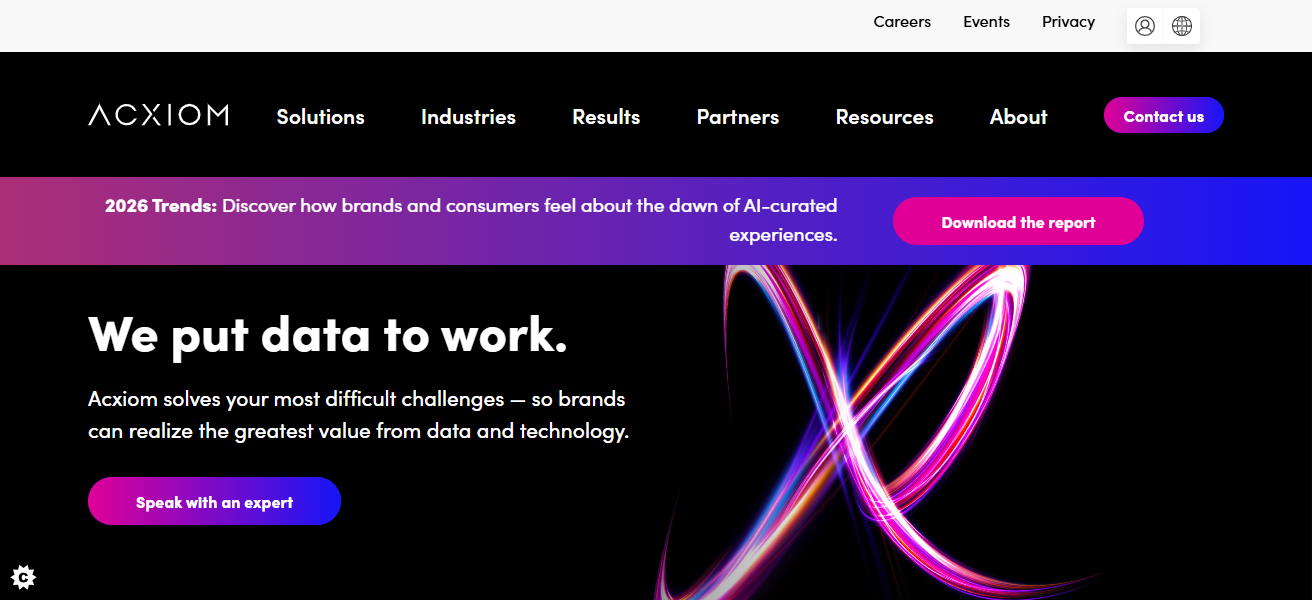
Improve personalization, and achieve effective business results through digital advertising, customer relationship management, and customer experience.
Acxiom – Exceptional Features
Identity Resolution Service: Develops integrated consumer profiles over several data sources.
Data Enrichment Tools: Supplements the datasets with behavioral and demographic details.
Audience Insight Analytics: Advanced segmentation for marketing and individualization.
Compliance and Ethical Controls: Governance structure for the responsible use of data.
| Pros | Cons |
|---|---|
| Extensive enriched consumer data and identity resolution. | Data licensing costs can be high. |
| Strong compliance and ethical data usage focus. | Not suited for real-time high-velocity data monetization. |
| Highly trusted by large enterprises. | Complex integration with some platforms. |
| Deep audience insights for personalization. | Less flexibility for microdata products. |
9. Zeotap
Zeotap focuses on identity resolution and consent-based data utilization and is considered a top-tier customer intelligence and data monetization platform.
Zeotap assists brands in merging first-party data, optimizing customer profiles, and cashing in on data insights. Zeotap is compliant with privacy practices, allowing Zeotap to operate in more regulated industries.
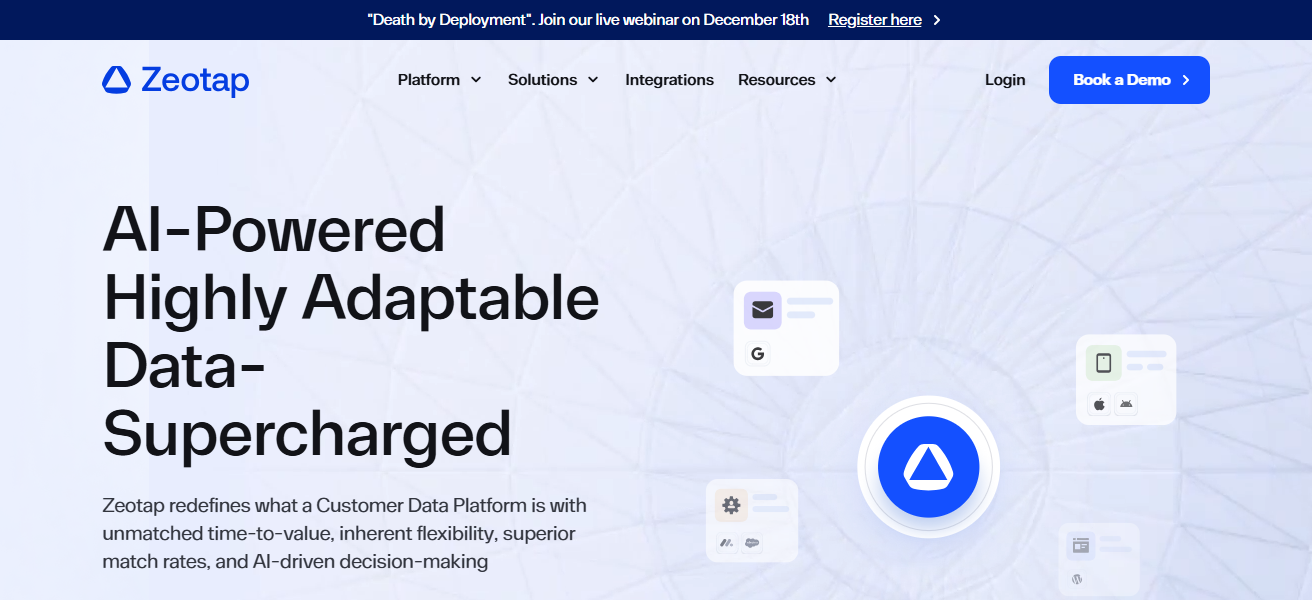
Businesses invest in Zeotap to enhance their data monetization and optimize their targeting, personalization, and cross-channel customer engagement, all in a secure and scalable framework.
Zeotap – Exceptional Features
Customer Ιntelligence Platform: Consolidates the first-party data with enriched profiles.
Identity Linking and Resolution: Unifies customer identifiers across different channels.
Consent-Aware Data Use: Designed for privacy regulations and opt-in frameworks.
Cross-Channel Activation: Enables marketing activation through partner integrations.
| Pros | Cons |
|---|---|
| Unifies first-party data with identity resolution. | Strong focus on marketing use cases only. |
| Consent-driven data activation improves compliance. | May require additional tooling for analytics beyond marketing. |
| Improves cross-channel personalization. | Can be expensive for smaller brands. |
| Helps monetize customer insights responsibly. | Dataset diversity is smaller than major marketplaces. |
10. BigML
BigML is a ML platform that enables data monetization via model sharing and predictive analytics. Companies can convert raw data into ML models and monetize insights rather than just datasets.
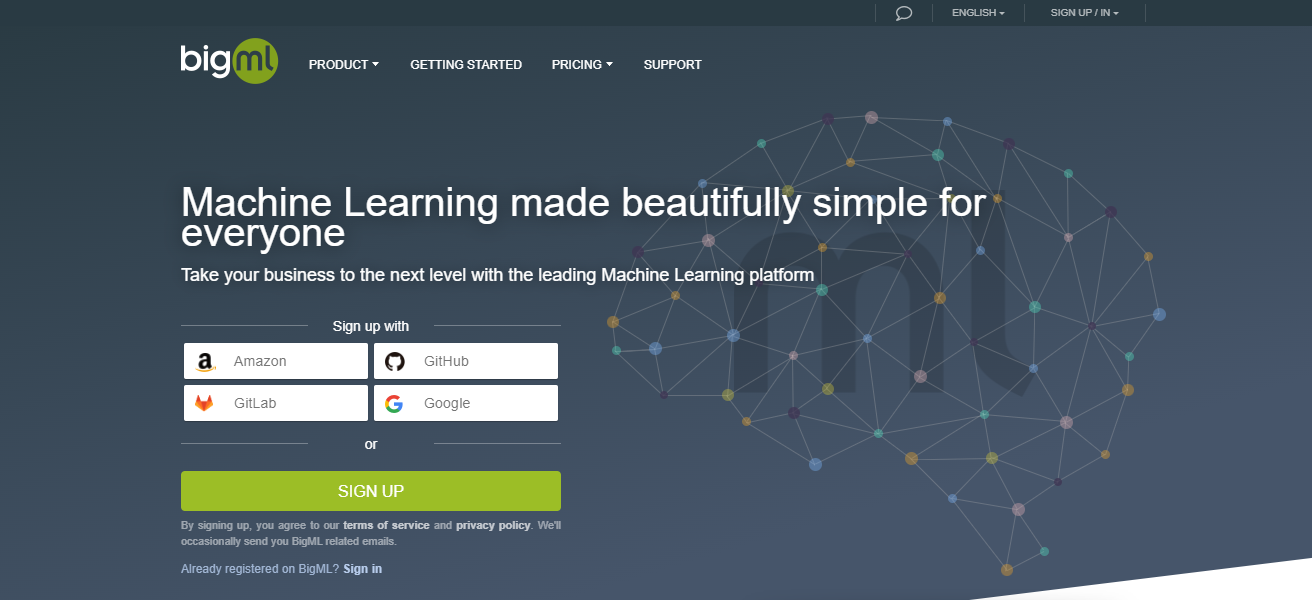
BigML democratizes complex analytics via user-friendly tools and APIs. It is suited for organizations that want to profit from data-powered intelligence, predictive models, and decision models across various sectors like finance, healthcare, and retail.
BigML – Exceptional Features
Predictive Analytics: Anticipates business trends and outcomes for monetization purposes.
User-friendly Workflows: Visual user interface and Application Programming Interfaces for machine learning tasks.
Model Sharing and Deployment: Users can export predictive outputs and incorporate them into other applications
| Pros | Cons |
|---|---|
| Simplifies machine learning for data monetization. | Not a dedicated data marketplace. |
| Enables monetizing predictive models and insights. | Requires ML expertise for best results. |
| Offers automated workflows and APIs. | Less focus on raw dataset exchange. |
| Useful for advanced analytics and forecasting. | Platform costs can scale with usage. |
How To Choose Best Data Monetization Platforms
Legality & Data Sharing Review the platform’s GDPR, CCPA, and other regulations. You must ensure the platform can facilitate and support ethical data sharing.
Flexible Monetization You should focus on monetization methods that best fit the platform. These may be via usage, subscription, or licensing.
Integration & Ecosystem Check to see if the platform can connect with your existing tools. Does it work with your cloud, analytics, or marketing tools?
Safety & Freedom You should be able to retain control, and the platform must provide comprehensive and granular access to data.
Marketplace & Audience Platforms with broad audience reach provide better opportunities for buyer/seller access.
Intuitive & Quality High-quality support and an easy interface make it easy to onboard the platform.
Conclusion
In conclusion Making the right choice of data monetization platforms enables businesses to safely share, sell or use data to harness analytical insights and revenue.
Dawex, Snowflake, and AWS Data Exchange provide regulatory, scaling, and adaptable pricing, while BigML and Infosum offer advanced analytics, and privacy-preserving collaboration.
Integration, security and marketplace reach are the parameters for augmentation of value, and growth.
FAQ
A platform that enables businesses to sell, share, or exchange data securely while generating revenue.
Enterprises, marketers, data providers, and technology companies seeking to monetize or access high-quality datasets.
Through subscription fees, usage-based pricing, licensing models, or commissions on transactions.
Yes, leading platforms like Dawex, Snowflake, and Infosum provide compliance tools to ensure privacy regulations are met.
Yes, many platforms use encryption, access controls, or non-movement techniques to protect sensitive information.