
This article presents some of the Best Fashion Tech Platforms changing the fashion industry. These platforms use cutting edge technologies such as AI, 3D design, and virtual reality to optimize design processes, promote sustainability, and improve the online shopping experience.
These platforms assist brands to innovate faster and reduce costs by offering tools such as virtual fashion design, digital fabric creation, and trend forecasting.
key Points & Best Fashion Tech Platforms
- Onbrand AI Design: AI-powered platform enabling personalized fashion design, branding, and marketing with intelligent automation.
- CLO 3D: Advanced 3D garment visualization software revolutionizing virtual prototyping, reducing waste, and accelerating design workflows.
- Browzwear: Digital fashion solution offering realistic 3D garment simulations, streamlining production, and enhancing sustainable design practices.
- Style3D AI: AI-driven fashion ecosystem integrating 3D design, virtual fitting, and supply chain optimization seamlessly.
- NewArc: Innovative platform merging AI and 3D design tools, empowering designers with efficient creative workflows.
- Refabric: Circular fashion technology promoting textile recycling, sustainable material innovation, and eco-conscious garment production processes.
- Fashable: AI-powered design generator creating unique fashion concepts instantly, democratizing creativity for brands and individuals.
- DressX: Digital fashion marketplace offering virtual clothing, reducing environmental impact, and redefining consumer fashion experiences.
- The Fabricant: Pioneering digital-only fashion house producing immersive virtual garments, redefining creativity beyond physical clothing boundaries.
- Bigthinx: AI and 3D body scanning platform enabling hyper-personalized fashion, virtual try-ons, and size inclusivity.
10 Best Fashion Tech Platforms
1. Onbrand AI Design
Onbrand AI Design uses artificial intelligence to assist fashion brands in designing in accord with their brand identity and customer preferences.
The platform creates design suggestions based on brand identity, customer preferences, and market trends keeping the suggestions updated.
This keeps the suggestions innovative, accelerating the design process while remaining customer driven. Designers can personalize AI-generated concepts, and modify styles for various demographic segments.
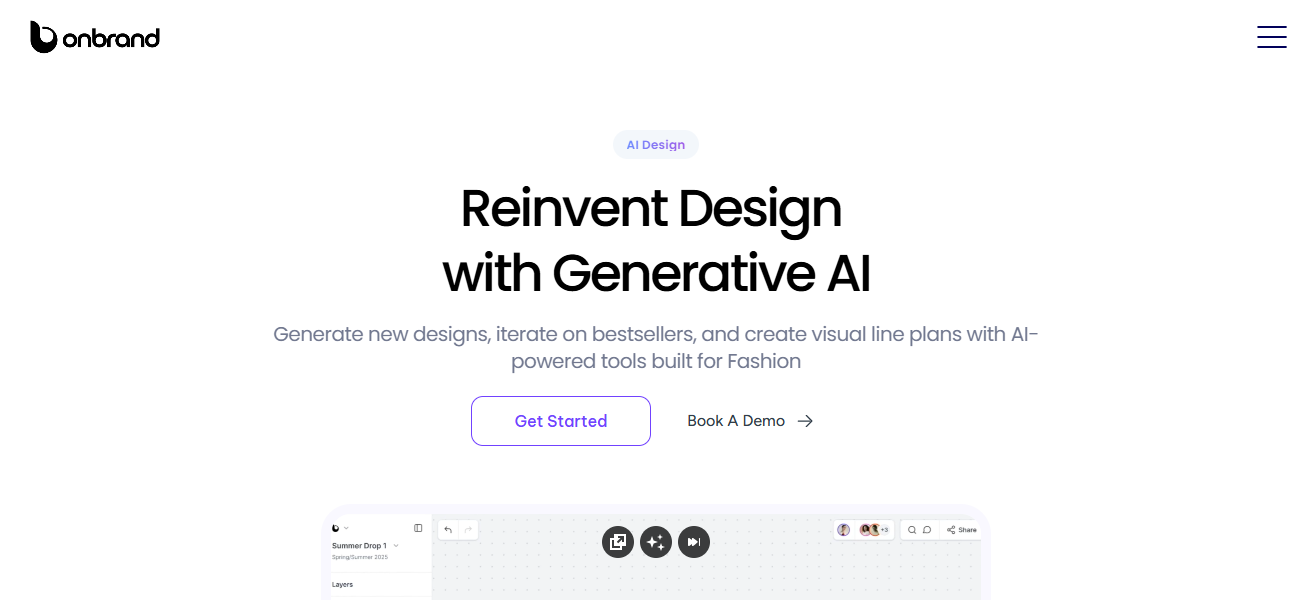
It helps brands lessen their time to market while creating trend-conscious collections, and helps them connect with their audience on a global level.
Onbrand AI Design Features
- AI Consumer Suggestion: Suggests designs that are in line with the company’s brand identity and latest market trends.
- Comprehensive Consumer Insight: Analyzes consumer behavior to understand trends in demand and designs aligned to them.
- Design Customization: Designs may be altered in terms of color and style to reflect the designer’s vision.
- Prompted Product Development: Design cycles are greatly shortened by combining the designer’s creativity with AI.
| Pros | Cons |
|---|---|
| Uses AI to align designs with brand identity and market trends. | May rely too heavily on AI, limiting pure creative spontaneity. |
| Speeds up design process, reducing development time. | Learning curve for designers unfamiliar with AI tools. |
| Generates data-driven insights for target audience preferences. | Subscription or licensing costs can be high for small brands. |
| Allows customization of AI-generated designs and color palettes. | May not fully replace hands-on designer intuition. |
2. CLO 3D
One of the best tools is CLO 3D which is a 3D garment visualizer which creates digital renditions of clothing. It helps in cutting down on physical samples as designers make use of virtual fitting, pattern generation, and fabric behavior simulation.
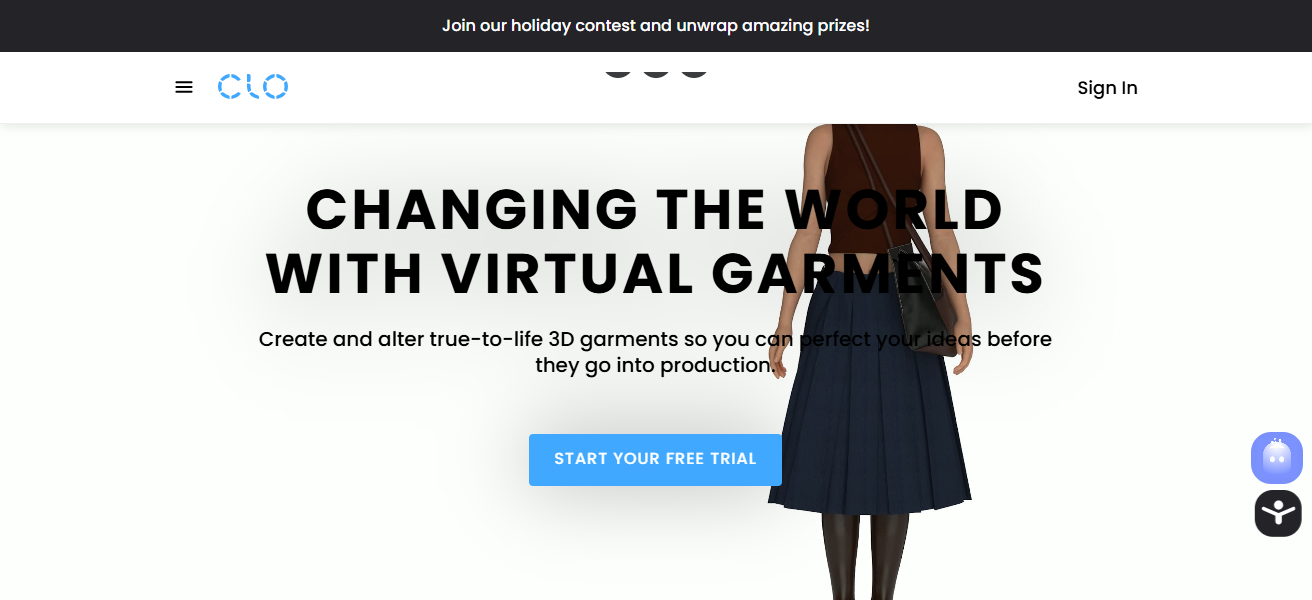
Designers can work in 3D space to adjust with varying parameters such as material, texture, and size. CLO 3D is used in many applications such as sustainable design, virtual fashion shows, and e-commerce.
It helps brands to fast track their product development while maintaining as high a level of cleanliness in their digital clothing as possible.
CLO 3D Features
- 3D Clothing Simulation: Designs clothing that looks real with distortion-free and accurate textures and fit.
- Virtual Fitting and Simulation: Offers try-on experiences and pattern simulations before going to the next stage of production.
- Fabric Behavior Simulation: Demonstrates the different ways in which various fabrics can be manipulated.
- Design Support for Sustainability: Minimizes samples for physical creation – saving time and materials.
| Pros | Cons |
|---|---|
| Realistic 3D garment simulation with accurate fabric behavior. | Requires high-performance hardware for smooth operation. |
| Reduces need for physical samples, saving time and costs. | Steep learning curve for beginners in 3D design. |
| Useful for virtual fashion shows and e-commerce visualization. | Subscription or licensing fees can be expensive for small brands. |
| Supports sustainable design by minimizing waste. | May not fully replicate complex fabric textures perfectly. |
3. Browzwear
Browzwear 3D design software simplifies every step of the product development process, from initial concept all the way through to production. Browzwear’s customers include designers, manufacturers, and garment retailers.
Browzwear captures digital samples to minimize expenses tied to physical sampling and helps designers test fabric behavior and styling digitally so they can make material-saving adjustments.
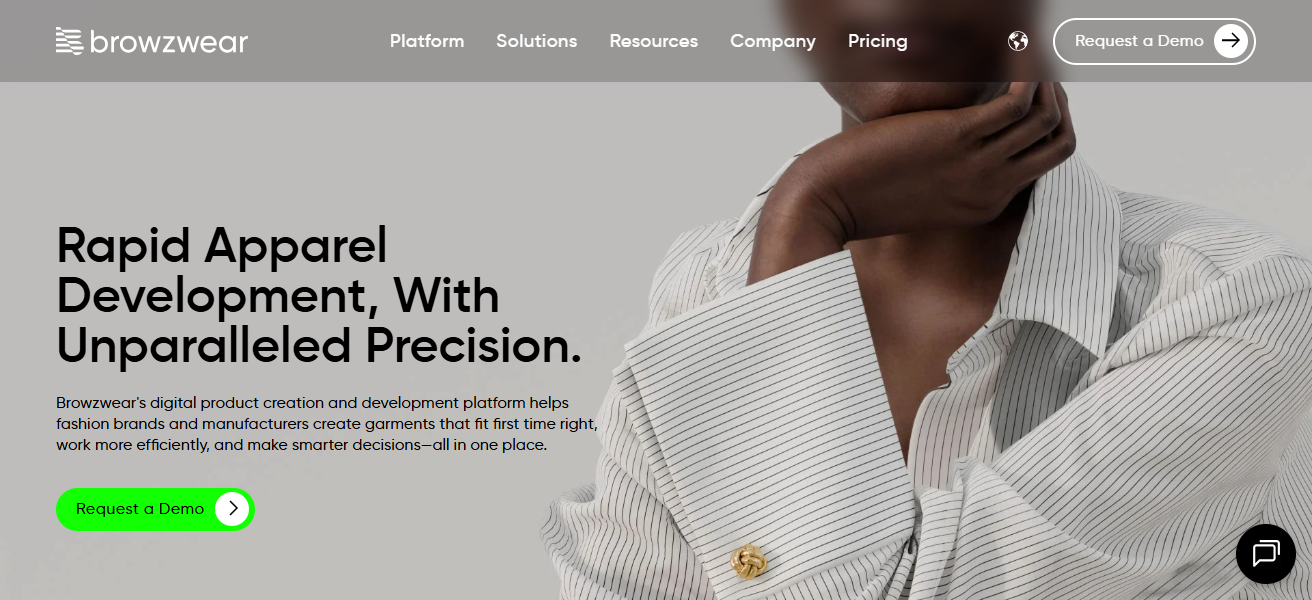
Using Browzwear helps sustain a quick turn-around while being innovative and maintaining quality and consistency across collections.
Browzwear Features
- Digital demonstration/prototyping: Allows designers to virtually test garments prior to production.
- Collaboration features: Allows uninterrupted interaction of designers with manufacturers and retailers.
- Realistic garment visualization: Represents fit, drape, and behavior of fabric with high levels of accuracy.
- Focus on Sustainability: Helps in reducing production and sampling waste.
| Pros | Cons |
|---|---|
| Streamlines product development with virtual prototyping. | Expensive software for small or new brands. |
| Accurate garment simulation reduces physical sampling. | Can be complex to integrate with existing workflows. |
| Collaboration tools improve team efficiency. | Requires training for optimal use. |
| Supports sustainability and faster market launches. | Some fabric behaviors may still require real-life testing. |
4. Style3D AI
Style3D AI specializes in virtual fashion and 3D garment creation. Designers on the platform can develop fully 3D modelled clothing, simulate different fabrics, and visualize trans-seasonal styles in a variety of environments.
Their AI optimizes design workflows and predicts trends, streamlining the design process. Brands using Style3D AI can enhance their virtual try-on solutions, e-commerce visualizations, and marketing campaigns.
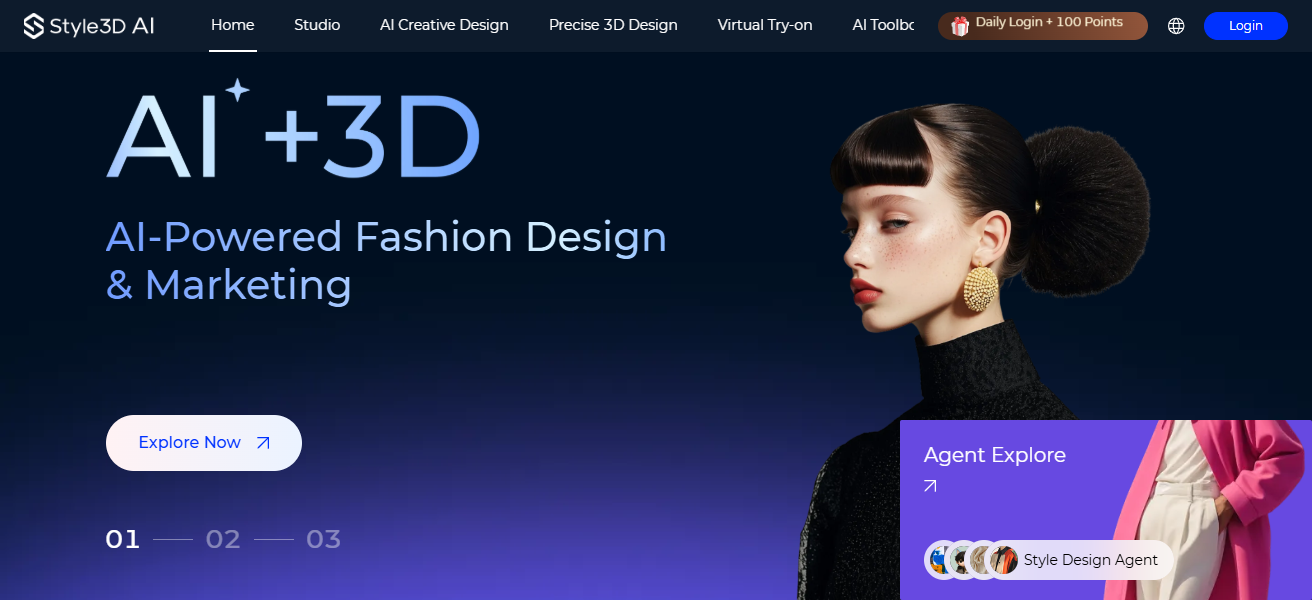
The platform combines AI and 3D technology, offering designers the freedom to innovate while reducing their reliance on physical samples.
This reinforces their commitment to sustainability. Designers using the platform can regulate garment details and fit closely.
Style3D AI Features
- 3D Clothing Modeling. Develops digital garments that display intricate and believable textures.
- Trend Prediction Tools. AI facilitates the forecasting of styles and trends.
- Virtual Try-Ons: Helps e-commerce and advertising with immersive interactions.
- Design Efficiency: Less reliance on physical samples results in time and resource savings.
| Pros | Cons |
|---|---|
| AI-assisted design accelerates trend prediction and creation. | May require advanced skills to utilize all AI features. |
| Realistic 3D clothing models with fabric simulation. | Initial setup and software costs can be high. |
| Supports virtual try-ons, marketing, and e-commerce visualization. | Digital-only models may not fully capture real-life garment feel. |
| Reduces reliance on physical samples, promoting sustainability. | Limited offline collaboration without cloud integration. |
5. NewArc
NewArc integrates fashion and technology by utilizing artificial intelligence and data analytics to assist brands in refining design with customer engagement, trend forecasting, and design improvement.
It provides brand market trend analysis, social media insight, and customer preference analytics in order to aid designers in creating innovative collections based on AI-generated concepts.
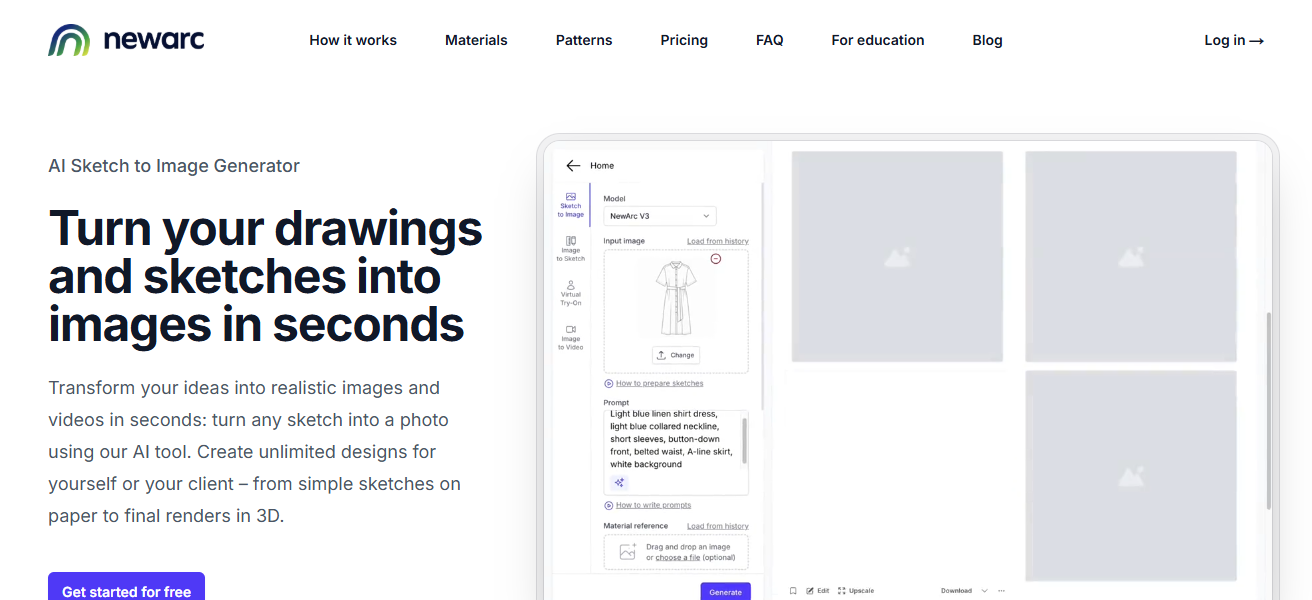
Additionally, NewArc streamlines communications between teams and promotes virtual collaborations.
By collating creativity and technology, she helps brands to be efficient, reduce waste, and be quicker in response to market demands in the digital fashion ecosystem.
NewArc Features
- Trend Forecasting: Utilization of AI to understand and interpret social media and market trends.
- Data-Driven Design: Assists designers in building collections that resonate with consumers.
- Collaborative Virtual Teams: Offers streamlined remote interaction.
- Rapid Market Reaction: Facilitates analytics-driven brand product releases.
| Pros | Cons |
|---|---|
| Integrates AI and analytics for trend forecasting. | May rely on AI insights that aren’t always accurate. |
| Helps in data-driven product design decisions. | Can be overwhelming for teams new to analytics tools. |
| Facilitates virtual team collaboration. | Subscription fees may be high for smaller companies. |
| Enables faster response to market demand and consumer trends. | Limited hands-on design customization. |
6. Refabric
Refabric focuses on creating digital garments and sustainable fashion technologies. Designers on the platform can create high-quality 3D clothing samples without physical materials
Which reduces waste and lowers production costs. For the purpose of sustainable fashion, Refabric provides virtual prototyping, fit simulation, and fabric rendering tools.
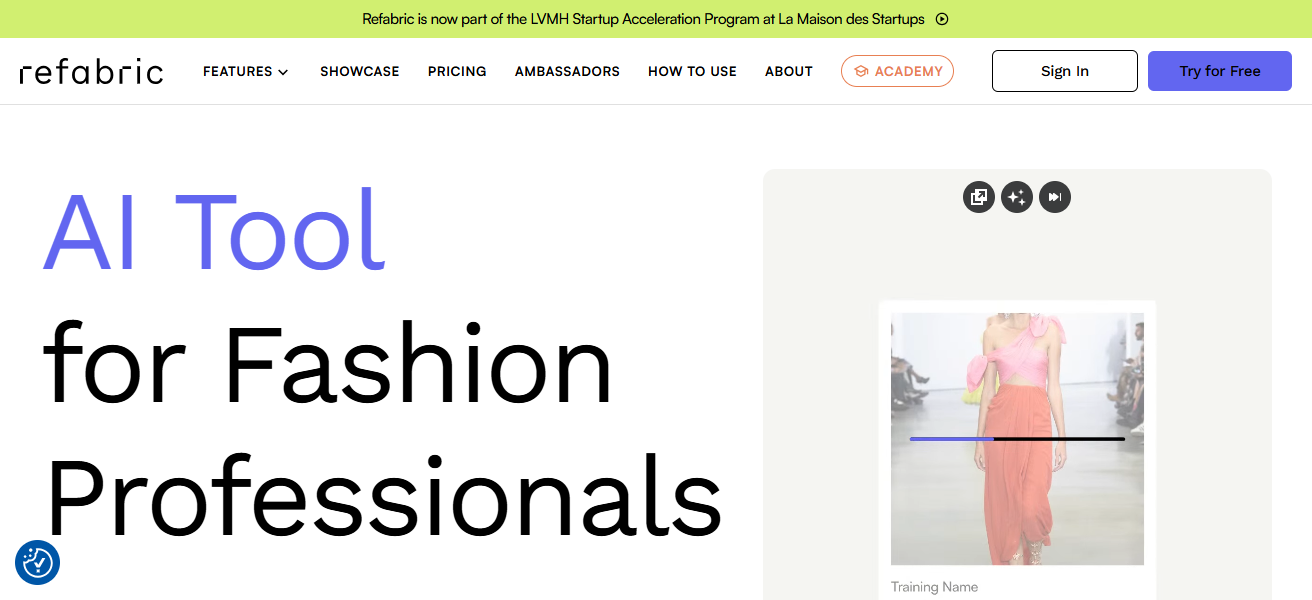
Brands can preview and showcase digital collections, as well as refine designs and materials. Refabric combines sustainability and innovation
Allowing fashion brands to keep their creative, accurate, and responsive to the market while complying with the current industry standards.
Refabric Features
- Digital Clothing Creation: Constructs high-quality digital clothing in 3D with no physical materials.
- Virtual Prototyping: Analyses fit, fabric, and design prior to production.
- Digital Sample Sustainability: Saves on production costs and waste.
- Positive Impact on Material: Assists brands with design and fabric ideas.
| Pros | Cons |
|---|---|
| Produces high-quality 3D garments without physical materials. | May not completely replace physical samples for certain fabrics. |
| Reduces production waste and costs. | Learning curve for 3D design and rendering. |
| Supports virtual prototyping, fit simulation, and fabric rendering. | Requires strong computing resources for high-quality renderings. |
| Ideal for sustainable fashion initiatives. | May need integration with existing workflow software. |
7. Fashable
Fashable integrates consumer engagement, digital styling, and e-commerce through technology in the fashion industry. Fashable helps clients create virtual clothing collections, mix-and-match outfits, and provide customers with interactive experiences.
With 3D and AI technology, Fashable has enhanced online shopping with accurate visualizations and personalized styling.

Additionally, Fashable optimizes marketing campaigns through the digital display of designs, thereby saving costs on production and minimizing physical inventory.
Fashable helps brands better customer engagement, increase sales, and reinvent the ways in which fashion can be represented through technology.
Fashable Features
- Virtual Wardrobe: Offers the ability for consumers to play with outfits virtually.
- E-Commerce: Improves online shopping by adding lifelike illustrations to the experience.
- Active Consumer: Uses AI to provide personalized styling recommendations.
- Sample and Stock Less: Minimizes the need for physical samples and stock.
| Pros | Cons |
|---|---|
| Enhances digital styling and e-commerce engagement. | May require integration with multiple platforms for full use. |
| Interactive virtual clothing collections for consumers. | Some features may have limited scalability for large brands. |
| AI-driven personalized styling recommendations. | Heavy reliance on digital visuals may neglect physical garment nuances. |
| Reduces production costs and inventory requirements. | Initial adoption requires staff training. |
8. DressX
DressX is an online store which sells clothes that can be worn by avatars in online games, as well as clothes that can be modeled by digital characters in videos and photos.
It helps fashion designers by allowing them to create and sell clothes that do not need to be physically made, contributing to sustainable fashion.
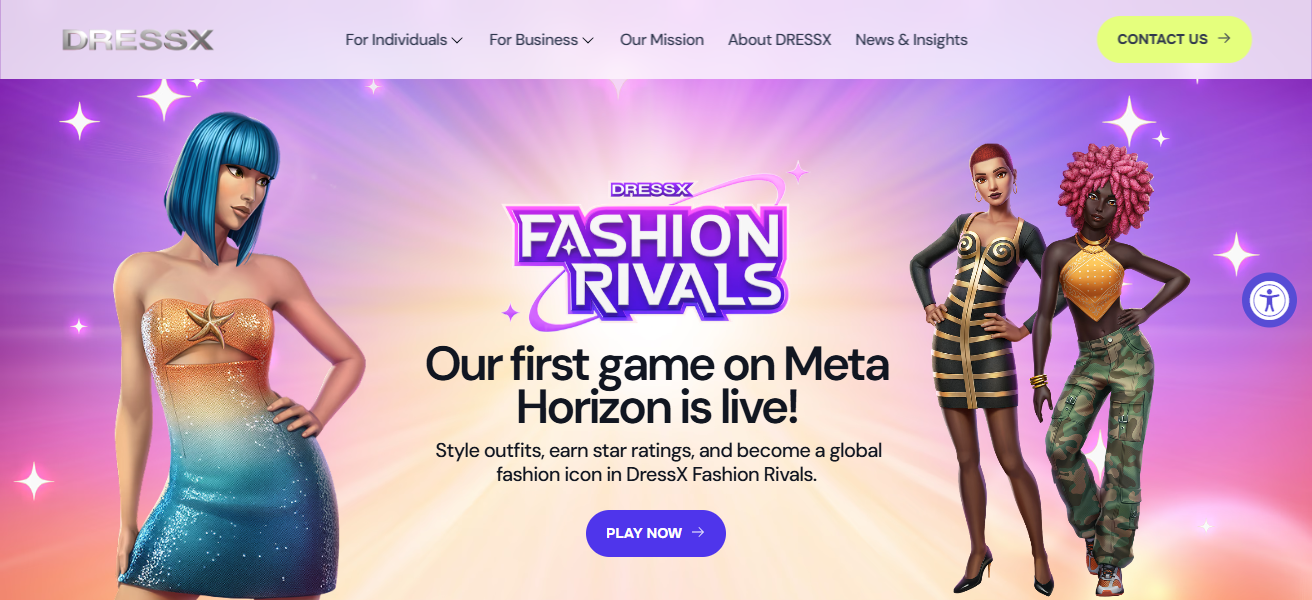
Customers can use augmented reality to try on clothes and can use them on other platforms like social media and video games. DressX created its own 3D technology to make more realistic looking virtual clothing.
It helps designers and consumers in more ways than one by contributing to the digital fashion industry. Digital clothing eliminates the need to create fast fashion and provides consumers with endless options to show off their unique style.
DressX Features
- Digital Fashion Marketplace: A platform for designers to sell virtual fashion online.
- Augmented Reality Try-Ons: Customers can virtually try on outfits.
- Social Media Interoperability: Garments can be used in posts, games, or avatars in the metaverse.
- Sustainability Focus: No longer produces garments and waste associated with their manufacturing.
| Pros | Cons |
|---|---|
| Marketplace for digital clothing, promoting sustainability. | Digital garments may not appeal to all consumer segments. |
| Supports AR try-ons and social media integration. | Limited interaction with physical products for consumers. |
| Opens new revenue streams for designers. | Requires designers to learn digital-only garment creation. |
| Reduces environmental impact by eliminating physical production. | Technology may require continuous updates to remain competitive. |
9. The Fabricant
The Fabricant focuses solely on digital clothing and provides the means to create realistic 3D clothing for virtual environments, marketing, and NFTs.
The Fabricant also focuses on sustainability as it allows for the highest quality digital self-expression without the need for physical production.
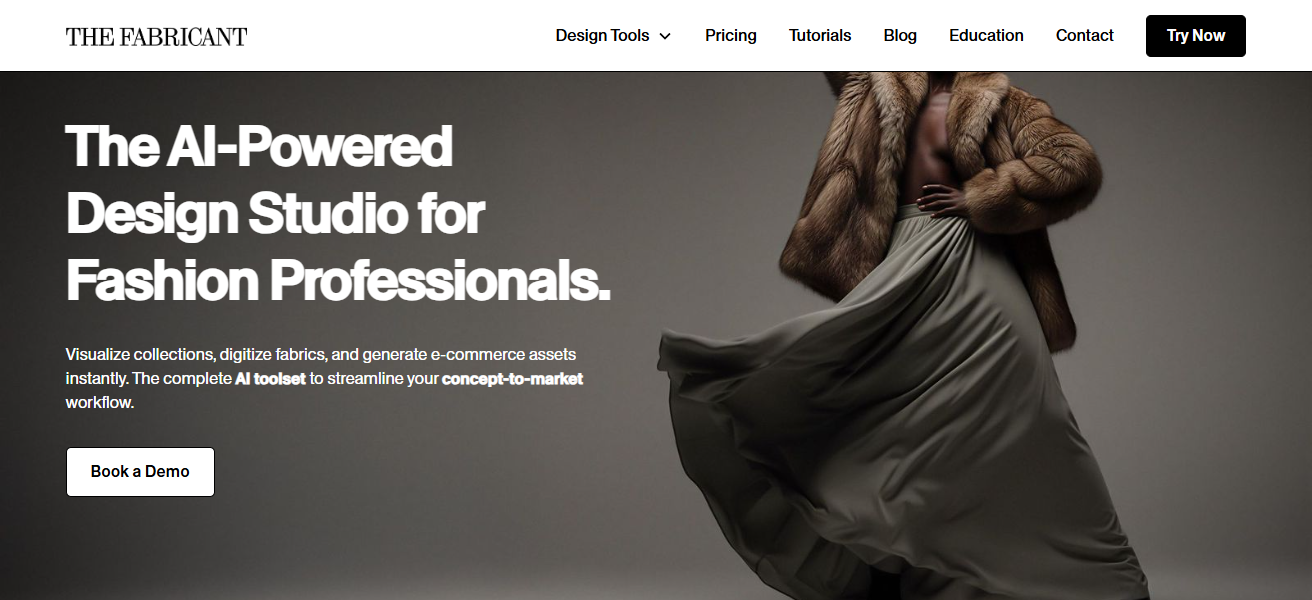
Designers can create realistic and intricate textures and fabric movements to immerse the consumer. The platform integrates the best of blockchain tech and digital creativity to allow fashion to be fully digitized.
The Fabricant also leads the way in redefining what fashion ownership means and virtual fashion shows, etc. They have set the industry standard for sustainable design practices.
The Fabricant Features
- Digital-Only Fashion: Designs realistic 3D garments for the virtual world.
- NFT Integration: Uses blockchain technology for ownership and digital collectibles.
- Immersive Experiences: Virtual fashion shows and interactive marketing activations.
- Eco-Friendly Design: Fully eliminates the need for physical production.
| Pros | Cons |
|---|---|
| Pioneer in digital-only fashion and hyper-realistic 3D garments. | Focused on digital fashion; limited physical product applications. |
| Supports NFTs, virtual worlds, and marketing campaigns. | Requires blockchain understanding for some features. |
| Promotes sustainability by eliminating physical production. | High initial cost and skill requirement for designers. |
| Enables immersive digital fashion experiences. | May not cater to traditional fashion consumers. |
10. Bigthinx
Bigthinx uses technology to create personalized, virtual fittings using AI, computer vision, and body scanning. Customers can use 3D avatars to try on clothes, eliminating the need for return shipping and enhancing online shopping.
Bigthinx provides designers and retailers with predictions on fit and recommendations on size, along with virtual testing for products.

Through predictive analytics, brands can manage their inventory, increase customer satisfaction, and lessen the negative environmental impact that comes with overproducing.
Bigthinx improves the personalization and efficiency of the modern clothing market, and it closes the digital and physical worlds of fashion.
Bigthinx Features
- 3D Body Scanning: Generates precise digital avatars for virtual fitting.
- AI-Powered Fit Predictions: Recommends size and fit adjustments for online purchases.
- Digital-Physical Integration: Seamlessly combines online shopping with realistic fitting experiences.
- Inventory Optimization: Uses data insights to minimize overproduction and returns.
| Pros | Cons |
|---|---|
| AI and body scanning for personalized virtual fittings. | Initial scanning and avatar setup may be complex. |
| Reduces returns and improves online shopping satisfaction. | Technology may not capture extremely complex body shapes perfectly. |
| Optimizes inventory and production efficiency. | Requires investment in AI integration. |
| Bridges gap between digital and physical fashion. | Small brands may find cost prohibitive. |
How To Choose Best Fashion Tech Platforms
Identify Your Needs: Consider design, virtual fitting, sustainability, or e-commerce specific needs first.
Check Technology Compatibility: Does the software integrate with current tools, hardware, and design workflow?
Evaluate Ease Of Use: Use platforms which are easy to use with the flow of your team.
Assess AI Capabilities: Does the platform provide trend forecasting, design recommendations, and personalized options?
Consider 3D and Visualization Quality: Quality and diverse 3D models enhance prototyping, marketing, and consumer experience.
Sustainability Features: Select platforms that help with sample-less and waste-reducing to meet eco-friendly goals.
Collaboration Support: Your team can virtual coordinate and remote share for improved workflow and efficiency.
Cost Vs. Value: Assess licensing, subscription costs versus ROI at your brand’s growth stage.
Customer Support and Training: Instant access to support, tutorials, and guidance ensures optimal use of the platform.
Future-Proof Technology: Choose platforms which use latest in AI, AR, VR, and digital fashion.
Conclusion
To conclude, leading fashion tech platforms are changing design and consumer experience, along with sustainability.
Incorporating Artificial Intelligence, 3D modeling, and other virtual technologies enables brands to innovate, waste less, and improve online engagement.
These platforms are crucial to empowering fashion businesses through trend forecasting, digital garments, and virtual try-ons, helping them remain competitive and future-ready in an ever-evolving industry.
FAQ
Platforms using AI, 3D, and digital tools to enhance fashion design and production.
They streamline workflows, reduce waste, and boost creativity and efficiency in fashion.
CLO 3D and Browzwear are top choices for realistic 3D clothing simulation.
Yes, they reduce physical samples, overproduction, and environmental impact.