
In this article, I will talk about the best financial close automation platforms reshaping the way businesses deal with reconciliations, reporting, and compliance.
These platforms optimize accounting functions, minimize human mistakes, and speed up the closing process.
With automation and AI insights, businesses improve efficiency, transparency, and control, making financial closing quicker, smarter, and more dependable.
Key Points & Best Financial Close Automation Platforms
- BlackLine — Market leader in account reconciliation and automation
- Workiva — Integrated reporting and compliance management
- FloQast — User-friendly close management for mid-sized teams
- Trintech Cadency — Enterprise-grade automation with risk management
- OneStream — Unified CPM platform with strong consolidation tools
- Solvexia — Automation-first approach with reconciliation speed
- Datarails — Excel-native automation for SMBs
- Vena Solutions — FP&A integration with financial close workflows
- GTreasury — Strong treasury and reconciliation automation
- Osfin.ai — AI-powered close automation with predictive insights
10 Best Financial Close Automation Platforms
1. BlackLine
BlackLine is a leader in financial close automation providing solutions to manual reconciliations and other tedious accounting tasks.
Automation accounts reconciliations, journal entries, and transaction matching while ensuring compliance. With dashboards, and AI driven insights and real-time visibility
BlackLine reduces the risks of errors and audit issues while empowering finance teams to close faster. It is scalable to enterprises because of its integration with ERPs and other third party systems.
BlackLine is known for transforming the close into a more controlled, transparent, and strategic process.
BlackLine Features
- Automates the reconciliation of accounts, journal entries, and matching of transactions.
- Offers dashboards that show real-time visibility into progress.
- Excellent compliance and audit trail capabilities for risk mitigation.
- Easily scales to large finance teams at the enterprise level.
| Pros | Cons |
|---|---|
| Strong leader in account reconciliation and automation | Can be costly for smaller organizations |
| Robust compliance and audit features | Implementation may require significant time |
| Scalable for enterprise use | Advanced features may be complex for new users |
2. Workiva
Workiva streamlines the financial close process by integrating data, workflows, and reporting on a single cloud platform.
By connecting to data sources, it removes the need for spreadsheets and guarantees version control and audit tracking.
Finance teams gain seamless reporting and integrated workflows, and collaborate in real-time with the non-financial reporting automated and centralized.
Workiva’s core strengths are in transparency and compliance which makes it a perfect fit for companies with convoluted reporting needs.
Workiva’s automation minimizes manual work, accelerates reporting timelines, and offers reliable insights to stakeholders.
Workiva is particularly recognized in the areas of regulatory reporting and managing large-scale financial close processes.
Workiva Features
- Integrates financial and non-financial data on a single cloud platform.
- Allows real-time collaboration along with version control and audit tracking.
- Automates compliance and reporting workflow.
- Suitable for both regulatory and enterprise-level reporting needs.
| Pros | Cons |
|---|---|
| Excellent for compliance and regulatory reporting | Focused more on reporting than transaction-level automation |
| Real-time collaboration across teams | Pricing may be high for SMBs |
| Centralized workflows and audit trails | Learning curve for advanced features |
3. FloQast
FloQast is designed for accountants, made by accountants, and is built on simplicity for the users, making it easy to manage closes and reconciliations.
The AI built into the software streamlines the automation of repetitive functions, monitors and tracks task dependencies and provides and updates visibility on close status.
It is integration-friendly, streamlining and centralizing employee workflow and processes with better cross-team collaboration. The ease of use and flexibility it offers is why many mid-sized companies are choosing FloQast.
It is proven to cut down the closing process and provide greater accuracy. FloQast also makes the closing process easier for the accountants by standardizing the closing process and providing financial audit documentation.
This allows for the more strategic-focused activities to take place while lowering the financial audit documentation risk. It brings simplicity to teams while providing high levels of operational efficiency.
FloQast Features
- Makes close management easier through workflow automation and task management.
- Offers seamless integration with accounting systems and ERPs.
- Show status and dependency visibility of closes in real time.
- Intended for mid-sized teams to quickly ramp up.
| Pros | Cons |
|---|---|
| User-friendly interface designed for accountants | Limited scalability for very large enterprises |
| Strong close management and reconciliation tools | Less comprehensive than enterprise-grade platforms |
| Quick implementation and adoption | May require integration with other systems for full automation |
4. Trintech Cadency
Cadency by Trintech is an enterprise-grade financial close automation tool designed for large corporations. It integrates various functionalities such as reconciliation, transaction matching, journal entry management, and compliance into a single system.
Cadency employs advanced match rules and exception management to minimize manual workloads which, on a monthly basis, can save organizations hundreds of hours. Its features related to audit trails and transparency bolster governance and risk management.
Cadency integrates with ERPs to provide accuracy and efficiency across global operations. Cadency’s notable strengths include regulatory compliance and scalability making it a preferred solution for enterprises needing strong automation and control over their record-to-report processes.
Trintech Cadency Features
- Provides enterprise-level automation for journal entry, transaction matching, and reconciliation.
- Excellent features for compliance, governance, and risk management.
- Supports global operations with integration with several ERPs.
- Offers audit-ready documentation and transparency.
| Pros | Cons |
|---|---|
| Enterprise-grade automation with risk management | Best suited for large organizations, not SMBs |
| Strong compliance and governance features | Implementation can be complex |
| Advanced reconciliation and transaction matching | Higher cost compared to mid-market solutions |
5. OneStream
OneStream provides a unified corporate performance management (CPM) platform that seamlessly integrates financial close, consolidation, planning, and reporting.
Its automation covers reconciliations, matching transactions, and journal entries, all in one flexible solution.
OneStream uses AI for anomaly detection, reconciliation, and accelerated consolidation, changing the close to a continuous, controlled process.
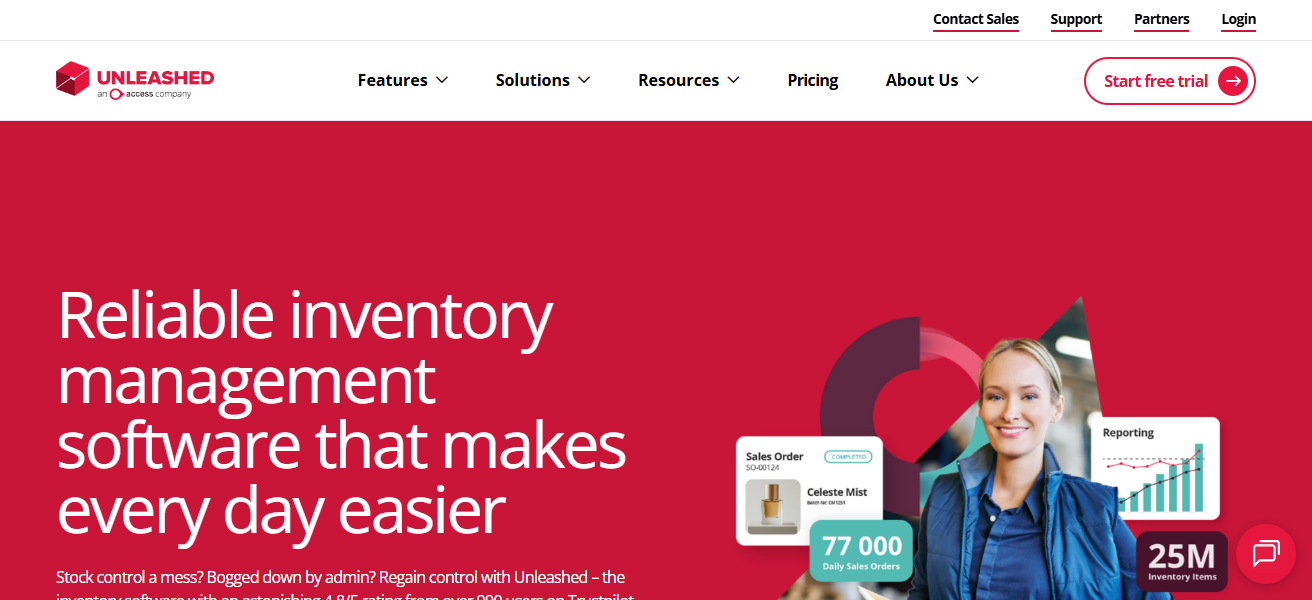
Companies eliminate numerous point solutions and gain real-time visibility into their financial operations. Its scalability and integration are suited for sophisticated companies with global subsidiaries.
OneStream is distinct for its combination of close automation with advanced analytics and performance management.
OneStream Features
- Integrated platform for close, consolidation, and planning within a single CPM suite.
- Offers automation for reporting, consolidation, and reconciliation all within one solution.
- Enhanced accuracy through AI-enabled anomaly detection.
- Adjustable to fit sophisticated, international businesses.
| Pros | Cons |
|---|---|
| Unified CPM platform combining close, consolidation, and planning | Requires significant investment and training |
| Scalable for global enterprises | May be excessive for smaller teams |
| AI-driven anomaly detection and analytics | Complex setup and customization |
6. Solvexia
Founded in 2020, Solvexia specializes in financial automation, specifically no-code automation for reporting, reconciliation, and compliance. It removes the need for tedious manual processes by automating spreadsheet data prep, mapping, and data analysis.
Finance teams improve their accuracy by reconciling high volume transactions in minutes, mitigating risk.
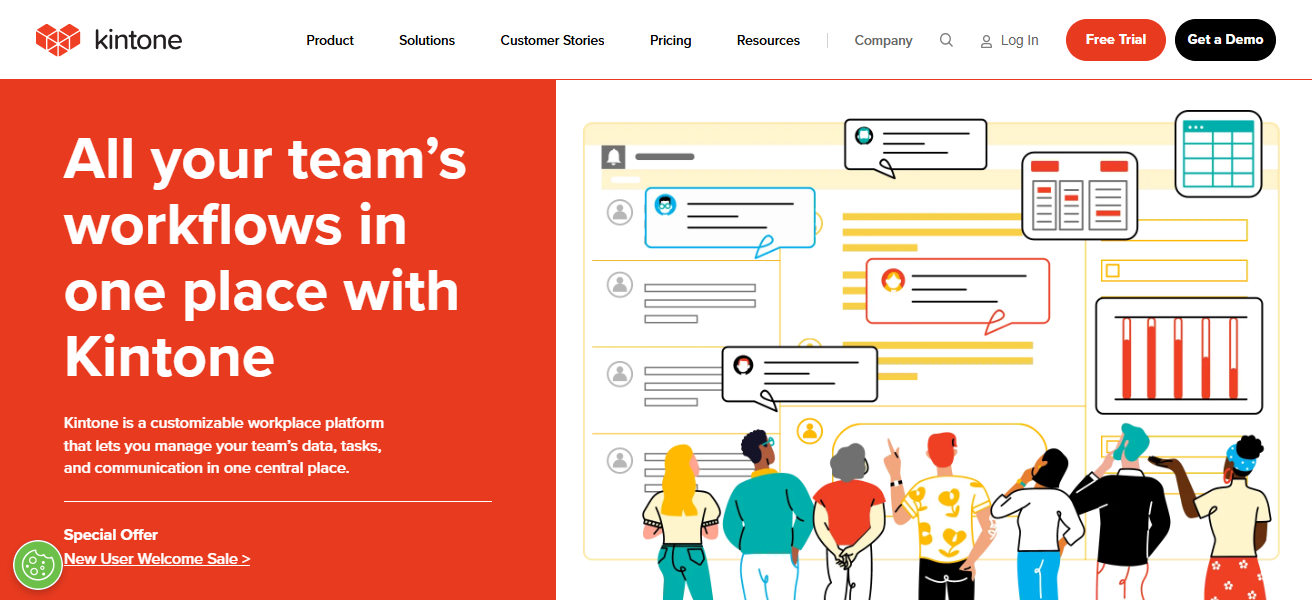
Working with all existing systems, Solvexia offers transparency and auditability, and empowers finance teams with little to no IT involvement.
This makes Solvexia agile and efficient. After being acquired by GTreasury, Solvexia can now enhance its automation capabilities to treasury and compliance operations.
It’s best for organizations that want speed and simplicity in automation for reconciliation to improve their processes.
Solvexia Features
- Automation of reporting and reconciliations with no coding.
- Quick transaction handling and cloud-based solution.
- For compliance, there is transparency and audibility.
- Smart tech solution with little to no IT involvement.
| Pros | Cons |
|---|---|
| No-code automation for reconciliation and reporting | Less known compared to larger competitors |
| Fast transaction reconciliation | Limited advanced FP&A features |
| Cloud-based and easy to integrate | May require add-ons for broader functionality |
7. Datarails
Datarails is a FP&A and financial close automation platform for SMBs and mid-sized firms that works with Excel. It integrates data from ERPs, CRMs, and HR into a single source of truth.
By automating reporting, reconciliations, and variance analysis, Datarails reduces the use of manual spreadsheets while keeping Excel workflows.
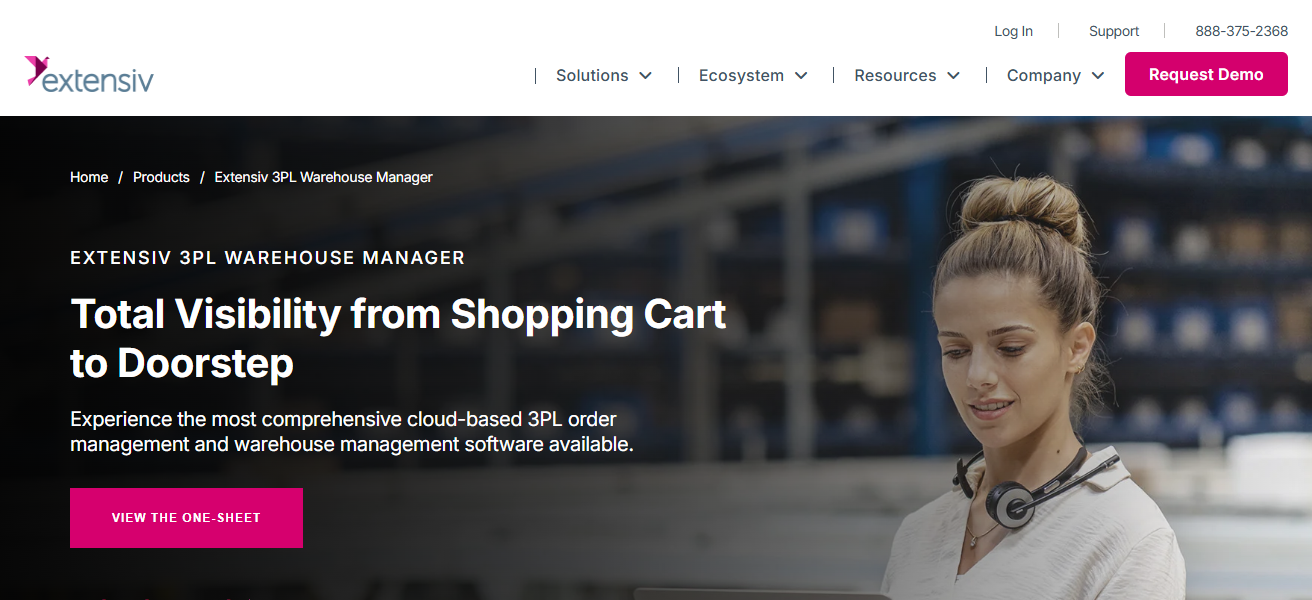
Month-end close automation allows Datarails to speed up the close cycle by centralizing tasks and documentation.
For finance teams who want powerful analytics and automation without leaving Excel, Datarails is a perfect fit.
Datarails Features
- Automation that is native to Excel for small and medium-sized businesses.
- Merges information from ERP, CRM, and HR systems.
- Steers reconciliations, reporting, and variance analyses.
- Forecasting and discrepancy detection with AI.
| Pros | Cons |
|---|---|
| Excel-native, easy adoption for SMBs | Not as robust for enterprise-scale operations |
| Automates reporting and reconciliations | Limited advanced compliance features |
| Affordable compared to enterprise platforms | Heavy reliance on Excel may limit innovation |
8. Vena Solutions
Vena Solutions combines financial close automation and FP&A features and its platform works directly with Excel. It automates the consolidation, reconciliation, and tax provisioning processes and offers approval, reminder, and reporting workflows.
Consolidation, reconciliation, and tax provisioning automation and reporting workflows. The strongest aspect of Vena is the AI-driven Copilot, which provides better insight and speeds up the decision-making processes.
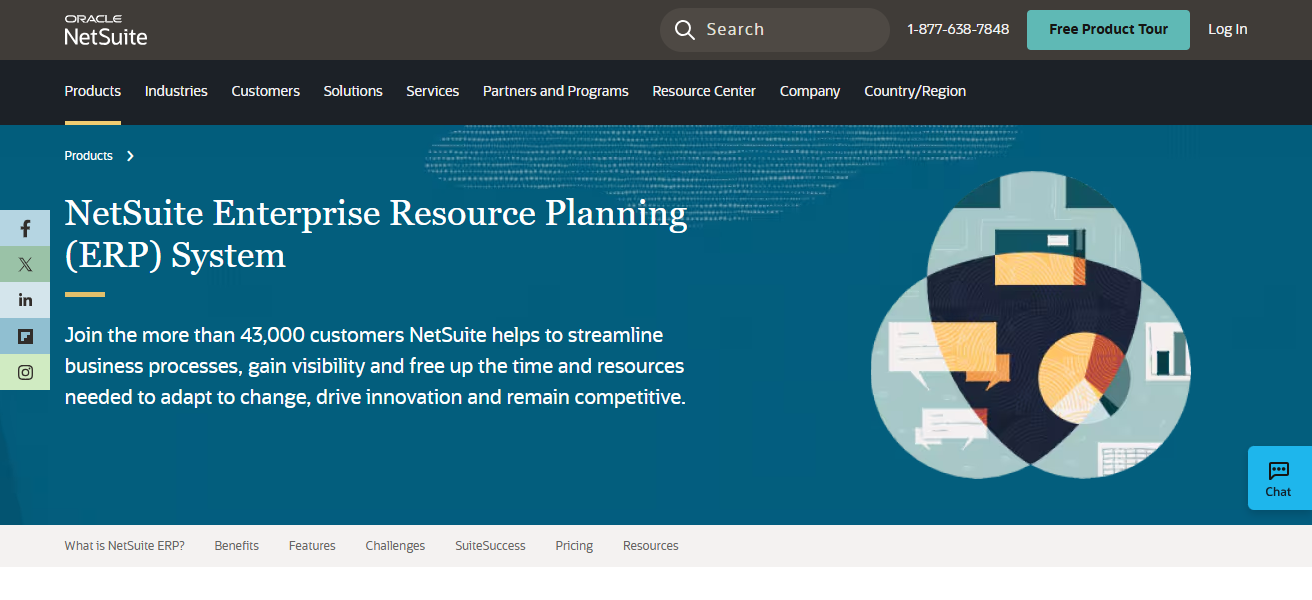
Vena improves the efficiency of centralizing data and automating data entry, thus avoiding unnecessary labor and meeting standard policies.
The integration of Vena with Excel gives an advantage and ease of use for finance divisions of big companies. Vena is highly rated for budget forecasting performance automation and close automation.
Vena Solutions Features
- Merges automation of financial closing with FP&A.
- Consolidation, tax provisioning, and reconciliation automation.
- Simple adoption of Excel-centered interfaces.
- Quick AI Copilot for insight generation and support for decisions.
| Pros | Cons |
|---|---|
| Combines FP&A with close automation | Excel dependency may limit scalability |
| AI-powered Copilot for insights | Advanced features may require training |
| Easy adoption for finance teams | Less specialized in reconciliation compared to BlackLine |
9. GTreasury
Following the acquisition of Solvexia, GTreasury, a treasury management platform, now also offers financial close automation.
GTreasury helps organizations manage operational risk with cash visibility, forecasting, reconciliation, and regulatory reporting.
Along with thousands of banks and financial systems, GTreasury provides real-time visibility into treasury and compliance operations.
Its automation improves reconciliation and reduces processes valuable for complex treasury workflows. GTreasury improves both the treasury and financial close processes with AI treasury analytics and a secure cloud.
Organizations with large treasury operations who need integrated automation will benefit the most from GTreasury.
GTreasury Features
- Automation for reconciliation and compliance with a focus on treasury.
- Forecasting and cash visibility in real-time.
- Connects with thousands of ERP and banking systems.
- Strengthens financial closing and treasury processes with a safe infrastructure.
| Pros | Cons |
|---|---|
| Strong treasury and reconciliation automation | Primarily focused on treasury, not full close |
| Real-time cash visibility and forecasting | May not suit companies without treasury needs |
| Secure integrations with banks and ERPs | Implementation complexity for smaller firms |
10. Osfin.ai
Osfin.ai is an automation solution provider for invoicing, reconciliation, reporting, and payouts, operating within the financial services ecosystem.
Osfin.ai utilizes machine learning and OCR technologies in an effort to minimize the level of human involvement, increase the reliability of the system, and maximize the level of predictive reporting.
It aids customers in reducing the overall processing time necessary to complete activities directly associated with the reconciliation of payments received by the customers.
Osfin.ai is secure and dependable, with its infrastructure being SOC 2 compliant. As of now, Osfin.ai stands out amongst forward looking alternatives for automation of financial closing procedures.
Osfin.ai Features
- For invoice processing, payouts, and reconciliation, automation powered by AI.
- Over 170 financial and ERP systems partnered.
- For speed and accuracy, machine learning and OCR used.
- Loss of revenue detection and predictive insights.
| Pros | Cons |
|---|---|
| AI-powered automation with predictive insights | Newer entrant, less proven than established platforms |
| Handles high-volume reconciliations quickly | May lack some enterprise compliance certifications |
| Integrates with 170+ ERP/financial systems | Adoption may require IT involvement |
How To Choose Best Financial Close Automation Platforms
- Assess Business Size & Needs** – Size and complexity of the business should match platform scalability.
- Integration Capabilities – Check if the platform integrates with your ERP, CRM, and financial systems to improve workflows.
- Compliance & Audit Support – Select platforms with better management of compliance, audit history, and risk with features.
- Ease of Use – Look for platforms with a simple interface to ensure a better and quicker adoption.
- Automation Depth – Check how much the platform eliminates manual work for reconciliation, journal entries, and reporting.
- AI & Analytics – Check if the platform offers insights, analytics, and anomaly detection to improve your organization.
- Cost vs Value – Estimate the subscription cost and analyze how it saves time and improves compliance in the long run.
- Vendor Reputation – Look for well-known vendors for customer service, industry awards, and sustained performance.
Cocnsluion
In cocnsluion In order to enhance reporting, automate reconciliations, and compliantly close with confidence, selecting appropriate financial close automation platforms is essential for any organization.
BlackLine, Workiva, FloQast, and other such solutions provide efficiency, transparency, and accuracy. With the aid of automation and AI, finance teams lessen manual work, minimize risk, and transform the close to be faster, smarter, and more strategic.
FAQ
They are tools that streamline reconciliations, reporting, and compliance to speed up closing cycles.
They reduce manual errors, save time, and improve accuracy in financial reporting.
Enterprises with complex operations and SMBs seeking efficiency both gain significant value.
Yes, most integrate seamlessly with ERPs like SAP, Oracle, and NetSuite.