
This article highlights the major financial products employed by Asian HNWIs to grow and protect their wealth. Today, Asia’s HNWIs have developed a sophisticated approach to portfolio management
- Key Points & Best Financial Instruments Used by Asian HNIs
- 10 Best Financial Instruments Used by Asian HNIs
- 1. Equity Markets
- 2. Private Equity
- 3. Portfolio Management Services (PMS)
- Features Portfolio Management Services (PMS)
- 4. Market Linked Debentures (MLDs)
- 5. Mutual Funds
- 6. Structured Products
- 7. Real Estate
- 8. Alternative Investments (AIFs)
- 9. International Investments
- 10. Tax-efficient Bonds
- How To Choose Best Financial Instruments Used by Asian HNIs
- Cocnsuion
- FAQ
Which involves using a variety of equities, private equity, mutual funds, real estate, and other alternative investments to achieve targeted diversification, optimal return, and risk management. Appreciation of financial products is critical for making sound investment decisions.
Key Points & Best Financial Instruments Used by Asian HNIs
| Financial Instrument | Key Point |
|---|---|
| Equity Markets | Direct investments in blue-chip and mid-cap stocks for long-term growth |
| Private Equity | Access to high-growth startups and private firms with potential for outsized returns |
| Portfolio Management Services (PMS) | Customized strategies tailored to HNI risk appetite |
| Market Linked Debentures (MLDs) | Debt instruments offering index-linked returns |
| Mutual Funds | Diversified exposure across equity, debt, and hybrid schemes |
| Structured Products | Customized instruments combining debt and equity features |
| Real Estate | Luxury properties and commercial spaces for wealth preservation |
| Alternative Investments (AIFs) | Hedge funds, venture capital, and private debt for portfolio diversification |
| International Investments | Global equities, bonds, and funds to hedge against local market risks |
| Tax-efficient Bonds | Government or corporate bonds with favorable tax treatment |
10 Best Financial Instruments Used by Asian HNIs
1. Equity Markets
Equity markets remain a primary investment avenue for Asian High Net Worth Individuals (HNIs) due to their potential for long-term wealth creation.
HNIs often invest directly in listed stocks of companies with strong fundamentals or high growth potential, leveraging both capital appreciation and dividends.

They may also diversify across sectors, geographies, and market capitalizations to optimize risk-adjusted returns. Advanced strategies like margin trading, options, and derivatives are sometimes employed to enhance gains.
Equity investments provide liquidity, transparency, and the opportunity to participate in corporate growth, making them a preferred financial instrument for sophisticated investors.
Features Equity Markets
- Investors obtain shares of ownership in public companies.
- Investors in the stock market earn capital gains.
- Stocks provide returns in the form of dividends.
- Stocks are highly liquid.
| Pros | Cons |
|---|---|
| Potential for high long-term capital appreciation. | Subject to market volatility and economic cycles. |
| Dividend income provides steady cash flow. | Requires careful stock selection and monitoring. |
| Liquidity is high for listed equities. | Losses can be significant in bear markets. |
| Diversification across sectors and geographies possible. | Emotional investing may lead to poor decisions. |
| Enables participation in corporate growth and wealth creation. | Tax on capital gains and dividends may reduce net returns. |
2. Private Equity
HNIs are interested in unlisted companies, large stakes in firms, and secretive ownership in sectors as many companies are unlisted.
Unlike public equities, PE investments are in startups, firms in growth-stage, or firms being bought, and there is long-term capital commitment.
Investors actively participate, give strategic direction, and initiate value-creation projects. Although PE is illiquid, there is high potential upside and diversification for their portfolios.

Funds or direct co-investments are used more. PE firms are in growing sectors and target streams of value.
Private equity is also a tool used in high-net-worth financial planning, as it has value in tax optimisation and wealth preservation.
Features Private Equity (PE)
- Investing in companies without a public listing.
- Investors buy shares in hopes of capital growth over the long term.
- Investors take management or advisory roles in the companies.
- Investment is illiquid with long lock-in periods.
| Pros | Cons |
|---|---|
| High potential returns from unlisted companies. | Illiquid investment with long lock-in periods. |
| Active involvement can enhance company value. | High minimum investment requirements. |
| Portfolio diversification outside public markets. | Risk of company failure or delayed exits. |
| Access to niche sectors and early-stage businesses. | Valuation and transparency may be less reliable. |
| Tax-efficient structures available in some jurisdictions. | Requires sophisticated due diligence and expertise. |
3. Portfolio Management Services (PMS)
Asian HNIs gain tailored investment options designed around needs, risk tolerance, and time frames. Professional fund managers oversee the rebalancing of a managed collection of equities, bonds, and strategic alternative assets.
Unlike mutual funds, PMS accommodates HNIs’ personalized investment strategies and offers PMS designed for tax-advantaged investments.

HNIs valuing transparency and performance monitoring will benefit the most and going for preservation, income generation, or capital appreciation PMS offers a highly customized investment vehicle and capitalizes on financial sophistication.
Features Portfolio Management Services (PMS)
- Investment services offered to High Net Worth Individuals.
- Specialized management based on individual clients’ risk and objective.
- The portfolio is actively adjusted to optimize performance.
- The portfolio may include equity, fixed-income and alternatives.
| Pros | Cons |
|---|---|
| Customized investment strategies for HNIs. | High fees compared to mutual funds. |
| Professional fund management and active portfolio rebalancing. | Minimum investment thresholds are substantial. |
| Flexibility in asset allocation and concentration. | Performance is not guaranteed; market risks still apply. |
| Tax-efficient investment planning possible. | Less liquidity than mutual funds if funds are locked in. |
| Transparent reporting and goal-based management. | Dependent on fund manager skill and experience. |
4. Market Linked Debentures (MLDs)
Market Linked Debentures (MLD) are structured to offer high net worth individuals (HNIs) structured equity risk exposure as they combine elements of risk from debt securities and equity.
Certain HNIs are provided with principal protection, while other products offer no principal protection, and varying returns are allotted to indices, stocks or commodities.

MLDs offer upside potential along with market fluctuations and are often accompanied with fixed coupon payouts. HNIs invest in these products due to the balance they offer in risk and reward while also protecting the capital used.
MLDs can fit almost any structured tenor, underlying asset, and payout. This makes MLDs an appealing substitute for fixed income products over HNIs and used for geared wealth enhancement.
Features Market Linked Debentures (MLDs)
- Debt and equity instruments combined.
- Returns are based on a market index, stock, or a commodity.
- They may or may not guarantee full principal.
- There are fixed and variable interest rates.
| Pros | Cons |
|---|---|
| Potential market-linked returns with partial capital protection. | Complex structures may be difficult to understand. |
| Regular coupon payments in some variants. | Returns are not guaranteed; linked to underlying market performance. |
| Diversification between debt and equity exposure. | Liquidity may be limited before maturity. |
| Suitable for moderate-risk HNIs. | Tax implications can be complex. |
| Structured to suit risk-reward preferences. | Market risk still exists if principal is not fully protected. |
5. Mutual Funds
Mutual funds are professionally managed investment vehicles that are well-suited for high-net-worth individuals looking to diversify across different assets classes like equities, debt, and hybrids.
These funds offer varying levels of risks and returns, with offerings ranging from conservative debt funds to aggressive equity funds. Investing in mutual funds eliminates the hassle of managing a portfolio, as well as stockpicking. They also provide liquidity and mitigate risks.

For targeted growth, HNIs can select systematic investment plans, funds focused on equity with tax efficiency, or funds dedicated to a certain sector.
Due to the clear framework, oversight from relevant authorities, and the managed investment of funds, mutual funds are a vital tool for the creation of wealth and the balance of a portfolio.
Features Mutual Funds
- Investment vehicle that allows multiple investors to pool funds.
- The funds are managed by a professional.
- Minimum investments are less.
- Liquidity is ensured due to easy redemption.
| Pros | Cons |
|---|---|
| Professional management reduces individual stock-picking risk. | Returns may underperform direct equity investments. |
| Diversification across sectors, asset classes, and geographies. | Management fees reduce net returns. |
| Liquidity with easy entry and exit. | Limited customization for individual investors. |
| Accessible minimum investments. | Performance depends on fund manager expertise. |
| Options for tax-efficient and goal-based investments. | Market-linked risks still exist in equity funds. |
6. Structured Products
Structured products provide investors with a customized way to mitigate risks and provide protection by including features like capital protection and defining how investments will pay out.
They are a combination of equity, debt and derivatives and are tailored to fit major investment goals.
Asian HNIs use these products to gain access to a range of commodity and currency markets while strategically enhancing yield.

There are a number of flexible arrangements in these products, with barrier options, autocallables and principal-protected notes being the most common.
They a. HNIs to preserve the downside while also obtaining improved overall performance of the investment portfolio.
Features Structured Products
- These are instruments customized to include any mix of derivatives, equities, and debt.
- Has any risk-return character associated with meeting objectives of an investor.
- May include capital protection, or some ex-ante payouts.
- These can be used for hedging, yield supplements, or exposure to some niche markets.
| Pros | Cons |
|---|---|
| Tailored to specific risk-return objectives. | Complex products require expertise to understand. |
| Can offer capital protection or predefined payoffs. | Illiquid in secondary markets. |
| Access to niche markets like commodities, currencies, or equities. | High costs and fees may reduce effective returns. |
| Flexibility for hedging and yield enhancement. | Not suitable for conservative or novice investors. |
| Can optimize portfolio performance through strategic structuring. | Tax treatment may be complex depending on jurisdiction. |
7. Real Estate
Assets having an actual value and the possibility of growth makes real estate an important component of portfolio wealth.
Most wealthy individuals in Asia real estate investments are in premium residential, commercial and luxury properties.

Prime real estate serves high return, diversification and is protective against inflation. Real estate may be leveraged across generations to preserve wealth and the investments in real estate can also protect the cash flow of the portfolio from real estate investments.
Stability is achieved from diversified real estate assets as investments in international real estate diversify currency and integrate global markets.
Features Real Estate
- Is an evident and genuine asset with possible appreciation over the long run.
- Makes cash flow steady through rental income and serves as income for the long run.
- It is an inflation hedge as well.
- Acts as a diversification means, and for the legacy wealth the inflation hedge construction.
| Pros | Cons |
|---|---|
| Tangible asset with long-term appreciation potential. | Illiquid; buying and selling can take time. |
| Generates rental income and steady cash flow. | Requires significant capital investment. |
| Inflation hedge and wealth preservation tool. | Maintenance, taxes, and management costs apply. |
| Diversification across asset classes. | Market risks and property price fluctuations exist. |
| Legacy planning and multi-generational wealth creation. | Legal and regulatory challenges in different regions. |
8. Alternative Investments (AIFs)
Hedge funds, commodities, private equity, and venture capital comprise AIFs offering HNIs a chance to invest outside traditional equity.
These funds invest in illiquid and mispriced assets through niche strategies to earn higher returns over the long term.
AIFs offer a differentiated growth and risk adjusted returns, and the chance to capitalize at the right moment through portfolio diversification.

AIFs are commonly used by Asian HNIs for tax efficiency, capital preservation, and sector allocation within private equity.
While AIFs maintain a higher risk, require higher investment, and are not liquid in the short term, they offer the chance to invest in differentiated opportunities and professional management making them invaluable for sophisticated long term financial goals.
Features Alternative Investments (AIFs)
- Investments made do not appear to be as traditional equity and debt i.e. hedge funds or commodities. Also, do not appear to be as traditional equity and debt.
- Has an evident focus on high returns and some niche.
- Has long periods of illiquidity and lock-in.
- Ensures diversification of a portfolio is possible, and professional management as well.
| Pros | Cons |
|---|---|
| Access to hedge funds, commodities, and private equity. | High risk and illiquid investments. |
| Potential for superior risk-adjusted returns. | Requires high minimum investments and accreditation. |
| Portfolio diversification beyond traditional assets. | Complex structures may lack transparency. |
| Professional management for niche strategies. | Limited redemption opportunities; long lock-ins. |
| Flexibility for tax and wealth planning. | Not suitable for risk-averse investors. |
9. International Investments
For HNIs, having international investments helps them to attain global equities, bonds, real estate, indexed commodities, and ETFs, providing them with geographical and monetary diversification.
The exposure to developed and emerging markets helps international portfolios, including hedge funds, private equity, foreign-stocks, and enduring strategic returns add inflation protection.
Asian HNIs enjoy global economic trends, efficient global tax structures, and currency-saving strategies.
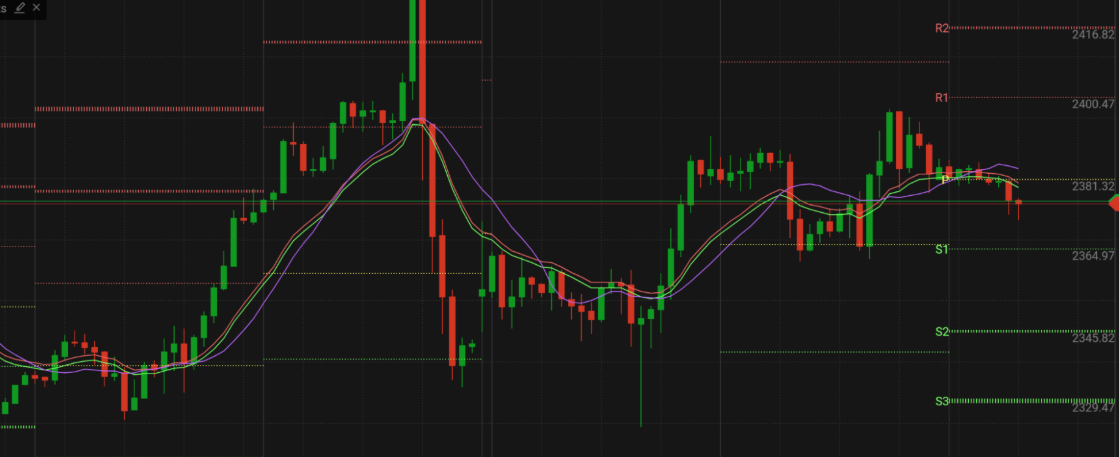
By diversifying internationally, investors lessen concentration risk, improve upon risk-adjusted returns, and further enhance wealth preservation.
Global diversification is key to building resilient, multi-asset portfolios for long-term growth, enhancing the importance of international investments.
Features International Investments
- Investments can be made in equities around the globe, bonds, ETFs, or real estate.
- Also, adds to geographical and currency diversification.
- Open access to the growth of the markets, whether they are developed or are in their emerging phase.
- Lowers risk of over-concentration domestically and improves.
| Pros | Cons |
|---|---|
| Geographic and currency diversification. | Currency fluctuations can impact returns. |
| Exposure to global growth opportunities. | Regulatory and compliance challenges in foreign markets. |
| Access to developed and emerging markets. | Tax treatment may be complex. |
| Reduces domestic concentration risk. | Political and geopolitical risks abroad. |
| Enables inclusion of global equities, bonds, and alternatives. | Research and monitoring can be resource-intensive. |
10. Tax-efficient Bonds
Tax-efficient bonds provide investors with several predictable income streams while paying less in taxes on income received. This is very appealing to high-net-worth individuals (HNIs) aiming to protect their wealth and have quick access to their funds.
These types of bonds include U.S. government bonds, municipal bonds, and certain corporate bonds that provide prima facie exemptions or deductions under applicable tax legislation.

These various bonds provide income, along with diversification of equity market portfolios, while allowing investors to lower income tax liability.
Some tax-efficient bonds provide protection against inflation and/or protection of principal. These tax-efficient bonds provide Asian HNIs with predictable cash flows, allowing them to invest in more volatile equity markets while managing their overall portfolio risk.
Features Tax-efficient Bonds
- Also, debt instruments are provided with favorable tax treatment.
- Provides stable economic returns with predictable income.
- Aids effective diversification of a portfolio along with preservation of capital.
- Improve returns after tax.
| Pros | Cons |
|---|---|
| Provides stable income with favorable tax treatment. | Lower returns compared to equities in high-growth markets. |
| Reduces taxable income and enhances post-tax returns. | Interest rate risk affects bond prices. |
| Portfolio diversification and capital preservation. | Liquidity may be limited depending on bond type. |
| Inflation protection in certain bonds. | May require significant investment for meaningful returns. |
| Predictable cash flows aid financial planning. | Some bonds may carry credit or default risk. |
How To Choose Best Financial Instruments Used by Asian HNIs
Risk Diversification – Protect from the risk of having all investments in a small range of assets by old or new a mix of investments in stocks, bonds, real estate, other asset classes, and foreign investments.
Investment Liquidity – Select investments suitable to the expected movement of money in a defined time period and the period the investment will be in.
Risk Vs. Return – What is the likelihood of getting a return; how much is it and how is it balanced by the likelihood of losing all of it?
Return Net of Tax – Consider investments that will save tax or exclude the return from tax for higher real return.
Advisory Services – For personalized solutions, use an investment manager or financial adviser or even an investment product with defined features.
Review and Monitoring – Continuously monitor how the investments are performing and make any necessary adjustments based on the market and defined objectives.
Cocnsuion
To sum up, Asian high-net worth individuals are investors in various financial assets such as stocks, private equity, portfolio management services, mutual funds, market-linked debentures
Structured financial instruments, real estate, alternative investment funds, international assets, and tax saving bonds to achieve wealth preservation and financial growth.
Adjusting the combination of financial assets based on goals and risk can achieve optimal returns and continued sustainable growth in the volatile financial market.
FAQ
Equities, private equity, PMS, mutual funds, MLDs, structured products, real estate, AIFs, international investments, and tax-efficient bonds.
Equities offer high growth potential, dividend income, liquidity, and participation in corporate success.
Private equity involves investing in unlisted companies with long-term growth potential and high returns, albeit with lower liquidity.
PMS provides personalized, professionally managed portfolios tailored to risk appetite, goals, and tax planning.
MLDs are hybrid instruments linking debt with market performance, offering potential upside with partial capital protection.