In this article, I will discuss the Best GEO Content Structures for Ranking in ChatGPT and AI Assistants and how modern AI-friendly formatting improves visibility online.
GEO strategies now focus on FAQs, summaries, listicles, entity-based clusters, and conversational content structures that help artificial intelligence systems understand, extract, and recommend information effectively.
These advanced optimization methods improve rankings, engagement, authority, and long-term organic growth across AI-powered search platforms globally.
What is GEO Content Optimization?
GEO optimization increases the visibility of your content among AI-driven search assistants, conversational systems, and intelligent recommendation systems.
It emphasizes producing content that is structured, organized, and easily interpretable and referenced by AI. Some of the GEO techniques being employed today include FAQ sections, succinct answers, semantic entities, comparison tables, and content formatting.
Companies that have adopted GEO techniques systematically record improved search rankings, audience engagement, AI citations, and visibility on ChatGPT, Gemini, Claude, and Google AI Overviews.
Why are GEO Content Structures Important?
- Assist ChatGPT and Gemini in decoding content
- Enable AI to summarize content more accurately
- Provides a higher probability of appearing in generated outputs and content snippets
- Improves understanding and manipulation of content in UI/UX
- Enhances the indexing of Google AI Overviews and AI Search
- Helps extract content in a clear and logical structure
- Validate topical authority and relevance in a clear and concise manner
- Improves results for voice search and queries in a conversational style
- Boosts organic traffic for content in AI-friendly, structured formats
- Achieve structured and easy-to-read content, which will gain trust
Key Points & Best GEO Content Structures for Ranking in ChatGPT and AI Assistants
| GEO Content Structure | Explanation |
|---|---|
| Question-and-Answer Structure | Directly answers user queries clearly, helping AI assistants extract accurate conversational responses efficiently. |
| Definition-First Structure | Starts with concise definitions, allowing AI systems understand topics instantly and reference explanations. |
| Numbered Listicle Structure | Organizes information sequentially, improving readability, extractability, and AI-generated answer summarization quality significantly. |
| TL;DR Summary Structure | Provides quick overviews before details, helping AI assistants identify key content immediately faster. |
| Fact-Dense Authority Structure | Includes statistics, research, and verified facts, increasing trustworthiness for AI-generated citations consistently. |
| Comparison Table Structure | Uses tables comparing features, pricing, or benefits, improving structured data extraction dramatically effectively. |
| FAQ-Centric Structure | Matches conversational search intent, enabling AI assistants deliver precise question-based responses quickly easily. |
| Entity-Based Cluster Structure | Connects related topics semantically, strengthening topical authority and contextual AI understanding efficiently overall. |
| Step-by-Step Instructional Structure | Breaks processes into actionable stages, helping AI summarize procedural guidance accurately for users. |
| Multi-Format Hybrid Structure | Combines summaries, lists, tables, FAQs, maximizing AI visibility and content extraction opportunities effectively. |
10 Most Effective GEO Content Structures for Ranking in ChatGPT and AI Assistants
1. Question-and-Answer Structure
Structuring content as a Q&A has become a necessity to rank within AI assistants such as ChatGPT, Gemini, and Claude.
These platforms prefer text that uses conversational language to fulfill user needs. Advanced GEO technique prioritizes placement of short, Q&A-style responses directly below headings.
This is due to AI content creation tools either recommending snippets or summarizing content in the form of Q&As.
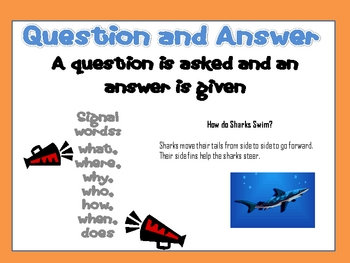
Websites that have adopted this technique largely enjoy improved rankings and Microsoft Bing chat-integrated ad sales.
The Q&A format is also responsible for the increase of featured snippets, an effective way to boost online traffic and improve online brand credibility and trust.
| Features | Benefits |
|---|---|
| Conversational headings | Matches natural AI search queries effectively |
| Direct concise answers | Improves AI snippet extraction accuracy |
| User-intent targeting | Enhances conversational search visibility |
| Featured snippet optimization | Boosts organic traffic and engagement |
2. Definition-First Structure
Definition-first content structures enable AI tools to grasp the focus of the page within seconds. ChatGPT and its fellow competitors will take preference to sections that begin with definitions, as this will aid them in paraphrasing and citing without much effort.
By 2026, a majority of the established publishers will integrate definitions about their content to improve the performance of AI search engines.

This technique has also been effective in eliminating vagueness – helping the AI tools to provide accurate and relevant answers to a broad search.
Companies that have adopted Geography-based definitions have also enjoyed a significant competitive edge to AI generated responses, voice assistance searches, and intelligent recommendation systems.
| Features | Benefits |
| Clear introductory definitions | Helps AI systems understand topics instantly |
| Simplified semantic context | Improves AI citation opportunities |
| Reduced content ambiguity | Strengthens search relevance accuracy |
| Fast topic identification | Supports voice and AI searches |
3. Numbered Listicle Structure
The numbered listicle structure continues to dominate GEO. With AI assistants increasingly proficient at processing information in a sequence, ChatGPT often generates summaries with numbered sections, recommendations, and responses to instructive prompts.

Organizing their content in numbered sections helps publishers boost user retention, scrolling engagement, and reading comprehension simultaneously.
As a bonus, listicle formats facilitate citation retrieval in AI search engines. T numbering structures work as a standard format in tutorials, comparisons, business methods, and
technology recommendation articles because such approaches serve the needs of competitive digital economies around the globe.
| Features | Benefits |
| Sequential information flow | Improves readability and comprehension |
| Organized numbered sections | Enhances AI content summarization |
| Easy content chunking | Supports conversational indexing systems |
| Scannable formatting style | Increases user retention significantly |
4. TL;DR Summary Structure
The TL;DR summary structure is a potent GEO optimization technique because AI assistants rely on brief summaries before responses with greater detail.
Many of the AI content platforms, such as Perplexity and ChatGPT, often provide answers to users by quickly generating content summaries and omitting long sections of text.
Fast consumption of information is the norm for modern readers, and this impact is evident in user engagement and retention metrics.

Summaries of a few sentences improve the scannability of content and assist AI technologies in determining the boundaries of the associated context.
The highest ranking GEO articles place TL;DR summaries right after the introduction and first order citation to identify the content and increase its probability of retrieval in a conversational search.
| Features | Benefits |
| Short introductory summaries | Delivers quick information instantly |
| Key takeaways sections | Improves content scannability online |
| Faster contextual understanding | Supports AI-generated quick answers |
| Reader-friendly formatting | Boosts engagement and satisfaction rates |
5. Fact-Dense Authority Structure
Fact-dense authority structures improve AI trust signals through the integration of research, statistics, dates, and validated insights.
AI assistants are more inclined to recognize research-backed, highly authoritative pages. Factually accurate content decreases the likelihood of AI reinforcement of misinformation.
It is recommended that in 2026, GEO experts strengthen the credibility of a page’s semantics by adding trustworthy statistics every few paragraphs.

It is also likely that this approach lends greater credibility to AI Overviews from Google. Fact-rich content strategies that are adopted by websites more often than not increase backlinks
Enhance website engagement and provide greater visibility across search ecosystems and intelligent recommendation systems in the present AI era.
| Features | Benefits |
| Verified statistics inclusion | Builds trust and credibility strongly |
| Research-backed insights | Enhances AI recommendation potential |
| Data-focused explanations | Supports authoritative search visibility |
| Reliable factual references | Reduces misinformation risks effectively |
6. Comparison Table Structure
The use of comparison table structures in GEO is very efficient, as AI Assistants pull structured data almost effortlessly. Simplification of complex information (pricing, features, performance, etc.) is easy with the use of tables.
ChatGPT and similar solutions often summarize comparison-based content in response to requests for recommendations and/or alternatives as expressed by users.
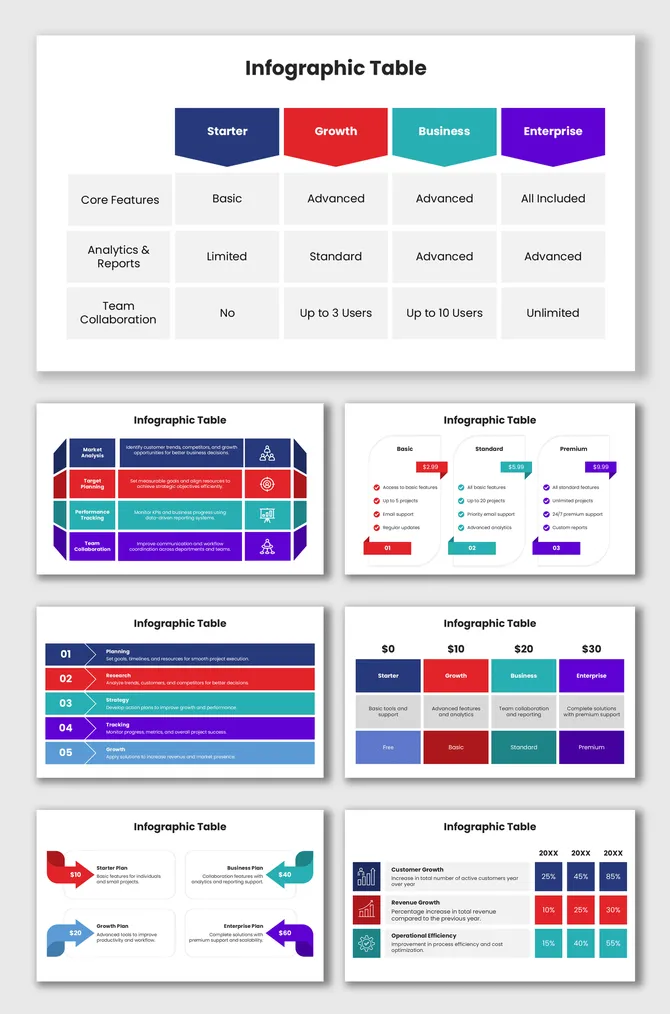
The current state of GEO includes the use of improvement-engaged, comparison-based content that is interactive.
The use of detailed comparison tables has been shown to elevate click-through rates, improve the individuals’ understanding of the content, and help businesses achieve greater visibility in AI-driven software and product recommendation systems globally.
| Features | Benefits |
| Structured comparison tables | Simplifies complex information quickly |
| Feature-versus-feature layouts | Improves user understanding dramatically |
| Easy AI data extraction | Enhances recommendation summaries |
| Visual readability enhancement | Increases click-through engagement rates |
7. FAQ-Centric Structure
In FAQ-centric structures, there is alignment with conversational AI search behavior, as most users often ask direct questions when expressing queries online.
Assistants such as ChatGPT and Gemini reference and pull FAQ content to provide accurate answers to users’ informational questions.
In 2026, we expect to see more SEO specialists employing expanded FAQ sections within their content with natural language and short answers to optimize AI discoverability.

This structure also balances the optimization of voice search and improves engagement. Pioneering websites on FAQ-centric GEO structures have the highest occurrences in AI-generated
summaries and are frequently included in the featured snippets and results for conversational queries in the new generation of intelligent systems
| Features | Benefits |
| Natural language questions | Matches conversational search behavior |
| Concise direct responses | Supports AI-generated answer accuracy |
| Voice-search optimization | Improves discoverability across platforms |
| Expandable FAQ sections | Enhances user engagement consistently |
8. Entity-Based Cluster Structure
The concept of Entity-based cluster structures is most effective at arranging semantically related subjects and subtopics in a large set of web pages to heighten topical authority.
AI systems and intelligent agents depend heavily on relations among entities to accurately assess someone’s knowledge, background, and relevance.
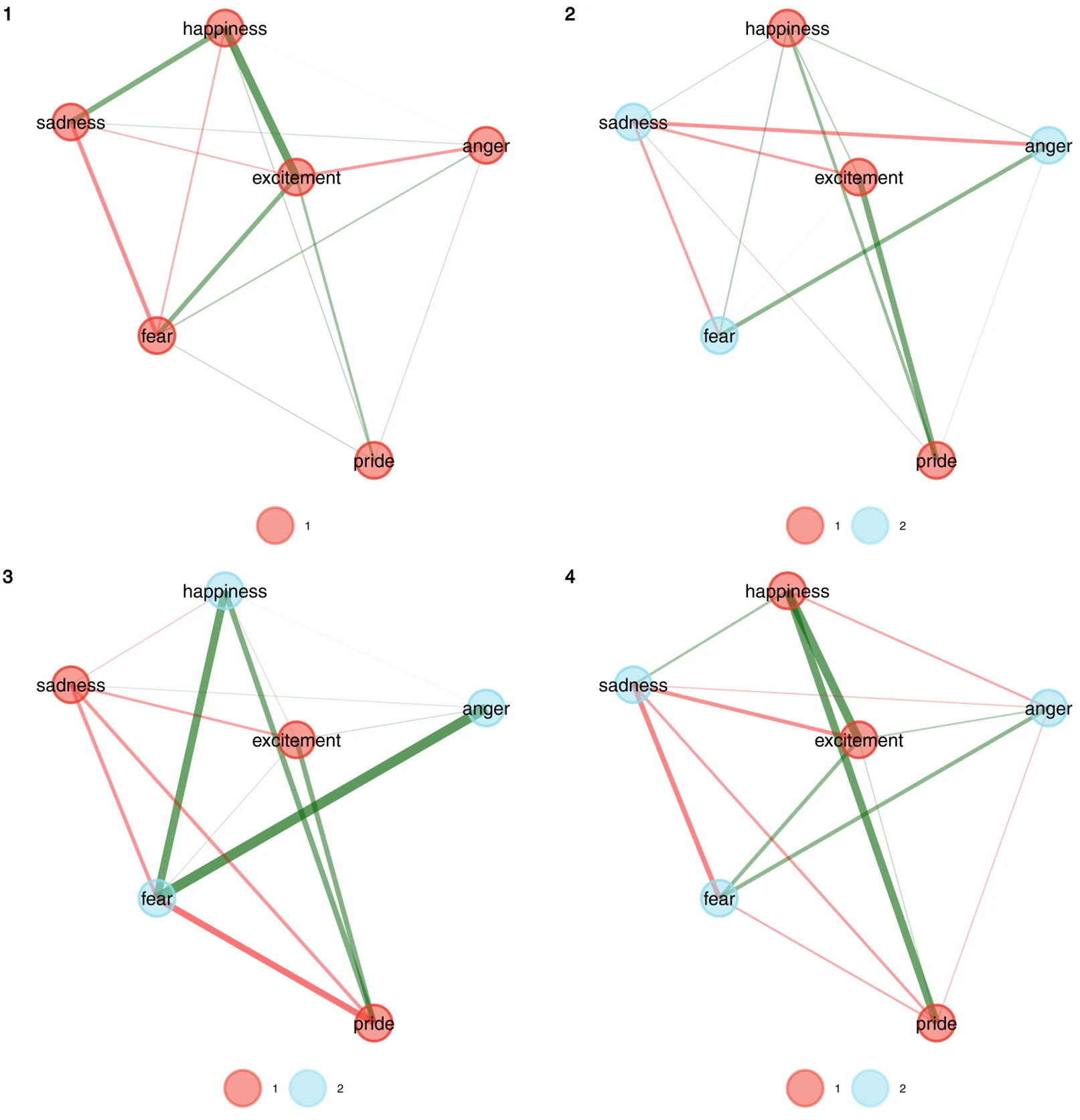
In the present day, modern GEO structures are focused on more refined linkage among the categories and subcategories of topics, brands, and related items, and supportable subjects within a cluster for improved semantic recognition and establishment of relationships.
This addresses context and assists AI systems in confident content recommendations. Platforms that employ entity-centric architectures have large keyword footprints
Improve listing and ranking in competitive markets for the traditional search interface and the contemporary intelligent recommendation systems.
| Features | Benefits |
| Connected semantic topics | Strengthens topical authority effectively |
| Internal entity relationships | Improves contextual AI understanding |
| Organized topic clusters | Expands keyword visibility naturally |
| Strategic interlinking methods | Enhances indexing and ranking performance |
9. Step-by-Step Instructional Structure
Step-by-step instructions are best suited for GEO because AI assistants thrive on content that is quickly actionable and process-oriented.
When creating a tutorial or providing setup or troubleshooting instructions, ChatGPT uses a lot of sequential steps.
The modern user prefers education to be as simple as possible, and a step-by-step format results in improved engagement and content completion.

Publishers benefit from clear staging as this is easily digestible by both AI systems and readers. Businesses that opt for this format find they are ranked higher on AI-generated tutorials, voice searches, and other related services in the fast-evolving digital learning marketplaces.
| Features | Benefits |
| Sequential instructional guidance | Simplifies educational learning experiences |
| Actionable content stages | Improves tutorial comprehension significantly |
| Clear procedural formatting | Supports AI-generated instructional answers |
| Beginner-friendly explanations | Increases audience retention and usability |
10. Multi-Format Hybrid Structure
Multi-format hybrid structures offer the most complete GEO framework at the intersection of summaries, tables, FAQs, statistics, and listicles.
To satisfy the needs of an AI assistant and an end user, several content formats can be placed together.
In 2026, the best publishers will have multidimensional content to improve discoverability in AI-augmented search.

The new hybrid formats will help the user by matching multiple reading preferences, and in using diversified GEO structures, websites will experience improved engagement, authority signals, ChatGPT, Google AI Overviews, and intelligent assistant recommendations.
| Features | Benefits |
| Combined content formats | Maximizes AI extraction opportunities |
| Integrated tables and summaries | Improves overall readability greatly |
| Diverse information presentation | Serves different audience preferences efficiently |
| Strong GEO optimization strategy | Enhances AI search visibility worldwide |
Conclusion
In conclusion, the top GEO content structures assist in effective website rankings among ChatGPT, Gemini, Claude, and other AI search tools.
Various types of content help create FAQ sections, listicles, comparison tables, summaries, and entity-based clusters that help readability and AI content extraction.
The content that is structured and has value, as well as being conversational, helps GEO strategies. This leads to better visibility and positive growth in the business’s online audience.
FAQ
Which GEO structure works best for ChatGPT?
Question-and-answer and FAQ structures perform exceptionally well for conversational AI searches.
Do AI assistants prefer short paragraphs?
Yes, concise and readable paragraphs improve extraction and AI-generated answer visibility significantly.
What is a hybrid GEO structure?
It combines tables, summaries, FAQs, and listicles for maximum AI search optimization.
Why are FAQs useful for AI rankings?
FAQs match conversational queries and increase chances of appearing in AI-generated responses.
Can GEO improve Google AI Overviews visibility?
Yes, structured GEO content supports better indexing in Google AI-powered search features.