
In this article, I will review the Best Software for Data Residency & Sovereignty Management. When managing data in different regions, local laws and regulations need to be followed.
- Key Points & Best Software For Data Residency & Sovereignty Management
- 10 Best Software For Data Residency & Sovereignty Management
- 1. Microsoft Purview
- 2. AWS Control Tower with Data Residency Guardrails
- 3. Google Cloud Sovereign Controls
- 4. VMware Sovereign Cloud Foundation
- 5. SAP Data Custodian
- 6. Datastealth DSPM
- 7. IBM Guardium Insights
- 8. Oracle Data Sovereignty Suite
- 9. Cloudnuro Governance Platform
- 10. Thales CipherTrust Data Security Platform
- How To Choose Best Software for Data Residency & Sovereignty Management
- Conclsuion
- FAQ
The right software keeps critical data in its authorized location, automatically enforces rules, and offers audit visibility. I will explore primary tools, their benefits, and their methods in effective data sovereignty management.
Key Points & Best Software For Data Residency & Sovereignty Management
Microsoft Purview Provides unified data governance, compliance, and residency controls with strong integration across Microsoft cloud services.
AWS Control Tower with Data Residency Guardrails Offers centralized governance with residency guardrails to ensure data stays within chosen regions securely.
Google Cloud Sovereign Controls Delivers sovereignty features like encryption, access restrictions, and compliance tools tailored for regulated industries.
VMware Sovereign Cloud Foundation Supports sovereign cloud deployments with compliance-ready infrastructure and secure data residency management.
SAP Data Custodian Provides transparency and control over cloud data location, residency, and compliance for enterprise workloads.
Datastealth DSPM Focuses on data security posture management, ensuring sensitive data complies with residency and sovereignty rules.
IBM Guardium Insights Offers advanced monitoring, analytics, and compliance tools for managing sensitive data across multiple jurisdictions.
Oracle Data Sovereignty Suite Provides enterprise-grade sovereignty controls, ensuring compliance with regional laws and secure data residency.
Cloudnuro Governance Platform Delivers governance automation, residency enforcement, and compliance monitoring across hybrid and multi-cloud environments.
Thales CipherTrust Data Security Platform Enables encryption, key management, and residency enforcement to protect sensitive data across global infrastructures.
10 Best Software For Data Residency & Sovereignty Management
1. Microsoft Purview
Microsoft Purview offers a cohesive data governance solution that assists organizations in managing their data across multi-cloud and on-premises environments.
It guarantees compliance with data residency regulations through the automatic classification, labeling, and monitoring of sensitive data.
With Purview, businesses can understand data residency, enforce policies based on regions, and create audit reports, thereby managing sovereignty.
Together with Microsoft 365 and Azure, it provides efficient policy enforcement and lowers regulatory compliance while providing organizations with central oversight and control over their global data assets.
Microsoft Purview Key Highlights
- Unified Data Governance: Governs multi-cloud and on-prem data sources from one place.
- Automated Classification: Built-in scanners take care of sensitive and regulated data classification.
- Policy Enforcement: Complying policies are applied and monitored across the data estate.
- Compliance Reporting & Insights: Produces reports that are audit ready for global data regulation.
| Pros | Cons |
|---|---|
| Unified governance across cloud & on‑premise environments | Can be complex to configure initially |
| Automatic classification & sensitive data discovery | Licensing cost may be high for smaller orgs |
| Strong integration with Azure & Microsoft 365 | Some advanced features require premium tiers |
| Compliance automation & reporting | Learning curve for non‑Microsoft platforms |
| Central policy enforcement | Customization may require expertise |
2. AWS Control Tower with Data Residency Guardrails
AWS Control Tower streamlining simplifies cloud governance with enforcement of data residency and compliance. Control Tower automates data guardrails so that sensitive data stays within geographical boundaries.
It streamlines account creation, security baseline application and compliance monitoring automation.
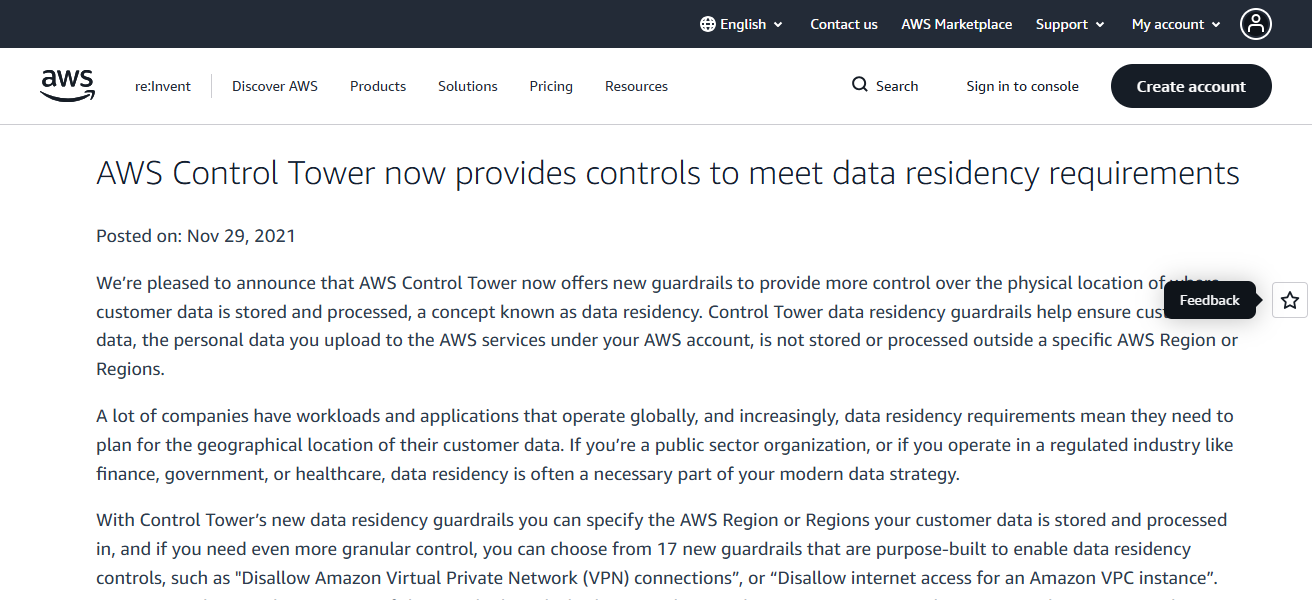
Organizations get a scalable pre-shaped ecosystem that integrates AWS services while addressing data sovereignty. This keeps cross-border data violations and simplifies regulatory reporting.
AWS Control Tower with Data Residency Guardrails Key Highlights
- Multi-Account Governance: Governance and setup automation across all AWS accounts.
- Data Residency Guardrails: Region-specific data location restrictions.
- Continuous Compliance Monitoring: Reports violations and compliance drift in real-time.
- Integration with AWS Services: Supports AWS IAM, CloudTrail, Config, etc.
| Pros | Cons |
|---|---|
| Automates account setup & governance | AWS‑centric — limited use outside AWS |
| Built‑in guardrails for residency | Guardrails sometimes too rigid for custom needs |
| Continuous compliance monitoring | Learning curve for multi‑account setups |
| Scales easily across organization | Can be costly at enterprise scale |
| Integrates with many AWS services | Not a full DSPM solution |
3. Google Cloud Sovereign Controls
Google Cloud Sovereign Controls provides tools that help ensure data stays within defined geographies.
Organizations can implement region-based policies, access controls, and manage encryption keys to stay compliant with regulations.
The solution supports hybrid and multi-cloud environments, allowing organizations to seamlessly govern data cross-border.
With monitoring, audit logs, and automated policy enforcement, organizations retain operational flexibility in their cloud deployments while meeting data privacy regulations such as GDPR.
This complete transparency and control over data residency helps organizations manage their data in accordance with their privacy regulations.
Google Cloud Sovereign Controls Key Highlights
- Regional Policy Enforcement: Guarantees data remains within specified geographical limits.
- Hybrid & Multi-Cloud Support: Via APIs and controls, operates with other environments.
- Key Management Controls: For sensitive data, controls and stores keys locally.
- Audit & Compliance Visibility: Monitors and reports on policy compliance, movement, access and enforcement.
| Pros | Cons |
|---|---|
| Native controls for region‑based data policies | Best suited for Google Cloud environments |
| Allows localized key management | May need additional tools for full governance |
| Strong auditing & monitoring features | Requires expertise in GCP policy framework |
| Support for hybrid/multi‑cloud planning | Complex compliance reporting setups |
| Helps with GDPR & local privacy compliance | Limited marketplace integrations |
4. VMware Sovereign Cloud Foundation
VMware Sovereign Cloud Foundation aids organizations with stringent data residency and data sovereignty requirements. It features a private, cloud-enabled infrastructure and embedded governance and compliance capabilities.
The solution supports regional restrictions on data storage, access, and encryption. With VMware’s virtualization and cloud management solutions, customers can cloud-enable enterprise workloads within legal and regulatory boundaries.
Customers benefit from cloud-native attributes such as scalability, automation, and centralized monitoring, while reducing jurisdictional risk and increasing compliance assurance.
VMware Sovereign Cloud Foundation Key Highlights
- Localized Cloud Infrastructure: Constructs sovereign cloud ecosystem with tight boundary control.
- Policy-Driven Governance: Builds automation compliance into the infrastructure.
- Hybrid Cloud Support: Bridges hybrid clouds for compliance.
- Built-In Encryption: Protects data sovereignty zones in motion and at rest.
| Pros | Cons |
|---|---|
| Strong local control & infrastructure isolation | More infrastructure focus than data analytics |
| Works well with hybrid cloud environments | Requires VMware ecosystem commitment |
| Built‑in governance and encryption | May need extra tools for full DSPM coverage |
| Centralized compliance monitoring | Upfront setup cost can be high |
| Supports private & sovereign cloud builds | Not plug‑and‑play for all businesses |
5. SAP Data Custodian
SAP Data Protection Officer helps enterprises comply with residency and sovereignty regulations about data. It gives enterprises insight into the location of sensitive data and applies access and storage policies according to data governance.
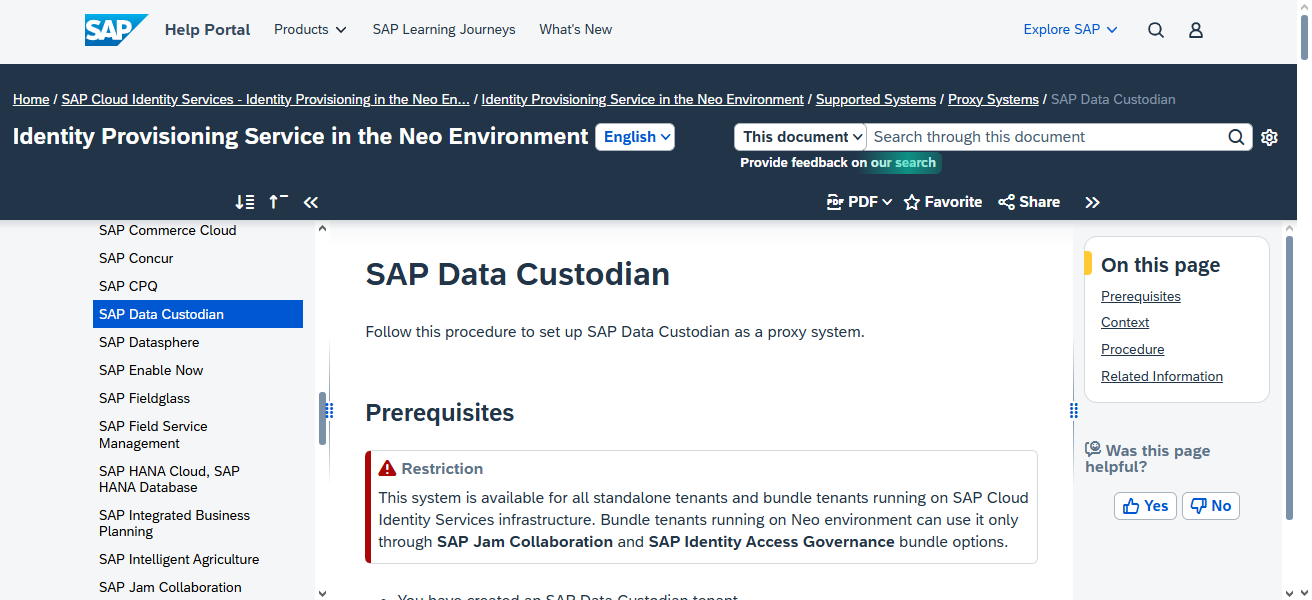
The application works with SAP business applications and cloud services to provide a seamless experience for managing compliance, tracking data flows, and keeping records.
It combines reporting and policy enforcement to simplify risk, governance, and legal compliance, while keeping business critical data protected and accessible.
SAP Data Custodian Key Highlights
- Sensitive Data Mapping: Locates and monitors the flow of regulated data in SAP systems.
- Policy Automation: Embeds governance policies into SAP workflows.
- Compliance Dashboards: Displays the data residency and compliance risk.
- Integration with SAP Landscape: Interoperates with R/3, S/4HANA and cloud products.
| Pros | Cons |
|---|---|
| Excellent visibility into SAP data locations | Primarily focused on SAP ecosystems |
| Policy automation for regulated data | Limited outside SAP landscape |
| Integrates compliance into workflows | May need additional tools for full governance |
| Helps reduce audit preparation time | Complexity increases with hybrid systems |
| Strong reporting & data classification | Interface may not be intuitive |
6. Datastealth DSPM
Datastealth DSPM (Data Security and Privacy Management) offers tools for managing sensitive data and complying with sovereignty laws. It tracks data flows, segregates sensitive and regulated data, and keeps it within designated locations.
DSPM semi-automates monitoring, risk management, and compliance reporting, providing instant policy breach notifications.
Due to its ability to integrate with cloud and on-prem environments, organizations are able to implement uniform access and encryption controls.
This fosters regulatory compliance, enhances data security, and reduces the complexity of audits related to cross-border data transfers.
Datastealth DSPM Key Highlights
- Sensitive Data Discovery: Automatically discovers regulated and sensitive data everywhere.
- Risk Scoring: Provides actionable scores for prioritizing compliance and security risks.
- Real-Time Monitoring: Notices and reports policy violations and risky data movements.
- Cross-Environment Support: Operates in cloud, hybrid, and on-prem environments.
| Pros | Cons |
|---|---|
| Designed specifically for data security & privacy management | Newer players may lack ecosystem integrations |
| Automated discovery & sensitive data mapping | May need customization for unique workflows |
| Real‑time compliance & risk alerts | Can be heavy on alerts if not tuned |
| Works across cloud & on‑premise environments | Setup may require technical expertise |
| Helps reduce audit manually | Licensing cost vs simpler tools |
7. IBM Guardium Insights
IBM Guardium Insights provides specialized data security and governance functions to help maintain data residency requirements. It continuously checks databases, cloud services, and apps for unauthorized access or policy violations.
Guardium offers automated rating, auditing, and compliance reporting, ensuring sensitive data remains within approved areas.
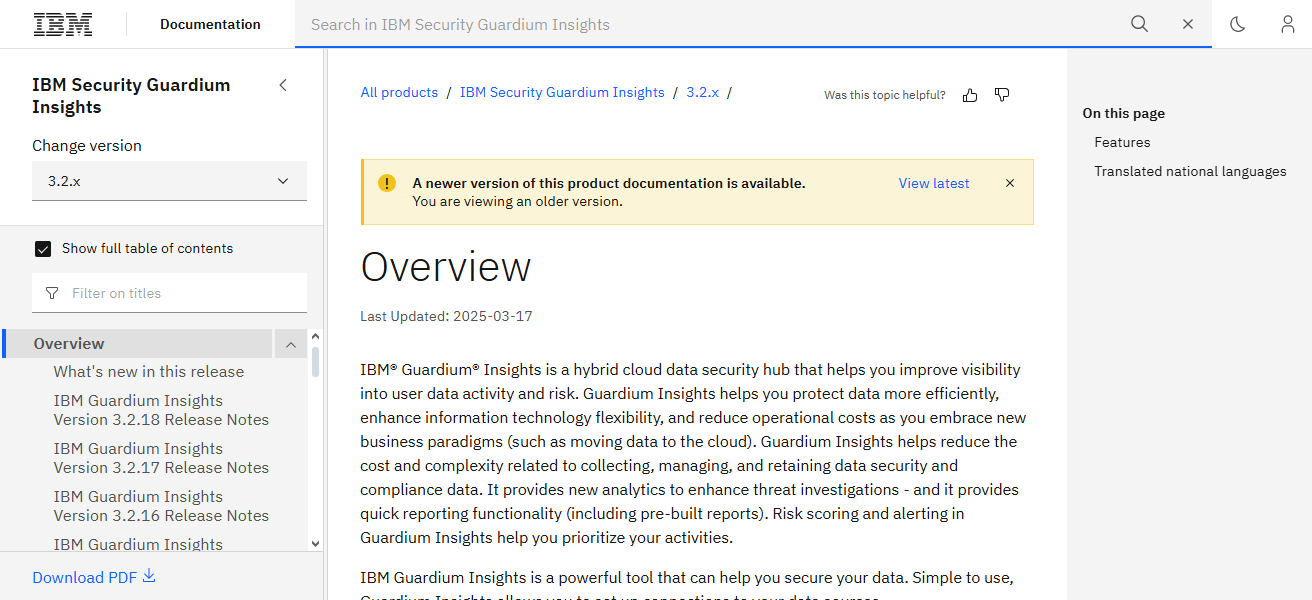
Its analytics engine identifies risks and reinforces preventive controls, allowing companies to manage compliance in complex regulatory environments.
It’s also integrated with hybrid and multi-cloud systems to strengthen sovereignty enforcement and decrease risks related to cross-border regulatory violations.
IBM Guardium Insights Key Highlights
- Comprehensive Data Monitoring: Monitors access and activity across all databases and data storage.
- Threat Detection Analytics: Discovers risky user activity and behavior.
- Policy Enforcement: Implements governance rules across hybrid cloud infrastructures.
- Automated Compliance Reporting: Builds reports for audits and compliance.
| Pros | Cons |
|---|---|
| Comprehensive data protection & compliance reporting | Higher cost enterprise product |
| Strong analytics for risk detection | Setup requires technical expertise |
| Works across hybrid & multi‑cloud | Complexity for smaller teams |
| Automated audit logs & alerts | Custom rules require specialist knowledge |
| Well‑trusted for regulated industries | Can generate too many alerts initially |
8. Oracle Data Sovereignty Suite
Organizations can use Oracle Data Sovereignty Suite to comply with global data residency regulations. Organizations can use the suite to classify data and monitor access across cloud and on-premises systems, and it helps them manage and enforce data storage policies regionally.
The suite helps the users to comply with the regional privacy laws, the GDPR, and other legal requirements as it keeps the sensitive data access controlled within the appropriate legal jurisdictions.
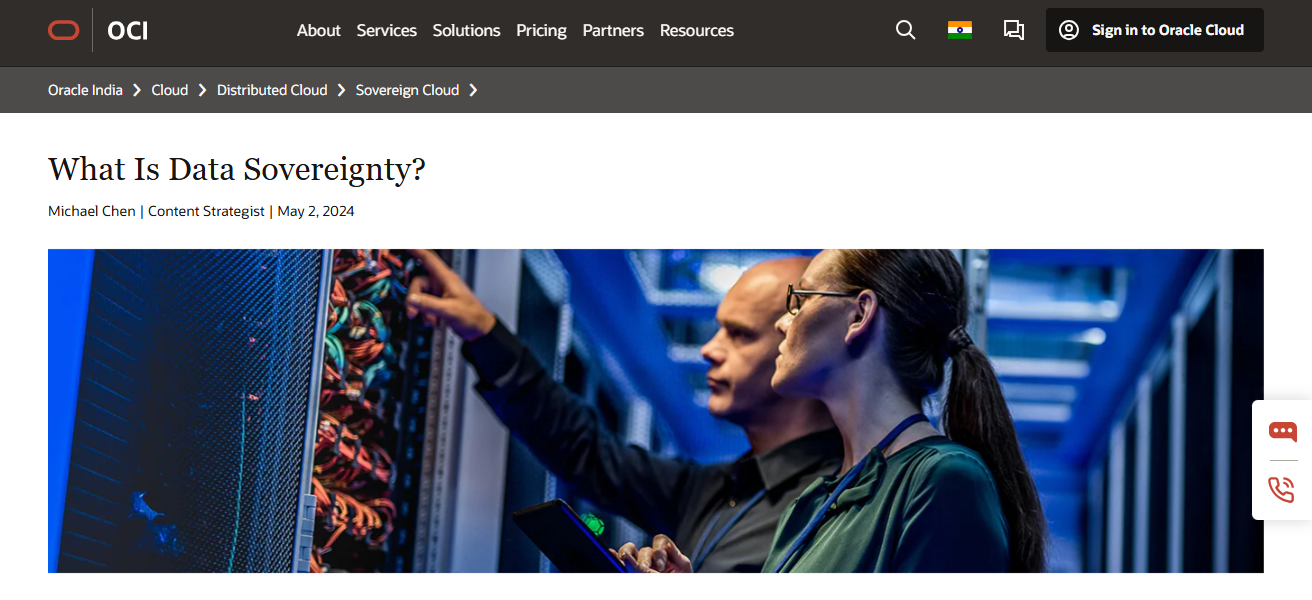
Moreover, the suite combines reporting, data encryption, and other policy automated features to reduce compliance risks while maintaining operational flexibility and creating a secure and jurisdiction sensitive environment to manage enterprise data.
Oracle Data Sovereignty Suite Key Highlights
- Regional Storage Controls: Limits data storage and processing locations.
- Automated Compliance Checks: Tracks and monitors regulatory changes.
- Data Classification & Tagging: Tagging data to comply with data residency laws.
- Oracle Ecosystem Integration: Fully compatible with Oracle cloud and database services.
| Pros | Cons |
|---|---|
| Native Oracle database & cloud support | Best suited for Oracle environments |
| Strong control over where data resides | Can be costly for smaller organizations |
| Automated compliance reporting | May require Oracle licensing bundles |
| Regional storage policies enforcement | Integrations outside Oracle can be limited |
| Helps meet GDPR and local laws | User interface may be outdated |
9. Cloudnuro Governance Platform
Cloudnuro Governance Platform provides automated control on compliance for access and residency and cloud native data sovereignty management.
It offers the central and integrated multi cloud visualization of data location and movement and access compliance policies.
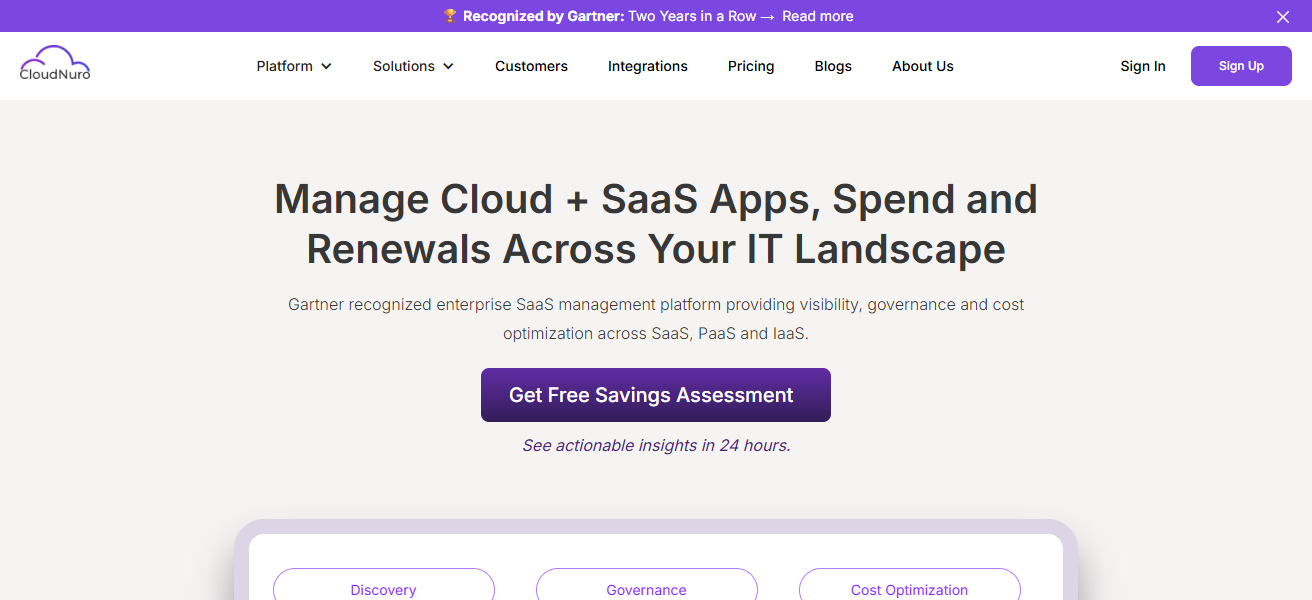
Organizations can enforce geo-fencing, monitor compliance breaches, and construct reports that are ready for audit.
With control policies, Cloudnuro reduces the complexity of compliance on global policies, cross-border data loss, and data residency enforcement, all within the Cloud operation’s scale and security.
Cloudnuro Governance Platform Key Highlights
- Centralized Policy Management: Unified control over data governance across all cloud providers.
- Automated Rule Enforcement: Automatic application of geo and regulatory boundaries.
- Compliance Dashboards: Visual representation of residency and violation status.
- Multi‑Cloud Support: Compatible with AWS, Azure, GCP, and other cloud platforms.
| Pros | Cons |
|---|---|
| Centralized governance for multi‑cloud data | Relatively newer in market — fewer integrations |
| Automated enforcement of data policies | Platform maturity may be lower than legacy players |
| Clear compliance dashboards | May need time to adapt to complex needs |
| Geographic restrictions across clouds | Support options may vary by region |
| Scales with cloud usage growth | Documentation may be limited |
10. Thales CipherTrust Data Security Platform
The Thales CipherTrust Data Security Platform allows comprehensive protection and management of data sovereignty. It consolidates trigger management, encryption, and access control to ensure that sensitive data stays within the necessary geo-fencing.
CipherTrust automatically integrates and enforces regulatory compliance policies within cloud, hybrid, and on-prem data centers.
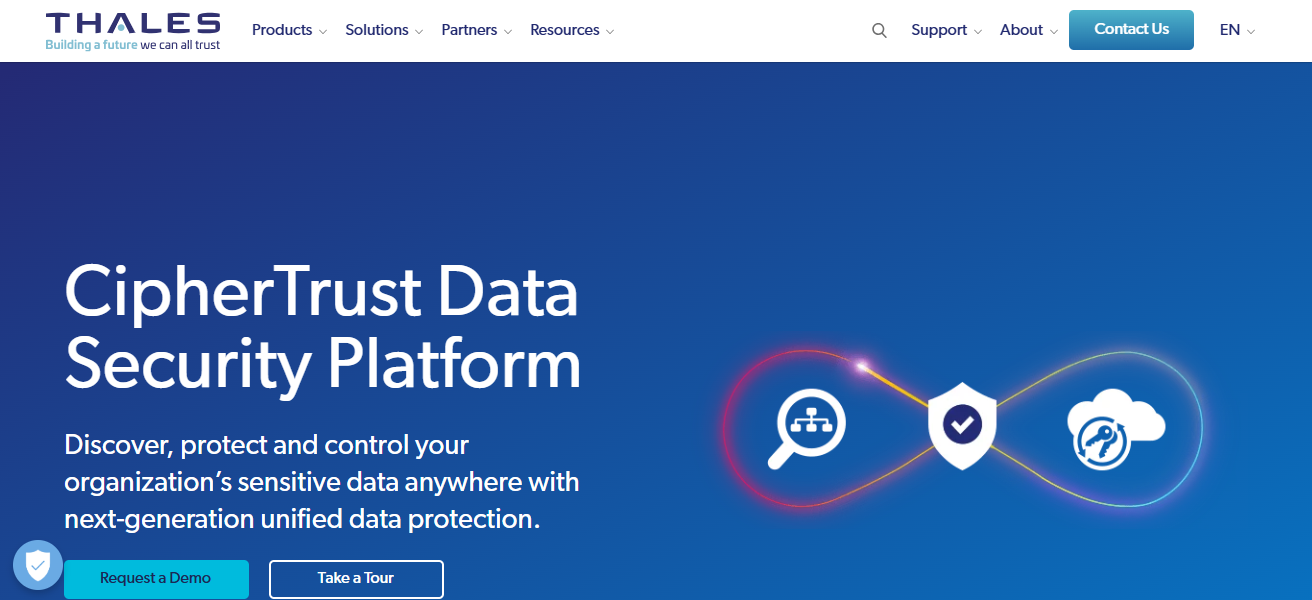
In data residency, auditing, and reporting customer visibility helps to manage and comply with the regulations of the EU GDPR
The US HIPAA, and other data soverign control laws. Managing Security and Governance simultaneously diminishes dual use risks and facilitates safe cross-border trade.
Thales CipherTrust Data Security Platform Key Highlights
- Unified Key Management: Consolidates control and lifecycle of encryption keys.
- Granular Access Controls: Specifies data access and location permissions.
- Data Discovery & Classification: Detects sensitive data for governance and protection.
- Compliance & Audit Reporting: Monitors rule and policy enforcement to meet regulatory standards.
| Pros | Cons |
|---|---|
| Excellent encryption and key management | Can be expensive for small teams |
| Centralized policy enforcement | Requires expertise in security tooling |
| Works across cloud & on‑premise environments | Some features need add‑ons |
| Strong compliance & audit capabilities | Setup complexity for full deployment |
| Trusted vendor in security space | Integration may need professional services |
How To Choose Best Software for Data Residency & Sovereignty Management
Legal Understandings: Enforce compliance to legal requirements with the tool’s regional data laws.
Environment Compatibility: Ensure seamless functionality with cloud, hybrid, and on-premises systems.
Data Discovery: Automated detection and classification solutions for sensitive data in all repositories.
Automation: Choose tools that automate manual policy enforcement for governance and data residency.
Growth Potential: Ensure data and geography adaptable solutions to increase in value.
Integration: Ensure compatibility with existing systems of cloud, database, security, and identity.
Visibility: Look for adaptable audit reports and dashboards that track compliance in real-time.
Security: Opt for features that provide protection, access control, and encryption for data.
User-Friendliness: Streamlined documentation, straightforward workflows, and interfaces increase the software’s adoption.
Value: Balance features needed for compliance and the associated pricing models to evaluate efficiency.
Conclsuion
In cocnlusion Selecting a software for Data Residency & Sovereignty Management that best fits your organization is critical for the safekeeping of sensitive data and adherence to the laws and regulations of a given geography.
The best one provides users the ability to automate the enforcement of policies, monitor compliance in real-time, and generate reports in detail across cloud, hybrid, and on-prem environments.
Automated policy enforcement, real-time monitoring, and comprehensive reporting are the hallmarks of the best software.
By choosing the right platform, organizations improve data sovereignty, lessen compliance risk, and increase operational security and efficiency on a global scale.
FAQ
It ensures data stays within legal boundaries and complies with regional regulations.
It prevents legal violations, protects sensitive information, and maintains regulatory compliance.
Finance, healthcare, government, and global enterprises handling personal or sensitive data.
Yes, modern platforms provide automated policies and monitoring for cloud environments.
Top software supports hybrid, multi-cloud, and on-premises systems seamlessly.