Today, I am going to talk about the Best Tools for Dynamic Hedging Strategy Optimization that effectively manages market risk for traders and institution.
- Key Points & Best Tools for Dynamic Hedging Strategy Optimization
- 10 Best Tools for Dynamic Hedging Strategy Optimization
- 1. MATLAB Financial Toolbox
- 2. Python QuantLib
- 3. R RiskMetrics Package
- 4. Bloomberg Terminal
- 5. SAS Risk Management
- 6. Palisade @RISK
- 7. IBM SPSS Statistics
- 8. MSCI RiskMetrics
- 9. MATLAB Simulink
- 10. Python PyPortfolioOpt
- Key Features of Effective Best Tools for Dynamic Hedging Strategy Optimization
- How We Choose Best Tools for Dynamic Hedging Strategy Optimization
- Conclsuion
- FAQ
These tools offer real-time data, advanced risk modeling, portfolio optimization and scenario analysis.
This refers to portfolio management tools (MATLAB, Python libraries), financial data sources (Bloomberg Terminal, @RISK); each has some specific added capabilities that can be used to fine tune hedge strategies and risk adjusted performance in wild markets.
Key Points & Best Tools for Dynamic Hedging Strategy Optimization
MATLAB Financial Toolbox Provides advanced modeling, simulation, and optimization functions for dynamic hedging strategies across asset classes.
Python QuantLib Open-source library offering pricing, risk management, and hedging optimization for derivatives and structured products.
R RiskMetrics Package Delivers statistical models and volatility forecasting tools essential for dynamic hedging and portfolio risk adjustments.
Bloomberg Terminal Offers real-time market data, analytics, and hedging optimization tools for institutional investors and risk managers.
SAS Risk Management Comprehensive platform enabling scenario analysis, stress testing, and dynamic hedging optimization for financial institutions.
Palisade @RISK Monte Carlo simulation software helping traders optimize hedging strategies under uncertainty and fluctuating market conditions.
IBM SPSS Statistics Provides predictive analytics and risk modeling capabilities to support dynamic hedging optimization in volatile markets.
MSCI RiskMetrics Industry-standard risk management tool offering portfolio analytics and hedging optimization for global institutional investors.
MATLAB Simulink Simulation environment enabling dynamic modeling of hedging strategies with real-time adjustments and optimization capabilities.
Python PyPortfolioOpt Library designed for portfolio optimization, supporting dynamic hedging adjustments with customizable risk-return tradeoff models.
10 Best Tools for Dynamic Hedging Strategy Optimization
1. MATLAB Financial Toolbox
You have MATLAB toolboxes for finance, such as the MATLAB Financial Toolbox product from MathWorks, which contains functions used for financial modeling and portfolio optimization;
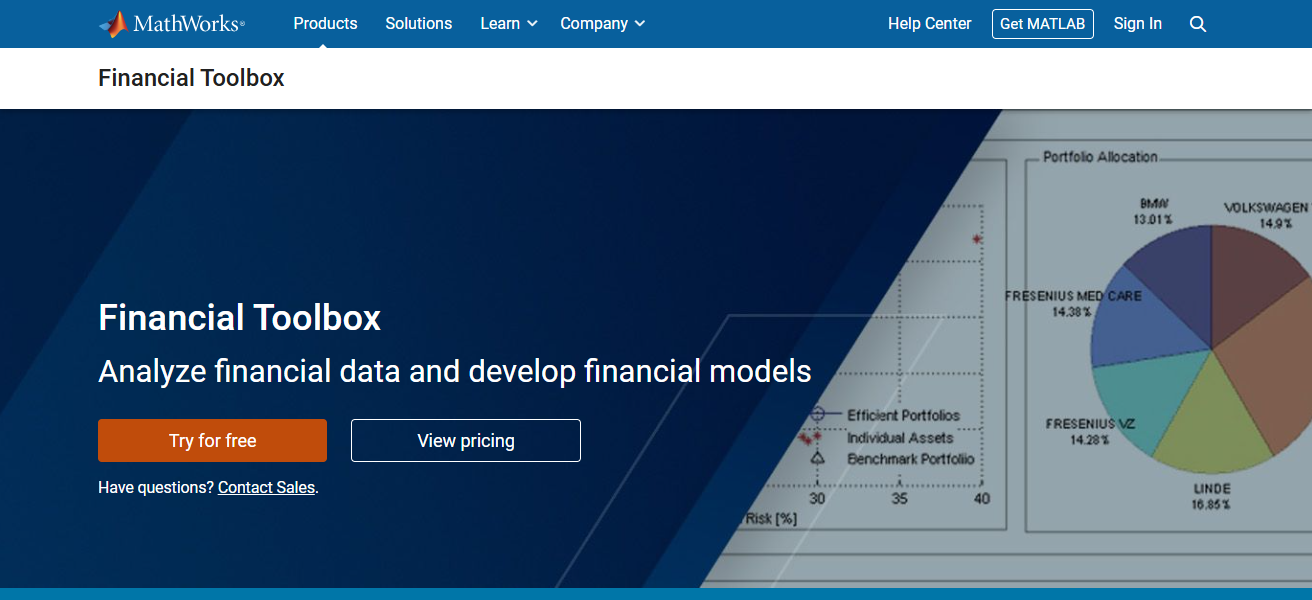
risk analysis; and hedging problems within it using hedgeopt and hedgeslf to solve them accordingly by calculating optimal allocations, sensitivities, or cost-efficient hedge ratios.
Portfolio optimization, risk metrics and time-series simulation capabilities useful for the dynamic hedging and performance analysis of derivatives and multi-asset portfolios.
| Pros | Cons |
|---|---|
| Provides extensive functions for portfolio optimization, hedging, and risk analysis. | Requires MATLAB license, which can be expensive for individual users. |
| Integrates with Financial and Optimization Toolboxes for dynamic hedge modeling. | Steeper learning curve for beginners without MATLAB experience. |
| Supports time-series simulations and sensitivity analysis for derivatives portfolios. | Limited open-source community support compared to Python/R. |
| Well-documented, updated regularly with institutional-grade methods. | Primarily desktop-based; less flexible for cloud-native workflows. |
2. Python QuantLib
QuantLib is a popular open‑source library for quantitative finance in C++ and Python, with sophisticated support for derivatives pricing, yield‑curve construction, interest‑rate models and
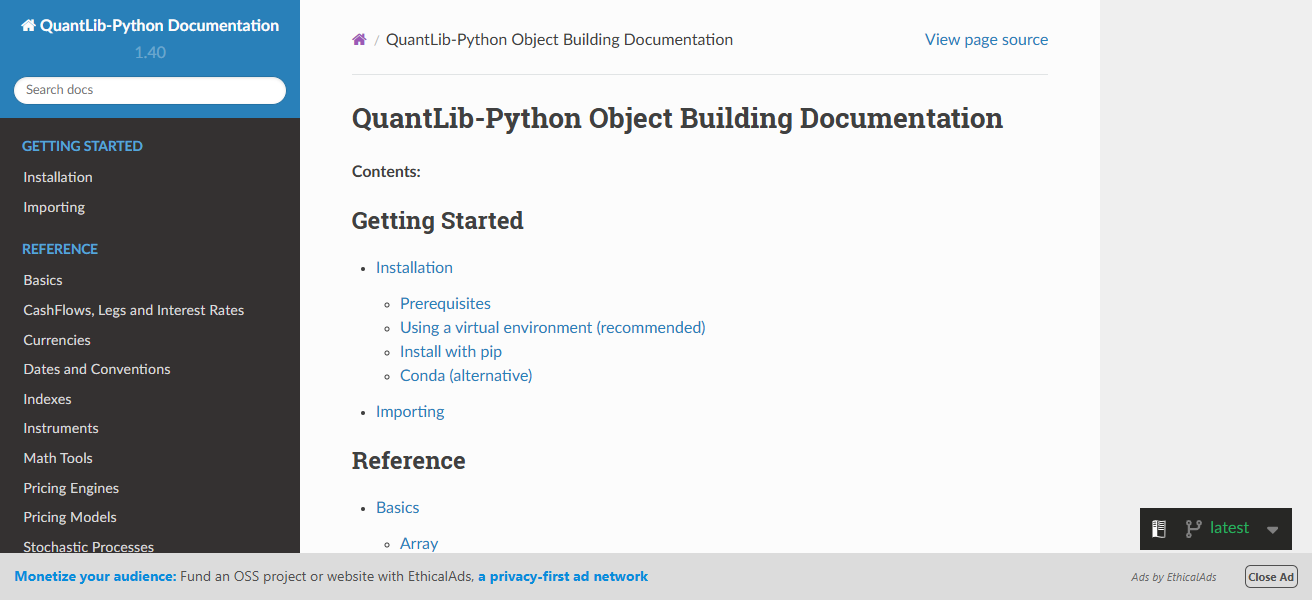
fixed‑income analytics—all of which are essential elements within the realm of dynamic hedging. Its breadth is particularly useful for custom hedging models and risk‑factor simulations, but users have to develop strategy logic around its foundational capabilities.
| Pros | Cons |
|---|---|
| Open-source, widely used for derivatives pricing and yield-curve modeling. | Requires programming skills; not plug-and-play. |
| Supports custom hedging models and risk-factor simulations. | Limited official GUI; primarily code-based. |
| Cross-platform and actively maintained with a large developer community. | Steep learning curve for complex fixed-income models. |
| Integrates well with Python data science libraries for portfolio analysis. | Documentation can be overwhelming for beginners. |
3. R RiskMetrics Package
Open-source R-based systems (starting from the original RiskMetrics risk model) for statistical risk‑factor models, covariance estimation, and volatility forecasting are extensively used in dynamic risk and hedge optimization workflows.
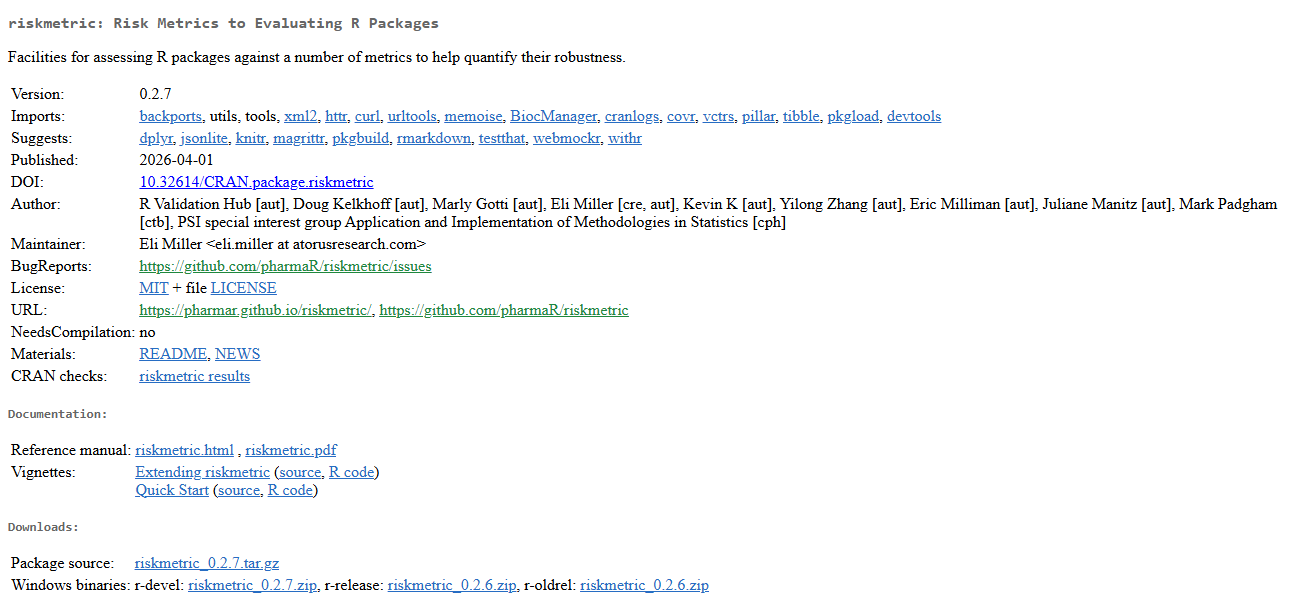
Summary The RiskMetrics methods for estimating and managing market risk exposures across all asset classes were the backbone of dynamic hedge programs and provided
key inputs into risk factor decomposition concepts. Packages like PerformanceAnalytics and rugarch extends risk modeling in R in integrated way.
| Pros | Cons |
|---|---|
| Implements robust market risk and volatility forecasting models. | Less visual, mainly code-driven; limited GUI. |
| Supports multi-asset portfolio analysis and dynamic hedging strategies. | Some advanced models may require additional packages like rugarch. |
| Free and open-source with active community support. | Performance may lag for very large datasets compared to Python/C++. |
| Integrates with other R packages for performance analytics. | Requires R programming knowledge. |
4. Bloomberg Terminal
The Bloomberg Terminal is the industry standard platform for real-time market data, multi-asset portfolio analytics, stress testing, risk forecasts and scenario analysis — all of which are necessary to determine hedging strategies.

Its robust analytics (e.g., risk factor decomposition, P&L attribution, real‑time Greeks) enable professionals to evaluate exposures and recast hedge ratios continuously across multiple targets based on prevailing market environments as well as forecasts.
| Pros | Cons |
|---|---|
| Real-time market data, risk analytics, and scenario analysis. | Very high subscription cost, suitable mainly for institutions. |
| Provides hedge sensitivity metrics (Greeks) and P&L attribution. | Requires training; complex interface for beginners. |
| Comprehensive coverage of global markets and instruments. | Desktop-based; limited offline access. |
| Integrates analytics with trading workflows and reporting. | Proprietary platform, limited customizability. |
5. SAS Risk Management
SAS Risk Management integrates the SAS analytics platform with risk‑specific models for analysis of market, credit, and enterprise risk.

Although broader than just a pure hedging tool, it is able to emulate scenarios, assess value‑at‑risk and stress results, incorporate predictive risk models that help dynamic hedge decision frameworks within institutions.
| Pros | Cons |
|---|---|
| Powerful for enterprise risk management and scenario simulations. | Expensive licensing, aimed at corporate users. |
| Supports market, credit, and operational risk analysis. | Less focused on real-time hedging; more analytics-oriented. |
| Integrates predictive models to optimize hedge strategies. | Requires SAS programming knowledge for full potential. |
| Scalable and suitable for regulatory reporting. | Less flexible for small-scale traders or researchers. |
6. Palisade @RISK
Palisade @RISK is a Monte Carlo simulation add-in for Microsoft Excel used to model uncertainty and risk in financial decision-making.
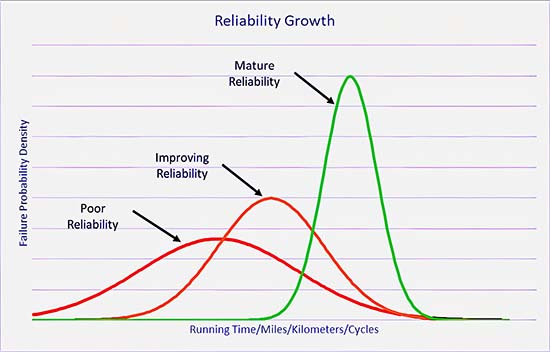
By simulating thousands of possible outcomes for the underlying market variables, @RISK quantifies the effectiveness of hedges, measures tail risk and optimizes hedge parameters
across stochastic volatility and market conditions—facilitating actionable insights on trading desks with Excel‑centric risk workflows.
| Pros | Cons |
|---|---|
| Monte Carlo simulations for uncertainty and risk modeling. | Requires Microsoft Excel, limiting scalability. |
| Easy visualization of hedging outcomes and tail risks. | High cost for full-feature licenses. |
| Supports stochastic modeling for dynamic hedge adjustments. | Not suitable for very high-frequency or real-time strategies. |
| Intuitive for Excel users, widely used in corporate risk departments. | Limited integration with other programming languages. |
7. IBM SPSS Statistics
IBM SPSS Statistics — a comprehensive statistical analysis package for regression, time‑series forecasting, and econometric modeling that can support hedging strategies by examining historical return distributions and risk factors.
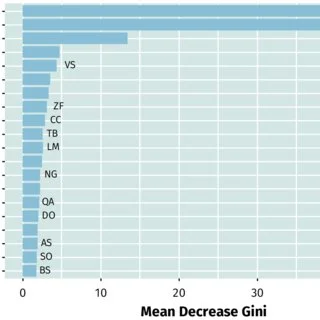
It is not strictly an hedging optimization engine but its statistical rigour allows us to polish models and check effectiveness of the hedge over historical data.
| Pros | Cons |
|---|---|
| Strong statistical and regression modeling for risk factor analysis. | Not specialized for hedge optimization; supplementary tool only. |
| Supports time-series forecasting for market risk trends. | Requires paid license; high cost for individual users. |
| Well-documented with strong institutional adoption. | Less flexible for complex derivatives and real-time dynamic hedging. |
| Integrates with Python/R for advanced modeling workflows. | GUI-centric may limit advanced customizations. |
8. MSCI RiskMetrics
MSCI RiskMetrics (acquired from J.P. Morgan’s RiskMetrics) is an institutionally‑grade risk model used to calculate portfolio risk profiles, covariance structures and factor sensitivities that are crucial for dynamic hedge optiğimizi.

Its foundational risk methodologies serve as the basis for understanding how changes to market risk factors influence portfolio and hedge performance over time.
| Pros | Cons |
|---|---|
| Institutional-grade risk models for covariance and sensitivity analysis. | Commercial product; requires subscription and integration support. |
| Provides metrics widely used for dynamic hedge optimization. | May need additional software to implement trading strategies. |
| Supports multi-asset portfolios with historical and simulated data. | Limited flexibility outside standard risk models. |
| Proven reliability and credibility in financial institutions. | Primarily focused on risk measurement rather than execution. |
9. MATLAB Simulink
MATLAB Simulink adds graphical modeling and simulation of complex dynamic systems to MATLAB. In finance, it is being used to simulate control‑theoretic hedge adjustments, feedback strategies and real‑time systems that respond like markets do.

Simulink enables the prototyping of dynamic hedge logic that evolves with market states, especially in conjunction with MATLAB’s Financial and Optimization Toolboxes.
| Pros | Cons |
|---|---|
| Graphical modeling of dynamic hedge control systems. | Requires MATLAB license; additional cost for Simulink. |
| Supports prototyping feedback strategies and real-time simulations. | Steep learning curve for finance professionals. |
| Integrates with Financial Toolbox for portfolio simulations. | Less suitable for large-scale high-frequency trading data. |
| Useful for academic research and risk system design. | Mostly desktop-based; limited cloud-native options. |
10. Python PyPortfolioOpt
PyPortfolioOpt is an open‑source Python library for applying portfolio optimization methods such as mean‑variance, efficient frontier and Black‑Litterman allocation that you may find useful

if your model includes dynamic hedging through periodic adjustment of risk exposures. Although it addresses allocation optimization (not hedge Greeks specifically), one could combine it with custom hedge signals generation.
| Pros | Cons |
|---|---|
| Open-source Python library for portfolio optimization. | Not specialized for derivatives Greeks or hedge sensitivity. |
| Implements mean-variance, Black-Litterman, and risk-based allocations. | Requires Python programming knowledge. |
| Integrates with Pandas, NumPy, and other Python analytics tools. | May need custom coding for dynamic hedge adjustments. |
| Lightweight, flexible, and actively maintained by community. | Limited prebuilt visualization tools for hedge P&L or Greeks. |
Key Features of Effective Best Tools for Dynamic Hedging Strategy Optimization
Real-Time Market Data Access The tools must also deliver pricing, volatility and market-factor ticks to adjust the hedge positions in real time.
Risk Factor Analysis Ability to model sensitivities (Greeks, betas) and measure exposure to market, interest rate and credit risk
Portfolio Optimization Allows for real-time allocation and hedge ratio optimization through mean-variance/black-litterman or other custom models
Scenario & Stress Testing Formshed market shocks, tail events and adverse conditions to test the efficacy of a hedge.
Integration & Extensibility Engages with Python, R, MATLAB, Excel or your trading systems for integration into workflows.
Visualization & Reporting Dashboards, charts and risk reports that monitor hedge performance and P&L attribution
Backtesting & Historical Analysis Simulated hedge strategy on historical data to check for effectiveness before going live.
Automation & Algorithmic Support Automated or algorithmic hedge adjustments for high-frequency or systematic strategies.
How We Choose Best Tools for Dynamic Hedging Strategy Optimization
Accuracy of Risk Modeling The tool must enable a reliable hedging with accurate market risk, factor sensitivities and portfolio exposures.
Real-Time Data & Integration Tools need to provide live data on trades and smooth integration of trading system or analytics platforms.
Support for Dynamic Hedging Must handle frequent restate, scenario testing and dynamic hedge ratios gracefully.
Flexibility & Extensibility Customize models, fast integrate with Python, R, MATLAB or Excel workflows
Simulation & Backtesting Capability Hedge strategies: monte Carlo simulations, stress tests, historical backtesting.
User Interface & Visualization User friendly dashboards, charts and reports to track hedge performance & P&L attribution.
Speed & Performance Fats processing on big datasets, high-freqency datasets, and complex hedge scenarios
Conclsuion
In summary, choosing the most suitable dynamic hedging strategy optimization tools is a trade-off between accuracy, access to real-time data and comprehensive risk modeling capabilities on one hand, and usability and integration potential on the other.
MATLAB, Python libraries, and Bloomberg among others over iterations to provide analytics, simulators and portfolio optimization are enables of traders and institutions on rapidly changing exposures on markets for adaptive hedge ratios (AHR), so risk-adjusted performance with PAP can be fast to markets.
FAQ
Dynamic hedging is the process of continuously adjusting hedge positions to manage risk exposure as market conditions change.
They provide accurate risk modeling, real-time data, simulations, and portfolio optimization to effectively manage and adjust hedge ratios.
MATLAB Financial Toolbox, Python QuantLib, and Bloomberg Terminal are widely used for derivatives pricing and hedge modeling.
Yes, Python libraries like QuantLib and PyPortfolioOpt, and R RiskMetrics, offer customizable solutions for dynamic hedging strategies.
Most tools, including @RISK, Bloomberg, and SAS Risk Management, offer scenario analysis and stress testing to validate hedge effectiveness.