This article analyzes the investment potential of Bitcoin and Gold. Trust and price stability vary between the two.
Gold boasts centuries of reliability, whereas Bitcoin presents a fresh and unproven investment paradigm and volatility/play potential.
Gold and Bitcoin both have unique advantages and disadvantages that potential investors must carefully consider in relation to the investor’s personal risk tolerance.
Overview
In recent years, there has been increased focus on the differences between Bitcoin and gold as investment opportunities.
While the two assets are sometimes categorized as ‘safe havens’, they are fundamentally different with regards to volatility, risk, and long-term prospects.
Gold has been bountiful in 2026, topping the all-time high of $5,600/ounce, Bitcoin in the other hand has dropped to $72,000 from nearly $96,000 in January and less than $96,000 in February. This reinforces the differing characteristics of the two investment assets.
What Is Bitcoin
Bitcoin is a digital currency created in 2009 by an unknown person or group using the pseudonym Satoshi Nakamoto.
Bitcoin trades on an open and decentralized market using blockchain technology. A blockchain is a public ledger that tracks and protects all transactions.
Because it does not rely on banks or government, Bitcoin enables greater financial independence. Users are free to choose how they want to utilize Bitcoin: spend, buy, or trade Bitcoin.
Bitcoin is one of a kind because there are only 21 million Bitcoins available, just like gold, making it scarce. Furthermore, there are many legal and financial obstacles that come with using Bitcoin.
What Is Gold Coin?
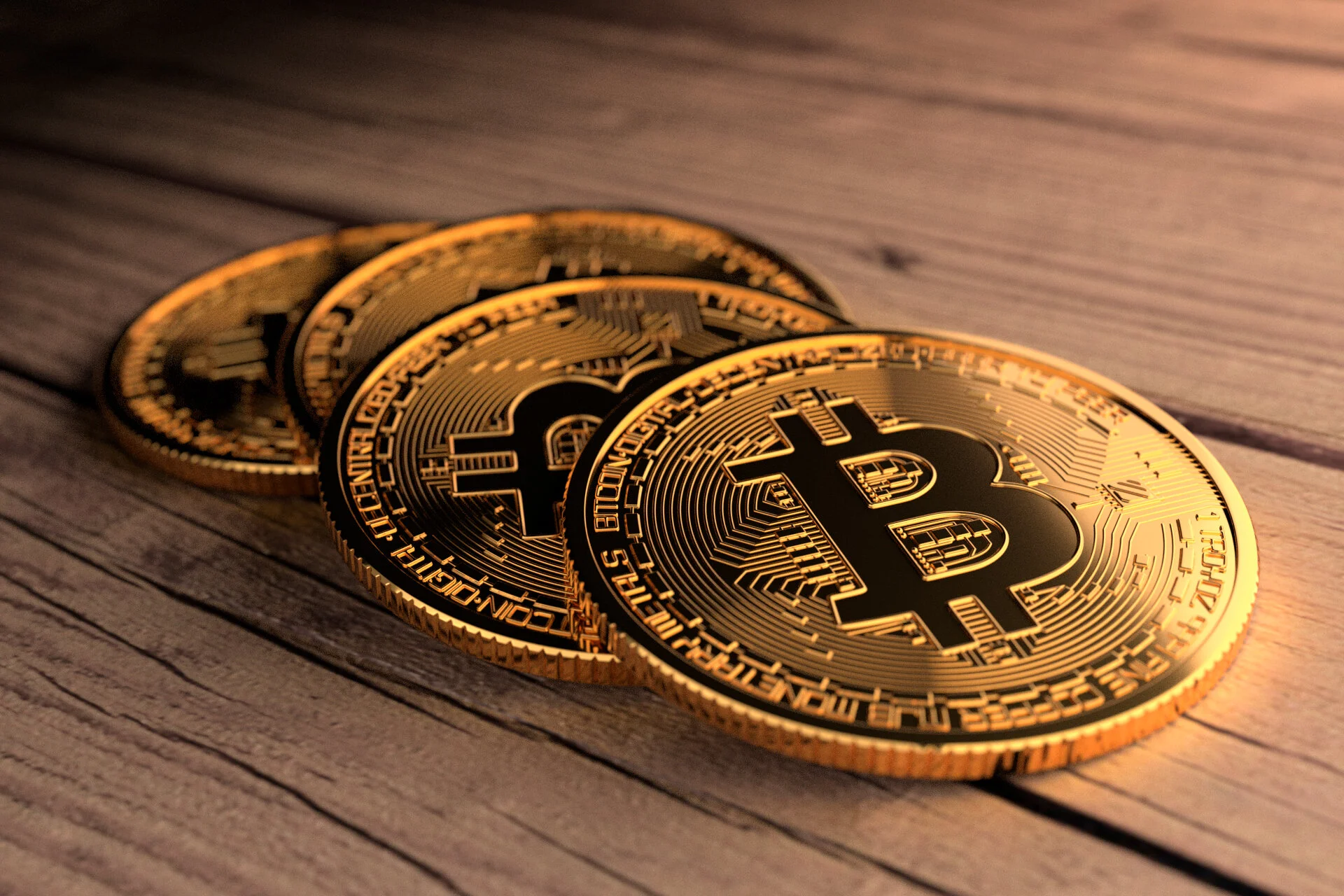
A gold coin is a gold piece of currency that is usually produced by a national government and has a set weight and gold purity.
Gold coins used to be used for transactions until the the early 20th century, but now they are used as bullion coins for investors or as souvenir coins for numismatic collectors.
Recent editions of such coins are the Canadian Maple Leaf, American Buffalo, and South African Krugerrand.
Although they are considered legal tender, the gold value of the coins is far greater than the coins face value.
Historical Performance
Historical Performance – Gold
The year 2025 has shown us gold’s resilience as it attained a staggering 65% return in a year where economic instability was present. Investors saw a steady uptrend in gold, showcasing its reputation as a safe-haven asset.
Investors targeted gold as a hedge against economic inflation, the weakening of a currency, and rising geopolitical tensions.
Gold has always been a reliable asset in the long-term stability of a conservatively balanced portfolio, unlike speculation and trust-based markets.
Historical Performance – Bitcoin
In comparison, Bitcoin was the opposite and finished 2025 with a modest drawdown of roughly 5%. The cryptocurrency has always had a reputation of explosive gain, and although it has this reputation
it struggles with the many challenges of volatility, regulatory control, and the changing feeding in the crypto market.
The many sharp corrections show and highlight the many instances of unreliability in its negotiating value.
The many challenges of turning it into a safe-haven investment show the reliance of Bitcoin as a high-reward potential investment, and its instability during uncertain times.
Comparative Table: Bitcoin vs Gold

| Feature | Bitcoin (BTC) | Gold (XAU) |
|---|---|---|
| Volatility | Extremely high; prone to 20–30% swings | Low to moderate; relatively stable |
| Returns (2025) | -5% (drawdown) | +65% (strong rally) |
| 2026 Trend | Declining (from $96k to $72k) | Rising (above $5,600/oz) |
| Inflation Hedge | Potential, but unproven long-term | Proven hedge against inflation |
| Liquidity | High in crypto exchanges | High in global commodity markets |
| Trust & Adoption | Growing but still debated | Centuries of established trust |
| Regulatory Risk | Significant (crypto regulations vary) | Minimal (globally recognized asset) |
| Accessibility | Requires digital wallets/exchanges | Easily tradable via banks, brokers |
Risk and Stability
Gold Over the years gold has been the most reliable hedge against inflation and currency devaluation. Gold’s stability and intrinsic value provides the security investors desire during economic and financial crises, and provides stability when other markets are turbulent.
Bitcoin Although Bitcoin is commonly called ‘digital gold,’ its high volatility is detrimental to its safe-haven status. Bitcoin’s price is highly speculative and lacks the surety gold’s value possesses, especially during times of market stress when price crashes are likely to occur.
Long-Term Outlook
Gold Because of its long track record, Gold will likely be an important part of conservative portfolios. It will likely continue its long-standing role as an inflation hedge, and Gold will continue being trusted by conservative investors because of its potential to withstand geopolitical risks.
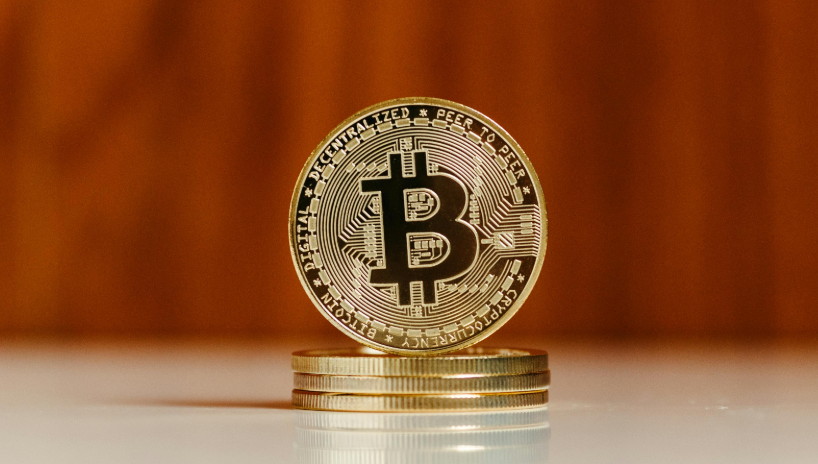
Bitcoin Investors who like more risk will appreciate Bitcoin. It has massive upside potential, especially if adoption continues to grow. The unpredictable nature of Bitcoin will require investors to be comfortable with extreme market swings. This is likely especially so with regulation and volatility.
Cocnlsuion
In conclusion, Gold is still a safe-haven investment and good for defensive investors as it provides peace of mind and is good for protection against inflation and geopolitical uncertainty.
Bitcoin is regulated and is innovative, but it’s still a speculative investment due to its volatility. Depending on one’s risk appetite, gold will suit the defensive investors and for a more aggressive investor, Bitcoin is the way to go.
Gold will replicate the safety of an investment while Bitcoin will offer the risk and reward a serious investor will require.
An investor could also diversify and invest in Gold and Bitcoin to enjoy the safe investment gold will provide while enjoying the speculative and potential high returns that Bitcoin may give.
FAQ
Gold has centuries of trust as a store of value. It is stable, widely accepted, and acts as a hedge against inflation and geopolitical risks.
Bitcoin is often compared to gold because of its limited supply and potential as a store of value, but its volatility makes it less stable.
Gold surged over 65% in 2025, reflecting investor confidence during economic uncertainty and proving its role as a safe-haven asset.
Bitcoin ended 2025 with a modest 5% drawdown, showing its vulnerability to sharp corrections despite its reputation for explosive gains.