
In this post , I will examine the countries that could send XRP to the next level. Japan, the blockchain friendly, Singapore and the U.A.E.
As financial technology centers, and India and Indonesia as large remittance markets could all help XRP to cross deployment to XRP through the all combining impact on cross-border payments, XRP usage and increased economic value of XRP.
Key Points & Countries That Could Send XRP Soaring
| Country | Key Point Driving XRP Adoption |
|---|---|
| Japan | Already has live remittance corridors using XRP (e.g., SBI Remit to Southeast Asia) |
| United Arab Emirates (UAE) | Strong crypto regulations via VARA and Central Bank; Ripple Labs expanding presence |
| Indonesia | Growing regulatory clarity and adoption potential in Southeast Asia |
| Brazil | Part of BRICS payment system using XRP for cross-border transactions |
| Russia | BRICS initiative to bypass SWIFT, XRP as bridge currency |
| India | Huge remittance market; BRICS payment system integration with XRP |
| China | BRICS-led infrastructure adoption; potential large-scale institutional use |
| South Africa | BRICS member leveraging XRP for international payments |
| Saudi Arabia | Increasing interest in blockchain for remittances and financial modernization |
| Singapore | Crypto-friendly regulations and fintech hub supporting Ripple partnerships |
10 Countries That Could Send XRP Soaring In 2026
1. Japan
Japan has been one of the foremost leaders in the adoption of cryptocurrencies. They have highly structured regulations, and their citizens are familiar with many technologies.
Staying current with global advancements in blockchain technology and cross-border payment solutions
Japanese financial institutions and payment systems providers are eager to form partnerships. Ripple has integrated XRP into his Japanese, and potential partners, payment systems, and financial institutions.
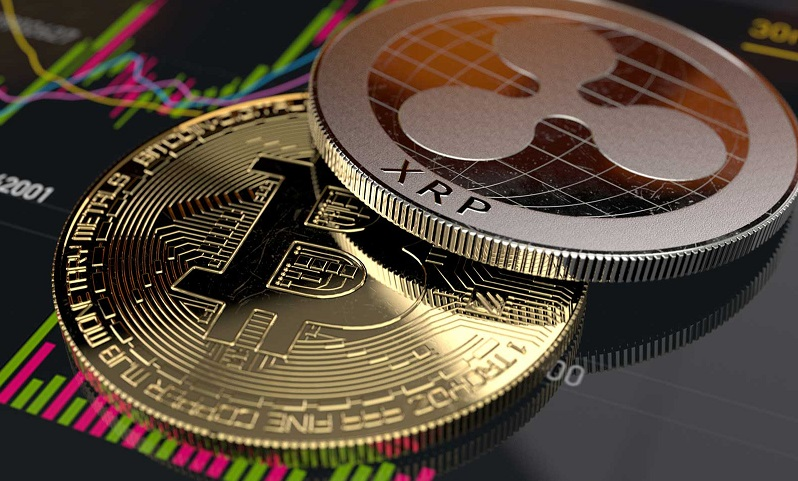
If Japan develops and implements XRP into mainstream financial service systems, it will facilitate faster cross-border financial transactions, significantly increasing the demand for Ripple.
The country’s early adoption of crypto, infrastructure, and regulations could lead to XRP becoming a high market cap payment token.
| Feature | Description |
|---|---|
| Regulatory Environment | Crypto-friendly with clear guidelines and licensing for exchanges and blockchain initiatives. |
| Adoption Potential | High, due to tech-savvy population and strong interest in digital payments. |
| Market Size | Medium-large economy with active banking sector and fintech adoption. |
| Remittance Activity | Moderate, especially for business and corporate cross-border settlements. |
| Ripple/XRP Relevance | Ripple has existing partnerships with Japanese banks; XRP could be used for faster international settlements. |
2. United Arab Emirates (UAE)
Strategically and with a vision, the UAE is trying to make itself into a global fintech hub with specific focus on Dubai and Abu Dhabi.
Dubai Blockchain Strategy is one of the UAE’s initiatives to promote the use of technology like blockchain in banking, trade, and cross-border payments.
Ripple has already been in talks with a number of banks in the region and given the adoption of XRP for remittances and corporate transactions

There is a case to be made for a significant expansion of its transactional use case. Given the UAE’s financial gateway status for the crossroads in Asia, Europe and Africa
XRP’s usablility is only increased. If large banks and/or fintechs in the UAE start using XRP for their settlements
It would likely be the first major use case to create significant liquidity, increased XRP prices, and widespread adoption in the region.
| Feature | Description |
|---|---|
| Regulatory Environment | Progressive crypto regulations; Dubai Blockchain Strategy promotes blockchain integration. |
| Adoption Potential | Very high, as UAE aims to become a fintech hub connecting Asia, Europe, and Africa. |
| Market Size | Medium economy but with significant international trade. |
| Remittance Activity | High, with large expatriate populations sending money abroad. |
| Ripple/XRP Relevance | Banks and fintechs exploring XRP for low-cost, fast cross-border payments. |
3. Indonesia
The unbanked population in Indonesia is among the largest in the world, as is the demand for quick, inexpensive digital payment solutions.
Supported governmental fintech innovations and the interest of local banks in blockchain technologies, cross-border transactions to and from Indonesia
(especially for migrants sending remittances) would be ideal for XRP. Instant, low-cost transactions. If Indonesian banks and payment applications were to be integrated with XRP, the transaction volume would be significant.
Consequently, with a growing mobile payment infrastructure, the population of over 270 million increases the potential of their integration of XRP.
Enhanced global utility and market confidence would be reflected in an increased trading activity and overall market from Indonesia.
| Feature | Description |
|---|---|
| Regulatory Environment | Improving regulations supporting fintech and blockchain. |
| Adoption Potential | High, especially in unbanked populations needing digital financial solutions. |
| Market Size | Large population (270M+) with growing digital payment infrastructure. |
| Remittance Activity | Very high, due to migrant worker remittances. |
| Ripple/XRP Relevance | XRP could be a cost-effective solution for instant cross-border transfers. |
4. Brazil
With a crypto market that is growing, coupled with banks` interests in blockchain based banking, Brazil is the biggest economy in Latin America.
The Brazilian banks, in the forefront, are searching for cheaper cross-border payments, and remittances with probable corporate applications are going to be in the considerable demand.
The ongoing regulatory clarity is the reason for increasing institutional crypto adoption. XRP has the potential to increase in demand with the use of crypto for payments cross-border through Brazilian banks.

The large community that is active in the trade of crypto is going to increase the demand of XRP and with that the price is likely to increase.
Brazil is the most strategically located country in Latin America. With that, Brazil can be a gateway to the other Latin American countries for the use of XRP.
| Feature | Description |
|---|---|
| Regulatory Environment | Developing, with gradual clarity on crypto adoption. |
| Adoption Potential | High among crypto-savvy users and institutional banks exploring blockchain. |
| Market Size | Largest economy in Latin America; active banking and fintech sectors. |
| Remittance Activity | Moderate to high, both personal and business cross-border transactions. |
| Ripple/XRP Relevance | XRP could facilitate international trade and remittances efficiently. |
5. Russia
Although Russia has uncertain regulations, there is significant interest in cross-border payments and crypto/ blockchain technologies.
Sanctions on Russia’s banking system result in traditional financial restrictions on the country, meaning that XRP could be used as a neutral digital bridge for bypassing such restrictions and completing international transactions.

Furthermore, if Russian financial institutions use XRP for settlements, this will likely increase the demand for the token.
Russia’s adoption of digital assets, cross-border payments, and blockchain technologies would increase institutional and financial use of XRP positively impacting XRP’s use case, global transaction prominence, trade volume, and demand.
| Feature | Description |
|---|---|
| Regulatory Environment | Uncertain but growing interest in blockchain for cross-border payments. |
| Adoption Potential | Moderate, influenced by sanctions and financial restrictions. |
| Market Size | Large economy with active crypto community. |
| Remittance Activity | High, particularly in corporate and trade-related transactions. |
| Ripple/XRP Relevance | XRP can act as a neutral digital bridge for sanctioned or restricted transactions. |
6. India
India is one of the fastest-growing countries in the world when it comes to adoption of fintech services. Millions of customers use a variety of services using digital payments and remittances.
The regulations surrounding crypto are getting better and banks are looking into using blockchains to improve the speed of international transfers.
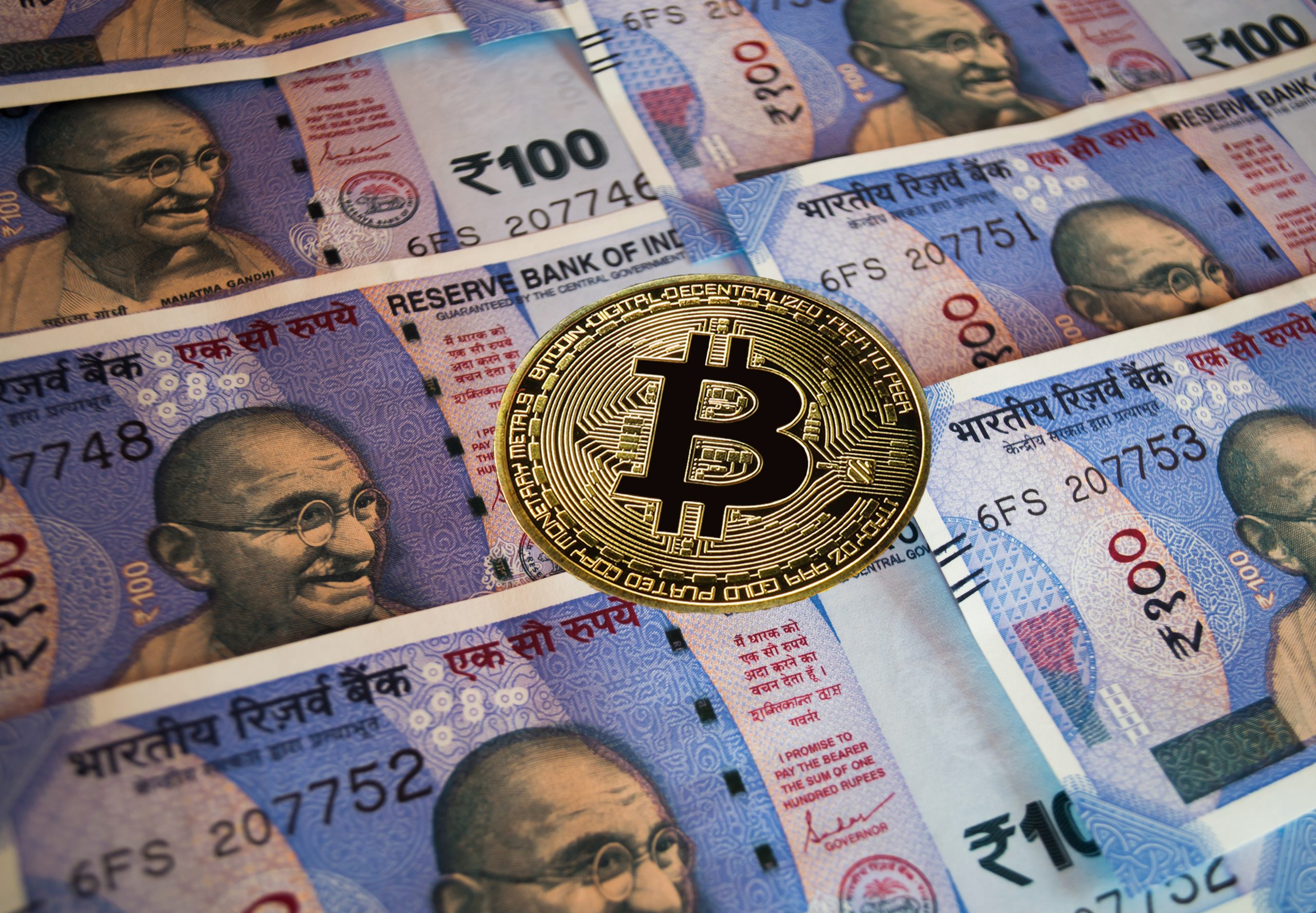
Sending remittances to the Indian diaspora is efficient and inexpensive with XRP. There is potential for high transactional use of XRP if large banks and payment service providers use it in their cross-border payment systems.
An increasing number of efficiently smartphones and digital banking being adopted in India make it an important market with the potential to increase sustin XRP and to increase the use of XRP in the financial market for mainstream banking services.
| Feature | Description |
|---|---|
| Regulatory Environment | Improving clarity with supportive fintech initiatives. |
| Adoption Potential | Very high, given massive digital payments adoption and remittance flows. |
| Market Size | Huge population (1.4B) and rapidly growing digital banking. |
| Remittance Activity | Extremely high, with billions sent annually from the diaspora. |
| Ripple/XRP Relevance | XRP could be integrated into banks and fintechs for faster, low-cost settlements. |
7. China
China may have the most stringent retail crypto policies; however, along with other cross-border payment instruments, it still plays a dominant role in institutional trading.
China remains focused on innovations in digital finance, and with the increase in the digital yuan and the integration of blockchain technology in trade settlement, there is a strong possibility of China adopting XRP.
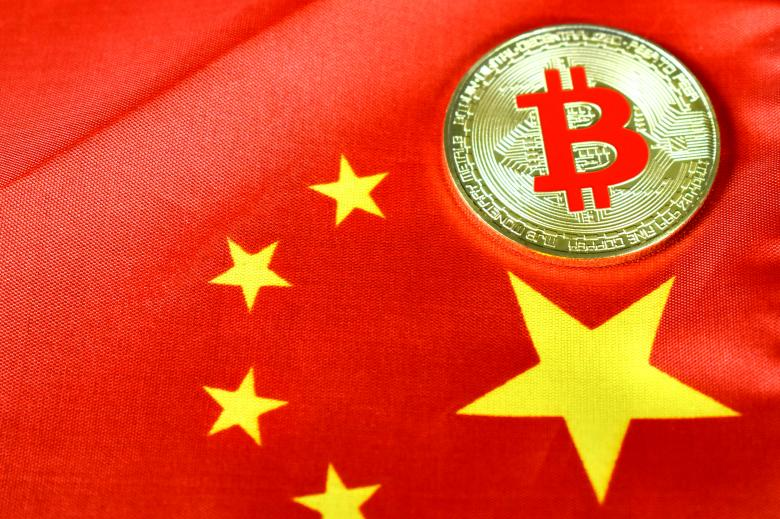
The larger Chinese banks and fin-techs would use XRP for faster and economically cheaper trade finance related to Asia and Europe.
Even with China’s restrictive policies on the retail use of XRP, if it gains some limited institutional use, it would increase the economic scalability and drive the cross-border the payment use of the token, positively influence the price, and drive the adoption of the token.
| Feature | Description |
|---|---|
| Regulatory Environment | Strict retail crypto restrictions but strong institutional blockchain adoption. |
| Adoption Potential | Moderate, mostly through institutional use. |
| Market Size | Largest global economy with high trade volumes. |
| Remittance Activity | High for trade settlements and cross-border business transactions. |
| Ripple/XRP Relevance | XRP could be adopted for institutional cross-border settlements despite retail restrictions. |
8. South Africa
Due to South Africa’s leadership role in Africa in the fintech and blockchain investments, along with the implementation of remittance, South Africa, like Africa’s, is the leading crypto market in Africa.
Payment banks and payment providers in Africa have begun to implement blockchain technology to streamline cost reduction in payment settlements and remittance transfers.

South Africa’s major financial institutions could increase the use of XRP driven by trade related economic settlement payments and currency transfers for bordering nations
And along with Africa’s expanding financial ecosystem, would increase the visibility and scalability of XRP, driving up the price of the token.
| Feature | Description |
|---|---|
| Regulatory Environment | Emerging crypto regulations with increasing institutional interest. |
| Adoption Potential | Moderate-high, leading African market in crypto adoption. |
| Market Size | Medium economy but influential in regional trade. |
| Remittance Activity | High, due to significant flows to neighboring African countries. |
| Ripple/XRP Relevance | XRP could become a fast, low-cost solution for regional remittances and trade. |
9. Saudi Arabia
In alignment with Saudi Arabia’s Vision 2030 Plan, the Kingdom is seeking to diversify its economy by investing in fintech and blockchain technologies.
Saudi Arabia’s banks are working with partners on the development of advanced payment solutions for cross-border trade and cross-border payment remittances.
Given XRP’s instant settlement potential and lower cost remittance rates, the technology could serve as a payment solution.

Major Saudi banks could potentially introduce XRP to retail users and corporates, thus broadening the demand for transactions.
Given the Kingdom’s preeminent location in the Middle East and its extensive financial links, the widespread use of XRP could generate
A preeminent influx of liquidity and financial visibility that a growing number of investors would appreciate and thus increase market demand for XRP.
| Feature | Description |
|---|---|
| Regulatory Environment | Progressive fintech policies under Vision 2030. |
| Adoption Potential | High, as banks explore blockchain for cross-border payments. |
| Market Size | Medium-large economy with significant global trade links. |
| Remittance Activity | High, especially for migrant workers and corporate payments. |
| Ripple/XRP Relevance | XRP adoption could enhance speed and reduce costs of international transactions. |
10. Singapore
Singapore is one of the world’s leading global fintech centres and has the most crypto-friendly regulations.
Singaporean banks and payment companies are implementing blockchain technology for quicker international transactions, and XRP is already in the country thanks to their pilot partnerships.
Singapore’s position as the financial gateway of Asia enhances the ability of XRP in cross-border trade and remittance payments.

Major banks and payment processors are expected to gain significant volume in transactions, boosting liquidity and global prominence.
Singapore’s dominant position in crypto regulation and innovation will signal other countries in the region the legitimacy of XRP as they are expected to adopt it rapidly.
| Feature | Description |
|---|---|
| Regulatory Environment | Very crypto-friendly with clear licensing and compliance rules. |
| Adoption Potential | Very high, global fintech hub with institutional interest in blockchain. |
| Market Size | Medium economy, highly connected in Asia-Pacific trade. |
| Remittance Activity | Moderate-high, both corporate and personal international transfers. |
| Ripple/XRP Relevance | XRP could become a primary tool for cross-border settlements, leveraging Singapore’s strategic position. |
Conclusion
Lastly, the likes of Japan, UAE, Indonesia, Brazil, Russia, India, China, South Africa, Saudi Arabia, and Singapore hold the most potential for furthering the use of XRP .
These nations possess significant and growing remittance driven markets and access to financial technologies, as well as block solutions that can accelerate the tier operational use of XRP.
These nations will be the most efficient for accelerating the relevance, added functionality and the price of XRP on the global market.
FAQ
Japan and Singapore are highly crypto-friendly with clear regulations supporting XRP adoption.
Through fintech hubs and cross-border remittances, increasing transactional volume.
Large unbanked population and high remittance needs make XRP useful.
Yes, as Latin America’s largest economy with growing blockchain interest.
XRP could facilitate cross-border payments despite sanctions and banking restrictions.
Massive remittance flows and digital payment growth create high demand.