
This article will focus on Crypto Loan Platforms for the Same-Chain Withdrawals and how they Streamline Borrowing. These types of loans enable deposit of collateral, asset borrowing and withdrawal of funds all occurring on the same blockchain.
This leads to faster, cheaper and less risky transactions. Users are able to avoid the hassles of cross-chain transfers and gain security and efficiency while stabilizing the complexity of borrowing.
Why Choose Crypto Loan Platforms With Same‑Chain Withdrawals
Lower Fees
Borrowers avoid expensive transaction and bridging fees by avoiding cross-chain bridges.
Faster Settlement
Loan processing is quicker because funds are always kept on the same blockchain and are quickly transferrable.
Less Risk
Same-chain withdrawals eliminate exposure to the risks of exploitable bridges, liquidity, and cross-chain theft.
Easier
Borrowers do not need to juggle several wallets and chains, and the process is simplified.
Chain Integration
Collateral and borrowing are done on the same chain, and there is no need to cross chains to repay the loan. This improves the control and the process.
Safety
User control is enhanced by using secure chains with minimal exposure.
High Liquidity Access
Users do not need to cross chains to access high liquidity pools.
User Control
Borrowers retain full control of their assets.
Process Standardization
Same-chain withdrawals make borrowing simplified, efficient, and user friendly. Both CeFi and DeFi borrowing platforms benefit.
Key Points
| Platform | Type | Supported Chains | Collateral Assets | Key Feature |
|---|---|---|---|---|
| Binance Loans | CeFi | BNB Chain | BTC, ETH, stablecoins | Flexible loans, same‑chain repayment |
| Nexo | CeFi | Ethereum, Polygon, BNB, Solana, Avalanche, more | 100+ assets | Multi‑chain support, same‑chain withdrawals |
| Ledn | CeFi | Bitcoin | BTC only | No rehypothecation, BTC‑native loans |
| Xapo | CeFi | Bitcoin | BTC | Fast BTC loans, same‑chain BTC withdrawals |
| Aave | DeFi | Ethereum, Polygon, Arbitrum, Optimism, Base | 100+ assets | Non‑custodial, same‑chain liquidity pools |
| Compound | DeFi | Ethereum | ETH, stablecoins | Simple Ethereum lending, same‑chain settlement |
| Morpho | DeFi | Ethereum, Base | ETH, stablecoins | Optimized lending markets, same‑chain withdrawals |
| Liquidium | DeFi | Bitcoin + Ethereum | BTC, USDC | Native BTC loans, same‑chain repayment option |
| Yearn Finance | DeFi | Ethereum | ETH, stablecoins | Yield aggregator with same‑chain lending vaults |
| YouHodler | CeFi | Bitcoin, Ethereum, Litecoin | BTC, ETH, LTC, stablecoins | High LTV loans, same‑chain withdrawals |
1. Binance Loans
Binance operates on Binance Smart Chain. Binance Loans accepts BTC, BNB, ETH, and a variety of others. Fast and efficient withdrawals are possible by depositing collateral in stablecoins and/or auxiliary blue chip tokens.

Binance Loans prefers same chain withdrawal, allowing the borrowed funds to remain native to Binance Smart Chain and reducing transaction time while minimizing costs that may otherwise be incurred by cross chain transactions. Flexible collateral really attracts traders because Binance Loans has low transaction costs, typically charged as the gas for a mined transaction.
| Feature | Details |
|---|---|
| Supported Chains | Binance Smart Chain (BSC) |
| Collateral Options | BTC, ETH, BNB, USDT |
| Borrowing Assets | USDT, BUSD, ETH |
| Same‑Chain Withdrawal | Yes, on BSC |
| Withdrawal Fees | Minimal gas fees |
| Loan‑to‑Value Ratio | Flexible, asset‑dependent |
| Interest Rates | Competitive, variable |
| Repayment Options | Flexible repayment schedules |
| Security | Custodial with Binance protection |
| Liquidity | High, instant access |
2. Nexo
Nexo operates on Ethereum and Polygon and accepts BTC, ETH, Binance, and stablecoins. Users can withdraw assets like USDT, USDC, and even euro denominated stablecoins. Same chain withdrawal means the funds do not leave the deposit chain, thus eliminating the need for bridging. Loan to value ratios are case by case and dependent on the coin.
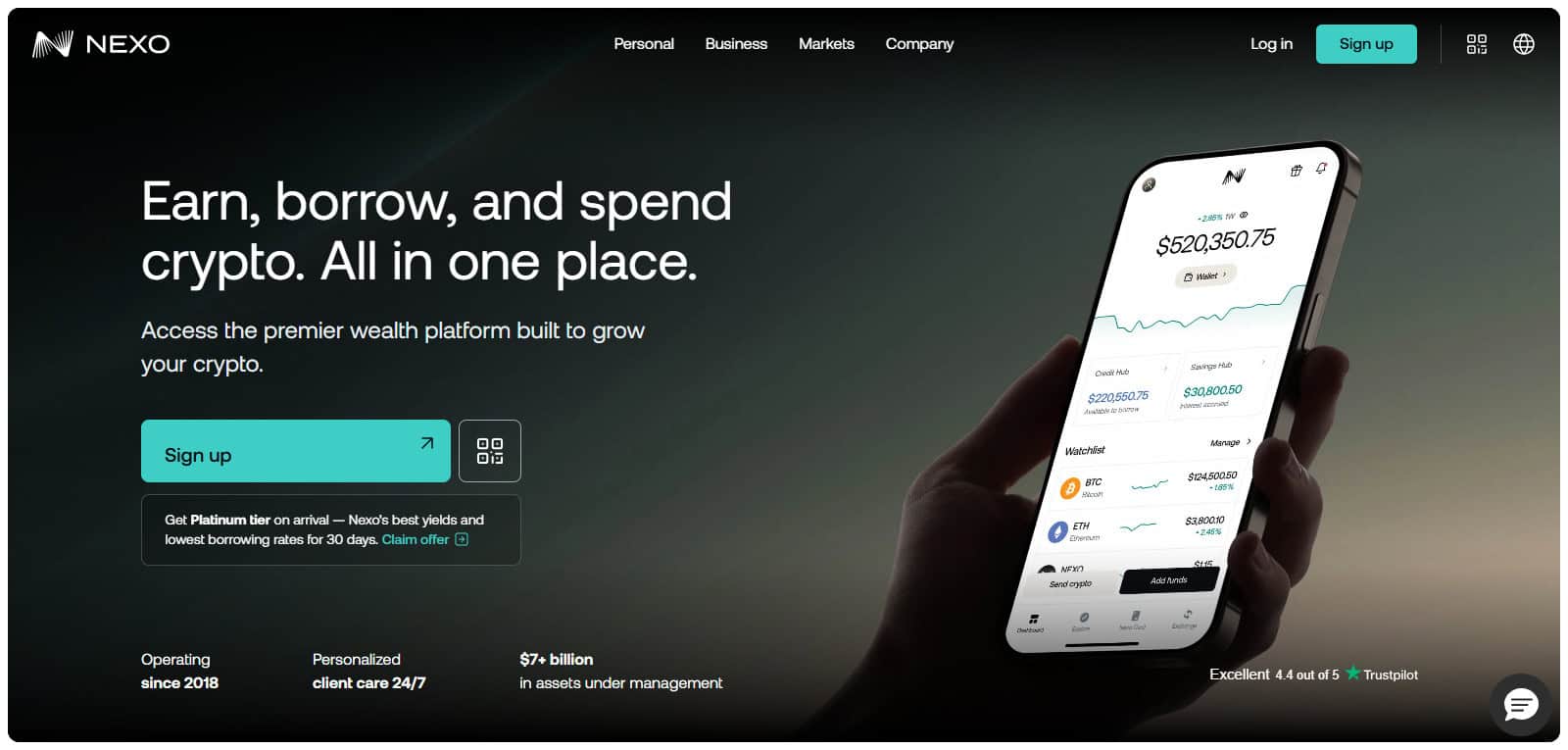
While others may have higher transaction costs, Nexo’s are typically charged for blockchain gas. Nexo integrates instant credit lines, which draws a lot of users to their platform because it has flexible borrowing with same chain withdrawals.
| Feature | Details |
|---|---|
| Supported Chains | Ethereum, Polygon |
| Collateral Options | BTC, ETH, USDT |
| Borrowing Assets | USDT, USDC, EUR stablecoins |
| Same‑Chain Withdrawal | Yes, chain‑specific |
| Withdrawal Fees | Gas fees only |
| Loan‑to‑Value Ratio | 20–50% depending on asset |
| Interest Rates | Dynamic, based on collateral |
| Repayment Options | Flexible repayment or auto‑settle |
| Security | Insurance coverage on assets |
| Liquidity | Instant credit lines |
3. Ledn
Ledn has taken a straightforward approach to Bitcoin and USDC lending using withdrawals on the same blockchain in order to limit costs. Collateral is almost always Bitcoin, while borrowing assets like USDC are made available directly on supported blockchains.

Elimination of the “bridge” between blockchains allows Ledn’s users seamless access to available liquidity. Conservative collateral ratios help prevent lender losses while ensuring borrower protection. Limited withdrawal costs make Ledn attractive to users concentrating their efforts in the Bitcoin economy. Preference for simplicity, security, and low-cost lending at an intuitive level appeals to borrowers.
| Feature | Details |
|---|---|
| Supported Chains | Bitcoin, Ethereum |
| Collateral Options | BTC |
| Borrowing Assets | USDC |
| Same‑Chain Withdrawal | Yes, BTC or USDC chain |
| Withdrawal Fees | Network fees only |
| Loan‑to‑Value Ratio | Conservative, ~50% |
| Interest Rates | Fixed rates |
| Repayment Options | Monthly repayment |
| Security | Custodial, insured |
| Liquidity | Fast BTC‑centric loans |
4. Xapo
Xapo uses Bitcoin and Ethereum blockchains for both collateral and borrowing. They offer USDC and USDT stablecoins as borrowing assets on their supported chains. Like Ledn, Xapo has created a user experience that avoids “bridging fees” by offering a same-chain withdrawal.
For Xapo, user trust and operational ease are achieved by favoring simplicity over complexity with collateral requirements and loan-to-value ratios that support a straightforward approach and help minimize risk. Xapo’s withdrawn fees are limited to gas costs making them an efficient choice for borrowed assets.
| Feature | Details |
|---|---|
| Supported Chains | Bitcoin, Ethereum |
| Collateral Options | BTC, ETH |
| Borrowing Assets | USDC, USDT |
| Same‑Chain Withdrawal | Yes |
| Withdrawal Fees | Gas fees only |
| Loan‑to‑Value Ratio | 30–50% |
| Interest Rates | Competitive |
| Repayment Options | Flexible repayment |
| Security | Bank‑grade custody |
| Liquidity | Reliable, instant |
5. Aave
Aave runs on Ethereum with Polygon and Avalanche, and accepts collateral of ETH, DAI, and USDC. Assets able to be borrowed include Stablecoins and WBTC. Same-chain withdrawal puts funds where they belong, avoiding the need for a bridge and the associated cost.
Because Aave’s system has flexible parameters, risk exposure from each collateralized asset is different, and can change based on market conditions. Aave’s decentralized system provides transparency and a lot of flexibility for users looking to borrow across multiple chains without losing the integrity of one chain.
| Feature | Details |
|---|---|
| Supported Chains | Ethereum, Polygon, Avalanche |
| Collateral Options | ETH, DAI, USDC |
| Borrowing Assets | USDT, WBTC, stablecoins |
| Same‑Chain Withdrawal | Yes |
| Withdrawal Fees | Gas fees only |
| Loan‑to‑Value Ratio | Varies by asset |
| Interest Rates | Algorithmic, dynamic |
| Repayment Options | Flexible |
| Security | Decentralized protocol |
| Liquidity | High, DeFi pools |
6. Compound
Compound also uses Ethereum for collateral of DAI and USDC and ETH. Wrapped tokens may also be used. Like Aave, Compound has a Same-chain withdrawal which eliminates the need for bridge and potential costs. Compound sets collateral ratios using algorithms to control risk that also affect liquidity of the protocol.
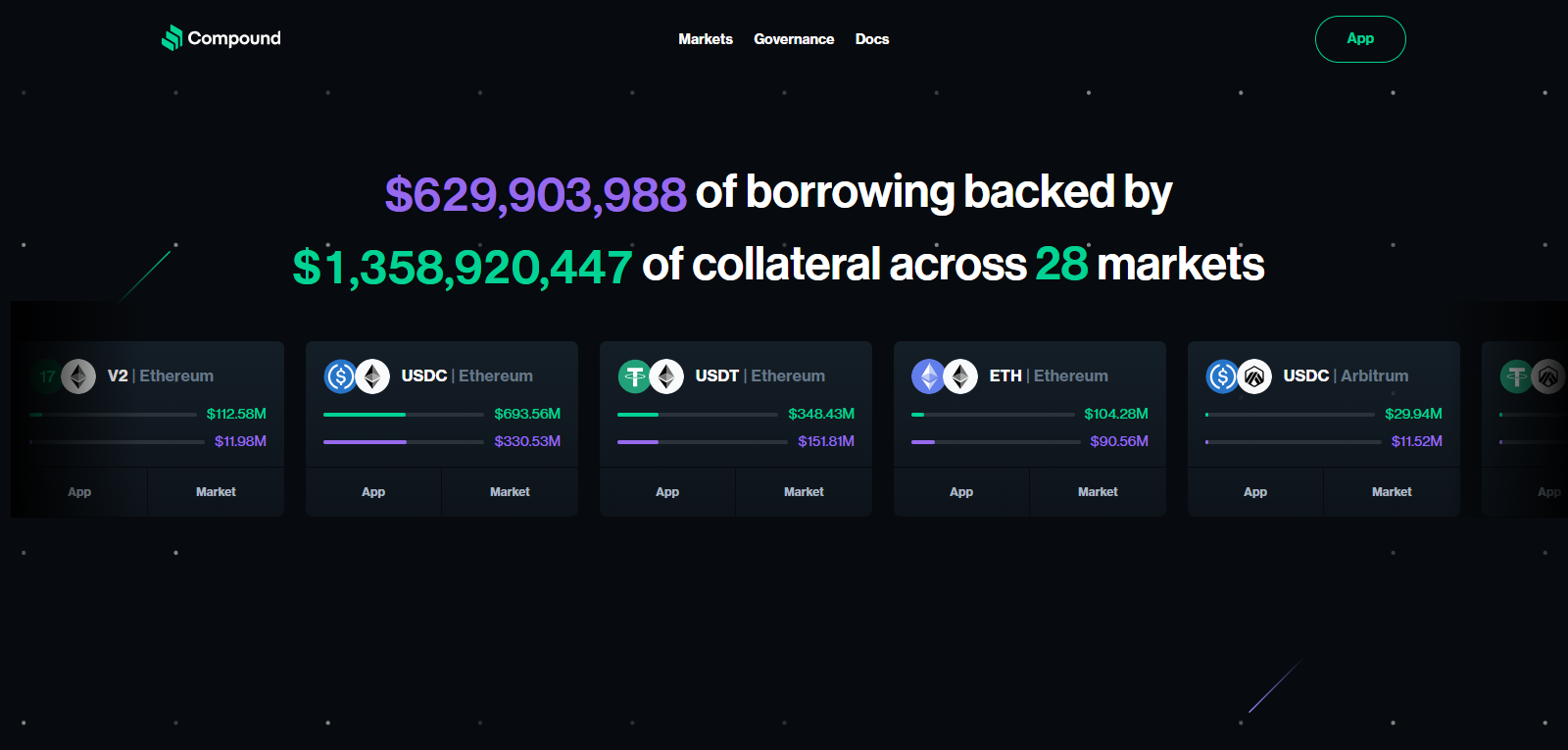
Transactions made on the Compound protocol may not exceed Ethereum Gas block space costs. Compound is transparent and efficient and draws users for their same-chain withdrawal feature for users looking for liquidity in the Ethereum protocol.
| Feature | Details |
|---|---|
| Supported Chains | Ethereum |
| Collateral Options | ETH, USDC, DAI |
| Borrowing Assets | Stablecoins, wrapped tokens |
| Same‑Chain Withdrawal | Yes |
| Withdrawal Fees | Ethereum gas fees |
| Loan‑to‑Value Ratio | Algorithmic |
| Interest Rates | Dynamic |
| Repayment Options | Flexible |
| Security | Smart contract protocol |
| Liquidity | Large lending pools |
7. Morpho
Morpho works with Ethereum lending protocols for collateral assets ETH, USDC, DAI, and stablecoins and other major tokens. Having same-chain withdrawals keeps funds on Ethereum avoiding bridge fees. Since ratios can be user defined, Morpho is flexible. Withdrawal costs are limited to the gas cost on Ethereum.

Morpho’s design is optimized for providing consistent liquidity and reducing costs for borrowers. Since Morpho is a cost effective protocol with liquidity offerings, borrowing on Ethereum is made safe and efficient.
| Feature | Details |
|---|---|
| Supported Chains | Ethereum |
| Collateral Options | ETH, USDC, DAI |
| Borrowing Assets | Stablecoins, ETH |
| Same‑Chain Withdrawal | Yes |
| Withdrawal Fees | Gas fees only |
| Loan‑to‑Value Ratio | Flexible |
| Interest Rates | Peer‑to‑peer optimized |
| Repayment Options | Flexible |
| Security | Smart contract‑based |
| Liquidity | Efficient matching system |
8. Liquidium
Liquidium operates on Bitcoin and Ethereum with collaterals for BTC and ETH. USD stablecoins are available for borrowing. With same-chain withdrawals, users avoid bridging fees, keeping transactions efficient.
Liquidium is focused on collateral ratios to minimize risk from price volatility. Withdrawal fees are under control, charged for blockchain transaction costs. Liquidium is the most security infrastructure protocol for cross-chain borrowing. It provides efficient liquidity for borrowing resources.
| Feature | Details |
|---|---|
| Supported Chains | Bitcoin, Ethereum |
| Collateral Options | BTC, ETH |
| Borrowing Assets | USDT, USDC |
| Same‑Chain Withdrawal | Yes |
| Withdrawal Fees | Minimal network fees |
| Loan‑to‑Value Ratio | Conservative |
| Interest Rates | Competitive |
| Repayment Options | Flexible |
| Security | Custodial |
| Liquidity | Reliable BTC/ETH loans |
9. Yearn Finance
Yearn Finance is for Ethereum collateral of ETH and USDC and stablecoin and yield optimized token borrowing. With same-chain withdrawals, funds stay on Ethereum to avoid bridge fees. Efficiency is the focus for collateral ratios, with user defined ratios.
User costs for withdrawal are Ethereum gas costs. Yearn’s integration with yield farming provides ease and safety for liquidity borrowing with added efficiency.
| Feature | Details |
|---|---|
| Supported Chains | Ethereum |
| Collateral Options | ETH, DAI, USDC |
| Borrowing Assets | Stablecoins, yield tokens |
| Same‑Chain Withdrawal | Yes |
| Withdrawal Fees | Ethereum gas fees |
| Loan‑to‑Value Ratio | Transparent |
| Interest Rates | Strategy‑based |
| Repayment Options | Flexible |
| Security | DeFi smart contracts |
| Liquidity | Yield‑optimized pools |
10. YouHodler
YouHodler has multiple chain support including Bitcoin, Ethereum, and Litecoin. Collateral options include BTC, ETH, and stablecoins. Borrowing assets include USDT and USDC, and other fiat-backed stablecoins. Same-chain withdrawal keeps funds on the chain of deposit, so no bridging fees are incurred. YouHodler offers flexible collateral ratios and loan terms.
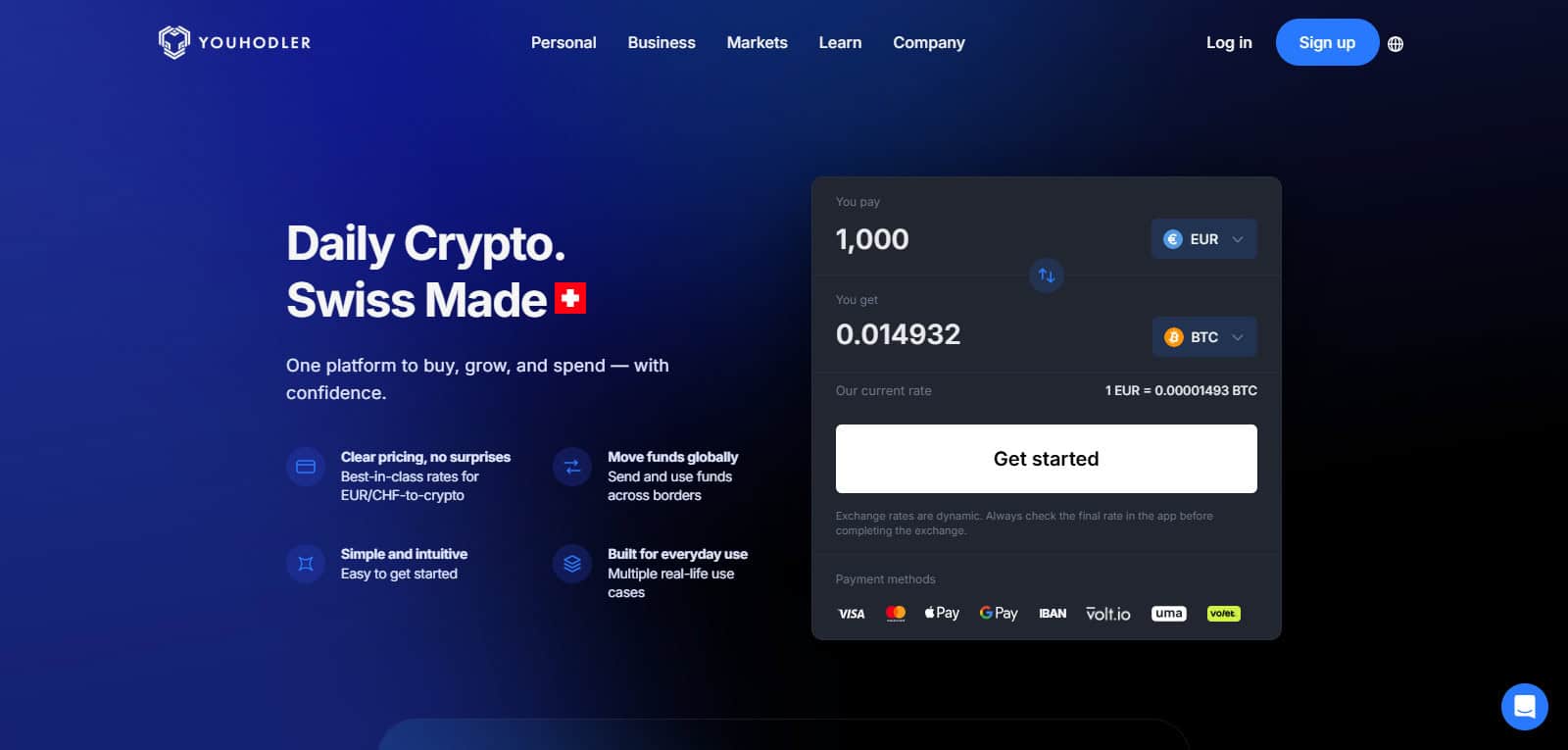
The fee for withdrawal is minimal and typically covers the cost for a blockchain transaction. YouHodler’s multi-chain support and same-chain withdrawal makes it a great choice for borrowers needing liquidity across different ecosystems without incurring cross-chain costs.
| Feature | Details |
|---|---|
| Supported Chains | Bitcoin, Ethereum, Litecoin |
| Collateral Options | BTC, ETH, stablecoins |
| Borrowing Assets | USDT, USDC, fiat‑backed stablecoins |
| Same‑Chain Withdrawal | Yes |
| Withdrawal Fees | Minimal network fees |
| Loan‑to‑Value Ratio | Flexible |
| Interest Rates | Competitive |
| Repayment Options | Flexible |
| Security | Custodial with insurance |
| Liquidity | Multi‑chain instant loans |
Crypto Loan Platforms Comparison
| Platform | Supported Chains | Collateral Options | Borrowing Assets | Same‑Chain Withdrawal | Withdrawal Fees | Loan‑to‑Value Ratio | Interest Rates | Security | Liquidity |
|---|---|---|---|---|---|---|---|---|---|
| Binance Loans | Binance Smart Chain | BTC, ETH, BNB, USDT | USDT, BUSD, ETH | Yes | Gas fees only | Flexible | Competitive | Custodial, Binance protection | High |
| Nexo | Ethereum, Polygon | BTC, ETH, USDT | USDT, USDC, EUR stablecoins | Yes | Gas fees only | 20–50% | Dynamic | Insured assets | Instant credit lines |
| Ledn | Bitcoin, Ethereum | BTC | USDC | Yes | Network fees only | ~50% | Fixed | Custodial, insured | Fast BTC loans |
| Xapo | Bitcoin, Ethereum | BTC, ETH | USDC, USDT | Yes | Gas fees only | 30–50% | Competitive | Bank‑grade custody | Reliable |
| Aave | Ethereum, Polygon, Avalanche | ETH, DAI, USDC | USDT, WBTC, stablecoins | Yes | Gas fees only | Varies | Algorithmic | Decentralized protocol | High DeFi pools |
| Compound | Ethereum | ETH, USDC, DAI | Stablecoins, wrapped tokens | Yes | Ethereum gas fees | Algorithmic | Dynamic | Smart contracts | Large pools |
| Morpho | Ethereum | ETH, USDC, DAI | Stablecoins, ETH | Yes | Gas fees only | Flexible | Peer‑to‑peer optimized | Smart contracts | Efficient matching |
| Liquidium | Bitcoin, Ethereum | BTC, ETH | USDT, USDC | Yes | Network fees only | Conservative | Competitive | Custodial | Reliable BTC/ETH loans |
| Yearn Finance | Ethereum | ETH, DAI, USDC | Stablecoins, yield tokens | Yes | Ethereum gas fees | Transparent | Strategy‑based | DeFi smart contracts | Yield‑optimized pools |
| YouHodler | Bitcoin, Ethereum, Litecoin | BTC, ETH, stablecoins | USDT, USDC, fiat‑backed stablecoins | Yes | Network fees only | Flexible |
Conclusion
Decentralized finance (DeFi) is becoming more efficient, cost-effective, and customer-centric because of the increasing number of cross-channel crypto loan platforms. The platforms Binance Loans, Nexo, and Ledn use collateral flexibility and clear loan-to-value ratio (LTV) models. Aave and Compound use decentralized models to retain liquidity within the same channel and avoid the costs associated with channel bridging.
Within DeFi, the peer-to-peer optimization and chain consistency models of Morpho and Liquidium are more evolved. Yearn Finance integrates yield optimization models and borrowing. Xapo and YouHodler provide multi-chain support but retain same-chain withdrawals. Of the platforms cited, the most advanced in the market eliminate cross-chain complexity, improve ease of access to liquidity at lower costs, and increase the trust of DeFi lending.
FAQ
What are same‑chain withdrawals?
Same‑chain withdrawals mean borrowed funds stay on the same blockchain where collateral was deposited, avoiding bridging fees and cross‑chain delays.
Which platforms support same‑chain withdrawals?
Platforms like Binance Loans, Nexo, Ledn, Aave, Compound, Morpho, Liquidium, Yearn Finance, Xapo, and YouHodler all support same‑chain withdrawals.
What collateral can I use?
Collateral varies by platform but typically includes BTC, ETH, stablecoins (USDT, USDC, DAI), and sometimes other blue‑chip tokens.
What assets can I borrow?
Borrowing assets usually include stablecoins like USDT, USDC, BUSD, and occasionally wrapped tokens or fiat‑backed stablecoins.
Are there withdrawal fees?
Most platforms only charge blockchain gas fees for withdrawals. Same‑chain withdrawals avoid extra bridging costs, making them cheaper.