In this article, I will discuss How Smart FX Routing Lowers Cross-Border Transfer Fees by exploring how intelligent routing technologies identify the most efficient currency paths.
- What is FX Routing?
- How Smart FX Routing Reduces Cross-Border Fees
- Interrogates many liquidity sources
- Assesses multiple currency routes
- Automatically chooses the least expensive route
- Eludes costly correspondent banks
- Eliminates excessive FX markups
- Implements the routing when optimal rates are available
- Provides quicker and more cost-effective transfers
- Benefits Beyond Lower Fees
- Faster Settlement Times
- Transparent Fee Structure
- Increased Competitiveness for Global Businesses
- Better Customer Experiences
- Challenges and Limitations of Smart FX Routing
- The Future of Smart FX Routing
- Conclusion
- FAQ
Traditional transfers often rely on fixed routes and costly intermediaries, but smart FX routing uses real-time data to reduce markups, avoid unnecessary banks, and deliver faster, cheaper international payments for individuals and businesses.
What is FX Routing?
Routing currency conversions occur because money crosses international borders. While banks generally use one route to convert currency
FX routing considers several paths to determine the optimal route. Each route has its own liquidity providers, banks, and exchange rates.
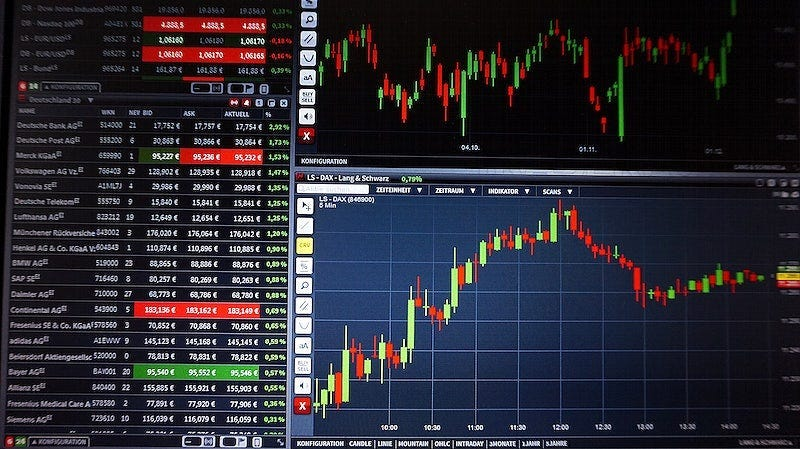
Static FX routing is outdated and has limited efficiency, creating high and unpredictable costs. Smart FX routing
However, uses real time data to determine the optimal path, eliminating gaps and excess banks in the routing, and minimizing the total transfer costs.
How Smart FX Routing Reduces Cross-Border Fees
Interrogates many liquidity sources
Unlike the competition that uses only one liquidity provider, the platform compares the rates of global banks, fx exchanges and multiple liquidity pools.
Assesses multiple currency routes
The platform discerns whether a direct route (USD → EUR) or an indirect multi-hop route (USD → GBP → EUR) is ultimately more cost-effective.
Automatically chooses the least expensive route
Real time analysis of the spread and fees inclusive of intermediaries is conducted by the algorithms and the least expensive route is chosen instantly.
Eludes costly correspondent banks
The route taken is the one that has minimal intermediary bank fees and is potentially the “corridor” that has the lowest banking costs.
Eliminates excessive FX markups
The platform is able to eliminate excessive markups because they obtain their currency from price competitive liquidity providers.
Implements the routing when optimal rates are available
The routing engine may execute the conversion at the most optimal rates available, in milliseconds, in an attempt to reduce the impact of volatility.
Provides quicker and more cost-effective transfers
The transfers cost less and are completed quicker, due to the decreased number of intermediaries and the optimized routing of the transfers.
Benefits Beyond Lower Fees
Faster Settlement Times
With Smart FX routing, cash flow for both businesses and customers is improved as there is a reduction of the wait time and settlement time is near instantaneous.
Transparent Fee Structure
Real-time analysis and reduction of routing intermediaries enables platforms to demonstrate the precise foreign exchange rate and charges to users as there is no risk of hidden fees and unnecessary deductions.
Increased Competitiveness for Global Businesses
Businesses can operate at lower costs and because they can receive and make payments at a greater speed, they can set more competitive prices and negotiate with suppliers for better rates, and they can enter foreign markets without the high foreign exchange costs to operate as a burden.
Better Customer Experiences
Customers receive fast payments with no hidden fees. This satisfaction and trust is built long term for both payment providers and the global businesses.
Challenges and Limitations of Smart FX Routing
Regulatory Considerations Cross-border payments always involve the regulations of the regions involved, along with that region’s AML/KYC and currency control. Such compliance requirements can limit the ways that payments can be routed, and can lead to longer transaction times, especially with tightly controlled regulations.
Liquidity Fluctuations in Some Corridors Not all currency pairs have deep and/or stable liquidity. On less traveled routes, there can be widening of the spreads, or liquidity can dry up in certain market conditions, and this reduces the positive effects of smart routing.
Technical Sophistication Required The development of smart FX routing requires sophisticated algorithms, real-time market data, and significant backend infrastructure. Many of the smaller payment providers may have difficulty with the pricing and the necessary expertise to create and/or sustain these systems.
Not All Providers Offer Transparent Routing Logs Some providers do not explain how they have determined the the orders or which third parties they route to. This lack of transparency makes it almost impossible for users to ascertain they are receiving the cheapest route.
The Future of Smart FX Routing
AI-driven predictive FX routing AI determines the best time to transfer funds at the lowest possible cost.
Blockchain-based settlement paths Cross-border settlements are changed to be faster, cheaper, and more transparent.
Increasing competition pushing fees even lower The proliferation of Fintechs using smart routing to transfer funds motivates lower fees.
Global expansion of direct currency corridors The creation of direct currency corridors provides faster and cheaper global transfers.
Conclusion
In conclusion, Smart FX Routing revolutionizes cross-border payments by determining the optimal routes through all available currencies for the lowest total cost, including markups and spreads, and avoiding unaffordable intermediaries.
Enhanced realtime cost transparency and reduced fees improve speed and transparency. Overall reduced fees improve speed and transparency.
The smart routing of payments and other currencies remains rapidly evolving enabling most global payments to be provided universally at lower costs.
FAQ
It’s an algorithm-driven system that selects the cheapest currency conversion path in real time.
By comparing multiple routes and choosing the one with the lowest total cost.
Yes, it bypasses expensive intermediaries when cheaper corridors are available.
Often yes—fewer intermediaries lead to quicker settlement times.
It finds the most cost-efficient rate available at that moment.