I will talk about the currencies with the most stability in this article specifically. Each currency has to be chosen carefully to ensure the proper protection of your wealth against factors such as inflation, unpredictable markets, and the state of the world economy.
- Key Points & Most Stable Currencies For Long-Term Wealth Storage
- 10 Most Stable Currencies For Long-Term Wealth Storage
- 1. Swiss Franc (CHF)
- 2. US Dollar (USD)
- 3. Euro (EUR)
- 4. Japanese Yen (JPY)
- 5. British Pound Sterling (GBP)
- 6. Norwegian Krone (NOK)
- 7. Swedish Krona (SEK)
- 8. Singapore Dollar (SGD)
- 9. Canadian Dollar (CAD)
- 10. Australian Dollar (AUD)
- Conclsuion
- FAQ
The currencies that are the most stable such as the Swiss Franc, US Dollar, Euro, and the Japanese Yen are the best currencies to choose because they will provide safety
Stability, and protection for your finances over a long period of time. This turns them into currencies that investors and people looking to save money should consider.
Key Points & Most Stable Currencies For Long-Term Wealth Storage
| Currency | Key Point |
|---|---|
| Swiss Franc (CHF) | Safe-haven currency backed by strong banking system |
| US Dollar (USD) | World’s primary reserve currency, high global demand |
| Euro (EUR) | Widely used across EU, diversified economic base |
| Japanese Yen (JPY) | Low inflation, trusted in global trade |
| British Pound Sterling (GBP) | Long history of stability, strong financial sector |
| Norwegian Krone (NOK) | Resource-backed economy, oil reserves support currency |
| Swedish Krona (SEK) | Stable Nordic economy, strong institutions |
| Singapore Dollar (SGD) | Financial hub, prudent monetary policies |
| Canadian Dollar (CAD) | Commodity-backed, stable economy with US trade ties |
| Australian Dollar (AUD) | Resource-rich economy, strong Asia-Pacific trade links |
10 Most Stable Currencies For Long-Term Wealth Storage
1. Swiss Franc (CHF)
The Swiss Franc (CHF) is widely viewed as one of the most stable and dependable currencies of the world and is highly reliable for long term wealth preservation.
Switzerland has low national debt and has a strong banking system along with its political neutrality, leading to sustained confidence for investors.

Switzerland has a long history of low inflation and has a disciplined monetary policy which helps to protect purchasing power.
During global crises, the Franc gains strength as investors look for safer assets. This results in the CHF being a great choice for long term wealth preservation.
| Pros | Cons |
|---|---|
| Extremely stable and considered a global safe-haven currency. | Lower interest rates reduce returns for long-term savers. |
| Backed by Switzerland’s strong banking and political neutrality. | Limited global usage compared to USD or EUR. |
| Low inflation and disciplined monetary policy. | Can strengthen too much, reducing purchasing power abroad. |
| Strong financial regulation and transparency. | High cost of living and expensive banking services. |
2. US Dollar (USD)
The US Currency (USD) can be characterized as one of the most dominant, owing to the fact that it is the world’s most considerable reserve currency.
Many countries, financial entities, and global markets value and depend on USD and trade, which creates a reliable demand for it and results in, global stability.
The US has the biggest economy in the world, which has a huge depth of market capitalization and strong infrastructure and focuses on the regulation of financial markets
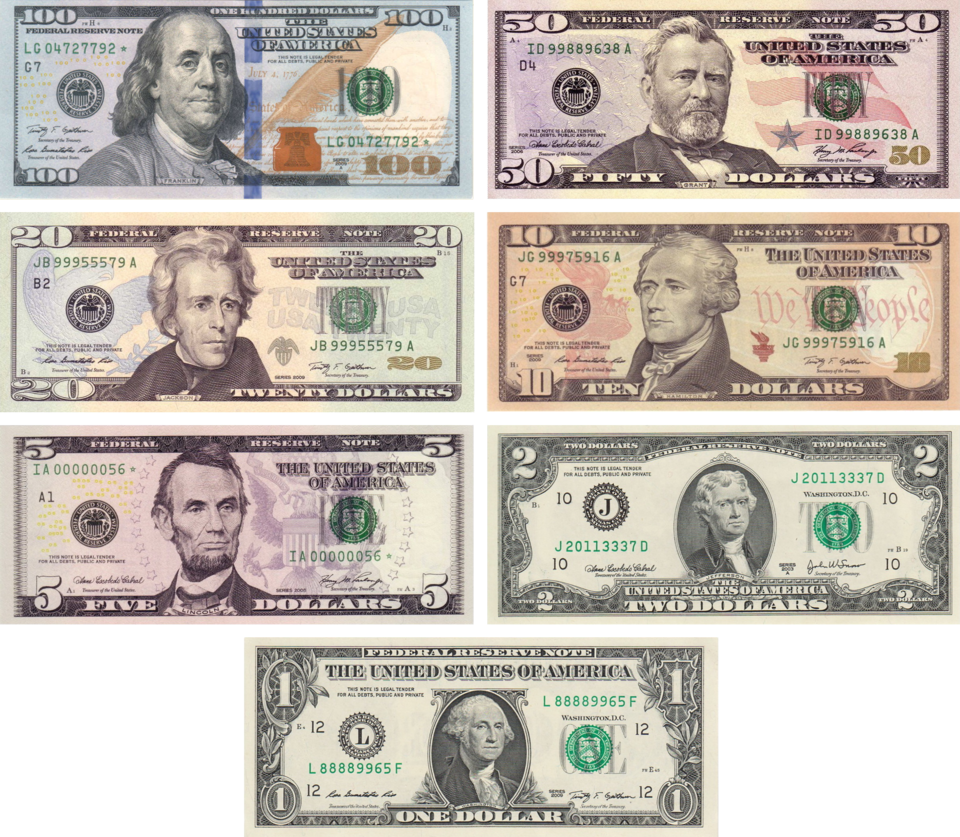
Which is an important factor in building certitude to protect the value of the USD. USD remains a go-to for investors in the USD when the world is facing geopolitical or economic instability.
The dollar is an attractive option for long term storage of wealth. USD is fully accepted and trusted around the world, even though it is subject to inflation.
| Pros | Cons |
|---|---|
| World’s primary reserve currency with massive global demand. | Inflation cycles and money-printing can reduce long-term value. |
| Highly liquid and accepted worldwide. | Political polarization can influence economic stability. |
| Backed by the world’s largest economy and deep financial markets. | Debt levels in the US are extremely high. |
| Safe-haven asset during global uncertainty. | Rival currencies emerging as alternatives in global trade. |
3. Euro (EUR)
The Euro (EUR) has one of the strongest buying powers in the world as a result of the economic influence of the European Union.
Its strength comes from the economies of Germany, France, Italy, and the Netherlands which are highly diversified.
The European Central Bank employs prudent policy frameworks to control inflation while preserving financial and economic stability over the long-run.
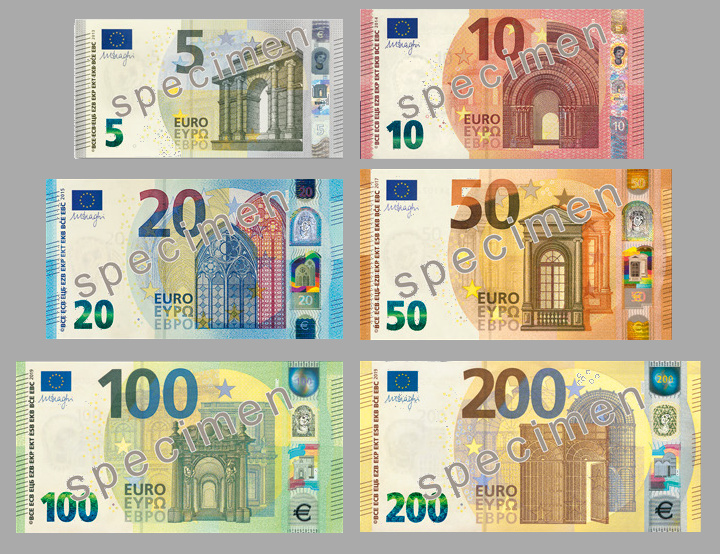
The Euro is one of the most in demand currencies, due to its prevalence in international commerce and global capital market transactions.
The currency is exceptionally reliable due to the occasional challenges that the EU\u2019s highly integrated banking system and the size and power of its economy face.
| Pros | Cons |
|---|---|
| Supported by multiple strong EU economies, creating resilience. | Regional crises (e.g., Greece) can weaken confidence. |
| Widely used globally for trade and investment. | Monetary policies must balance many countries, slowing decisions. |
| Stable and well-regulated by the European Central Bank. | Economic differences between member states cause volatility. |
| Strong consumer protection and financial regulations. | Political disagreements within EU can impact currency stability. |
4. Japanese Yen (JPY)
Owing to its potent economy and extensive financial links across the globe, the Japanese Yen (JPY) has earned its place as a safe-haven currency.
Yen also has the backing of the world’s largest foreign holdings, diverse and deep foreign financial relationships, and foreign credibility.
Some of the positives are a low inflation rate, predictable, and a reputation for economic resilience. In times of market turmoil, the Yen is a preferred safe-haven investment.
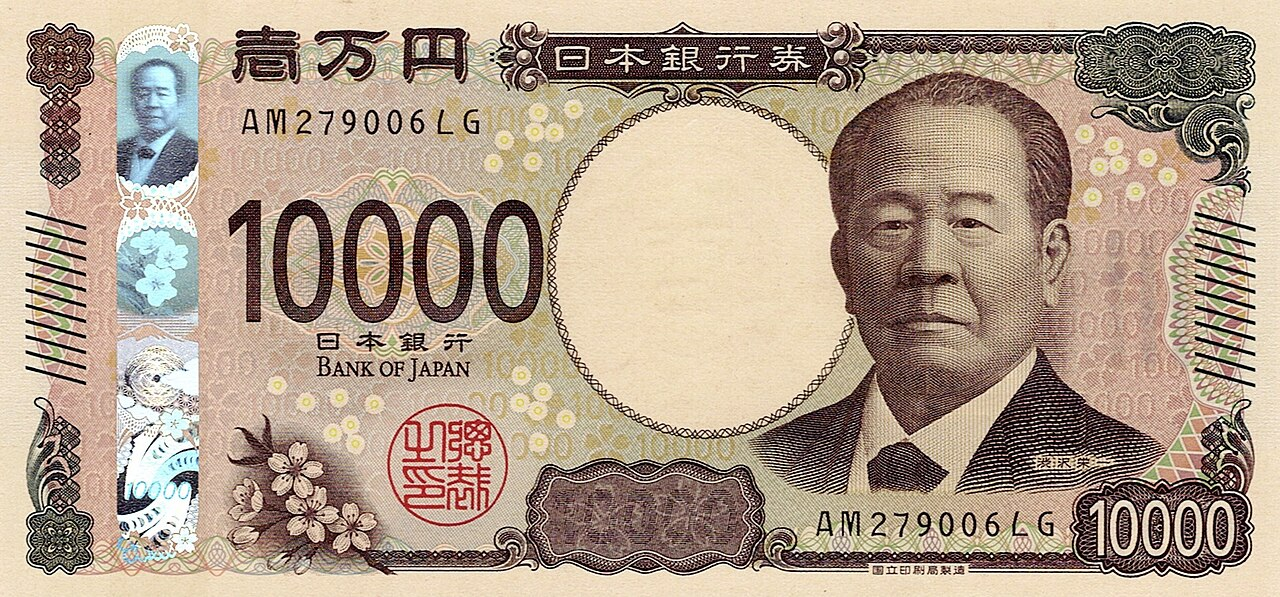
In addition, the economy’s robust manufacturing industries, a technological leader, and high savings, also support the Yen’s fundamental strength.
Keeping this in mind, the Yen is also a currency to be relied upon for the preservation of wealth.
| Pros | Cons |
|---|---|
| Considered a safe-haven currency during global uncertainty. | Very low or negative interest rates reduce savings returns. |
| Backed by Japan’s large foreign exchange reserves. | Japan’s aging population may affect long-term economic strength. |
| Low inflation and predictable monetary policy. | Slow economic growth compared to other major economies. |
| Strong export and manufacturing base. | Yen can appreciate too quickly during crises. |
5. British Pound Sterling (GBP)
GBP, or the British Pound Sterling, is the UK currency and one of the oldest and most respected currencies in the world.
Factors contributing to long-term currency stability include the UK?s well established institutions, legal frameworks, and solid financial sector.
London is one of the world?s most of important global banking and investment centers, which increases the demand for GBP.
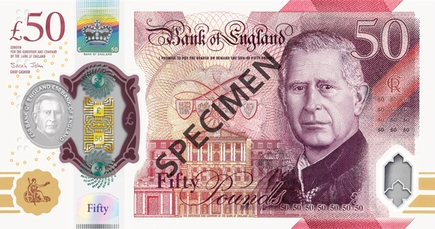
The UK is one of the most reliable and transparent countries in the world, which adds to the strength of their currency, so even in times of political or economic crisis, their currency does not suffer.
The Bank of England has a strong focus on managing inflation and monetary policies, which helps maintain the Pound’s long-term purchasing power
Strengthening its position as a strong currency for the safeguarding and diversification of wealth portfolios.
| Pros | Cons |
|---|---|
| Very old and globally respected currency. | Brexit has introduced long-term uncertainty. |
| Supported by London’s status as a major financial hub. | Economic fluctuations can be higher than CHF or USD. |
| Strong central bank and transparent financial systems. | Political changes often impact GBP volatility. |
| Historically strong store of value. | Smaller economy compared to USD or EUR. |
6. Norwegian Krone (NOK)
The Krone is one of the most stable foreign currencies because of Norway’s strong financial position globally, thanks to the enormous sovereign wealth funds Norway has built over the years from responsibly managing oil and gas revenues.
Also, the country’s public debt is low, and there is a high standard of living and transparent governance, contributing to the stability of the country’s currency.
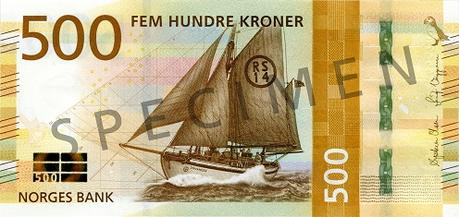
While the Krone is prone to fluctuations with energy prices, the nation’s financial discipline and large reserves help soften volatility.
The Krone is a good option to hold for long-term wealth preservation, especially for investments outside the major world currencies, because Norway has low corruption, strong institutions and a balanced economy.
| Pros | Cons |
|---|---|
| Backed by one of the world’s largest sovereign wealth funds. | Highly influenced by oil and energy price movements. |
| Low national debt and strong fiscal discipline. | Smaller economy means lower global demand for NOK. |
| Transparent governance and low corruption. | Currency volatility increases during global recessions. |
| Strong social, economic, and institutional systems. | Not widely used for global trade or reserves. |
7. Swedish Krona (SEK)
The Swedish Krona (SEK) benefits from low national debt, positive fiscal balance, competitive export sector, solid fiscal policies, and modern integrated banking sector.
The Swedish Krona (SEK) benefits from the positive long-term principles of Sweden. There will always be short-term fluctuations
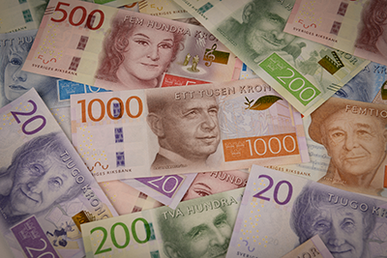
for the time being, the positive long-term principles of Sweden will remain due to the high innovative economic standards and large governance.
Sweden always sustains long-term confidence and capital mainly due to positive principles of Sweden. The Krona is therefore often selcted due to the positive long-term principles of Sweden.
| Pros | Cons |
|---|---|
| Backed by a stable, innovative, export-driven economy. | Not a global reserve currency, limiting global demand. |
| Low national debt and strong financial governance. | Short-term fluctuations are more common than CHF or USD. |
| Strong institutions and rule of law. | Dependent on EU economic conditions despite not using the euro. |
| Highly resilient and reliable over the long term. | Smaller economy increases sensitivity to global shocks. |
8. Singapore Dollar (SGD)
Stability is the hallmark feature of the Singapore Dollar (SGD). This is due predominantly to Singapore’s monetary policies and the overall state of the economy of Singapore.
For the Singapore dollar, the Monetary Authority of Singapore (MAS) employs a specialized exchange-rate mechanism, aimed at keeping inflation low and achieving economic growth over the long haul.
The credit of the Singapore nation is high, and the law is very well structured. The business environment in Singapore is very competitive.
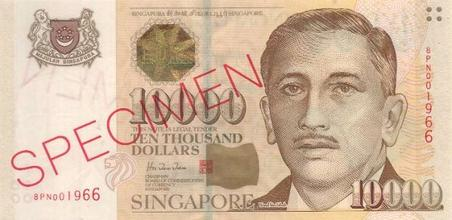
The law, order, and trade of Singapore is politically stable and very strong, leading to a great deal of confidence in the currency.
The Singapore nation has a lot of foreign reserves and this protects the Singaporean dollar from a lot of volatility. For this reason, the Singapore dollar is a very safe currency to keep for a long time.
| Pros | Cons |
|---|---|
| Very stable and tightly managed by MAS. | Limited global usage compared to USD or EUR. |
| Low inflation due to strict monetary control. | Small country makes it sensitive to global trade cycles. |
| High credit rating, strong rule of law. | Currency may appreciate slowly due to tight controls. |
| Large forex reserves enhance stability. | High cost of living reduces purchasing strength locally. |
9. Canadian Dollar (CAD)
Because of Canada’s robust economy, natural resources, and financial management, the Canadian Dollar (CAD) gets its support.
Canada’s institutions and corruption levels are the best in the world, and the country has a transparent legal system that helps gain the trust of investors.
The country’s different economic activities like, energy and mining, banking, and manufacturing, have a great impact in reducing for the country high levels of volatility.
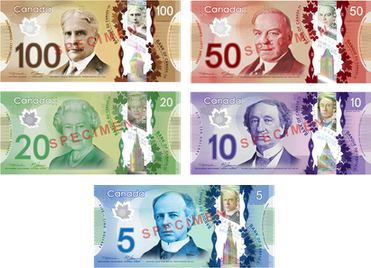
The Bank of Canada has set monetary policies that are predictable and focuses mostly on inflation control, which increases the CAD purchasing power over time.
Commodities can have a significant effect on the CAD’s management of the country’s economy, but with Canada’s positive fiscal management, the CAD can be a valuable long term investment.
| Pros | Cons |
|---|---|
| Strong, resource-rich economy with good governance. | Heavily influenced by commodity prices, especially oil. |
| Transparent financial systems and low corruption. | Sensitive to US economic changes. |
| Balanced economic structure reduces volatility. | Can weaken during global recessions. |
| Stable long-term monetary policy by Bank of Canada. | Not as widely used internationally as major global currencies. |
10. Australian Dollar (AUD)
The Australian Dollar (AUD), is also heavily influenced by Australia’s solid economic fundamentals, abundant natural resources, and a relatively stable political sphere.
Australia’s public debt, almost nil, transparent policies, and a resilient banking sector, all work to stabilize the currency.
Australia’s relatively stable economic climate has to do with the country’s global trading relationships, especially minerals, agricultural products and energy supplies.
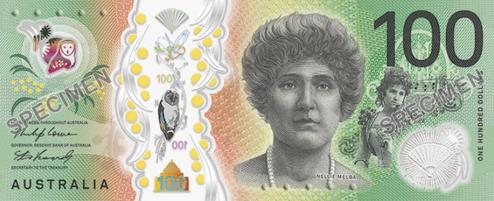
While the AUD is sensitive to global commodity cycles, Australia’s financial institutions and policies have a strong commodity price.
The Reserve Bank of Australia has a strong sense of discipline regarding inflation and economic growth. This makes AUD a good option for long-term wealth preservation.
| Pros | Cons |
|---|---|
| Stable political system and strong institutions. | Very sensitive to global commodity cycles and China’s economy. |
| Strong natural resource base supports currency. | Can be more volatile than CHF, USD, or EUR. |
| Low public debt and transparent governance. | High interest rate swings can affect long-term savings. |
| Well-regulated financial sector and resilient economy. | Currency depreciation occurs during global downturns. |
Conclsuion
In final thoughts The world’s most stable currencies – CHF,USD, EUR, JPY, GBP, NOK, SEK, SGD, CAD, and AUD – are trustworthy currencies for long-term storage of wealth.
Their stability is due to a combination of a strong economy, disciplined policies, and global trust. Allocating wealth among these currencies will safeguard and mitigate risk providing financial security in an uncertain world.
FAQ
The Swiss Franc (CHF) is often considered the most stable due to Switzerland’s strong economy, political neutrality, and disciplined monetary policy.
USD is the world’s primary reserve currency, widely used in trade and investment, making it highly liquid and globally trusted.
Yes, the Euro is backed by multiple strong EU economies and regulated by the European Central Bank, offering long-term stability.
JPY is low-risk due to Japan’s large reserves, low inflation, and consistent economic policies, making it attractive during global market volatility.
GBP has a long history of stability, supported by London’s financial hub and the Bank of England’s disciplined policies.