In this article, I will discuss the Pending Crypto ETF Decisions, which are attracting a considerable amount of interest in the cryptocurrency space.
- Key Points & Pending Crypto ETF Decisions
- 15 Pending Crypto ETF Decisions
- 1. Solana (SOL)
- 2. XRP (Ripple)
- 3. Litecoin (LTC)
- 4. Dogecoin (DOGE)
- 5. Cardano (ADA)
- 6. Hedera (HBAR)
- 7. Polkadot (DOT)
- 8. Avalanche (AVAX)
- 9. Tron (TRX)
- 10. Ethereum (ETH)
- 11. Multi‑asset / Index Crypto ETFs
- 12. T. Rowe Price Active Crypto ETF
- 13. Bitcoin / Ethereum Combined Trusts
- 14. Bitcoin Cash (BCH)
- Conclsuion
- FAQ
Regulators such as the SEC will determine whether investors will be able to trade in major crypto assets such as Bitcoin, Ethereum, Solana, etc., in the form of legally sanctioned exchange-traded funds.
Such decisions could influence the crypto industry’s acceptance among institutions, the fluidity of the market, and the crypto industry’s overall legitimacy.
Key Points & Pending Crypto ETF Decisions
| Cryptocurrency / ETF | Key Features |
|---|---|
| Solana (SOL) | High-speed blockchain, low transaction fees, strong DeFi & NFT ecosystem |
| XRP (Ripple) | Cross-border payments, bank partnerships, fast transaction settlement |
| Litecoin (LTC) | “Digital silver,” fast block generation, low transaction fees |
| Dogecoin (DOGE) | Meme-driven, community support, tipping & microtransactions |
| Cardano (ADA) | Sustainable blockchain, smart contract platform, research-driven |
| Hedera (HBAR) | Hashgraph DLT, high throughput, energy-efficient |
| Polkadot (DOT) | Multi-chain interoperability, parachains ecosystem |
| Avalanche (AVAX) | High-speed, low-cost transactions, DeFi & NFT focus |
| Tron (TRX) | Decentralized content sharing, fast transactions |
| Ethereum (ETH) | Leading smart contract platform, DeFi, NFTs |
| Multi-asset / Index Crypto ETFs | Diversified exposure across multiple cryptos, risk mitigation |
| T. Rowe Price Active Crypto ETF | Professionally managed, active portfolio, risk-adjusted allocation |
| Bitcoin / Ethereum Combined Trusts | Exposure to BTC & ETH in one fund, diversified |
| Bitcoin Cash (BCH) | Peer-to-peer payments, low fees, Bitcoin fork |
15 Pending Crypto ETF Decisions
1. Solana (SOL)
Solana (SOL) is a high-performance blockchain with speed, low-fee, and transaction efficiency winning over a fast-growing developer community for decentralized apps and NFTs.
Solana-based ETFs provide investors with regulated exposure to holding the cryptocurrency directly.
Pending ETF approvals focus on regulatory risk scrutiny by the SEC, considering market manipulation, liquidity, and custody challenges.

Approval could bolster institutional adoption and credibility for SOL, offering streamlined transparency.
Rejection, on the other hand, could diminish market-moving sentiment and growth for Solana’s well-developed ecosystem—fostering continued organic adoption regardless of the regulatory environment. Moreover, it would support sentiment growth.
| Feature | Description |
|---|---|
| Blockchain Type | High-performance Layer-1 blockchain |
| Transaction Speed | Extremely fast, thousands of TPS |
| Fees | Very low transaction fees |
| Ecosystem | DeFi, NFTs, and dApps growth |
| Pending ETF Notes | Approval could increase institutional adoption and regulated exposure. Regulators focus on liquidity and custody security. |
2. XRP (Ripple)
Ripple Labs, Inc. develops software for cross-border payments and banking and is the issuer of XRP. Due to ongoing SEC litigation, the approval of an ETF for XRP is complicated by the question of whether XRP is a security.
If an XRP ETF is approved, there will be much easier access for legally sanctioned institutional players to enter and potentially enhance liquidity and market participation of Ripple.
If ETF is denied, the market will continue to suffer from the negative price impacts of further regulatory pessimism.

From an investment standpoint, the lack of custody serves as a further incentive to the market. Consequently
XRP has been the subject of much speculation regarding an ETF due to the ongoing adoption in various remittance corridors and the software issuer’s banking partnerships, albeit regulatory restrictions.
| Feature | Description |
|---|---|
| Use Case | Cross-border payments and remittances |
| Partnerships | Banks and financial institutions |
| Transaction Speed | Fast settlement times |
| Tokenomics | Limited supply, pre-mined XRP |
| Pending ETF Notes | Complicated by SEC litigation. Approval could attract institutional investors; rejection maintains regulatory uncertainty. |
3. Litecoin (LTC)
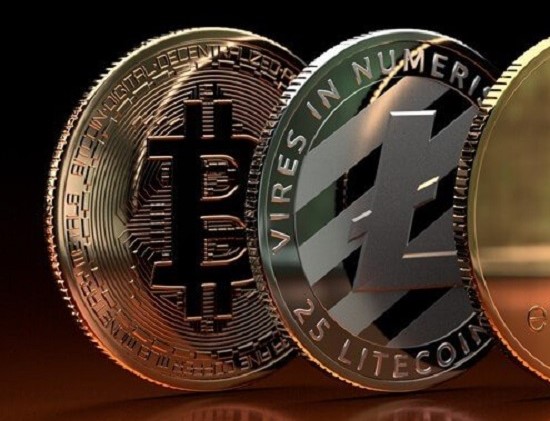
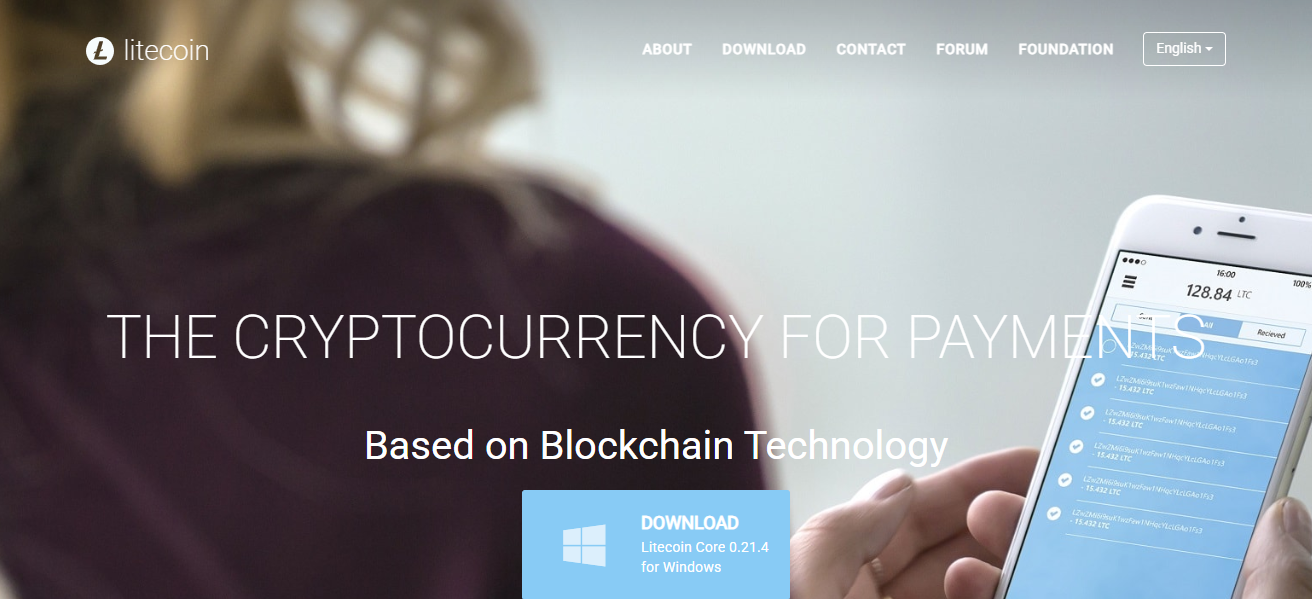
The cryptocurrency asset LTC or Litecoin is significant in the cryptospace because of its quick generation of blocks and it has lesser fees than Bitcoin.
Hence, if Litecoin has an ETF, there is a potential it could boost liquidity stream and have mainstream regulated access for the populace.
Agencies such as the SEC take into consideration closure transparency, safeguard of the assets, and investor protection rules Once Litecoin has an ETF, it may solidify the label as the digital silver resource.
On the contrary, a Litecoin ETF may focus the agency’s concern on the maturity and the potential of the market of manipulation.
It is highly likely that existence of an ETF may positively affect the Volume of LTC in the cryptomarket.
| Feature | Description |
|---|---|
| Purpose | Digital silver, peer-to-peer payments |
| Transaction Speed | Faster than Bitcoin |
| Fees | Low transaction fees |
| Network Security | Proof-of-Work |
| Pending ETF Notes | ETF could provide regulated exposure, increase liquidity. Rejection may highlight market maturity concerns. |
4. Dogecoin (DOGE)
Initially a meme cryptocurrency, Dogecoin (DOGE) has undergone a transformation, gaining credibility as a result of notable public endorsements, social media hype, and a community that drives initiatives.
Currently pending the issuance of a Dogecoin ETF, we would be able to acquire digital claims in a manner that is far more legally secure.
With the likely approval of this ETF, DOGE would be able to be legally deemed mainstream, as assets that are more closely monitored (legally) would increase liquidity and stabilize the market.
Price volatility and custodian security are main concerns of regulators. Even a delayed approval would likely be sustained by the ecosystem of microtransactions,
NFTs, and tips (most notably DOGE). Further the approval of such an ETF would push DOGE to the forefront of more Segmented crypto portfolios.
| Feature | Description |
|---|---|
| Origin | Meme cryptocurrency |
| Community | Strong, social media-driven |
| Use Cases | Tipping, microtransactions |
| Transaction Speed | Fast, low fees |
| Pending ETF Notes | ETF approval could legitimize DOGE for mainstream investors. Regulatory focus on volatility and manipulation. |
5. Cardano (ADA)
Cardano (ADA) places a strong focus on sustainability, scalability, and the formal verification of smart contracts. In light of this, a Cardano ETF would facilitate a regulated way to access ADA and eliminate the need for private wallets or exchanges.
At the moment, the SEC and other regulatory authorities’ decisions focus on market transparency, liquidity, and custody solutions.
Such an approval would (and hence be extremely likely) lead to a solid boost in ADA adoption within institutional portfolios as there would be a surge in demand from investors looking for green blockchain alternatives as the current climate is in dire need of it.

ADA endorsements and adoptions would be extremely likely to occur at a rapid pace without regulatory approval, and hence, it illustrates the caution regulators are taking when it comes to their current to smart contracting an SSD platforms.
From a strong research perspective and a growing DeFi system, it would be fair to say the inclusion of Cardano would be a potential solid boost to their confidence and credibility in the global cryptocurrency markets
| Feature | Description |
|---|---|
| Blockchain Type | Proof-of-Stake, Layer-1 smart contract platform |
| Focus | Sustainability, scalability, formal verification |
| Ecosystem | Smart contracts, DeFi, NFTs |
| Pending ETF Notes | ETF could boost institutional adoption. Regulators review platform maturity and investor protection measures. |
6. Hedera (HBAR)
Hedera Hashgraph (HBAR) uses a novel distributed ledger technology with a hashgraph algorithm to achieve unique throughput and low-latency transactions with low-to-zero energy consumption.
An HBAR ETF would open Hedera to institutional investors through regulated exposure, and regulatory bodies consider security classification and approval liquidity.
An ETF would lead to widespread adoption in enterprise applications and supply chain management.

The delays in deciding on ETFs reflect regulatory scrutiny on newer (non-blockchain) distributed ledger technologies.
Approval of such an ETF would provide a market endorsement of Hedera’s hybrid model, while delays highlight the uncertainty surrounding non-blockchain crypto architectures, and the need for regulatory clarity.
| Feature | Description |
|---|---|
| Technology | Hashgraph distributed ledger |
| Throughput | High, low-latency transactions |
| Energy Efficiency | Minimal consumption |
| Enterprise Use | Supply chain, tokenized assets |
| Pending ETF Notes | Approval provides regulated HBAR exposure. Regulatory scrutiny focuses on novel DLTs and custody security. |
7. Polkadot (DOT)
Polkadot (DOT) is a multi-chain blockchain network that allows independent blockchains to interoperate.
A Polkadot ETF would give accredited investors more DOT tokens and would likely drive up investor interest and DOT liquidity.
Approved ETFs will likely lead to greater interest in the regulatory benefits of Polkadot and its potential to improve cross-chain connectivity and smart contracts.
However, regulators may simply be concerned with the technical conplexities and emerging DeFi ecosystems.

While there is Polkadot ETF speculation, the network of parachains and projects is growing rapidly.
DOT will likely be included in an ETF as a dominant player in interopolable blockchain infrastructures, bridging the gap between traditional finance and the new decentralized world.
Polkadot DOT will likely be included in an ETF as a dominant player in interoperable blockchain infrastructures bridging traditional finance with the new decentralized world.
| Feature | Description |
|---|---|
| Purpose | Multi-chain interoperability |
| Ecosystem | Parachains, DeFi projects |
| Consensus | Nominated Proof-of-Stake (NPoS) |
| Pending ETF Notes | ETF could enhance institutional participation. Approval depends on technical complexity and market transparency. |
8. Avalanche (AVAX)
Avalanche (AVAX) is a highly scalable blockchain that focuses on fast transaction speeds and low costs, making it a perennial favorite among DeFi and NFT projects.
An AVAX ETF would allow investors to get a regulated exposure to AVAX’s ecosystem and possibly attract more liquidity and institutional interest.
The SEC approving this ETF would show more confidence in the underlying blockchain’s infrastructure and security protocols.

If the SEC is delaying, the risk of this market being volatile or manipulated is likely. The integration of AVAX into more diverse crypto portfolios is likely after an ETF is approved.
Avalanche’s subnets and architecture, designed for ease of development, give it a solid utility for a blockchain ETF to be in a developed AVAX regulated ecosystem.
| Feature | Description |
|---|---|
| Blockchain Type | Layer-1, scalable and fast |
| Transaction Speed | High TPS, low latency |
| Use Case | DeFi, NFTs, enterprise apps |
| Pending ETF Notes | ETF may boost liquidity and institutional interest. Approval signals regulatory trust in scalable blockchains. |
9. Tron (TRX)
Tron (TRX) is a blockchain focused on decentralized entertainment and content-sharing platforms with fast and cheap transactions.
The approval would allow investors to gain exposure to Tron’s ecosystem without having to manage their own wallets.
The approval will depend on how transparent the market is with protecting investors, and where assets are stored.
If approved, TRX will gain additional credibility and Institional Defend Demand (ADD) Defi, gaming, and NFT projects on the Tron network.
If denied, or if the approval takes too long, the regulators will then focus on their caution with entertainment-focused blockchains.
A Tron ETF is the first step to integrating diversified investments into their portfolio, and for the entertainment industry, niche blockchains use case.
| Feature | Description |
|---|---|
| Focus | Decentralized entertainment & content sharing |
| Transaction Speed | Fast, low-cost |
| Use Cases | dApps, gaming, DeFi |
| Pending ETF Notes | ETF provides regulated access. Regulators focus on investor protection and entertainment-focused adoption. |
10. Ethereum (ETH)
ETH, a leading smart contract blockchain, is responsible for the majority of blockchain-related DeFi, NFT, and enterprise solutions.
If approved, an Ethereum ETF would limit custody and security risks and offer investors a more streamlined and regulated means of digital investment.
ETH ETFs remain pending due to regulatory concerns surrounding a lack of liquidity, high volatility, and potential market manipulation.

Conversely, ETH will continue to have high institutional demand due to the many features that Ethereum offers in Decentralized finance, token issuance, and layer 2 solutions.
An ETF would Ethereum a diversified crypto portfolio core asset, bridging traditional finance and decentralized finance innovations and blockchain technologies and Web3 applications.
| Feature | Description |
|---|---|
| Blockchain Type | Smart contract Layer-1 |
| Ecosystem | DeFi, NFTs, enterprise solutions |
| Consensus | Proof-of-Stake (Ethereum 2.0) |
| Pending ETF Notes | ETF reduces custody risk, increases institutional adoption. Approval reinforces ETH as core crypto asset. |
11. Multi‑asset / Index Crypto ETFs
Multi-asset or index crypto ETFs provide exposure to multiple cryptocurrencies at once, mitigating risks associated with having exposure to just one cryptocurrency.
These ETFs own Bitcoin, Ethereum, and a selection of altcoins to achieve an optimal balance between volatility and performance.
Pending regulatory decisions appear to revolve around custody of assets, protective measures for investors, and tracking of indices.
In the event of approval, investors would have access to a wide range of cryptocurrencies in a regulatory crypto ETF for the first time, which may boost institutional adoption of such products.
A denial may indicate concerns such as the inaccuracy of indices, lack of liquidity, or manipulation.
Multi-asset ETFs could simplify crypto investments, allowing investors to manage their portfolios more easily and with more protective measures for the overall investment.
These attributes would make them particularly appealing to more conservative investors looking to enter a regulated crypto investment environment.
| Feature | Description |
|---|---|
| Purpose | Diversified crypto exposure in one fund |
| Composition | Multiple cryptocurrencies, usually BTC & ETH plus select altcoins |
| Risk Management | Reduces single-asset volatility |
| Pending ETF Notes | Approval simplifies investment, attracts institutions. Regulatory review focuses on index tracking, transparency, and liquidity. |
12. T. Rowe Price Active Crypto ETF
The Active Crypto ETF by T. Rowe Price aims to have professional management alongside research based strategies balanced with a regulated exposure to crypto.
In comparison to other crypto ETFs that are passive, T. Rowe Price will be able to adjust the crypto holdings in the ETF based on the direction of the market, aiding in better risk management of the ETF.
Security classification, transparency, and protective measures for investors are among the reasons the SEC has yet to approve the proposal.

Approval would encourage institutional investors to enter the crypto space, and rejection would become a trend.
This rejection would indicate that the SEC does not have the confidence to allow actively managed funds targeting digital assets.
Aimed to be the first of its kind, T. Rowe Price would create a professional benchmark in the management of crypto portfolios.
| Feature | Description |
|---|---|
| Management | Professionally managed, actively adjusted holdings |
| Strategy | Research-driven, risk-adjusted allocations |
| Access | Regulated crypto exposure for institutional and retail investors |
| Pending ETF Notes | SEC reviews compliance, transparency, and investor protection. Offers dynamic crypto investment strategy. |
13. Bitcoin / Ethereum Combined Trusts
The Bitcoin/Ethereum combined trusts are effective in giving investors their desired exposure to the two cryptocurrencies through one single regulated vehicle.
The pending ETF approvals look at the market liquidity and the risks of custody. It also looks at the risks of market manipulation.
The approval of these ETFs will make it easier for institutional and retail investors seeking a diverse exposure to the most liquid assets in crypto.

It can also improve the market credibility and inflow attraction. It will also improve the price transparency of both BTC and ETH.
The delays are pitfalls in the approval process and these can be due to the volatility or the trust structures’ concerns.
All in all, these ETFs combine the digital assets and traditional finance to provide a risk-managed way of investing in the more foundational cryptocurrencies without having to deal with the operational issues that come with direct custody.
| Feature | Description |
|---|---|
| Exposure | BTC & ETH in one fund |
| Diversification | Reduces single-asset risk |
| Access | Simplifies institutional investment in top cryptos |
| Pending ETF Notes | Approval could boost inflows. Delays reflect custody and volatility concerns. |
14. Bitcoin Cash (BCH)
BCH is a peer-to-peer cryptocurrency designed to enhance Bitcoin’s functionality by improving scalability issues in the Bitcoin network and allowing for faster transactions with lower fees.
An ETF would increase accessibility and offer potential adoption for BCH through regulation. The SEC is analyzing potential approval for the custody practices, volatility, and chance for market manipulation.
Approval would add BCH and more diversified payment solutions to potential portfolios. Rejection of the ETF may signal regulatory unease with altcoins and sub $1B market cap assets.
BCH has uncertainty regarding an ETF but adoption in merchant payment systems and decentralized finance (DeFi) applications makes BCH a strong candidate for regulated investment vehicles.
| Feature | Description |
|---|---|
| Purpose | Peer-to-peer payments, Bitcoin fork |
| Transaction Speed | Faster than Bitcoin, low fees |
| Use Case | Digital payments and merchant adoption |
| Pending ETF Notes | ETF could enhance adoption and liquidity. Regulatory focus on market manipulation and smaller-cap altcoin risks. |
Conclsuion
Final thoughts The cryptocurrency market and multi-asset fund crypto ETFs are soon going to become integrated and fully adopted by institutional investors (i.e., when crypto ETFs are allowed to be purchased by institutional investors).
Crypto ETFs will increase the liquidity and credibility of the cryptocurrency market and of multi-asset fund crypto ETFs.
Accordingly, increased institutional investment will be made into the cryptocurrency market. Finally, the decision regarding the crypto ETFs will determine the future of the cryptocurrency market and investment.
FAQ
A fund providing regulated exposure to cryptocurrencies without holding them directly.
Bitcoin, Ethereum, Solana, XRP, Litecoin, Dogecoin, Cardano, and others.
Regulators assess liquidity, custody, and market manipulation risks.
The U.S. SEC and other national financial authorities.
Increases institutional adoption, liquidity, and market credibility.