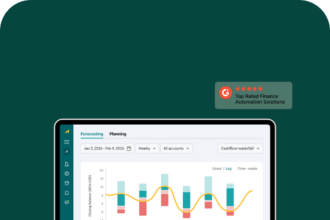

The following article is dedicated to the top Subscription Management Platforms that enable companies to facilitate recurring billing and automate payments, as well as manage customer subscriptions.
This selection is particularly important to reduce churn, monitor revenue metrics, track ARR and MRR, and ensure compliance.
Available in many sectors including Startups, SaaS, and Enterprises, these Platforms adapt to your business requirements.
Key Points & Best Subscription Management Platforms
| Platform | Key Point |
|---|---|
| Chargebee | Automates billing, invoicing, and revenue recovery |
| Zuora | Enterprise-grade subscription lifecycle management |
| Recurly | Advanced dunning and payment recovery tools |
| Pabbly Subscriptions | Affordable pricing with unlimited features |
| Stripe Billing | Seamless integration with Stripe payments |
| Chargify | Specialized in complex billing scenarios |
| FastSpring | Global SaaS and digital product subscriptions |
| Zoho Subscriptions | Part of Zoho ecosystem with CRM integration |
| SaaSOptics | Focus on B2B SaaS metrics and analytics |
| ProfitWell | Free subscription analytics and retention tools |
10 Best Subscription Management Platforms
1. Chargebee
Chargebee specializes in subscription billing and revenue management software catered towards SaaS, e-commerce, and digital enterprises.
Chargebee’s platform automates tasks such as recurring billing, dunning, tax management, revenue recognition, and subscription lifecycle workflows.
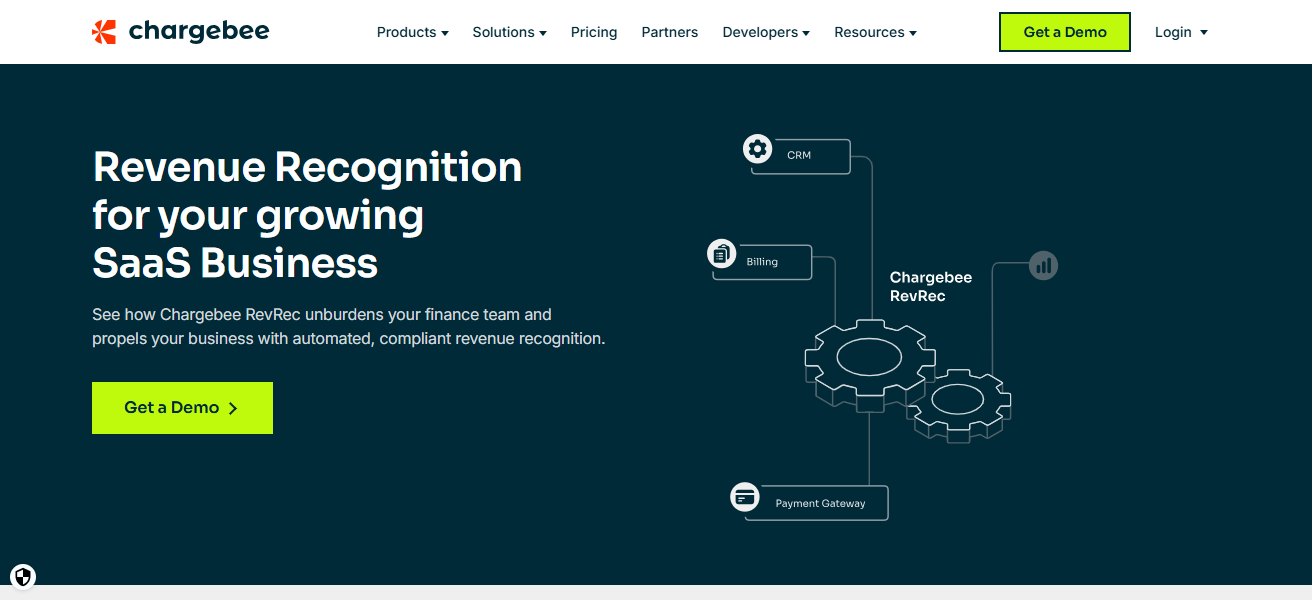
Its strong integration ecosystem (Stripe, PayPal, CRMs) and flexible pricing models help companies scale efficiently.
Chargebee is great at analytical performance and compliance, which is necessary for growing subscription businesses with the heavy automation and revenue detail requirements.
Features Chargebee
Recurring Billing & Invoicing: Subscriptions renew and forget about administrative hassles as billing cycles, proration, and grace renewals are automated.
Revenue Recognition: Facilitates compliant automation of revenue schedules to keep your financial reporting accurate and adherent to ASC 406/IFRS 15.
Subscription Lifecycle Management: From welcomes to cancellations, each touchpoint is orchestrated to to minimalize disengagement.
Integrations & Ecosystem: Excellent off-the-shelf integrations with payment systems (like Stripe and PayPal), CRMs and accounting, and analytics tools.
| Pros | Cons |
|---|---|
| Automates billing, payments, dunning, and revenue recognition | Can be expensive for advanced plans |
| Strong integrations with CRMs, payment gateways, accounting tools | Steeper learning curve for complex configurations |
| Scales well for growing SaaS and subscription businesses | Some deeper features require higher tier plans |
| Robust analytics and reporting | Setup may require technical support for large orgs |
2. Zuora
Zuora is for large, more complicated subscription brands, elite subscription management and monetization platform.
full subscription life cycle management, automated billing, payment processing, revenue recognition, and customer self services.
Zuora manages dynamically complex pricing, ERP/CRM deep integration, and worldwide enterprise tier forecasting. Its comprehensiveness makes it fit for complex, highly customizable sophisticated subscription, models.
Features Zuora
Enterprise Billing Engine: Super comprehensive, handles complicated pricing structures, usage billing, multi-currency, and global invoicing at enterprise scale.
Subscription Lifecycle Automation: Handles renewals, amendments, and switches (upgrades and downgrades) for automation of entire customer segment.
Revenue & Financial Ops: Automated deep revenue recognition and financial processes with integration to core ERP/CRM systems like Salesforce.
Flexible Pricing Configurations: Designed for enterprise consumption, supports tiered, blended, and other custom pricing for hybrid billing.
| Pros | Cons |
|---|---|
| Enterprise‑grade subscription and monetization platform | High cost, suited more for large companies |
| Supports complex pricing models and billing scenarios | Implementation can be lengthy |
| Deep integrations with ERP/CRM systems | Requires professional services for advanced setups |
| Strong forecasting and revenue management tools | Not ideal for small startups |
3. Recurly
Recurly is a subscription management and billing platform that is designed for SaaS and other digital goods that generate recurring business revenue.
It allows for the automation of invoicing, billing, dunning, and tracking monthly recurring revenue, and it supports complex pricing structures including tiered and usage-based pricing.
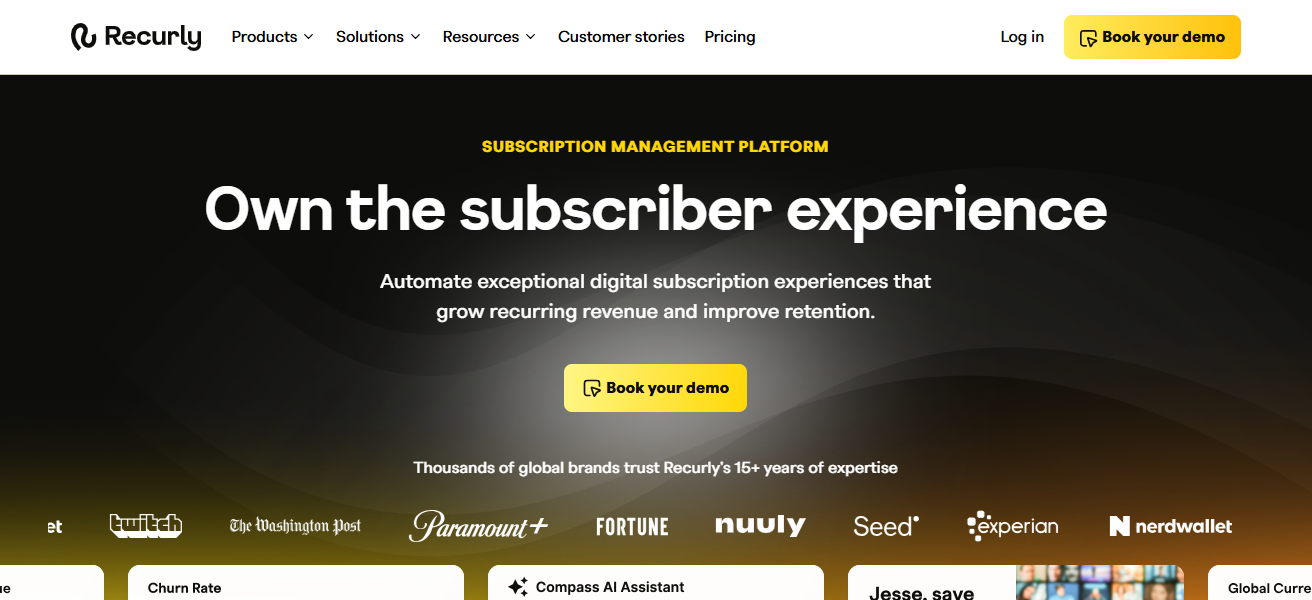
It is especially strong in optimizing churn and payment gateway flexibility, as well as analytics and recovering from failed payments. Recurly is easy to use, and very scalable for subscription businesses that are growing.
Features Recurly
Smart Dunning Management: Automated recovery of failed payments helps reduce churn and makes improvement in revenue retention.
Flexible Pricing Models: Supports subscription configurations with tiered, usage‑based, and volume pricing for varied offerings.
Payment Gateway Options: Integrates to various payment gateways for increased success at getting the requests approved.
Analytics & Reporting: Displays in real time MRR, churn, number of subscribers, and various other key metrics in dashboards.
| Pros | Cons |
|---|---|
| Flexible billing models (tiered, usage, quantity) | Costs can increase significantly with volume |
| Excellent dunning management and churn reduction tools | Some advanced features require add‑ons |
| Supports multiple payment gateways | Support responsiveness varies by plan |
| Good analytics and subscription insights | Less customizable than Stripe for developers |
4. Pabbly Subscriptions
As a small business or startup, Pabbly Subscriptions is a cost-effective subscription management service.
The platform is capable of automating billing for subscriptions, creating plans, invoicing, proration, and allowing customers to self‑serve, all without intensive technical configurations.
Because of its ability to connect to different prpayment processors and its different pricing plans, businesses can be able to start subscriptions easily.
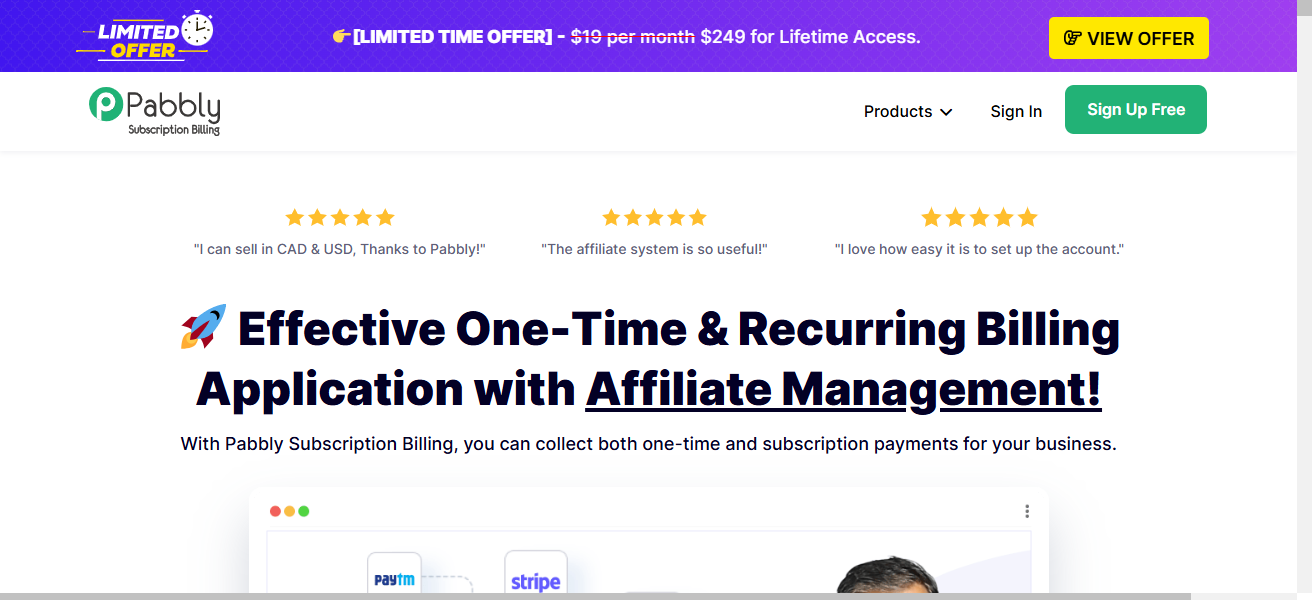
Pabbaby is a great choice for companies who want to automate processes withouth the enterprise problems because of its simplicity and pricing. (general industry info)
Features Pabbly Subscriptions
Basic Recurring Billing: Basic subscription billing which includes creation of plans, proration, and automatic renewal cycles.
Multiple Payment Gateways: Flexible payment acceptance is available through popular gateways such as Stripe and PayPal.
Affordable Pricing: Ideal for small businesses and startups as it is a low cost product with the necessary tools.
Customer Portal: Self-service features allow and ease customers in managing their subscriptions, upgrading plans, and cancelling.
| Pros | Cons |
|---|---|
| Affordable subscription billing tool | Limited advanced features compared to enterprise tools |
| Easy setup with essential automation | Fewer integrations than bigger platforms |
| Proration, trials, and multi‑plan support included | Not ideal for complex pricing requirements |
| Good value for small businesses | Smaller user community and ecosystem |
5. Stripe Billing
Stripe expanded their payment processing capabilities with subscription billing functionality as well as billing management tools.
Offering flexible APIs, custom invoices, proration, trial management, and billing based on usage. Developer-centric teams appreciate its deep API integrations, payment facilitation worldwide, and connection with other tools in the payment ecosystems.
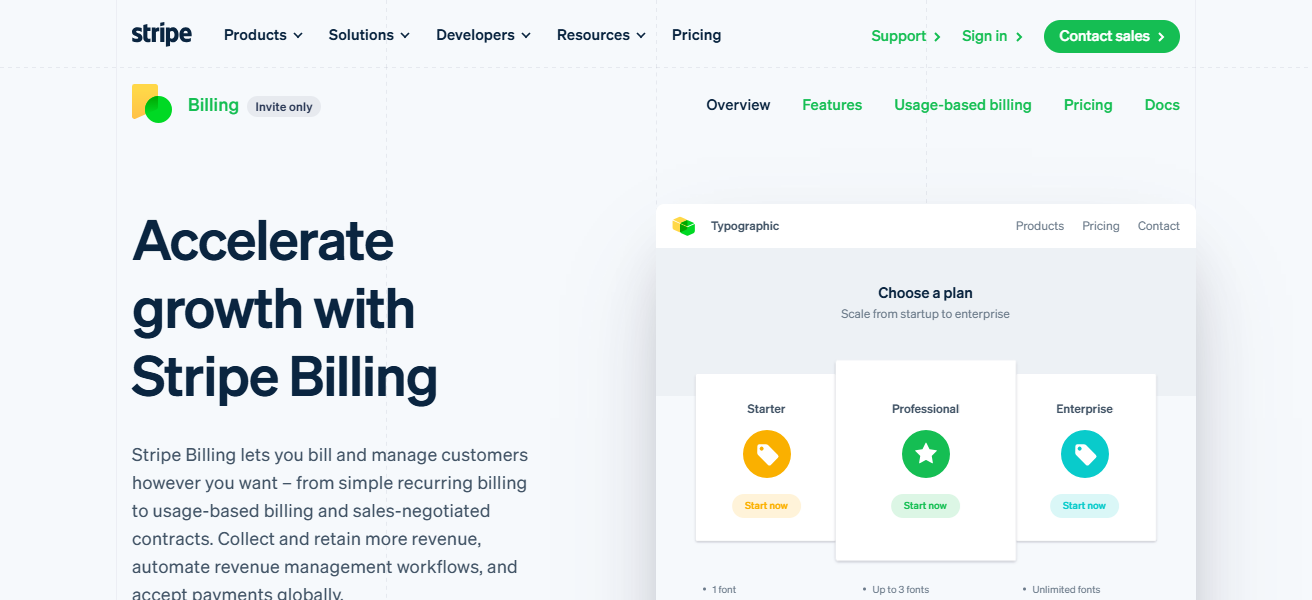
For startups and online businesses already using Stripe for payment processing, Billing Stripe is the perfect solution for the foundation of a scalable subscription management at Stripe.
Features Stripe Billing
API‑First Billing Platform: Custom subscription logic and workflows can be created by devs with the use of powerful APIs.
Global Payments & Currencies: Payment acceptance is available worldwide with the incorporation of balance and compliance to currencies.
Flexible Billing Options: Allows various billing methods such as usage-based billing, flat-fee billing, trial billing, and other metered billing options.
Integrated Stripe Suite: Integrates with other Stripe features such as Payments, Tax, Radar for fraud, and Invoicing, smoothly.
| Pros | Cons |
|---|---|
| Deep API for custom billing and workflows | Requires developer expertise to customize |
| Excellent global payment support | Not a plug‑and‑play full subscription suite |
| Integrates seamlessly with Stripe payments | Some advanced subscription features need coding |
| Scales with business growth | No native CRM or revenue recognition tools |
6. Chargify
Chargify specializes in subscription billing software for B2B SaaS firms with intricate pricing requirements.
It offers usage-based billing, automated recurring payment processing, advanced revenue recognition, churn management, and analytics.
Chargify, businesses can optimize subscription management, automate billing and payment workflows, and analyze financial performance.
Chargify is particularly suitable for mid-tier SaaS companies needing flexible billing solutions for complex pricing strategies. (industrial competitors context)
Features Chargify
Complex Pricing Support: Designed for SaaS Pricing models.
Automated Billing Workflows: Automatically handles recurring invoices, upgrades, downgrades, and cancellations.
Customer & Revenue Insights: Robust churn analytics, MRR movement reporting and lifecycle health analytics.
Customer & Revenue Insights: Customer Insights and Revenue Insights provide detailed churn analytics, MRR movement reporting and lifecycle health analytics.
Dunning & Retention: Best strategies to recover customer revenue.
| Pros | Cons |
|---|---|
| Great for complex SaaS pricing logic | Premium pricing makes it less budget‑friendly |
| Strong automated billing workflows | Best suited for SaaS—less general ecommerce use |
| Detailed subscription analytics | Advanced features can be overwhelming at first |
| Supports usage‑based and hybrid pricing | Onboarding can take time |
7. FastSpring
FastSpring is an e‑commerce and subscription management platform specializing in software, digital products, and SaaS businesses.
They operate as a Merchant of Record and do payment processing, tax compliance, global billing, and fraud prevention.

They also offer subscription management where customers can trials and have proration with automated renewal.
Their business can sell anywhere in the world with little management of tax and compliance regulations. They streamline revenue operations.
Features FastSpring
Fraud & Risk Management: Built in protections to secure revenue and transactions.
Merchant of Record (MoR): Manages compliance, tax, invoicing, and payment acceptance for you globally.
Global Tax & Regulatory Compliance: Automatically computes tax and VAT on cross-border transactions.
Hosted Checkout & Subscriptions: Provides configurable checkout options designed for digital products.
| Pros | Cons |
|---|---|
| Acts as Merchant of Record for global sales | Higher transaction fees than self‑managed systems |
| Handles tax compliance and fraud prevention | Less flexible customization than API‑first solutions |
| Simplifies global checkout and subscriptions | May not fit businesses wanting full control |
| Great for digital products and software | Limited internal billing engine features |
8. Zoho Subscriptions
Zoho Subscriptions automates and streamlines everything involved in recurring billing for small and mid-sized companies.
It allows for automated billing in terms of creation of new subscriptions, proration, dunning, and billing across multiple currencies, and integrates with other tools, including, but not limited to, Zoho Books and Zoho CRM.
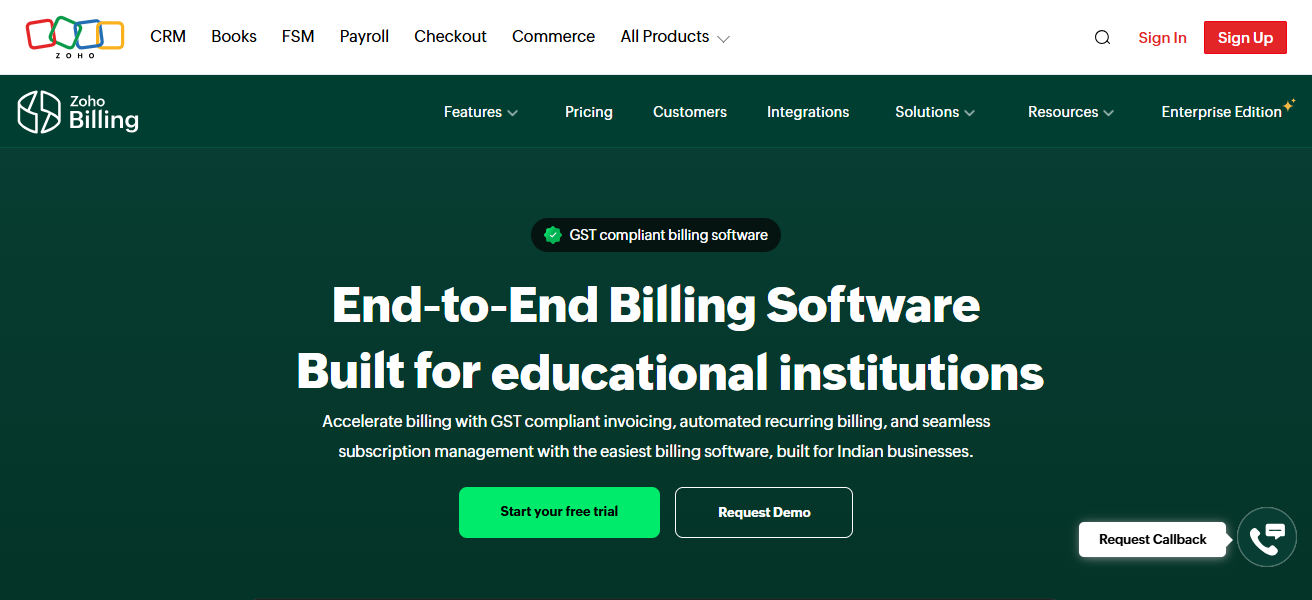
It is also quite affordable, which allows startups to use the software. The user interface is also quite simple to use.
It is a great choice for businesses that already use various tools in the Zoho suite and need to have fundamental automated billing.
Features Zoho Subscriptions
Recurring Billing Automation: Designs subscription models, automates renewals, and proration.
Multi‑Currency Support: Issues invoices to customers in their preferred country.
Zoho Ecosystem Integration: Collaborates with other Zoho products like CRM, Books, Analytics for seamless workflows.
Customer Self‑Service: Customers can manage their own subscriptions and view their billing history.
| Pros | Cons |
|---|---|
| Affordable and easy to use | Not as feature‑rich as enterprise tools |
| Integrates well with Zoho CRM, Books | Reporting capabilities can be basic |
| Supports multi‑currency and automated billing | Smaller ecosystem of extensions |
| Good for small & mid‑sized companies | Limited advanced analytics |
9. SaaSOptics
SaaSOptics, a part of Maxio, is a financial operations platform and subscription management tool focused on SaaS companies.
It automates financial operations, including billing, revenue recognition, and reporting, and tracks financial metrics (e.g., MRR, ARR) and provides visibility into compliance and performance.

SaaSOptics streamlines financial workflows and helps companies manage customer lifecycles with forecasting and revenue reporting across a single sales-finance integrated platform.
Features SaaSOptics
Revenue Recognition Engine: Schedules revenue automations compliant with accounting standards.
Subscription Analytics: Monitors various metrics of subscription services like ARR, MRR, churn, and customer lifetime value.
Financial Dashboards & Reporting: Provides reports to finance teams for actionable strategies and operational compliance.
Billing System Integration: Centralizes operations with billing systems like Stripe, Chargebee, and Recurly.
| Pros | Cons |
|---|---|
| Excellent for SaaS financial ops and metrics | Not a complete billing engine by itself |
| Automates revenue recognition & reporting | Requires integration with billing tools |
| Great visibility into MRR/ARR and churn | Pricing can be high for smaller teams |
| Helps finance teams manage compliance | Limited direct customer billing features |
10. ProfitWell
ProfitWell focuses on understanding KPIs (churn, MRR, customer lifetime value) in order to help businesses with subscription analytics and revenue optimization.
It provides analytics, dashboards and retention insights to facilitate data-driven decisions and optimize prices.
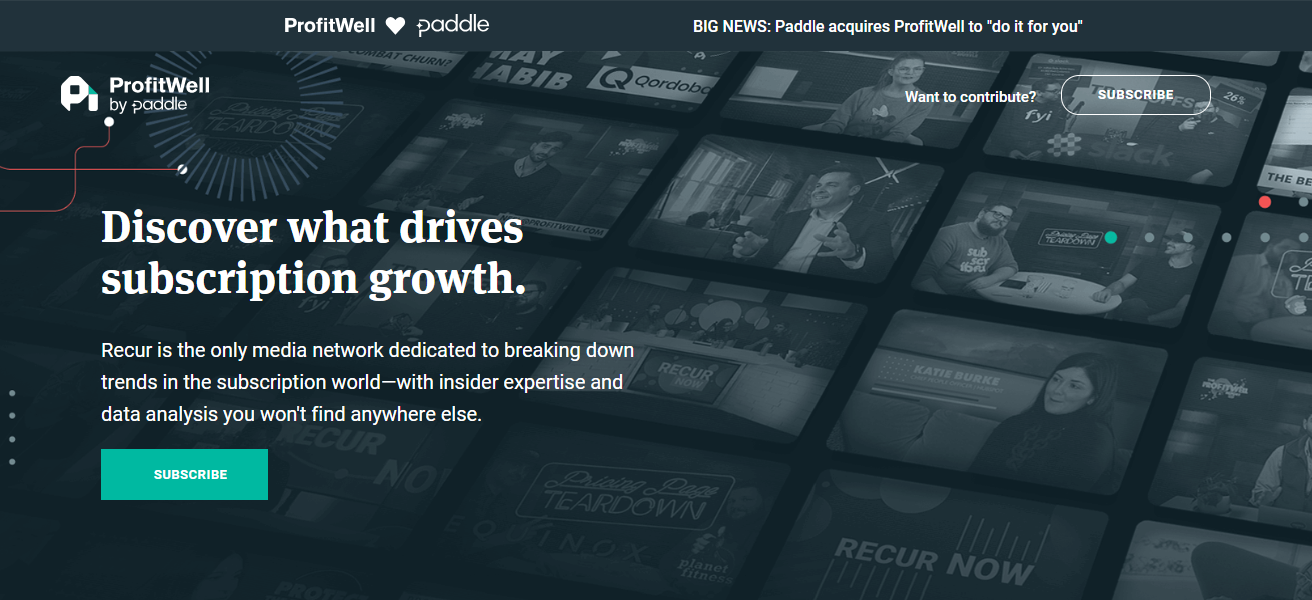
ProfitWell is not a full billing engine, but works with all of the major billing systems to improve subscription analytics dashboards and reduce churn with actionable insights. This might be the best tool for teams focused on growth and retention.
Features ProfitWell
Subscription Analytics: Monitors changes in MRR, churn, ARR, LTV, among other MRR related metrics without manual input.
Retention & Churn Insights: Assist in investigating the reasons your customers abandon ship and how to fix it to improve your retention rates.
Pricing Optimization Tools: Recommendations to improve the effectiveness of your pricing and packaging are derived from the data.
Integrates with Billing Platforms: Operates in conjunction with billing systems, supplementing your business decisioning and analytics.
| Pros | Cons |
|---|---|
| Data‑driven subscription analytics and KPIs | Does not perform actual billing transactions |
| Helps optimize pricing and reduce churn | Must integrate with other billing systems |
| Excellent churn and retention insights | Limited customization beyond analytics |
| Focused on growth metrics and forecasting | Valuable mainly for analytics, not billing |
How We Choose Best Subscription Management Platforms
Size and Stage of Business – From a Start-up perspective, it would be much more beneficial to have cheap and more simplified software, while big corporations would need more expensive and complex software.
Billing Sophistication – The available models would be flat, tiered, usage, and hybrid billing which should be looked at for choice.
System Connections – The platform should be customizable to include your CRM, payment systems, and any accounting and analysis tools.
Workflows and Automation – Fully automated billing, dunning processes, renewals, and revenue recognition would be good to have.
Retrospective and Analysis – Well-constructed dashboards for tracking metrics such as monthly recurring revenue, churn rate, and lifetime value and any growth metric.
Safety and Compliance – Global tax, PCI, and GDPR compliance should be supported.
Return of Investment & Costs – The most important part of the costing involved would be the subscription price and the probable revenue the platform could optimize.
Cocnlsuion
To sum up, using the right subscription management platform is essential to successfully manage billing, minimize churn, and analyze revenue and customer behavior.
Chargebee, Zuora, and Recurly are good choices for enterprises and Pabbly & Zoho Subscriptions are good for startups.
Businesses will be able to maximize their recurring revenue and manage subscriptions effortlessly after analyzing the features, costs, and integrations.
FAQ
It is software that automates billing, payments, invoicing, and customer lifecycle management for recurring revenue businesses.
To reduce manual work, prevent revenue leakage, track metrics like MRR/ARR, and improve customer retention.
Pabbly Subscriptions and Zoho Subscriptions are affordable, easy to use, and ideal for small businesses.
Zuora and Chargebee provide enterprise-grade features, complex pricing support, and robust integrations.
Yes, most platforms like Stripe Billing, FastSpring, and Chargebee support multi-currency billing and international payment gateways.