I am going to cover the Best AI Agents for Supply Chain and Logistics Management and examine how these sophisticated tools are changing the game for advanced operations.
You will be able to see how the top tools streamline demand forecasting and the logistics optimizer, improve tracking, and lower costs for operations.
You will see the most advanced tools on the market that are helping businesses transform their supply chain to be faster, smarter, and more resilient.
Key Poinst & Best AI Agents for Supply Chain and Logistics Management
| AI Agent / Platform | Specialization |
|---|---|
| SAP | AI-driven demand forecasting, planning, inventory optimization |
| Oracle SCM Cloud | Predictive supply chain analytics, procurement automation |
| Blue Yonder | Autonomous supply chain planning, demand sensing |
| Manhattan Associates | Warehouse & transportation optimization |
| IBM Sterling Supply Chain | AI-based risk detection & supply chain visibility |
| Microsoft Dynamics 365 | AI copilots for inventory, forecasting, and operations |
| Google Cloud | AI logistics optimization using Vertex AI |
| project44 | Real-time shipment tracking & predictive ETA |
| FourKites | Live logistics tracking & delay prediction |
| Kinaxis | Rapid scenario simulation & supply chain planning |
10 Best AI Agents for Supply Chain and Logistics Management
1. SAP
SAP is a leader in AI-based supply chain planning with its Integrated Business Planning (IBP) solution. It employs machine learning for better demand predictions, inventory levels, and production schedules.
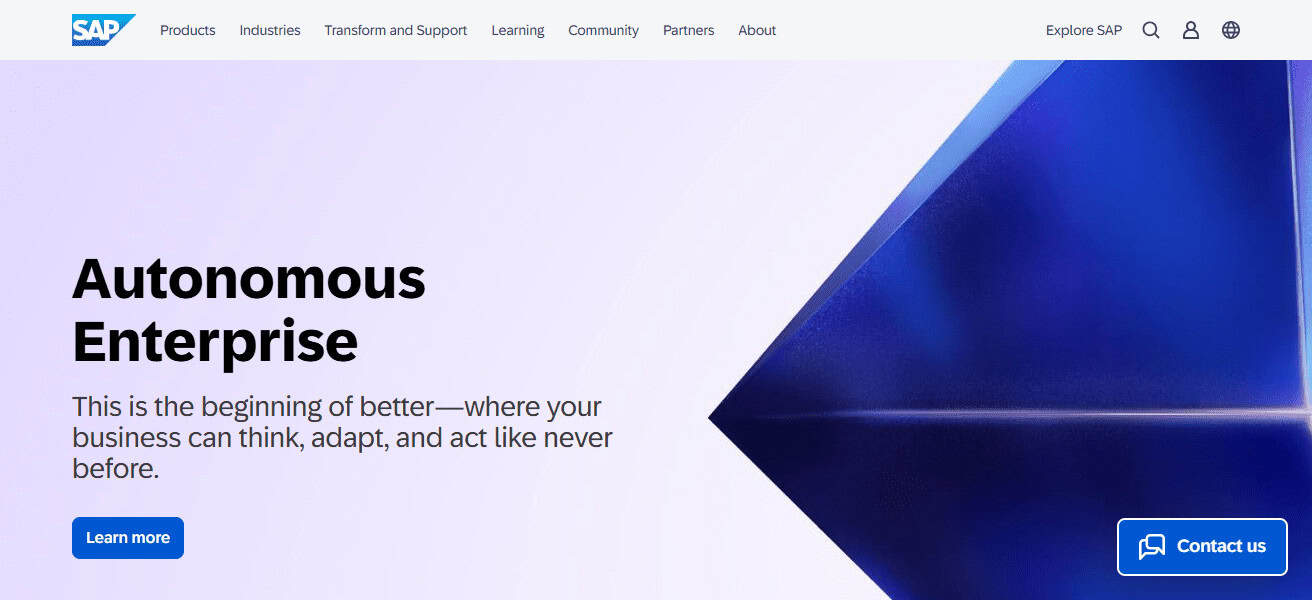
With the latest updates, SAP has incorporated generative AI copilots, which simulate business disruptions, assist in optimizing logistics, and help improve the visibility of global supply chains in order to facilitate swift and informed decisions.
2. Oracle SCM Cloud
Oracle SCM Cloud applies AI in its procurement, logistics, and order management. It brings predictive analytics to the supply chain, offering risk automation and management process flow.
Among its more recent updates are demand sensing and order fulfillment optimization, and automation.
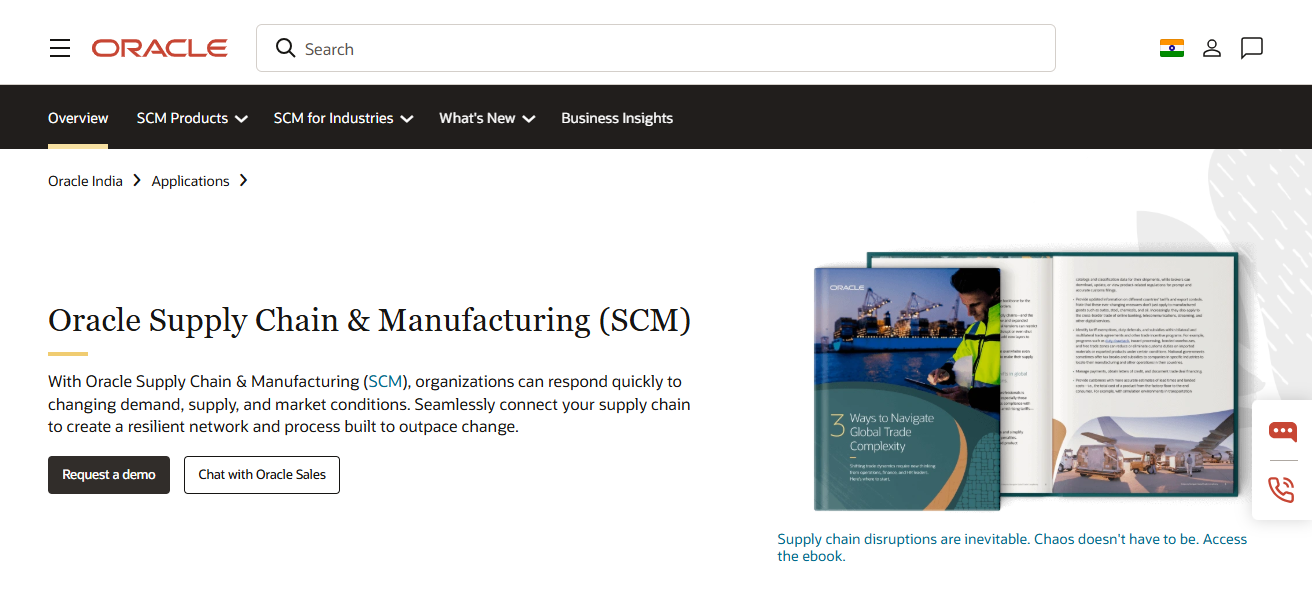
These features assist businesses in lessening supply and demand-related delays and improve the agility of business operations with suppliers amid global disruptions.
3. Blue Yonder
As an AI-first autonomous supply chain platform, Blue Yonder has truly revolutionized this space. With applications in demand planning, inventory management, and warehouse process automation
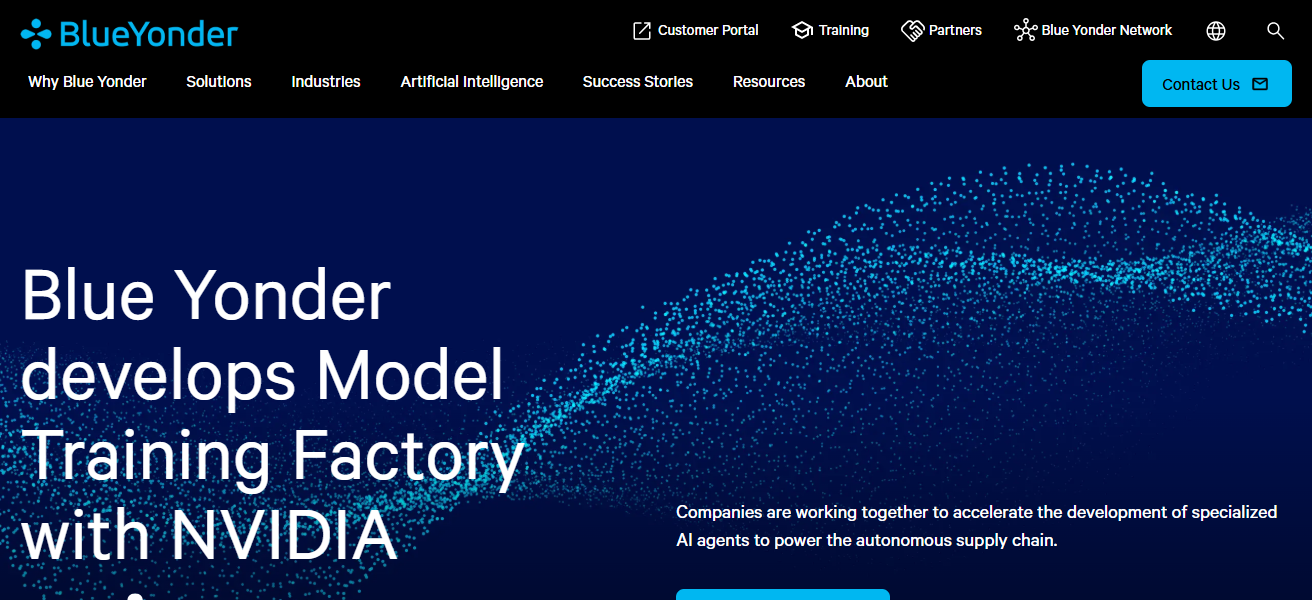
Blue Yonder has truly excelled its cognitive engine to the extent that it enables the modeling of supply chain scenarios with real-time adjustments to logistics. This innovation has helped many companies improve their efficiency while reducing waste.
4. Manhattan Associates
Manhattan Associates specializes in developing warehouse and transportation management tools. These tools, fused with AI, help manufacturers and retailers simplify their fulfillment processes through automation and prediction.
Its newest additions enhance omnichannel and real-time synchronization of inventory, allowing consumers to fulfill their orders more quickly
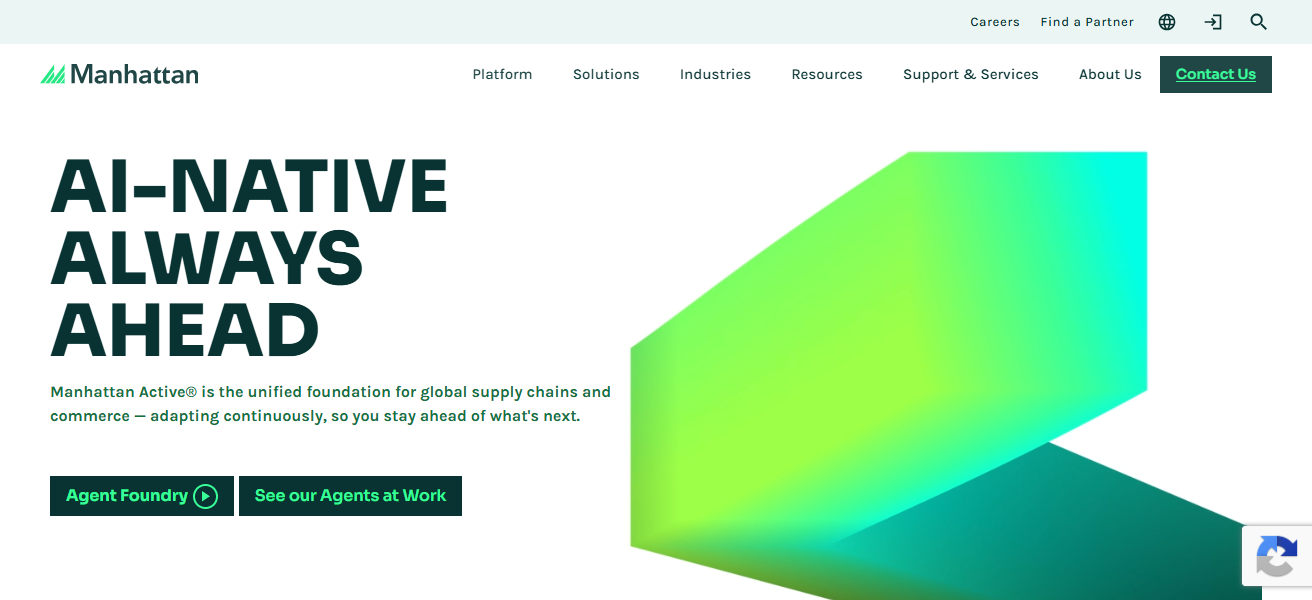
While reducing the costs of logistics and improving customer satisfaction for distribution and retail across the globe.
5. IBM Sterling Supply Chain
IBM Sterling Supply Chain uses AI to make modern supply chains easier to manage and more resilient. It is capable of identifying interruptions and then deciding on and executing remedial actions on its own via cognitive functions.
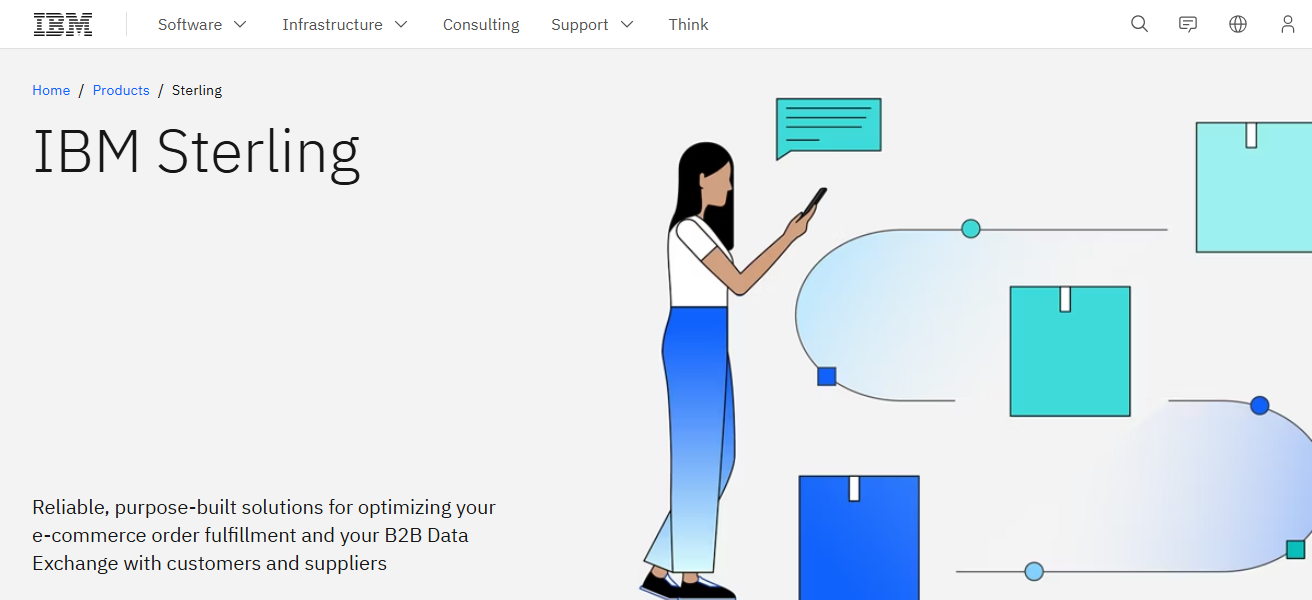
The latest AI advancements within the product include the development of predictive supplier risk scores and the automation of intelligent workflows, which help build supply chains that are less risky, more resilient, and more open.
6. Microsoft Dynamics 365
When you use Microsoft Dynamics 365 Supply Chain Management, you will experience AI-assisted improvement within forecasting, inventory management, and the optimization of production scheduling.
The Use of the new AI tools will enable users to ask questions with direct natural language and, in turn, bring about the answer more rapidly because of the predicted insights.
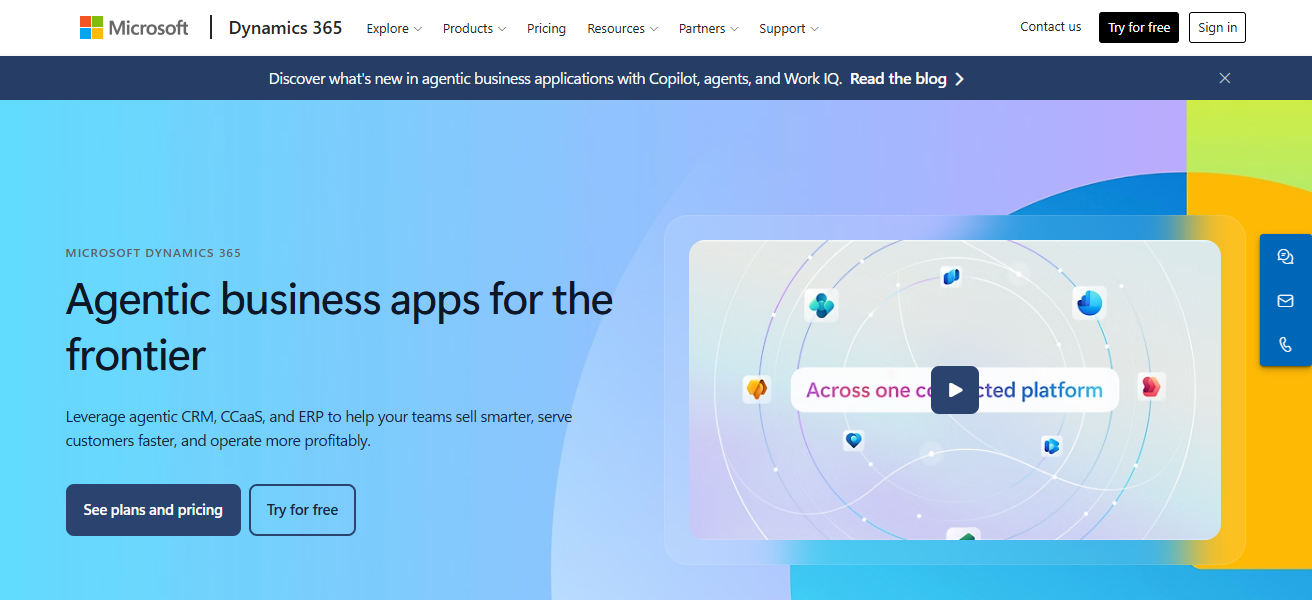
For those companies engaged in supply chain digital transformation, MS Dynamics 365 offers real-time insights, automated inventory reordering, and supply chain movement optimization, which, in turn, greatly simplifies the overall supply chain operations.
7. Google Cloud
Google Cloud is focused on logistics, routing, and demand forecasting optimization by using Vertex AI and other analytics tools.
Via its AI products, Google Cloud brings predictive and integral supply chain data management functionalities to its customers.
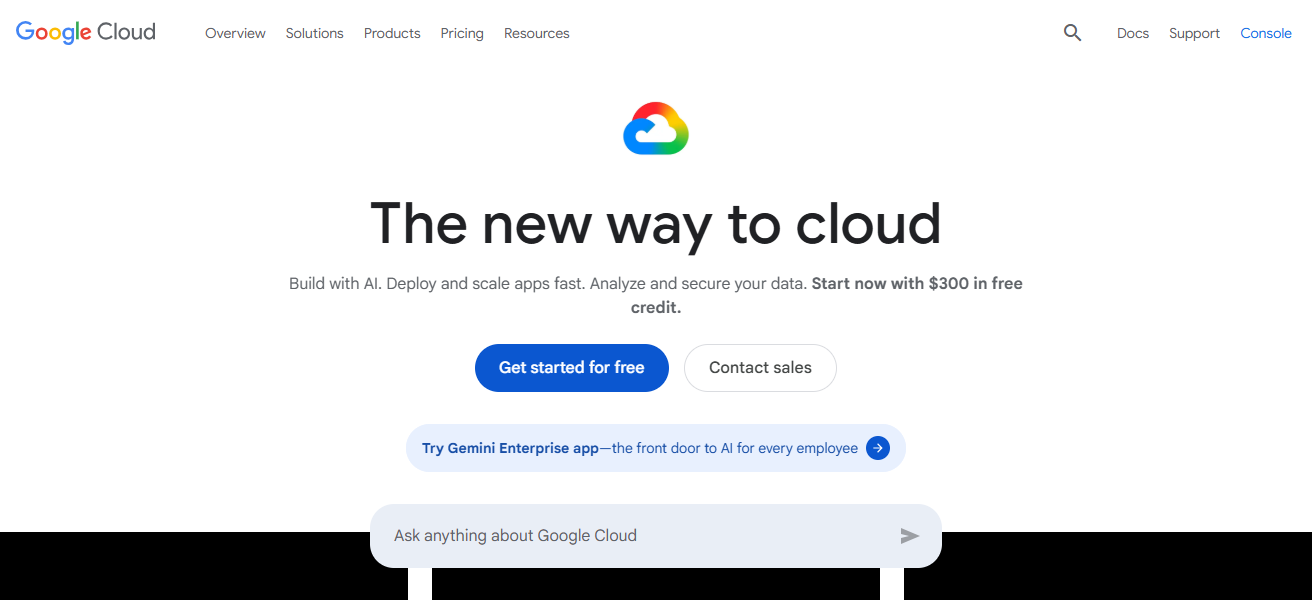
Improved flexibility of operations has been brought about by Google Cloud, and this flexibility comes along with the reduction of costs for transportation and inventory on a worldwide scale.
Further improvement of operations may be possible through the ability of Google Cloud to quickly and automatically create and run numerous supply chain planning scenarios using its Generative AI capabilities.
8. Project44
project44 deploys AI-powered predictive analytics to provide real-time visibility and transparency into global logistics networks.
The company tracks shipments from origin to destination and predicts shipment delays before they happen. The newest developments are ETA predictive models and automated exception management
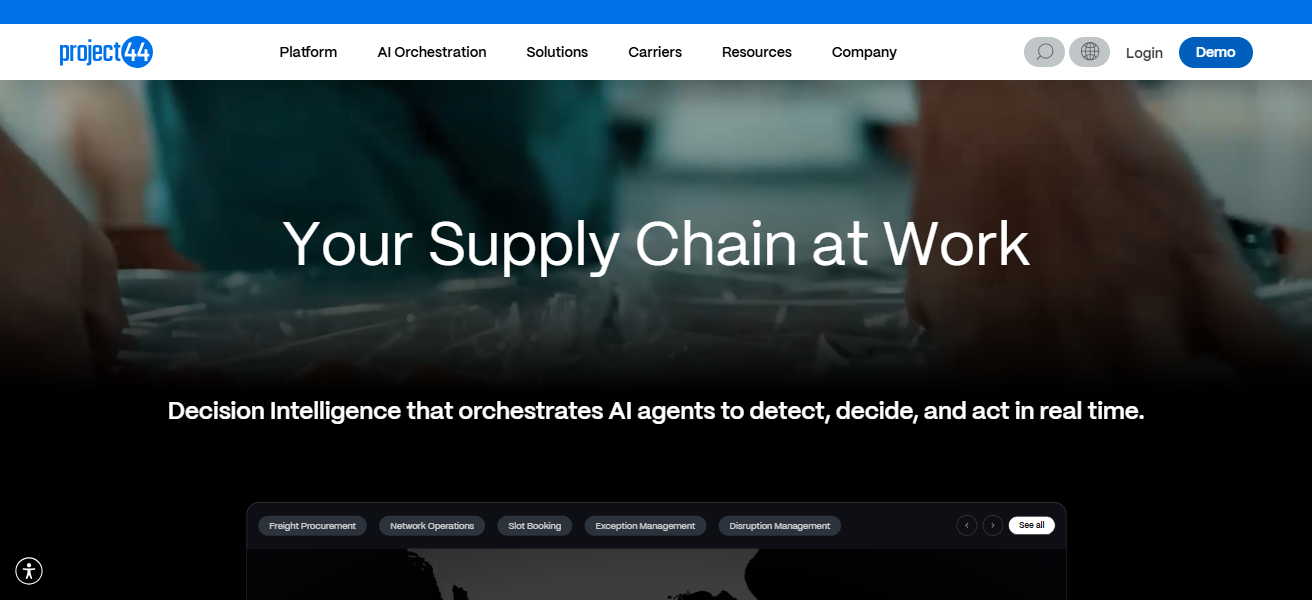
Which improves a company’s ability to fulfill key delivery requirements and manage the level of predictability in a company’s supply chain, even in the midst of international shipments and complex supply chain challenges.
9. FourKites
FourKites delivers real-time visibility to the supply chain and predictive logistics intelligence. The company leverages AI to offer real-time freight delivery estimates.
The newest updates to the platform are dynamic risk alerts and delay predictions powered by predictive machine learning.
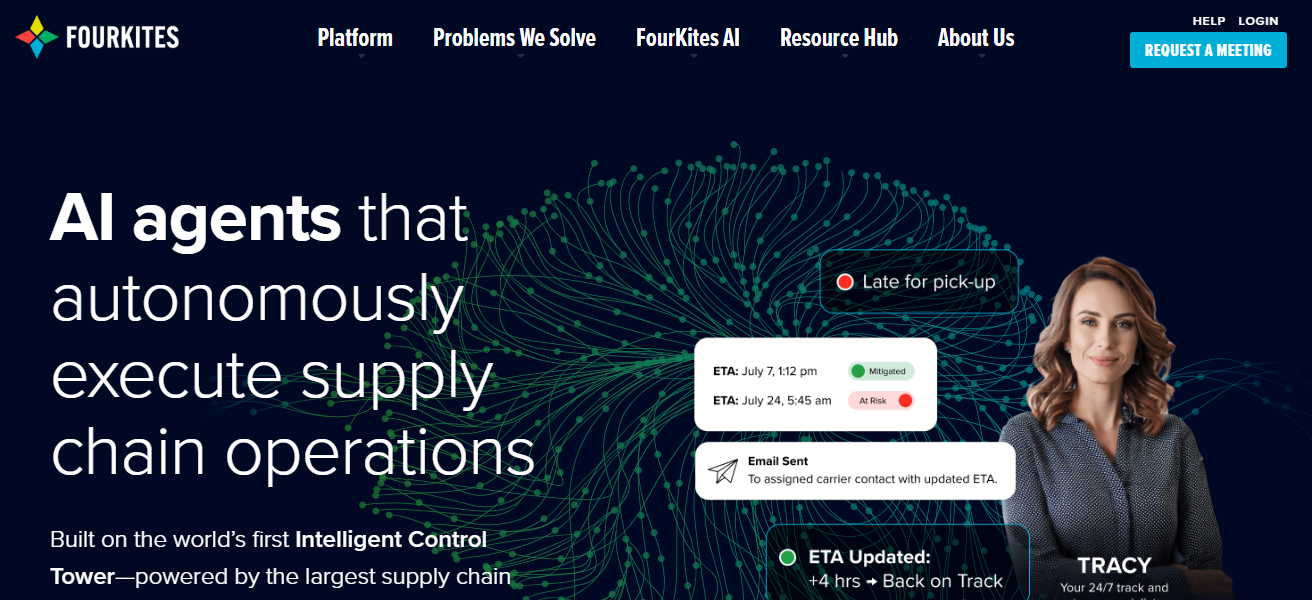
This enables companies to offer more reliable delivery services to engineering and supply chains in global transportation systems.
10. Kinaxis
Kinaxis delivers the capability of rapid, AI-driven concurrent planning. The latest developments enable companies to mitigate supply chain disruptions by offering real-time assessment of delivery risk and outcomes for numerous supply chain scenarios.
The latest updates allow companies to operate more flexibly, with lower risk, and more predictable supply operations in the face of unpredictable demand.
AI Supply Chain & Logistics Platforms Comparison Table
| Platform | Key Features | AI Strength | Pricing Level |
|---|---|---|---|
| SAP | Demand planning, IBP, inventory optimization, ERP integration | Very High — predictive forecasting + generative AI copilots | Very High (Enterprise) |
| Oracle SCM Cloud | Procurement automation, order management, risk analytics | Very High — demand sensing + predictive supply optimization | Very High (Enterprise) |
| Blue Yonder | Autonomous planning, warehouse automation, demand forecasting | Extremely High — AI-native autonomous supply chain engine | Very High (Enterprise) |
| Manhattan Associates | Warehouse management, omnichannel fulfillment, transport optimization | High — real-time optimization & predictive logistics | High (Enterprise) |
| IBM Sterling Supply Chain | Risk detection, supplier visibility, workflow automation | Very High — cognitive AI + predictive disruption alerts | Very High (Enterprise) |
| Microsoft Dynamics 365 | Inventory control, forecasting, production planning, Copilot AI | High — generative AI + natural language insights | High (Enterprise/Mid) |
| Google Cloud | Logistics analytics, routing optimization, demand forecasting | Very High — Vertex AI + large-scale predictive modeling | High (Usage-based Enterprise) |
| project44 | Real-time tracking, ETA prediction, shipment visibility | High — strong predictive ETA + anomaly detection | Mid to High (Enterprise SaaS) |
| FourKites | Freight tracking, delivery predictions, risk alerts | High — ML-based delay prediction & live tracking | Mid to High (Enterprise SaaS) |
| Kinaxis | Scenario planning, real-time simulations, rapid response planning | Very High — concurrent AI planning engine | Very High (Enterprise) |
Conclusion
In Closing, we can see how the Best AI Agents for Supply Chain and Logistics Management are reshaping the planning, operation, and delivery components of the global market, making them most efficient.
SAP, Oracle, and Blue Yonder focus on improving forecasting and automation within their respective systems. Project44 and FourKites provide the most accurate visibility and tracking solution.
These AI innovations decrease supply chain costs and delays, and build resilience within the modern marketplace, creating supply chains that are quick, intelligent, and flexible.
FAQ
What are AI agents in supply chain management?
AI agents are intelligent systems that analyze data, predict demand, and automate logistics decisions to improve efficiency.
Which is the most powerful AI supply chain platform?
SAP and Blue Yonder are among the most advanced for enterprise-grade planning and automation.
How does AI improve logistics operations?
AI improves routing, reduces delivery delays, predicts disruptions, and optimizes inventory and warehouse management in real time.
Is AI useful for small businesses in the supply chain?
Yes, cloud tools like Microsoft Dynamics 365 and Google Cloud offer scalable AI solutions for smaller firms.