This article examines the Highly Regulated Crypto Exchange in Europe and identifies the safest exchanges maintaining the strict regulations in Europe.
We will analyze the platforms’ regulations and security, their offered trading features and corresponding fees, and their protections for investors. In the guide, you’ll be able to find the most secure and the most regulated crypto exchange in 2026 for your crypto investments.
What Is a Regulated Crypto Exchange?
Regulated crypto exchanges comply with trading laws set by governing bodies. They must abide by KYC and AML requirements, as well as regulations set for security and consumer protection.
Regulation increases the safety and reliability of trading digital assets, storage, and services. Because funds are at a much lower risk of being lost because of regulation, they also more readily encourage users to trade through their services.
Key Points & Highly Regulated Crypto Exchange In Europe In 2026
| Crypto Exchange | Explanation |
|---|---|
| Binance Europe | Leading exchange offering extensive cryptocurrency services under evolving European regulatory frameworks. |
| Kraken | Highly secure platform complying with European regulations and offering advanced trading features. |
| Bitstamp | One of Europe’s oldest exchanges with strong regulatory compliance and transparency standards. |
| Coinbase Europe | Regulated exchange providing user-friendly cryptocurrency trading and secure asset management services. |
| Bitpanda | Austrian platform offering regulated crypto investing, stocks, and precious metals trading. |
| Crypto.com | European-compliant exchange featuring diverse cryptocurrencies, staking, and secure payment solutions. |
| OKX Europe | Expanding regulated operations across Europe with advanced trading and DeFi integration. |
| Gemini | Security-focused exchange adhering to strict compliance requirements and institutional-grade protections globally. |
| Coinmerce | Netherlands-based regulated platform providing simple cryptocurrency trading for European investors safely. |
| WhiteBIT | European cryptocurrency exchange emphasizing regulatory compliance, liquidity, and secure trading services. |
10 Highly Regulated Crypto Exchange In Europe In 2026
1. Binance Europe
As of 2026, Binance Europe is one of the largest cryptocurrency exchanges for European investors. Binance has made serious efforts to become more transparent and friendly to investors by bolstering their compliance to the European Union’s Markets in Crypto-Assets (MiCA) regulations.
Binance has hundreds of cryptocurrencies available, as well as, spot and futures with the option to utilize staking. They also have beginner and advanced tools for trading.

Binance provides educational resources, upgraded identity verification, and security improvements, such as, multi-factor authentication and cold storage. Its liquidity and low trading fees draws in thousands of European investors who want varying opportunities in digital assets.
Binance Europe – Pros & Cons
| Pros | Cons |
|---|---|
| Offers one of the largest selections of cryptocurrencies in Europe. | Some advanced features can overwhelm beginners. |
| High liquidity ensures fast order execution and tight spreads. | Regulatory changes occasionally affect service availability in certain countries. |
| Competitive trading fees compared with many major exchanges. | Customer support response times can vary during peak periods. |
| Supports staking, futures, and multiple earning products. | Extensive verification requirements for higher account limits. |
| Strong security with cold storage and two-factor authentication. | Certain products may not be available across all EU regions. |
2. Kraken
By 2026, Kraken is one of the best regulated and trusted crypto exchanges in Europe. Kraken is well known for their safety and security. Kraken keeps most of their customer’s assets offline and routinely has third-party security evaluations.
Kraken is actively continuing to grow their services in Europe and complying with MiCA and other regional required financial regulations.
Kraken offers many trading and investing options to both retail customers and institutions, including futures, staking, and advanced tools for trading. All of this combined makes Kraken a favored choice among European cryptocurrency investors.
Kraken – Pros & Cons
| Pros | Cons |
|---|---|
| Excellent reputation for security and regulatory compliance. | Trading interface can seem complex for first-time users. |
| Transparent fee structure with advanced trading tools. | Supports fewer cryptocurrencies than some competitors. |
| Offers institutional-grade custody and staking services. | Instant purchase fees can be relatively high. |
| Strong customer support and educational resources. | Some advanced products have geographical restrictions. |
| Regular proof-of-reserves and security audits. | Mobile app features are slightly limited for professionals. |
3. Bitstamp
As one of the oldest cryptocurrency exchanges in Europe, Bitstamp has earned its status as one of the most reputable exchanges in the industry.
They have taken their time to grow and improve their product. They have prioritized safety and longevity in their practices over aggressive tactics. Bitstamp has a store front that employs the trust of their customers.
They have developed a site that runs faster and more securely to handle the traffic of larger institutional customers. They have developed a more secure and stringent account verification system in order to comply with the European financial regulations.
Bitstamp is a great option for more risk averse investors who would like to invest in digital assets, given the secure and well upheld regulations of the site.
Bitstamp – Pros & Cons
| Pros | Cons |
|---|---|
| One of Europe’s oldest and most trusted exchanges. | Limited selection of cryptocurrencies compared with larger platforms. |
| Strong compliance and investor protection standards. | Fewer advanced trading products and DeFi features. |
| User-friendly interface suitable for conservative investors. | Trading fees can be higher for low-volume traders. |
| Excellent reputation for reliability and transparency. | Limited staking opportunities compared with competitors. |
| Institutional-grade infrastructure and security systems. | Fewer promotional rewards and incentive programs. |
4. Coinbase Europe
Coinbase Europe is another heavily used cryptocurrency site by retail investors and is one of the more beginner friendly sites. Coinbase is a more simple to use exchange that has adequate security, is well regulated, and has a great deal of educational and beginner resources.
Coinbase has been improving their European services, complying more closely with MiCA regulations, and improving their safety protocols.

Customers can trade most major cryptocurrencies from their site, and with their site upgrade, they have begun to offer more advanced trading and reward features, like staking, through a new service, Coinbase Advanced.
Coinbase has a great deal of security measures in place and a better than average transparency record, making them a great option for the more institutional customers.
Coinbase Europe – Pros & Cons
| Pros | Cons |
|---|---|
| Extremely beginner-friendly and easy-to-use platform. | Trading fees are higher than many competitors. |
| Strong regulatory compliance and security protections. | Limited advanced features on the standard platform. |
| Offers educational content and crypto rewards programs. | Customer support occasionally experiences long wait times. |
| Secure custody solutions for retail and institutional users. | Some cryptocurrencies are unavailable in certain regions. |
| Simple fiat deposits and withdrawals across Europe. | Advanced tools require switching to separate trading interface. |
5. Bitpanda
Having integrated trading cryptocurrency with stocks, ETFs, and precious metals, Bitpanda has positioned itself as one of the biggest multi-asset investment platforms in Europe. As a compliant and protective platform, the headquarters in Austria allows the company to take full advantage of the regulations in their country.
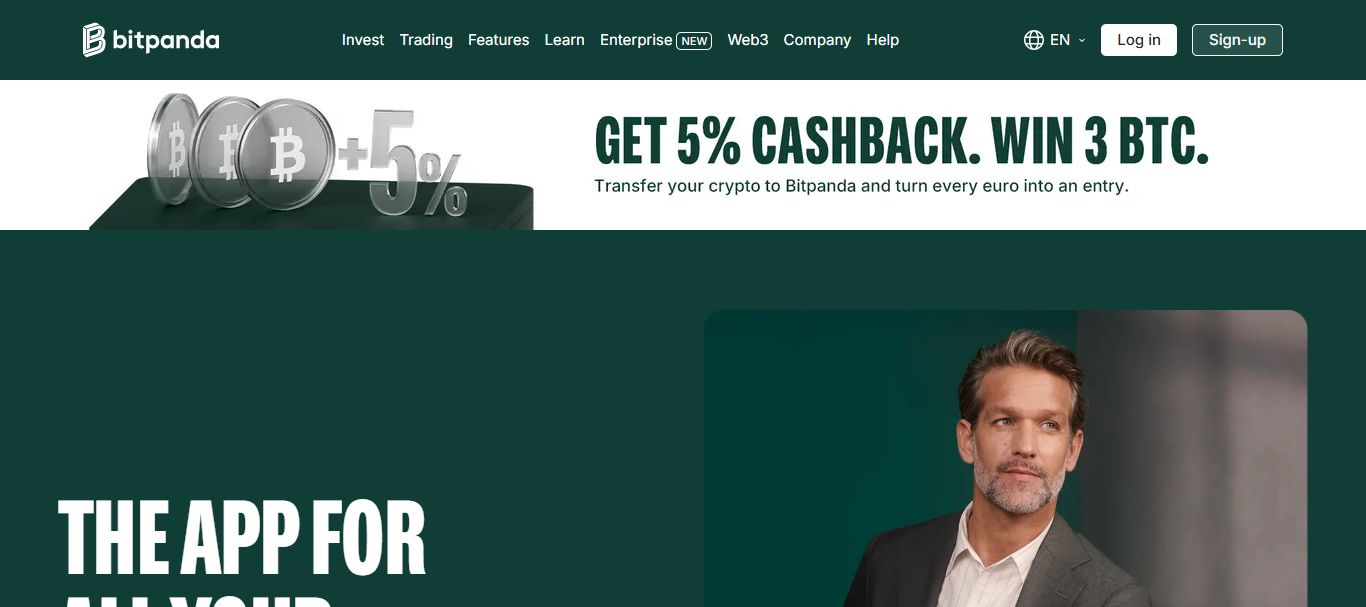
By 2026, BitPanda utilizes an easy-to-navigate system for investors to diversify portfolios using more automated savings tools. The company has developed fractional investments and provides users the option to secure their funds for investments.
With an elevated level of service, readily available (minimum of three times a week) assets, and a focus on UCITS (regulated) products, BitPanda has become a prioritized investment platform.
Bitpanda – Pros & Cons
| Pros | Cons |
|---|---|
| Supports cryptocurrencies, stocks, ETFs, and precious metals. | Trading fees are not always clearly displayed. |
| Excellent platform for diversified investing strategies. | Advanced traders may find limited charting tools. |
| Offers automated savings and fractional investing options. | Futures and derivatives trading options are limited. |
| Strong compliance with European financial regulations. | Lower liquidity than global crypto giants. |
| Easy-to-use mobile and web applications. | Certain investment products vary by country. |
6. Crypto.com
By focusing on regulatory compliance and innovation in financial products, Crypto.com is rapidly expanding their presence in the European market. The exchange offers a wide range of cryptocurrencies, staking, a payment card and DeFi solutions.

In 2026 the platform continues to invest in security infrastructure and compliance across Europe. One of its most improved features is the mobile application which is an all-in-one solution for trading, earning, and managing your digital assets. On top of all of this the exchange provides excellent rewards programs and very competitive fees.
Crypto.com – Pros & Cons
| Pros | Cons |
|---|---|
| Comprehensive ecosystem including cards, staking, and DeFi. | Fee structure can be difficult for beginners to understand. |
| Large selection of cryptocurrencies and earning products. | Some premium benefits require holding native tokens. |
| Attractive rewards and loyalty programs. | Customer service quality can vary during high demand. |
| Strong mobile application and payment solutions. | Regulatory restrictions differ between European countries. |
| Regular security enhancements and compliance improvements. | Advanced features may require multiple applications. |
7. OKX Europe
OKX Europe has rapidly developed its services by gaining licenses and adjusting its offerings to fit the European crypto market. The platform marries traditional crypto trading with DeFi. Users gain access to both centralized and Web3 services.
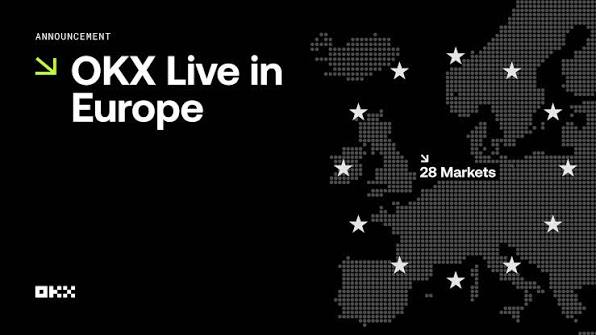
In 2026, OKX provides European users advanced charting, staking, and wallet services, all within a regulatory compliant ecosystem. Retail and institutional investors gain confidence from its innovations and transparency.
The exchange invests heavily to capture this confidence and risk management over education. The investments help users operate within the new European complex crypto environment.
OKX Europe – Pros & Cons
| Pros | Cons |
|---|---|
| Combines centralized trading with Web3 functionality. | Some DeFi products carry additional investment risks. |
| Advanced charting and professional trading tools. | Platform may appear complicated for beginners. |
| Competitive fees and high liquidity. | Certain services depend on local regulations. |
| Wide selection of staking and earning products. | Regulatory approvals continue evolving across Europe. |
| Strong focus on innovation and educational resources. | Limited customer support languages in some regions. |
8. Gemini
Gemini is a crypto exchange that is founded on trust and compliance, offering the regulated and secure trading environment that many investors are looking for. Gemini provides European users of the exchange, crypto trading, custody, staking, and institutional services in 2026, all while maintaining a high compliance standard.
Risk management and advanced cybersecurity are the foundation of every service that Gemini provides. Gemini’s commitment to a high level of security and protecting investors has created a trust for both retail and institutional investors looking to trade in the digital asset markets.
Gemini – Pros & Cons
| Pros | Cons |
|---|---|
| Exceptional security standards and insurance protections. | Trading fees are relatively higher than competitors. |
| Highly regulated and compliance-focused platform. | Supports fewer cryptocurrencies than larger exchanges. |
| Strong institutional custody and asset protection services. | Limited advanced trading products in some regions. |
| Transparent operations and risk management practices. | Fewer staking opportunities than competing platforms. |
| Ideal for security-conscious investors. | Lower trading volumes for some digital assets. |
9. Coinmerce
Coinmerce has streamlined the investing process for Dutch cryptocurrency traders in a thoughtful way. The company ensures regulatory compliant, easy, and safe investments all while educating the customers on safe practices.
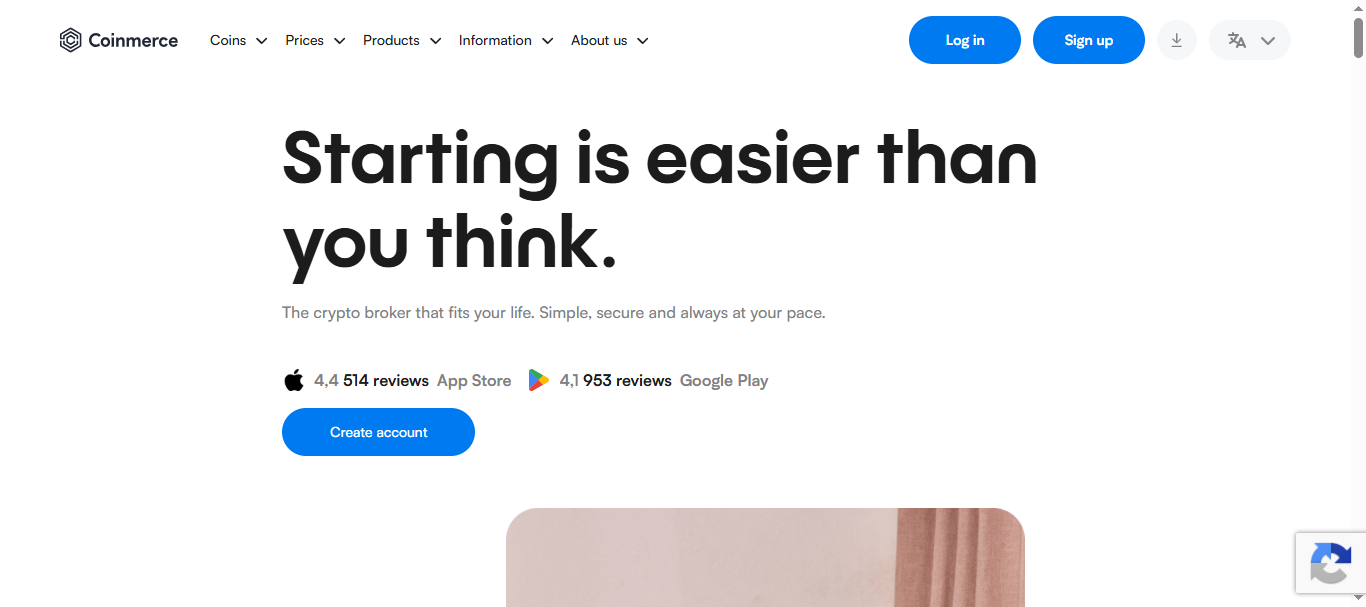
By 2026, Coinmerce provides safe storage, the ability to purchase at set intervals, and tools for the management of one’s portfolio. There exists a variety of options, and the intuitive design of the platform aids users making their first investment in cryptocurrency.
By encouraging transparent and safe digital trades via the prioritization of customer service and support, Coinmerce is consistently Trusted by investors.
Coinmerce – Pros & Cons
| Pros | Cons |
|---|---|
| Simple platform designed for beginner investors. | Limited advanced trading and derivatives products. |
| Strong focus on European regulatory compliance. | Lower liquidity than global exchanges. |
| Supports recurring purchases and portfolio management tools. | Fewer institutional services available. |
| Easy account setup and user-friendly interface. | Limited global brand recognition. |
| Reliable customer support and educational resources. | Some cryptocurrencies may have lower trading volumes. |
10. WhiteBIT
By uniting high liquidity, robust security, and a regulatory compliant environment, WhiteBIT has experienced some of the most rapid growth as a European cryptocurrency exchange. WhiteBIT facilitates myriad investment opportunities via spot and futures trading, including staking, as well as advanced services for institutional investors.
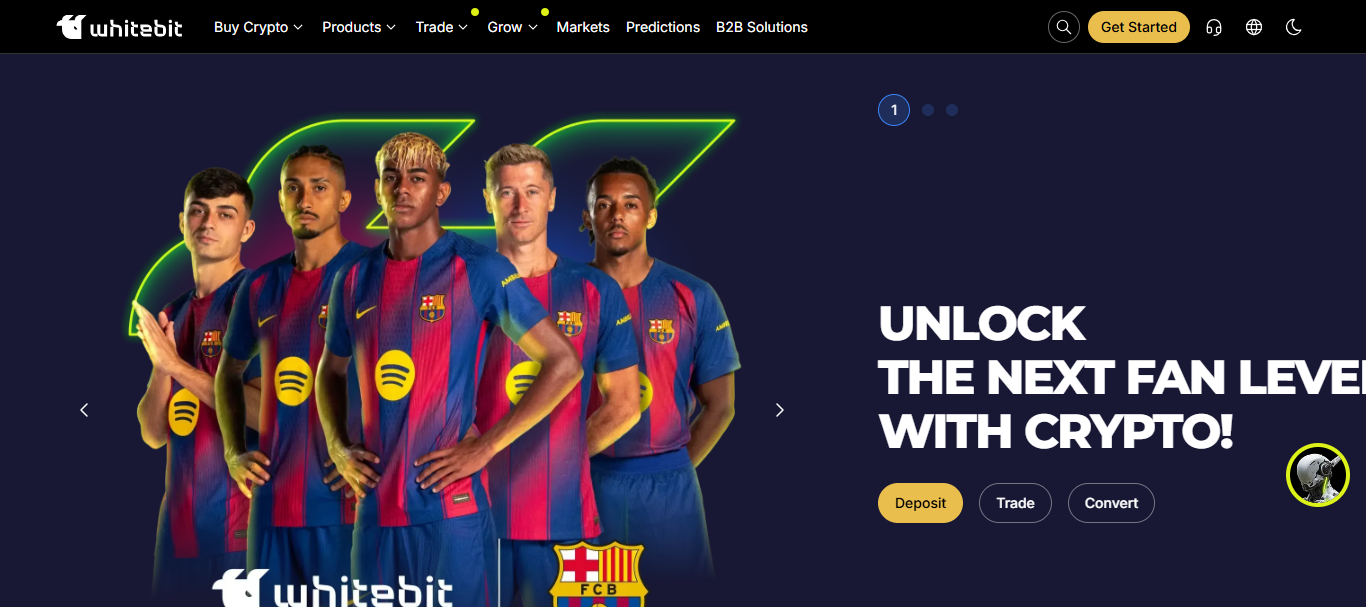
By 2026, WhiteBIT will improve on the already established European presence via an extension of improving compliance and more investing options. WhiteBIT further emphasizes security of digital assets by providing protective safeguards for accounts and asset storage.
With affordable fees and a growing selection of cryptocurrencies, coupled with a transparent approach, WhiteBIT’s current customers are long-term investors and are extremely satisfied.
WhiteBIT – Pros & Cons
| Pros | Cons |
|---|---|
| Competitive trading fees and growing liquidity. | Smaller global presence compared with industry leaders. |
| Expanding range of cryptocurrencies and trading products. | Advanced features may not be available everywhere. |
| Strong emphasis on cybersecurity and asset protection. | Institutional services are still developing. |
| Increasing regulatory compliance across Europe. | Educational resources are less comprehensive than competitors. |
| Suitable for both active traders and long-term investors. | Some fiat payment methods remain region-specific. |
Key Factors To Consider Before Choosing a Highly Regulated Crypto Exchange In Europe In 2026
- Regulatory Licenses and Compliance: Assess whether the Exchange obtains all the required licenses, and abides by financial regulations and compliance standards.
- Security and Insurance Protection: Verify that your assets are protected by encryption, cold storage, and coverage by insurance.
- Trading Fees and Hidden Charges: Analyze the transaction fees, spreads, and any concealed trading costs before selecting any Exchange.
- Available Cryptocurrencies: Select Exchanges that are in line with your investing and trading strategies, and that offer the desired digital currencies.
- Deposit and Withdrawal Methods: Ensure that the Exchange and chosen method offer the desired pace and ease of management of your funds.
- Customer Support Quality: Good customer support is essential for dealing with and resolving issues with your account and trading.
- Liquidity and Trading Volume: Sufficient trading volume ensures competitive pricing and rapid execution of orders.
- Mobile App and User Experience: Apps that enhance user experience simplify trading and managing portfolios from anywhere.
Future of Crypto Regulation in Europe
Consequence of MiCA Becoming Law
With MiCA becoming a law, the European Union has its first unified structure appealing to international businesses to register their cryptocurrencies. MiCA is expected to provide more consistency to business regulations and offer protections to investors and facilitate more business for more stable markets.
The Rise of Institutionally Backed Cryptocurrencies
With regulations becoming more structured and consistent, firms in finance and asset management may finally enter the world of cryptocurrencies. Digital assets are being viewed as an asset class and as such, the markets across Europe are becoming more active and more liquid.
Substantive Transparency Requirements
European officials want more translucent disclosures about asset and risk reserves, and crypto companies will be required to explain how they operate. To reduce the possibility of market manipulation and aid investors in making more informed decisions, exchanges will need to be more forthright about their financial stability.
Restructured Crypto Regulation
Recognizing that fragmented, inconsistent regulations mean international law is insufficient, Europe is aiming for unified crypto laws. This means companies will be allowed to operate in any EU country given they have a license in one.
Future of Crypto Regulation in Europe
European crypto markets are likely to see large boosts in the amount of investment and personalization, including new tokenized asset offerings, as a result of strengthened protections for consumers and improved self-regulation of the digital asset industry.
Conclusion
To summarize, crypto exchanges in Europe that operate under high regulations provide a high level of security to investors trading digital assets. Binance Europe, Kraken, Coinbase and Bitstamp, continue to strengthen compliance to MiCA and other European regulations in 2026.
It is best to always trade on a regulated exchange, to reduce risks and protect customer funds making a safer space for investments.
FAQ
Which is the most regulated crypto exchange in Europe in 2026?
Kraken, Coinbase Europe, and Bitstamp are among the most regulated platforms.
What makes a crypto exchange regulated?
It complies with licensing, KYC, AML, and investor protection requirements.
Is Binance Europe regulated in 2026?
Yes, Binance continues expanding its compliance under European MiCA regulations.
Are regulated exchanges safer than unregulated ones?
Yes, they generally offer better security and customer fund protections.