
Using AI From Disease Detection to Automation and Personalised Treatments This article discusses the real world usages of AI in healthcare as its happening now from faster disease detection and predictive patient care of automation and personalised treatments.
AI is changing the way doctors diagnose, treat and manage their patients. Get to know these pragmatic uses so you can see how technology is advancing healthcare systems and patient outcomes globally nowadays.
Key Points & Real Ways AI Is Being Used In Healthcare Right Now
Medical Imaging Analysis AI scans X-rays, MRIs, CTs faster, detecting anomalies earlier than human radiologists with precision.
Predictive Analytics for Patient Care AI predicts disease risks using patient data, enabling proactive interventions and reducing hospital admissions.
Administrative Workflow Automation AI automates billing, scheduling, and paperwork, saving clinicians time and reducing operational inefficiencies.
Drug Discovery and Development AI accelerates drug research by analyzing molecular structures, predicting effectiveness, and reducing development timelines. hyscaler.com
Virtual Health Assistants AI chatbots provide symptom checks, appointment reminders, and medication guidance, improving patient engagement significantly.
Remote Patient Monitoring AI-powered wearables track vitals continuously, alerting doctors to abnormalities before emergencies occur.
Personalized Treatment Plans AI tailors therapies based on genetics, lifestyle, and medical history, enhancing treatment effectiveness and outcomes.
Clinical Decision Support Systems AI assists doctors with evidence-based recommendations, reducing diagnostic errors and improving care quality.
Fraud Detection in Healthcare Claims AI identifies suspicious billing patterns, preventing fraud and saving billions in healthcare expenditures annually.
Mental Health Support Tools AI analyzes speech and behavior patterns, offering early detection of depression and anxiety disorders.
10 Real Ways AI Is Being Used In Healthcare Right Now
1. Medical Imaging Analysis
AI is revolutionising medical imaging as it allows doctors to spot diseases more quickly and accurately. Google Health, IBM Watson Health and the like can interpret X-rays in seconds along with MRIs and CT scans.
These systems detect patterns that may escape human attention, especially in early-stage diseases andحيوة like cancer or neurological disorders.

Radiologists don’t use AI to replace themselves, they use it as a tool to assist their work faster and less errors. Such leads to faster treatment and better results for patients across hospitals and diagnostic centers globally.
| Feature | Description |
|---|---|
| Fast Image Processing | AI scans X-rays, MRIs, and CT scans within seconds, reducing diagnosis time significantly. |
| Early Disease Detection | Identifies subtle patterns that help detect diseases like cancer at an early stage. |
| High Accuracy | Minimizes human error by providing precise and consistent analysis results. |
| Radiologist Support | Assists doctors rather than replacing them, improving decision-making quality. |
| Multi-Image Comparison | Compares current and past scans to track disease progression effectively. |
2. Predictive Analytics for Patient Care
Another field is predictive analytics which uses AI to predict health risks before they turn into major issues.
A similar technology is employed by platforms such as Epic Systems and Cerner, where patient data, medical history and lifestyle patterns are examined for predicting problems like heart disease or hospital readmission.

This means that doctors have the time to step in early, leading to better predictions for patient outcomes and lower healthcare costs.
CNN: Early detection of dementia linked to one main risk factor. For example, we see predictive tools implemented in hospitals to monitor ICU beds and staffing requirements.
Transforming data into actionable insights, AI is enabling healthcare providers to transition from reactive treatment plan to proactive care strategy.
| Feature | Description |
|---|---|
| Risk Prediction | Forecasts diseases like heart conditions before symptoms become severe. |
| Data Integration | Combines medical history, lifestyle, and real-time data for insights. |
| Early Intervention | Helps doctors act sooner, preventing complications. |
| Resource Optimization | Assists hospitals in managing beds, staff, and equipment efficiently. |
| Cost Reduction | Reduces unnecessary treatments and hospital readmissions. |
3. Administrative Workflow Automation
Artificial intelligence is easing the load of administrative healthcare work. Software by companies such as UiPath and Automation Anywhere automate mundane tasks concerningbilling, the scheduling of appointments, or maintaining patient records.

That leaves more room for doctors and staff to spend on patient care. Additionally, as automation reduces human errors with respect to documentation while also improving the efficiency of management across hospitals.
Thus, healthcare organisations are able to run more efficiently, cut costs and improve the overall patient experience without adding any additional strain on their workforce.
| Feature | Description |
|---|---|
| Task Automation | Handles billing, scheduling, and data entry automatically. |
| Error Reduction | Minimizes mistakes in patient records and documentation. |
| Time Efficiency | Saves time for healthcare staff to focus on patient care. |
| Process Standardization | Ensures consistent workflows across departments. |
| Cost Savings | Reduces operational expenses by limiting manual work. |
4. Drug Discovery and Development
The process of finding and creating new medicines has seen an acceleration, thanks to AI. DeepMind, Insilico Medicine and other companies apply machine learning to biological data to simulate how different compounds will behave.
So, this saves us the time and cost of our traditional drugs trials by quite a margin. It means AI can find potential treatments for diseases much faster — even rare conditions.

Researchers can simulate experiments on the computer instead of doing them in a laboratory, which saves time by allowing focus only on promising candidates and speeds up the innovation timeline for pharmaceutical companies to bring life-saving drugs to market.
| Feature | Description |
|---|---|
| Faster Research | Speeds up identification of potential drug compounds. |
| Data Analysis | Processes massive biological datasets quickly. |
| Simulation Testing | Tests drug effects virtually before real trials. |
| Cost Efficiency | Reduces expenses in traditional trial-and-error methods. |
| Rare Disease Focus | Helps find treatments for less common conditions. |
5. Virtual Health Assistants
The field of virtual health assistants driven by AI:enhancing patient engagement and access. The likes of Ada Health and Babylon Health enable users to check symptoms, gain health advice, and book appointments instantly.
Operating 24/7, these assistants provide healthcare support around the clock. They even lighten the burden on healthcare providers by addressing basic inquiries.
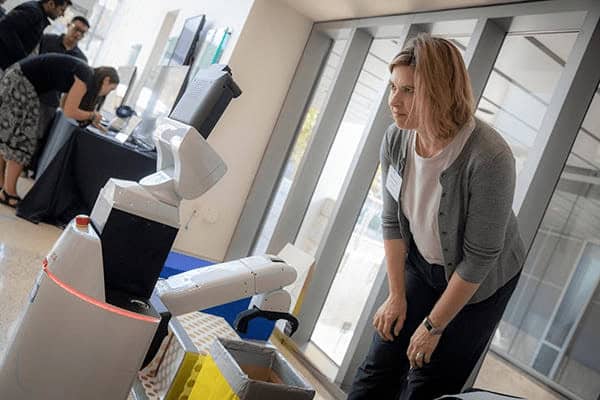
Though technical assistants cannot replace a doctor, they serve as the first point of contact and help steer patients in the right direction so that people can access better health care wherever they are.
| Feature | Description |
|---|---|
| 24/7 Availability | Provides healthcare guidance anytime without delays. |
| Symptom Checking | Offers instant preliminary health assessments. |
| Appointment Booking | Simplifies scheduling with doctors digitally. |
| Patient Engagement | Encourages users to stay informed about health. |
| Workload Reduction | Handles routine queries, easing pressure on staff. |
6. Remote Patient Monitoring
AI based remote patient monitoring enables doctors to monitor a patients who lives outside the hospitals on smart devices.
Real-time data such as heart rate, blood pressure, and glucose level collected by technologies belonging to brands like Philips Healthcare or Medtronic.
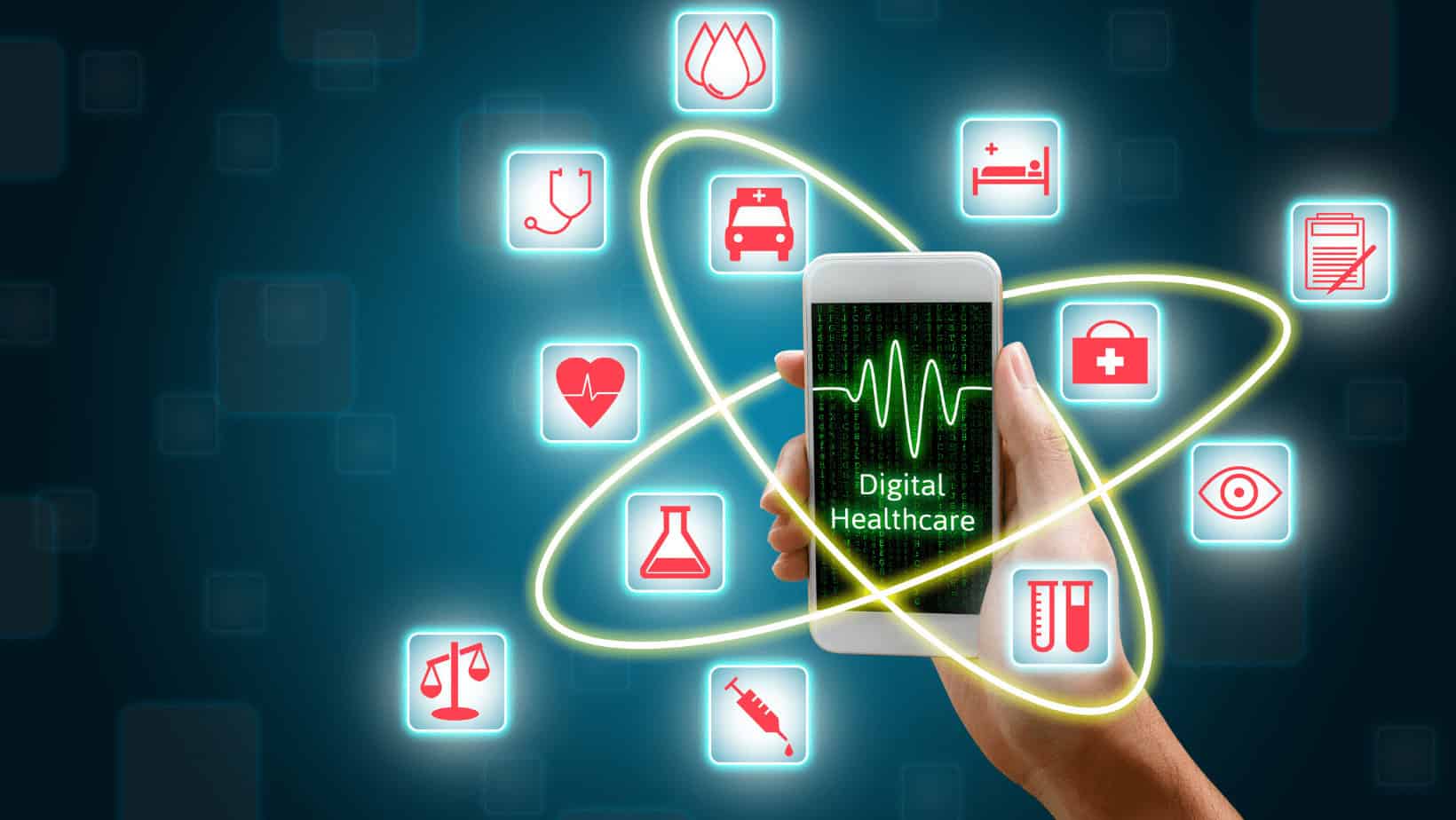
The data is analyzed by AI which detects irregularities and informs the doctors within seconds. Which helps particularly for management of chronic disease and elderly care.
Patients avoid multiple visits to the hospital, get prompt care when they need it, and benefit from easy follow-up along with continuous medical oversight without increased costs.
| Feature | Description |
|---|---|
| Real-Time Tracking | Monitors vital signs like heart rate and glucose levels continuously. |
| Instant Alerts | Notifies doctors about abnormal readings immediately. |
| Chronic Care Support | Helps manage long-term conditions effectively. |
| Reduced Hospital Visits | Minimizes need for frequent in-person checkups. |
| Wearable Integration | Connects with smart devices for seamless data collection. |
7. Personalized Treatment Plans
AI is allowing for a level of personalized medicine that can provide treatments tailored specifically to each patient.
Tempus and 23andMe ledgenetics AnalysisPlatformsequation, lifestyle, and medical history create their own recommended targeted therapies on this data.

This method enhances treatment efficacy and minimizes adverse reactions. Two articles in the latest issue of Nature Biotechnology provide examples of how physicians may select from among medications and therapies based predictive analysis clinical response data.
Personalized care is particularly powerful in cancer, where precision medicine can identify and select the best therapies for individuals.
| Feature | Description |
|---|---|
| Tailored Therapies | Suggests treatments based on individual patient data. |
| Genetic Analysis | Uses DNA insights to guide medical decisions. |
| Better Outcomes | Increases treatment success rates. |
| Fewer Side Effects | Selects medications suited to patient profiles. |
| Precision Medicine | Focuses on targeted and highly specific care approaches. |
8. Clinical Decision Support Systems
This is where Artificial Intelligence (AI) comes to the rescue through clinical decision support systems (CDSS) that aid doctors in critical decision making.
Real-time solutions, such as Zebra Medical Vision and Aidoc, recommend actions with the help of patient data and guidelines.
Such systems assist in identifying potential diagnoses, proposing treatments, and raising red flags for life-threatening situations.

They minimize human error risk and makes evidence-based decisions. AI supports clinicians with accurate information that can reduce pressure on them and lead to better care whilst keeping decision-making with the doctor.
| Feature | Description |
|---|---|
| Real-Time Guidance | Provides instant recommendations during diagnosis. |
| Evidence-Based Insights | Uses clinical data and guidelines for accuracy. |
| Error Prevention | Flags potential mistakes or risks in treatment plans. |
| Diagnosis Assistance | Suggests possible conditions based on symptoms. |
| Improved Care Quality | Enhances overall patient treatment outcomes. |
9. Fraud Detection in Healthcare Claims
AI is being utilized as a tool for detecting and preventing healthcare claims fraud, collectively saving billions of dollars every year.
AI algorithms are used to analyze billing patterns and detect unusual activities by companies such as Optum and Change Healthcare.

Such systems identify abnormal claims in real time, flagging duplicate billing or excessive charges.
AI enables insurance providers to mitigate losses while allowing fair practices with transparency and accountability. This also will make sure that the healthcare resources are used optimally and by real patients.
| Feature | Description |
|---|---|
| Pattern Analysis | Detects unusual billing behaviors quickly. |
| Real-Time Monitoring | Flags suspicious claims instantly. |
| Duplicate Detection | Identifies repeated or false claims efficiently. |
| Cost Control | Prevents financial losses in healthcare systems. |
| Transparency | Improves trust and accountability in insurance processes. |
10. Mental Health Support Tools
These AI mental health tools increasingly remove the stigma around seeking help while providing accessible support.
For instance, there are apps that use conversational AI – such as Woebot and Wysa – to offer emotional support and coping strategies.

These are tools you can use anytime to have a safe space to talk about how you’re feeling. These apps are not substitutes for professional therapists, but they do provide a useful entry point for individuals seeking assistance.
AI is also helping to deliver the help that mental health needs to scale in order to be able to impact all populations across the globe.
| Feature | Description |
|---|---|
| AI Chat Support | Offers conversational emotional assistance anytime. |
| Anonymous Access | Allows users to seek help privately. |
| Mood Tracking | Monitors emotional patterns over time. |
| Coping Strategies | Provides techniques for stress and anxiety relief. |
| Accessibility | Makes mental health support widely available and affordable. |
Cocnsluion
AI is changing the landscape of healthcare and being implemented in multiple aspects of care from diagnosis to treatment through improvement in efficiency across the system.
Its real-world applications are providing quicker, smarter and accurate results for everything from medical imaging to personalized care and remote monitoring.
Although challenges persist, AI has enabled health care providers, improved patient outcomes and globally made quality care more accessible and affective.
FAQ
How does AI help in medical imaging?
AI scans and analyzes X-rays, MRIs, and CT scans quickly, helping detect diseases earlier and with greater accuracy.
Can AI predict diseases before they happen?
Yes, predictive analytics uses patient data to identify risks and warn doctors about potential health issues early.
Is AI replacing doctors?
No, AI supports doctors by providing insights and recommendations, but final decisions are always made by medical professionals.
How does AI improve hospital efficiency?
AI automates administrative tasks like billing, scheduling, and record management, saving time and reducing errors.