I’ll go over secure VPNs for crowded public Wi-Fi in this post and explain why they’re crucial for data security in 2026.
Using a trustworthy VPN guarantees secure surfing, encrypted connections, and robust privacy in light of the growing cyberthreats on public networks in cafes, airports, and crowded cities. Additionally, you will discover the top VPN choices for safe online browsing.
Key Poinst & Secure VPNs for Public Wi-Fi in Crowded 2026 Cities
NordVPN One of the strongest all-rounders for public Wi-Fi. It offers fast auto-connect, NordLynx protocol, and Threat Protection that blocks malicious sites instantly on unknown networks.
ExpressVPN is known for premium security and speed with Lightway protocol, AES-256 encryption, and a highly reliable kill switch for unstable city Wi-Fi.
Surfshark is the best budget-friendly secure VPN with unlimited devices and CleanWeb protection against ads and trackers on public networks.
Proton VPN is a privacy-focused Swiss VPN with Secure Core routing and open-source apps, ideal for high-risk public Wi-Fi zones.
CyberGhost User-friendly VPN with dedicated Wi-Fi protection profiles and automatic connection on unsecured networks.
Private Internet Access (PIA) Highly customizable VPN with strong encryption settings and advanced firewall options for experienced users.
Windscribe Strong free plan option with built-in tracker blocking (ROBERT system) and flexible server choices for travelers.
IPVanish Good for multi-device users in crowded cities, offering solid encryption and unlimited connections.
Norton VPN Simple and secure option backed by Norton security ecosystem, good for everyday browsing on café Wi-Fi.
TunnelBear is very easy to use with automatic protection features, ideal for beginners using public hotspots.
Mullvad VPN is a privacy-first VPN with anonymous account creation and a strict no-logs policy, highly trusted for sensitive browsing.
11 Secure VPNs for Public Wi-Fi in Crowded 2026 Cities
1. NordVPN
For 2026, NordVPN is still among the most sophisticated security-focused VPNs, particularly in congested public Wi-Fi settings like cafes, airports, and metro stations.
It employs the NordLynx protocol, next-generation AES-256 encryption, and enhanced Threat Protection, which instantly prevents malware and phishing.
Adaptive obfuscation has been improved in 2026, making it more difficult for networks to detect VPN activity.
It is a popular option for travelers because of its stringent, audited no-logs policy, which guarantees anonymity even on dangerous shared hotspots.
NordVPN – Pros & Cons
| Pros | Cons |
|---|---|
| Very strong AES-256 + NordLynx speed protocol | Slightly higher pricing than budget VPNs |
| Advanced Threat Protection blocks malware & phishing | Can feel feature-heavy for beginners |
| Excellent performance on public Wi-Fi hotspots | Some servers may vary in speed |
2. ExpressVPN
ExpressVPN is designed for high-security public Wi-Fi usage. In 2026, flawless security without slowing down connections in crowded city networks will be a major concern.
When switching between hotspots, its automatic kill switch and DNS leak protection guard against unintentional exposure.

It is perfect for consumers who require stable, private browsing in extremely crowded urban Wi-Fi zones because of its steady worldwide server performance.
ExpressVPN – Pros & Cons
| Pros | Cons |
|---|---|
| Ultra-fast Lightway protocol for crowded networks | Premium pricing tier |
| RAM-only servers enhance privacy | Fewer customization options |
| Strong kill switch + DNS leak protection | No permanent free plan |
3. Surfshark
Surfshark is an affordable yet effective VPN for public Wi-Fi security in 2026—ideal for travelers with several devices.
Ads, trackers, and harmful scripts that are frequently present on unprotected city networks are blocked by its CleanWeb technology.
In busy places, the upgraded Nexus infrastructure speeds up server switching. MultiHop routing, which adds an additional encryption layer, is also supported by Surfshark. It is frequently used in high-traffic Wi-Fi areas because it combines robust security with cheap.
Surfshark – Pros & Cons
| Pros | Cons |
|---|---|
| Unlimited devices on one account | Some advanced features require setup |
| CleanWeb blocks ads and trackers on Wi-Fi | Occasional speed dips on distant servers |
4. Proton VPN
Based in Switzerland, Proton VPN is a privacy-focused service renowned for its open-source transparency and stringent legal protections.
It improves Secure Core routing in 2026, directing traffic via nations that respect privacy before connecting to the internet.
This shields users against monitoring or interception when using unreliable public Wi-Fi. Additionally, it provides always-on kill switch functionality and robust DNS leak protection.
In highly monitored metropolitan networks, Proton VPN is perfect for professionals, journalists, and privacy-conscious individuals.
Proton VPN – Pros & Cons
| Pros | Cons |
|---|---|
| Secure Core routing protects against surveillance | Premium plan needed for best speeds |
| Open-source and privacy-focused (Switzerland-based) | Interface slightly complex for beginners |
| Strong free version available | Limited servers on free tier |
5. CyberGhost
CyberGhost is perfect for novices in crowded places because it is made for simple protection on public Wi-Fi.
When connecting to unfamiliar networks, the 2026 version’s automated Wi-Fi protection profiles quickly activate VPN. For enhanced data protection, it makes use of RAM-based servers and AES-256 encryption.

In order to lower the hazards associated with phony hotspots, CyberGhost also incorporates tracker detection and virus blocking.
Even non-technical people may browse safely in crowded public areas because of its user-friendly design.
CyberGhost – Pros & Cons
| Pros | Cons |
|---|---|
| Easy automatic Wi-Fi protection for beginners | Not ideal for advanced users |
| Large global server network | Speed varies depending on server load |
| Strong AES-256 encryption | Some features are locked behind the premium plan |
| Good streaming + public Wi-Fi safety mix |
6. Private Internet Access (PIA)
In 2026, PIA will provide consumers connected to public Wi-Fi with robust customization and sophisticated privacy features.
In crowded metropolitan networks, it enables users to strike a compromise between speed and security thanks to its adjustable encryption settings.
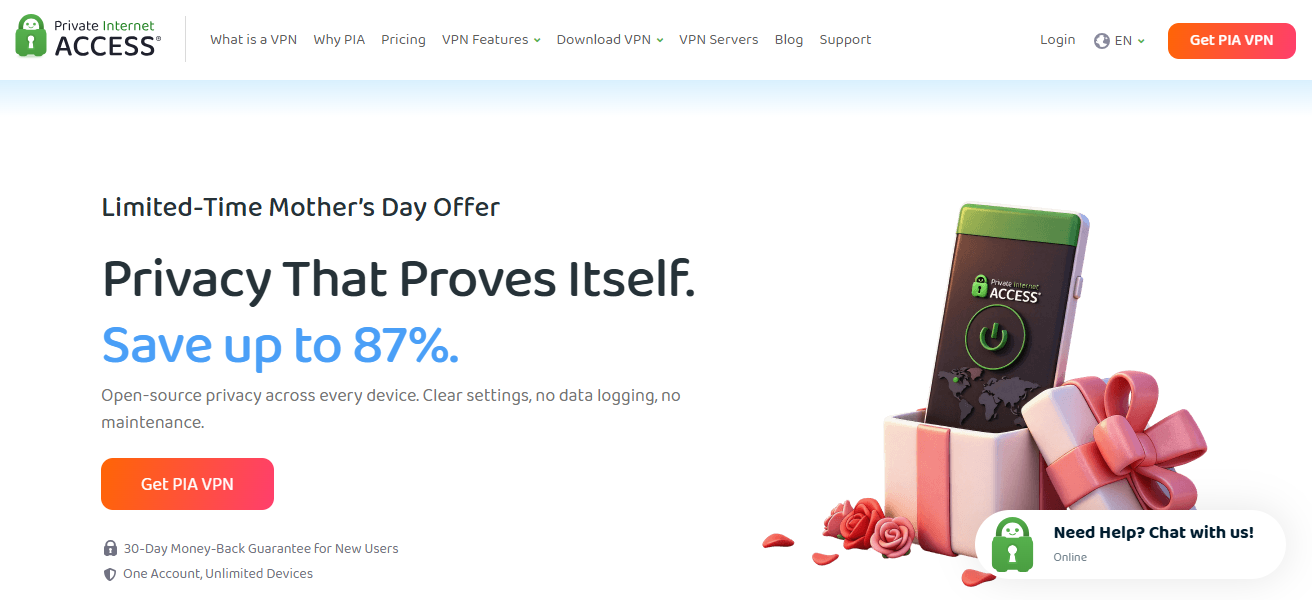
Transparency is enhanced by its audited no-logs policy and open-source applications. Additionally, PIA has built-in firewall and ad filtering capabilities that stop data leakage on unprotected hotspots.
Tech-savvy customers who desire more control over their VPN behavior will find it particularly helpful.
Private Internet Access (PIA) – Pros & Cons
| Pros | Cons |
|---|---|
| Highly customizable encryption settings | Interface not beginner-friendly |
| Strong firewall + ad blocker tools | Speed can vary with settings |
| Open-source transparency | Based in US (privacy concerns for some users) |
| Excellent for advanced users |
7. Windscribe
In 2026, Windscribe distinguishes out for its robust privacy features, such as ROBERT, which restricts tracking domains, malware, and advertisements, and its adaptable free plan.
This works very well against malicious websites that are frequently injected onto open networks on public Wi-Fi. For more sophisticated control, it also provides adjustable firewalls and split tunneling.

Windscribe is a useful option for casual users in busy urban settings since it offers dependable encryption and leak protection while being lightweight.
Windscribe – Pros & Cons
| Pros | Cons |
|---|---|
| Strong free plan with usable data limits | Server network smaller than top VPNs |
| ROBERT blocks ads and malware domains | Free version speed limitations |
| Good public Wi-Fi protection features | Occasional connection drops |
| Flexible configuration tools |
8. IPVanish
If customers require unlimited device connections on public Wi-Fi, IPVanish is a good choice. It keeps enhancing WireGuard performance in 2026 to enable quicker connections in crowded places.
For safer browsing on shared networks, it has split tunneling, kill switch, and AES-256 encryption.
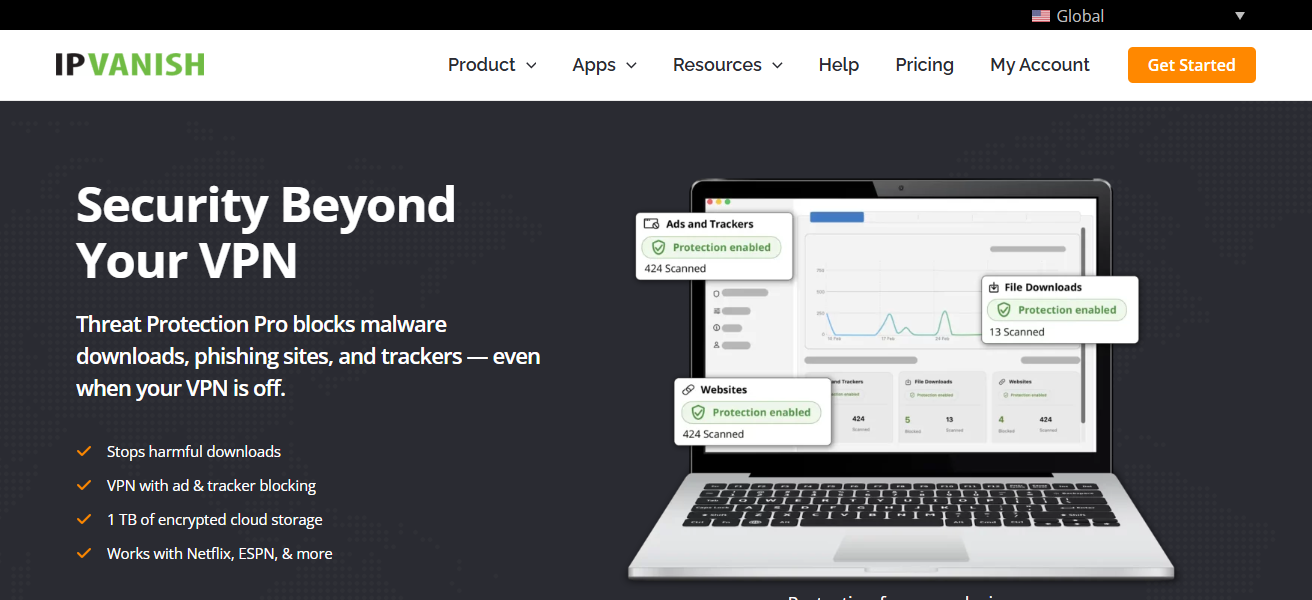
Additionally, IPVanish improves multi-device security monitoring, which is helpful for professionals or families visiting cities. Its consistent performance across erratic public Wi-Fi sites is especially sought.
IPVanish – Pros & Cons
| Pros | Cons |
|---|---|
| Unlimited device connections | No strong free plan |
| Good WireGuard speed optimization (2026 updates) | UI feels less modern than competitors |
| Strong encryption and kill switch | Strong encryption and a kill switch |
| Stable performance on mobile hotspots |
9. Norton VPN
By integrating with Norton’s larger cybersecurity ecosystem, Norton VPN provides robust defense against dangers present on public Wi-Fi.
It will have more worldwide servers and faster WireGuard in 2026. It stops data leakage on unprotected networks and aids in blocking dangerous websites.
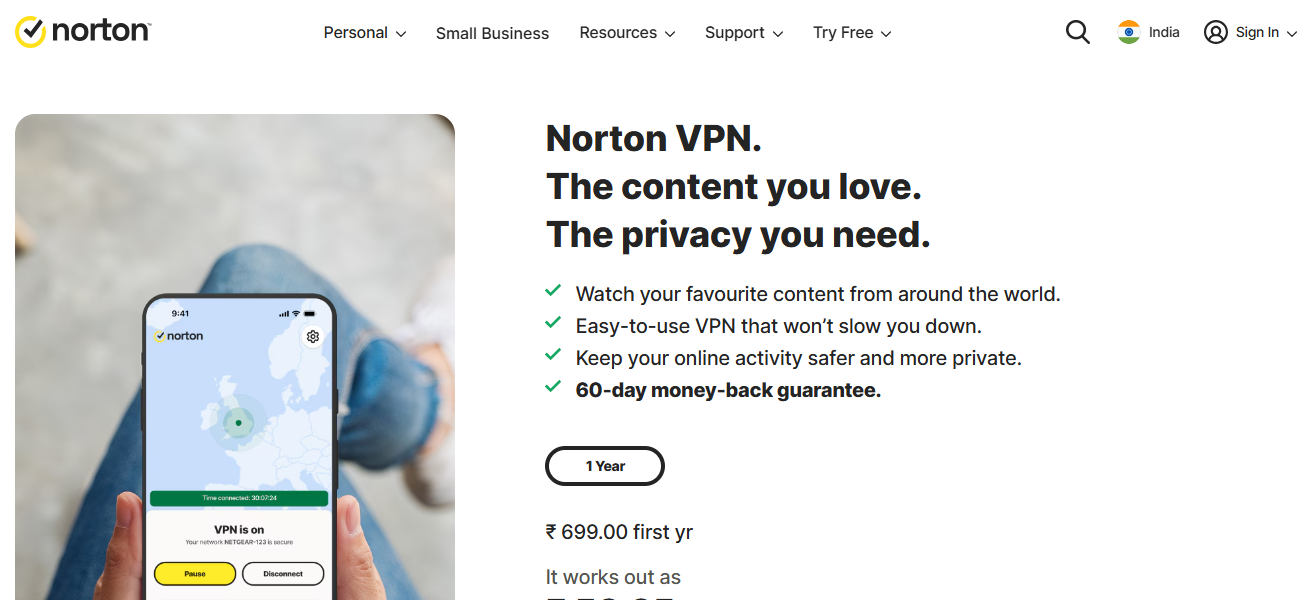
Its automatic security and anti-malware environment make it a dependable option for regular users who frequently connect to café or hotel Wi-Fi in cities, even if it is less complicated than premium VPNs.
Norton VPN – Pros & Cons
| Pros | Cons |
|---|---|
| Integrated with Norton security ecosystem | Limited advanced VPN features |
| Easy to use for beginners | Fewer server locations than premium VPNs |
| Good malware + web protection synergy | Not ideal for power users |
| Reliable for everyday public Wi-Fi use |
10. TunnelBear
TunnelBear is perfect for novices utilizing public Wi-Fi in congested areas since it emphasizes security and simplicity. Its 2026 updates lower latency on mobile networks and increase connection stability.

When identifying unprotected hotspots, it employs automated protection and robust AES-256 encryption. There is no technical setup needed, and the UI is really simple to use.
It offers reliable protection for casual browsing in crowded metropolitan Wi-Fi areas, despite not being the most feature-rich VPN.
TunnelBear – Pros & Cons
| Pros | Cons |
|---|---|
| Extremely simple and beginner-friendly | Limited advanced features |
| Strong AES-256 encryption | Small free data allowance |
| Good for casual public Wi-Fi browsing | Not suitable for heavy streaming |
11. Mullvad VPN
One of the most privacy-conscious VPNs on the market in 2026 is Mullvad, which is renowned for its minimal data collection and anonymous account setup.
It is extremely secure to use public Wi-Fi in areas with a lot of surveillance because it doesn’t require personal information.
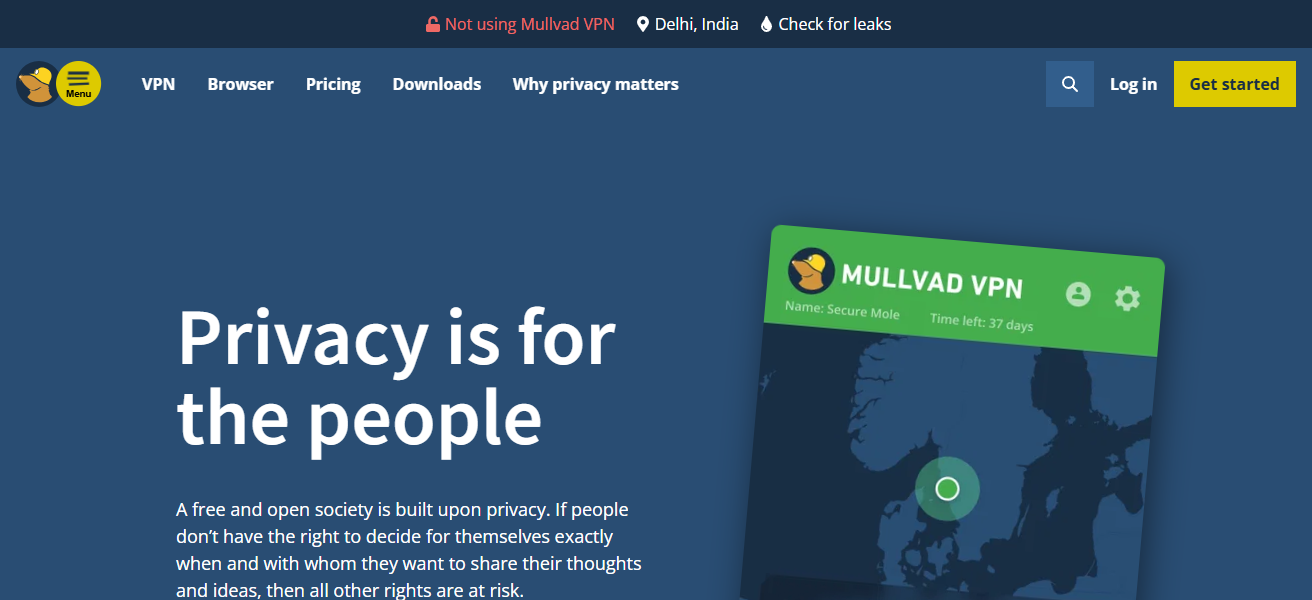
Transparency is strengthened by its open-source apps and flat pricing structure. Mullvad is perfect for users who choose anonymity above features when browsing in busy city networks and global hotspots because of its robust encryption and no-logs policy.
Mullvad VPN – Pros & Cons
| Pros | Cons |
|---|---|
| Maximum anonymity (no email required) | No built-in streaming optimization |
| Strong no-logs policy with privacy-first design | Smaller server network |
| Flat pricing model | No beginner-friendly extras |
| Excellent for high-risk public Wi-Fi use | Less mainstream support features |
Conclusion
Conclusion: Safe VPNs for Public WiFi in Congested Cities in 2026 In congested 2026 cities, using a VPN on public Wi-Fi is crucial to safeguarding personal information from hackers, trackers, and phony hotspots.
Strong encryption, quick performance, and trustworthy privacy tools are provided by services like NordVPN, ExpressVPN, and Proton VPN.
A reliable VPN guarantees safe, private, and continuous internet access on any public network, whether you are traveling, working remotely, or browsing in coffee shops.
FAQ
Why do I need a VPN on public Wi-Fi in 2026?
Public Wi-Fi in crowded cities is often unsecured, making it easy for hackers to intercept data. A VPN encrypts your connection and protects sensitive activities like banking, emails, and logins.
Which is the most secure VPN for public Wi-Fi?
NordVPN and ExpressVPN are widely considered top choices due to strong encryption, kill switch protection, and high-speed secure servers optimized for unsafe networks.
Are free VPNs safe for public Wi-Fi?
Some free VPNs like Windscribe offer decent protection, but many free VPNs have data limits or weaker security. Paid VPNs are generally safer for sensitive tasks.
Can a VPN stop hackers on café or airport Wi-Fi?
Yes. A VPN encrypts your data, making it unreadable even if hackers try to intercept it on shared networks.