This article focuses on the Gamified VPN Onboarding Experiences To Try, analyzing how Gamification in modern VPN applications is evolving user onboarding processes.
By examining elements in modern VPN applications, such as questing, reward systems, badges, and progress systems, I explain how they elevate user experience while streamlining the tech complexity of a VPN.
I outline how VPN systems that are integrating Gamification are fostering user comfort with the technology as well as assisting systems with intuitive and efficient Gamified experiences for both novice and expert users.
Key Poinst & Gamified VPN Onboarding Experiences To Try
| Feature | Explanation |
|---|---|
| Interactive tutorial quests | Guided interactive quests teach beginners VPN setup steps through simple tasks easily |
| Reward-based onboarding systems | Users earn points for completing VPN setup and configuration tasks quickly today |
| Achievement badges | Global server maps help users choose locations, improving the engagement experience instantly and easily |
| Progress bars | Visual progress bars show VPN setup completion, encouraging users to finish quickly now |
| Interactive maps | Step-by-step guided missions teach privacy features during the onboarding process clearly |
| Streak systems | Dashboards display security milestones and unlock rewards, improving user motivation greatly experience |
| Guided missions | Daily streak systems reward consistent VPN usage and secure browsing habits on an ongoing basis |
| Gamified dashboards | Dashboards display security milestones and unlock rewards improving user motivation greatly experience |
| Quiz based onboarding | Quizzes test VPN knowledge before activation, ensuring better user understanding overall learning |
9 Gamified VPN Onboarding Experiences To Try
1. Interactive tutorial quests
VPN providers realize that the experience can be improved beyond just instructions or tooltips. Using quest or mission-based learning, VPNs can onboard users by having them complete small security missions instead of having them read and suss out complex processes.

Nowadays, VPNs take users through the steps and quests to connect to a server and enable encryption (and other similar steps) instead of having them read an instruction manual. The value is realized in users earning badges or other gamified tokens.
2. Reward-based onboarding systems
Gamification offers a seamless way to organize the onboarding of tools and ensure a positive first experience by reducing the learning curve.
VPNs can implement reward or incentive systems that allow the service to extend the free trial, unlock added features, and offer previously locked servers, among other gamified incentives.
Users become invested at an emotional level and feel an enhanced trust, especially when reward systems employ a quicker or immediate reward that is closely connected to the task.
Gamification has become a more trendy onboarding tool, and it combined with a reward system, can assist in a more valuable first experience with an app.
3. Achievement badges
New VPNs activate badges at each stage of the onboarding process to manage the user experience. For example, first connection, secure browsing, and setting up multiple devices.
This type of reward system increases user satisfaction and motivation. Progress, similar to gaming systems, is displayed using badges.

Badges are increasingly common in VPN systems as they enhance user retention through effective reinforcement of newly learned behaviors, advanced features, and privacy habits.
Users will want to collect, compete for, and showcase the badges at every opportunity, even if it requires edging them through a complicated VPN setup.
4. Progress bars
Progress bars show users the completed steps of the setup process, creating a motivating visual to reach the goal of full protection.
Modern VPN apps use progress tracking to show the completion of each of the account setup, choosing a server, and activating security steps.

Progress bars allow users to predict the outcome of each step, relieving anxiety and reducing the abandonment rate.
A consider goal-centric system, in conjunction with progress tracking, enhances the user experience and motivates the completion of the setup process.
5. Interactive maps
Gamified, world map interfaces allow users to visually explore global VPN server placements, enhancing the onboarding experience. Users no longer choose VPN server locations from lists.
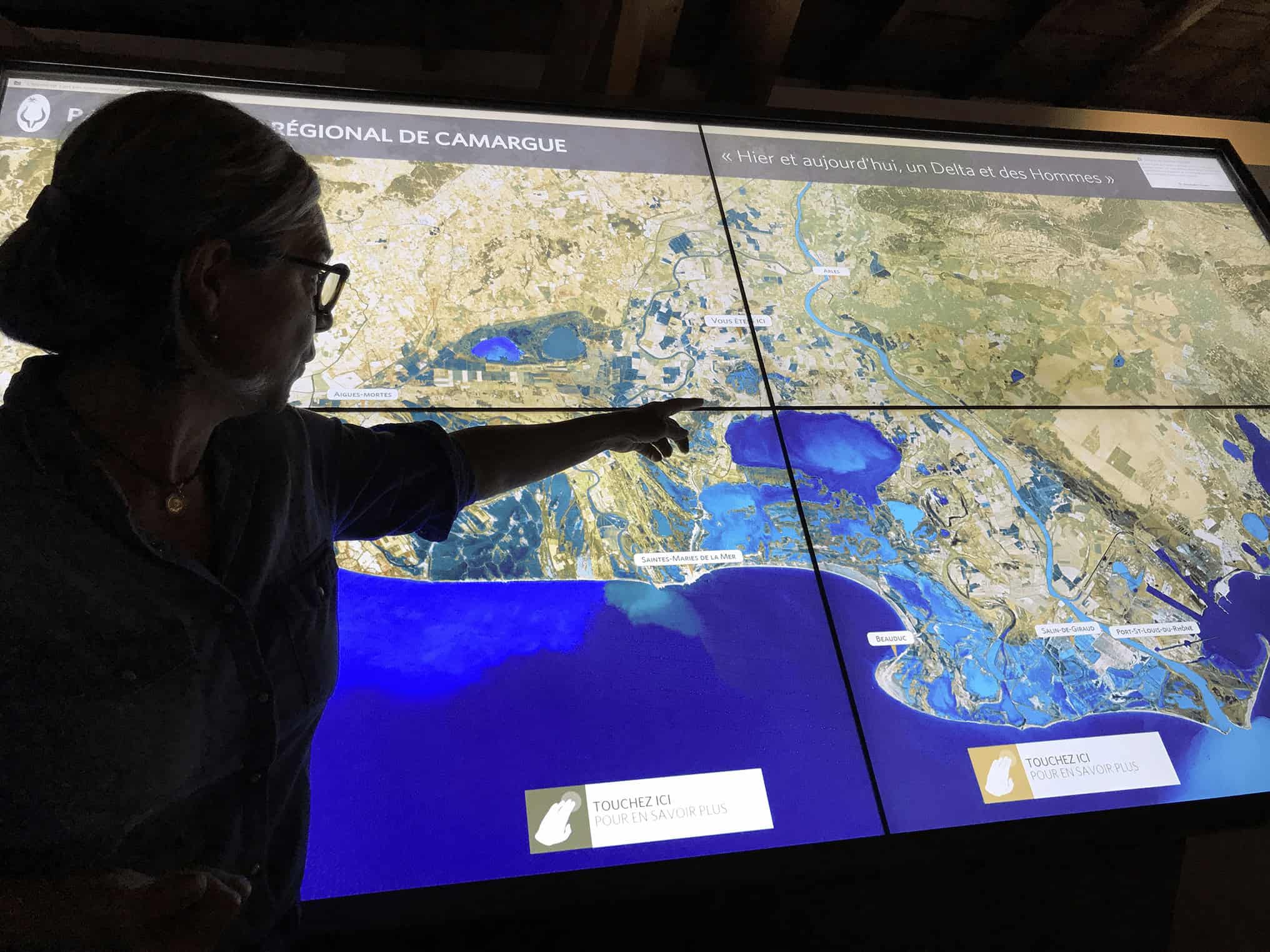
Modern map interfaces allow users to choose server locations from a world map and make the experience of visual mapping even more engaging with real time server speed and security ratings. This approach balances usability and complexity in the context of global privacy routing.
6. Streak systems
The VPN Streak System is designed to cultivate secure browsing and everyday VPN use, making streak systems and rewards an appealing custom add-on.
VPN streak systems reward each successful connection by adding to a streak counter. These counter-streak systems are designed to reward long-term engagement.
Frequent designs that integrate streaks of rewards with added bandwidth or privacy features are noticed when configuring a VPN System.
Building behavioral design with a reward loyalty system is an engaging and effective user-implementation strategy.
These streak systems offer an organized system to improve user engagement and security on a VPN System and raise awareness concerning the importance of a privacy system on an everyday basis.
7. Guided missions
Guided missions divide the VPN course into short, bite-sized missions that progressively teach the user about the privacy features and the overall system.
The user is shown how to complete each step of the mission (turn on the encryption feature, switch to a different server, etc.).

This mission-based design is used by GMT, a modern VPN. It is designed to improve the user experience and overall system design by reducing the guesswork and confusion originally faced when using each feature of the VPN.
Users are introduced to the true value and function of the system, and through progressive teaching and game-based learning, users become increasingly comfortable and proficient in using the system.
8. Gamified dashboards
Gamified dashboards turn VPN interfaces into control centers. Users receive visual feedback on their protection status, complete onboarding tasks and connect and track their progress toward privacy goal achievements.

Modern VPN providers integrate dashboards with real-time analytics and achievement tracking. This practice raises the transparency of the system and improves user engagement and intent to deepen the general feature of privacy protection.
Gamified dashboards turn privacy protection into a practice that users maintain consistently across different devices and networks.
9. Quiz-based onboarding
Instead of passively receiving onboarding tutorials, users are now actively engaging in quizzes. This method teaches and enhances users’ knowledge of basic concepts behind the use of a VPN (Virtual Private Network) and its privacy and security features.

Concepts include encryption, risks, and server selection. Some of the leading VPN applications have adopted quizzes to tailor new, personalized feature pathways.
The results show a far greater understanding as well as a fun learning experience. Perhaps most notably, it helps improve user retention and speeds up the onboarding process. Users are able to take accurate and informed steps toward securing their digital privacy and consumer confidence.
Cocnlsuion
In conclusion, the gamification of the VPN onboarding process is changing the overall user adoption of digital privacy solutions.
VPN applications can exhibit improvement in user retention, increased consistency, and lower the barrier of complex security.
Gamification will improve the overall user experience, and the application process will develop secure digital privacy.
FAQ
What is gamified VPN onboarding?
It is a setup process using game-like elements to teach VPN usage.
Why do VPN apps use gamification in onboarding?
To increase user engagement and make setup easier and more enjoyable.
What are interactive tutorial quests in VPN onboarding?
Step-based missions that guide users through VPN features and setup tasks.
How do reward-based onboarding systems work?
Users earn incentives for completing setup actions like connecting to servers.