This article identifies the Best Privileged Access Management (PAM) Software that protect sensitive account access and secure essential business system PAM solutions.
PAM is a security solution designed to thwart cyber threats, control user permissions, address compliance concerns, and reinforce a Zero Trust posture.
This article offers insights into featured solutions, their pros and cons, and primary market differentiators and capabilities.
What Is Privileged Access Management (PAM) Software?
Privileged Access Management (PAM) software is a cybersecurity program designed to protect, control, and track accounts with elevated Permission Levels. PAM Products protect sensitive Passwords Vaulted by PAM controls admin access and PAMs control unauthorized access to IT.
PAM tools like Vaulted Passwords and Multi-Factor Authentication PAM and others are used to administer and control Threats PAM Solutions protect and administer systems, assist upholding security policies, and Defend PAM Threats that target privileged users.
Why Businesses Need PAM Software In 2026
- Elevating Cybersecurity Measures Against Targeted Attacks: PAM mitigates the risk of hacking and cyberattacks on sensitive admin accounts.
- Mitigating the Risk of Internal Threats and Access Controls: PAM enables better control of user privileges and reduces the risk of misusing access to privileged systems.
- Enhancing Capability to Meet Compliance Requirements: PAM assists companies in meeting security, auditing, and compliance requirements.
- Securing All IT Systems and Networks: PAM focuses on protecting systems and networks.
- Lessening the Impact of Compromised Admin Accounts: PAM helps minimize the risk of unauthorized access by controlling and protecting privileged credentials.
Key Points & Best Privileged Access Management (PAM) Software
| Privileged Access Management (PAM) Software | Explanation |
|---|---|
| CyberArk | Secures privileged accounts with vaulting, monitoring, automation, and advanced threat protection capabilities. |
| BeyondTrust | Provides password management, endpoint privilege control, and session monitoring solutions effectively. |
| Delinea | Simplifies privileged access security through centralized management and intelligent controls. |
| ManageEngine | Offers affordable PAM tools with password vaulting and access auditing features. |
| One Identity | Delivers privileged access governance, compliance reporting, and secure authentication solutions. |
| Microsoft Entra Privileged Identity Management | Enables just-in-time access, identity governance, and privileged role management. |
| Keeper Security | Protects privileged credentials using encrypted vaults and secure access controls. |
| Broadcom Symantec PAM | Helps organizations manage privileged users with risk-based access security. |
| Wallix | Provides secure access management, session recording, and compliance monitoring. |
| HashiCorp Boundary | Enables identity-based access control for secure infrastructure resource connections. |
10 Best Privileged Access Management (PAM) Software
1. CyberArk
As a leading privileged access management software, CyberArk provides protection for sensitive accounts, credentials, and vital infrastructures. CyberArk’s PAM solutions consist of a vault for passwords, monitoring for privileged sessions, detection of threats, and a rotation of credentials.
CyberArk’s new methods for security incorporate Zero Trust, an artificial intelligence-based approach for assessing risk, and access control by identity. This helps enterprises diminish the risk of a cyberattack while remaining compliant in a complicated IT environment.
CyberArk Features
- Privileged Credential Vaulting: Keep sensitive admin passwords safely sealed behind a digital vault. These vaults use encryption to keep passwords protected.
- Automated Password Rotation: Changes the privileged passwords to minimize the risk of exposure.
- Privileged Session Monitoring: Captures user behavior for analysis in a privileged session.
- Threat Detection Analytics: Analyzes access behavior for irregularities.
- Zero Trust Security: Stronger security using a least privileged access policy.
| Pros | Cons |
|---|---|
| Strong privileged credential vaulting with enterprise-grade encryption. | Implementation can be complex for smaller organizations. |
| Advanced session monitoring improves security visibility. | Higher pricing compared with many PAM competitors. |
| Supports Zero Trust and compliance requirements effectively. | Requires skilled administrators for configuration. |
| Automated password rotation reduces credential risks. | Initial deployment may require significant planning. |
| AI-driven analytics helps detect suspicious activities. | User interface may feel complex for beginners. |
2. BeyondTrust
BeyondTrust provides a comprehensive PAM platform that allows the control, oversight, and protection of privileged access spanning endpoints, servers, and the cloud. Its solutions combine the control of passwords, security of remote access, and elevation of privileged control.
BeyondTrust’s solutions enhance access control, session recording, and viewing threats in real time, making BeyondTrust an appropriate addition for organizations that wish to fortify identity security and control access to avoid unauthorized access.
BeyondTrust Features
- Password Management: Privileged passwords are secured through a centrally controlled vault.
- Endpoint Privilege Management: Manages user privileges across the endpoint and the applications.
- Remote Access Security: Gives secure access to employees and third parties.
- Session Recording: Captures privileged actions to support auditing and compliance.
- Risk-Based Access Control: Provides access according to the risk assessment.
| Pros | Cons |
|---|---|
| Provides powerful endpoint privilege management capabilities. | Licensing costs may be expensive for small businesses. |
| Strong remote access security features for enterprises. | Setup requires technical expertise and training. |
| Detailed session recording supports compliance audits. | Some advanced features require additional configuration. |
| Risk-based controls improve access security. | Large environments may need careful management. |
| Supports multiple operating systems and platforms. | Learning curve can be challenging for new users. |
3. Delinea
Delinea is a cloud-centric PAM solution that aims to ease the privileged identity protection for the entire business sector. The platform helps to permanently safeguard credentials, automate access, and manage privileged accounts in a centralized manner.
The new and more modern models of Delinea integrate analytics, machine learning, and Zero Trust to manage complex access and compliance while eliminating insider threats, all to safeguard vital business functions from cyberattacks.
Delinea Features
- Cloud-Based PAM Platform: Provides privileged access management that is PAM cloud flexible.
- Credential Protection: Protects passwords and sensitive authentication data.
- Automated Access Workflows: Automates the workflow for approvals and the granting of access.
- Identity Analytics: Analyzes access to identify risks.
- Centralized Privilege Management: Provides privileges management to all users on a centralized basis.
| Pros | Cons |
|---|---|
| Cloud-focused PAM architecture supports modern businesses. | Advanced features may require premium plans. |
| Simplifies privileged identity management processes. | Migration from legacy systems can be difficult. |
| Strong automation improves operational efficiency. | Custom integrations may need technical support. |
| Provides centralized control over privileged accounts. | Reporting features may require optimization. |
| Supports Zero Trust security strategies. | Smaller teams may find configuration complex. |
4. ManageEngine
ManageEngine provides value-conscious PAM options. ManageEngine’s integrated Identity and Access Management tools help businesses safeguard privileged passwords, automate password change, track user operations, and produce compliance documentation.
PAM solutions are geared toward small to moderate-sized businesses, offering a greater level of security with a less complex implementation. ManageEngine is constantly improving its solutions with additional auditing capabilities, support for the cloud, and enhancement of IT management ecosystems.
ManageEngine Features
- Password Vaulting: Protects privileged credentials in a secured vault.
- Access Auditing: Captures actions of all users for a compliance review.
- Automated Password Reset: Automated the resetting of passwords to lessen the workload of managing passwords.
- Role-Based Access Control: Access rights assigned based on the role of the user.
- Detailed Compliance Reports: Reports that fulfill a compliance mandate are created
| Pros | Cons |
|---|---|
| Affordable PAM solution for small and medium businesses. | Limited advanced features compared with premium PAM tools. |
| Easy deployment and user-friendly interface. | Enterprise customization options may be limited. |
| Strong password vaulting and auditing capabilities. | Some integrations require additional setup. |
| Provides detailed compliance reporting tools. | Support response may vary by service level. |
| Cost-effective identity management solution. | Less suitable for extremely complex environments. |
5. One Identity
One Identity’s sophisticated PAM solutions emphasize governance, security, and compliance. One Identity’s solutions allow businesses to control privileged accounts, manage access control, and track users.
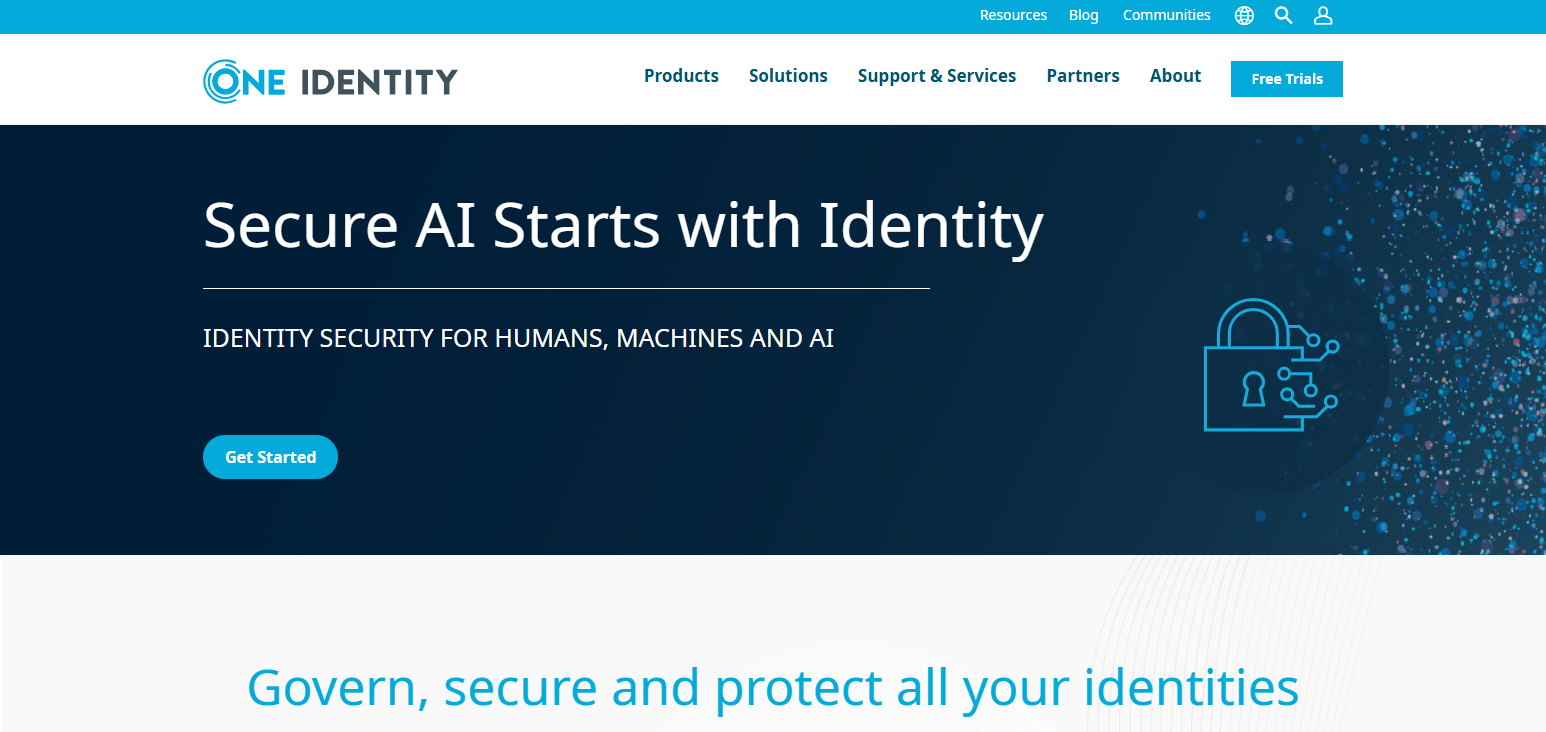
One Identity’s solutions also support automated processes, risk-based access, and specialized reporting. This is a good fit for enterprise customers looking to improve governance and control security risk from too many users with too many privileges.
One Identity Features
- Privileged Account Governance: Controls high-risk user accounts.
- Access Policy Enforcement: Protects enterprise systems by implementing security policies.
- Identity Lifecycle Management: Streamlines user access modifications and approvals.
- Compliance Reporting: Reports compliance and security audits.
- Risk-Based Authentication: Enhances protection by employing flexible verification.
| Pros | Cons |
|---|---|
| Strong identity governance and privileged account control. | Deployment can require significant technical resources. |
| Supports compliance and regulatory requirements. | Interface may require user training. |
| Provides automated identity lifecycle management. | Pricing can be high for smaller companies. |
| Effective risk-based authentication capabilities. | Configuration options may seem complex. |
| Works well with hybrid IT environments. | Requires maintenance for large deployments. |
6. Microsoft Entra Privileged Identity Management Features
Microsoft Entra PIM provides cloud-based privileged access for Microsoft ecosystems. Entra Pim provides Just in Time access, temporally granted privileges, approvals, and detailed user activity. Because Microsoft Entra is integrated with Microsoft Entra ID,

Customers are able to easily implement Zero Trust. With the latest capabilities, Entra PIM also focuses on automated risks of identity and the protection of hybrid cloud infrastructures.
Microsoft Entra Privileged Identity Management Features
- Just-In-Time Access: Grants time-limited privileged permissions.
- Identity Governance: Manages user roles in Microsoft’s cloud services.
- Approval-Based Access: Need consent to activate privileges.
- Access Reviews: Reviews privileges and activities periodically.
- Risk Detection: Automatically reports suspicious activities of users.
| Pros | Cons |
|---|---|
| Native integration with Microsoft cloud ecosystem. | Best experience depends on Microsoft environments. |
| Just-in-time access reduces unnecessary privileges. | Advanced features may require premium licenses. |
| Strong identity governance capabilities. | Limited compared with dedicated PAM platforms. |
| Automated risk detection improves security. | Configuration can be complicated for beginners. |
| Supports Zero Trust access management. | Requires Microsoft identity expertise. |
7. Keeper Security
Keeper Security offers a PAM solution that guards against credential misuse via encrypted password vaults and access management. Their solution supports organizations in the effective management of administrator accounts and the monitoring of credential usage to help combat unauthorized access.
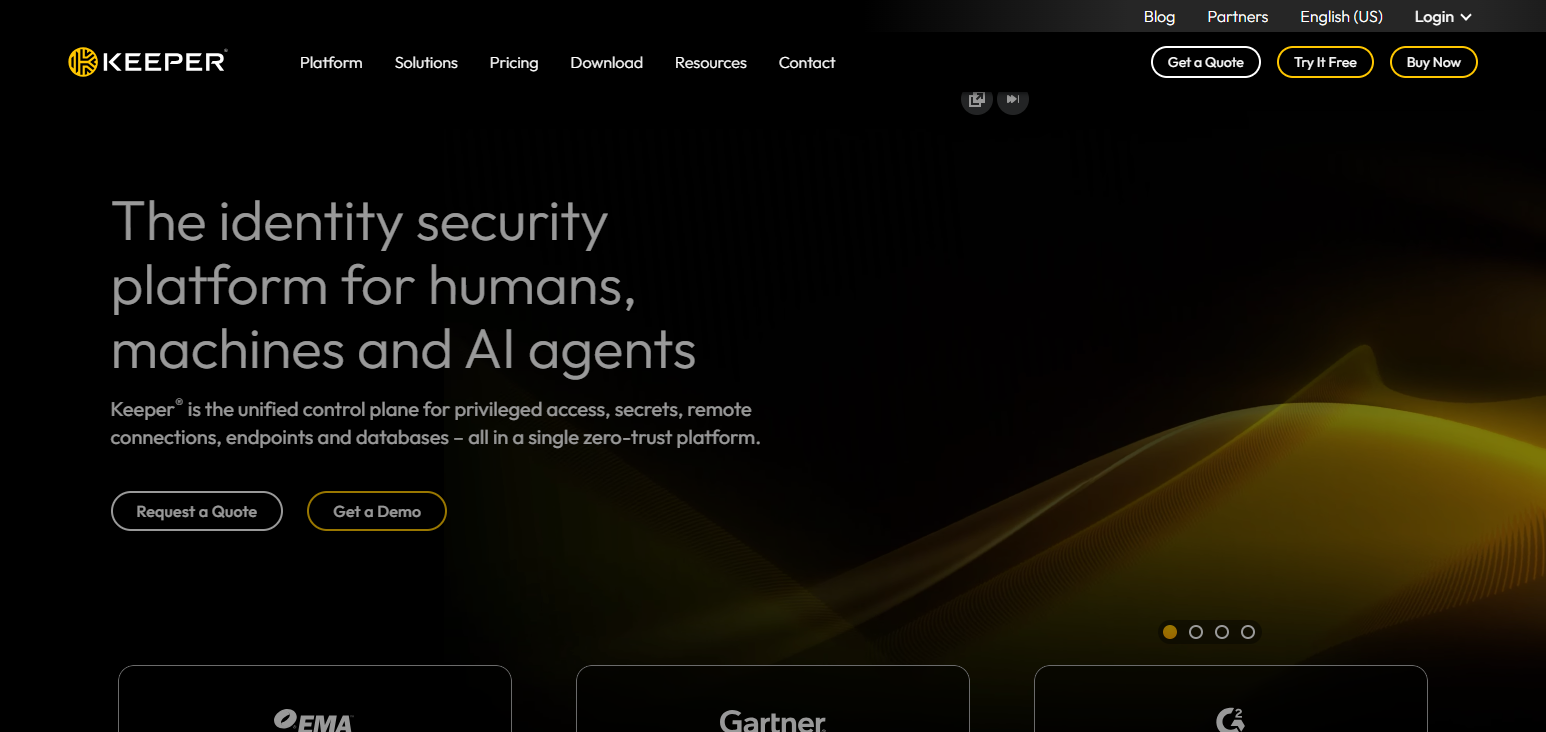
Keeper combines zero-knowledge encryption, automated password management, and strong authentication, providing a robust, easy-to-use privileged identity protection solution.
Keeper Security Features
- Encrypted Password Vault: Strong encryption provides protection for all privileged credentials.
- Zero-Knowledge Security: Only those with permission can access information.
- Multi-Factor Authentication: Additional verification is an additional protection layer.
- Credential Sharing Controls: Passwords are protected, but sharing is made easier.
- Automated Password Management: Adjustments and maintenance on credentials are simplified.
| Pros | Cons |
|---|---|
| Strong encryption protects sensitive credentials. | Advanced PAM features may be limited. |
| Simple interface improves user adoption. | Less suitable for large enterprise environments. |
| Zero-knowledge security enhances privacy. | Reporting capabilities may need improvement. |
| Supports multi-factor authentication options. | Integration options are fewer than competitors. |
| Affordable solution for smaller teams. | Limited customization for complex requirements. |
8. Broadcom Symantec PAM
Broadcom Symantec PAM offers sophisticated privileged access protection through the control of high-risk accounts and the monitoring of privileged activities. Their solution assists organizations in the management of user permissions, the enforcement of security policies, and the protection of vital systems from unauthorized access.
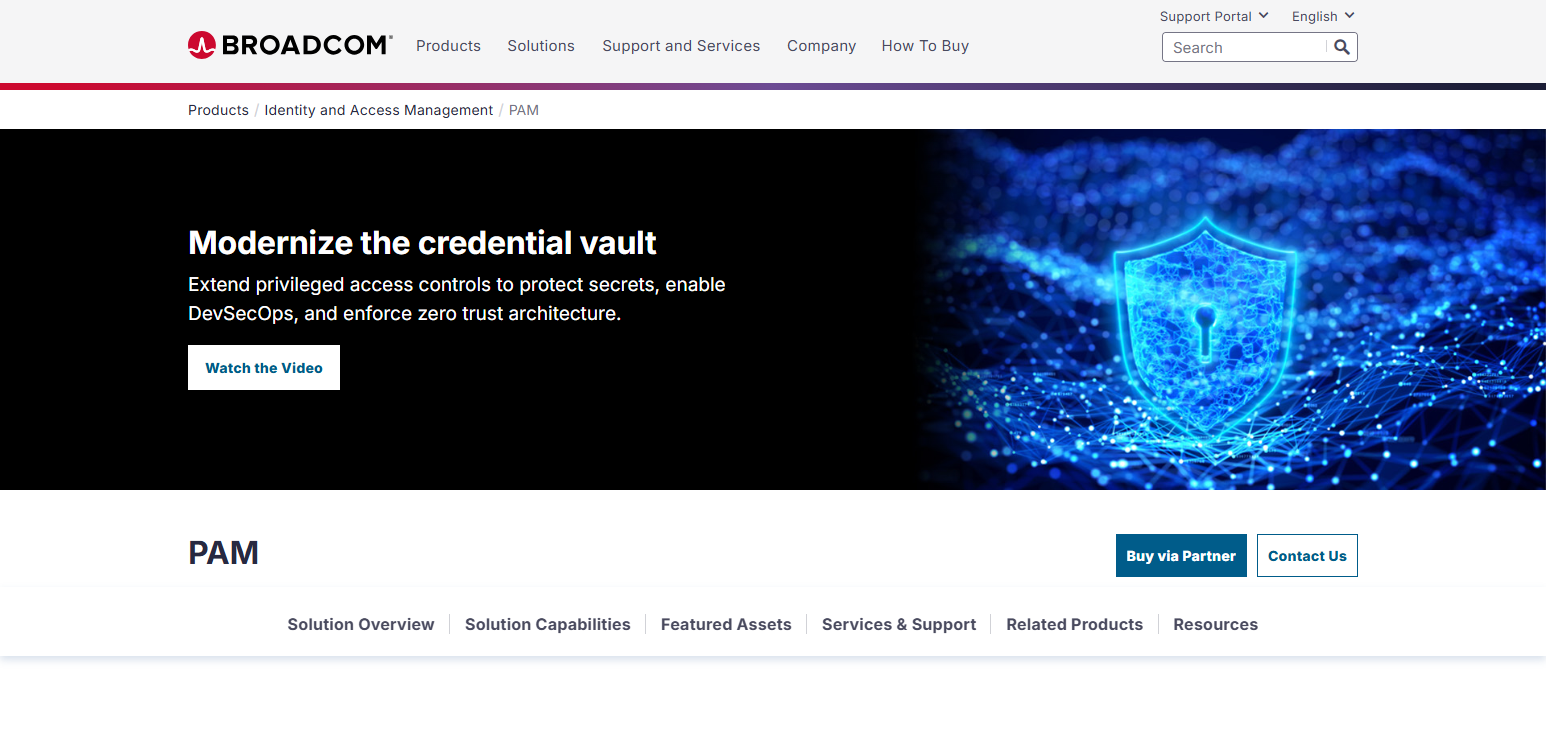
It offers support for risk-based authentication, implied regulatory obligations, and centralized privileged management. With their extensive knowledge of cybersecurity, Broadcom’s solution supports the enhancement of identity protection against emergent threats.
Broadcom Symantec PAM Features
- Privileged Access Control: Access to certain critical systems is restricted.
- Risk-Based Authentication: Grants permissions based on user behavior.
- Security Policy Management: Access and compliance policies are enforced.
- Activity Monitoring: Allows visibility of users in a privileged context.
- Centralized Administration: Security management can be performed on one platform.\
| Pros | Cons |
|---|---|
| Enterprise-level security for privileged accounts. | Can be expensive for smaller organizations. |
| Strong policy management and access controls. | Deployment requires specialized expertise. |
| Effective monitoring of privileged activities. | User experience may feel outdated. |
| Supports compliance-focused organizations. | Integration may require additional configuration. |
| Provides centralized security administration. | Complex environments need careful planning. |
9. Wallix
Wallix offers a PAM solution to protect privileged accounts and remote access to sensitive IT environments. Their solution offers password management, session recording, access control, and compliance.
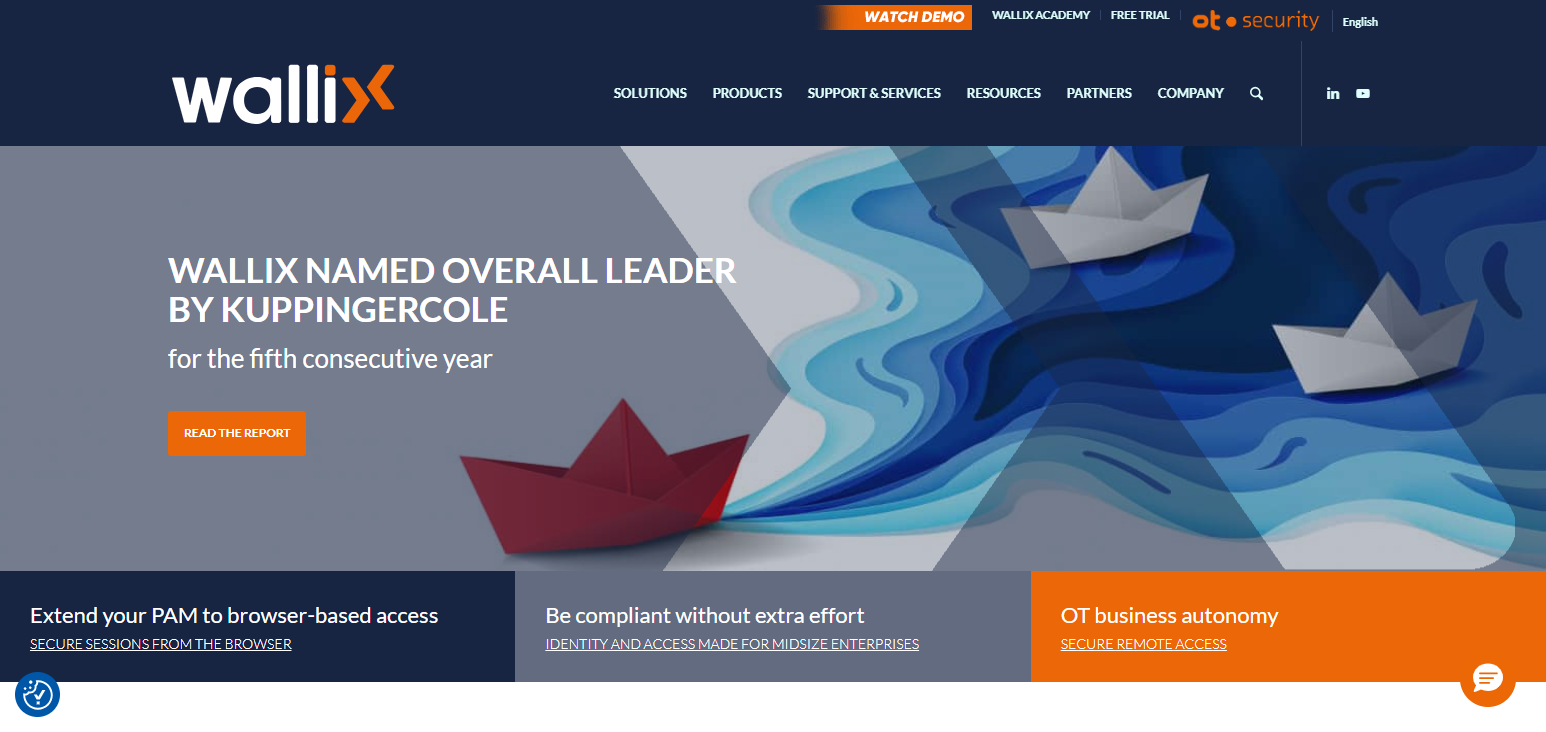
Wallix is a popular choice for organizations that require strong operational security and compliance. Their recent updates have focused on the protection of a remote workforce, a Zero Trust access approach, and cloud deployment.
Wallix Features
- Privileged Session Management: Session Monitoring and User Session Recording are Managed.
- Secure Remote Access: Remote access, internal and external, is made secure.
- Password Management: Efficiently manages and protects privileged credentials.
- Compliance Monitoring: Meets regulatory requirements with thorough documentation.
- Least Privilege Access: Restricts access rights, minimizing potential vulnerabilities.
| Pros | Cons |
|---|---|
| Strong privileged session management features. | Brand recognition is lower than major PAM vendors. |
| Effective remote access security capabilities. | Limited advanced automation features. |
| Supports compliance and audit requirements. | May require technical knowledge during setup. |
| Lightweight deployment compared with some competitors. | Smaller ecosystem compared with global providers. |
| Good least-privilege access controls. | Some integrations may need customization. |
10. HashiCorp Boundary
HashiCorp Boundary provides identity-based access management. It allows secure connections to infrastructure resources while shielding sensitive credentials. Unlike traditional PAM tools, Boundary focuses on dynamic access control tailored for cloud and DevOps environments.
HashiCorp Boundary supports secure access to applications, helps manage sessions, and implements least-privilege security.
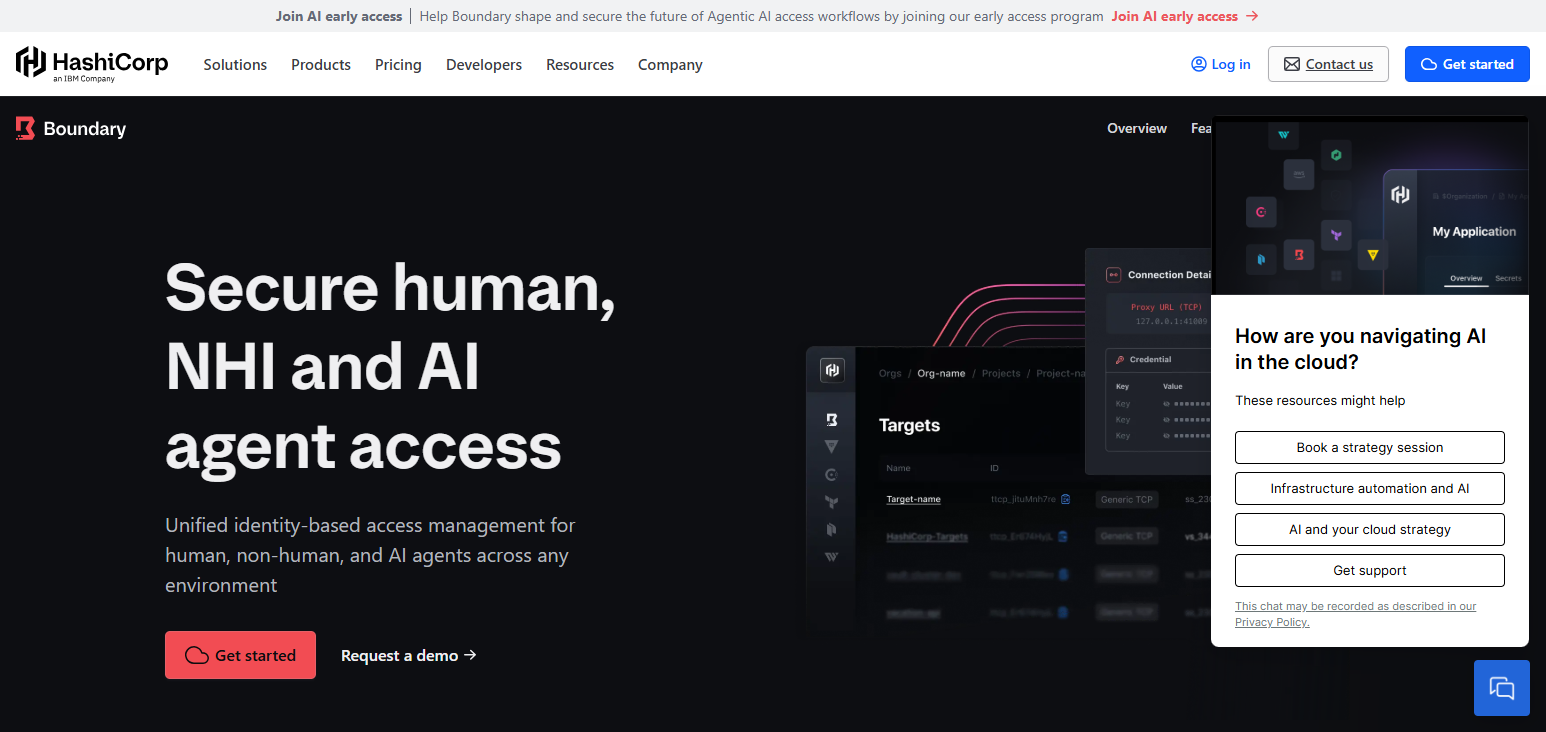
The newest features of Boundary support the cloud-native security posture and allows engineering teams to secure integrations and organize infrastructure while DevOps teams work on integrations.
HashiCorp Boundary Features
- Identity-Based Access: Provides access based on legitimate user identities.
- Dynamic Infrastructure Security: Safeguards contemporary cloud and DevOps infrastructures.
- Credentialless Access: Lessens reliance on visible, static credentials.
- Session Management: Secures and oversees connections to infrastructure.
- Cloud-Native Integration: Facilitates support for adaptable and distributed applications.
| Pros | Cons |
|---|---|
| Modern identity-based access approach for cloud environments. | Not a complete traditional PAM replacement. |
| Excellent support for DevOps and infrastructure teams. | Requires technical expertise for deployment. |
| Reduces dependency on static credentials. | Limited enterprise PAM governance features. |
| Supports scalable cloud-native architectures. | More suitable for technical teams. |
| Improves secure infrastructure access management. | May require integration with other security tools. |
Future Trends in Privileged Access Management (PAM)
- Threat Detection Powered by AI: Threats detection will be faster, and security incidents will be less likely with AI integrated into PAM solution systems to understand user behavior and identify access pattern anomalies.
- Privileged Access without Passwords: The reliance and risk management of passwords in accessing systems and information will diminish with the introduction and adoption of authentication biometrics and security keys.
- More Trust with Lesser Risk: PAM will be more involved with Zero Trust frameworks with the continuous assessment of users and constant verification of devices and access requests.
- Cloud-Ready PAM Solutions: PAM systems will be more adaptive and responsive with the secure management of cloud environments, flexible elastic computing, and distributed hybrid infrastructures.
- Simplified Identity Automation: Large organizations will have less strenuous and automated management of user access requests and periodic privilege reviews.
- Risk Management Analytics Behavior: PAM systems will be more proactive with the identification and containment of potential threats by assessing user behavior and acting on the threat.
- Unified Cybersecurity Solutions: PAM systems will be combined with how security incidents are managed with Systems Information and Event Management (SIEM) and Extended Detection and Response (XDR) automated frameworks.
Conclusion
In Conclusion Best Privileged Access Management (PAM) Software Finding the Best Privileged Access Management (PAM) Software allows companies to secure their sensitive accounts, manage cyber risk, and enforce secure access.
Up-to-date PAM solutions allow for the protection of credentials, Zero Trust security, and monitoring and compliance support.
With the growing cyber threat landscape, organizations should consider the full range of protective investments available to strengthen their identity security and avoid the loss of access to their digital assets.
FAQs
What are the key features of PAM Software?
Key features include password vaulting, session monitoring, MFA, access control, and auditing.
Which is the best PAM Software for enterprises?
CyberArk, BeyondTrust, Delinea, and One Identity are popular enterprise PAM solutions.
How does PAM improve cybersecurity?
PAM reduces security risks by controlling privileged access and monitoring user activities.
Is PAM different from IAM?
Yes, IAM manages general identities, while PAM focuses on high-risk privileged accounts.