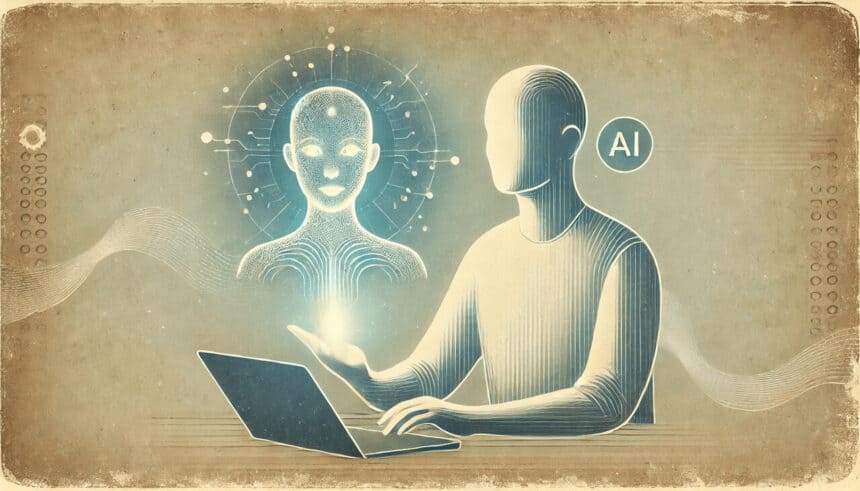
AI Tools That Are Changing the Game for Mental Health Support Emotion has distinct economic utility, which is radically transforming emotional care of your customers.
Hello any intelligent chatbots or advanced analytics to support faster, more personalized service. In the modern age of society today
Mental health services are becoming more accessible, affordable and effective to people looking for help anytime anywhere.
Key Poinst & AI Tools That Are Changing Mental Health Support
Wysa – AI chatbot offering CBT exercises, mood tracking, and optional human coaching for structured emotional support.
Woebot – CBT-based chatbot teaching cognitive skills through structured conversations, helping users reframe thoughts and emotions daily.
Youper – AI mental health assistant focused on mood tracking, emotional patterns, and personalized therapeutic conversations for users.
Kintsugi – Uses voice biomarkers to detect depression and anxiety early, enabling proactive mental health intervention and monitoring.
Ginger – Provides on-demand mental health support combining AI chatbots with licensed therapists and coaches for personalized care.
Upheal – AI tool analyzing therapy sessions, providing insights, summaries, and emotional tracking to improve therapist effectiveness and outcomes.
Mindsera – AI journaling platform enhancing self-reflection, emotional clarity, and mental wellness through guided prompts and analysis tools.
Eleos Health – Uses AI to analyze therapy sessions, offering insights that improve clinical decisions, documentation, and patient outcomes.
Yuna – AI mental health coach focused on daily reflection, grounding exercises, and habit-building for consistent emotional wellbeing.
Crisis Text Line – AI-supported crisis service providing real-time text-based support, connecting individuals with trained human crisis counselors immediately.
10 AI Tools That Are Changing Mental Health Support
1. Wysa
Wysa — an AI-driven mental health app that uses conversational chat to guide users through emotional support.
This app utilizes evidence-based methodologies like Cognitive Behavioral Therapy (CBT), mindfulness, as well as meditation practices to assist users in handling stress and anxiety, or pressure & depression.
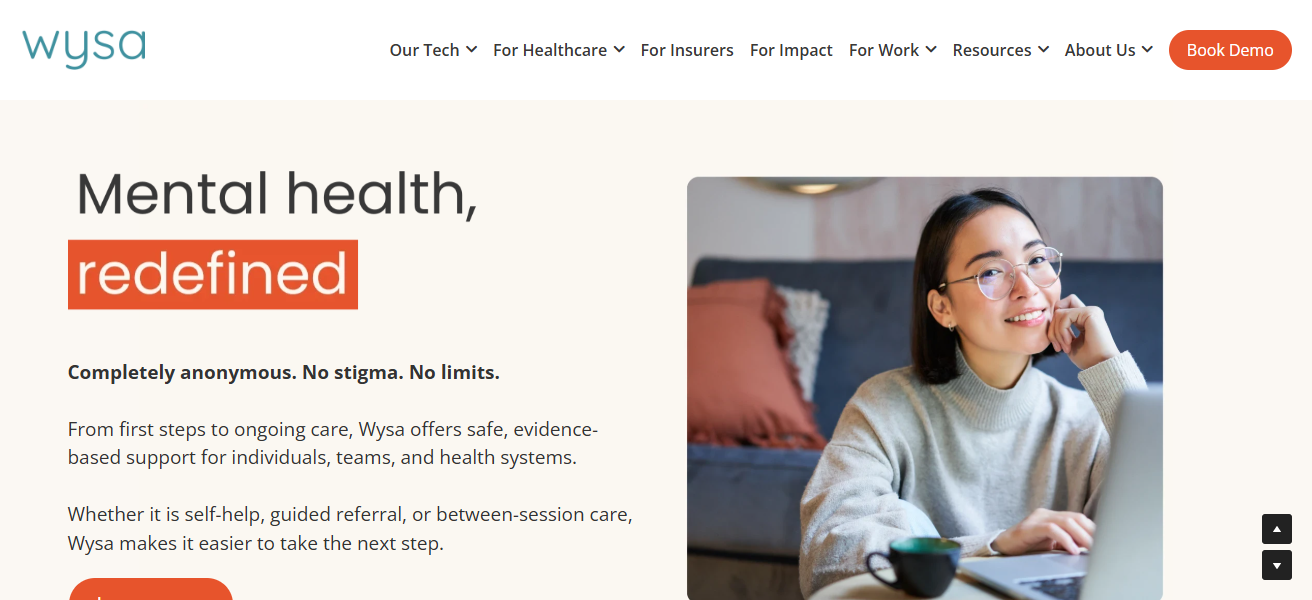
Through the app, users can track their moods, develop coping strategies and practice self-help in a safe space. Wysa provides optional access to human assistants more human helper when necessary.
The wit will be agreeable with those who wouldn’t consider traditional therapy, as its anonymous nature allows for a more relaxed freedom of expression while receiving structured and guided mental health support.
| Feature | Explanation |
|---|---|
| AI Chat Support | Provides 24/7 conversational emotional support using NLP and empathetic AI responses. |
| CBT & Mindfulness Tools | Uses CBT, DBT, and meditation exercises to improve emotional wellbeing effectively. |
| Mood Tracking | Tracks emotional patterns over time, helping users understand mental health trends. |
| Human Coaching Option | Offers access to professional therapists for deeper personalized mental health support. |
2. Woebot
Woebot is a conversational artificial intelligence (AI) chatbot that uses techniques from Cognitive Behavioral Therapy (CBT).
Its daily interaction with users enhances its ability to help users realize negative patterns of thought and replace them with healthier ones.
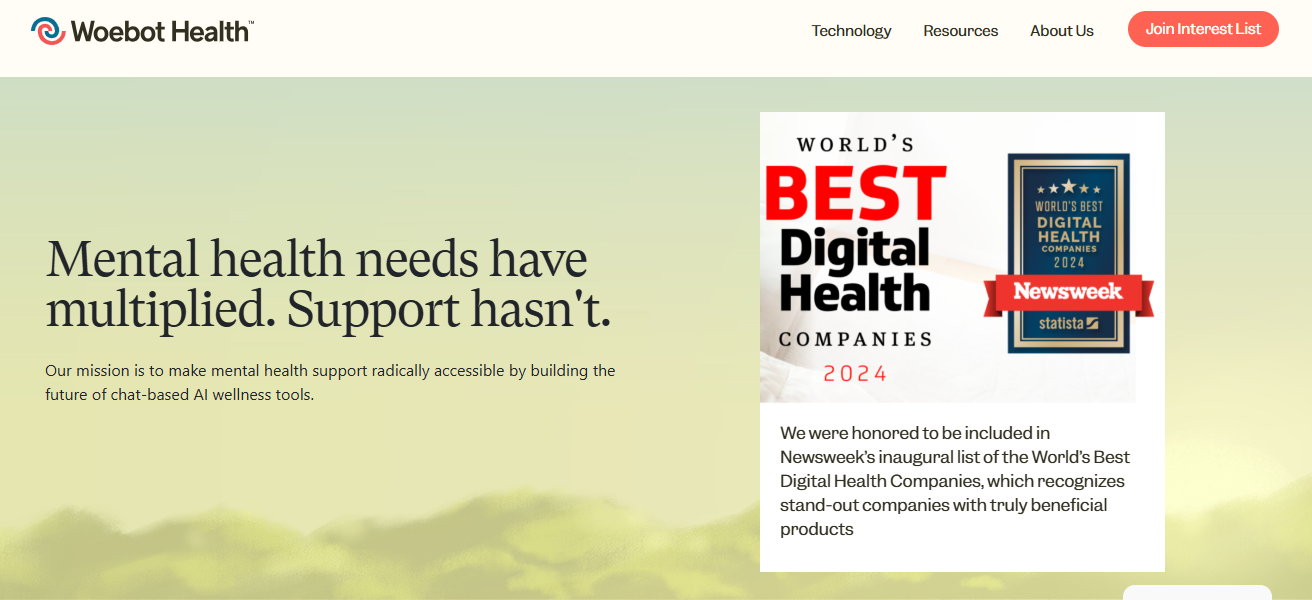
It delivered psychoeducation, mood tracking (weekly), and real-time emotional support. Woebot is a friendly, easy-going program that provides users with mental health care experiences.
This is particularly valuable for those who want portable, digestible tips on a consistent basis without having to schedule therapy appointments; it provides a regular emotional gym and evidence-based tools for developing lasting resilience.
| Feature | Explanation |
|---|---|
| CBT-Based Conversations | Uses structured CBT techniques to help users reframe negative thoughts effectively. |
| Daily Check-ins | Encourages regular emotional tracking through simple daily interactions with users. |
| Psychoeducation | Teaches coping strategies and mental health concepts through guided chatbot conversations. |
| 24/7 Availability | Always accessible, offering immediate support without scheduling therapy appointments. |
3. Youper
Youper is an AI-powered emotional health assistant that uses a blend of artificial intelligence and psychological techniques to help people better understand their emotions.
It provides personalized conversations, mood tracking, and mental health assessments to see patterns in emotional well-being.
Through methods such as cognitive behavioural therapy (CBT), Acceptance and Commitment Therapy (ACT) and mindfulness, Youper provides personalised guidance.

Over time, the app calls up responses from users and tailor them according to ones improvement—both at a recommendation and insight level.
With a strong focus on data-driven mental health tracking, this app gives users the power to put themselves back in control of their emotional state by providing a means for consistent self-awareness and at home mental health treatment.
| Feature | Explanation |
|---|---|
| Mood Tracking System | Tracks emotions with detailed logs and insights to identify behavioral patterns. |
| Personalized Insights | Uses AI to provide tailored recommendations based on emotional data analysis. |
| Multi-Therapy Approach | Combines CBT, ACT, and mindfulness techniques for holistic mental support. |
| Guided Conversations | Helps users understand thoughts through structured AI-driven therapeutic dialogues. |
4. Kintsugi
Kintsugi is an AI tool that an analysis of voice biomarker technology to show early signs of the mental health conditions like depression and anxiety.
It can detect emotional strain long before it becomes apparent through minor shifts in speech patterns, tone and timing.
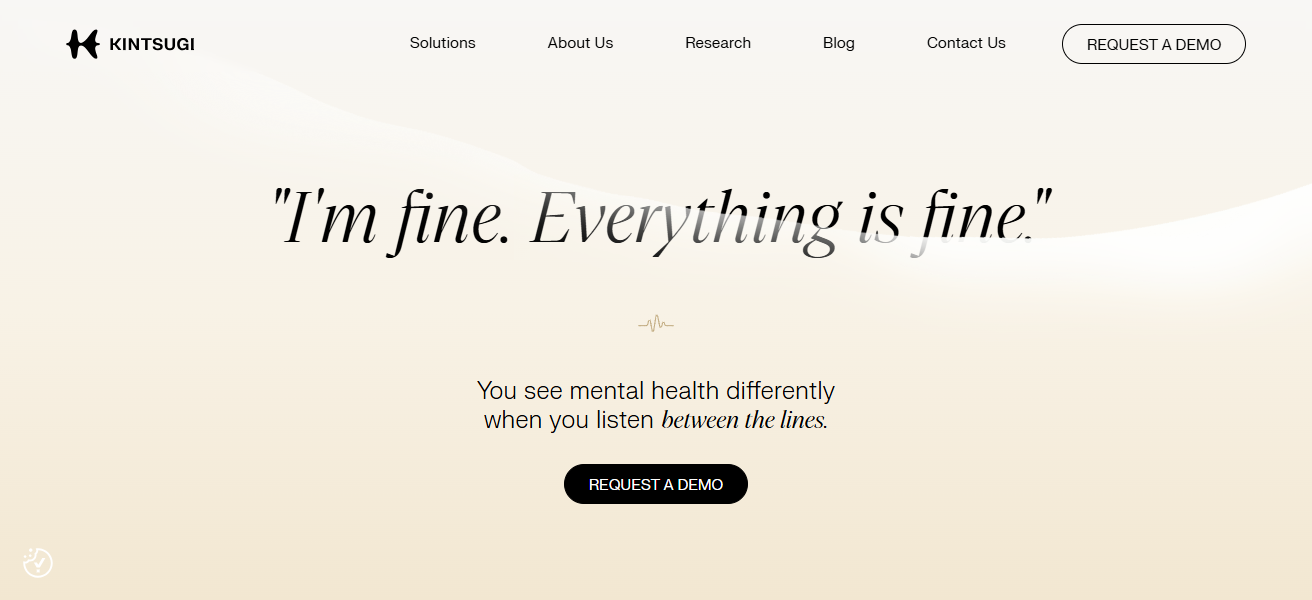
This enables timely intervention from healthcare providers and provision of appropriate care. Kintsugi is frequently incorporated in the new telehealth tech stack and call centers making mental health screening episodic, scalable & unintrusive.
It has passive monitoring feature (without the user even needing an active reminder), and with this, it becomes a powerful solution identifying mental health issues early and proactively supporting its users.
| Feature | Explanation |
|---|---|
| Voice Biomarker Analysis | Detects mental health conditions using speech tone, pitch, and vocal patterns. |
| Early Detection | Identifies signs of depression and anxiety before symptoms become severe. |
| Passive Monitoring | Works in background without active user input for continuous mental health tracking. |
| Healthcare Integration | Integrates with telehealth systems for scalable and proactive mental health screening. |
5. Ginger
Ginger is a 24/7 on-demand mental health platform, powered by its AI–human hybrid technology stack.
This provides around-the-clock availability of behavioral health coaching therapy and psychiatry via chat and video sessions.

The component of AI allows to triage users to appropriate level of care according to user needs. Organizations are widely using Ginger in support of employee mental health and wellness.
It uses automation backed by a human touch to ensure users get care at the right time, personalized to their own needs while making mental health services accessible, scalable and individual-focused.
| Feature | Explanation |
|---|---|
| On-Demand Coaching | Provides instant access to behavioral health coaches via chat anytime. |
| AI Triage System | Uses AI to assess needs and route users to appropriate care levels. |
| Therapy & Psychiatry | Offers video sessions with licensed therapists and psychiatrists. |
| Employer Integration | Widely used by companies to support employee mental wellness programs. |
6. Upheal
Upheal – Upheal is an artificial Intelligence platform to help therapists that involves analyzing therapy sessions and offering actionable insights.
It uses speech recognition and natural language processing to create session notes, monitor emotional cues and summarize important discussion.
This relieves therapists of administrative burdens, allowing them to spend more time focusing on patient care.
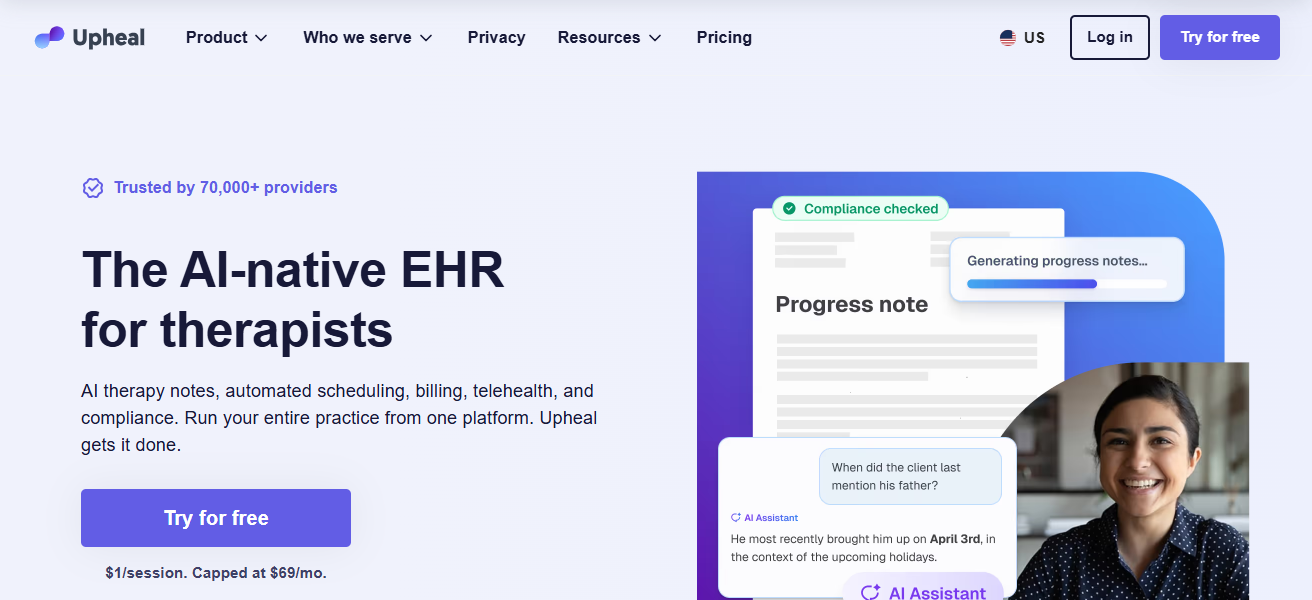
Upheal also tracks patterns across sessions for professionals to identify and integrate back into treatment planning.
This allows Upheal to integrate well into the contemporary need for digitalisation of therapy with augmented efficiency in clinical work and more refined knowledge about patient behaviour, ultimately improving mental health care delivery.
| Feature | Explanation |
|---|---|
| Session Transcription | Converts therapy conversations into structured notes automatically. |
| AI Insights | Analyzes emotional cues and key themes from therapy sessions. |
| Progress Tracking | Tracks patient emotional patterns across multiple sessions effectively. |
| Workflow Automation | Reduces administrative workload for therapists, improving efficiency. |
7. Mindsera
MindSera is an AI powered journaling platform that helps users write more structured on what they are feeling to achieve better mental clarity and emotional well-being.
It features guided prompts, thought analysis and customized feedback designed to promote self-reflection.
With the help of AI, it recognizes patterns in their thoughts and moods to provide users with a new level of insight into how they are feeling.

Inspired by stoic philosophy and mindfulness practices, But Mindsera integrates further to make the act of journaling even more meaningful.
This practice creates an almost therapeutic writing scenario that allows users to cope with stress, concentrate on their thoughts and feelings with ease.
| Feature | Explanation |
|---|---|
| Guided Journaling | Provides structured prompts to improve reflection and emotional clarity. |
| Thought Analysis | Uses AI to analyze writing patterns and identify mental trends. |
| Personal Insights | Generates feedback to help users understand thoughts and behaviors. |
| Mindfulness Integration | Encourages daily mental wellness habits through journaling practices. |
8. Eleos Health
Eleos Health: an AI-based platform aims to improve behavioral health by analyzing therapy sessions and delivering insights in real-time.
ICD also generates automatic documentation of notes and identifies the therapeutic moments for an ability to comply with clinical performance improvement.
The platform makes it easy to identify and refine techniques that could produce better outcomes for patients.

A platform that increase organisation workflows while still delivering high-quality care Eleos Health works with mental health organisations across the board.
More efficient in that by utilizing AI it decreases the administrative burden and gives clinical professionals to offer more strategic, data-backed mental health care.
| Feature | Explanation |
|---|---|
| Session Analysis | Uses AI to review therapy sessions and highlight important moments. |
| Automated Documentation | Generates clinical notes and summaries for therapists automatically. |
| Performance Feedback | Helps clinicians improve therapy techniques using actionable insights. |
| Compliance Support | Ensures documentation meets healthcare standards and regulations. |
9. Yuna
YunaYou is a daily emotional support and habit building solution with an AI-powered mental wellness coach. It offers tailored check-ins, mindfulness practices, and prompts for self-reflection to promote emotional balance.
Yuna advocates for proactive mental health care with reminder to stay mindful and engage in positive behavioral shifts small changes.
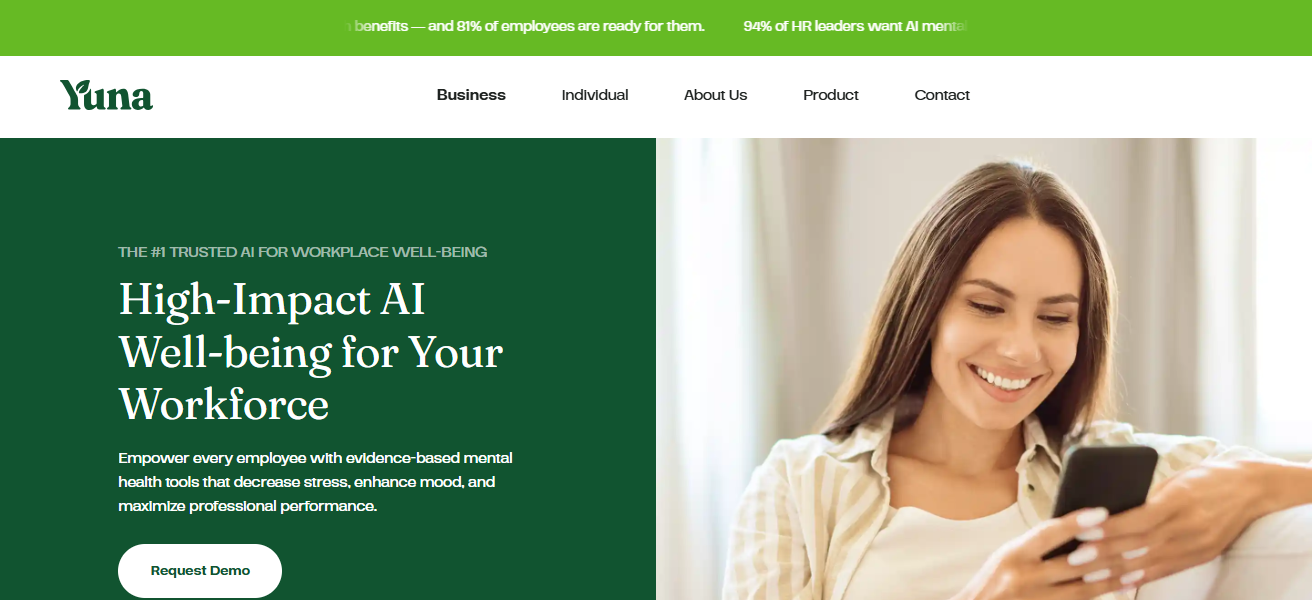
Based on user response, the app then evolves and offers suggestions that suit each individual. Design on the softer and more supporting side
Especially considering users could use a tool to let them get some ongoing help but not anything too intense as formal therapy so good for building healthy mental habits etc that support well-being but also done gently overtime.
| Feature | Explanation |
|---|---|
| Voice-Based Coaching | Offers conversational mental health support through voice interactions. |
| Daily Check-ins | Encourages regular emotional reflection and habit building. |
| Personalized Exercises | Provides tailored mindfulness and stress management activities. |
| Adaptive Conversations | Adjusts responses based on user emotional state and preferences. |
10. Crisis Text Line
Crisis Text Line is a new mental health service that uses AI-enabled technology and human intervention in order to offer immediate assistance when people are going through crises.
People can literally text to a specific number and be matched with trained crisis counselors who are prepared to help on the spot.

AI helps in greater case prioritization and quicker response times for urgent cases with AI. Our service is available 24/7 and aims to offer a safe, anonymous place for people feeling emotionally distressed.
With AI joined with human, well-trained support, Crisis Text Line is saving lives and preventing harm.
| Feature | Explanation |
|---|---|
| 24/7 Crisis Support | Provides immediate help through text-based conversations anytime. |
| AI Prioritization | Uses AI to identify high-risk users and prioritize urgent cases. |
| Human Counselors | Connects users with trained crisis counselors for real-time support. |
| Confidential Platform | Ensures privacy and anonymity for users seeking urgent help. |
Tips on How we Pick tools that are transforming mental health support
AI Accuracy & Intelligence – Measures the ability of AI to comprehend emotions and patterns, also measure if AI is offering smart responses.
Privacy & Security – Users are concerned about their data and want to know that the platform protects them with strong protocols for encryption and anonymous usage options.
Usability — Front end, easy & simple with a design intent to cater for all age groups / experience sets. Full Review of Ease of Use
Personalization – Personalized responses, recommendations, and support according to individual user behavior.
Real-time Availability – Access to support in real time, (round the clock) as soon as the necessity arises, most required for mental health requirements.
Clinical & Professional Use – Accepted as effective by healthcare providers, therapists or organizations.
Capabilities & Unique Features — Such as voice analysis, journaling AI, or insight into therapy sessions.
Conclsuion
In Conclusion AI tools are changing the very nature of mental health care by making it more accessible, individualized, and available at any time.
It helps users organize feelings and monitor progress using things like chatbots to advanced analytics and instant coaching.
Although not a substitute for professional therapy, these tools serve to augment traditional care — enabling individuals and improving overall mental health efficiency in an increasingly digital age.
FAQ
Can AI replace human therapists?
No, AI supports mental health care but cannot fully replace licensed therapists or professional treatment.
Are AI mental health apps safe to use?
Most reputable tools follow strong privacy and security standards, but users should always check data policies.
How do AI chatbots help mental health?
They provide instant conversations, coping strategies, and emotional support using techniques like CBT and mindfulness.
Are these tools available 24/7?
Yes, most AI mental health tools offer round-the-clock support without scheduling appointments.