In this article, I will talk about the Best ChainSafe Alternatives for Web3 Gaming. We will look at Platforms that provide Reliable Blockchain Infrastructure, Gaming APIs, SDKs, NFT Tools, Wallets, Scalability, and Security.
Thirdweb vs Moralis vs Immutable vs Ankr vs Beamable vs MUD vs Paima vs Cartridge vs Ronin vs Cometh – Features, Pricing, Blockchain Support, Developer Experience & Gaming Use Cases
Key Points & Best ChainSafe Alternatives for Web3 Gaming
| Platform | Key Point |
|---|---|
| Thirdweb | Complete Web3 gaming toolkit for wallets, smart contracts, NFTs, and payments. |
| Moralis | Multichain APIs deliver blockchain data, NFTs, tokens, wallets, and analytics. |
| Immutable (IMX) | Gaming-focused blockchain infrastructure enables scalable assets, marketplaces, wallets, and transactions. |
| Ankr SDK | Multichain RPC and APIs provide reliable blockchain connectivity for gaming applications. |
| Beamable Network | Combines traditional game backend services with blockchain assets and Web3 economies. |
| MUD | Framework for building composable, persistent, fully on-chain games and autonomous worlds. |
| Paima Engine | Enables scalable blockchain games using customizable application logic across multiple chains. |
| Cartridge | Provides specialized infrastructure for high-performance, provable on-chain games within Starknet. |
| Ronin (Sky Mavis) | Gaming-first EVM blockchain supports scalable transactions, NFTs, tokens, and player economies. |
| Cometh | Simplifies Web3 gaming through smart wallets, account abstraction, and gasless transactions. |
10 Best ChainSafe Alternatives for Web3 Gaming
1. Thirdweb
Thirdweb is a good ChainSafe alternative for developers building Web3 games that need wallets, smart contract support, NFTs, payments, account abstraction, and blockchain infrastructure in one stack. Its gaming infrastructure supports Unity, Unreal, .NET, Godot and React Native making it useful for cross-platform games.
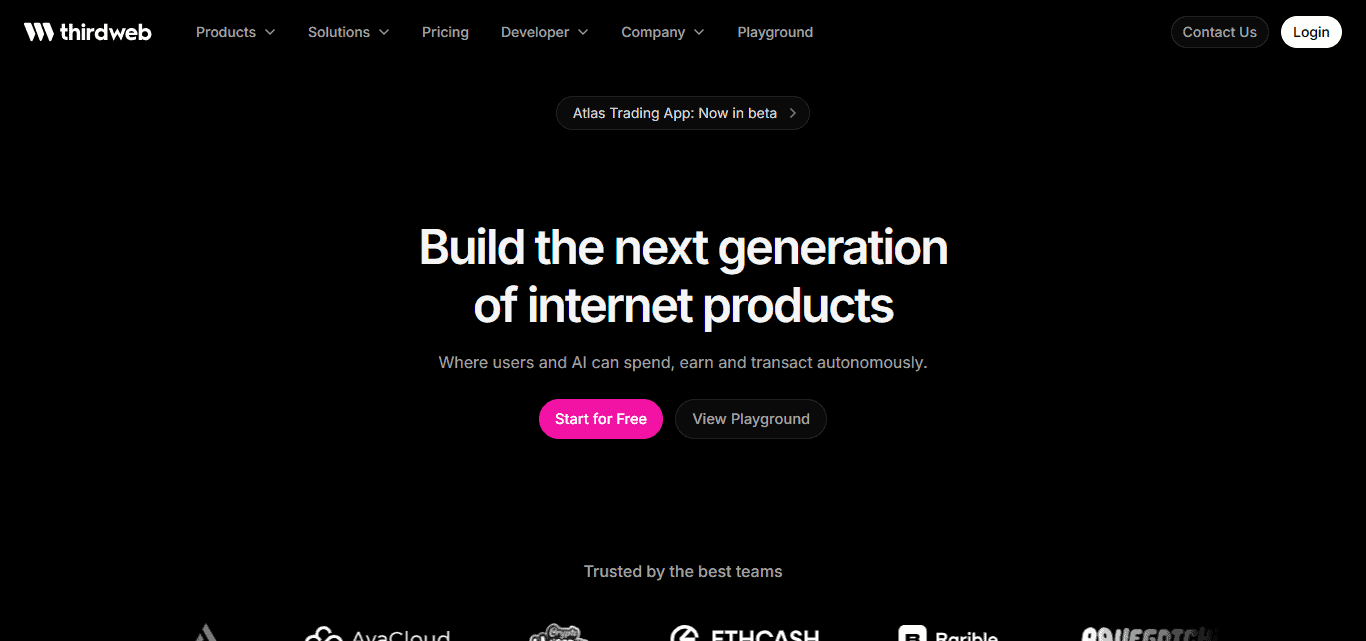
Thirdweb’s infrastructure supports more than 2,500 chains, including big EVM networks such as Ethereum, Polygon and Arbitrum. The Growth plan begins at $99/month, with Scale and Pro plans adding infrastructure and support capabilities at higher price points.
Security features include audited intelligent contracts, managed infrastructure and account abstraction tooling. Its gaming ecosystem is focused on on-chain assets, player wallets, payments, analytics and game economies.
Thirdweb Feature
| Feature | Explanation |
|---|---|
| Smart Contracts | Deploy and manage customizable smart contracts for game assets and economies. |
| Wallet Infrastructure | Provides wallets and account tools for smoother player onboarding. |
| NFT Tools | Supports minting, management, ownership, and integration of in-game digital assets. |
| Multichain Development | Helps developers build Web3 games across multiple supported EVM networks. |
2. Moralis
Moralis is mostly useful for web3 games that need scalable blockchain data, wallet information, NFT data, token APIs, real-time streams, and RPC infrastructure, but it’s not a full game engine. Its performance-centric API infrastructure supports applications on Ethereum, Polygon, Arbitrum, Solana, Base, BNB Chain, Avalanche, Ronin, Immutable-related ecosystems and many more networks. The price starts with a Starter option.
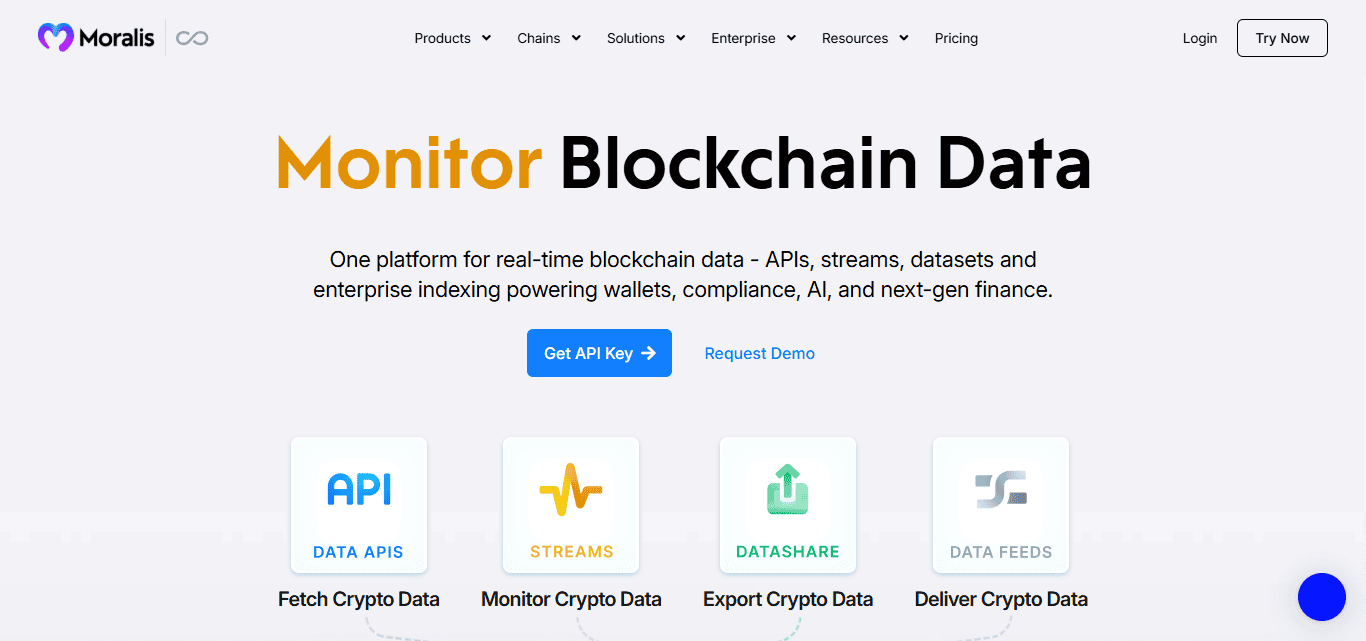
The paid plans are Pro at $249 per month and Business at $749 per month billed annually. Security and reliability through managed RPC infrastructure and controlled API access. Moralis is especially helpful in gaming for player profiles, asset ownership, transaction tracking, marketplace data, and cross-chain analytics.
Moralis Feature
| Feature | Explanation |
|---|---|
| Blockchain APIs | Provides APIs for accessing blockchain data needed by Web3 games. |
| NFT Data | Retrieves NFT ownership, metadata, transfers, collections, and asset information. |
| Wallet Data | Enables games to track balances, transactions, tokens, and wallet activity. |
| Multichain Support | Connects applications with data across numerous supported blockchain networks. |
3. Immutable (IMX)
Immutable is a gaming-first blockchain infrastructure alternative for studios building scalable Web3 games, digital resources, marketplaces and player economies. Immutable zkEVM offers EVM compatibility, low-cost transactions, Ethereum-grade security, and gaming-oriented scalability.

Infrastructure includes: Passport (for wallet and authentication), Unity/Unreal/TypeScript SDKs, blockchain data APIs, minting APIs, marketplace APIs, gas sponsorship, and smart-contract deployment tools. Immutable says its gaming network and marketplace is the heart of the ecosystem, featuring more than 700 games building and over 220 million total transactions.
There is no single gaming subscription. Pricing is dependent on the products you select and how you use them. The biggest advantage it has is the combination of blockchain infrastructure with dedicated gaming onboarding and monetization tools.
Immutable (IMX) Feature
| Feature | Explanation |
|---|---|
| Gaming Blockchain | Provides gaming-focused blockchain infrastructure for scalable Web3 game development. |
| Immutable Passport | Simplifies player onboarding through wallet and authentication infrastructure. |
| NFT Infrastructure | Enables developers to create, manage, and integrate game-based digital assets. |
| Gaming Marketplace | Supports digital-asset trading and marketplace functionality within gaming ecosystems. |
4. Ankr SDK
Ankr is a good ChainSafe alternative for a Web3 game mainly requiring reliable RPC access, blockchain connectivity, node infrastructure and multichain APIs. Its infrastructure today enables access to more than 80 blockchain networks including Ethereum, Polygon, Arbitrum, Base, BNB Chain, Avalanche, Solana, Sui, Optimism and many others. Advanced API provides indexed multichain endpoints and Node API enables direct blockchain interaction over RPC.
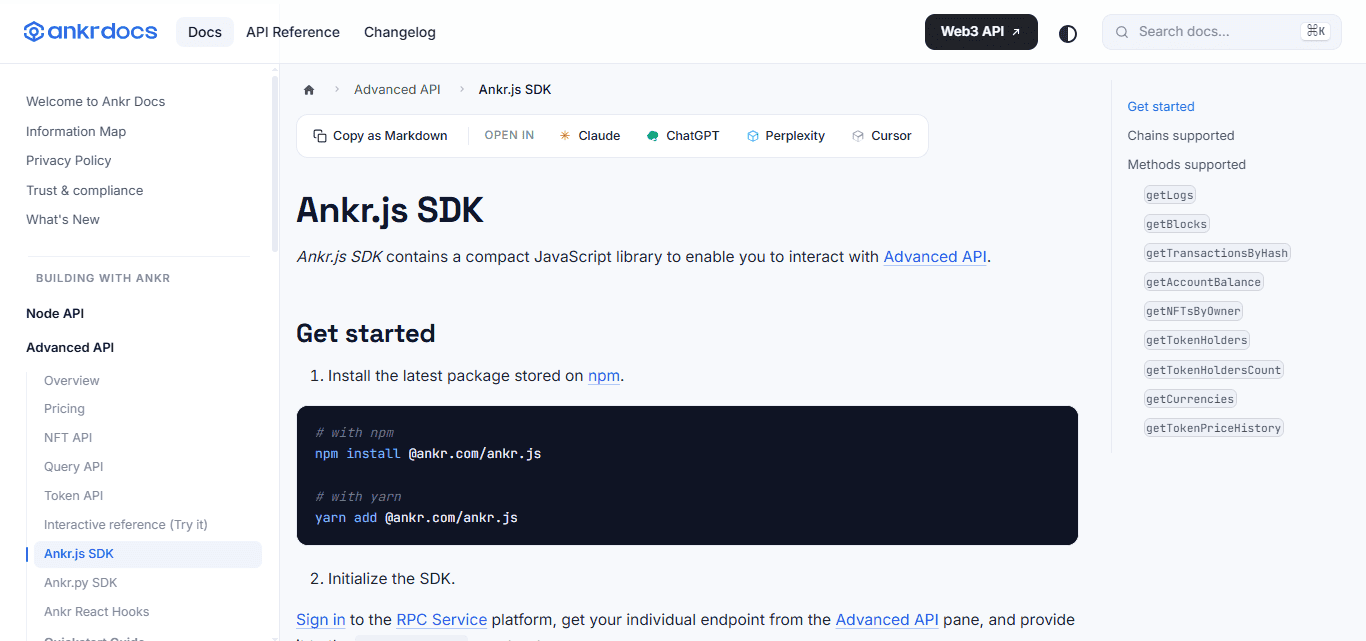
Geographically distributed infrastructure and automatic regional failover provide the performance. Ankr has public, freemium, premium and enterprise-style options, with premium usage based on API credits and request methods. Security includes multi-region infrastructure, health monitoring, managed security operations and SOC 2 Type II certification.
Ankr SDK Feature
| Feature | Explanation |
|---|---|
| RPC Infrastructure | Provides blockchain RPC connectivity for games and decentralized applications. |
| Multichain Access | Connects developers with numerous blockchain networks through unified infrastructure. |
| Blockchain APIs | Provides APIs for retrieving and interacting with blockchain information. |
| Node Infrastructure | Offers managed blockchain node infrastructure for reliable application connectivity. |
5. Beamable Network
Beamable is focused on helping game studios merge traditional live-game backend infrastructure with Web3 assets and blockchain economies. Its primary gaming use case is player management, LiveOps, content management, game backend services, inventories and blockchain-connected assets.
Web3 integrations such as Polygon, Solana, Sui, and Bitcoin features, giving studios the flexibility to implement a wide range of gaming economies. Its infrastructure runs the Unity, Unreal, and Web SDKs and it has a usage-based pricing model with packages from a free 90-day trial to paid tiers based on monthly active users, API calls and microservices.

Security features include OAuth2 authentication, signed server requests, password hashing and SSL/TLS encryption. This makes Beamable particularly useful for studios that want Web2-like backend services in addition to blockchain functionality.
Beamable Network Feature
| Feature | Explanation |
|---|---|
| Game Backend | Provides backend services for player management, game logic, and live operations. |
| Web3 Integration | Connects traditional game infrastructure with blockchain-based assets and economies. |
| Player Services | Supports player accounts, inventories, content management, and game-related services. |
| Unity Integration | Helps game developers connect blockchain and backend functionality within Unity projects. |
6. MUD
MUD is best for developers building fully on-chain or highly composable Web3 games where game state, logic and player interactions require blockchain-native infrastructure. Its main value is as a framework for building autonomous, persistent game worlds, not just an RPC or blockchain data service.
MUD is tightly coupled with Ethereum and EVM-compatible development, enabling developers to create programmable on-chain game systems through a smart contract-based architecture. Its infrastructure is built around composability, decentralized game state, extensible systems and developer-controlled logic.
As a rule, pricing is tied to the underlying development and blockchain infrastructure, rather than a traditional SaaS gaming subscription. Developers depend on the underlying networks and intelligent contracts they deploy on for security. This makes a particular sense for teams that value fully on-chain game mechanics and interoperability.
MUD Feature
| Feature | Explanation |
|---|---|
| On-Chain Game State | Enables developers to store important game states directly on blockchain infrastructure. |
| Smart-Contract Systems | Provides programmable systems for implementing blockchain-native game mechanics. |
| Composable Worlds | Allows developers to create interoperable and extensible on-chain gaming environments. |
| Ethereum Ecosystem | Designed around Ethereum and compatible EVM-based development environments. |
7. Paima Engine
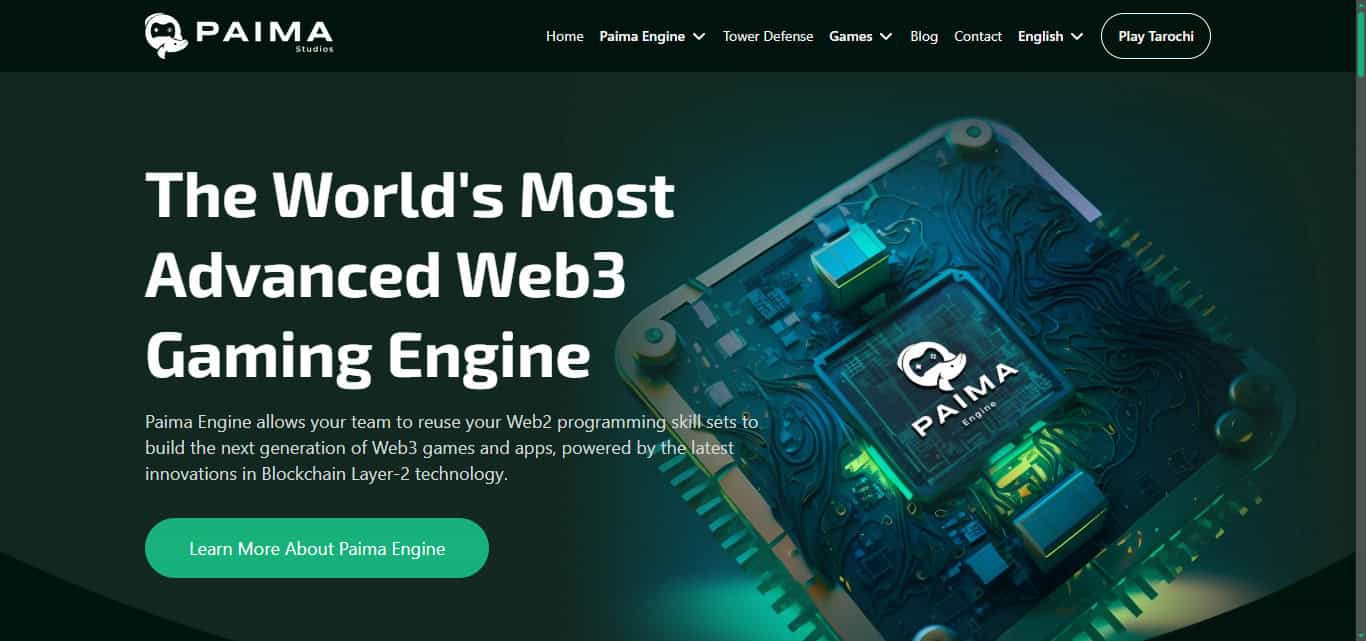
Paima Engine is designed for blockchain game developers who need game-specific application logic and want to connect on-chain assets across different blockchain environments. Its main gaming use case is building data-heavy games with a Web3 backend architecture, without having to run every game action directly on an L1.
Paima supports L1s, L2s, sidechains & appchains architectures, and can connect NFTs from different chains to games without traditional NFT bridging. This approach can improve scalability by offloading intensive game logic to suitable execution environments.
Pricing is project-based, not a standard consumer SaaS subscription. The security is a function of the blockchain architecture and the application design. Its biggest ecosystem advantage is the ability to switch between games and existing on-chain NFT communities.
Paima Engine Feature
| Feature | Explanation |
|---|---|
| Blockchain Game Logic | Enables developers to build customized blockchain-based application and game logic. |
| Multichain Architecture | Supports gaming applications that interact with multiple blockchain environments. |
| Game Backend | Provides infrastructure for connecting game logic with blockchain data and assets. |
| NFT Integration | Allows games to incorporate NFTs and blockchain-owned digital assets. |
8. Cartridge
Cartridge is especially relevant for developers building high-performance on-chain games in the Starknet ecosystem. Its gaming infrastructure is geared toward better onboarding for players and simplifying interactions with the blockchain via its Controller technology, while the broader Dojo ecosystem offers tools for provable, fully on-chain games.
Starknet provides the low-fee and high-throughput environment needed for real-time gaming workloads. The cartridge supports games built with Dojo and has worked on titles including Loot Survivor, Paved, Dope Wars, and Force Prime Heroes.

Pricing is generally more about the ecosystem and the project itself and less about a simple gaming SaaS subscription. Starknet’s provable-game approach and cryptographic architecture provide security benefits. Its main strength is the dedicated infrastructure for persistent and provable on-chain gaming experiences.
Cartridge Feature
| Feature | Explanation |
|---|---|
| On-Chain Gaming | Provides infrastructure designed specifically for blockchain-native gaming experiences. |
| Starknet Integration | Supports games built within the Starknet blockchain ecosystem. |
| Player Controller | Provides infrastructure designed to simplify player interaction with on-chain games. |
| Gaming Infrastructure | Supports high-performance blockchain gaming applications and persistent game experiences. |
9. Ronin (Sky Mavis)
Ronin is a gaming-focused EVM chain built for Web3 games and player-owned economies. Its main use case is to be a dedicated environment for games to manage NFTs, tokens, transactions, wallets and on-chain economies at gaming scale.

Ronin has seen scalability with big games like Axie Infinity and now supports a large ecosystem of games like Pixels, Lumiterra, Fableborne, and Ragnarok Landverse. It is EVM-compatible, so developers are able to use familiar Ethereum-based development patterns and wallets. Ronin is optimized for fast transactions and low-cost gameplay interactions.
Security is a function of the network architecture, validators, intelligent contracts, and wallet practices. Pricing is based on network transactions, not a traditional monthly developer subscription – which is appealing for studios wanting to enjoy a gaming-native blockchain ecosystem.
Ronin (Sky Mavis) Feature
| Feature | Explanation |
|---|---|
| Gaming Blockchain | Provides an EVM-compatible blockchain designed specifically for Web3 gaming. |
| Game Ecosystem | Connects developers with an established blockchain gaming ecosystem and communities. |
| NFT Support | Enables ownership, trading, and management of game-related digital assets. |
| Low-Cost Transactions | Designed to support frequent gaming transactions with comparatively low network costs. |
10. Cometh
Cometh is a valuable alternative for Web3 gaming projects focused on embedded smart wallets, account abstraction, gasless transactions, and simplified player onboarding. Its Cometh Connect SDK leverages ERC-4337 account abstraction and offers biometric, passwordless, non-custodial smart wallet experiences.
The infrastructure supports multiple EVM networks, including Arbitrum, Base, Polygon, Gnosis, Optimism, Berachain, BNB Smart Chain and Linea, with other networks available through activation. Technologies like viem and wagmi form the basis of the modern wallet infrastructure performance.

It’s priced according to the integration and services you need, rather than being a neatly standardized gaming subscription. Security is improved by standards for smart-wallets, non-custodial wallets, account recovery and WebAuthn-based authentication. The best use case for gaming is reducing wallet and transaction friction for players.
Cometh Feature
| Feature | Explanation |
|---|---|
| Smart Wallets | Provides smart-wallet infrastructure for easier Web3 player account management. |
| Account Abstraction | Simplifies blockchain interactions by reducing traditional wallet-related player friction. |
| Gasless Transactions | Can enable sponsored transactions that reduce direct gas-payment requirements for players. |
| Player Authentication | Supports smoother authentication and onboarding for blockchain gaming applications. |
What makes a good ChainSafe alternative for Web3 games?
Web3 gaming use case: Enables blockchain-based games with assets, ownership, economies, transactions, and player interactions.
Gaming infrastructure and APIs Offers APIs and infrastructure for gaming applications, blockchain data, assets and transactions.
Unity, Unreal and other SDKs support Offers SDKs for popular game engines, making blockchain integration easier throughout game development workflows.
NFT and digital asset infrastructure Supports NFT creation, minting, management, trading, ownership and game integration.
Wallet and account-abstraction support Embeds player wallets with authentication, recovery, and account abstraction technologies for simplified player wallets.
Scalability and performance It can handle more and more players, more and more transactions, more and more assets and more and more workloads without hurting the overall gaming performance.
Conclusion
To summarize, the choice of the right ChainSafe alternative for Web3 gaming is dependent on your project’s infrastructure, blockchain, scalability and player-experience needs. Thirdweb, Moralis, Immutable, Ankr, Beamable, MUD, Paima, Cartridge, Ronin and Cometh all have their own strengths.
Before you make up your mind, check out their gaming tools, supported networks, pricing, security, SDKs and ecosystem. You want a platform that can handle your current gaming needs, but also be flexible enough to grow and evolve in the future.
FAQ
What are the best ChainSafe alternatives for Web3 gaming?
Thirdweb, Moralis, Immutable, Ankr, Beamable, MUD, Paima, Cartridge, Ronin, and Cometh are notable alternatives.
Is Thirdweb a good ChainSafe alternative?
Yes, Thirdweb offers smart contracts, wallets, NFTs, payments, and multichain development tools.
Is Immutable suitable for Web3 gaming?
Yes, Immutable provides gaming-focused blockchain infrastructure, digital assets, marketplaces, and player onboarding.
Which alternative is best for blockchain APIs?
Moralis is well-suited for blockchain APIs, NFT data, wallet information, and transactions.