
In this article, we will focus on the Best Multi-Asset Liquidity Providers that furnish liquidity across multiple markets to brokers, financial institutions, and trading platforms.
We will focus on liquidity providers that cover forex, crypto, commodities, equities, and CFDs. This guide aims to features, advantages and capabilities to help companies take the best of liquidity partners for their global trading needs.
Key Points & Best Multi-Asset Liquidity Providers
| 10 Best Multi-Asset Liquidity Providers | Explanation |
|---|---|
| B2Broker | Provides deep multi-asset liquidity solutions for brokers, exchanges, and institutional clients worldwide. |
| Finalto | Offers advanced liquidity across forex, CFDs, equities, commodities, and digital assets markets. |
| Swissquote | Delivers institutional-grade liquidity covering multiple asset classes with reliable execution services. |
| Saxo Bank | Provides access to diverse markets including stocks, forex, bonds, and derivatives. |
| LMAX Group | Supplies transparent multi-asset liquidity with low-latency institutional trading infrastructure globally. |
| Integral | Delivers technology-driven liquidity aggregation for brokers and financial institutions worldwide. |
| CMC Connect | Provides institutional liquidity solutions across forex, indices, commodities, and cryptocurrencies. |
| XTX Markets | Uses technology-driven pricing models to deliver efficient multi-asset liquidity globally. |
| CFH Clearing | Offers liquidity solutions across forex, metals, indices, and cryptocurrency markets. |
| Advanced Markets | Provides institutional liquidity with prime brokerage access across multiple asset classes. |
10 Best Multi-Asset Liquidity Providers
1. B2Broker
B2Broker is one of the top providers of multi-asset liquidity for forex brokers, crypto exchanges, and institutional trading firms. They have many liquidity pools covering forex, crypto, metals, indices, commodities, and CFDs.
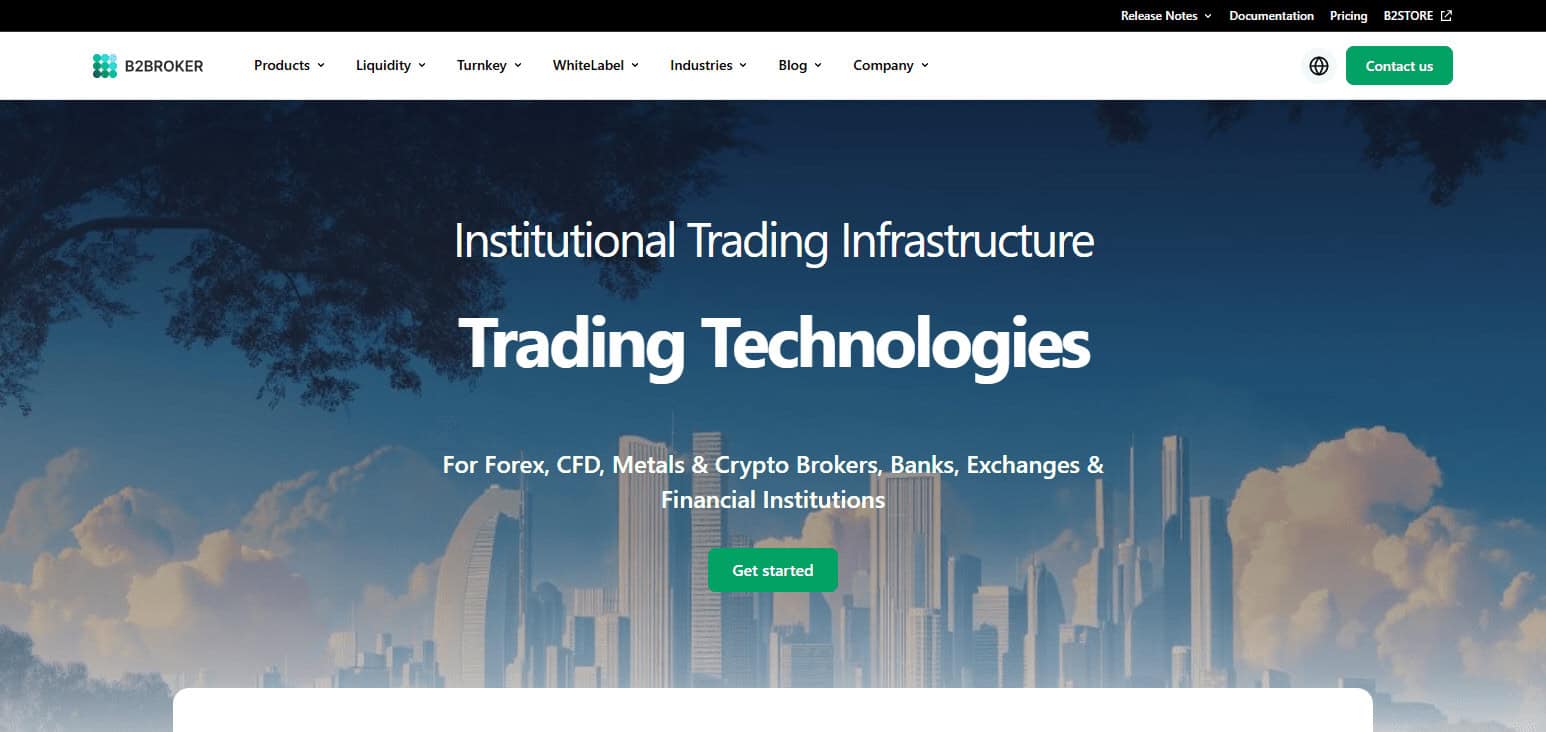
They have advanced infrastructure with FIX API, white-label, and risk management tools. B2Broker continues to build execution tech to improve service for institutions, and this makes them one of the best companies for brokers that need scalable liquidity services.
B2Broker – Pros & Cons
| Pros | Cons |
|---|---|
| Provides deep liquidity across forex, crypto, metals, and CFDs. | Pricing structures may vary depending on client requirements. |
| Supports FIX API and advanced trading integrations. | Smaller brokers may find institutional solutions complex. |
| Offers scalable solutions for brokers and exchanges. | Requires technical expertise for full platform integration. |
| Provides white-label and risk management services. | Global availability can depend on regulatory regions. |
| Strong reputation in fintech and brokerage infrastructure. | Premium features may involve higher operational costs. |
2. Finalto
Finalto offers multi-asset liquidity solutions to brokers and fintech across many asset classes. Their offering covers forex, all CFDs, equities, all commodities, all indices, and digital assets. They have a focus on execution, pricing, and trading tech.

Finalto offers a great way for firms to boost the trading of professional clients and simplify the operations of the firm. They have great liquidity and connections to many markets across the the world.
Finalto – Pros & Cons
| Pros | Cons |
|---|---|
| Offers multi-asset liquidity from one integrated platform. | Advanced solutions may require customized implementation. |
| Supports forex, CFDs, equities, commodities, and digital assets. | Service costs may be higher for small businesses. |
| Provides reliable execution and competitive pricing. | Beginners may need technical support initially. |
| Strong global market connectivity and infrastructure. | Product availability differs across jurisdictions. |
| Helps brokers improve trading performance and efficiency. | Integration processes can take additional development time. |
3. Swissquote
Swissquote offers multi-asset liquidity services to allow their clients access all of the global financial markets. They cover trading in forex, all metals and equities, all commodities and all cryptos and derivatives.
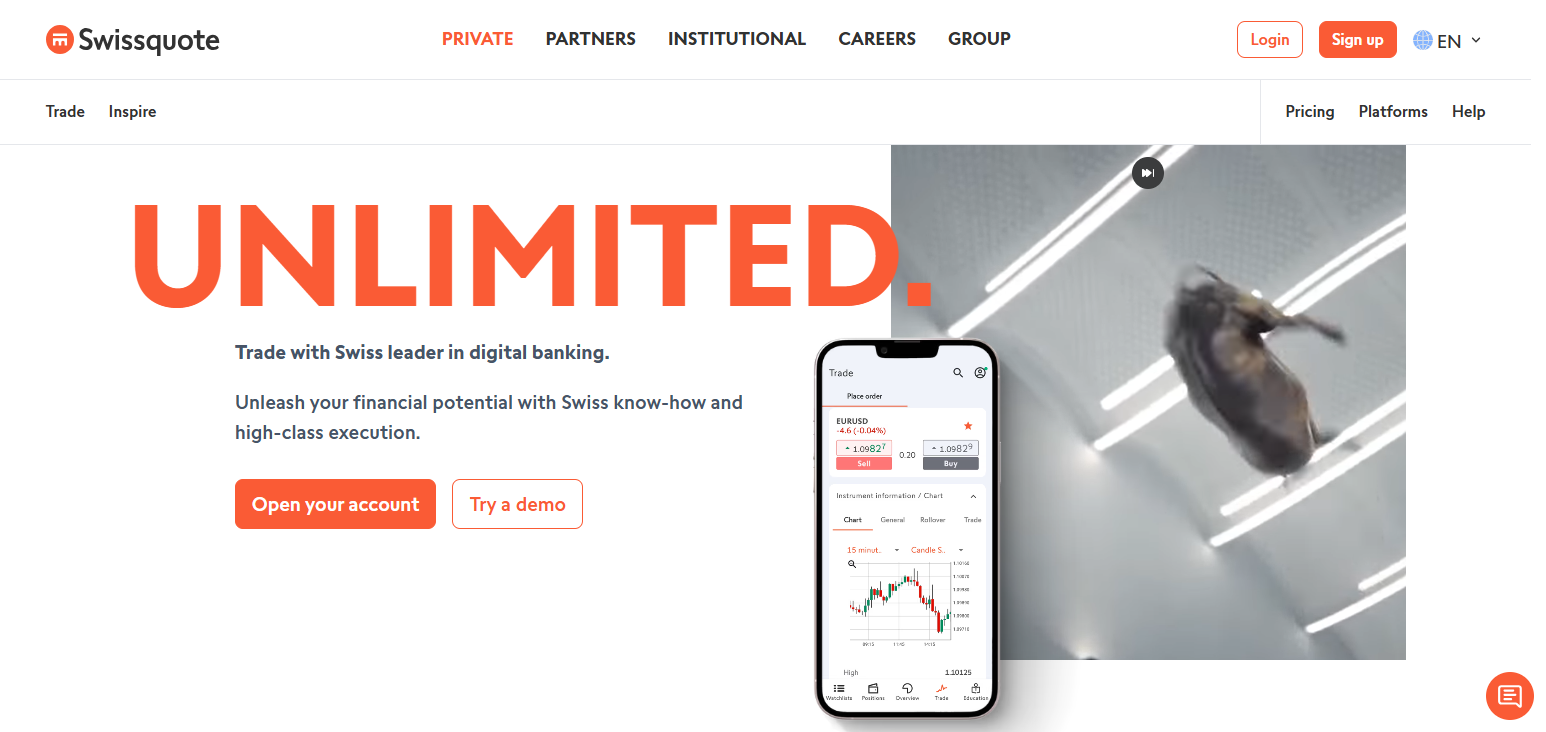
They have solid infrastructure in compliance and advanced tech with a banking background. Swissquote have a solid customer base and provide a great liquidity solution. They continue to enhance their offering for institutional crypto clients.
Swissquote – Pros & Cons
| Pros | Cons |
|---|---|
| Provides regulated institutional-grade liquidity services. | Fees can be higher compared to some competitors. |
| Access to multiple asset classes globally. | May not suit small-scale trading operations. |
| Combines banking security with trading technology. | Account requirements can be demanding for institutions. |
| Offers transparent pricing and reliable execution. | Limited customization compared with specialized providers. |
| Strong digital asset and forex capabilities. | Services depend on regional regulations. |
4. Saxo Bank
Saxo Bank is a leading multi-asset liquidity provider worldwide. Their liquidity solutions encompass forex, equities, ETFs, bonds, commodities, options, and futures. They also have quality trading infrastructure with excellent institutional connectivity and faster execution.
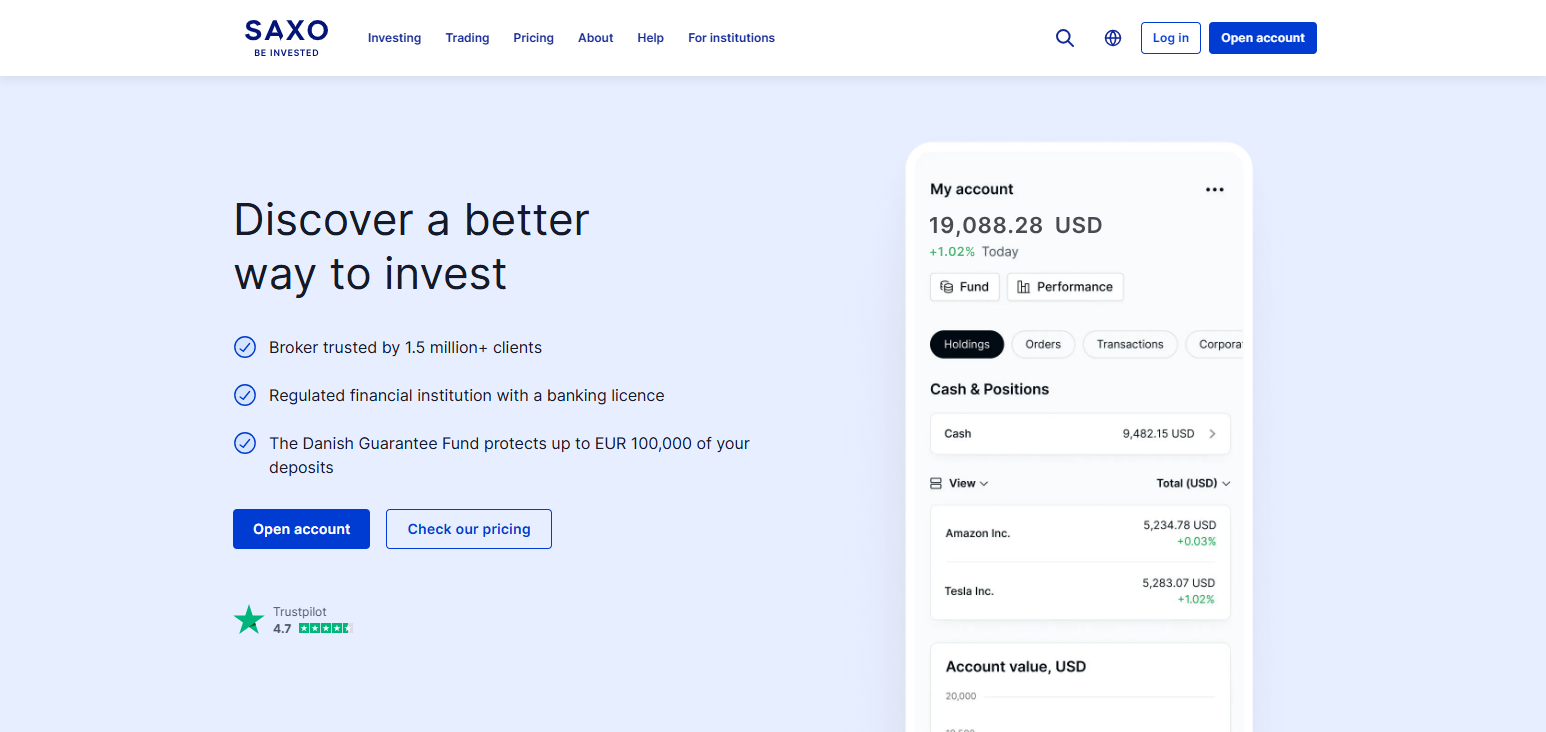
Their deep market integration along with excellent infrastructure helps brokers, asset managers, and professional traders tap into global liquidity in a secured and well-regulated framework.
Saxo Bank – Pros & Cons
| Pros | Cons |
|---|---|
| Provides access to thousands of financial instruments. | Higher costs compared with basic liquidity providers. |
| Strong reputation in global financial markets. | Platform features may feel complex for beginners. |
| Offers advanced institutional trading technology. | Minimum requirements may affect smaller brokers. |
| Supports forex, stocks, bonds, and derivatives. | Some regions have restricted product access. |
| Provides secure and regulated market infrastructure. | Custom liquidity solutions may require additional setup. |
5. LMAX Group
LMAX Group focuses mainly on institutional multi-asset liquidity. Their emphasis is on transparency, catering to a low latency environment and faster execution. They operate regulated trading venues with liquidity in forex, crypto, and digital asset trading.
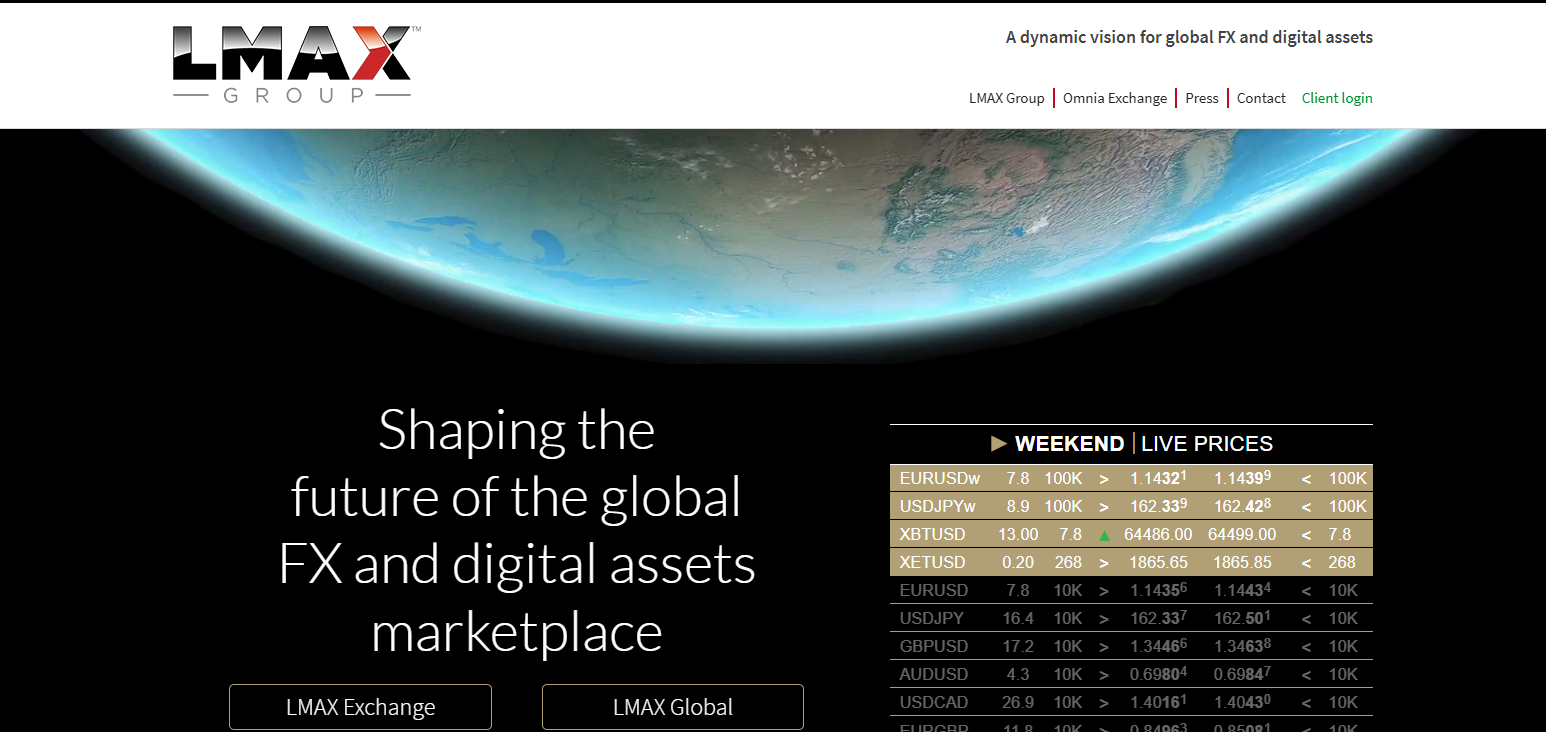
Their business model is based on an exchange, which enables direct access to institutional liquidity, eliminating inefficiencies in traditional markets.
They are a go-to liquidity provider for brokers, funds and financial institutions, as they continue to invest in technology and global connectivity.
LMAX Group – Pros & Cons
| Pros | Cons |
|---|---|
| Delivers fast, transparent exchange-style liquidity. | Mainly focused on institutional clients. |
| Provides low-latency trading infrastructure. | Smaller firms may face higher entry barriers. |
| Strong forex and digital asset liquidity network. | Limited asset coverage compared with larger providers. |
| Offers direct access to institutional liquidity pools. | Advanced technology requires technical integration. |
| Known for reliable execution quality. | Costs may increase for customized solutions. |
6. Integral
Integral services brokers, banks and institutional liquidity with advanced technology-based solutions. Their offering connects users to multiple liquidity venues with forex, CFDs, and trading of other financial instruments.
Their infrastructure is cloud-based and helps automate the processes of pricing and liquidity along with trade execution.

Their business model is based on strong APIs and intelligent trading technologies, and optimizes the management of liquidity for their clients, enhancing operational productivity within the global financial markets.
Integral – Pros & Cons
| Pros | Cons |
|---|---|
| Provides advanced liquidity aggregation technology. | Requires technical knowledge for implementation. |
| Connects multiple liquidity sources efficiently. | Smaller firms may find solutions expensive. |
| Offers cloud-based trading infrastructure. | Setup process can be time-consuming. |
| Supports automated pricing and execution tools. | Customization may require additional development resources. |
| Improves liquidity management and operational efficiency. | Not ideal for very simple trading requirements. |
7. CMC Connect
CMC Connect helps banks, brokers, and professional traders with institutional multi-asset liquidity offerings. They present clients with advanced trading tech with access to forex, indices, commodities, crypto, and CFDs.
Flexible integration, reliable execution, and tailored liquidity are the focus of their offerings. CMC Connect uses the expertise of a global financial group to assist their clients in developing competitive market access with efficient execution and enhanced trading opportunities.
CMC Connect – Pros & Cons
| Pros | Cons |
|---|---|
| Provides institutional liquidity across multiple markets. | Mainly targeted toward professional clients. |
| Supports forex, commodities, indices, and crypto assets. | Availability depends on regulatory locations. |
| Offers flexible integration options for brokers. | Advanced features may require technical support. |
| Benefits from CMC Markets’ financial expertise. | Smaller businesses may find pricing challenging. |
| Provides competitive execution and market access. | Limited customization compared with niche providers. |
8. XTX Markets
XTX Markets is a tech-based liquidity provider that specializes in quantitative trading and algorithmic pricing. They provide liquidity in forex, equities, commodities, and digital assets by trading and analyzing data with advanced tech and automation.

Their tech provides excellent execution, pricing, and market depth and continues to improve the delivery of liquidity for their institutional clients through the use of artificial intelligence and machine learning.
XTX Markets – Pros & Cons
| Pros | Cons |
|---|---|
| Uses AI-driven technology for liquidity management. | Primarily serves institutional market participants. |
| Provides highly efficient algorithmic pricing models. | Less suitable for retail-focused brokers. |
| Delivers fast execution and deep liquidity. | Limited publicly available service details. |
| Strong expertise in quantitative trading technology. | Requires advanced integration capabilities. |
| Supports multiple global asset classes. | Access may require strict onboarding processes. |
9. CFH Clearing
CFH Clearing provides brokers and professional traders multi-asset liquidity solutions. They provide access to forex, precious metals, indices, and crypto liquidity along with advanced trading tech, risk management, and execution.

They are focused on providing consistent liquidity and pricing, as well as fast connections to assist brokers in trading enhanced operations across financial markets.
CFH Clearing – Pros & Cons
| Pros | Cons |
|---|---|
| Provides reliable liquidity for forex brokers. | Asset coverage may be narrower than competitors. |
| Supports forex, metals, indices, and crypto markets. | Mainly focused on institutional trading clients. |
| Offers advanced risk management solutions. | Smaller firms may face higher costs. |
| Provides efficient connectivity and execution. | Technology setup requires professional assistance. |
| Helps brokers improve trading infrastructure. | Regional availability may vary. |
10. Advanced Markets
Advanced Markets provides prime brokerage and liquidity solutions to brokers, hedge funds, and financial institutions.
Its liquidity services include forex, metals, and commodities, among other asset classes. Its technology provides clients with clear pricing, quick execution, and the ability to integrate trading in a variety of ways.
Advanced Markets focuses on providing clients with innovative liquidity solutions to help them manage risks and improve the quality of their executions, as well as broaden their ability to trade additional asset classes on a global scale.
Advanced Markets – Pros & Cons
| Pros | Cons |
|---|---|
| Provides institutional liquidity and prime brokerage services. | Primarily designed for professional clients. |
| Offers deep liquidity across forex and commodities. | May require higher account commitments. |
| Supports transparent pricing and fast execution. | Limited information available for retail users. |
| Provides flexible integration with trading platforms. | Advanced solutions require technical expertise. |
| Helps brokers manage risk effectively. | Costs can increase with customized services. |
Conclusion
Concluding Best Multi-Asset Liquidity Providers, the right Multi-Asset Liquidity Providers enables brokers and financial institutions to access diverse markets with enhanced execution and competitive pricing using state-of-the-art technologies. B2Broker, Finalto, Swissquote, and
LMAX Group as leading providers make scalable liquidity solutions across multiple asset classes available. Firms need to consider liquidity depth, reliability, regulation, and integration to choose the optimal provider for their trading success.
FAQ
Why are multi-asset liquidity providers important for brokers?
They help brokers access deeper liquidity, improve execution speed, reduce spreads, and provide diverse trading instruments.
Which are the best multi-asset liquidity providers in 2026?
Top providers include B2Broker, Finalto, Swissquote, Saxo Bank, LMAX Group, Integral, CMC Connect, XTX Markets, CFH Clearing, and Advanced Markets.
What assets do multi-asset liquidity providers support?
Most providers support forex, cryptocurrencies, metals, commodities, equities, indices, CFDs, bonds, and derivatives.
How do brokers connect with multi-asset liquidity providers?
Brokers usually connect through FIX API, trading platforms, liquidity bridges, and customized institutional technology solutions.