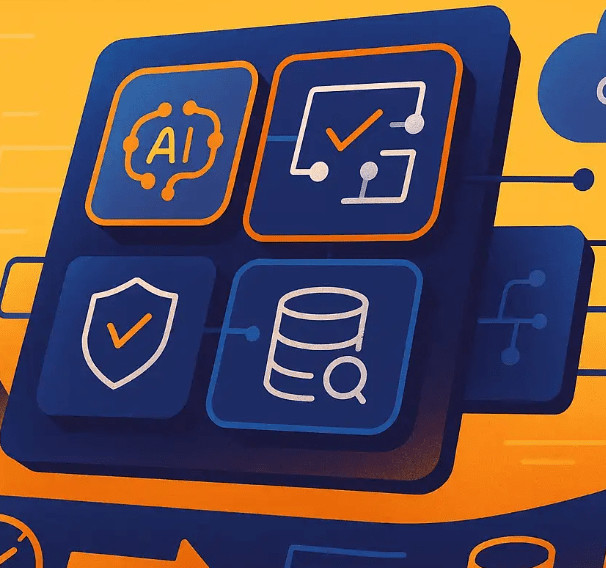
Here I shall be talking to you about the Healthcare SaaS Platforms Replacing Hospital Paper Systems — How Cloud is Changing Patient Records, Billing & Clinical Workflows.
Breaking tradition in this manner, these modern solutions create a paperless ecosystem that greatly minimizes any errors while capitalizing on greater efficiency.
With hospitals diving into digital ecosystems, scalable virtual health available on secure external SaaS platforms for use anywhere in the world is an imperative need for patient-centric healthcare delivery.
Key Points & Healthcare SaaS Platforms Replacing Paper-Based Hospital Systems
- MEDITECH Expanse – Cloud-based EHR streamlines workflows, eliminates paperwork, and improves clinical decision-making efficiency significantly.
- Oracle Health – Integrated digital health records enhance interoperability, automate processes, and reduce manual documentation errors.
- athenahealth – Network-enabled platform simplifies billing, scheduling, and records, replacing outdated paper-based hospital workflows.
- NextGen Healthcare – Modern SaaS system digitizes patient records, boosts efficiency, and minimizes administrative paperwork burden.
- eClinicalWorks – Unified cloud solution replaces paper charts, enabling real-time data access and coordination.
- AdvancedMD – End-to-end practice management automates billing and documentation, reducing dependency on paper processes.
- Doctors App – Mobile-first solution digitizes consultations and prescriptions, eliminating traditional paperwork in clinics efficiently.
- MocDoc – Comprehensive HMS platform replaces manual records, improving hospital operations and patient data management.
- HealthPlix – AI-powered EMR enhances clinical productivity, replacing handwritten notes with structured digital records.
- Eka Care – Digital health records platform simplifies patient data storage, removing the need for physical files.
- Kareo – Cloud-based billing and EHR platform eliminates paperwork, improving financial and clinical workflows.
- DocEngage – Integrated HMS digitizes operations, reduces paperwork, enhances patient engagement, and hospital efficiency.
12 Healthcare SaaS Platforms Replacing Paper-Based Hospital Systems
1. MEDITECH Expanse
MEDITECH Expanse is a leading cloud-native EHR platform replacing legacy hospital systems with integrated digital workflows.
It supports real-time patient data access, improving clinical decisions and reducing documentation delays.
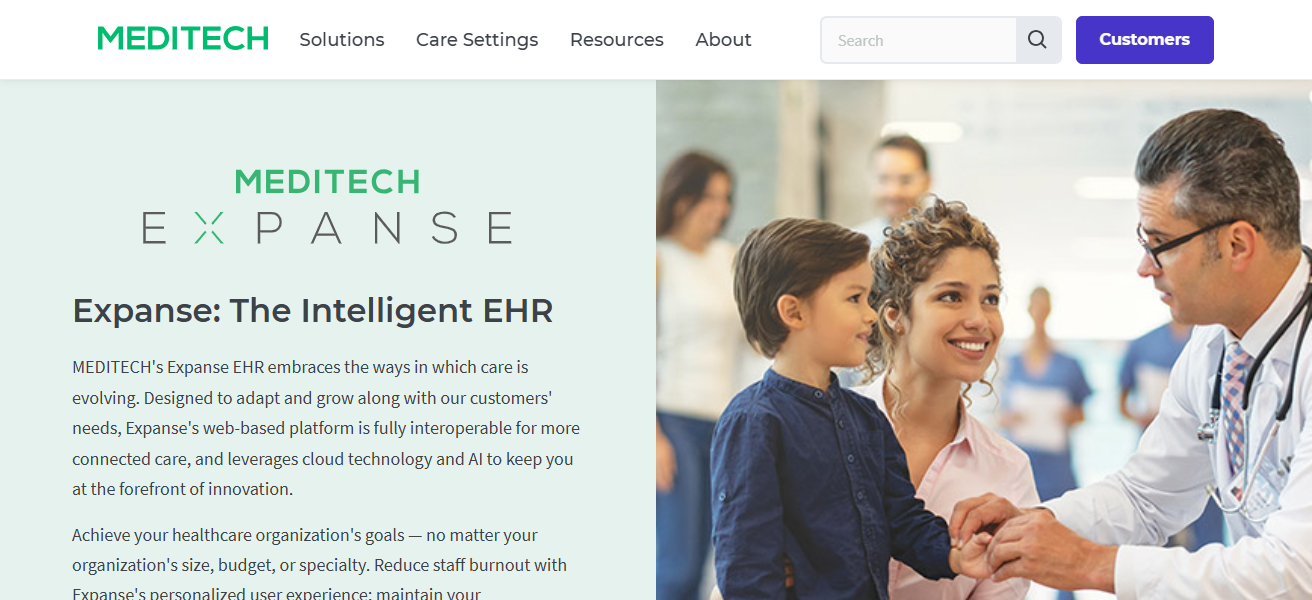
Hospitals using modern EHRs report up to 50% reduction in clinician burnout due to automation.
Its interoperability capabilities enable seamless data exchange across departments, eliminating paper-based inefficiencies
While ensuring compliance with modern healthcare standards and improving patient outcomes through AI-assisted clinical insights.
| Pros | Cons |
|---|---|
| Modern web-based interface improves usability and clinician productivity significantly | Limited third-party integrations compared to larger enterprise ecosystems |
| Unified patient record enhances care coordination across departments efficiently | Smaller interoperability network in some global healthcare systems |
| Lower total cost than enterprise competitors for mid-sized hospitals | Customization options can be restricted in SaaS deployment models |
| Built-in analytics and decision support improve clinical outcomes | Training required for staff transitioning from legacy systems |
2. Oracle Health
Oracle Health, powered by enterprise cloud architecture, modernizes healthcare operations for hospitals to digitize the encounter of patient records and workflows.
The integration promotes better interoperability and allows for near-real-time analytics to inform business decisions.
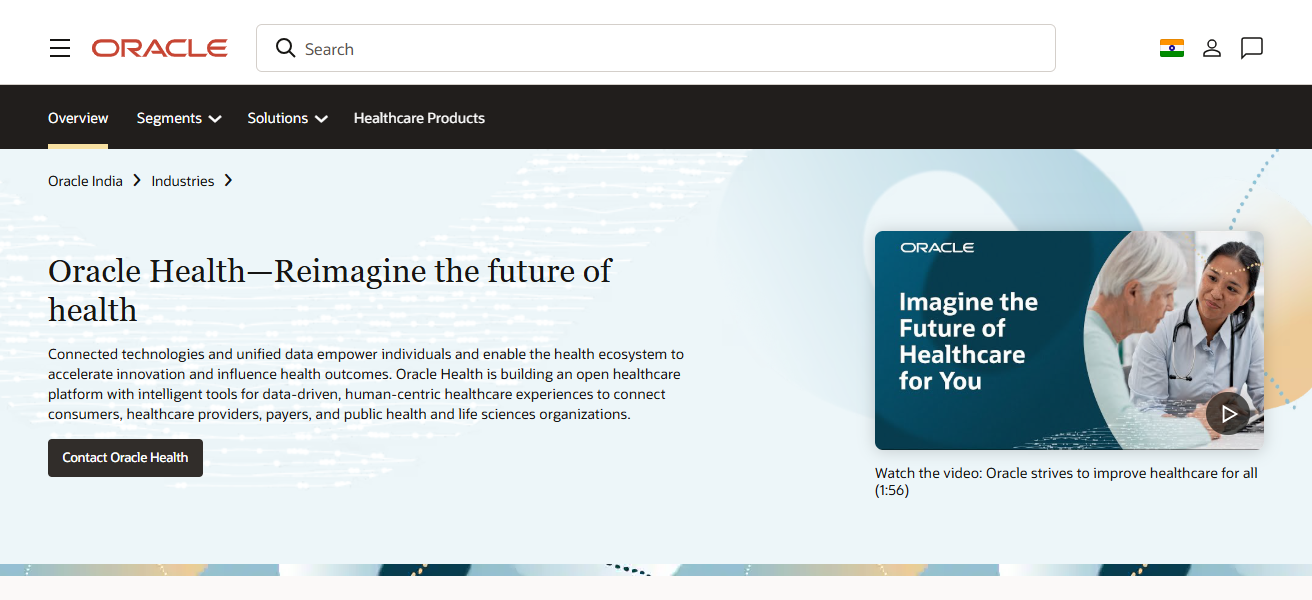
As the adoption of SaaS is increasing, hospitals are easing into integrated ecosystems that streamline operations.
It was seen from the studies that payment cycles can be reduced from 90 to 40 days using SaaS automation tools.
Oracle Health is an important piece of discontinuing manual pap
| Pros | Cons |
|---|---|
| Strong cloud infrastructure enables scalable hospital operations globally | High implementation and maintenance costs impact smaller healthcare providers |
| Advanced analytics improves decision-making and patient outcomes | Complex system setup may disrupt workflows initially |
| Interoperability features connect multiple healthcare systems efficiently | Vendor lock-in risks limit flexibility in long-term usage |
| Real-time data insights enhance operational efficiency significantly | Requires skilled IT teams for optimal performance |
3. Athenahealth
athenahealth is a SaaS platform specializing in billing, scheduling, and EHR management that operates over a network.
Being cloud-based in its model means that it gets updated constantly, ensuring real-time data sharing across healthcare providers.
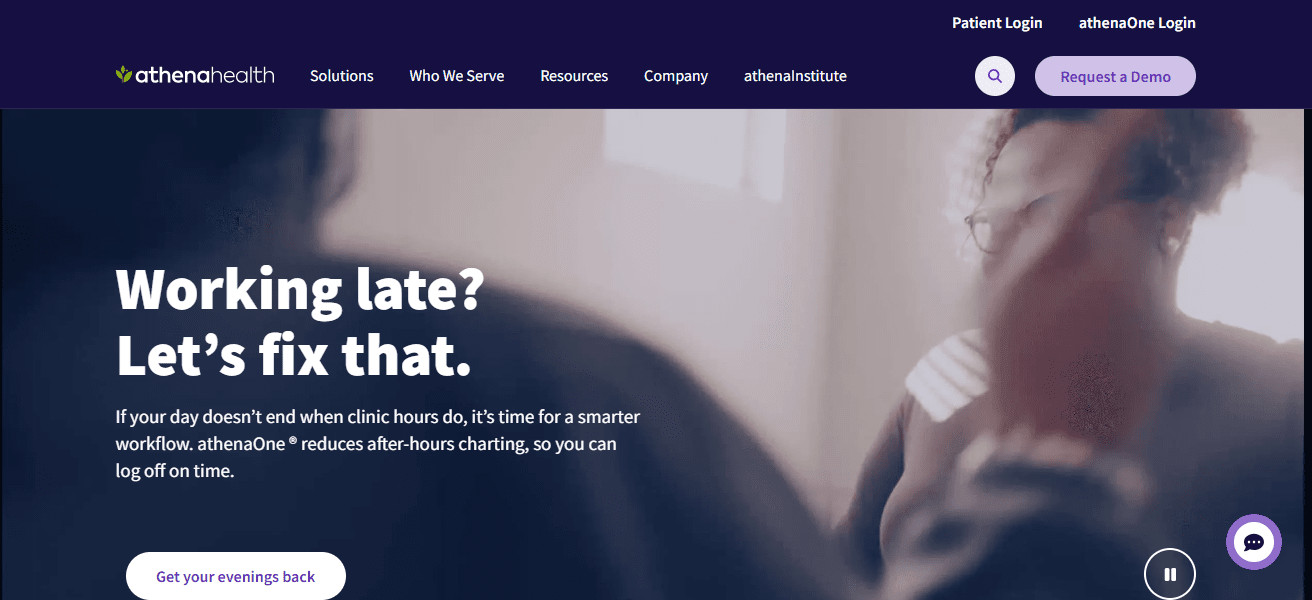
Since Cloud systems now represent over 73% of EHR deployments, athenahealth is a critical enabler for care delivery.
It digitizes paper records, automates administrative workflows, and enhances patient engagement, freeing clinics and hospitals to scale healthcare operations through a 90% reduction in the dependency on physical documents.
| Pros | Cons |
|---|---|
| Cloud-based platform enables remote access to patient records anytime | Subscription pricing can increase long-term operational costs |
| Strong billing and revenue cycle management improves financial efficiency | Dependency on internet connectivity affects accessibility |
| Continuous updates ensure compliance with healthcare regulations | Limited customization compared to on-premise systems |
| Enhances patient engagement through integrated communication tools | Learning curve for non-technical healthcare staff |
4. NextGen Healthcare
NextGen Healthcare offers an all-in-one, SaaS platform centered on ambulatory practices and hospitals.
It digitizes patient records and consolidates clinical, financial, and operational workflows in one platform.
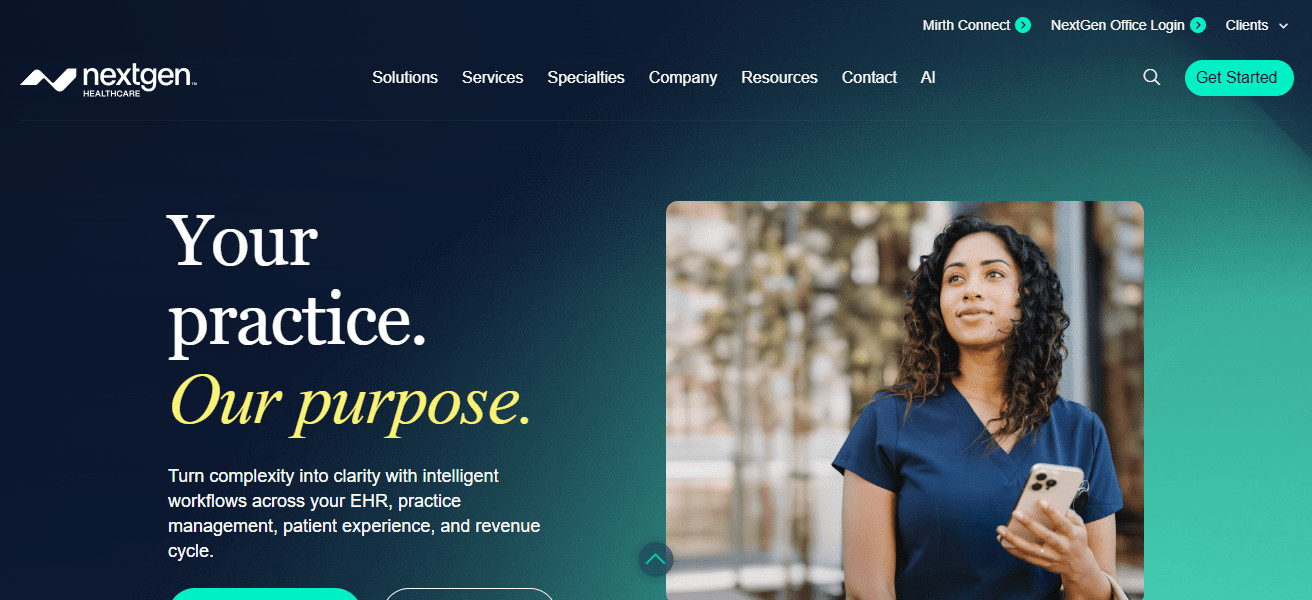
This scalability found in such platforms is what drives the nearly 17% CAGR growth we see in the healthcare SaaS market through 2031.
NextGen replaces the outdated paper-based system as NextGen slashes administrative burden, aids regulatory compliance, and improves coordinated patient care delivery.
| Pros | Cons |
|---|---|
| Comprehensive solution integrates clinical and financial workflows seamlessly | Implementation complexity can delay adoption timelines |
| Improves regulatory compliance and reporting accuracy significantly | High training requirements for staff onboarding |
| Supports scalable operations for growing healthcare organizations | Interoperability challenges with legacy systems persist |
| Enhances patient care coordination with centralized data access | Initial productivity drop during system transition |
5. eClinicalWorks
eClinicalWorks offers a cloud-based EHR and practice management solution used by practices worldwide.
All your patient information in one place, real-time access to data, telehealth accessibility, and uses AI-based insights.
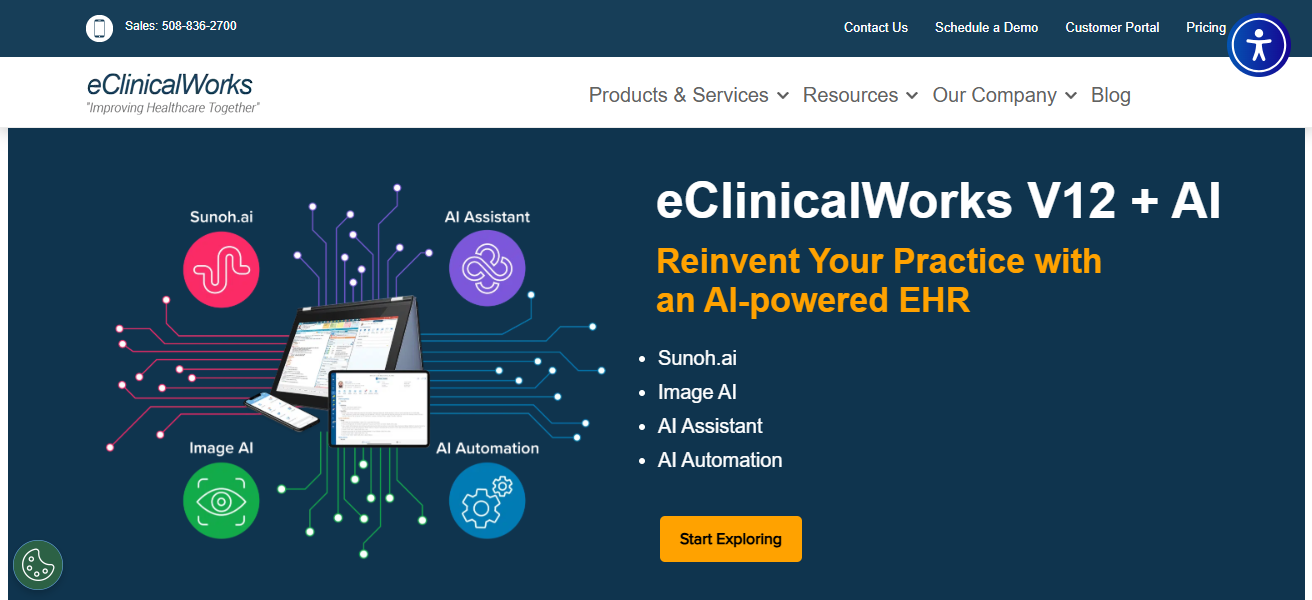
The telemedicine segment held the largest share of healthcare for SaaS adoption, and the market is yet to witness many platforms like eClinicalWorks that ensure digital transformation.
It is designed to replace manual charting and paper files, increasing workflow efficiency, improving clinical outcomes through reduced errors, and enabling a more engaging patient experience across all healthcare ecosystems.
| Pros | Cons |
|---|---|
| Real-time patient data access improves treatment accuracy and speed | Occasional usability issues affect workflow efficiency |
| Telehealth integration supports remote healthcare delivery | System updates may temporarily disrupt operations |
| AI-driven analytics enhance decision-making capabilities | Data migration from legacy systems can be complex |
| Reduces paperwork and administrative workload significantly | Requires continuous maintenance and support |
6. AdvancedMD
AdvancedMD has an all-in-on SaaS platform with EHR + billing + telemedicine + patient engagement. The centralized dashboard helps in improving reporting and productivity.
More recent SaaS-based systems such as AdvancedMD can help hospitals enable workflow automations to minimize time-consuming manual documentation.
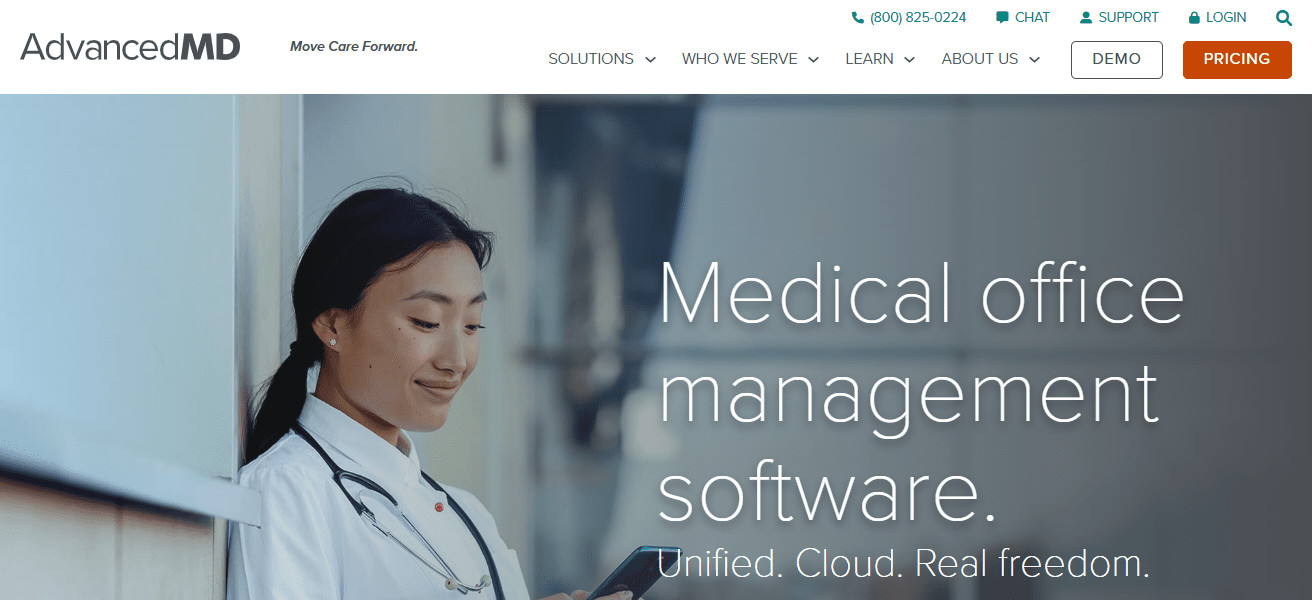
Demand for affordable, scalable solutions is widely cited cause for the upsurge in healthcare SaaS adoption — with at least 20% CAGR expected from market growth in some regions according to industry reports. This offers a more expedited delivery and financial management.
| Pros | Cons |
|---|---|
| All-in-one platform combines EHR, billing, and telemedicine efficiently | Higher pricing compared to basic SaaS solutions |
| Automation reduces administrative burden and human errors | Customization limitations in SaaS environment |
| Improves financial performance with integrated billing tools | Requires staff training for optimal usage |
| Cloud access enhances flexibility and scalability for practices | Downtime risks may affect clinical workflows |
7. Doctors App
Doctors App — is a SaaS solution to digitize consultations, prescriptions, and records of patients. As the penetration of smartphones is increasing & need for telehealth & mobile healthcare
Platforms Remote care utilization with SaaS has grown in popularity, further expanding accessibility and decreasing congestion in the hospital setting.
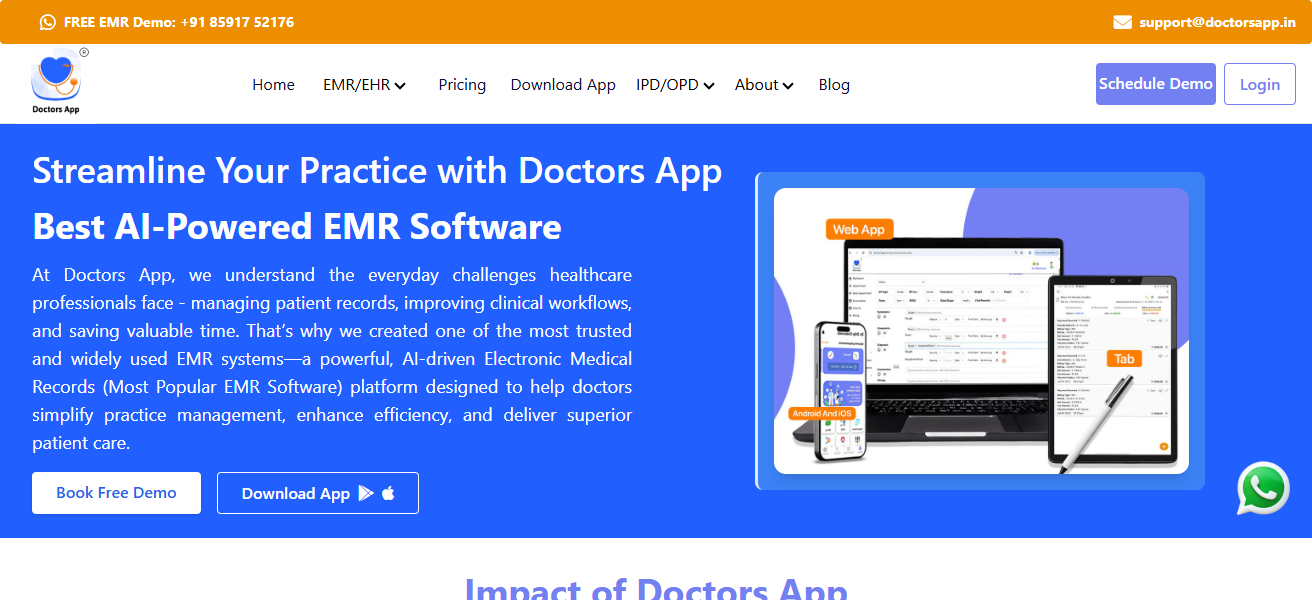
Patient driven care models and mobile engagement tools are fuelling the shift to digital health. Doctors App is the solution that allows
You to ditch the paperwork and be able to connect with your patients at any time, anywhere while automating clinical workflows.
| Pros | Cons |
|---|---|
| Mobile-first approach enables quick consultations and digital prescriptions | Limited advanced features compared to enterprise platforms |
| Easy adoption for small clinics and independent practitioners | Scalability challenges for large hospitals |
| Reduces paperwork and improves patient record management | Integration limitations with external systems |
| User-friendly interface simplifies daily clinical operations | Dependence on mobile connectivity affects usage |
8. MocDoc
MocDoc is an end-to-end hospital management SaaS platform to automate both administrative and clinical processes.
This automates processes and replaces manual record management by leveraging centralized digital systems which overall improves the efficacy and precision of the process.
SaaS for healthcare providers improve significantly operational workflows and patient data management.
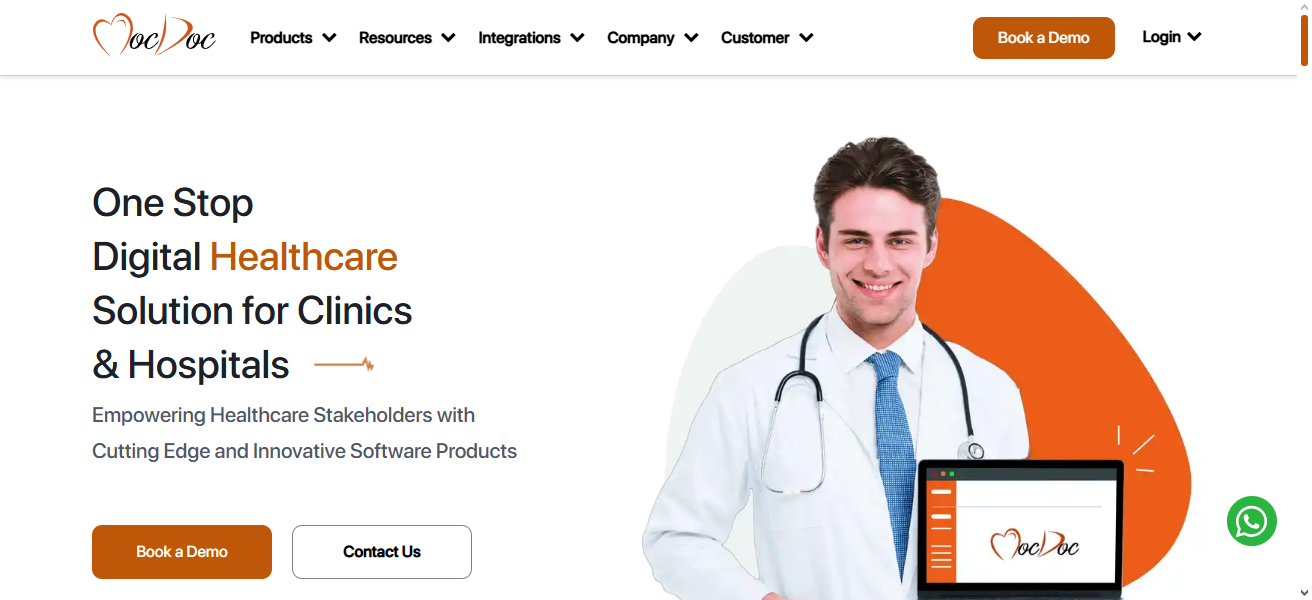
As more than 54,000 organizations leverage cloud platforms to deliver care and convening with global trends towards digital transformation it is a natural fit for the MocDoc environment.
This improves inter departmental collaboration and also decreases reliance on paper based systems.
| Pros | Cons |
|---|---|
| Comprehensive HMS covers clinical, admin, and billing workflows | Customization may require additional development resources |
| Centralized data improves operational efficiency significantly | Initial setup and migration can be time-consuming |
| Enhances coordination across departments and staff | Subscription costs accumulate over time |
| Supports digital transformation for hospitals effectively | Training required for staff adaptation |
9. HealthPlix
HealthPlix- It is an EMR platform used by doctors in India to digitize their clinical records and drive productivity with the help of AI.
The potential for artificial intelligence (AI) driven SaaS tools is also transforming the healthcare industry by providing predictive insights and the decision support needed.
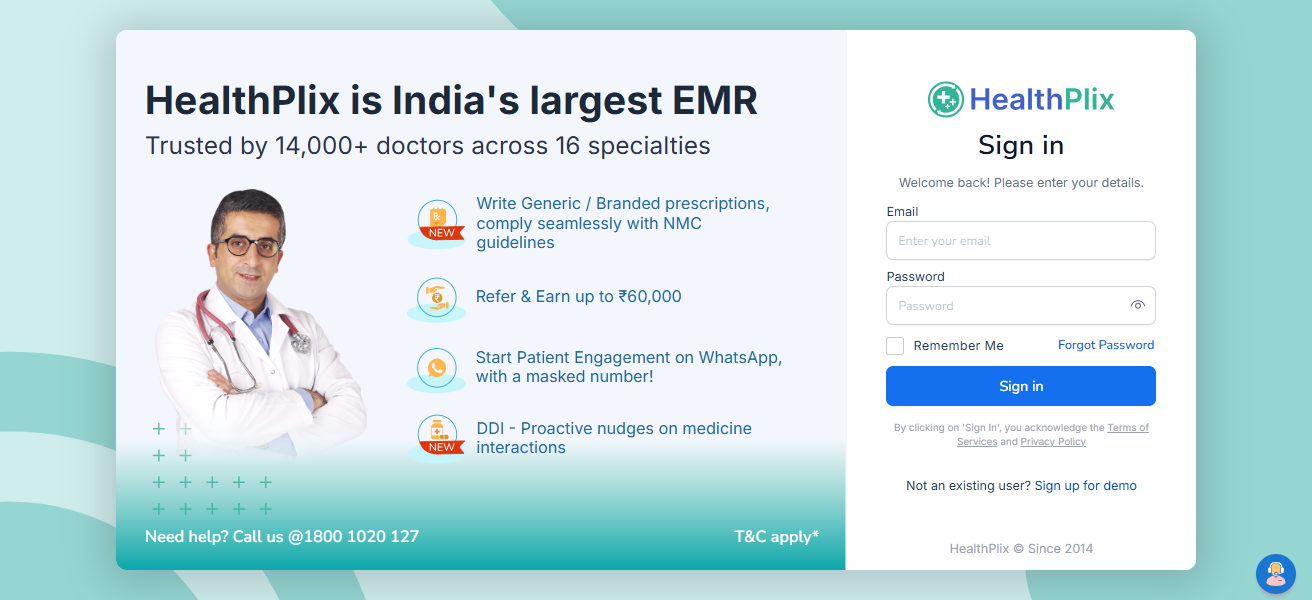
AI integration is a major driving factor for SaaS platform growth, allowing for better patient outcomes and operational efficiency.
Holding billions of patient records worldwide, healthcare SaaS is huge and the Real-World Evidence that HealthPlix brings replaces handwritten notes with structured digital record keeping informed by data.
| Pros | Cons |
|---|---|
| AI-powered EMR improves clinical decision-making and productivity | AI adoption requires trust and training among clinicians |
| Structured digital records reduce manual documentation errors | Data privacy concerns require strict compliance measures |
| Enhances patient outcomes through data-driven insights | Dependence on accurate data input for optimal performance |
| Widely adopted in India for scalable healthcare solutions | Integration challenges with external hospital systems |
10. Eka Care
Eka Care is an approach towards building health records for a patient, where patients and the hospitals can store their medical data digitally securely.
Platforms such as Eka Care are enabling digital adoption with the growing focus on interoperability and data accessibility.
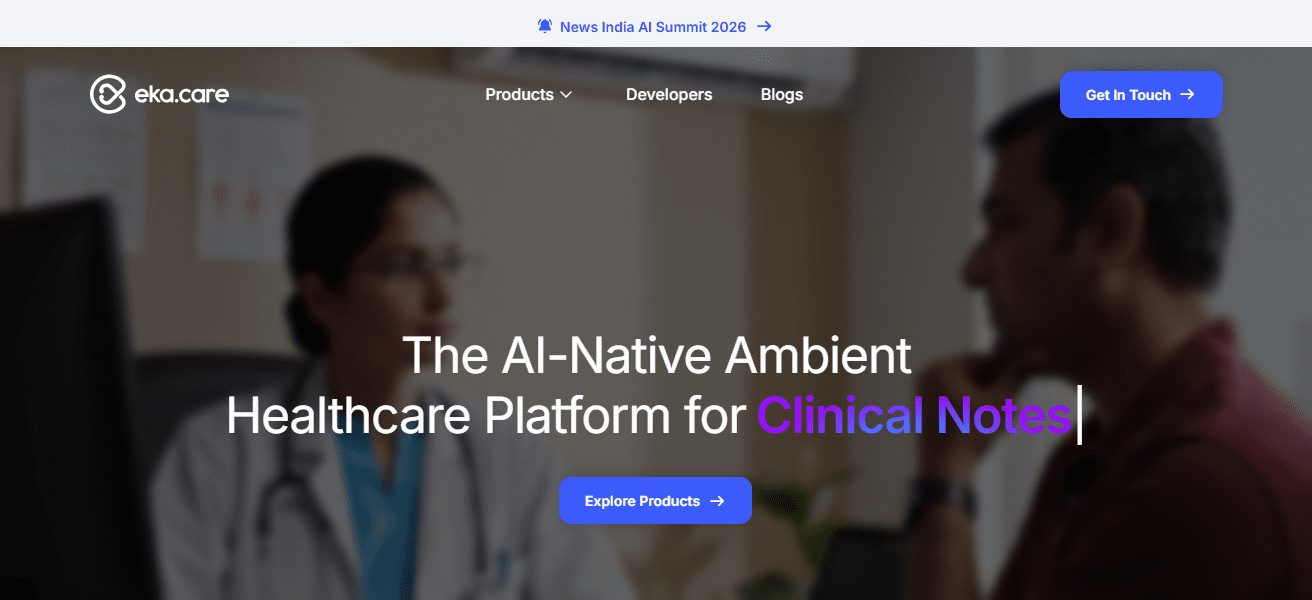
Investments on digital health infrastructure are throwing billion dollars rapidly in the SaaS healthcare ecosystem.
Eka Care aims to eliminate physical files and facilitate real-time data sharing supporting efficient and paperless healthcare systems in response to 21st century digital health initiatives.
| Pros | Cons |
|---|---|
| Enables secure digital storage of patient health records | Limited advanced hospital management features |
| Improves accessibility and sharing of medical data easily | Requires continuous internet access for usage |
| Supports patient-centric healthcare ecosystem effectively | Less suitable for large enterprise hospital systems |
| Eliminates physical paperwork and storage costs | Data accuracy depends on timely updates |
11. Kareo
Kareo K is designed for small to mid-sized practices as a cloud-based EHR and billing solution. Since It streamline administrative processes and enhance financial performance
Some organizations like Kareo — a SaaS platform geared towards billing, revenue cycles and patient engagement opportunities for small animal practices — are helping create efficiencies that eliminate unnecessary operational costs.
Research shows that automation tools improve efficiency greatly and can also reduce claim processing time up to 67%.
Kareo provides healthcare providers with the tools to shift their practice away from cumbersome paper-based billing and records while continuing to keep efficient operations in place so patient care remains a priority.
| Pros | Cons |
|---|---|
| Strong billing and practice management tools improve revenue cycles | Limited scalability for large hospital systems |
| Cloud-based access enhances flexibility and efficiency | Subscription costs may increase over time |
| Simplifies administrative workflows for small practices | Customization options can be limited |
| Reduces paperwork and improves data organization | Requires stable internet connectivity |
12. DocEngage
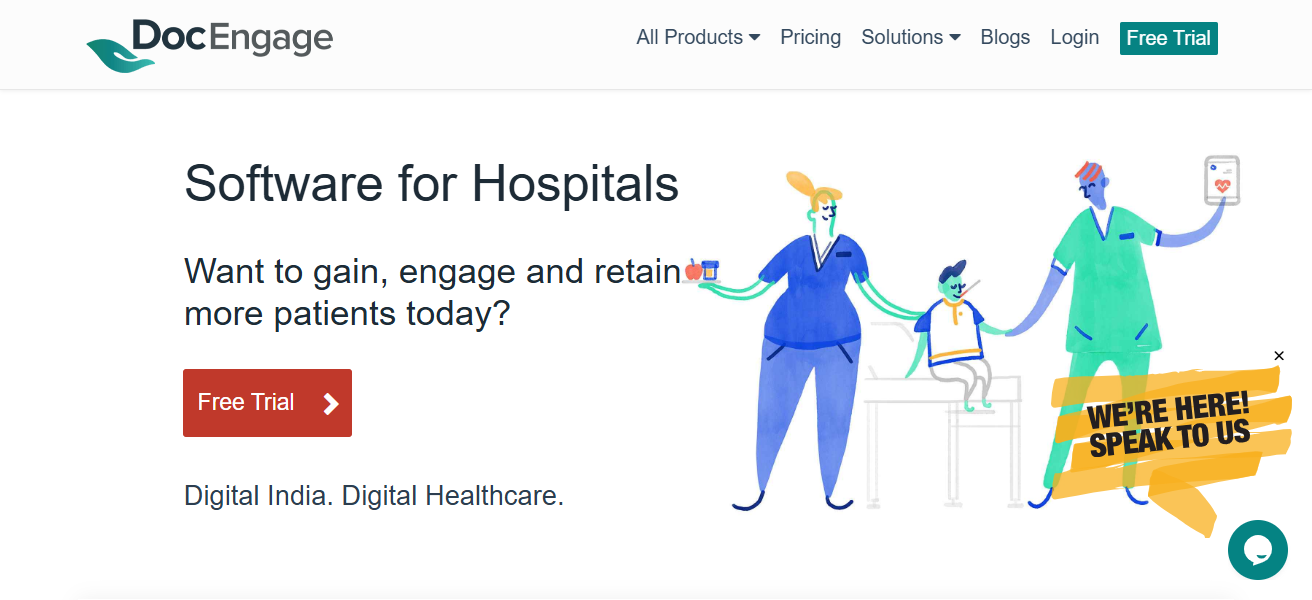
DocEngage is a cloud based, latest hospital management SaaS platform for digitizing operations and enhancing engagement with patients.
Allows you to integrate your appointment scheduler, billing, EHR and communication in a single system As the demand for integrated healthcare ecosystems increases, platforms such as DocEngage play a crucial role.
The need for interoperability and access to real-time data across an entire healthcare network is promoting SaaS adoption. It increases efficiency, transparency and patient satisfaction whilst eliminating paperwork.
| Pros | Cons |
|---|---|
| Integrated platform streamlines hospital operations and patient engagement | Initial onboarding and training may take time |
| Improves appointment scheduling and billing efficiency | Customization may require technical support |
| Reduces paperwork and enhances digital workflows significantly | System downtime risks can affect operations |
| Enhances communication between patients and healthcare providers | Integration challenges with legacy systems |
Why Healthcare SaaS Is Replacing Paper Systems
- Faster data access and real-time clinical decision-making
- Reduced administrative workload and human errors
- Improved billing efficiency and revenue cycle management
- Enhanced patient engagement through digital tools
- Scalable, secure, and compliant cloud infrastructure
Conclusion
To sum it up, Healthcare SaaS platforms transform hospitals by phasing out paper and allowing them to deliver care digitally.
Now these platforms are defining the future of healthcare with rapid adoption, AI integration and cloud scalability.
With double-digit growth, SaaS is inevitable and we are done talking about the same old CSS-outsourced, inefficient ways of building a patient-based healthcare system.
FAQ
What is Healthcare SaaS?
Healthcare SaaS refers to cloud-based software solutions that manage patient data, billing, and hospital workflows digitally.
Why are hospitals replacing paper systems?
Paper systems are slow, error-prone, and inefficient compared to automated SaaS platforms.
How big is the healthcare SaaS market?
The market reached $30+ billion in 2025 and is projected to exceed $167 billion by 2035
Are SaaS platforms secure for healthcare data?
Yes, most platforms follow strict compliance standards like HIPAA and advanced encryption protocols.